Independent travel and view of the city of Gjirokastra!
A brief history of the city of Gjirokastra
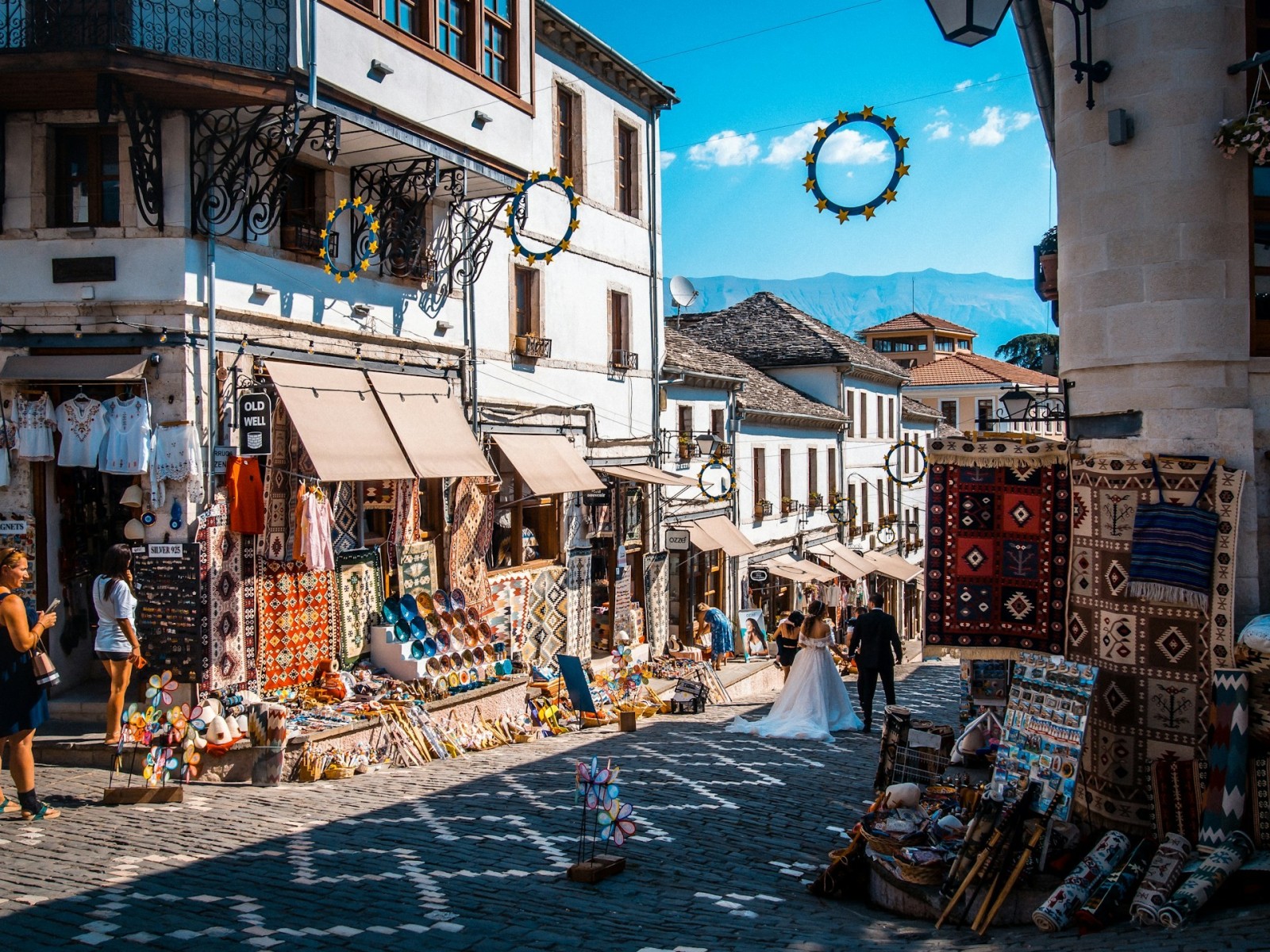
Gjirokastra is a historic city in southeastern Albania, famous for its rich history, cultural heritage and unique architecture. Inscribed on the UNESCO World Heritage List, Gjirokastra is an amazing ensemble of stone buildings located on the slopes of the mountain.
Originating in the fifth century BC, Gjirokastra had a variety of historical owners, including Romans, Byzantines, Bulgarians, Serbs and Ottomans. However, the city became especially famous during the Ottoman period, when it became a center of trade and cultural development.
The main feature of Gjirokastra is its stone architecture, reflecting a mixture of different styles such as Byzantine, official and Venetian. Especially impressive are stone houses with traditional roofs, which were built in the XVIII-XIX centuries. These houses, known as “fortress houses,” have thick walls, fortified towers and stone slabs on their roofs, making them resistant to earthquakes and other natural disasters.
Ottoman influence is firmly rooted in Gjirokastra culture, as seen in local cuisine, architecture and traditions. The city is also famous for its fortress, built in the XIII century, which was rebuilt in Ottoman times. This fortress offers stunning views of the city and the surrounding area.
It is important to note that Gjirokastra became a UNESCO World Heritage Site in 2005 as an example of a unique urban environment where various architectural styles and cultural influences have been preserved. Today, the city attracts tourists with its history, beautiful architecture and panoramic views, making it an important cultural and tourist center in Albania.
What is interesting about the city of Gjirokastra
Gjirokastra in Albania is a fascinating historical city that has a unique combination of cultural wealth and breathtaking nature, making it an attractive destination for travelers and tourists alike. Here are a few things that can catch the attention of travelers:
Historic Heritage: Gjirokastra has a rich history stretching over many centuries. This ensemble of stone buildings reflects the influence of various cultural eras, including the Byzantine, official and Ottoman periods. Historical monuments such as the fortress of Gjirokastra are not only a testament to the past, but also an inspiration to the imagination.
Stone architecture: The unique stone architecture of the city, especially the “fortress houses”, attracts the attention of tourists. These traditional houses with thick walls, towers and stone roofs create a unique architectural appearance that delights in its strength and originality.
Cultural Events: Gjirokastra often organizes cultural events, festivals and exhibitions, providing tourists with the opportunity to immerse themselves in the local atmosphere and traditions. This can include music concerts, theatre performances and fairs with local artisans.
Panoramic views: Located on the slopes of the mountain, Gjirokastra offers stunning panoramic views of the surrounding terrain. Tourists can enjoy magnificent views of the city, valley and mountains, which creates a unique atmosphere and makes walking around the city even more memorable.
Gastronomic diversity: The Ottoman influence in the local cuisine creates unique dishes and tastes. Tourists can enjoy authentic Albanian cuisine in cozy restaurants, taste local products and enjoy the hospitality of the locals.
Gjirokastra offers a unique experience combining cultural enrichment, beautiful architecture and natural beauty, making it an attractive destination for tourists looking to immerse themselves in the richness of Albanian history and culture.
Levels of residence in Gjirokastra
Gjirokastra offers a variety of accommodation options, from luxury hotels to more affordable options, which allows you to meet the various budget and comfortable needs of tourists. Here are a few hotel levels and examples of popular accommodation options in Gjirokastra:
Luxury hotels:
Hotel Kalemi 2: Luxury hotel with unique architecture, located in the historic part of the city. It has a high level of service, stylish rooms and a restaurant offering local and international dishes.
Hotel Argjiro: Another example of an upscale hotel that provides chic rooms, a swimming pool and a restaurant with panoramic city views.
Average hotel levels:
Hotel The First: Cozy mid-level hotel with comfortable rooms and a variety of amenities such as restaurant and free Wi-Fi.
Hotel Gjirokaster: A modern hotel with an attractive design, providing guests with facilities such as a conference room, restaurant and terrace overlooking the city.
Economy options and other ways of living:
Guesthouses (Guesthouses): Gjirokastra has several cozy guesthouses providing a more intimate living experience. An example is the Guesthouse Kotoni, which offers spacious rooms and a friendly atmosphere.
Apartments and apartments: Tourists can also choose from a variety of apartments and apartments available for short-term rental through online platforms such as Airbnb. This provides greater freedom and the possibility of savings.
Hostels: For budget travelers, there are hostels in Gjirokastra where you can book shared rooms with a friendly atmosphere. Example: Stone City Hostel.
The choice of accommodation depends on the individual preferences and budget of the traveler. Gjirokastra provides a variety of options to meet the needs of a variety of guests, from luxury seekers to those who prefer more budget options.
What to see in the city of Gjirokastra
Gjirokastra in Albania has many unique historical and cultural attractions. Here are a few, as well as information about accessibility:
Fortress of Gjirokastër Fortress: This fortress, built in the XIII century, is one of the main attractions of the city. It offers breathtaking views of Gjirokastra and the surrounding mountains. The fortress is located in the city center and can be easily reached on foot.
Ismail Kadare House Museum (Ismail Kadare House Museum) This museum, dedicated to the famous Albanian writer Ismail Kadar, is located in his former home. Here you can learn more about the life and work of the writer. The museum is also located in the historic part of the city.
Museum of Ethnography (Ethnographic Museum): This museum offers an immersion in traditional Albanian culture. Expositions include household items, costumes and other artifacts. The museum is located in a traditional house in the historic part of the city.
Church of Saint Savior (Church of Saint Savior): This Orthodox church was built in the XIV century and is one of the most important religious buildings in Gjirokastra. Located in the historic part of the city.
Ismail Kadare's House: Apart from the museum, Ismail Kadare’s house itself also attracts attention. It is a building of historical value and architectural interest.
Transport accessibility: Gjirokastra is usually accessible by land. Here are a few ways to get to the city:
Car: Many tourists prefer to rent a car to move freely around the region and visit attractions. The roads in Albania can be winding, but traveling along them will provide the opportunity to enjoy beautiful scenery.
Buses and minibuses: Gjirokastra is served by regular buses and minibuses from various cities of Albania. This is a more affordable option for those who prefer public transport.
Taxi: Taxis are also available in the city, providing a convenient way to get around.
Although Gjirokastra may not be as large and famous as some other European cities, its unique cultural heritage and architectural attractions make it an interesting place to visit.
Cultural life and activities in Gjirokastra
Gjirokastra in Albania comes to life with various events and festivals throughout the year. It is important to note that specific dates may change and it is advisable to check for up-to-date information before travelling. Here are some popular events that can take place in Gjirokastra:
Gjirokastra in Summer Festival: This festival is usually held in the summer and includes many activities such as concerts, theater performances, exhibitions and master classes. This is a great opportunity for tourists to enjoy the culture and art of the city.
City Day of Gjirokastra: Every year, celebrations are held in honor of the founding day or other historical events. This may include parades, folklore performances and traditional festive events.
Festival of Traditional Music and Dance: Gjirokastra, as a place with a rich musical and cultural history, can organize festivals dedicated to traditional Albanian music and dance. This provides a unique opportunity to immerse yourself in the national heritage of the country.
Religious holidays: Depending on the time of year, events related to religious holidays can be held in Gjirokastra. For example, celebrations of Orthodox or Catholic holidays may include church processions, solemn services, and festive events.
Cultural exhibitions and fairs: Various cultural events, exhibitions and fairs can be held in different periods of the year, offering tourists the opportunity to purchase local crafts, traditional goods and explore the local culture.
When planning a trip to Gjirokastra, it is worth clarifying current events and festivals to fully enjoy the richness of the cultural heritage of this amazing city.
Weather conditions for travel to the city of Gjirokastra
Gjirokastra in Albania is in a Mediterranean climate, which means warm summers and mild winters. At different times of the year, the climate can change a little. Here is a general characteristic of the climate in Gjirokastra in different seasons:
Summer (June-August):
Air temperature: In June, temperatures can range from 20°C to 30°C, and in July-August rise above 30°C. During periods of heat, temperatures can reach 35°C and above.
Water temperature: Sea water becomes pleasantly warm, with temperatures around 24-26°C.
The summer months are considered the best time to visit as the weather is bright and sunny, and many events and festivals take place during this time.
Autumn (September-November):
Air temperature: In autumn, temperatures are still quite warm, with daily values ranging from 20°C to 25°C, but it can get cooler at night.
Water temperature: The sea retains its warmth and the water remains comfortable for swimming.
Autumn is also a pleasant time to travel, especially if you prefer a calmer atmosphere after the summer season.
Winter (December-February):
Air temperature: In winter, temperatures can be between 5°C and 15°C, and it can be cool in the evening.
Water temperature: The sea remains relatively warm, but swimming may not be as pleasant due to the cool weather.
The winter months are usually calmer, with fewer tourists.
Spring (March-May):
Air temperature: In spring, temperatures begin to rise, varying from 15°C to 25°C. This period can be very pleasant to visit.
Water temperature: In spring, the water becomes cooler compared to the summer months, but is still acceptable for swimming.
Spring is considered one of the best seasons to visit as nature comes alive and the tourist flow is not yet as intense as in summer.
The best season to visit Gjirokastra depends on the traveler’s preferences. Summer is attractive for heat and sun lovers, spring and autumn are suitable for those who prefer milder weather, and in winter you can enjoy the tranquility and authentic atmosphere.
Traditions, customs and language of communication in Gjirokastra
Language of communication: The official language in Albania is Albanian. In tourist areas and cities, including Gjirokastra, many people, especially in the tourism industry, can speak English. However, by knowing a few basic phrases in Albanian, you can create a more pleasing experience and communicate more easily with locals.
Traditions and customs:
Hospitality: Hospitality is an important part of Albanian culture. Guests are welcomed and many locals are willing to share their experiences and traditions.
Respect for elders: In Albanian culture, respect for elders is very important. Treat people by name with respect and avoid calling them by name only without adding "mister" or "mistress."
Dress modestly in churches: Visiting churches requires more conservative clothing. Women should wear dresses or skirts, and men should wear long trousers.
Photos: Before you photograph people, especially older people, make sure they agree. Some may prefer not to be photographed.
Try the local cuisine: Albanian cuisine is rich in national dishes. Try local foods and dishes for the best experience.
Laws and regulations:
Drugs: The laws in Albania are very strict on drugs. They cannot be imported, distributed or used.
Respect for local laws: Comply with local laws and regulations, including traffic rules and a ban on smoking in public places.
Waste management: Albania is actively working on environmental initiatives. Be careful with garbage and keep it clean.
Market trading: Trading is possible in the markets, but be respectful. Don’t overdo it in trying to get too much of a discount.
Tradition and respect for local customs will help you create a positive experience and enjoy authentic experiences in Gjirokastra and other parts of Albania.
The main dialogues for traveling to the city of Gjirokastra
Learning a few basic words and phrases in Albanian can be helpful when visiting Gjirokastra and communicating with locals. Here are some basic words and phrases:
Station (Stacioni i trenit) - [stazzioni and trains]
Numbers:
1 - Një - [nyo]
2 - Dy - [dee]
3 - Tre - [three]
4 - Katër - [Catier]
These phrases can be useful in everyday situations, and locals will probably appreciate your efforts to use Albanian.
Food, medicines, souvenirs and gifts in memory of the city of Gjirokastra
A trip to Gjirokastra in Albania can offer unique opportunities to purchase interesting souvenirs, try out local dishes and purchase traditional products. Here are some suggestions:
Food and drink:
Cheese: Albania is famous for its delicious cheeses. "Kashkaval" - traditional white cheese, and "Feta" - cheese with a sharp taste, are popular options.
Olive oil: Albanian olive oil is known for its quality and aroma. This can be a great souvenir for cooking lovers.
Rakiah: A traditional Albanian alcoholic drink similar to grappa. A good idea for those interested in local culture and traditions.
Souvenirs:
Fabrics and embroidery: Handmade and traditional Albanian patterns are present in a variety of textiles such as carpets, tablecloths and national costumes.
Ceramics: Manual painting on ceramic dishes, decorated with bright and traditional patterns, is also a popular souvenir.
Traditional puppets and puppet theaters: In Gjirokastra you can find traditional Albanian dolls reflecting the national style and cultural characteristics.
Medications:
Honey and honey-based products: Albanian honey is known for its quality and taste. You can also find honey products such as honey lollipop or honey with nuts.
Herbal teas and oils: Local herbal teas and essential oils can be useful therapeutics. Many herbs from the region have traditional healing properties.
When choosing souvenirs and products, make sure that they do not violate the laws and regulations of importation into your country. It is also useful to clarify which of these goods are allowed to be imported in your country to avoid misunderstandings at customs.
Rest safety, documents, insurance, telephones, Internet in Gjirokastra
Safety of rest in Gjirokastra, Albania:
Documents and visas:
Citizens of many countries can visit Albania without a visa for a short period of time (usually up to 90 days in the last 180 days). However, before the trip, it is worth clarifying the current requirements on the website of the Embassy of Albania in your country.
Insurance:
It is recommended to take out health insurance, which includes covering the costs of medical services and emergency evacuation.
Emergency services:
In case of an emergency in Albania, you can call an ambulance on 127, police on 129, and fire service on 128. The number 112 may also be used to call for emergency assistance.
Mobile operators:
In Gjirokastra, as in other parts of Albania, various mobile operators are available, such as Vodafone Albania, Telekom Albania (ALBtelecom), and others. Before traveling, check the coverage of your mobile operator in this region.
Street safety:
Gjirokastra is generally considered a relatively safe city for tourists. However, as with any other place, follow basic precautions such as keeping an eye on your valuables and avoiding getting into low-light areas at night.
Residential residence:
Tourists can usually stay in Albania without leaving the country for up to 90 days in the last 180 days. However, if you need to stay in the country longer, you should pay attention to the rules for extending your visa or obtaining temporary residence.
Personal security:
Be careful when dealing with strangers, especially at night. Do not leave valuables unattended.
Overall, Gjirokastra is a relatively safe holiday destination and tourists can enjoy the beauty and culture of this unique city. However, it is always recommended to take basic precautions and be prepared for different situations.
You didn't find the right one?
Create a query and local guides will offer you the best options
The site uses a web analytics service
Yandex Metrics
using cookie technology to make the site more convenient. You can prevent the processing of cookies in the browser settings.
Details in Privacy policy.