Independent trip to Angola to the city of Luanda! History of Luanda Luanda is the capital and largest city of...
Luanda is the capital and largest city of Angola, located on the west coast of Africa. Its history dates back to the moment when Portuguese explorers arrived in the region at the end of the XV century. In 1575, Portugal founded the fort of São Paulo de Luanda, which became the starting point for colonization and trade in the region.
During colonial rule, Luanda developed as an important commercial and administrative center. In the middle of the twentieth century, the independence movement began, and Angola became free from Portuguese colonial rule in 1975.
Since independence, Luanda has been the capital of the new republic. However, in the following decades, the country was engulfed by a civil war that lasted until 2002. This period was a difficult time for the city, but with the end of the war began the process of reconstruction and development.
Today Luanda is a major economic and cultural center of Angola, combining modern buildings and architectural monuments reminiscent of the colonial past. The city is actively pursuing development, attracting investment and becoming an important hub on the African continent.

Luanda, the capital of Angola, attracts tourists with a unique combination of cultural heritage, beautiful coastal areas and dynamic urban development. Here are some attractive features of the city that may interest tourists:
Cultural Heritage: Luanda has a rich historical heritage reflecting its colonial past. Tourists can visit the old town with its narrow streets, colorful buildings and historical monuments such as Fort São Paulo de Luanda.
Beautiful coastal areas: Luanda is located on the Atlantic Ocean and its coastline impresses with its beauty. Tourists can enjoy walking along the beaches, enjoy ocean views, and enjoy local delicacies in coastal restaurants.
Modern architecture: In recent years, Luanda has undergone notable changes with the development of modern buildings and infrastructure. High skyscrapers, shopping centers and modern architectural objects give the city a modern and dynamic look.
Local cuisine: Tourists can enjoy a variety of local dishes, including seafood, traditional Angolan culinary delights and the influence of Portuguese cuisine. The restaurants offer an atmosphere of hospitality and the opportunity to taste unique dishes.
Live music and dance: Luanda is known for its lively music scene and traditional dances. Tourists can visit local clubs or festivals to enjoy Angolan music and dance.
Local hospitality: The people of Luanda are known for their warm welcome and hospitality. Tourists can experience the atmosphere of African culture by interacting with locals and participating in various cultural activities.
These unique features make Luanda an attractive destination for tourists, providing an opportunity to immerse yourself in the rich cultural heritage and enjoy the beauty of nature and modern amenities of the city.
Prices and service levels in Luanda hotels can vary significantly depending on the category of the hotel, its location and amenities. The city offers a variety of accommodation options, from luxury hotels to more budget options. Please note that information may change over time and prices may vary depending on the season and stock. Here is the general price order and service level:
Luxury hotels (5 stars):
Mid-range hotels (3-4 stars):
Budget hotels and hotels:
Apartments and guesthouses:
Luanda offers a variety of accommodation options and tourists can choose according to their preferences and budget. It is important to clarify current prices and read reviews before booking to make sure you meet expectations.
Luanda offers a variety of attractions that combine history, culture and modernity. Here are a few key places worth visiting:
Fort San Paolo de Luanda: This historic fort was built by the Portuguese in 1575 and served as a defense against attacks. It offers fascinating exhibitions and magnificent views of the ocean. Located downtown.
Square 4 February (Largo 4 de Fevereiro) The central square of the city, where the symbolic Independence Memorial stands. Located in central Luanda.
Church of Nossa Senora do Karma: This Catholic temple, built in the XVII century, is a fine example of Portuguese architecture and is one of the oldest temples in the city. Located in the old town.
St. Egypt Cathedral: Another important religious building erected at the end of the XVII century. The cathedral is distinguished by beautiful architecture and historical significance. Located in the historic center of Luanda.
Ile de Luanda Beach: This beautiful city beach attracts tourists with its pleasant atmosphere, restaurants and cafes. Located in the western part of the city.
Museum of Art of Angola (MANA): This museum is a cultural center representing collections of contemporary art and Angolan culture. Located downtown.
Distances between attractions in Luanda are not very great, and many of them are within the central area of the city. Walking around the old town can be particularly exciting, allowing visitors to enjoy the atmosphere of Luanda’s history and culture.
Luanda hosts a number of cultural events, celebrations and festivals representing the richness of Angolan culture. It is important to note that the dates and nature of events can change, so it is better to clarify the current information before traveling. Here are some popular events in Luanda:
Independence Day (11 November): This national holiday marks the day when Angola gained independence from Portuguese rule in 1975. On this day there are festive events, parades and festivals.
Carnival in Luanda (February-March): Carnival in Luanda is a bright and colorful event involving various groups and outfits. Parades, music and dancing create a festive atmosphere on the streets of the city.
Festas de São João (June): This Catholic feast of St. John is often celebrated in Luanda and includes festivities, religious processions and traditional festive dishes.
Festival Internacional de Jazz de Luanda (July): An annual international jazz festival featuring both local and international jazz performers. The festival attracts music lovers and music lovers from all over the city.
Carnaval da Paz (August): Another carnival aimed at promoting peace and harmony. Many artists and groups participate, presenting various musical styles and dance directions.
Angola Music Awards (AMA) (October): An annual music award that celebrates the achievements of Angolan musicians. This event brings together numerous artists and music fans.
These events represent only a small part of the cultural and entertainment opportunities in Luanda. Visiting local festivals and events allows you to immerse yourself in the local culture and enjoy the diversity of Angolan traditions and art.
Luanda is located in the tropics, and is generally characterized by a mild, humid climate. There are two seasons in the city: the rainy season and the dry season. Here is a brief description of the climate during the year:
Rainy season (October - April):
Air temperature: At this time of year, the air temperature varies from 23°C to 31°C. These months are characterized by high humidity and intense rains. The peak of the rainy season is in January.
Water temperature: The water temperature in the Atlantic Ocean also remains quite high, in the range of 23-27 ° C.
Dry season (May - September):
Air temperature: During the dry period, the air temperature stabilizes in the range from 20 ° C to 27 ° C. These months are characterized by less humidity and less rainfall.
Water Temperature: Ocean water temperature remains warm, around 22-25°C.
The climate of Luanda makes this city attractive to visit all year round. However, if you prefer drier conditions, the period from May to September may be the best time to visit when rainfall decreases.
In Luanda, as in most African countries, the official languages are Portuguese and native languages such as kimbundu, Kikongo and others. Portuguese is the main means of communication in business, education and public institutions.
It is important to observe some traditions, customs and laws when visiting Luanda:
Clothing: Although Luanda is a modern city, it is important to respect local cultural norms. In central and more traditional areas, it is best to avoid overly revealing clothing.
Photos: Before taking photos of locals or sensitive places, ask them for permission. Some people may not want to be photographed.
Religious rites: Respect religious customs. If you attend a church or other religious place, dress modestly and participate in the rites with respect.
Business etiquette: Formality is expected in business situations. Handshakes are welcome, and it is important to pay attention to greetings and questions about the well-being of the interlocutors.
Safety: Be careful and observe safety measures, especially at night. Avoid appearing with large bags and jewelry in public places.
Punctuality: In a business environment, punctuality is expected, although schedules can be more flexible in everyday life.
Laws: Follow the laws of the country, especially regarding the use of alcohol, tobacco and drugs. It is also important to respect local traffic laws and regulations.
Tradition and respect for local customs will help to create a positive experience in Luanda. As in any country, prudence and respect for local culture are key aspects of successful interaction with the outside world.
When traveling to Luanda, the capital of Angola, it is useful to know a few basic words and phrases in the local Portuguese, as the official language in Angola is Portuguese. Here are a few keywords and phrases that may come in handy:
Remember that pronunciation may vary depending on dialect and accent. However, these phrases should help you communicate and navigate in Luanda.
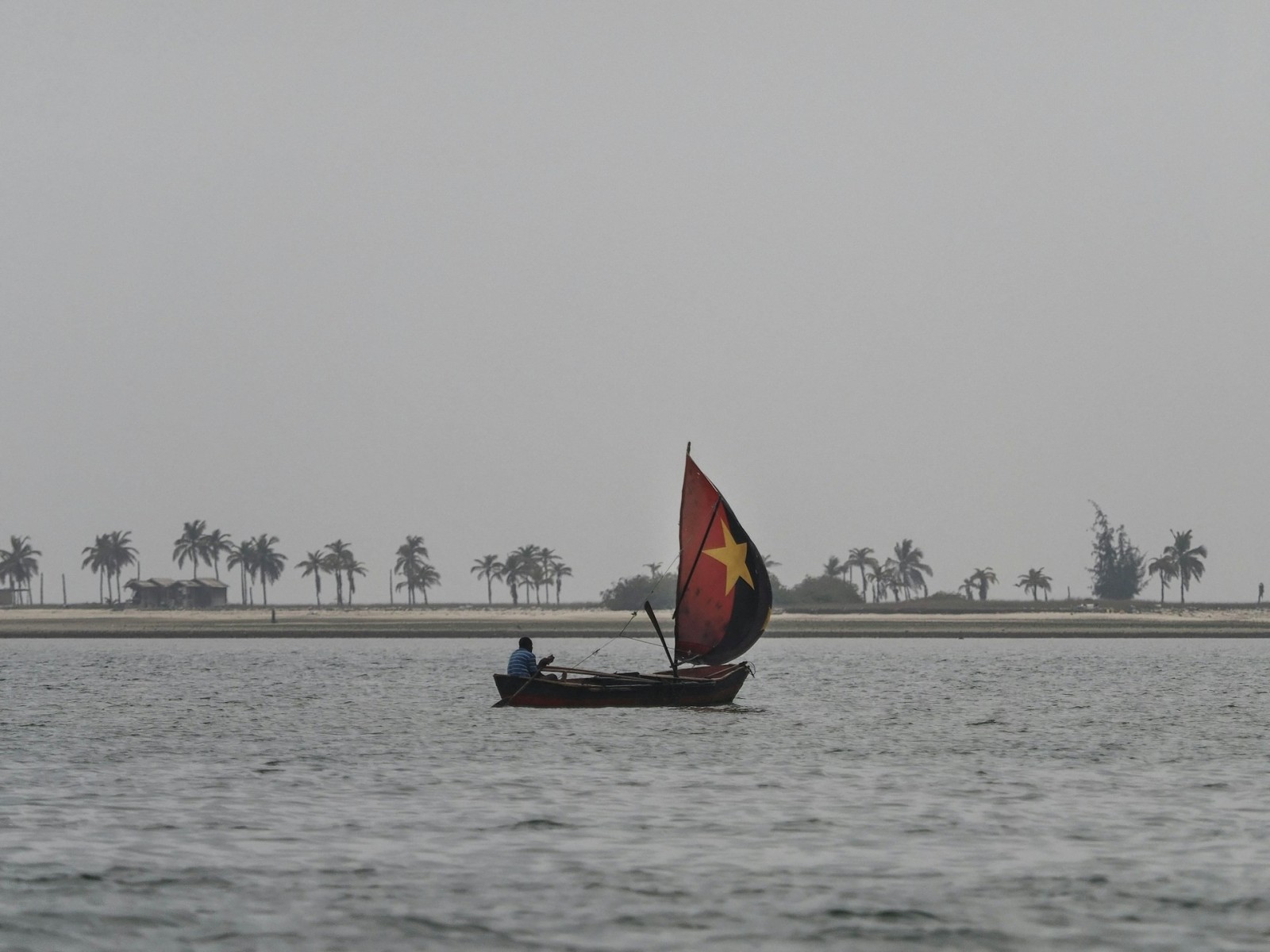
In Luanda and Angola in general, there are many unique and interesting things that can be purchased as souvenirs or brought as unique products. Here are some ideas:
Before purchasing any products, make sure they comply with local laws and regulations for importing into your country.
Safety in Luanda can vary and tourists should take a number of precautions to ensure their protection. Here are some safety tips and information about the required documents:
Safety:
General security measures:
Transport:
Medical safety:
Documents and insurance:
Passport and visa:
Health insurance:
Emergency services and mobile operators:
Emergency services:
Mobile operators:
Duration of stay:
Visa regime:
Duration without departure:
It is recommended that information be updated in a timely manner and that official sources be monitored for up-to-date security and entry requirements.
Create a query and local guides will offer you the best options
