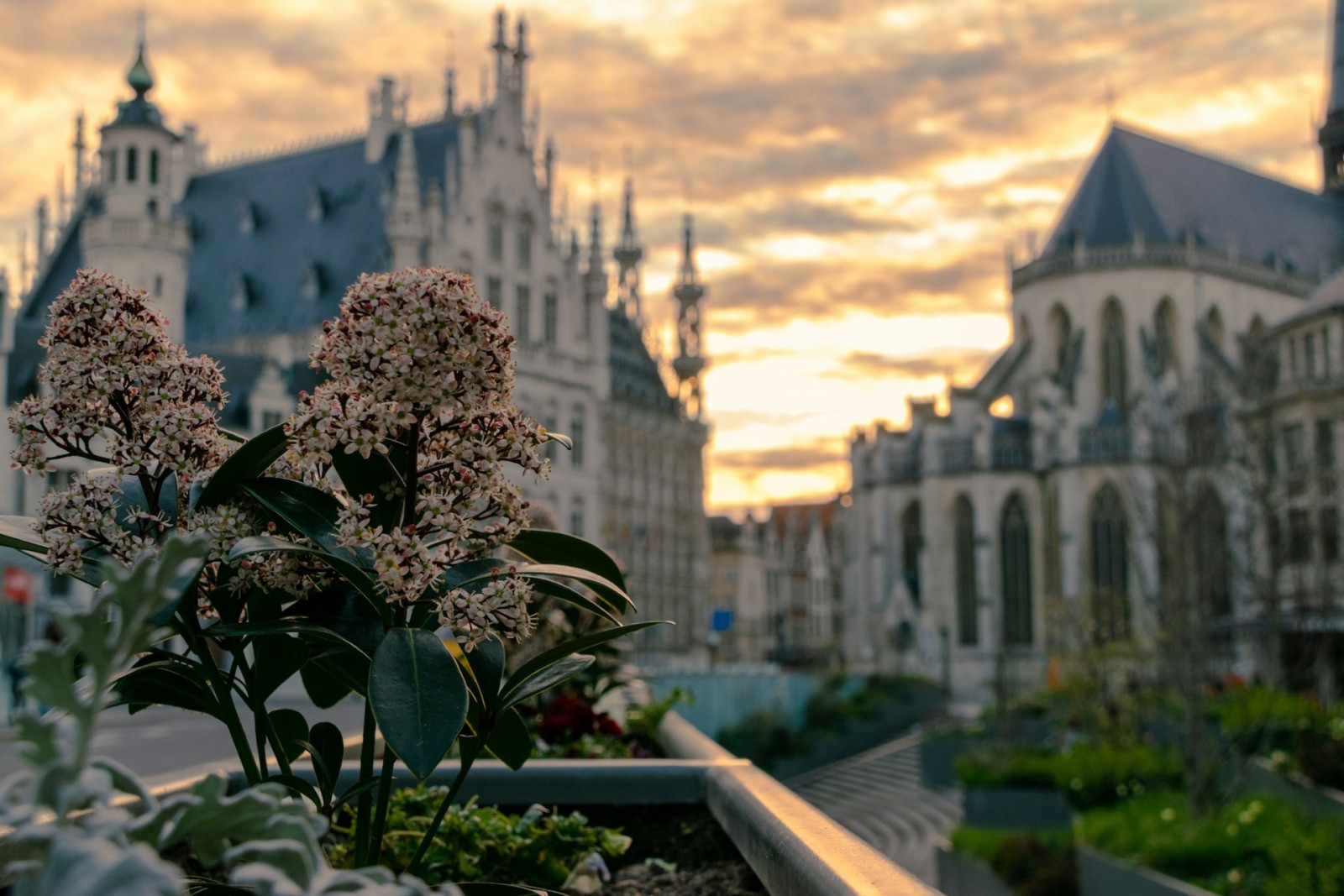
Independent tourism and recreation in the city of Leuven! Historical information about the city of Leuven Leuv...
Oh. Leuven
Independent tourism and recreation in the city of Leuven!
Historical information about the city of Leuven
Leuven is located in the center of Belgium and is the ancient and cultural center of the country. Here is a more detailed history of this amazing city:
Ancient history:
The history of Leuven dates back more than a thousand years. The first mention of settlement on this territory dates back to 891, when King Charles III of Western France gave the local lands to the Bishop of Metz. The city developed due to its strategic position at the intersection of roads and rivers.
University of Leuven:
One of the key elements of the city's history is the founding of the Catholic University of Leuven in 1425. It is one of the oldest universities in the world and has played a significant role in the development of education and culture in Europe. The University of Leuven attracted many famous scholars and became a center of humanistic ideas during the Renaissance.
Religious conflicts:
In the sixteenth century, Löfven witnessed religious conflicts related to the Reformation. The city changed hands several times during wars and conflicts, including a rebellion against Spanish rule.
The Great War:
In the XVII century, Leuven faced destruction and defeat during the Great War (1618-1648). However, the city recovered from the conflict and flourished again.
19th-20th century:
In the XIX and XX centuries, Leuven continued to develop as an educational and cultural center. During World War I, the city was under German occupation and many buildings were destroyed.
Modernity:
Today, Leuven retains its historic architecture, narrow streets and traditional cafes. The university continues to attract students from all over the world. The city is also known for its breweries, which produce a variety of Belgian beers.
Leuven is a vibrant city with a rich history that combines ancient traditions and modern achievements, making it one of the most attractive places in Belgium for tourists and residents.
Interesting places and entertainment in the city of Leuven
Leuven is a magical city in Belgium that combines rich historical heritage, ancient architecture and cozy streets with a dynamic student atmosphere. Here are some attractive features of the city that may interest travelers and tourists:
1. Historic Mesmerizing Places:
Gothic Treasures: Leuven is known for its magnificent Gothic architecture. Visit the impressive main square, where you can admire the ancient city palace and the famous Old Market, crowned by the Town Hall.
University Library: Head to the University of Leuven Library, a magnificent building dating back to the eighteenth century, where you will plunge into the atmosphere of knowledge and culture.
2. Cultural Events and Festivals:
Festival van Vlaanderen: Leuven regularly hosts many cultural events and festivals, such as the Flemish Music Festival, attracting music enthusiasts from around the world.
3. Student Energy:
University Life: A student city, Leuven is animated by the energy of youth. Explore unique cafes, student bars and clubs to get a feel for the city’s pulse.
4. Belgian Beer and Gastronomy:
Beer Guides: The city is famous for its breweries and beer bars. Try a variety of Belgian beers and immerse yourself in the rich tastes of the local gastronomy.
Gastronomic restaurants: Discover Belgian cuisine in cozy restaurants offering traditional dishes such as carbonade and waffles.
5. Green Oases:
Park Abbey: Head to Abbey Park for a pleasant walk in the green area, where you can relax and enjoy nature in the city center.
6. Traditional Crafts and Markets:
Crafts Market: Visit traditional markets and workshops where you can buy handicrafts and unique souvenirs.
Leuven offers a unique blend of history, culture, student life and gastronomy, making it an attractive destination for travelers looking to immerse themselves in the atmosphere of authentic Belgian life.
In the city of Leuven you will be met by private guidesand will offer individual, individual excursions.
Accommodation options in the city of Leuven
In Leuven, there are different levels of hotels and accommodation options, corresponding to different budgets and preferences. Here are some examples:
1. Luxury hotels:
Martin's Klooster: A cozy hotel in a converted monastery with exquisite rooms and a high-end restaurant.
Begijnhof Hotel: The elegant hotel, located next to Begiinhof, offers luxurious rooms and high-level amenities.
2. Medium level:
pentahotel Leuven: Stylish and modern hotel offering comfortable rooms, fitness center and restaurant with cocktail bar.
Hotel Binnenhof: A cozy hotel with traditional decor, close to the main attractions and shopping streets.
3. Economy class:
Cube Hostel: A modern hostel with creative design and public spaces designed for young people and budget travelers.
Hostel De Blauwput Leuven: Simple and cozy hostel with affordable prices, ideal for budget travelers.
4. Guesthouses and apartments:
Guesthouse Begijnhof: Traditional guest houses with cozy rooms and personal service.
Lavan Bed and Breakfast: Family B&B with comfortable rooms and friendly atmosphere.
5. Rentals:
Airbnb: In Leuven, there are many offers of apartments and homes on Airbnb, which can be a great option for those who prefer a more homely environment.
6. Student accommodation:
University Halls of Residence: For traveling students, university dormitories can provide affordable and convenient accommodation between semesters.
Regardless of budget, Leuven offers a variety of accommodation options, from luxury hotels to budget hostels and guest houses, making it affordable and attractive for a wide range of travelers.
Attractions in the city of Leuven
The city of Leuven has a rich cultural heritage and many interesting sights. Here are a few key locations and information on accessibility:
1. Old Market and Town Hall:
The Old Market (Oude Markt) is considered one of the most beautiful squares in Belgium, and the Town Hall (Stadhuis) is an architectural masterpiece. There are many cafes and restaurants here.
Transport: It is easily accessible on foot from the central part of the city. There are bus and tram stops within the radius.
2. University of Leuven:
Description: One of the oldest educational institutions in the world, founded in 1425. The university library, aulas and colleges are of historical and architectural interest.
Transport: Located in the city center, near the main transport routes.
3. The Arena Library and the Lwen Kloster:
Description: A wonderful combination of modern architecture and historical roots. The Arena Library is a glass building with a beautiful park around it.
Transport: Near the city center, easy to reach on foot.
4. Beginhof:
Description: A medieval town for nuns, framed by beautiful streets and houses. An atmosphere of peace and quiet.
Transport: A short walk from the central square.
5. M-Museum Leuven Museum:
Description: Modern art, ancient collections and temporary exhibitions. Art center, located in the heart of the city.
Transport: Close to the center, there are public vehicles.
6. Leuven's blocks:
Description: A complex of residential buildings built in the style of modernist architecture. Interesting object for lovers of modern design.
Transport: Located in various parts of the city, easily accessible by public transport or pedestrian.
Transport accessibility:
Leuven is well connected to other cities in Belgium:
Trains: The main railway junction, trains connect Leuven with Brussels, Antwerp and other cities.
Buses and trams: Public transport provides convenient movement around the city and its surroundings.
Cars: Leuven is convenient to reach on motorways and the road network.
Due to the city’s compact size, many attractions are accessible on foot, making Leuven an attractive destination for tourists looking to explore its rich history and culture.
Events and entertainment in the city of Leuven
In Leuven, there are many interesting events and festivals, diverse in topics and character. The time of year also affects the schedule and nature of events. Here are some popular events in Leuven:
Spring:
Festival van Vlaanderen (Flanders Festival): The city hosts many musical events in the spring, including classical music, jazz and modern music.
Paasfeesten (Easter holidays): Traditional Easter celebrations are accompanied by various activities including fairs, concerts and cultural events.
Summer:
Leuven in Scene (Leuven in the scene): Summer Arts Festival, which hosts theatrical performances, street performances, musical concerts and other cultural events.
Wednesday Night Market (Woensdagavondmarkt): Summer evening market, where you can taste Belgian treats, buy handicrafts and enjoy the atmosphere of the city.
Autumn:
Bierweekend (Beer Weekend): Belgium is famous for its beer, and an event dedicated to a variety of Belgian beers is held in the autumn in Leuven.
STUK Music Festival: In autumn, STUK, a center for contemporary art and music, organizes music events of various genres.
Winter:
Christmas Market: In December, a Christmas market is organized in the city center with fairs, a skating rink and a festive atmosphere.
New Year’s Carnival: Leuven celebrates the new year with carnival parades, street processions and musical performances.
It is important to note that specific dates of events may vary depending on the year. Before traveling, it is better to check the current program of events and festivals in Leuven to enjoy the maximum amount of local cultural experiences.
What weather is suitable for a trip to the city of Leuven
Leuven, like all of Belgium, has a temperate maritime climate characterized by mild winters and cool summers. The impact of the Atlantic Ocean contributes to the climatic conditions of this region. Here is an overview of the climate at different times of the year:
Spring (March-May):
Air temperature: On average, 8°C to 15°C.
Water temperature: The ocean at this time is still cool, the water in the rivers can be cool.
In spring gardens and parks bloom, creating colorful landscapes. This is a great time to walk and explore the city without the summer crowds of tourists.
Summer (June to August):
Air temperature: On average from 16°C to 25°C, sometimes there are hot days with temperatures above 30°C.
Water temperature: Rivers and lakes warm up, but remain cool.
Features: Summer is a popular time for tourists when the city comes to life with many events, festivals and concerts.
Autumn (September-November):
Air temperature: On average, 8°C to 16°C.
Water temperature: It cools down gradually, but usually remains acceptable.
Features: Autumn in Leuven is quiet and peaceful. The flowering of autumn leaves makes the city even more attractive for walking.
Winter (December to February):
Air temperature: On average, 1°C to 6°C.
Water temperature: Cold.
Features: Winters in Belgium are usually mild but can be humid and cool. This time is suitable for fans of the atmosphere of Christmas markets and warm cafes.
Best season to travel:
Summer is considered the best season to visit Leuven when the city is full of life and cultural activities. However, spring and autumn are also attractive for their mild weather and less tourist activity. The timing depends on your preferences and what you would like to see and experience in Leuven.
Language of communication, traditions and customs in the city of Leuven
Language of Communication:
Official languages: The official languages of Belgium are Dutch, French and German. Leuven is dominated by Dutch, but many also speak French and English.
English: English is widely used in tourist destinations and among young people, especially in university environments. In restaurants and shops, there are often menus and designations in English.
Traditions and Customs:
Greeting: Greeting in Belgium involves the exchange of handshakes, with both names and surnames commonly used.
Punctuality: Punctuality is considered an important feature. Meet me and come on time.
Gifts: If you are invited to the house, bring a gift such as flowers or a bottle of wine. It's an expression of gratitude.
Safety on the roads: It is important to comply with traffic rules, as in Belgium, state fines for violation can be high.
Laws and regulations:
Tobacco and alcohol: The age to buy tobacco and alcohol is 18. Smoking in public places is restricted and there is a ban on smoking in restaurants and bars.
Public transport: On public transport (buses, trains) be sure to buy a ticket and check whether it is necessary to mark on boarding.
Noise: It is important to keep quiet at night so as not to violate noise control laws.
Compliance with the Environment: Belgium is actively trying to comply with environmental regulations, and you must dispose of garbage in accordance with the rules.
Shoes in the House: Shoes are usually taken off when you enter the house, so get used to this tradition.
Compliance with local traditions, customs and laws will help you feel comfortable and respect local cultural norms during your trip to Leuven and Belgium.
Popular phrases and dialogues with translation for a trip to Leuven
Questions and queries in Leuven can usually be answered in English or Dutch. Here are some basic words and phrases in Dutch that can be useful in everyday settings:
Greetings and general phrases:
Hallo! (Hallo) Hey!
Goedemorgen! (Gudemorgen) Good morning!
Goedemiddag! - Good afternoon.
Goedenavond! - Good evening!
Dank je wel! - Thank you!
Meeting and communication:
Hoe gaat het? - How are you?
Ik ben ... (Ik ben) - I...
Mijn naam is... (Main naam is) My name is...
Aangenaam kennis te maken. (Aanchenam Kennis Te Maken) - Nice to meet you.
Restaurants and cafes:
Een tafel voor twee, alstublieft. (An Tafel Wur two, Alstublift) - Table for two, please.
De kaart, alstublieft. - A menu, please.
Ik wil graag bestellen. - I'd like to order.
Public transport:
Waar is het station? (Waar is het station) - Where's the station?
Een kaartje naar ... (En cartje naar) - Ticket to...
Shops and Markets:
Hoeveel kost dit? How much does it cost?
Waar is de markt? - Where's the market?
Thank you and goodbye:
Bedankt! - Thank you!
Tot ziens! - Goodbye!
The transcription is presented as an exemplary phonetic record for a better understanding of pronunciation. Remember that most people in Leuven speak Flemish Dutch, but English is also used in the main tourist destinations.
What to try and what souvenirs and gifts to bring from the city of Leuven
Food and drink:
Belgian beer: Belgium is famous for its varied and delicious beer. Try different varieties like Trappist, Lambic or Abbey Beers.
Belgian chocolates: Buy exquisite Belgian chocolates, which are famous for their quality and variety of flavors.
Gastronomic gifts: Bring home Belgian cheese, waffles, French bread and other delicacies that can be found in local markets.
Medications:
Belgian hopsinthesis: In Belgium, hops are widely used in traditional treatment to maintain the health of the female reproductive system.
Souvenirs and crafts:
Belgian lace: Belgium is famous for its exquisite lace. Buy lace products in the form of tablecloths, stands, or even elegant accessories.
Flemish paintings: If you are a connoisseur of art, look at the works of local artists representing the Flemish school of painting.
Student souvenirs:
Attribute of the University of Leuven: Memorable objects with the symbols of the university, such as T-shirts, cups or badges.
Eco-friendly souvenirs:
Beer glasses and mugs: Belgium is famous for its beer, and beautiful glasses or mugs depicting Belgian beer can be a great souvenir.
Journey to Leuven:
Photos and memories: As a unique souvenir, take plenty of photos to keep memories of your visit to Leuven alive.
Choosing souvenirs, try to choose those that reflect the local flavor and traditions. Belgium is known for its culture and culinary heritage, so souvenirs from Leuven will be a great reminder of your journey.
Rest safety, documents, insurance, telephones, Internet in the city of Leuven
Security in Leuven:
Documents:
Passport: Make sure your passport is valid for the entire period of your stay in Belgium.
Visa: Check the need for a visa for your country before traveling to Belgium.
Insurance:
Health insurance: It is recommended to have health insurance that covers the costs of treatment and emergency medical care.
Emergency services:
Police: 101
Medical care: 112
Fire service: 100
Mobile operators:
Proximus, Orange, Base: These are the main mobile operators in Belgium. You can buy a SIM card from them to access cellular communication.
Duration of stay:
No visa: Citizens of many countries can stay in Belgium without a visa for 90 days for a period of 180 days. Check the visa requirements for your country.
General recommendations:
Safety in public places:
Refrain from carrying significant amounts of money and valuable jewelry.
Keep an eye on your belongings, especially in public places and transportation.
Health and safety:
Vaccination: Make sure your vaccinations are up to date.
Food and water safety: In Belgium it is generally safe to consume food and water from public sources.
Electronics and personal effects:
Keep backup copies of documents and important files in a secure location.
Avoid carrying large amounts of money and valuables.
Emergency situations:
Remember the emergency numbers and save them on your mobile phone.
Have copies of your documents and insurance in case of loss or theft.
Transport:
Use licensed taxis or official vehicles.
Be careful on the roads and watch your safety when crossing the streets.
Belgium is generally considered a relatively safe country for tourists, but it is always important to be vigilant and take basic precautions in any unfamiliar place.
The site uses a web analytics service
Yandex Metrics
using cookie technology to make the site more convenient. You can prevent the processing of cookies in the browser settings.
Details in Privacy policy.