Independent tourism and recreation in the city of Curitiba Historical information about the city of Curitiba C...
Curitiba is the capital of the state of Paraná in southern Brazil and one of the most unusual major cities in the country. Its history is especially interesting because the city went from a small colonial settlement on a high plateau to a major industrial and cultural center, famous worldwide for its urban planning, public transport and park system.
Curitiba is located about 934 m above sea level. The formation of the city was strongly influenced by trade routes, cattle breeding, mining, European immigration, the railway and especially large-scale urban planning of the XX century.
The oldest population of the territory
The history of Curitiba began long before the arrival of Portuguese settlers. The territory of modern Paraná was inhabited by indigenous peoples who used the local forests, rivers and fields for hunting, gathering, fishing and farming.
Of particular importance were the natural conditions of the plateau. There were extensive open spaces, forests with Araucaria, water bodies and convenient routes through the southern part of Brazil.
It was the natural landscape that subsequently contributed to the emergence of the settlement here, which became an important stop on land routes between the southern and southeastern regions of colonial Brazil.
XVII century - the emergence of the settlement
The first European settlers began to develop the area of Curitiba in the XVII century.
An important role was played by prospectors of gold and other minerals, as well as farmers and pastoralists. In the seventeenth century, mining was one of the main components of the local economy along with subsistence farming.
Gradually, a permanent community was formed around a small settlement.
One of the most important reasons for the development was the position of Curitiba between the areas of southern Brazil and the more densely populated areas around São Paulo.
1693 - Official foundation of Curitiba
March 29, 1693 is considered the official date of the founding of the city.
On this day, the captain-settler Matheus Martins Leme organized the first elections to the municipal council and officially designed the settlement as a villa.
The original name was:
Vila de Nossa Senhora da Luz dos Pinhais - "Settlement of Our Lady of Light Pine Forests".
Later, the name Curitiba was established.
The creation of the municipal council was a very important event. This meant the transition from a small informal settlement to an organized colonial settlement with official governing bodies.
Where did the name Kuritiba come from?
The origin of the name is associated with the indigenous languages of the region.
It is usually associated with a combination of words related to araucaria pine, which are characteristic of southern Brazil.
Therefore, the historical name of the settlement Nossa Senhora da Luz dos Pinhais was also associated with the local pine forests.
Araucaria later became one of the natural symbols of Paraná.
XVIII century - the era of trade routes and cattle drivers
In the XVIII and XIX centuries, Curitiba gradually became an important point on the routes of tropeiros - cattle drivers.
This is one of the key periods in the history of the city.
Merchants and herders drove large herds between the southern regions of Brazil and the markets of São Paulo and Minas Gerais.
The routes were linked, inter alia:
Viaman (Rio Grande do Sul) → Curitiba → Sorocaba (Sao Paulo) → Minas Gerais.
Due to the length of travel, animals needed places to rest and winter. Suitable pastures around Curitiba contributed to the development of the local economy.
So Curitiba gradually became not just a settlement, but an important stop on the trade route.
Legacy of cattle drivers
The tropeiros culture had a huge impact on the future character of the region.
This period is associated with the spread of:
traditions of cooking meat on an open fire;
use of woolen ponchos;
use of mate;
special manner of speech;
roadside settlements;
tradition of storytelling by the fire;
formation of trade routes.
Thus, part of the traditional culture of Curitiba was formed not in the city itself, but thanks to the people who constantly passed through it.
1721: The first attempts to regulate the city
A very interesting moment occurred in 1721, when the Royal Ombudsman Raphael Pires Pardinho visited Curitiba.
He drew attention not only to administrative issues, but also to the state of the environment and the urban area.
Residents were ordered to limit the felling of trees, clean the watercourse, which is now associated with the Belém River, and the construction of houses had to be coordinated with the municipal authorities.
These early rules are particularly interesting today, as Curitiba later became known for its ecological and urban approach.
It turns out a kind of historical connection: care for the urban area was present in the local administration several centuries ago.
XIX century – the growing importance of Curitiba
In the XIX century, the city continued to develop gradually.
Curitiba became the administrative center of the region and became increasingly important in trade.
Particularly important were:
The position on the plateau allowed Curitibe to serve as a connecting center between the coast of Paraná and the hinterland.
1853 – Establishment of Paraná Province
Of great importance for the future of Curitiba was the formation of a separate province of Paraná.
Previously, the territory was part of the province of São Paulo.
After the separation of Paraná, Curitiba became its administrative center.
This greatly increased the political importance of the city.
Curitiba ceased to be just a regional settlement and became the capital of the new province, and later the state of Paraná.
1858 - The first major changes in urban planning
In the middle of the XIX century, the population of Curitiba rapidly increased.
The urban structure formed around the old centre no longer fully corresponded to the new needs.
In 1858, work began on changing the layout.
New streets gradually gained more regular geometry, direct intersections and a more organized urban network.
This was one of the first important stages in the history of Curitiba as a planned city.
1880s – The railroad changes the city
One of the most important events of the late nineteenth century was the construction of a railway linking Paranagua and Curitiba.
This was extremely important, as Curitiba is located on the high plateau, while Paranagua is located on the coast.
The railway service has greatly facilitated:
transportation of goods;
export of products;
delivery of industrial goods;
displacement of persons;
trade development.
As a result, Curitiba became much more closely connected with the seaport of Paranagua.
1886 – The appearance of Passeio Público
An important event in urban history was the creation in 1886 of Passeio Público, the first large public park in Paraná.
In its place was previously a wetland area associated with sanitary problems.
After the improvement, a park appeared here, which became one of the main resting places for the residents of the city.
Today, this story is especially interesting for tourists, as Curitiba is famous for a large number of parks and green areas.
The end of the nineteenth century – mass immigration
One of the most important turning points in the history of Curitiba occurred in the late XIX century.
European immigrants began to arrive in the city and its surroundings.
Among the most notable groups were:
Italians;
Germans;
Poles;
Ukrainians;
Russian;
Other European settlers.
They established agricultural settlements, workshops, businesses and trading houses.
Over time, their culture became an integral part of urban identity.
Polish influence
The Polish community had a particularly prominent influence on Curitiba.
In the vicinity of the city, agricultural colonies were created, and settlers brought their own:
religious traditions;
architecture;
kitchen;
holidays;
crafts;
family customs.
Today, Polish heritage can be seen in the cultural spaces of the city, traditional cuisine and architectural objects.
Italian influence
Italian immigrants also played an important role in the development of Curitiba.
They were doing:
agriculture;
trade;
construction;
craft;
Food production.
Italian influence is particularly noticeable in the city’s gastronomic culture.
German and Ukrainian heritage
German settlers contributed to the development of industry, crafts and urban culture.
The Ukrainian community has preserved Orthodox and Eastern European traditions, architecture and cuisine.
Thus, modern Curitiba is a kind of mixture of Brazilian, Portuguese, Indian and numerous European cultures. Immigrant culture has gradually become part of local identity, from festivals and music to cuisine and urban spaces.
The beginning of the XX century - industrialization
At the beginning of the XX century, Curitiba gradually moved from a predominantly commercial and agricultural center to a more modern urban economy.
Developed:
food industry;
woodworking;
production;
trade;
transport;
construction.
Population growth required new roads, public transport, sewerage and other infrastructure.
It was during this period that the prerequisites for large-scale urban planning were gradually formed.
1940s – Alfred Agach’s plan
A real change in the history of urban planning occurred in the XX century.
In 1940-1943, the French architect and urban planner Alfred Agache developed a development plan for Curitiba.
He assumed the radial structure of the city - the main roads were to diverge from the central part like rays.
The Agach plan was important because it was the first to consider the development of Curitiba not as separate streets, but as a single urban system.
1950s - The city begins to grow rapidly
After World War II, the population of Curitiba began to increase much faster.
The development of industry and economy attracted new residents.
The city began to expand rapidly beyond the historical center.
Old approaches to planning could no longer fully cope with the growing number of cars, residential areas and industrial plants.
Therefore, in the 1950s, the question of the future development of the city became one of the main issues for the local authorities.
1965 – Creation of IPPUC
In 1965, an event occurred that largely determined the modern appearance of Curitiba.
The IPPUC, the Instituto de Pesquisa e Planejamento Urbano de Curitiba, was established.
His task was professional long-term planning of the city.
Instead of simply expanding the city as the population grew, the authorities decided to determine in advance:
where the main transport routes will pass;
where there will be housing;
where the enterprises will develop;
where the green areas should be located;
How public transport will be organized.
1966 – New Master Plan
In 1966, the new Curitiba Master Plan was approved.
He abandoned the previous idea of mainly radial development and relied on the linear development of the city along the structural transport axes.
This decision proved extremely important.
Urban development began to be built around the interconnection of three elements:
Land use + transport + road system.
That is, new residential and commercial areas were to develop in direct connection with public transport.
This principle later became one of the reasons for the international fame of Curitiba.
1970s: The Public Transport Revolution
In the 1970s, the city began to actively implement a new model.
Special lanes for public transport appeared on the main directions.
Gradually, the system that today is called BRT - Bus Rapid Transit was formed.
The idea was relatively simple: instead of expensive metro construction, use buses, but organize their movement according to the principles of high-speed urban transport.
The buses received:
designated corridors;
special stops;
integration between routes;
priority in the main areas.
This made it possible to carry a large number of passengers without building a full-fledged metro.
Curitiba becomes an example for other cities
In the 1970s and 1980s, Curitiba’s experience began to attract international attention.
It was especially interesting that the city tried to solve the transport problem not only by building new roads, but by changing the structure of the city.
The basic idea was that:
The city needs to develop along with public transport.
Therefore, housing, trade, work and transport routes were connected.
1980s - a million inhabitants
In the 1980s, the population of Curitiba reached about 1 million.
The city continued to expand, and planners tried to steer growth according to the master plan.
During this period, programs for the improvement of peripheral areas, the construction of roads, drainage infrastructure, social facilities and medical institutions were implemented.
Parks as part of urban policy
One of the most famous features of Curitiba was the use of parks and green spaces.
The city faces the problem of regular flooding.
Instead of trying to completely enclose rivers in concrete canals, some areas were used as parks and temporary water storage areas.
As a result, green areas simultaneously performed several functions:
rest
sport;
protection against flooding;
conservation of nature;
improvement of the microclimate;
Create an attractive urban space.
Thus formed the modern image of Curitiba as one of the greenest major cities in Brazil.
The end of the XX century - environmental reputation
By the 1980s and 1990s, Curitiba had become known outside Brazil not only for its transportation but also for its environmental programs.
Developed:
separate collection of waste;
recycling;
public parks;
greening;
pedestrian zones;
Environmental education programs.
The urban model was studied by specialists from different countries.
A pedestrian street downtown
One of the symbols of the transformation of the city was the Rua XV de Novembro, known as Rua das Flores - "street of flowers".
Its gradual transformation into a pedestrian zone was an important step in the rethinking of the urban center.
Instead of giving central streets away to cars, the city began to give back space to pedestrians.
This reflects Curitiba’s general philosophy: the city should be comfortable not only for cars, but above all for people.
1990s - international fame
By the 1990s, Curitiba was already perceived as an international example of sustainable urban development.
Her experience was studied by specialists in:
public transport;
architecture;
ecology;
urban planning;
waste management;
development of public spaces.
The BRT model was particularly discussed.
Later, similar systems appeared in many cities of the world.
XXI century - modern Curitiba
In the XXI century Curitiba continued to develop the model of the planned city.
Priorities have become:
sustainable development;
public transport;
conservation of green spaces;
pedestrian infrastructure;
bicycle transport;
rational use of land;
development of district centers;
adaptation to climate change.
The city plan continues to be revised as demographics and transportation needs change.
In 2025, the next revision of the master plan for the development of the city began.
Curitiba today
Modern Curitiba is no longer the small town that existed around the trade route of cattle drivers.
It is a large urban center with developed:
industry;
services;
trade;
education;
medicine;
culture;
technology;
transport infrastructure.
The historical heritage of the city has not disappeared.
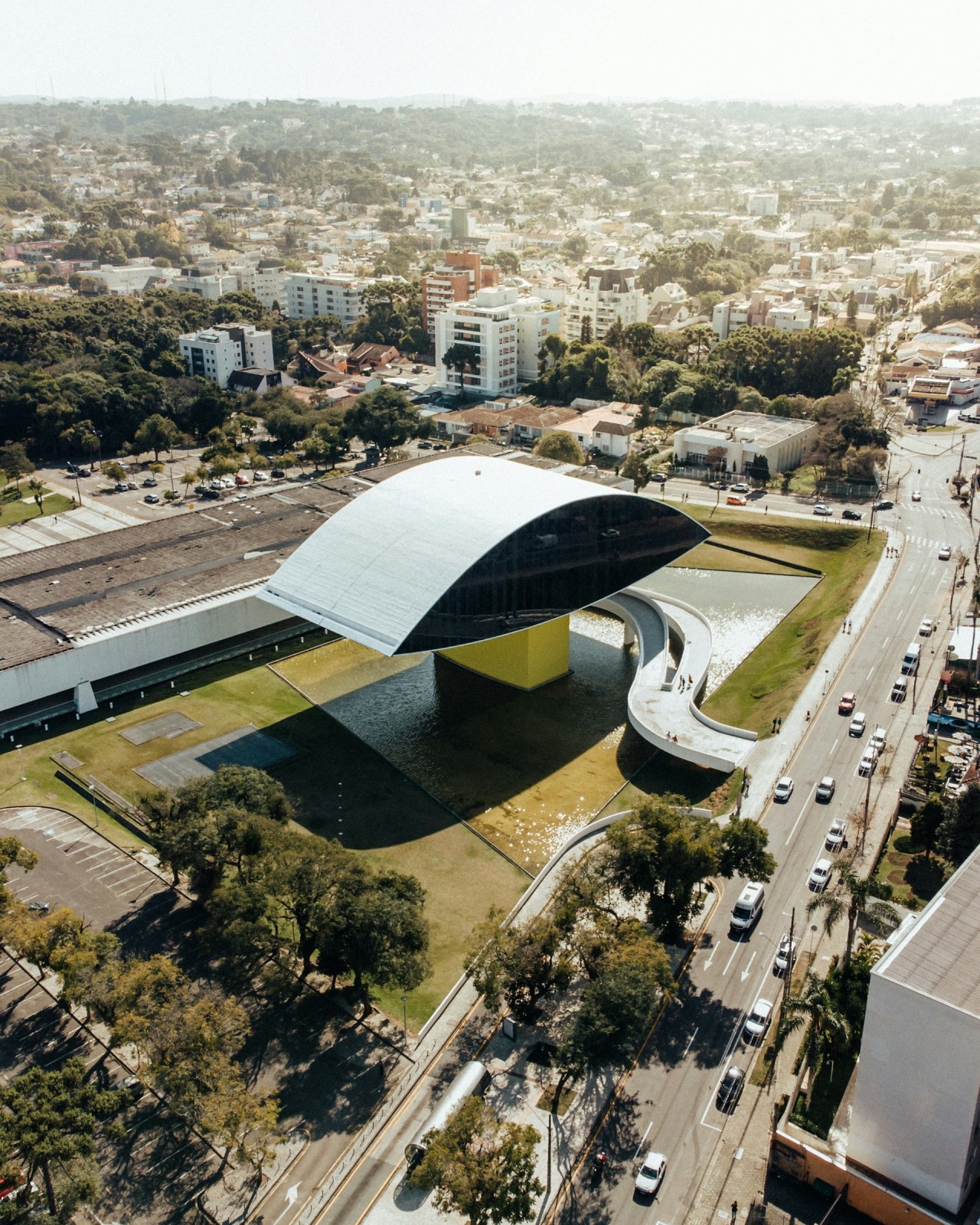
Curitiba is the capital of the state of Paraná in southern Brazil, a large modern city with an unusual character for the country. It is markedly different from Rio de Janeiro, Salvador or other popular tourist destinations: there is no main emphasis on beaches and hot tropical holidays. The main advantages of Curitiba are architecture, parks, museums, the history of European immigration, gastronomy, cultural life and a well-organized urban environment.
The city is especially interesting for travelers who want to see the other side of Brazil – cooler, greener, calmer and more multinational.
Curitiba is about 900-950 m above sea level, so the climate here is much cooler than in most popular Brazilian cities.
The city combines modern neighborhoods, the historic center, a large number of parks, cultural institutions and areas influenced by European immigrants.
Curitiba is well suited for a leisurely trip: here you can visit the museum in the morning, take a walk in the park in the afternoon, go to a restaurant in the evening, and the next day continue your acquaintance with the architecture and history of the city.
Five-star and luxury hotels
This is the best option for those who want to get a high level of comfort, spacious rooms, quality service, restaurants, fitness centers, swimming pools, spas and additional services.
Qoya Hotel Curitiba, Curio Collection by Hilton
Modern high-level hotel in the area of Batal. Suitable for tourists who prefer increased comfort, modern interior and convenient location. A good option for a romantic trip, a holiday together or a trip with high requirements for the quality of living. Qoya Hotel Curitiba, Curio Collection by Hilton
Nomaa Hotel
A high-end boutique hotel in the Batel area. It is distinguished by modern architecture, designer interiors, calm atmosphere and individual approach to guests. The hotel has a restaurant, spa, gym and several categories of rooms and suites. Nomaa Hotel
Pestana Curitiba
Modern high-level hotel in the area of Batal. Suitable for both leisure and business travel. A good choice for travelers who need spacious rooms, a developed hotel infrastructure and a convenient location.
Grand Mercure Curitiba Rayon
Comfortable high-level hotel in the central part of the city. Suitable for tourists who want to combine increased comfort with proximity to the historic center, shops, restaurants and cultural sites. Grand Mercure Curitiba Rayon
Four-star hotels
For most tourists, this is one of the most attractive categories in terms of a combination of comfort, location and cost.
Usually there is a separate bathroom, Wi-Fi, air conditioning, breakfast or restaurant, reception and additional hotel services.
Radisson Hotel Curitiba
Modern comfortable hotel in the area of Batel. It is well suited for tourists who need a high level of service, modern infrastructure and a convenient location near restaurants, shops and city attractions. Radisson Hotel Curitiba
Hotel NH Collection Curitiba
Modern city hotel in the central part of Curitiba. Suitable for tourists who want to get a good level of comfort and at the same time live close to the main central areas. Hotel NH Collection Curitiba
Bourbon Hotel & Suítes Curitiba
Large comfortable hotel in the central part of the city. Convenient for tourists who plan to walk a lot in the center, visit historical sights, museums and restaurants. Bourbon Hotel & Suítes Curitiba
Hotel Deville Curitiba
Comfortable city hotel in the central district. It is well suited for tourists who are interested in convenient location, spacious rooms and a full-fledged hotel infrastructure. Hotel Deville Curitiba
Novotel Curitiba Batel
Modern hotel of the international network in the area of Batal. Suitable for families, couples and independent travelers who are interested in a modern room, good infrastructure and convenient location. Novotel Curitiba Batel
Three-star and medium-budget hotels
This is a good option for tourists who do not need a swimming pool, spa and a large number of additional services.
The main advantages are a clean room, private bathroom, Wi-Fi, basic service and relatively affordable cost.
Bristol Brasil 500 Hotel
A practical mid-level hotel in the Batal area. Good for independent tourists, families and travelers who plan to spend a few days in the city. Bristol Brasil 500 Hotel
Nikko Hotel
City hotel in the central part of Curitiba. It is convenient for travelers who need to be close to the historical center and the main transport routes. Nikko Hotel
Lizon Curitiba Hotel
Medium budget option in the central part of the city. Suitable for tourists who need a standard hotel room without overpaying for premium services. Lizon Curitiba Hotel
Bristol Centro Cívico Hotel
A good mid-range option in the Centro Cívico area. Especially convenient for tourists who plan to visit the Oscar Niemeyer Museum and the sights of the northern part of the central district. Bristol Centro Cívico Hotel
Budget hotels
Budget hotels are suitable for tourists who spend most of their time on excursions and use the room mainly for sleep and rest.
ibis budget Curitiba Centro
One of the convenient options for an economical trip. The hotel is located in the central part of the city and is designed primarily for practical accommodation without a lot of additional services. ibis budget Curitiba Centro
Rede Andrade Braz Hotel
Budget hotel in the central part of Curitiba. Suitable for independent travelers, who are more important location and affordable cost than additional services. The hotel is also represented in the official tourist catalog of the city.
Rede Andrade San Martin Hotel
Another option for inexpensive living in the central part of the city. It can be suitable for tourists who want to minimize hotel costs and spend most of their time outside the hotel.
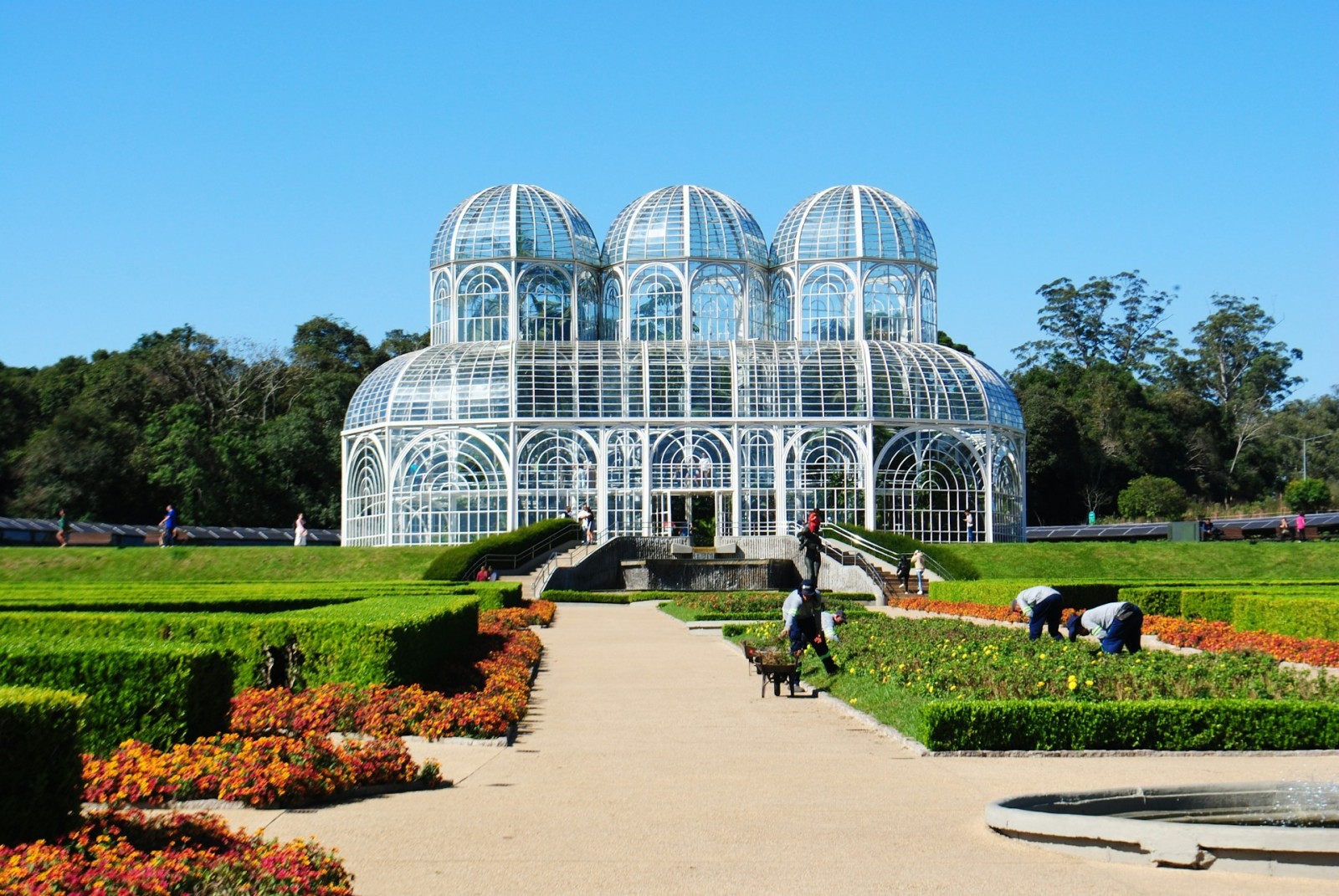
1. The Botanical Garden of Curitiba (Jardim Botânico)
One of the main visiting cards of the city. The main attraction of the garden is a large glass greenhouse surrounded by geometric flower beds and gardens. It is nice to walk, take pictures and get acquainted with the flora of southern Brazil.
Transport: The garden can be reached by city buses from the central part. Linha Turismo also stops here, so it is convenient to include the garden in the general excursion route. The Botanical Garden is one of the main points of the tourist bus line.
On foot: From the historic center to go quite far, so for most tourists it is better to use a bus or taxi.
2. Oscar Niemeyer Museum (Museu Oscar Niemeyer)
One of the most famous museums of Curitiba and the most important architectural objects of the city. Its unusual design is a landmark in itself. Inside are exhibitions of art, design, architecture and photography.
Transport: The museum is located in Centro Cívico. You can get here by city bus from the center. A very convenient option for tourists is Linha Turismo, which specially stops at the museum.
On foot: The distance from the historical center is quite large, so a walk will take a considerable time.
3. Opera de Arame (Opera de Arame)
An unusual theater, built of metal structures and glass. It is located among the rocks and greenery, so it looks especially spectacular.
Nearby is Pedreira Paulo Leminski, a large venue for concerts and mass events.
Transport: The attraction is included in the Linha Turismo route. You can also use city buses or taxis.
Council: Opera de Aramé is convenient to combine with Tanguá Park and San Lorenzo Park in one excursion day.
4. Tanguá Park (Parque Tanguá)
One of the most beautiful parks in Curitiba. It was created on the site of the former industrial territory and is known for water bodies, gardens, walking paths and observation decks.
It is especially beautiful here in the afternoon, when you can watch the sunset.
The park is part of the Linha Turismo route. It can also be reached by city buses.
On foot: From the central part of the city to go on foot is impractical - better bus, tourist bus or taxi.
5. Barigui Park (Parque Barigui)
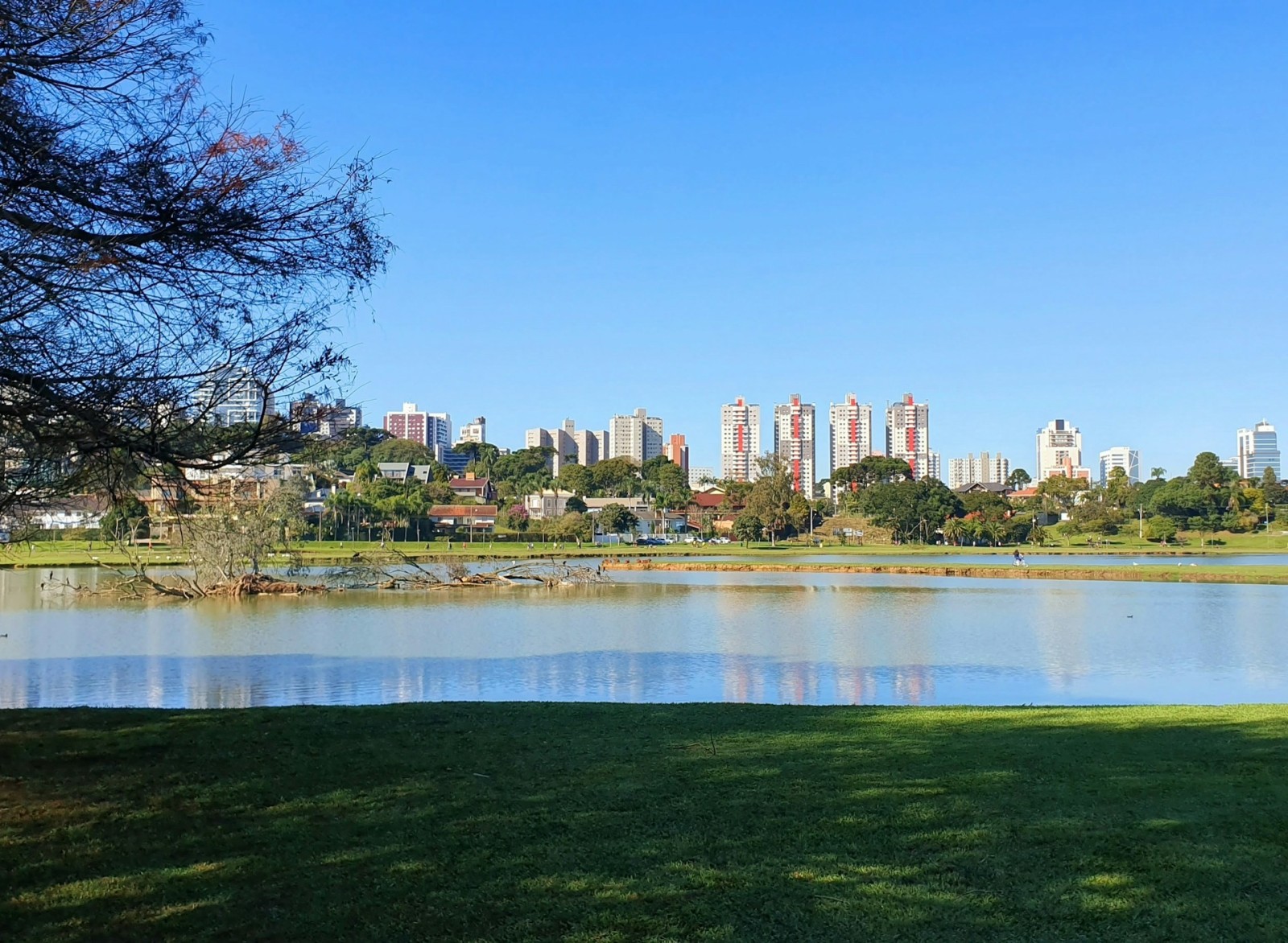
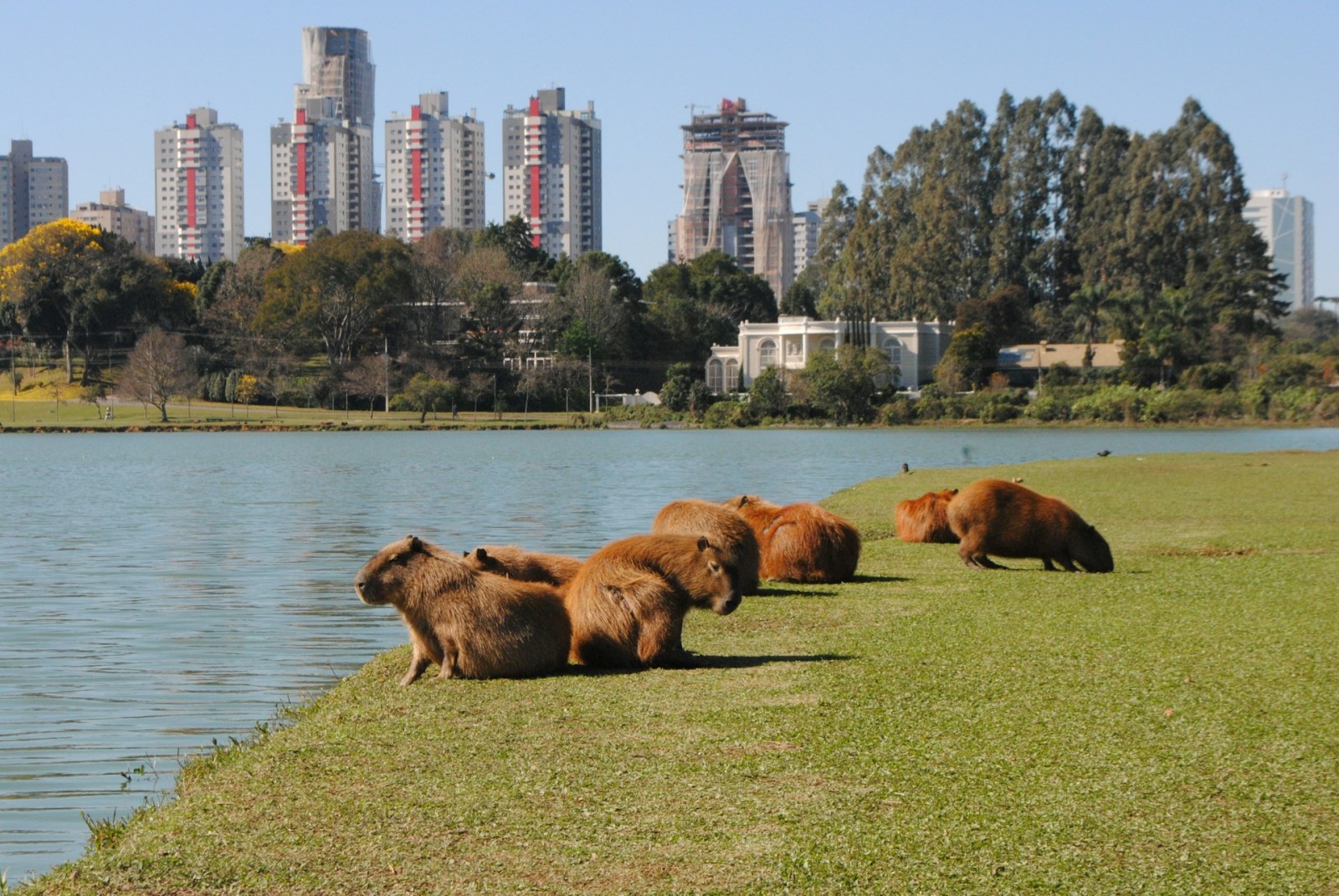
A huge city park and one of the favorite places of rest of the residents of Curitiba. Here you can walk, run, ride a bicycle, relax by the water and observe the local nature.
The park shows the character of Curitiba – a combination of a large city and large-scale green areas.
Transport: The park can be reached by city buses. It is also part of the Linha Turismo route.
On foot: It is quite far from the center, so public transport is recommended.
6. Tingui Park (Parque Tingui)
Large green park with walking paths, water bodies and cultural objects.
It is especially interesting due to the Ukrainian Memorial (Memorial Ucraniano) located here.
Transport: The park is part of the Linha Turismo route, making it convenient for tourists. You can also use regular city buses.
7. Ukrainian Memorial (Memorial Ucraniano)
A memorial complex dedicated to Ukrainian culture and the history of Ukrainian immigration to Paraná.
Here you can see traditional architectural elements and learn more about the cultural heritage of the Ukrainian community of Curitiba.
Transport: It is most convenient to combine a visit with Tingui Park. Linha Turismo passes to the area.
8. The German Forest (Bosque Alemão)
A park dedicated to the German cultural heritage of Curitiba.
There are walkways, green areas and a themed route associated with the fairy tales of the Brothers Grimm.
Transport: It is part of the Linha Turismo route. City buses can also be used.
Families with children, park lovers and travelers interested in the history of European immigration.
9. Park of San Lorenzo (Parque São Lourenço)
Large green park with a pond and walking spaces. There is a cultural infrastructure on the territory, and the park itself is a good place for a quiet walk.
Linha Turismo passes through the park. It is convenient to combine with the Opera de Aramé and other attractions of the northern part of the city.
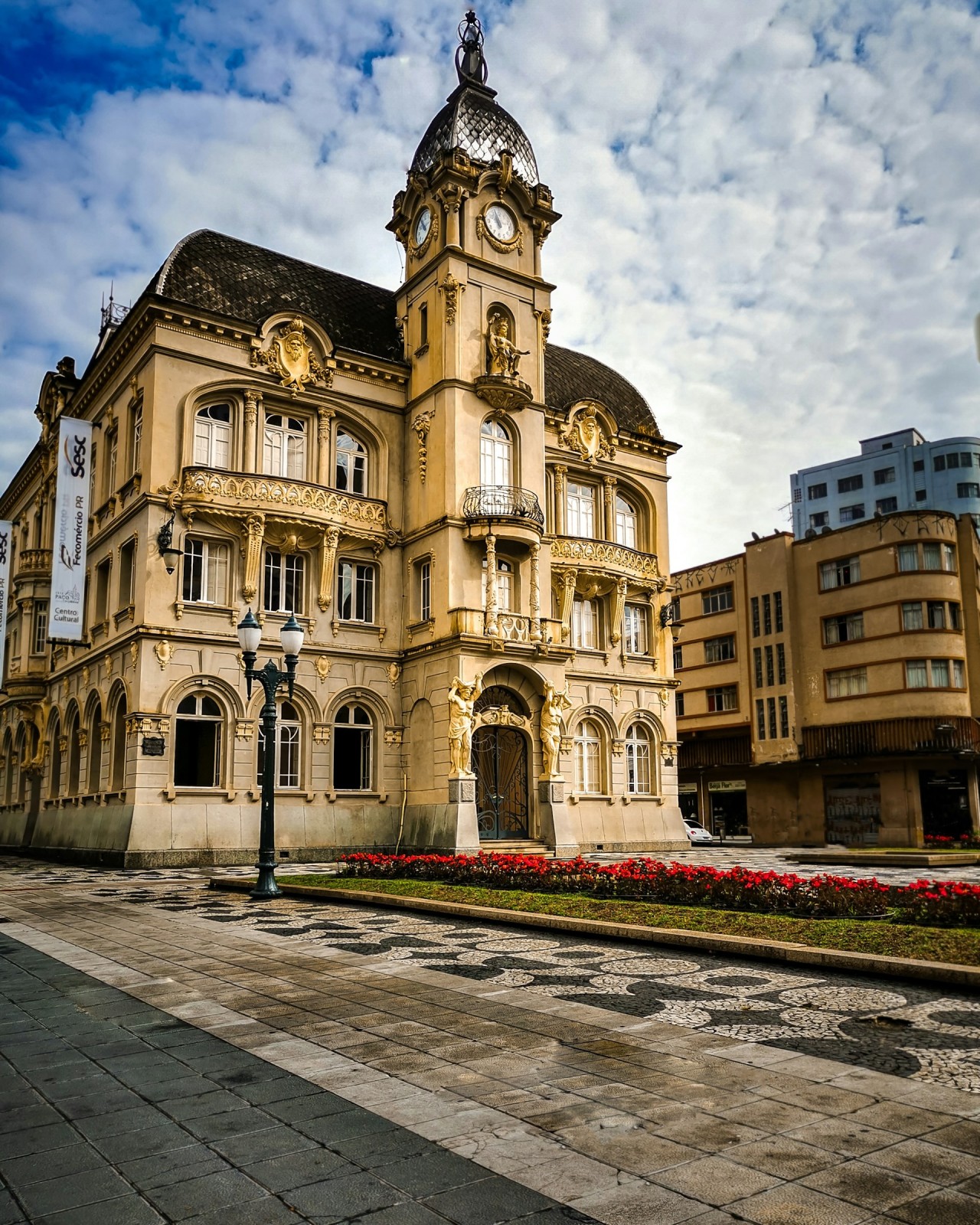
10. Historic Center of Curitiba
The historic center is one of the areas best explored on foot.
Here are ancient buildings, squares, churches, cafes, cultural institutions and small shops.
The main places to walk:
Largo da Ordem (Largo da Ordem)
Tiradentis Square (Praça Tiradentes)
Route XV of November (Rua XV de Novembro)
Garibaldi Square (Praça Garibaldi)
historical churches;
Old city buildings.
Transport: The center is easily accessible by numerous city buses. Linha Turismo passes through the historic center, so it is convenient to use it as a starting point for a tour of the city.
On foot: This is one of the best areas of Curitiba for an independent walk.
1. Musical Workshop of Curitiba (Oficina de Música de Curitiba)
Time: January.
One of the main musical events of the city. Within a few weeks there are concerts, master classes and music classes with the participation of performers and teachers of different directions.
For tourists, this is a particularly interesting period if you want to combine acquaintance with the city with classical music, jazz, popular music and other genres.
Events are held at different venues of Curitiba.
2. Carnival of Curitiba (Carnaval de Curitiba)
Time: February or early March, depending on the date of Easter.
The carnival in Curitiba is much calmer and more compact than the famous carnival of Rio de Janeiro, but the city still holds festive events, concerts, street performances and parades of samba schools.
The main events fall on several days around the official carnival dates.
For the tourist, this is a good opportunity to see Brazilian carnival culture without the scale of Rio.
Pré-Carnaval Garibaldis e Sacis
Time: Several Sundays before the Carnival.
A traditional pre-carnival street event with music, dance and costumes.
The peculiarity of Curitiba is that the festive atmosphere begins to form even before the official beginning of the Carnival.
This is a particularly interesting option for those looking to see the local, less touristy format of the Brazilian Carnival.
4. Psycho Carnival
Time: Carnival period.
One of the most unusual music festivals in the city. It focuses primarily on rock, punk, psychobilly and alternative music.
The festival is considered one of the most notable rock events in Brazil and takes place during the Carnival period.
In 2026, Psycho Carnival was included in Curitiba’s official calendar of events.
5. Festival of Grapes in Santa Felicidadi (Festa da Uva)
Time: Feb.
The holiday is associated with the Italian heritage of the Santa Felicidadi area.
At the event you can get acquainted with Italian culture, traditional cuisine, local wines, music and folk performances.
For tourists, this is a particularly interesting event, as it allows you to simultaneously visit the famous gastronomic district and see the cultural traditions of the Italian community of Curitiba.
6. Founding Day of Curitiba
Time: end of March.
The birthday of the city is accompanied by cultural, sports and entertainment events.
Concerts, exhibitions, city holidays, family programs and other events are held in different districts.
This is a good time to get acquainted with the modern life of Curitiba, and not only with its tourist attractions.
7. Festival of Curitiba (Festival de Curitiba)
Time: usually March-April.
One of the most significant cultural events of the city and one of the largest theater festivals in Latin America.
The programme includes:
theatre performances;
street performances;
music programs;
experimental theater;
dance performances;
humorous shows;
cultural events.
In 2026, the 34th Festival de Curitiba was held from the end of March, and the program included numerous theater productions and special projects.
For tourists: one of the best times to travel if you are interested in culture and art.
8. Craft Beer Culture Festival
Time: March.
Curitiba has a developed brewing culture, so the city regularly hosts festivals and events dedicated to craft beer.
In addition to tastings, there are usually gastronomic venues, music and entertainment programs.
The festival is included in the list of traditional March events of the city.
9. Festival de Pão com Bolinho (Festival de Pão com Bolinho)
Time: March.
An unusual gastronomic festival dedicated to one of the popular options for street and bar food of Curitiba - pão com bolinho.
In different institutions of the city you can try your own versions of this dish.
For a tourist, this is a good way to get to know the everyday gastronomic culture of the city, not just the restaurant cuisine.
10. Hana Matsuri (Hana Matsuri)
Time: April.
Japanese cultural festival associated with Buddhist tradition and the celebration of the birth of the Buddha.
The program can include Japanese cultural performances, traditional cuisine, music and other activities.
The holiday is especially interesting due to the large Japanese community of Curitiba.
Summer - December, January, February
Summer in Curitiba falls on December-February.
December
During the day, usually about 24-26 ° C, at night about 15-17 ° C. This is a warm and green period, but there is a lot of rain.
January
One of the warmest months. During the day, the temperature is usually about 25-27 ° C, at night 16-18 ° C. January is also one of the rainiest months of the year.
February
Similar to January: approximately 25–27 °C during the day and 16–18 °C at night. The weather is warm, but showers and thunderstorms are possible.
For travel: summer is good for parks, walks and excursions, but it is advisable to have light, waterproof clothing or an umbrella.
Autumn - March, April, May
Autumn is considered one of the most pleasant periods for exploring Curitiba.
march
The temperature gradually decreases: approximately 24-26 °C during the day and 15-17 °C at night. Rainfall is usually less than in January-February.
April
Very comfortable month for excursions. During the day about 22-24 ° C, at night about 13-15 ° C.
April is especially good for walking around the historic center, parks and museums: there is no strong summer heat, and rainfall on average is less.
May
It becomes noticeably cooler: about 19-21 ° C during the day and 10-13 ° C at night.
You may need a warm jacket or sweater in the evening.
For travel: March and April are some of the best months to actively explore the city. According to climate analysis, the most favorable period for tourist walks is about the beginning of March - mid-May.
Winter - June, July, August
Winter in Curitiba falls on June-August and can be quite cool by Brazilian standards.
June
During the day, usually about 18-20 ° C, at night about 8-11 ° C.
July
This is usually the coldest month of the year. During the day about 18-20 ° C, at night about 8-10 ° C. When cold air masses arrive, the temperature can drop significantly below normal values.
Augustus
It gradually becomes warmer: about 19–21 °C during the day and 9–12 °C at night. August usually refers to the drier months of the year.
For travel: Winter is quite suitable for museums, restaurants, historical center and cultural events. However, for long walks in the parks should take warm clothes.
Spring - September, October, November
September
The temperature gradually rises: about 21-22 ° C during the day and 11-13 ° C at night. At the same time, the amount of precipitation begins to increase.
October.
During the day, usually about 22-24 ° C, at night 13-14 ° C. The weather is getting warmer, but October can be quite rainy.
November
One of the most pleasant spring months: about 23-25 °C during the day and 14-15 °C at night.
For travel: November is very good for parks, walks and sightseeing trips. In climate assessments, the favorable period for tourism also begins around mid-November.
Language of communication
The main and official language of Curitiba and all of Brazil is Portuguese. It is in Portuguese that government agencies, transport, shops, restaurants and most hotels work.
In tourist areas, large hotels and some restaurants, employees can speak English, but you should not rely on fluent English everywhere. In small cafes, shops, markets and when communicating with drivers it is much more useful to have a few phrases in Portuguese.
Spanish is sometimes understood due to the proximity of Portuguese and Spanish, but contacting Brazilians automatically in Spanish is not recommended. It is much more polite to start the conversation with the simple Portuguese Olá - "Ola" ("Hello").
Features of communication
Brazilians are usually quite open and friendly in everyday communication. In Curitiba, however, due to the cooler climate and features of the southern part of the country, communication may seem a little more restrained than in some other regions of Brazil.
Traditions and customs
1. Greetings
Brazilians often shake hands when they meet. Between well-known people, hugs are common, and among friends and relatives – kisses on the cheek.
Tourists do not have to copy the local behavior. At the first meeting, a smile and a handshake are enough.
2. Personal communication
Brazilians may ask questions of a personal nature, such as where they came from, whether they like Brazil, where they are staying.
In most cases, it is a manifestation of friendliness, rather than a desire to break personal boundaries.
3. Punctuality
In a business environment, punctuality is more important than in normal friendly meetings.
If you have agreed on a meeting, excursion or transfer, it is better to arrive in advance. For excursions and events with a fixed time, it is especially advisable not to be late.
4. Lines.
In shops, banks, government agencies and other places, it is necessary to observe the established queue.
Don’t try to get ahead or actively argue with people over service.
5. Behavior in restaurants
While eating, it is customary to behave quite freely, but in restaurants of a higher level it is desirable to observe the usual rules of etiquette.
Tipping is common in Brazil. In many restaurants, a service fee is added to the bill, usually about 10%. Before paying, you should check the bill so as not to pay twice.
6. Treatment of staff
It is advisable to treat waiters, sellers, drivers and hotel staff politely.
Simple Bom dia, Por favor, and Obrigado/Obrigada enhance communication.
7. Photos of people
Do not take close-up photos of strangers without their permission, especially children, street vendors, police officers and people in vulnerable situations.
If the person is in the center of the alleged photo, it is best to ask permission first.
Religious and cultural norms
Brazil is a religiously diverse country. In Curitiba you can find Catholic churches, Protestant churches, Orthodox and other Christian communities, as well as representatives of other religions.
When visiting a church or other religious site, it is advisable to:
Be calm;
Do not speak loudly;
Turn off the sound of the phone;
Do not interfere with worship;
comply with the requirements of a particular temple for clothing;
Ask permission before taking photos during service.
Particular attention should be paid to religious ceremonies and commemorative events.
Dress
In everyday life, there is no strict dress code.
The usual comfortable things are suitable for walking, but for visiting:
churches;
official events;
expensive restaurants;
It is better to choose more accurate clothes.
Shorts, outdoor clothing and beach outfits are inappropriate in some religious and official places.
Curitiba is cooler than most popular Brazilian resorts, so tourists should have a light jacket, sweater or windbreaker, even if it is warm during the day.
What is important to know about the laws
1. Documents
A foreign tourist must have a valid identity document, first of all a passport, and if necessary a visa or other entry permit.
It is better to have electronic and paper copies of important documents separately from the original.
The original passport should be stored safely and not left unattended.
2. Alcohol
The sale and consumption of alcohol is permitted subject to age and other restrictions established by law.
Do not drink alcohol in public places where it is prohibited by local regulations, and especially get behind the wheel after drinking alcohol.
3. Smoking
Smoking is prohibited in many closed public areas.
It is necessary to pay attention to special designations and use only permitted places.
4. Drugs.
Brazil's laws on drug trafficking remain strict. Tourists are not allowed to buy, transport or store prohibited drugs.
Do not take from strangers any substances or transport other people's packages and parcels.
5. Weapons
Weapons and ammunition are subject to strict regulations. Tourists cannot carry weapons without proper permits.
6. Photography
It is possible to photograph streets, architecture and most tourist sites, but specific museums, exhibitions and religious sites may have their own restrictions.
You cannot interfere with the work of the police, security or other public services for the sake of photography.
7. Conservation areas
In parks and natural areas it is necessary to observe the established rules:
Do not pick plants;
Do not leave garbage;
Do not feed animals if this is prohibited.
Do not enter the fence;
Do not make fire in forbidden places.
For Curitiba, this is especially true because of the large number of parks and green areas.
1. Greetings and polite words
Olá - Ola - Hello / Hello.
Oh, hello.
Bom dia - Bon jia - Good morning.
Boa Tarde - Boa Tarjee - Good afternoon.
Boa noite - Boa noichi - Good evening / Good night.
Tudo bem? - In there? - Are you okay? How are you?
Tudo bem. It's all right.
Bem, obrigado. - Bye, obrigadu - All right, thank you. For women: Bem, obrigada - B i, obrigada.
Por favor - Por favor - Please.
Obrigado - Thank you if a man speaks.
Obrigada - Thank you if a woman is speaking.
Muito obrigado. - Muit Obrigadu - Thank you very much.
Desculpe. - Desculpy, I'm sorry.
Com licença. - Con Lisensa - Allow me / Sorry, we can pass.
De nada. - You're welcome.
Até logo. - See you later.
Até amanhã. - Ate Amanya - See you tomorrow.
Tchau. - Chow. Bye.
2. If you do not understand Portuguese
These phrases are especially useful for tourists.
Eu não falo português. I don’t speak Portuguese, I don’t speak Portuguese.
Nao entendo. - I don't understand.
Nao entendi. I don’t understand, I don’t understand.
Pode repetir, por favor? - Podji rehearsal, por favor? - Can you repeat it, please?
Pode falar mais devagar? - Poji Falar Maish Jiwagar? - Can you speak more slowly?
Você fala inglês? - Vose Fala Inglesh? - Do you speak English?
Você fala espanhol? - Vose Fala Spaniol? - Do you speak Spanish?
Como se diz isso em português? - Who wants CJI Isu um Portuguese? - How do you say that in Portuguese?
Pode escrever, por favor? - Podgie sparker, por favor? - Can you write, please?
Pode me ajudar? - Poji mi ajudar? - Can you help me?
3. Important words for a tourist
Sim - Sim - Yes.
Não - Nau - No.
Talvez -- Talves -- Maybe.
Agora -- Agora -- Now.
Hoje - Oji - Tonight.
Amanhã - Amania - Tomorrow.
Ontem - Ontan - Yesterday.
Aqui - Aki - Here.
Ali - Ali - There.
Muito - Muitu - Very / Many.
Pouco - Pouku - Little / little.
Grande - Granji - Big.
Pequeno - Pekenu - Small.
Aberto - Aberto - Open.
Fechado - Feshadu - Closed.
Entrada - Entrada - Entrance.
Saída - Saida - Exit.
Banheiro - Baneiro - Toilet.
Ajuda - Ajuda - Help.
Polícia - Police - Police.
Hospital - Hospital - Hospital.
Farmácia - Pharmacy - Pharmacy.
4. How to ask the way
Onde fica...? - Onji fika...? - Where is...?
Onde fica o centro? - Onji fika at the centru? - Where's the center?
Onde fica o hotel? - Onji fika at the hotel? - Where's the hotel?
Onde fica o banheiro? - Onji fika at Banairo? - Where's the toilet?
Como chegar ao centro? - Who wants a shegar au centru? - How do you get to the center?
Como chegar ao Jardim Botânico? - Who wants shegar au Jardim Botanik? How do I get to the Botanical Garden?
É longe? - A longie? - Is that far?
É perto? - Pertue? - Is it close?
Posso ir a pé? - Possou il à pe? - Can I walk?
Qual ônibus vai para o centro? - Kual onibus vai pair at centru? - Which bus goes downtown?
Onde fica o ponto de ônibus? - Onji fika at pontou ji onibus? - Where's the bus stop?
Onde posso pegar um táxi? - Onji posse pegar mind taxi? - Where can I get a taxi?
5. Dialogue: Tourist asks for direction
Tourist: Com licença. Onde fica o centro? Lysense's room. Onji fika at the centru? Excuse me. Where's the center?
Local: O centro fica naquela direção. Centru Fic has a diresau. The center is in that direction.
Tourist: É longe?E longe? Is it far?
Local: Nao, é perto. Pode ir a pé. Poji Ir a pe. No, close. We can walk.
Tourist: Muito obrigado! Muito obrigado! Thank you very much.
6. At the hotel.
Tenho uma reserva. Shadow Mind Reserve - I have a reservation.
Tenho uma reserva em meu nome. I have a reservation in my name.
Meu nome é... - Meu nome é... - My name is...
Aqui está meu passaporte. Aki Ashta Meu Passaporti - Here's my passport.
Qual é o número do quarto? - Kual e at numero do quartou? - What room number?
Onde fica o meu quarto? - Onji fika at meu cuartu? - Where's my number?
Qual é a senha do Wi-Fi? - Kual e a sennya do wi-fi? - What's the Wi-Fi password?
O café da manhã está incluído? - Cafe da manya ista incluidu? - Breakfast included?
A que horas é o café da manhã? - What about Cafe da Manya? - What time is breakfast?
Preciso de uma toalha. I need a towel. I need a towel.
O ar-condicionado não funciona. The air conditioning is not working.
Nao tem água quente. - Nau tai agua kenti - No hot water.
1. Local food and food
Coffee from Parana
Brazil is one of the largest coffee producers in the world, and the state of Paraná has its own coffee regions and small roasting plants.
From Curitiba you can bring:
cereal coffee;
ground coffee;
Special roast coffee;
small gift sets;
Coffee from local roasters.
It is better to buy vacuum packaging indicating the variety, region of origin and roasting date.
Erva-mate - mate
Erva-mate is one of the characteristic products of southern Brazil. Mate is a drink that is especially common in the southern states.
You can buy:
dried mate;
mate in gift packaging;
mixtures with herbs;
Traditional cookware.
This is one of the most characteristic edible souvenirs of the region.
Pinhão - fried seeds of araucaria
Pinhão are the edible seeds of Brazilian araucaria. For the state of Paraná, this is a particularly characteristic product.
It can be tried:
boiled;
Fried;
as part of snacks;
in various regional dishes.
As a souvenir, it is better to choose factory-packaged products, since fresh seeds have a limited shelf life.
Paçoca
Paçoca is a traditional Brazilian sweet based on peanuts, sugar and other ingredients.
It is sold in small packages and is well suited as an inexpensive edible souvenir.
Goiabada
Goiabada is a guava sweet, resembling a dense fruit marmalade.
It is especially interesting to try it with a soft cheese – this combination is called Romeu e Julieta.
Doce de leite
Doce de leite is a milky sweet, similar to very thick caramel.
You can buy small jars or gift packages.
Brazilian chocolate
In Curitiba you can find chocolate with unusual tastes for a European tourist:
cocoa;
coffee;
coconut;
Brazil nuts;
marakuya;
guarana;
other local ingredients.
It is better to choose chocolate from small local producers.
2. Traditional dishes worth trying
Some things are better to eat in Curitiba than trying to bring home.
Barreado
Barreado is one of the most characteristic dishes of the state of Paraná. This is a long stewed meat that is traditionally cooked for several hours.
The dish is especially associated with the Paraná coast, but it can be found in Curitiba restaurants.
Pierogigi
Due to the strong Polish and Eastern European influence in Curitiba, you can try pierogi - dumplings with various fillings.
This is an interesting example of how European cuisine has adapted to Brazilian conditions.
Carne de onça
Carne de onça is Curitiba's famous snack of very finely sliced raw beef with seasonings and onions, usually served on bread.
This is a real gastronomic symbol of the city.
When ordering such dishes, it is important to choose establishments with a good reputation and compliance with sanitary standards.
Pão de queijo
Pão de queijo are small cheese buns made of starch and cheese.
It is best to try them fresh, right in the cafe.
3. Nuts and products from Brazil
From the trip you can bring factory-packed:
Castanha-do-pará is a Brazilian nut.
Castanha de caju is cashews.
Amendoim is peanuts.
Chips de banana are banana chips.
Frutas secas are dried fruits.
Geleias are fruit jams and confitures.
When buying products for export from Brazil, preference should be given to sealed industrial packaging, since the rules for importing products into the country of destination may restrict meat, dairy products, fresh fruits, seeds and plants.
4. Natural and curative remedies
Here it is necessary to separate traditional natural products and real medicines.
Cha de erva-mate - mate tea
Mate is used as a tonic drink. It can be bought in the form of leaves, crushed mixture or packaged tea.
It is a traditional drink rather than a medicine.
Guaraná
Guarana is a plant of the Amazon, the fruits of which are used in beverages and foods.
You may meet:
guarana powder;
tea;
drinks;
candy;
chocolate;
food mixtures.
It is important not to treat guarana as a medicine and consider the caffeine content.
propolis
Brazilian propolis is widely used in various throat products and bee products.
You can find:
propolis sprays;
extracts;
lozenges
cosmetics.
Before using therapeutic drugs, it is worth checking the composition and contraindications.
Natural cosmetics
It is more interesting and safe from the point of view of a souvenir to buy cosmetics with Brazilian plant components:
asai;
coconut;
cocoa;
Brazil nut;
guarana;
marakuya;
Aloe;
plant oils.
A good option is small sets of soaps, creams, shampoos and oils.
5. Souvenirs from Curitiba
Products depicting araucaria
Araucaria angustifolia is one of the symbols of southern Brazil and the state of Paraná.
Therefore, interesting souvenirs can be:
wooden products;
small figures;
paintings;
postcards;
magnets;
decorative objects depicting a tree.
Products by local craftsmen
In Curitiba you can look for handmade products:
pottery
wooden products;
woven goods;
decorative objects;
jewelry;
small paintings;
products made of natural materials.
It is better to choose things that are easy to carry in luggage and that have an indication of the place of manufacture.
1. What documents do tourists need?
A valid passport is required to travel to Brazil. A visa may also be required depending on the nationality of the traveler. Brazilian authorities indicate that the entry regime and visa requirement depend on the nationality of the tourist.
It is advisable to carry:
foreign passport;
confirmation of hotel reservation;
return or further ticket;
health insurance;
proof of financial means for travel, if it may be required upon entry;
a copy of the passport;
A copy of tickets and reservations.
Electronic copies of passports and other important documents should be kept separate from the originals, such as in a secure cloud storage.
Do I have to carry a passport all the time?
The original passport is better not to leave in the room unattended, but constantly carry it with you unnecessarily is also undesirable.
For an ordinary walk, you can have a copy and an electronic copy of the document with you, and keep the original in a safe place, unless the specific situation requires the presentation of the original.
2. How long can I stay in Brazil?
For tourists, the duration of stay depends on citizenship and the visa regime applied.
In Brazil, a visitor visa (VIVIS) is designed, in particular, for tourism and provides for a stay of up to 90 days without performing paid work. At the same time, a number of countries have a visa-free regime, and specific terms are determined by the rules for the relevant citizenship.
Therefore, for a particular tourist, it is impossible to simply assume that “any foreigner can stay for 90 days”: it is necessary to look at the rules for his passport.
If we are talking about a Russian citizen, it is advisable to separately check the current entry regime with a Russian passport before the trip, since visa agreements and migration rules may change.
You cannot exceed the permitted period of stay. If you need to stay in Brazil longer than the allowed period, the issue of extension or other migration status must be resolved before the end of the allowed period.
3. Health insurance
For a tourist trip to Curitiba, it is strongly recommended to obtain medical travel insurance, even despite the existence of the Brazilian public health system.
Foreign tourists can receive emergency medical care through the state SUS system. The Brazilian Ministry of Health explicitly states that a foreign tourist can contact the state emergency system for health problems.
However, travel insurance is still very desirable, as it can cover:
treatment;
hospitalization;
call an ambulance;
medical transportation;
payment of medicines in cases stipulated by the contract;
Return home for medical reasons;
assistance in case of accident;
Sometimes loss of luggage and documents.
For a trip to Curitiba, it is optimal to choose a policy with a sufficient limit of medical expenses, valid throughout Brazil.
4. What to do in case of illness
In case of a serious emergency, call SAMU 192.
SAMU is a public health emergency service. It works around the clock, and the call is free from a mobile or landline phone.
In Curitiba, there are also round-the-clock UPA (Unidades de Pronto Atendimento) - emergency medical centers.
For a less serious problem, you can contact a pharmacy, clinic or medical center.
5. Emergency services phones
The main numbers that should be saved to the phone before the trip:
190 Military Police (Polícia Militar) Used in crimes, threats to life or property and other situations requiring immediate police intervention.
192 - SAMU Emergency Medical Care.
193 – Fire service (Corpo de Bombeiros) Fire, rescue operations, certain types of accidents and other emergencies.
197 – Civil Police (Polícia Civil) Police service, including for certain appeals that do not require immediate response.
199 – Civil Defence (Defesa Civil) – Emergencies related, for example, to natural phenomena and security threats.
191 Federal Highway Police Questions Related to Federal Highways
194 Federal Police Federal Offences and Relevant Competencies of the Federal Police.
The three most important rooms for the average tourist are 190 police, 192 ambulance, and 193 firefighters.
6. What to do when stealing your phone or documents
If your phone, wallet or documents are stolen:
Step back to a safe place.
If necessary, call the police at 190.
Block your bank cards.
Lock the SIM card.
If your passport is stolen, contact your country’s consulate.
Get confirmation of contact with the police, if it is necessary for the insurance company or registration of a new document.
Do not pursue the criminal or try to return stolen items.
7. Mobile communications in Brazil
There are several major mobile operators in Brazil.
Main operators:
Vivo is one of the largest operators in the country.
Claro is a large operator with wide coverage.
TIM Brasil is another major national operator.
There are also virtual operators operating on the infrastructure of large networks.
There are two options for tourists:
use roaming of its Russian operator;
Buy a Brazilian SIM/eSIM with mobile internet.
For a trip around Curitiba and the surrounding area, mobile internet is particularly useful for navigation, taxi, translator, banking applications and hotel communication.
Before using a Russian SIM card, you need to check international roaming rates with your operator.
8. How to use your phone safely
In Brazil, it is better not to show the phone unnecessarily.
Especially carefully should use the smartphone:
near the carriageway;
at stops;
downtown;
near the stations;
in places of large concentration of people;
during mass events.
Do not put the phone on the table next to the open window or the door of the cafe.
If you need to see the map, it is better to go inside the store, cafe or other safe place.
9. Money and bank cards
The main currency is the Brazilian real (BRL).
In most modern shops, hotels and restaurants, you can pay with a bank card or other electronic payment methods.
However, a small amount of cash will still be useful.
Better:
Do not carry all the money in one place.
Do not show large amounts;
keep the reserve bank card separately;
Include notifications of banking transactions;
set limits on card transactions;
Have a small supply of cash in case of communication problems.
10. Taxis and city trips
For trips, it is advisable to use an official taxi or well-known applications for booking trips.
When getting into the car, it is worth checking:
vehicle number;
driver's name;
route;
the machine's compliance with the data in the application.
It is not recommended to get into a random car if the driver offers a ride directly on the street without clear identification.
When traveling from the airport, it is especially important to use official services or an application.
Create a query and local guides will offer you the best options

