Independent tourism and recreation in the city of Manaus Historical information about the city of Manaus Histo...
History of Manaus
Manaus is the capital of the Brazilian state of Amazonas and one of the largest cities in the Amazon. Its history began in the XVII century, when the Portuguese began to strengthen their position in the Amazon basin. The traditional date of the founding of the city is considered to be 1669 - then the fortress of San Jose da Barra do Rio Negro was built on the banks of the Rio Negro. Subsequently, a settlement was formed around it, which gradually became an important administrative and commercial center of the region.
In 1856, the city was named Manaus after the indigenous Manaos people who inhabited this part of the Amazon. In the nineteenth century, its importance grew rapidly, especially after the establishment in 1850 of the province of Amazonas, whose capital was Manaus.
The real heyday of the city came at the end of the XIX - early XX century, when the rubber boom began. The Amazon forest was the main source of natural rubber, which was in great demand in the world industry. Thanks to the export of rubber, Manaus quickly became rich and became one of the most modern cities in Brazil.
During this period, electric lighting, tram, telephone, plumbing, luxury mansions and European commercial buildings appeared here. The main symbol of the wealth of the era was the Teatro Amazonas, opened in 1896. Thanks to the luxurious architecture and the desire of the local elite to imitate European capitals, Manaus earned the nickname “Paris of the Tropics”.
However, in the early XX century, the rubber economy of the city collapsed. The British removed the seeds of rubber trees from the Amazon and established more efficient plantations in Southeast Asia. Asian rubber was much cheaper, and Manaus lost its wealth. A long period of economic decline began, and many luxury buildings of the previous era were abandoned.
A new phase began in 1967, when the present-day Free Zone of Manaus (Zona Franca de Manaus) was established. State tax incentives have attracted large industrial enterprises to the city. Gradually, a powerful industrial center specializing in electronics, household appliances, motorcycles and other products was formed.
Today, Manaus is the largest economic and cultural center of the Amazon, an important industrial and river port, as well as the main gateway to travel to the Amazon jungle. The historic city centre recalls the rich era of the rubber boom, and modern industry shows its new economic importance.
The history of Manaus is particularly interesting in its contrast: from a small Portuguese fortification and the capital of a rubber empire to a city that has survived an economic crisis, which once again turned into a major industrial center in the heart of the Amazon.
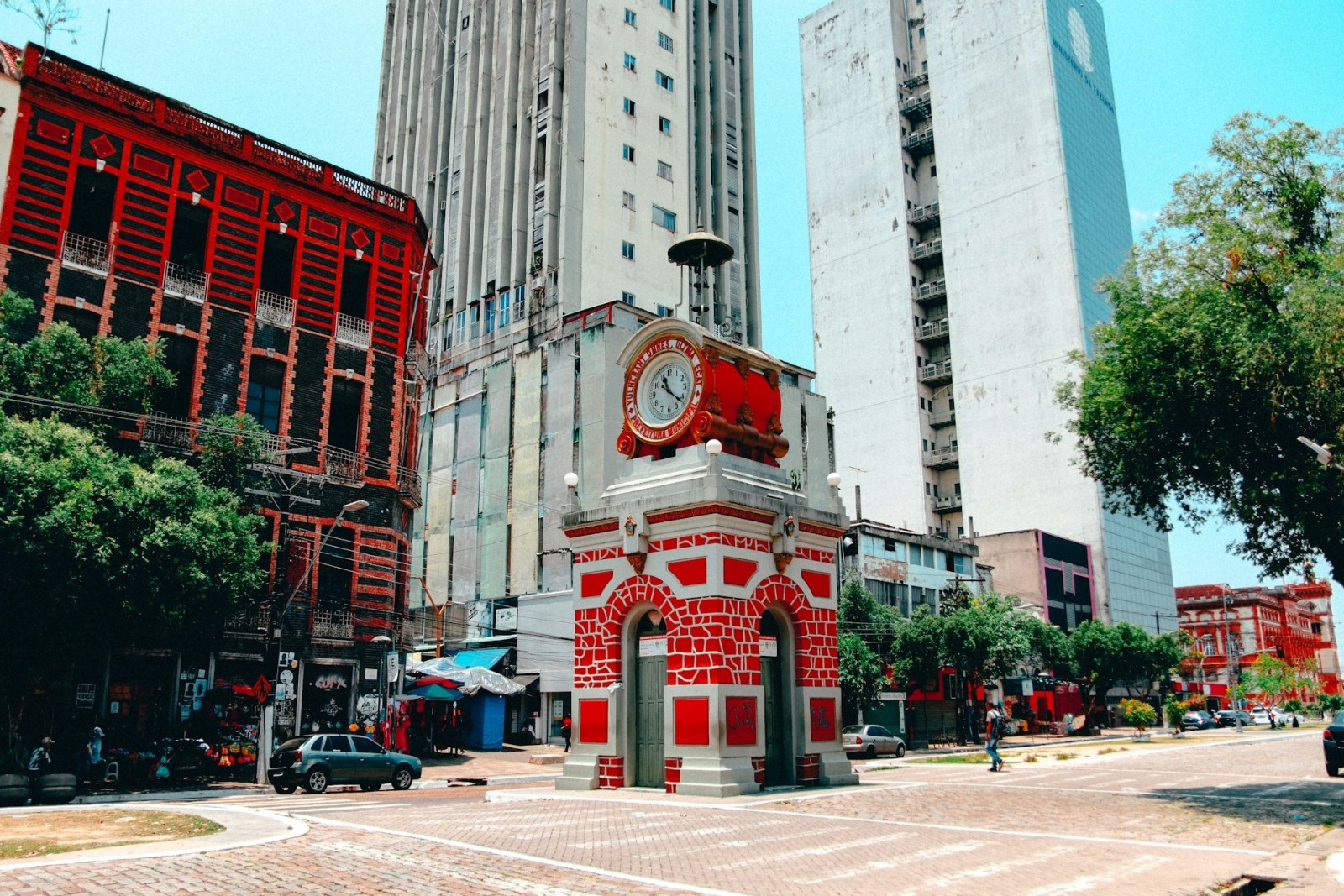
Manaus is an unusual Brazilian city where modern urban life coexists with the vast Amazon rainforest. The capital of the state of Amazonas is located on the banks of the Rio Negro and is one of the main starting points for traveling into the depths of the Amazon jungle. For tourists, Manaus is interesting not only for nature, but also for its rich history, colonial architecture and the legacy of the rubber boom era.
The main feature of the city is the opportunity to combine acquaintance with the history of Brazil and a trip to the Amazon. In the center of Manaus, luxurious buildings of the late XIX - early XX century, built during the period of rapid enrichment of the city thanks to the rubber trade, have been preserved. Especially impressive is the Teatro Amazonas – one of the main symbols of Manaus with luxurious interiors and the famous dome.
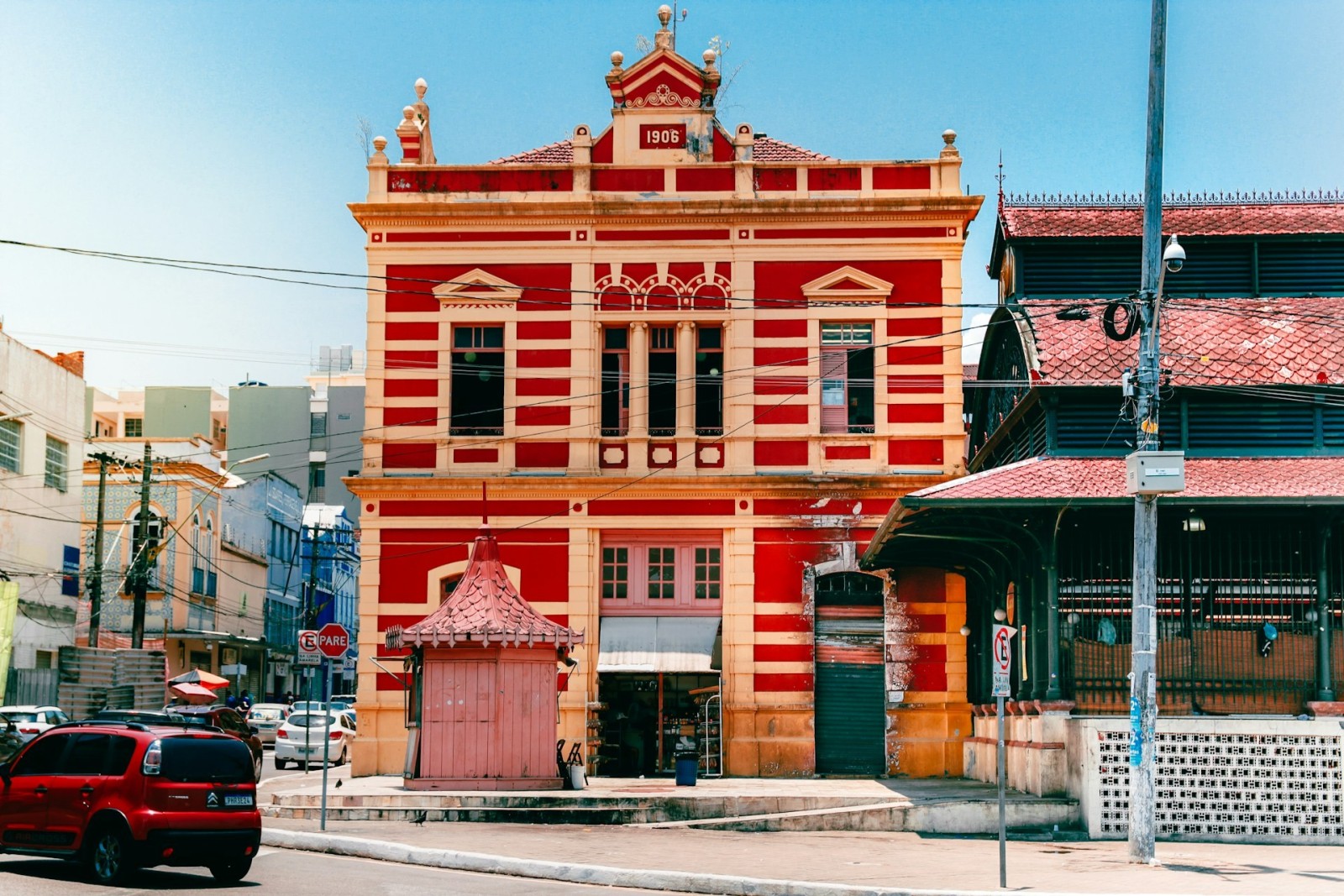
The historical center of the city with San Sebastian Square, ancient mansions, churches, commercial buildings and the Adolph Lisboa market is also interesting. A walk through these neighborhoods allows you to see the contrast between European rubber boom architecture and modern urban life.
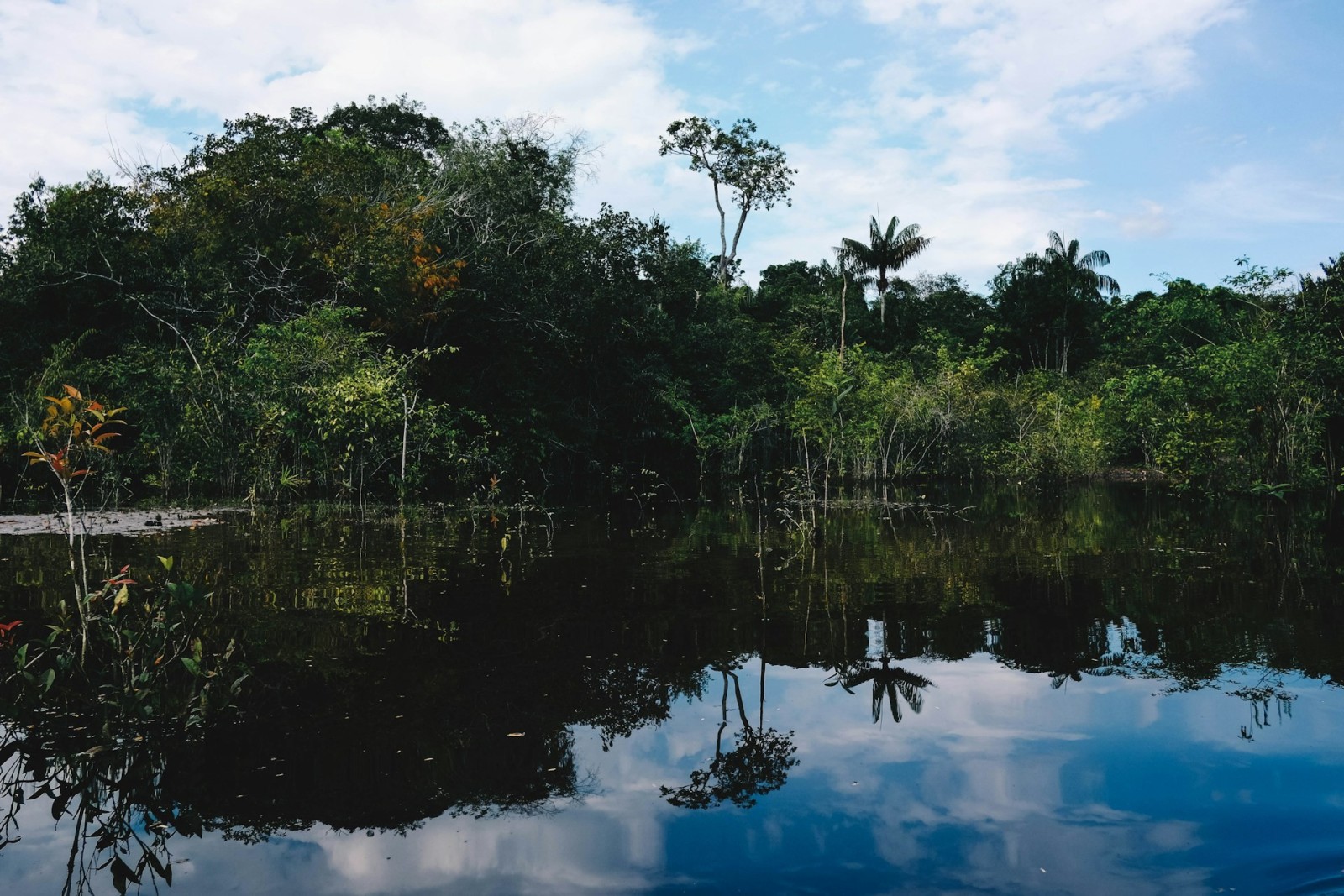
However, the main reason travelers come to Manaus is the Amazon. From the city, trips along the rivers and tributaries of the Amazon, excursions to the jungle, river cruises, visiting ecological lodges, watching birds and animals, fishing and getting acquainted with the traditional way of life of residents of river settlements are organized.
One of the most famous natural attractions is the Meeting of Waters (Encontro das Águas) - a place where the dark waters of the Rio Negro meet the brownish water of Solimoynes. Due to differences in temperature, flow speed and composition of water, the two streams flow almost in parallel for several kilometers, creating an unusual natural spectacle.
Manaus also allows you to get acquainted with the culture of the Amazon. Tourist programs can include visits to small river settlements, familiarity with local crafts, traditional cuisine and the peculiarities of life of people for whom rivers are the main roads and sources of livelihood.
The city is especially interesting for lovers of ecotourism, nature, photography, ethnography and unusual travel. Here you can start the excursion in the morning in the modern metropolis, and after a few hours to be among the rainforest and travel along the river by boat.
Manaus is also worth visiting for those interested in gastronomy. The local cuisine is markedly different from the cuisine of other regions of Brazil: river fish, fruits and plants of the Amazon are of great importance. Among the popular products you can find tambaki, piraruku, tucunare, acai, kupuasu and guarana.
Another feature of Manaus is its location. The city is far from the main tourist centers of Brazil, so the trip here feels like a real adventure. At the same time, Manaus has modern infrastructure, hotels, restaurants, shopping centers and an airport, which makes it a convenient starting point for exploring the Amazon.
Manaus is suitable for those who want to see the unusual side of Brazil. This is not a classic beach resort, but a city-contrast, where the historical wealth of rubber fever is combined with modern life and the unique nature of the Amazon. For a traveler, a trip to Manaus can be the beginning of a real expedition to one of the most mysterious regions of the planet.
1. Luxury and premium hotels
There are not as many five-star options in Manaus as in Rio de Janeiro or São Paulo, but there are several high-end hotels. They usually offer spacious rooms, swimming pool, restaurants, fitness rooms, quality service and good infrastructure.
Hotel Villa Amazônia is one of the most attractive options in the historic center. The hotel is located near the Teatro Amazonas and combines modern comfort with the atmosphere of the historic Manaus. Especially well suited to tourists who want to live in the city center and have attractions literally within walking distance.
Tropical Executive Hotel is a popular option in the Ponta Negra area. Its advantage is the location of the Rio Negro, the pool and views of the river. Suitable for those who want to combine acquaintance with Manaus with a quieter holiday.
Blue Tree Premium Manaus is a modern high-end hotel in Adrianopolis. A good option for travelers who prefer a comfortable city hotel, swimming pool and developed infrastructure.
2. Good mid- and upper-middle-level hotels
This is the most practical category for most travelers. Here you can find modern rooms with air conditioning, Wi-Fi, breakfast, swimming pool and a standard set of services.
Quality Hotel Manaus is a modern option in Adrianopolis, convenient for long stays and business trips.
Hotel Intercity Manaus is a popular modern hotel with a good balance of comfort and location.
Manaus Hotéis Millennium Shopping is a convenient option for those who prefer to be close to shopping centers and the modern part of the city.
Novotel Manaus is a good choice for business travelers and tourists who are interested in the predictable level of service of the international hotel chain.
3. Boutique hotels and historic hotels
For a tourist trip, small hotels in the historical center are especially interesting. They allow you not just to spend the night, but to feel the atmosphere of old Manaus.
Boutique Hotel Casa Teatro is located next to the Amazonas Theatre and is suitable for those who want to explore the historic center as conveniently as possible.
Gran Hotel Teatro is another option directly in the city center.
Seringal Hotel is a hotel in the central district, interesting primarily for its location relative to historical sights.
For the first acquaintance with Manaus, Centro is one of the most interesting areas: nearby are the Amazonas Theatre, historical squares, churches, market and other attractions.
4. Cheap hotels
Travelers on a budget can choose small hotels, pousada and simple city hotels. In Manaus, there are options with a private room, air conditioning and a private bathroom without having to pay for a full-fledged high-end hotel.
For example, Hotel Farol da Barra Manaus and Hotel Saint Paul are among the options that may be of interest to tourists looking for more affordable accommodation in the city centre.
On current offers of budget accommodation there are also small hotels and apartments from about a few tens of dollars per night, but the cost varies greatly depending on the season, date and type of room.
5. Hostels
Hostels are one of the best options for young tourists, solo travelers and backpackers. In addition to the low cost, they allow you to meet other travelers who also come to Manaus before traveling to the Amazon.
Among the popular options:
Local Hostel Manaus – Located near the Amazonas Theatre; both shared rooms and private rooms are offered.
Hostel Manaus is located between the Amazonas Theatre and the Rio Negro Palace and is especially convenient for independent travelers.
Aldeia Hostel is another inexpensive option close to the main attractions.
Angatu Hostel Service is a small hostel in the area of Kashoeirinha.
NaCasa Hostel - option with garden, common area and terrace.
According to Hostelworld, beds in the shared rooms of some Manaus hostels start from around £13-17, with individual rooms starting from around £10-20 and up depending on the facility and dates. These are benchmarks, not fixed prices.
1. Theatre Amazonas (Teatro Amazonas)
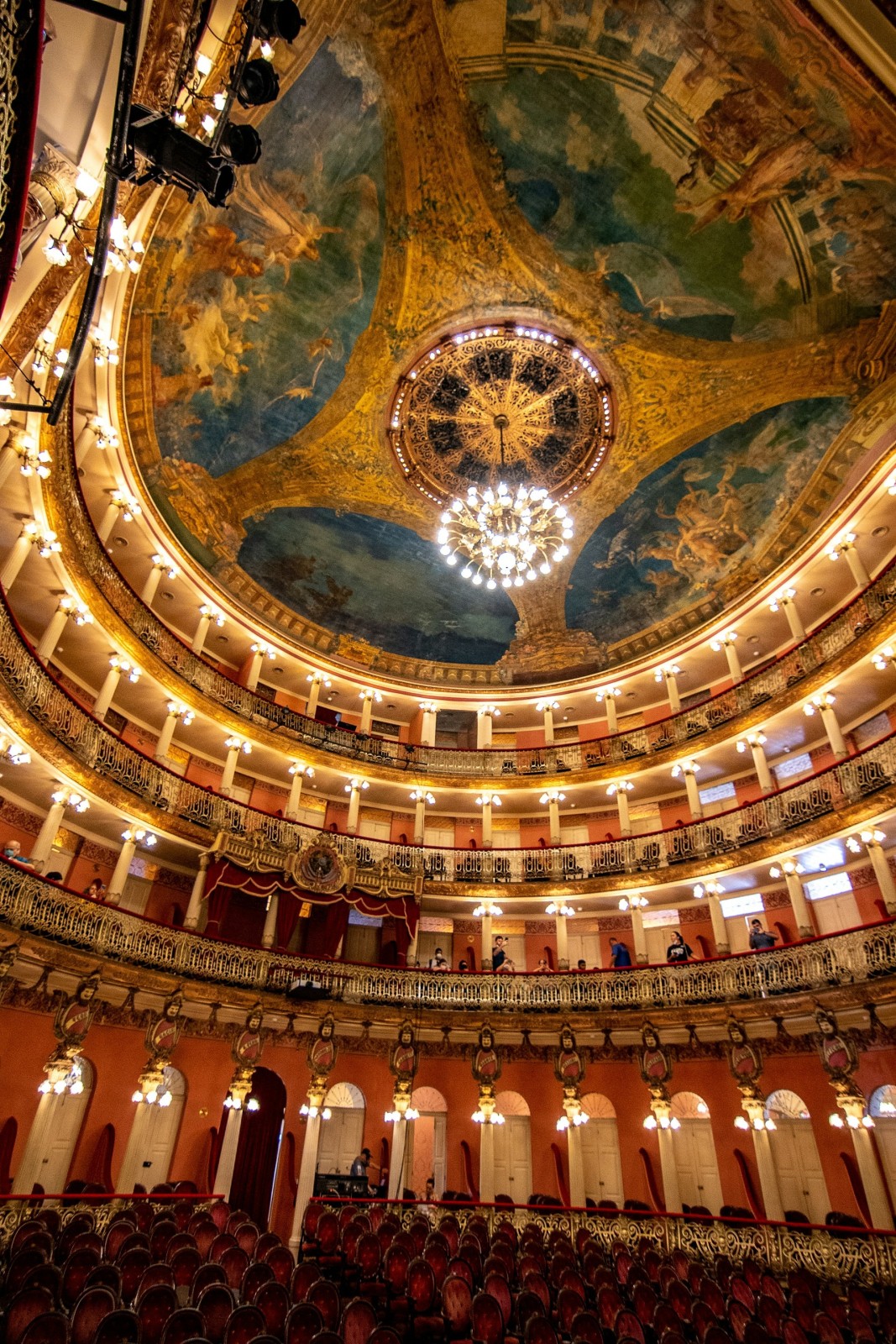
The main attraction of Manaus and one of the most recognizable symbols of the whole region. The theater opened in 1896, during the heyday of the rubber boom, when the local elite sought to turn Manaus into a European city.
Particularly interesting are the luxurious hall, painted curtain, decorative elements and the famous dome of the building. Today, concerts, opera and theater performances, as well as excursions are held here.
Transport accessibility: The theater is located in the center, on the Piazza San Sebastian. Most of the hotels in the historic center can be reached on foot in 5-20 minutes. From other areas it is more convenient to go by bus or taxi. The historical center is the most convenient area for independent acquaintance with the city.
2. Piazza San Sebastian (Largo de São Sebastião)
One of the most beautiful squares of historic Manaus is directly in front of the Teatro Amazonas.
Her famous black and white paving stone forms a wavy pattern. Around are restaurants, cafes, bars, cultural institutions and the Church of San Sebastian.
This is a good place for an evening walk: the area is especially lively after sunset.
Transport accessibility: you can easily combine with a visit to the Amazonas Theatre – the attractions are literally nearby. From Adolphou Lisboa Market, you can also walk here in about 15-20 minutes.
3. Municipal Market of Adolpho Lisboa
One of the most interesting objects of Manaus for exploring local life. The market opened in 1883 and was influenced by European architecture, including the famous Parisian market Les Halles.
It sells Amazonian fruits, fish, spices, flour, herbs, products of local cuisine, artisans and souvenirs. This is a good place to get acquainted with the gastronomic culture of the region.
Transport accessibility: The market is located in the central part of the city, near the port. The Amazonas Theatre can be reached on foot in about 15-20 minutes. Also there is public transport; when traveling by car should take into account the dense traffic in the center. The Brazilian Ministry of Tourism separately recommends using public transport when visiting the market during busy hours.
4. Port of Manaus (Porto de Manaus)
The historic port is the most important part of the city and at the same time an interesting tourist attraction. Its importance is due to the rubber boom, when huge volumes of export goods passed through Manaus.
Today, the port continues to play a huge role: ships are sent from here to various settlements in the Amazon.
Transport accessibility: located near Adolfu Lisboa Market. Therefore, these two attractions are convenient to visit together on foot. From the historic center – a few minutes walk.
5. The Palace of the Rio Negro
Beautiful historical mansion associated with the period of wealth of Manaus. The building recalls the time when the city thanks to rubber quickly Europeanized.
Today, the palace is used as a cultural space and allows you to get acquainted with the history and architecture of the city.
Transport accessibility: located in the central part of Manaus. It is most convenient to get by bus or taxi, and when staying in Centro you can walk.
6. Palace of Justice (Palácio da Justiça)
Monumental historical building of the late XIX century, located near the Teatro Amazonas.
The architecture reflects Manaus’ desire to look like a European capital during the rubber boom.
Transport accessibility: the property is located in the historic center and perfectly combines with a visit to the Amazonas Theatre and San Sebastian Square. Most of these objects can be viewed in one walking route.
7. Provincial Palace (Palacete Provincial)
Historical complex, which houses cultural and museum spaces. This is a good place for those who want to learn more about the history of the Amazon.
Transport accessibility: located in the central part of the city, so it is optimal to visit it on foot along with other attractions of Centro.
8. Museum of the Amazon (Museu da Amazônia)
A completely different type of attraction. MUSA is located on the territory of the forest and allows you to get acquainted with the nature of the Amazon without leaving the urban area.
There are forest trails, botanical exhibitions, orchids, ponds, animals and plants of the Amazon. Especially interesting is the 42-meter observation tower, which overlooks the upper tier of the rainforest.
Transport accessibility: MUSA is located in the northern part of Manaus, well beyond the historic center. Walking is not practical. It is better to use a taxi, car or excursion transfer. A trip to MUSA is convenient to plan as a separate half of the day.
9. Bosque da Ciência (Bosque da Ciência)
Scientific and Natural Complex of the National Institute for Amazon Research. Here you can see representatives of local fauna and flora, walk along forest trails and get acquainted with the nature of the region.
This is a good option for families with children and tourists who want to see the Amazonian nature, but are not ready to immediately go on a multi-day expedition.
Transport accessibility: not located in the historical center, so it is more convenient to use a taxi, car or bus. The visit can be combined with other sights of the northern / central part of the city.
10. Ponta Negra (Ponta Negra)
One of the most popular recreation areas on the banks of the Rio Negro. There is a river beach, a long landscaped embankment, restaurants, cafes, bars, sports grounds and places for recreation.
Ponta Negra is especially attractive in the evening, when it becomes cooler and the promenade comes to life. The municipality also distinguishes it as one of the main natural and recreational attractions of Manaus.
Transport accessibility: the area is located about 20 km from the central part of the city, so you should not walk from Centro. The best taxi, car or city bus. The trip by car usually takes about 30-50 minutes depending on traffic jams.
11. Meeting of Waters (Encontro das Águas)
This is perhaps the main natural attraction in the vicinity of Manaus.
Here meet the dark waters of the Rio Negro and the light brown waters of Solimoynes. Due to differences in temperature, flow velocity and other characteristics, waters flow nearby for some time, creating a well-marked boundary.
Transport accessibility: it is less convenient to travel by land on your own. The most interesting option is a boat tour from Manaus. Such trips usually include river trips and may additionally include visits to floating settlements, forest areas and other facilities.
For a tourist, this is one of the cases when an organized river tour is much more convenient than an independent trip.
12. Amazon River and River Excursions
Manaus is one of the main departure points for river travel in the Amazon.
We can go.
a short walk along the Rio Negro;
To the Meeting of Waters;
(c) Floating villages;
fishing;
observation of birds and animals;
on a multi-day cruise;
into the Amazon jungle.
It is the river transport that allows you to see the part of the Amazon that cannot be explored by a conventional city tour.
13. Tupe Reserve (RDS do Tupé)
Natural area near Manaus, where you can go by water. There are forests, river beaches and small communities of locals.
According to the municipal tourist portal, some sections of the RDS do Tupé are about 25 minutes by water from Manaus, although the specific time depends on the point of departure and the type of boat.
Accessibility: only or predominantly by river. The visit is better organized with a tour or a local boater.
1. Manaus Carnival - February-March
Carnival is one of the largest annual events of the city. In Manaus, street blocks, carnival processions, performances of musical groups and large festive events are held.
An important feature of the local carnival is a large number of street blocks (blocos), which take place in different parts of the city. In 2026, the official program included events from February and continued into March.
For a tourist, this is a good period if you want to see Manaus in the most noisy and festive atmosphere.
Best time: February - early March.
2. Ensaio dos Bumbás - March-June
One of the most interesting events is to get acquainted with the culture of the Amazon - rehearsals and concerts boomba-meu-boy (boi-bumbá).
In Manaus there are fans and groups of two famous Amazonian bulls - Caprichoso and Garantido. The music, dancing, costumes and rivalry of the two sides create an atmosphere reminiscent of a big music festival.
In 2026, the Ensaio dos Bumbás season officially kicked off on March 28 at the Sambodrome of Manaus.
Best time: March - June.
3. Festival Folclórico do Amazonas - June
It is one of the main cultural festivals of Manaus.
The festival is dedicated to the folk traditions of the Amazon and includes performances:
folklore groups;
dance groups;
quadrilles;
Cirence;
regional dances;
Boomba-meu-boy collectives;
Other traditional performers.
In 2026, the 68th Festival of Folklore of Amazonas was held from 5 to 20 June at the Center for the Culture of the Peoples of the Amazon. During the festival it was visited by more than 75 thousand people.
For tourists, this is perhaps the best time to get acquainted with the traditional culture of the Amazon directly in Manaus.
Best time: June.
4. Feasts of St. John and June "Festas Juninas" - June
June in Manaus is a particularly busy month. In addition to a major folklore festival, the city hosts the traditional Festas Juninas - June folk festivals.
In the areas and areas of the city are organized:
fairs;
folk dances;
quadrilles;
musical performances;
competitions;
holiday costumes;
traditional food.
In 2026, various folklore festivals and June festivals took place in numerous districts of Manaus and continued in July.
Best time: June - early July.
5. "Bois no Mirante" - May-June
An interesting event for tourists is Bois no Mirante, dedicated to the culture of boom-meu-boy.
In 2026, his first program took place on May 8 at the observation deck of Lucia Almeida in the historic center of Manaus. It became part of the events preceding the famous festival in Parintins.
This is a particularly good option for the traveler who wants to get acquainted with the culture of Caprichozu and Guarantide, but does not plan to go to Parintins.
Best time: May-June.
6. Musical concerts - all year round
Manaus concert life is not limited to festivals. The city regularly hosts performances of Brazilian performers, local music groups and touring artists.
Especially interesting is the Teatro Amazonas, which hosts classical music concerts, opera productions, festivals and special cultural programs.
In addition, major concerts and grassroots events take place at large city venues, including Sambódromo and Studio 5.
Therefore, before the trip, it is worth checking the current poster for the selected dates - musical events change annually.
7. Festival in Parintins - end of June
Although the famous Festival de Parintins does not take place in Manaus itself, it is definitely worth considering when planning a trip to the Amazon.
This is one of the most famous festivals in Brazil, dedicated to the confrontation between two groups of boom-meu-boy - Caprichoso and Garantido.
Manaus during this period also lives the atmosphere of the festival: concerts, rehearsals, thematic events and performances by fans of the two teams. For example, the municipality of Manaus held special events in May ahead of the festival.
Best time: end of June.
If the trip allows, you can combine Manaus + Parintins, gaining a much more complete understanding of the culture of the Amazon.
8. Amazon Day - September
In September, Manaus hosts various events dedicated to the nature of the Amazon, its culture, environmental problems and the conservation of tropical forests.
This can be interesting for travelers who come primarily for the sake of ecotourism and acquaintance with the nature of the region.
9. Independence Day of Brazil - September 7
Independence Day is celebrated throughout Brazil on September 7.
Manaus hosts official events, concerts, patriotic programs and parades. For tourists, this is more an opportunity to see the city in a festive atmosphere than a separate festival.
10. Christmas and New Year - December
In December, Manaus is decorated for Christmas, festive concerts, fairs, light installations and cultural events are held.
Central areas and squares are becoming especially lively.
New Year is traditionally accompanied by mass festivities, music and festive events, including in the area of Ponta Negra.
Summer - December, January, February
In the summer, hot and very humid weather persists in Manaus. During the day, usually about +30 ... +31 ° C, at night +23 ... +24 ° C. Rains are frequent, often there are strong tropical showers and thunderstorms.
February is already the rainiest part of the year, so excursions can be interrupted periodically due to bad weather. After rain, the temperature rises rapidly.
The water temperature in rivers is usually about +27...+28 °C.
The season is suitable for those who are not afraid of rain and high humidity. Nature during this period is especially green and saturated with water, but for long walks and river excursions, the weather is less predictable.
Autumn - March, April, May
This is one of the wettest periods of the year. In March and April, the amount of precipitation is especially high, and the temperature remains high - about +30 ° C during the day and +23 ... +24 ° C at night.
In May, the rains gradually become less frequent, the transition to a drier period begins.
The water temperature is kept at about +27 ... + 28 ° C.
For travel: March and April are less convenient for an active excursion program due to the rains. May is already much more interesting, especially for those who want to combine acquaintance with the city and nature of the Amazon.
Winter - June, July, August
This is the driest and one of the best times to travel to Manaus. During the day, the temperature is about +31 ... +33 ° C, at night about +23 ° C.
Rain becomes much less, there are more sunny days, and the humidity decreases somewhat. July and August are especially comfortable for excursions.
The water temperature remains very high - about 28 ° C.
For travel: this is the optimal period for trips to the jungle, river excursions, walks around the city and visiting natural attractions. June is also particularly interesting due to numerous folklore festivals and holidays.
Spring - September, October, November
September remains relatively dry but gets very hot. During the day, the temperature can reach +32 ... + 33 ° C, at night about +23 ... + 24 ° C.
In October, the amount of rain gradually increases, and in November the humidity becomes even higher. The air temperature remains high - about +32 ... +33 ° C.
The water temperature is about 28... +29°C.
September is a good month, especially for lovers of heat and outdoor activities. October and November are also suitable for a trip, but the likelihood of rain is gradually increasing.
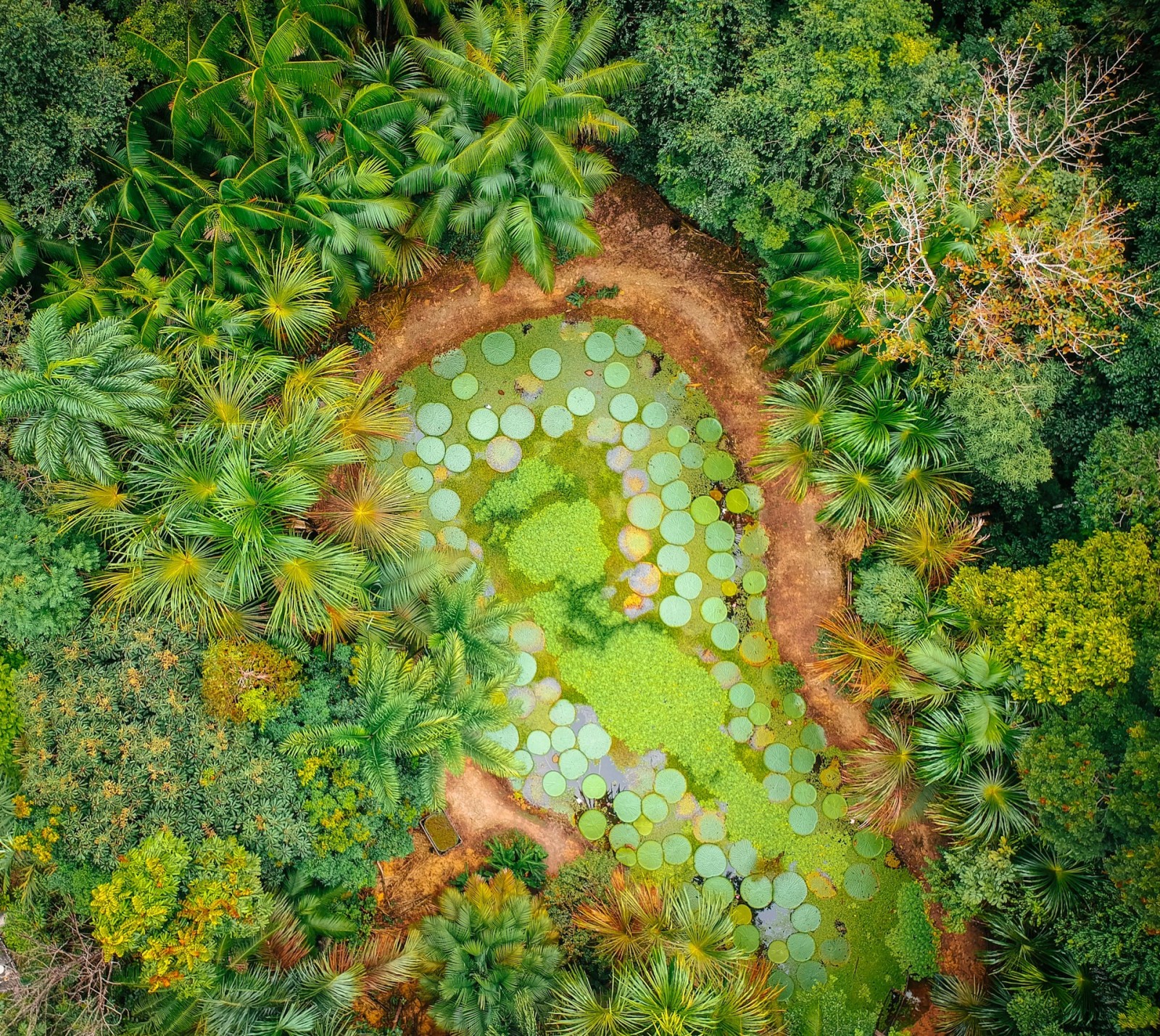
Language of communication
The main language of Manaus is Brazilian Portuguese. Portuguese is spoken in hotels, restaurants, shops, transport and government offices.
English is much less widely spoken than in the popular international tourist centers of Brazil. In large hotels, travel agencies and some restaurants, employees can speak English, but do not count on it everywhere.
Spanish sometimes helps because of its similarity to Portuguese, but locals are not required to understand Spanish. To travel, it is advisable to know at least a few simple phrases in Portuguese.
Traditions and features of local culture
Manaus is located in a region with a very peculiar culture, formed under the influence of the indigenous peoples of the Amazon, Portuguese colonial culture, Afro-Brazilian traditions and immigrants from other regions of Brazil.
Respect for indigenous culture
When traveling to Amazonian settlements and territories associated with indigenous peoples, local customs must be respected.
Do not photograph people, homes, religious or ceremonial objects without permission. If you want to photograph a person, it’s best to ask permission first:
Posso tirar uma foto? - "Can I take a picture?"
Do not pick up objects from the forest, visit closed areas or interfere with traditional rituals.
Brazilian manner of communication
The inhabitants of Manaus are generally friendly and quite emotional manner of communication. In conversation, a smile, active gestures and a closer distance than is customary for many Europeans are acceptable.
When dating, a handshake is often used, and hugs and kisses on the cheek are possible between well-known people.
At the same time, it is better to start with a more neutral treatment with strangers and gradually focus on the local manner of communication.
Punctuality
In Brazil, attitudes toward time may be more relaxed than in northern Europe or Germany. Small delays in informal settings are perceived as calmer.
However, excursions, transfers, flights and river trips are another matter. It is advisable to arrive at them in advance, since late for a boat or a tourist transfer can lead to the loss of the entire excursion.
Dress
Manaus is hot and humid all year round, so light clothing is the norm.
For the city fit:
T-shirts;
Light pants;
shorts;
dresses;
comfortable shoes;
headdress.
For hikes in the jungle, it is better to choose light closed clothes, comfortable shoes and things that protect against insects and the sun.
When visiting churches and religious institutions, it is advisable to choose more restrained clothes and not be noisy.
Features of behavior in the Amazon
When touring the jungle, it is necessary to follow the instructions of the guide.
It is not recommended to leave the designated routes, approach wild animals, feed them or try to catch them.
Also, you should not drink water directly from a river or stream without proper treatment, even if it looks clean.
During boat trips, it is necessary to use a life jacket when required by a guide or crew.
In the forest, it is especially important to use repellent, closed shoes and long trousers, as insects and other potential natural hazards exist.
Alcohol and social behaviour
Alcohol consumption in Brazil is allowed to adults, but to be in public places in a state of strong intoxication and disturb public order should not be.
Do not arrange noisy conflicts, aggressively clarify relationships or provoke others.
In the tourist areas of Manaus, as in other major cities of Brazil, it is advisable to be attentive to the phone, wallet, documents and other valuable things.
Photography
Photography of architecture, streets and most tourist attractions is usually possible, but some attractions may have restrictions.
Particular attention should be paid to:
people;
children;
representatives of indigenous peoples;
religious ceremonies;
military and protected objects;
Police officers.
Before filming, it is better to ask permission.
Basic laws and regulations that are important to follow
Manaus is located in Brazil, so tourists are subject to Brazilian law.
Documents. During the trip it is necessary to have a valid identity document. It is especially important for a foreigner to monitor the validity of the passport and documents related to the legality of stay in Brazil.
Drugs. Brazilian law provides for liability for drug trafficking. Prohibited substances should not be transported, purchased or transferred.
Weapons. Weapons or ammunition cannot be transported without appropriate permits.
Protected areas. In the Amazon there are protected areas, so you can not independently destroy plants, hunt, catch animals or export natural objects.
Wildlife. Do not buy products made from protected animals or plants. You should be especially careful about souvenirs of unknown origin.
Garbage. In natural areas, you can not leave garbage or pollute rivers and forests.
Smoking. In Brazil, there are restrictions on smoking in enclosed public spaces and other places, so these rules must be followed.
Alcohol driving. Brazil has very strict rules regarding driving after drinking alcohol. It is better not to combine alcohol and driving.
1. The most necessary words
Sim, yes. Pronunciation: Sim.
Nao, no. Pronunciation: nau.
Por favor, please. Pronunciation: pore favor.
Obrigado - thank you if a man speaks. Pronunciation: obrigadu.
Obrigada - thank you if a woman is speaking. Pronunciation: obrigada.
Desculpe, sorry. Pronunciation: jiskulpi.
Com licença - allow / excuse me, we can pass. Pronunciation: Con Lisense.
Olá - hello / hello. Pronunciation: ola.
Oh, hello. Pronunciation: oh.
Bom dia is good morning/good day. Pronunciation: Bon jia.
Boa tarde, good afternoon. Pronunciation: boa tarji.
Boa noite is good evening/good night. Pronunciation: boa noiti.
Tchau, bye. Pronunciation: Chow.
Até logo, see you soon. Pronunciation: Ate Logo.
2. If you don't speak Portuguese
Eu não falo português. - I don't speak Portuguese. Pronunciation: Ew na falu Portuguese.
Nao entendo. - I don't understand. Pronunciation: nau entendu.
Não entendo português. - I don't understand Portuguese. Pronunciation: na na na entendu portugues.
Você fala inglês? - Do you speak English? Pronunciation: vose fala ingles?
Você fala espanhol? - Do you speak Spanish? Pronunciation: vose fala Spanishol?
Pode falar mais devagar? - Can you speak more slowly? Pronunciation: Poji falar mais jevagar?
Pode repetir, por favor? - Can you repeat it, please? Pronunciation: Podji tutor, pore favor?
Pode escrever? - Can you write? Pronunciation: Poji sparkler?
Como se diz isso em português? - How do you say that in Portuguese? Pronouncement: Who do you want?
3. Communicating at the hotel
Tenho uma reserva. - I have a reservation. Pronunciation: shadow of the mind.
Tenho uma reserva em meu nome. - I have a reservation in my name. Pronunciation: the shadow of my mind.
Meu nome é... - My name is... My name. . Pronunciation: Meu nomi.
Tenho uma reserva para hoje. - I have a reservation for today. Pronunciation: the shadow of the mind of a pair of oji.
Qual é o número do quarto? - What room number? Pronunciation: How do you do numero do cuartu?
Onde fica meu quarto? - Where's my number? Pronunciation: Ongji fika meu cuartu?
A que horas é o café da manhã? - What time is breakfast? Pronunciation: What do you mean, a maniac?
Tem Wi-Fi? - Is there Wi-Fi? Pronunciation: Tain Wi-Fi?
Qual é a senha do Wi-Fi? - What's the Wi-Fi password? Pronouncement: kua u u u u u u u u u u u u-fi?
Preciso de uma toalha. - I need a towel. Pronunciation: Presisu ji uma tualya.
O ar-condicionado não funciona. - The air conditioner's not working. Pronunciation: Art air conditioning nau funxion.
Preciso de ajuda. - I need help. Pronunciation: Presisu Ji Ajuda.
4. Restaurant and café
Uma mesa para uma pessoa, por favor. - One table, please. Pronunciation: uma mesa uma pesoa, pore favor.
Uma mesa para duas pessoas, por favor. - Table for two, please. Pronunciation: Uma mesa para duas pesoas, por favor.
O cardápio, por favor. - Menu, please. Pronunciation: Cardapio, por favor.
O que você recomenda? - What do you recommend? Pronunciation: Does ki vose have a recommendation?
Quero pedir isto. - I want to order this. Pronunciation: Keru Pejir Eastu.
Sem pimenta, por favor. - No pepper, please. Pronunciation: Sen Pimenta, pore favor.
Sem açúcar. - No sugar. Pronunciation: Sen Asukar.
Água sem gás. - Water without gas. Pronunciation: Agua Sen Gas.
Água com gás. - Carbonated water. Pronunciation: Agua con gas.
Uma cerveja, por favor. - One beer, please. Pronunciation: uma serveja, pore favor.
A conta, por favor. - Check, please. Pronunciation: a konta, pore favor.
Posso pagar com cartão? - Can I pay with a card? Pronunciation: Pos pagar con cartou?
Está incluída a taxa de serviço? - Is service on? Pronunciation: Ista incluida a taksa ji servisu?
5. Healthy foods and dishes
Água is water. agua
Café is coffee. Cafe
Suco is juice. Bitch.
Cerveja is beer. Servezha
Peixe is a fish. Paishi.
Carne is meat. karni
Frango is a chicken. frangu
Arroz is rice.
Feijão is beans. Feijaun
Fruta is a fruit. Fruit.
Banana is a banana. banana
Açaí is açai. Asai
Tucumã is tucuma. tucuman
Cupuaçu - kupuaçu. Kupuasu
Guaraná is guarana. Guarana
Tambaqui is a popular Amazonian fish. Tambaki
Pirarucu is a large Amazonian fish. Piraruku
6. In a taxi and a car
Quero ir para este endereço. - I want to go to this address. Pronunciation: Keru Ir Para Esti Enderes.
Pode me levar para este hotel? - Can you take me to this hotel? Pronunciation: Podji mi levar para esti oteou?
Quanto custa até o aeroporto? - How much does it cost to the airport? Pronunciation: quantu ate bush in aeroportu?
Quanto tempo demora? - How long will it take? Pronunciation: Quantu tempu demora?
Pare aqui, por favor. - Stop here, please. Pronunciation: pari aki, por favor.
Pode esperar aqui? - Can you wait here? Pronunciation: Poji esperar aki?
Onde fica o centro? - Where's the center? Pronunciation: Ongji fika in Santru?
Onde fica o Teatro Amazonas? Where is the Amazonas Theatre? Pronunciation: Ongji fika at the Amazonas Theatre?
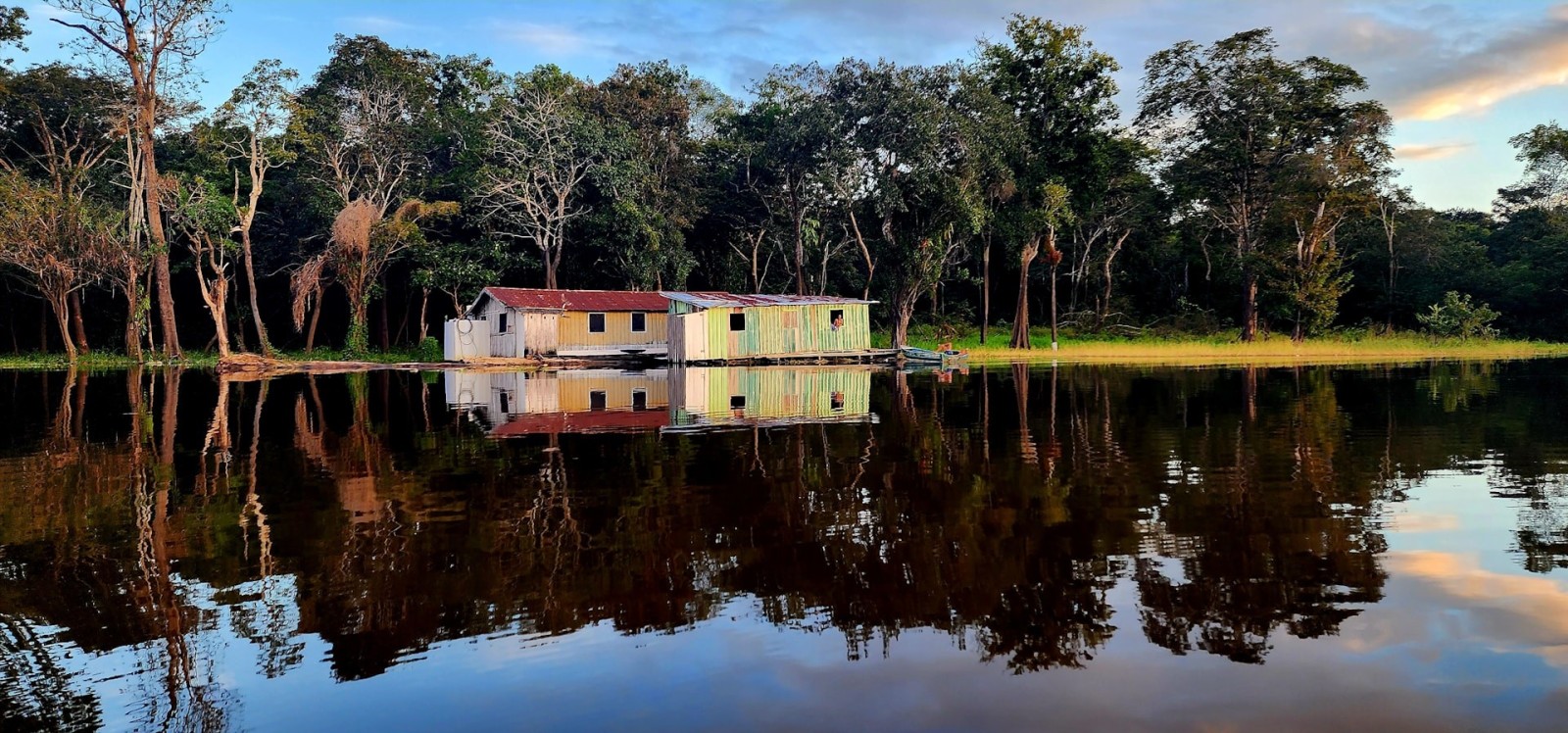
Food and food
1. Asai is one of the most famous products of the Amazon. In Manaus, acai is often consumed not only as a dessert, but also as an everyday product. You can buy powder, frozen pulp or acai-based products.
For transportation home, it is more convenient to choose powder or factory-packaged products, since fresh frozen flesh requires compliance with the temperature regime.
2. Cupuacu is a tropical fruit related to cocoa. It makes chocolate-like sweets, candy, jams, pasta, drinks and cosmetics.
Especially interesting sweets with kupuasu - they are well suited as a small gastronomic souvenir.
3. Guarana is one of the symbols of the Amazon. You can buy guarana powder, tea, drinks and sweets.
Important: Guarana contains caffeine, so products from it should not be consumed in large quantities.
4. Brazilian nut (Castanha-do-Pará) is a very popular Amazonian product. It is sold peeled, fried, salted or as part of sweets.
This is one of the most practical gastronomic souvenirs from Manaus.
5. Cocoa and Amazonian chocolate
The region produces cocoa, so you should pay attention to chocolate and products from local cocoa beans.
Interesting chocolate products with the addition of kupuasu, guarana, Brazil nut and other Amazonian ingredients.
6. Tucuma (Tucumã)
Traditional Amazonian fruit with bright orange flesh. It is especially characteristic of the cuisine of the Manaus region.
In its fresh form, it is difficult to bring it far, so it is more interesting for a tourist to try it directly in Manaus or buy products with its addition.
7. Jambu (Jambu)
A local plant widely used in Amazonian cuisine. It is known for an unusual sensation of slight tingling and numbness in the mouth.
It is better to try jamba directly in the restaurant, for example in traditional Amazonian dishes, as fresh produce is inconvenient to transport.
Amazonian drinks
Coffee is a good gift option, especially if you choose regionally produced Brazilian coffee.
Guarana - can be purchased in the form of powder or ready-made drinks.
Cocoa is powder, chocolate and cocoa beans.
Teas from local plants are an interesting souvenir, but it is advisable to buy them in factory packaging with an indication of the composition.
Cosmetics and natural remedies
The Amazon is known for a large number of plants that are used in cosmetics and traditional care products.
1. Brazil nut oil
It is used in cosmetics for skin and hair. You can find creams, shampoos, soap and pure cosmetic oil.
2. Coupuasu butter
It is used in means for moisturizing the skin and hair care.
3. Andiroba oil (Andiroba)
Traditional Amazonian vegetable oil, which is used primarily in cosmetics and local care products.
4. Buriti oil (Buriti)
It comes from the fruit of the palm tree. It is used in creams, oils, soaps and hair products.
5. Soap with Amazonian plant components
A practical and inexpensive souvenir. You can find soap with kupuasu, Brazil nut, acai, burity and other local ingredients.
Important: such products are better perceived as cosmetics or traditional care products, rather than as proven medicines for diseases. If you buy a herbal preparation for medicinal purposes, you need to check its composition and possible contraindications.
Souvenirs
1. Products of indigenous peoples of the Amazon
One of the most interesting options is the products of local artisans:
bracelets;
necklaces;
woven products;
decorative objects;
small figures;
traditional jewelry.
When buying, it is advisable to choose products indicating origin and buy them from official sellers or directly from artisans.
2. Amazonian masks
Decorative masks are a spectacular souvenir associated with the culture of the Amazon.
However, it is necessary to clarify the origin of a particular product and not to buy items that may be part of a sacred culture or made of protected natural materials.
3. Wrapped products
Very good practical souvenir:
baskets;
bags;
small panels;
stands;
decorative products.
They are lightweight, do not take up much space and convey the atmosphere of the Amazon well.
4. Seed jewelry
Bracelets, necklaces and other jewelry made of natural seeds and plant materials are popular.
This is one of the most convenient gift options: inexpensive, compact and typical for the region.
5. Wooden products
You can buy small figurines of animals of the Amazon, decorative objects and products of local craftsmen.
It is better to choose products made of legal wood with a clear origin.
Manaus is a major city in Brazil and the most important tourist center of the Amazon. In general, it is quite possible to organize a trip here safely, but the tourist should take into account urban crime, the peculiarities of trips in the Amazon, the tropical climate and medical risks. It is especially important to be careful in unfamiliar areas, not to show expensive things and use official transport and proven tour companies.
What documents do tourists need?
For a Russian citizen for an ordinary tourist trip to Brazil, a visa is not required for up to 90 days. There is an agreement between Russia and Brazil on short-term visa-free travel: stay is allowed up to 90 days in each period of 180 days.
For travel it is necessary to have:
a valid foreign passport;
air tickets or travel itinerary;
proof of accommodation in a hotel or other place;
It is desirable to have a return ticket;
health insurance;
Copies of passport and other important documents;
Bank cards and some cash.
It is better to keep the passport in a safe place, and carry a copy or electronic copy with you, if the specific situation allows.
If you plan to work, paid activities, study or long-term residence, visa-free travel is not intended for this - you must check the relevant visa or migration status in advance.
How long can I stay in Brazil?
For a Russian tourist, the guideline is up to 90 days without a visa within a 180-day period. This does not mean that you can spend 90 days, leave for a short time and automatically get another 90 days: the 180-day rule applies.
If a longer stay is planned, it is necessary to find out in advance the possibility of obtaining an appropriate permit or other migration status.
Health insurance
For a trip to Manaus, full tourist medical insurance is highly recommended. It is particularly desirable that it include:
outpatient and inpatient medical care;
Emergency assistance;
hospitalization;
transportation to a medical institution;
medical evacuation in case of serious need;
assistance in accidents;
coverage of active recreation and excursions, if they are provided for by the program;
It is advisable to help with boat trips and excursions to the Amazon.
This is especially important for Manaus: during a trip to the jungle, a tourist can be far from a large medical institution.
At the same time, foreign tourists in emergency situations can contact the state health system of Brazil SUS. The Ministry of Health of Brazil indicates that emergency assistance for foreign tourists is provided through the relevant state system.
But the availability of such an opportunity does not replace travel insurance, since insurance greatly simplifies the organization of treatment, hospitalization and possible medical evacuation.
Emergency phones
The main numbers that should be saved to the phone in advance:
190 Military Police (Polícia Militar) is used for crimes and situations requiring immediate police intervention.
192 – ambulance SAMU Works around the clock, the call is free.
193 – Fire Service (Corpo de Bombeiros) Fires, rescues and other emergencies.
197 – Civil Police (Polícia Civil)
199 – Civil Defence (Defesa Civil)
191 – Federal Traffic Police (Polícia Rodoviária Federal)
These numbers are officially listed by the Brazilian national communications regulator Anatel; emergency calls are free.
It is especially useful to remember 185 – emergency assistance at sea and inland waterways.
Mobile and Internet
There are several major mobile operators in Brazil. For tourists, the most important are:
Claro, TIM, Vivo
Anatel officially lists Claro, TIM and Vivo among Brazil’s mobile operators.
You can use:
roaming of the Russian operator;
tourist SIM-card;
local Brazilian SIM card;
eSIM if the phone supports it.
In Manaus, mobile communication in the city is usually much more convenient than outside it. When traveling deep into the Amazon, you should not rely on a constant mobile Internet: on river routes and in remote areas, communication may be absent.
Anatel separately notes that the actual coverage area depends on the terrain, buildings and conditions of use, so having a coverage map does not guarantee a signal at a particular point.
Before the river tour it is desirable:
download offline maps;
keep the guide's phone number;
informing loved ones of the route;
charge the phone;
take the power bank;
Find out if there will be a connection on the route.
The main risks in the city
Pocket theft and robbery
The biggest practical problem for a tourist is ordinary urban crime.
Don't worry.
Demonstrably use an expensive smartphone;
carry large amounts of cash;
Leave the phone on the table by the road;
Walk with an open wallet;
leave things unattended;
Explore unfamiliar areas at night.
Be especially careful in uncrowded places and later in the evening.
Night walks
It is wiser for a tourist to use an official taxi or car ordering app, especially at night.
Do not choose a route only on the principle of “it is not far on foot”. In Manaus, the safety of individual streets and neighborhoods can vary greatly.
Bank cards
Better to have:
the main bank card;
a backup card stored separately;
A small amount of cash.
It is not recommended to carry all the money and cards in one wallet.
Safety when traveling in the jungle
This is a separate issue, since not only criminal but also natural risks appear outside the city.
Before the tour, it is advisable to check:
Who is the organizer?
whether there is a licensed guide;
What type of boat is used;
Whether life jackets are provided;
Is insurance included?
How far is the route from Manaus?
Whether communication is provided in case of emergency.
You should not go deep into the forest on your own.
In the jungle it is necessary to use:
closed shoes;
long, light trousers;
repellent;
headdress;
sunscreen;
enough water.
Do not touch unknown insects, plants and animals.
Swimming in rivers
The Amazon River cannot be thought of as an ordinary basin.
Before swimming, be sure to ask the guide if swimming is allowed in this place. It is not recommended to enter unfamiliar water on your own.
Particular attention should be paid to the current, boat traffic, depth and local natural conditions.
Medical risks
Before traveling, it is advisable to discuss with your doctor the necessary vaccinations and preventive measures. The Brazilian Ministry of Health recommends that international travelers check the relevance of basic vaccinations in advance, and for some regions and routes, yellow fever vaccination may be important.
For a trip to the Amazon, it is better to discuss medical training in advance, rather than immediately before departure.
It is also worth taking individual medicines in the original package and having a list of the drugs you are taking.
What to do in an emergency situation
If there is a serious incident:
In a crime, 190.
In a medical emergency, 192.
In case of fire or rescue work – 193.
If the problem occurred during a tour of the Amazon, first inform the guide or crew of the boat. In remote areas, aid can arrive much longer than in Manaus itself.
The state system SAMU works around the clock, and the call number 192 is free.
Create a query and local guides will offer you the best options

