Independent tourism and recreation in the city of São Paulo Historical information about the city of São Paulo...

Programme 1. Rio tour ту Morning: Statue of Christ the Redeemer (Corcovado) Start with the symbol of Rio and all of Br …

I will show you the inside of the brightest city in South America, so you can see the secret and non-tourist places of R …
Before the Europeans came.
Long before the advent of the Portuguese, the territory of modern São Paulo was inhabited by Indian peoples, mainly the Tupi and Guarani tribes. They lived in small communities, engaged in hunting, fishing, agriculture and gathering.
The area was characterized by a favorable climate and a convenient location between the Atlantic coast and the interior of Brazil. Ancient Indian trails passed through it, which were later used by European explorers.
Foundation of the city
The official founding date of São Paulo is 25 January 1554. On this day, Jesuit missionaries, including priests Manuel da Nobrega and Jose de Anchita, founded a mission and a small school to convert the local population to Christianity.
The settlement was named São Paulo dos Campos de Piratininga in honor of the Apostle Paul, whose memory the Catholic Church celebrates on January 25.
The first building was a small Jesuit college, around which a settlement gradually grew. Today, on the site of the foundation of the city is the historic complex of Patio do Colégio, considered the cradle of São Paulo.
The first centuries of existence
In the XVI-XVII centuries, São Paulo remained a small and relatively isolated settlement. The city was far from the coast, and the path to the Atlantic Ocean passed through difficult mountain areas.
The economy was based on:
agriculture;
animal husbandry;
trade with neighbouring settlements;
missionary activity.
Because of its remoteness, the city has long developed more slowly than coastal colonies such as Salvador and Rio de Janeiro.
Bandeyrant era
One of the most famous pages of the history of São Paulo was the activity of bandeirants - explorers, hunters for jewelry and seekers of new lands.
In the seventeenth century, expeditions from São Paulo explored vast areas of the interior of South America.
Bandeirants:
New lands were discovered;
searched for gold, silver and precious stones;
paved trade routes;
They extended the boundaries of Portuguese possessions far beyond the limits defined by the Treaty of Tordesillas.
Their activities played an important role in the formation of the modern territory of Brazil. At the same time, many expeditions were accompanied by the capture of indigenous peoples, which became one of the tragic pages of the country's history.
XVIII century - the golden era of internal territories
After the discovery of gold deposits in the state of Minas Gerais, Sao Paulo became an important transit point for travelers, traders and miners.
Although most precious metals were mined in other regions, the city has benefited greatly from the development of trade and transport routes.
Start building:
new churches;
administrative buildings;
residential areas;
Shopping space.
XIX century - coffee boom
A real turning point in the history of São Paulo occurred in the second half of the XIX century, when the region became the world center of coffee production.
Coffee plantations brought huge incomes to local landowners, and the city itself became the largest shopping center in Brazil.
They were built:
railways;
banks;
stock exchanges;
factories;
warehouses;
New residential areas.
It was thanks to the export of coffee that São Paulo began to grow rich.
Immigration and the formation of a multinational city
Thousands of immigrants began arriving in São Paulo to work on coffee plantations and developing enterprises.
The communities were particularly numerous:
Italians;
Portuguese;
Spanish;
Germans;
Japanese;
Syrians;
Lebanese.
Later, immigrants from China, Korea and other Asian countries moved here.
Today, São Paulo is considered one of the most multicultural cities in the world. It is home to the largest Japanese diaspora outside of Japan, and the city's neighborhoods reflect the cultural traditions of dozens of nations.
Industrialization of the twentieth century
In the first half of the XX century, São Paulo became the main industrial center of Brazil.
There's been a lot of development here:
engineering;
metallurgy;
automotive industry;
chemical industry;
textile production;
food industry.
In the second half of the XX century, the population of the city increased at a record pace due to internal migration. Millions of people from various states of Brazil came here in search of work.
Construction has begun:
modern motorways;
skyscrapers;
universities;
subway;
business districts.
Modern São Paulo
Today, São Paulo is the economic capital of Brazil and one of the world’s most important financial centers.
In the city are located:
headquarters of major national and international companies;
B3 is the largest stock exchange in Latin America.
leading universities and research centers;
world-class museums;
theaters;
concert halls;
Modern exhibition complexes.
Despite the rapid development, the city retains many historical areas where you can see the architecture of the colonial period, buildings of the XIX century and monuments of the early XX century.
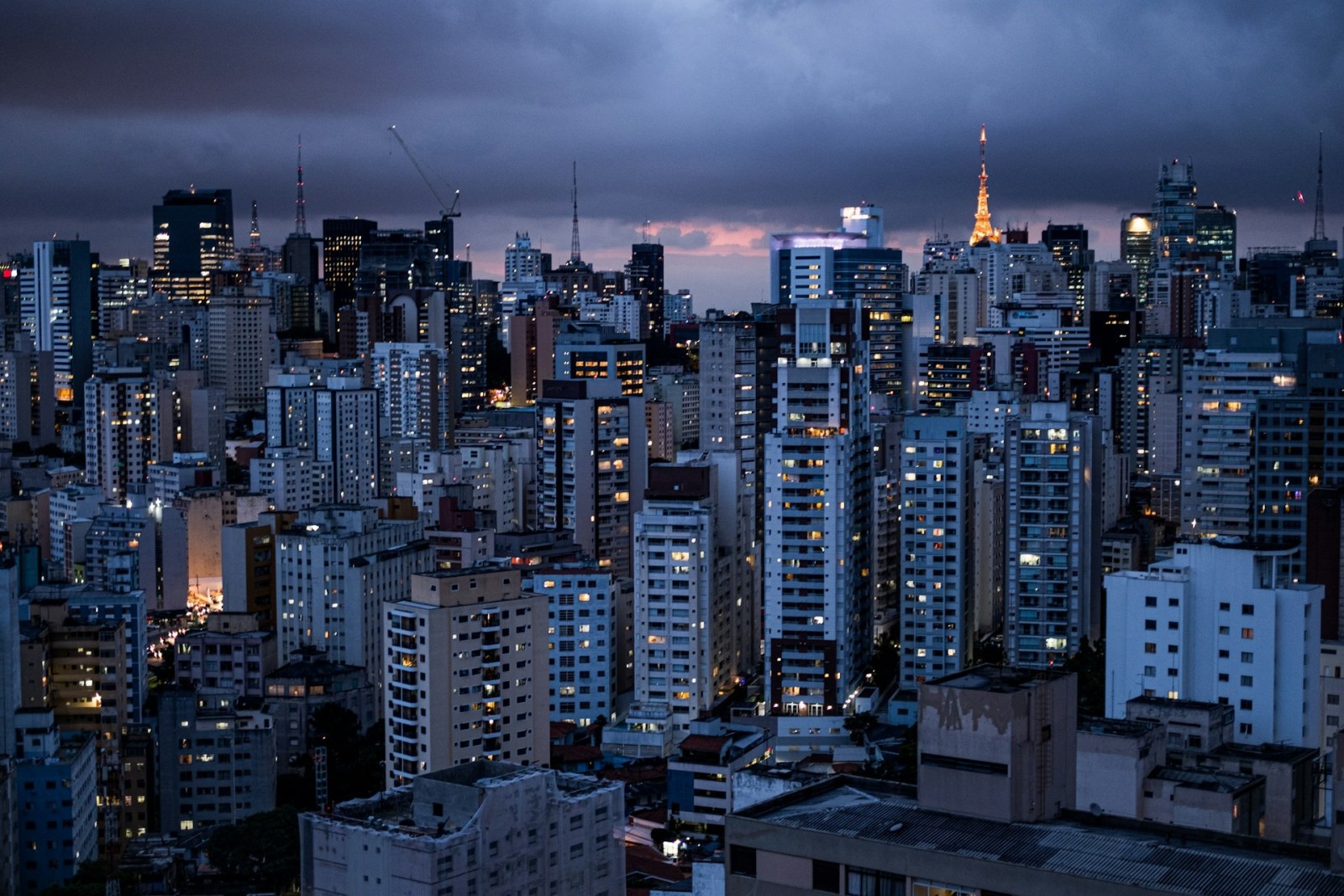
Modern world-class metropolis
São Paulo is one of the largest cities in the world and is the financial center of Brazil. Here are the headquarters of the largest companies in the country, modern business districts and impressive skyscrapers.
Despite its huge size, the city offers many interesting places to relax, walk and explore the culture of Brazil.
Rich cultural heritage
São Paulo is considered the cultural capital of the country.
There are:
numerous art museums;
historic buildings;
modern galleries;
theaters;
concert venues;
exhibition centers.
Art lovers will be able to get acquainted with both classical and modern Brazilian creativity.
Architecture of different eras
While walking around the city you can see an amazing combination of architectural styles.
It's next door.
buildings of the colonial period;
grand cathedrals;
nineteenth-century mansions;
modern skyscrapers;
Unusual buildings of famous architects.
Especially interesting are the historical center of the city and the famous Paulista Avenue, which is considered a symbol of modern São Paulo.
Green parks
Despite the status of the largest metropolis, São Paulo has a large number of green areas.
The most famous is the Ibirapuera Park - one of the best places for residents and tourists to relax.
Here you can:
Walk along shady alleys;
cycling;
visit museums;
picnicize;
birdwatching.
In addition, the city has botanical gardens, nature reserves and cozy city squares.
Liberdadi district
One of the most unusual attractions is the Liberdadi district, the largest Japanese quarter outside of Japan.
Here are:
Japanese shops;
Asian restaurants;
teahouses;
thematic markets;
cultural centers.
You can feel the atmosphere of Japan without leaving Brazil.
Gastronomy Capital of Brazil
São Paulo is considered one of the best gastronomic cities in the world.
There are thousands of restaurants of different cuisines of the world:
Brazilian;
Italian;
Japanese;
Portuguese;
Arabic;
Chinese.
Korean;
French.
Especially famous is the Municipal Market, where you can try fresh fruits, traditional cheeses, sausages, sweets and the famous Mortadella sandwich.
Multinational atmosphere
More than a hundred nationalities live in São Paulo.
The city brings together cultures:
Brazil;
Italy;
Japan;
Portugal;
Germany;
Lebanon;
Syria;
China;
Korea and many other countries.
With this, travelers can experience amazing cultural diversity in one place.
Shopping.
São Paulo is one of the best cities in South America for shopping.
Here are:
large shopping centers;
designer boutiques;
Outlets;
craft markets;
local brand stores.
You can buy both products of famous world brands and original Brazilian souvenirs.
A rich cultural life
Almost daily in the city are:
music concerts;
Theatrical productions;
art exhibitions;
festivals;
gastronomic holidays;
sporting events.
Lovers of art and entertainment will always find interesting events regardless of the time of year.
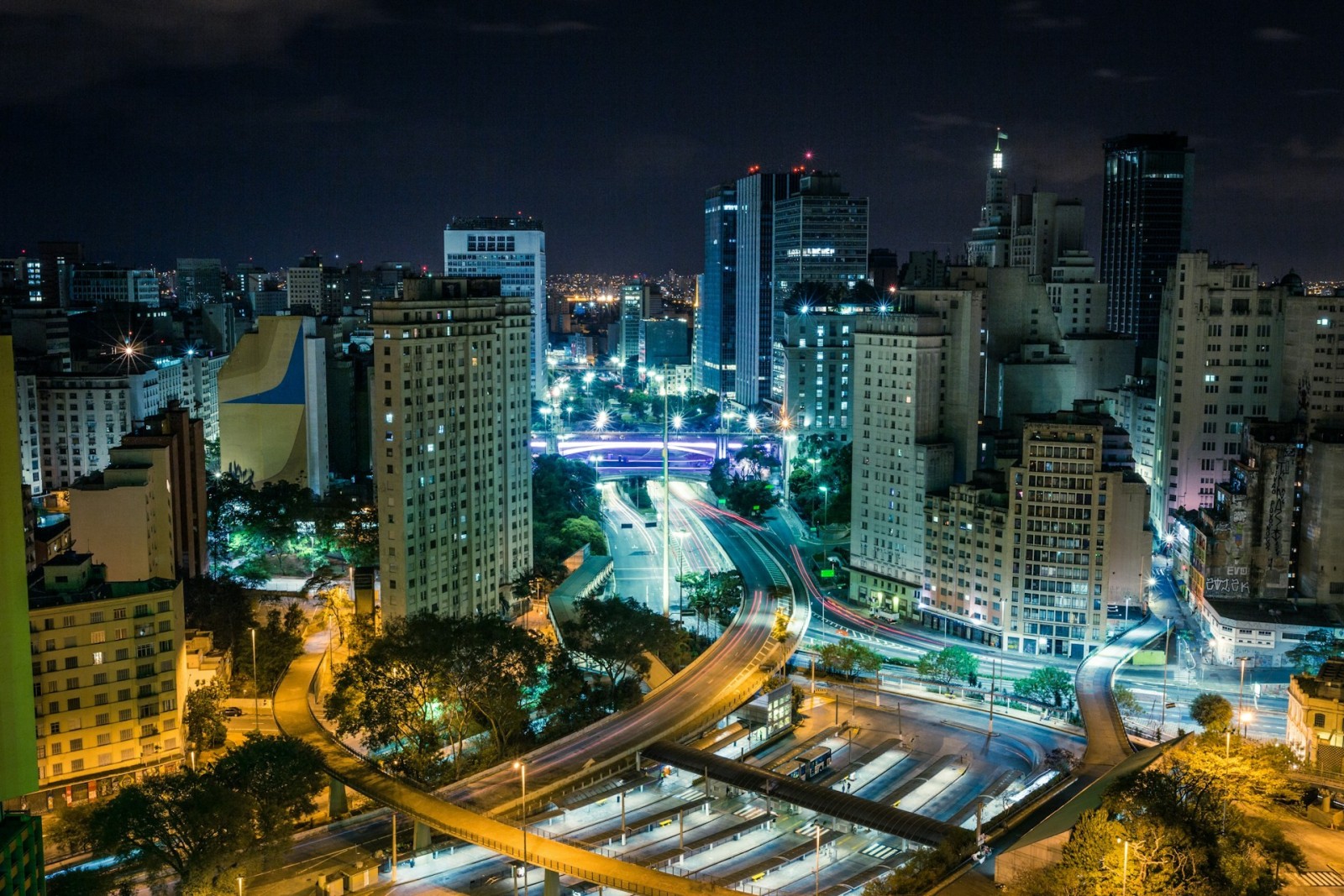
Five-star hotels
Five-star hotels are aimed at discerning tourists, business travelers and those who prefer a premium holiday.
They generally suggest:
spacious rooms and suites;
pools;
fitness centers;
spa complexes;
restaurants of high cuisine;
round-the-clock service;
concierge services;
Conference rooms.
Popular representatives:
Rosewood São Paulo is one of the most luxurious hotels in the city, combining modern design, art and a high level of service.
Palácio Tangará is an elegant hotel next to a large city park, known for its gardens and haute cuisine restaurant.
Fasano Hotel is a prestigious boutique hotel, popular among famous artists and businessmen.
JW Marriott Hotel São Paulo is a modern international hotel with developed infrastructure.
Tivoli Mofarrej São Paulo Hotel is located next to Paulista Avenue and is considered one of the best city hotels.
InterContinental Sao Paulo is a great choice for those who want to live near the main attractions.
Such hotels are especially suitable for business trips, romantic holidays and travel with a high level of comfort.
Four-star hotels
This is the most popular category among tourists.
Guests are usually offered:
Modern rooms;
restaurant
breakfast;
fitness room;
parking
Free Wi-Fi.
Popular options:
Grand Hyatt São Paulo.
Leques Brasil Hotel São Paulo Liberdade is a good option near the Japanese quarter of Liberdadi.
These hotels provide an optimal combination of price and quality.
Three-star hotels
Such hotels are chosen by most independent travelers.
They usually suggest:
comfortable rooms;
air conditioning;
own bathroom;
breakfast;
round-the-clock reception.
Ibis hotels are especially popular, which are conveniently located near metro stations and tourist areas.
Budget hotels
Economical hotels are suitable for those who plan to actively get acquainted with the city and use the room mainly for recreation.
Their advantages:
affordable cost;
convenient location;
necessary set of facilities;
free internet.
Among the popular budget options, Ibis Budget hotels are often recommended, especially in the Paulista and Jardins areas.
Aparthotels
Apartment hotels are becoming more and more popular among tourists.
These usually include:
a full kitchen;
the washing machine;
work area;
spacious living room.
This format is particularly convenient:
families;
travelers with children;
Those who come for a few weeks.
Historic complex of Patio do Colégio
This place is considered the cradle of São Paulo. It was here that on January 25, 1554, Jesuit missionaries founded the first settlement that laid the foundation for the future metropolis.
On the territory of the complex are:
Renovated building of Jesuit College;
museum
chapel
monuments to the founders of the city;
Archaeological displays.
Transport accessibility
The complex is convenient to reach:
by metro to Sé station (5-10 minutes walk);
city buses;
by taxi or car.
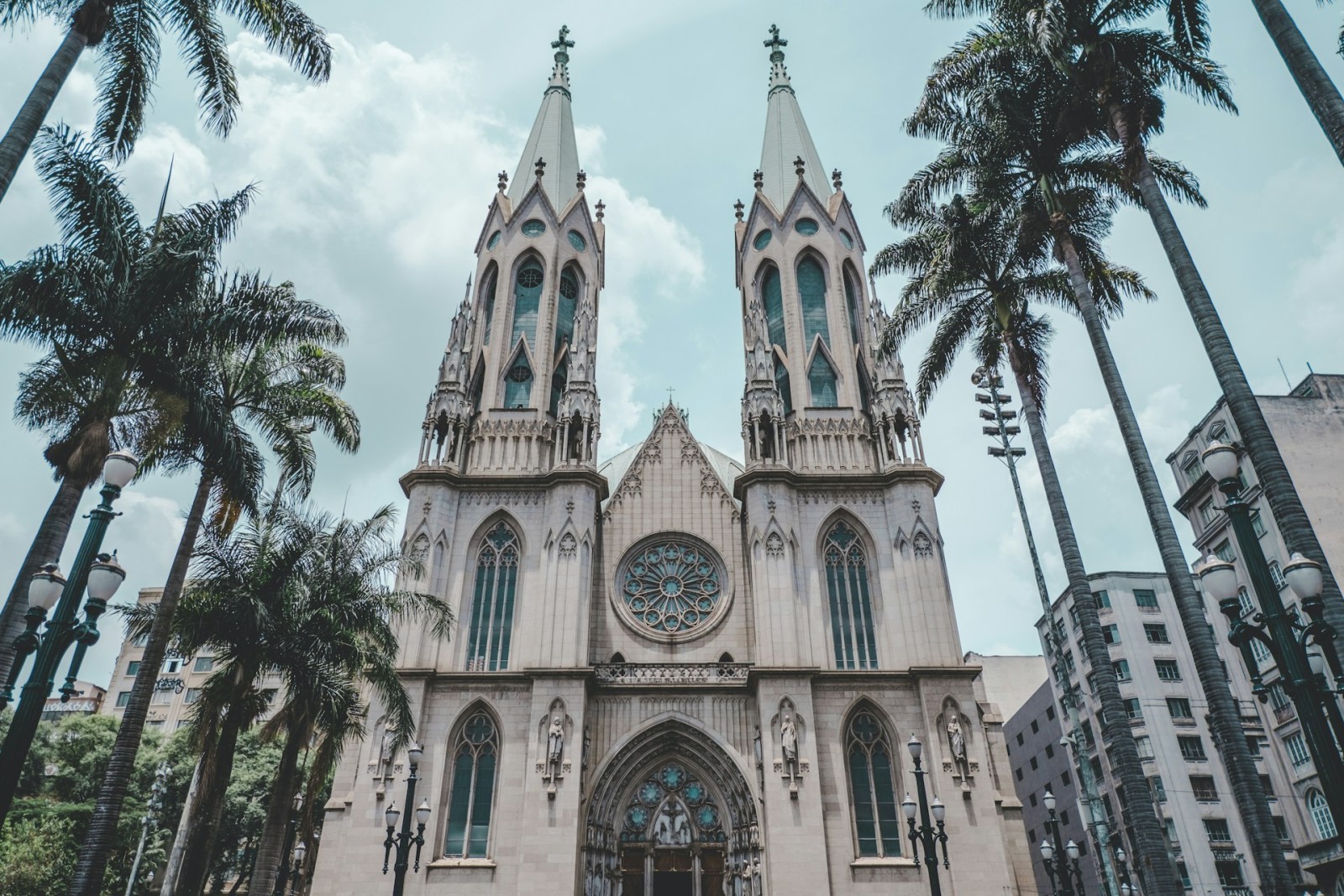
Cathedral (Catedral da Sé)
One of the largest neo-Gothic cathedrals in South America and a symbol of São Paulo.
Features of the cathedral:
grand facade;
Renaissance dome;
stained glass;
organ with thousands of pipes
underground crypt.
In front of the cathedral is the Praça da Se square, the geographical center of the city.
Transport accessibility
Sé metro station is directly next to the cathedral;
Many bus routes pass through the central square.
Paulista Avenue (Avenida Paulista)
The main street of São Paulo and one of the symbols of modern Brazil.
Here are:
skyscrapers;
museums;
banks;
shopping centers;
restaurants;
concert venues;
observation decks.
On Sundays, part of the avenue is closed to cars, and it turns into a pedestrian zone with musicians, artists and street performers.
Transport accessibility
The avenue is easily accessible by metro:
Trianon-MASP;
Brigadeiro;
Consolação.
A large number of city buses also run here.
São Paulo Art Museum (MASP)
One of the most famous museums in Latin America.
The collection includes works by:
European masters;
Brazilian artists;
contemporary authors;
sculptors;
photographers.
The building of the museum is considered an architectural symbol of the city due to its unusual design with a suspended exhibition hall.
Transport accessibility
The museum is located right on Paulista Avenue next to the Trianon-MASP metro station.
Ibirapuera Park (Parque Ibirapuera)
The largest city park and one of the favorite places of recreation of residents.
On the territory are:
bicycle paths;
lakes;
museums;
exhibition pavilions;
concert venues;
sports zones;
Walking trails.
The park is ideal for family holidays and walks.
Transport accessibility
The park is accessible:
buses from the city center;
by taxi;
by car;
The nearest metro stations are connected to the park by bus routes.
Municipal Market (Mercado Municipal)
Famous market, known for a rich selection of products.
Here you can try:
exotic fruits;
local cheeses;
delicacies;
coffee;
sweets;
traditional Mortadella sandwich.
Transport accessibility
The market is located near the São Bento metro station. From the station to the entrance - about 10 minutes walk.
Liberdadi District (Liberdade)
The largest Japanese quarter outside of Japan.
The area is located:
Japanese gardens;
Asian shops;
restaurants;
tea
Buddhist temples;
gift shops.
On weekends, there is a popular crafts and street food fair here.
Transport accessibility
The area can be quickly reached by metro to Liberdade station.
Monastery of San Bento (Mosteiro de São Bento)
One of the oldest monasteries in Brazil, founded at the end of the XVI century.
Tourists visit it for:
beautiful architecture.
internal interiors;
organ concerts;
Traditional worship with Gregorian singing.
Transport accessibility
It is located near the São Bento metro station.
Vila Madalena (Vila Madalena)
One of the most creative areas of São Paulo.
Known:
art galleries;
unusual cafes;
music clubs;
street art;
Graffiti.
The main attraction is the famous Alley of graffiti Beco do Batman.
Transport accessibility
You can get there.
by metro to Vila Madalena station;
Then walk about 15-20 minutes or by bus.
Museum of the Portuguese Language (Museu da Língua Portuguesa)
An interactive museum dedicated to the history and development of the Portuguese language.
Exhibits include:
multimedia installations;
interactive exhibitions;
historical documents;
audio and video materials.
Transport accessibility
The museum is located next to the Luz railway station, which is connected to metro lines and commuter trains.
Summer (December - February)
Summer in São Paulo is the hottest and most festive season. At this time, New Year celebrations, open-air concerts and the famous Brazilian carnival are held.
1. New Year holidays (December – January)
The main festive events are held on Paulista Avenue, where:
free concerts;
light shows;
festive fireworks;
fairs;
street performances.
2. Founding Day of São Paulo (25 January)
Every year the city celebrates its birthday.
In the holiday program:
historical reconstructions;
free concerts;
exhibitions;
gastronomic festivals;
excursions;
cultural events in museums.
3. São Paulo Carnival (February – early March)
After the Carnival in Rio de Janeiro, it is one of the largest carnival events in Brazil.
During the holiday, there are:
colorful parades of samba schools;
performances of dance groups;
music shows;
costumed processions;
Numerous street parties (Blocos de Rua)
Every year the carnival attracts millions of participants and spectators.
Autumn (March-May)
In the spring of the European calendar in Brazil comes autumn - a comfortable time for walks and cultural recreation.
1. Lollapalooza Brasil (March)
One of the largest music festivals in South America.
The following are on stage:
world rock bands;
pop artists;
electronic musicians;
Alternative collectives.
The festival annually attracts tens of thousands of spectators.
2. São Paulo Fashion Week (April and October)
The biggest fashion week in Latin America.
During the event, there are:
shows of famous designers;
presentation of new collections;
exhibitions;
Meetings of the fashion industry.
3. Virada Cultural (May)
One of the most famous cultural events of the city.
During the day throughout São Paulo are:
free concerts;
Theatrical productions;
Film screenings;
dance performances;
art exhibitions;
circus performances;
Gastronomy activities.
Most venues work around the clock, and entry to events is free.
Winter (June-August)
Winter in São Paulo is mild and comfortable, so this season is ideal for excursions.
1. São Paulo Pride Parade (June)
One of the largest events of this kind in the world.
The programme includes:
colorful processions;
concerts;
thematic festivals;
cultural events.
Every year the festival attracts millions of participants.
2. Taste São Paulo Festival (June)
Popular gastronomic festival.
Guests may:
Try the best restaurants in the city;
attend master classes of famous chefs;
Experience modern Brazilian cuisine.
3. Anime Friends (July)
The largest festival of Japanese pop culture in Brazil.
In the program:
cosplay
concerts;
exhibitions;
meetings with artists;
play zones;
Souvenir fair.
Spring (September-November)
In spring, the weather becomes especially pleasant for walks and excursions.
1. São Paulo International Film Festival (October)
One of the largest film festivals in Latin America.
During the festival, the following are demonstrated:
world premieres;
author's film;
documentaries;
short films.
2. São Paulo Oktoberfest (October)
The Festival of German Culture includes:
traditional music;
dishes of German cuisine;
tasting drinks;
folk dances;
family entertainment.
3. São Paulo Formula 1 Grand Prix (November)
One of the most prestigious auto races in the world takes place at the Interlagos circuit.
During the race weekend are organized:
autograph sessions;
exhibitions of cars;
concerts;
entertainment.
The city receives tens of thousands of fans from around the world.
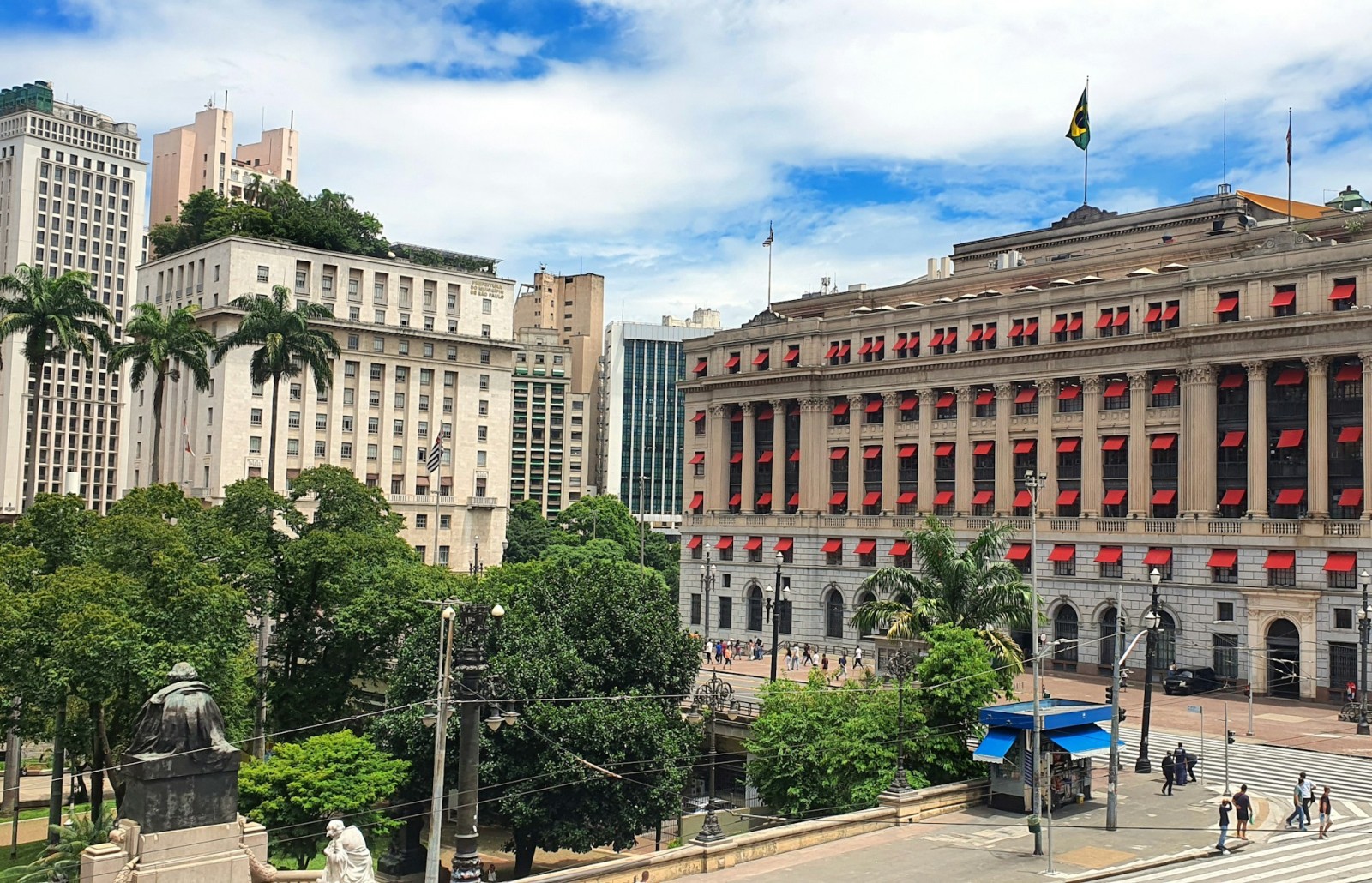
Summer (December to February)
Summer is the hottest and humid period of the year.
Air temperature:
day: +26...+31 °C;
At night: +19 ... +22 °C.
At this time, there are often short-term tropical downpours, mainly in the afternoon. After rain, the weather improves quickly, so precipitation rarely interferes with rest.
Water temperature
São Paulo is located far from the coast, but the nearest beaches of the Atlantic Ocean are about one and a half to two hours away. The water temperature is +24... +27 °C, which is ideal for swimming.
Autumn (March-May)
Autumn is considered one of the most comfortable seasons to explore the city.
Air temperature:
day: +22...+28 °C;
At night: +15 ... +18 °C.
The heat gradually decreases, the humidity becomes lower, and the number of sunny days increases. This is a great time for walking, excursions and visiting parks.
Water temperature:
+22...+25 °C.
The swimming season on the coast continues.
Winter (June-August)
Winter in São Paulo is mild and dry, without frost and snow.
Air temperature:
afternoon: +19...+25 °C
night: +10 ... +14 °C.
Precipitation during this period is small, so the air becomes fresher and more comfortable. In the evening, you may need a light jacket or sweater.
Water temperature:
+20...+22 °C.
For some tourists, the water will seem cool, but many continue to relax on the beaches.
Spring (September-November)
In the spring, the city becomes especially green and colorful.
Air temperature:
afternoon: +23... +29 °C;
at night: +15... +19°C.
The weather is mostly sunny, although short-term rains may appear towards the end of the season.
Water temperature:
+21...+24 °C.
At this time begins a new beach season on the Atlantic coast.
Language of communication
The official language of Brazil is Portuguese. It is spoken by civil servants, employees of shops, restaurants, banks and public transport.
In tourist areas, major hotels, museums, airports and international restaurants, many employees speak English. However, outside the central areas, knowledge of English is much less common.
Some people understand Spanish due to the proximity of Latin American countries, but not everyone speaks it. The Russian language is very poorly spoken.
Even a few simple phrases in Portuguese will help to attract locals, who usually have a positive attitude towards tourists trying to speak their native language.
Features of communication
Residents of São Paulo are distinguished by openness, friendliness and emotionality.
During communication, it is accepted:
greet the interlocutor at the entrance to the store, cafe or hotel;
Smile and maintain a friendly conversation;
Thank you for your help;
Talk to strangers politely and calmly.
Brazilians love communication and often start a casual conversation even with strangers.
Traditions and customs
Friendship
In Brazil, goodwill is very important. A sincere smile, politeness and respect for others are considered the norm.
Punctuality
In business, punctuality is appreciated, but in everyday life, small delays are perceived calmly. Many people come to meetings with friends after the appointed time.
Family values
Family plays an important role in the lives of most Brazilians. On weekends, residents often spend time with relatives, gather for joint lunches and holidays.
Love of football
Football is an integral part of Brazilian culture. During matches of the national team or popular clubs, the streets, bars and restaurants are filled with fans. Tourists are advised to respect sports traditions and avoid conflicts over football preferences.
carnival
Carnival is one of the main cultural events of the country. During this period, colorful processions, musical performances and dance performances take place. Tourists are free to take part in festive events, observing public order and recommendations of the organizers.
Rules of conduct
When visiting churches and temples, it is recommended to:
keep quiet;
Turn off the sound of the mobile phone;
choose neat clothes;
Do not interfere with the conduct of worship.
Museums and exhibition halls must comply with established rules, and photography of some exhibits may be restricted.
Laws to be observed
During their stay in São Paulo, tourists must comply with Brazilian law.
Basic rules:
It is forbidden to drive a car in a state of alcoholic intoxication - the country has very strict standards, and for violation there are large fines, deprivation of a driver's license and even criminal liability;
Smoking is prohibited in many closed public places.
It is necessary to observe traffic rules and cross streets only in permitted places;
It is forbidden to damage historical monuments, buildings and objects of cultural heritage;
You can not litter in public places;
The use and storage of prohibited drugs is prohibited.
Security of personal data
Although the tourist areas of São Paulo are well guarded, the usual precautions are recommended:
Do not display large amounts of money;
Do not leave your phone, camera and documents unattended;
store valuables in the hotel safe;
use official taxi services or proven car ordering services.
Tipping
In many restaurants, the bill automatically includes a service fee of about 10%. If it is already indicated in the check, additional tips are not necessary. If there is no service fee, visitors often leave a small reward to the waiter as a token of gratitude for good service.
Dress
In everyday life, residents of São Paulo prefer comfortable and modern clothes.
When visiting:
temples;
official events;
theaters;
For expensive restaurants, it is recommended to choose a more restrained style.
Photo and video recording
Photography of city streets and most attractions is allowed. However, before shooting people close-up, it is advisable to ask their permission. Museums, art galleries and some religious sites may have restrictions on the use of flash or professional equipment.
Welcome and introduction
(Ola) Hello! Hey!
Bom dia! (Bon dia) Good morning!
Boa tarde! (Boa tarji) Good day!
Boa noite! (Boa noichi) Good evening! Good night!
How are you?
Tudo bem? Everything okay?
Tudo bem! It's okay!
Muito prazer. Nice to meet you.
Até logo! - See you soon!
Tchau! (Chow) Bye!
Polite words
Por favor. Please.
Obrigado. (If a man speaks) (Obrigadu) Thank you.
Obrigada. (If a woman speaks) (Obrigada) Thank you.
You're welcome.
Com licença. (Com Lisença) Excuse me.
Desculpe. Sorry.
Sim. Yes.
Nao. No.
Useful questions
Você fala inglês? All of you? Do you speak English?
Você fala russo? All the fala husu? Do you speak Russian?
Pode me ajudar? Can you help me with that?
Nao entendo. I don't understand.
Pode falar mais devagar? Poji falar mays divagar? ) Please speak more slowly.
In town.
Onde fica o centro? Ongji fika at the centre? ) Where is the city centre?
Onde fica a estação de metrô? Ongji fika and Estasau ji subway? ) Where is the subway station?
Onde fica o museu? Ongji fika at the museum? ) Where is the museum?
É longe? Is that far?
Como chego lá? How do you get there?
At the hotel.
Useful phrases
Tenho uma reserva. (Shadow of Uma Hezerva) I have a reservation.
Meu nome é. . . my name is...
Que horas é o café da manhã? What time is breakfast?
Tem Wi-Fi gratuito? Is there free Wi-Fi?
Posso fazer o check-out mais tarde? Possou's phaser at check-out Mays Tarji? ) Can I leave later?
Brazilian coffee
Brazil has been the largest producer of coffee in the world for many years, and São Paulo is one of the main centers of its sale.
The most popular are:
Arabica coffee;
medium and dark roasted coffee;
organic coffee;
Coffee from small family plantations.
Coffee can be purchased both in specialty stores and in the Municipal Market (Mercadão).
Cheese bread (Pão de Queijo)
One of the most famous Brazilian snacks.
For a gift, tourists usually buy:
prepared mixtures for preparation;
frozen semi-finished products;
packets of cheese flour.
Brazilian chocolate
There are many chocolate boutiques in São Paulo.
Popular:
chocolate with cocoa from the Amazon;
truffles
chocolate and nuts;
Tile with exotic fruits.
Nuts
Particularly appreciated:
Brazil nut;
cashew
macadamia
a mixture of tropical nuts.
They are rich in healthy fats, vitamins and microelements.
Tropical sweets
Popular souvenirs are:
fruit jams;
Guava pasta (Goiabada)
coconut sweets;
marakuya candy;
acai desserts.
Kachasa (Cachaça)
Brazil’s national strong drink made from sugar cane.
It can be purchased:
classical cachassa
aged varieties;
gift sets.
Kachasa is used to make the famous Kaipirinha.
Natural honey.
In Brazil, various varieties of honey are produced:
eucalyptus
flowery
honey from tropical plants.
Medicines and natural cosmetics
Natural oil cosmetics
Brazilian cosmetics are known for using natural ingredients.
Especially popular means with:
acai oil;
Coupuasu oil;
babassu butter.
coconut oil;
Brazil nut butter.
They nourish the skin and hair well.
Hair makeup
Brazilian manufacturers produce quality:
shampoos;
masks;
air conditioners;
serums;
hair restoration oils.
All over the world known products with keratin and natural extracts.
propolis
Brazilian green propolis is considered one of the most valuable in the world.
It can be purchased as:
tinctures;
capsules;
sprays;
lozenges.
It is traditionally used to support immunity and throat health.
Herbal teas
The following are popular:
tea mate;
grass collections;
lemongrass tea;
Chamomile infusions;
Hibiscus tea.
Natural essential oils
Oils can be found on sale:
eucalyptus;
lavenders;
citrus;
tropical plants.
Souvenirs
hammaki
Bright Brazilian hammocks are considered one of the most recognizable national souvenirs.
It can be purchased:
single;
doubles;
decorative models.
Products of local artisans
The following are very popular:
wooden figurines;
carvings;
pottery
decorative masks;
bamboo products.
Jewelry made of natural stones
Brazil is famous for its gems.
In Sao Paulo you can buy jewelry with:
Amethyst.
citrine;
quartz
agatem
Tourmaline.
Leather products
Popular:
bags;
purses;
belts;
shoes;
purse.
Brazilian leather is of high quality.
National symbols
Good memorable gifts will be:
Brazilian national team shirts;
cups;
magnets;
keychains;
flags;
Postcards.
Havaianas slackers
It is a symbol of modern Brazil.
They're valued for:
durability;
bright design;
convenience;
A large selection of models.
In branded stores, the choice is much greater than outside the country.
São Paulo is a modern metropolis with a developed tourist infrastructure, annually receiving millions of travelers. Most popular tourist areas are well guarded, however, as in any major city, it is recommended to follow the usual precautions: keep an eye on personal belongings, do not display expensive jewelry and large amounts of cash, and use official taxi services or apps to order cars.
What documents are required to have
During the trip, it is recommended to have with you:
a passport valid for at least the period of stay;
return ticket or ticket to the next country (may be required upon entry);
confirmation of booking of a hotel or other place of residence;
medical insurance policy;
documents confirming the availability of sufficient funds (if necessary);
copies of the passport, insurance policy and air tickets in paper or electronic form.
The original passport is better to keep in the safe of the hotel, and during walks have a copy of the document.
Health insurance
While foreign tourists can get emergency care from Brazil’s public health system (SUS), health insurance is highly recommended.
It is desirable that the insurance policy covers:
emergency medical care;
hospitalization;
transportation to a medical institution;
dental care in emergency cases;
transportation to the home country if necessary;
Baggage insurance and travel cancellations.
Before traveling, it is recommended to carefully read the insurance conditions and telephone numbers of the insurance company support service.
Emergency services
In Brazil, there are uniform toll-free emergency numbers:
190 - police;
192 – Emergency Medical Care (SAMU)
193 - Fire service;
191 - Federal Highway Police.
Many tourist areas of São Paulo also have tourist police who help foreign travelers and can communicate in English.
Mobile operators
In São Paulo, mobile communication and mobile Internet are well developed. Main operators:
Vivo is the largest operator with wide coverage and high Internet speed;
Claro is a popular operator with good communication quality and profitable packages.
TIM - offers a variety of rates for tourists;
Algar Telecom operates in certain regions of the country.
At the international airport, shopping centers and branded salons, you can buy a SIM card or eSIM (with device support). A passport is usually required for registration. The ability to purchase travel SIM cards and requirements may vary depending on the operator.
Financial security
The most common methods of payment:
Bank cards Visa and Mastercard;
contactless payment;
cash Brazilian reals.
It is recommended:
Have a small amount of cash for small purchases
Do not carry large amounts of money with you;
use ATMs in shopping centers, banks or airports;
Notify the bank in advance of travel abroad.
Personal security
During rest, it is recommended to follow a few simple rules:
Do not leave bags and phones unattended;
Avoid crowded streets late at night.
use official taxis or proven applications;
Do not display expensive watches, cameras and jewelry;
Keep documents and valuables in a hotel safe;
Be careful in crowded places, markets and public transport.
Most tourist sites are safe during the day, but in the evening it is better to choose busy streets and well-lit areas.
Sanitary security
No mandatory vaccinations are usually required to travel to São Paulo. However, travelers planning to visit the Amazon or other natural regions of Brazil are sometimes advised to get vaccinated against yellow fever. Before traveling, it is advisable to clarify current recommendations.
It should also be:
Drink bottled water or industrial water;
thoroughly wash the fruit;
use sunscreen;
Use mosquito repellents while walking in green areas.
How many tourists can stay in Brazil
For citizens of the Russian Federation there is a visa-free regime for tourist and business trips.
The permitted period of stay is up to 90 days in any 180-day period without a visa. If a longer stay is planned, the appropriate type of visa or permit must be issued in advance according to the purpose of the trip.
Create a query and local guides will offer you the best options

