Independent travel to Bhutan, Thimphu city! History of Thimphu Town Thimphu is the capital and largest city of...
Thimphu is the capital and largest city of Bhutan, located in the Himalayas between India and China. The city has a rich history, closely connected with the history of the kingdom itself. Here are some key points and interesting facts about the history of Thimphu:
Choice of capital: Thimphu became the capital of Bhutan in 1961. This decision was made by King Jigme Dorje Wanczuk in order to make the capital more centralized and convenient for management.
Construction of the city: After choosing Thimphu as the capital, the construction process began. The city was designed with traditional Bhutanese architectural elements in mind and combines traditional houses and modern buildings.
Bhutanese architecture: The buildings in Thimphu are made in traditional Bhutanese style with brightly painted facades, wooden beams and elegant carvings. One of the most famous architectural monuments is the Dzong Rasat, which serves not only as the office of the royal army, but also as the residence of the king.
Dzongs and Lhakhangs: Thimphu has several dzongs (fortresses) and lhakhangs (temples). Dzong Tashichho is one of the most important, as it houses the offices of the royal government and the monarch. Lhakhangs serve religious purposes and are places of worship.
Modern achievements: Thimphu continues to develop as a modern city. The city has modern educational institutions, shopping centers, restaurants and other infrastructure facilities.
Population and culture: The population of Thimphu is a mosaic community with different ethnic groups. The city also serves as a center for the preservation and promotion of Bhutanese culture and hosts various festivals and cultural events.
Ecology and Nature: Thimphu is situated in a beautiful natural environment surrounded by mountains and rivers. The city is committed to maintaining its environmental sustainability, as seen in its development plans and environmental initiatives.
The history of Thimphu is closely related to the development of Bhutan as an independent kingdom, and the city embodies the combination of tradition and modernity in this unique Himalayan state.
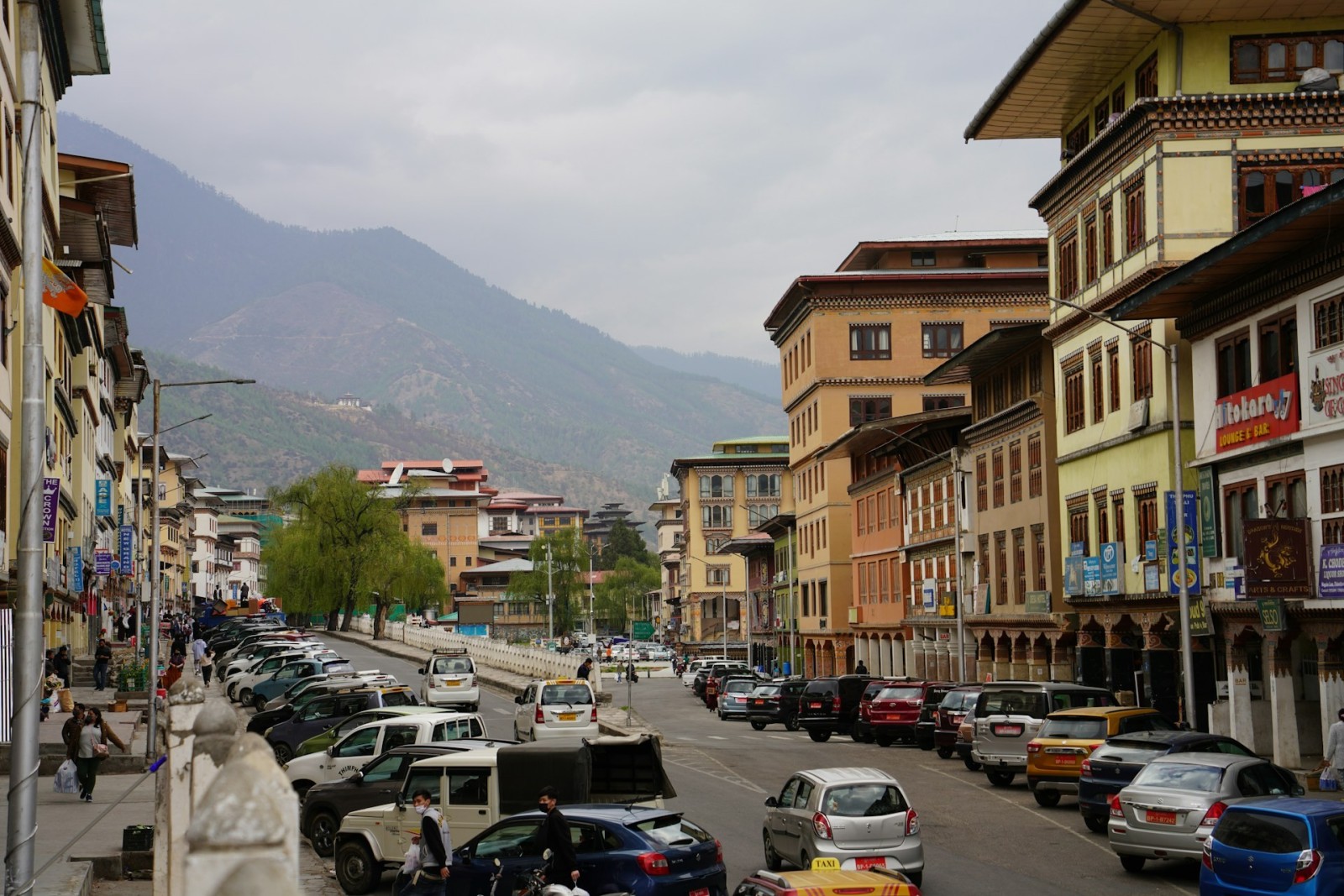
Thimphu is an amazing city that offers tourists a unique experience, combining a rich culture, beautiful natural scenery and a unique atmosphere. Here are a few aspects that could attract travelers and tourists to this exciting city:
Traditional Bhutanese Culture: Thimphu is the perfect place to experience the rich Bhutanese culture. Tourists can visit the Dzongs, Lhakhangs and participate in traditional festivals to immerse themselves in the unique customs, religion and art of this amazing kingdom.
Architectural Splendor: The city is decorated with traditional Bhutanese architecture, giving it a unique and colorful look. The dzongs, with their impressive walls and wood carvings painted in bright colors, create a colorful contrast with the mountains and sky.
Natural Beauty: Thimphu is located in a picturesque natural corner of the world. The city is surrounded by mountains, valleys and rivers, which provides tourists with a unique opportunity to enjoy magnificent scenery and active recreational activities such as trekking and hiking.
Culinary pleasures: Thimphu offers a variety of culinary experiences. Tourists can try traditional Bhutanese dishes such as ema daji (a spicy papikas with cheese), as well as enjoy cozy cafes and restaurants overlooking the city and mountains.
Sustainable Tourism: Thimphu actively supports the concept of sustainable tourism. The city offers tourists the opportunity to immerse themselves in the local ecology, including visiting national parks and reserves.
Entertainment and Shopping: Thimphu provides a variety of options for entertainment and shopping. Tourists can visit markets where traditional crafts, souvenirs and local products are sold. The city also offers nightlife with cozy bars and cafes.
Hospitality and Friendship: Bhutan is famous for its warm welcome and friendliness. Tourists often celebrate a sense of security and peace in this unique corner of the world.
Thus, Thimphu attracts tourists with its unique blend of traditions, nature and modern lifestyle, making a trip to this city an unforgettable adventure.
Thimphu, the capital of Bhutan, offers tourists many amazing sights reflecting the richness of Bhutanese culture, art and natural beauty. Here are some of the main attractions and information about transport accessibility:
Dzong Tashichho:
Dzong Tashichho is the official residence of the King of Bhutan. This majestic building, decorated with golden domes and wood carvings, serves not only as a residence, but also as a venue for official events and festivities.
Transport: Dzong Tashichho is located in the center of Thimphu and is easily accessible by taxi, bus or even on foot.
Dzong Changangkha:
Description: This dzong, built in the 13th century, is the oldest in the country. It is a colourful combination of old Bhutanese architecture and monastic art.
Transport: Dzong Changangkha is also within the city limits and can be easily visited by taxi or bus.
Dorjesham Buddha Memorial:
Description: This huge Buddha statue, more than 50 meters high, is a majestic structure offering stunning views of the city and the surrounding mountains.
Transport: Located near the city center, it can be visited by taxi or bus.
Chertel National Memorial:
Description: Dedicated to the Third King of Bhutan, this memorial is a place where locals and tourists come for prayers and abstinence for departed souls.
Transport: Located in the city center, easily accessible by taxi or bus.
Timphu Chu River:
Description: This picturesque river flows through the city, providing a place for quiet walks and relaxation. On the bank of the river you can find parks and squares for recreation.
Transport: Located along the city, and access to the river is easy on foot or by taxi.
Zong National Institute:
Description: This institute is a center for the study of Bhutanese culture, art, music and crafts. Here tourists can view master classes and exhibitions.
Transport: Near the city center, it can be visited by taxi or bus.
The transport accessibility of places in Thimphu is satisfactory, with the possibility of using taxis, buses and hiking to move around the city and visit various attractions.

Thimphu is located in the Himalayas, and its climate is influenced by the highlands. The city has four main seasons, and each of them has its own characteristics.
Spring (March-May):
Air temperature: In the spring in Thimphu is usually quite mild and pleasant temperature. Daily values can range from 15°C to 25°C.
Water temperature: Rivers and streams at this time of year can be cold and water temperatures can be low.
Spring is considered one of the best seasons to visit Thimphu because of the pleasant weather and blooming nature.
Summer (June - August):
Air temperature: Summers in Thimphu can be warm, with daytime temperatures ranging from 20°C to 30°C. At night, it remains cool.
Water temperature: The water gets warmer and summer can be a great time to visit mountain lakes and rivers.
Features: Summer is attractive for tourists who want to enjoy warm days and green scenery.
Autumn (September to November):
Air temperature: Autumn in Thimphu is also characterized by moderate temperatures, with daily values of about 15°C to 25°C.
Water temperature: The waters remain cool, but temperatures can be more pleasant for tourists.
Features: Autumn is considered another favorable season to visit as the weather is stable and nature continues to impress with its beauty.
Winter (December to February):
Air temperature: In winter, Thimphu is cool and temperatures can drop to 0°C. Daily values are usually between 5°C and 15°C.
Water temperature: In winter, the waters become cold.
Features: Winter attracts tourists with its clear snow-capped scenery, but may be less suitable for those who prefer a warmer climate.
The best season to travel to Thimphu: Depending on your weather preferences and activities, the best times to visit Thimphu are spring (March-May) and autumn (September-November), when the weather is most temperate and nature is thriving.

Thimphu offers a variety of accommodation options, from luxury hotels to more budget options. Here are a few levels of hotels and other ways to stay in this city, as well as examples of popular establishments:
Luxury Hotels:
Le Meridien Thimphu: A five-star hotel with modern facilities, a spa and restaurants offering upscale cuisine.
Taj Tashi: Another luxury hotel with magnificent mountain views, luxurious rooms and first-class service.
Medium level:
Hotel Druk: A cozy hotel offering comfortable rooms and a variety of amenities such as restaurants and conference rooms.
Namgay Heritage Hotel: The average level of the hotel with a traditional design, where guests expect cozy rooms and friendly staff.
Budget Options:
Khamsun Yulley Hotel: Economical option with simple but clean rooms, restaurant and friendly service.
Hotel Norbuling: Budget hotel with basic amenities, located in the city center.
Places to Stay in Airbnb Style:
In Thimphu, accommodation options are also available through Airbnb platforms, where you can rent apartments or rooms from locals.
Guest Houses and Hostels:
Bhutan Suites: Guest apartments with kitchen and cozy furnishings, suitable for those who prefer a more homely atmosphere.
Zhidey Guest House: A traditional Bhutanese guest house with simple rooms but friendly service.
Environmental and Alternative Options:
Dhensa Boutique Resort: An eco-friendly resort with a focus on sustainability and eco-friendly practices.
Bhutan Spirit Sanctuary: An exclusive resort that also attaches importance to the well-being of the soul and health.
Keep in mind that accommodation options and their cost may vary depending on the season and demand. Travelers can choose options that fit their preferences and budget.
Thimphu, like all of Bhutan, hosts various festivals and festivals, often associated with religious events, traditions and cultural moments. Such activities can be an important experience for tourists, allowing them to immerse themselves in Bhutanese culture and authentic traditions. Here are some well-known events in Thimphu:
Feast of Flowers (April):
At this time, Thimphu celebrates the Flower Festival, when the city is decorated with bright flowers, and parades, concerts and other events take place.
Feast of Paro Ceshu (April):
This is an important religious event associated with the celebration of the bringing of colored breads to temples and monasteries.
Traditional Dzongkha Festivals (All Summer)
Various dzongs (fortresses) in Thimphu and other Bhutanese cities hold their own traditional festivals, including dances, religious ceremonies and fairs.
Couring Festival (August):
This holiday is celebrated with dances and songs, as well as a variety of traditional rituals.
Independence Day (17 December):
Bhutan celebrates its National Day, including parades, musical performances and fireworks. This is the time when citizens and tourists gather in the city center.
Thimphu Festival (26 September):
In honor of the birthday of the Chief Abbess of the city, various cultural events, parades and festive events are held.
Tendrim Choeja Festival (November):
This festival includes traditional masquerades, religious ceremonies and various cultural displays.
Bhutanese New Year (Losar, February):
Losar, the Bhutanese New Year, is celebrated on Feb. The townspeople conduct traditional rituals, including dances, songs and ceremonies in monasteries.
Exact dates may vary depending on the lunar calendar, so it is best to check the calendar of local events and holidays before traveling. Participation in these activities provides a unique opportunity to immerse yourself in Bhutanese culture and enjoy its traditions.

The official language in Bhutan is Dzong-ke, which is used in official documents, education and communication with the government. In Thimphu, many people speak English, especially in touristic places, and it will be easy for tourists to communicate in English.
Traditions and Customs:
Clothing: The Bhutanese attach great importance to traditional clothing. To enter many sacred sites, such as dzongs and temples, visitors are advised to wear Bhutanese national clothing, such as go, kira or khema.
Respect for Religion: Visitors should respect religious places and traditions. For example, photos inside some temples and monasteries may not be allowed, and it’s worth knowing beforehand.
Observance of Silence: During religious ceremonies or prayer moments, it is important to keep quiet and not disturb the locals.
Laws and regulations:
Smoking in public places: Smoking in public places is prohibited. This includes public vehicles, restaurants, bars and other places.
Restriction on Alcohol: Alcohol sales are restricted in some areas and on certain days. It is also important to keep in mind that the purchase of alcohol is possible only in special stores.
Environmental Laws: Bhutan is a country dedicated to conservation. The use of plastic bags is prohibited, and it is important to follow the rules regarding nature conservation.
Tips for Tourists:
Visitors can take part in traditional Bhutanese customs such as circumambulation around holy sites, circling prayer mills and participating in local festivals.
It is best to avoid photographing locals without their permission. It is important to respect their privacy.
Tourists should monitor their behavior and avoid disorderly activities, especially during religious events.
Compliance with traditions, customs and laws is key to making the journey to Thimphu smooth and enjoyable for all participants.
In Bhutan, the official language is Dzong-ke, and knowing some basic words and phrases can be helpful when visiting Thimphu. Here are a few key words and phrases in Dzong-ke with their transcription and translation into Russian:
Hello, sir.
Dzong-ke: Kuzuzampo la (Kuzuzampo la)
Russian: Hey.
Thank you.
Dzong-ke: Kadri che
Russian: Thank you.
Please:
Dzong-ke: Pilam de che
Russian: Please
Excuse me:
Dzong-ke: Sum che (Sum che)
Russian: Excuse me
Yes:
Dzong-ke: In (In)
Russian: Yes
No:
Dzong-ke: Ma in (Ma in)
Russian: No
How are you?
Dzong-ke: Ga la ga de pe ta (Ga la ga de pe ta)
Russian: How are you?
How much does it cost?
Dzong-ke: Gi kira de zu chi ga de pe ta? (Gi kira de zu chi ga de pe ta?)
Russian: How much does it cost?
Where's the toilet?
Dzong-ke: Chu ba haari ga wo? (Chhu ba haari ga wo?)
Russian: Where's the toilet?
My name is [your name]:
Dzong-ke: Nga chu ngim [your name] (your name)
Russian: My name is [your name]
Where's the restaurant?
Dzong-ke: Chigari ga wo Restaurant? (Restoran chigari ga wo?)
Russian: Where's the restaurant?
Thank you for your help:
Dzong-ke: Kadri che la
Russian: Thank you for your help.
These phrases can be useful for basic communication and interaction with locals in Thimphu.
Security in Thimphu:
Documents:
Passport: To visit Thimphu and Bhutan, a passport must be valid for at least 6 months from the date of entry.
Visa: Tourists must obtain a visa before traveling. The visa is issued through tour operators in Bhutan.
Insurance:
Health insurance: It is recommended to have health insurance covering the costs of treatment and evacuation if necessary.
Emergency services:
Ambulance and police: Emergency number is 112. You can also use 112 for medical care or go to the nearest hospital.
Tourist Police: +975-2-113.
Mobile communications:
There are several mobile operators in Thimphu, such as Bhutan Telecom, TashiCell and others. Tourists can purchase a local SIM card for easy communication.
Safety on the streets:
Thimphu is generally considered a safe city. However, as in any other place, you should be vigilant about your personal belongings and avoid unlit or secluded places at night.
Duration of stay:
Tourists arriving in Thimphu usually receive a restricted stay visa. The time of stay may be extended upon request and subject to local authorities regulations. Contact the tour operator for more information.
Environmental Regulations:
It is important to follow environmental regulations and guidelines, such as avoiding garbage disposal, especially in protected areas.
Local culture and traditions:
Respect the local culture and traditions. Some places require appropriate clothing, especially in temples and monasteries.
The weather:
Due to the mountainous terrain, the weather can change quickly. Travelers should be prepared for sudden changes in temperature and conditions.
Before travelling, it is recommended to contact the local embassy for up-to-date information on visa requirements and other practical matters. Travelers can also get information from their tour operators.
Create a query and local guides will offer you the best options

