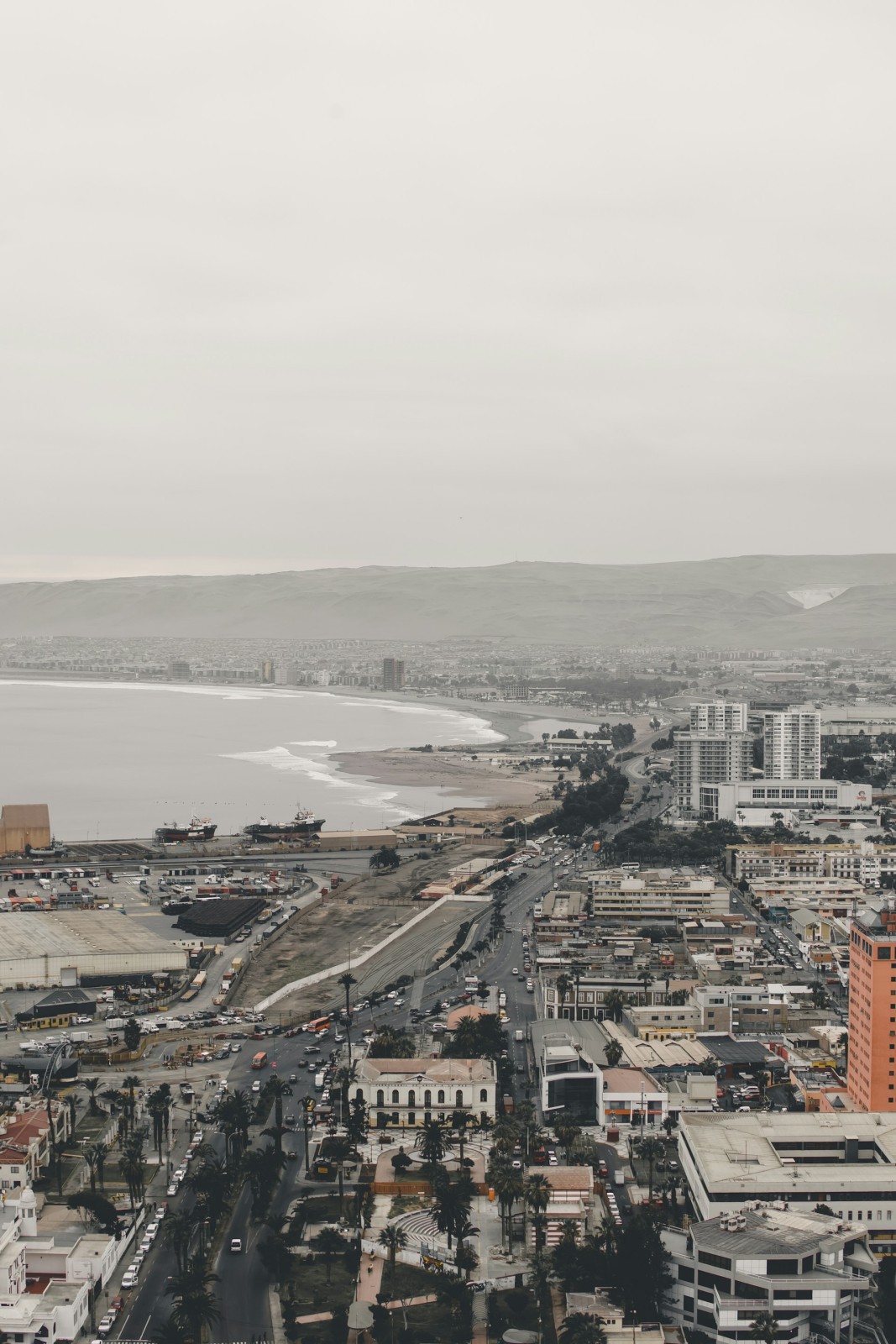
Independent travel and rest in the city of Arica in Chile! A Brief History of the City of Arica The city of Ar...
Oh. Arica
Independent travel and rest in the city of Arica in Chile!
A Brief History of the City of Arica
The city of Arica is located in the north of Chile, is the capital of the provinces of Arica and Parinacota. Located on the Pacific coast, it is of strategic importance as a port city and commercial center. The history of Arica is full of events related to the Andean culture, the Spanish colonial period, as well as the modern era.
Before the Spaniards arrived: The first settlements in this region date back thousands of years, when these places were inhabited by the Aric Indians. Their culture, including art and architecture, has influenced the character of the region.
Spanish colonization: With the arrival of the Spanish conquerors in the XVI century began colonization. Arica became a key point on the route from Peru to Chile. The city prospered through trade and fishing. It also became an important administrative center during the colonial period.
Battle of Arica (1880): At the end of the XIX century there was an important event in the history of Arica - the Battle of Arica during the Pacific War between Chile and Peru. The city was the site of significant hostilities, and after the war, Arica remained under Chilean control under peace agreements.
Economic development: In the twentieth century, Arica began to develop rapidly due to investments in port infrastructure and trade. The city has become an important economic center with an active transport and trade flow, serving not only Chile, but also neighboring countries.
Modernity: Currently, Arica retains its status as an important port and economic center with a diverse industry including fishing, copper mining and agriculture. The city also attracts tourists with its beautiful beaches, historical monuments and cultural heritage.
The city of Arica continues to play an important role in the development of the northern region of Chile and leaves its mark on the history of the country.
What is interesting about the city of Arica
The city of Arica in Chile has a unique combination of natural beauty, historical heritage and modern amenities, which makes it attractive for travelers and tourists. Here are some attractive features of the city:
Beaches: Arica is famous for its beautiful beaches, washed by the warm waves of the Pacific Ocean. Popular beaches such as El Lauya and Chinganga offer excellent opportunities for water sports, sunbathing and enjoying panoramic sea views.
Historical sights: The city has a rich cultural heritage that can be discovered by visiting historical districts and museums. Colorful colonial buildings, including the Church of St. Mark and Castillo de San Marcos, take tourists on a journey into the past.
Local cuisine: Arica offers a variety of local cuisine options, including fresh seafood and traditional Chilean dishes. Fish restaurants on the beach offer a unique atmosphere and delicious dishes.
Festivals and events: The city often hosts various festivals and cultural events where travelers can immerse themselves in the authentic atmosphere of Chilean life. Music, art and traditional festivals bring joy and diversity.
Natural attractions: In the vicinity of Arica, you can find amazing natural attractions such as the valley of Lualillo with its stone formations and the park of the Los Flavios National Reserve with rich flora and fauna.
Sporting Opportunities: Arica provides excellent outdoor environments including surfing, windsurfing and diving. Tourists can enjoy adrenaline adventures in beautiful natural conditions.
The combination of these factors makes Arica an attractive destination for tourists, where they can enjoy a variety of experiences, from nature and history to relaxing on the beach and participating in the local culture.
Choice of accommodation and prices in the city of Arica
Hotel levels in Arica, Chile:
Luxury hotels: In this segment there are luxury hotels with a high level of service, comfort and a variety of amenities. Examples:
Hotel Arica Enjoy: Luxury hotel with its own casino, restaurants, swimming pools and a full range of spa services.
Arica Hotel: Five-star hotel with spacious rooms, private beach and luxury equipment.
Middle class: Great options for those looking for comfort and quality service, but with a more affordable pricing policy:
Panamericana Hotel Arica: Family hotel with ocean views, restaurants and outdoor pool.
Hotel Diego de Almagro Arica: A cozy hotel with modern facilities and friendly staff.
Economy class: Budget options for economical travelers:
Hostal Sunny Days: A neat hostel with a friendly atmosphere and affordable prices.
Arica Surf House: A guest house with simple rooms, suitable for surf lovers and budget tourists.
Other ways to live in Arica, Chile:
Rental of apartments and apartments:
Options through platforms like Airbnb can provide a more homely environment for those who prefer independence.
Hostels and guesthouses:
La Casa de Veraneo: An example of a hostel with a welcoming atmosphere and public areas to interact with other travelers.
Camping holidays:
Camping Playa Brava: For nature lovers, campsites are available, such as this one, providing the opportunity to enjoy the ocean and nature.
Guesthouses:
Casa Andina: Typical Chilean guesthouses where guests can feel the authenticity of local life.
The choice of accommodation depends on the preferences, budget and type of vacation travelers, and Arica provides a variety of options for all categories of travelers.
Where to go and what to see in Arica
The city of Arica in Chile has a variety of attractions that attract tourists. Transport accessibility to them is usually good, providing ease of movement.
El Laoui and Chingang beaches:
Transport: Both beaches are close to the city centre and are easily accessible by taxi, bus or even by pedestrian. Hotel complexes and cafes often provide transfers for their guests.
St. Mark's Church:
Transport: It is located in the historical part of the city. Access to the church is provided by buses, taxis and even walking routes.
Castillo de San Marcos:
Transport: The castle is located in close proximity to the central districts of the city. You can use taxis or buses for easy access.
Monument to Mano del Desierto (Hand of the Desert):
Transport: This iconic monument is located on the hill of El Morro, which offers a magnificent view of the city. Available by taxi or car. Organized tours can also be used.
Lualillo Valley:
Transport: The valley is located outside the city and is best visited by rented car or as part of organized excursions. It is also available by bus and taxi.
Los Flavios National Reserve Park:
Transport: The park also requires longer travel and is preferably visited by your own transport or through tour companies. Buses and taxis may also be an option.
Plaza Prado:
Transport: The central square of the city, which is convenient to reach on foot or by public transport. There are cafes, restaurants and shops.
The city of Arica has a good transport infrastructure, which facilitates movement both around the city itself and to its main attractions. Tourists can choose between buses, taxis, car rentals and organized tours depending on their preferences.
Events and entertainment in Arica
In the city of Arica, as in many other places, various events, holidays and festivals are held at different times of the year. It is important to note that activities can change, and it is best to clarify current information before traveling. Here are some popular events that can take place in Arica:
Feast of St. Mark (Fiesta de San Marcos):
Time: April.
Description: This Catholic holiday in honor of St. Mark can include traditional religious processions, fairs and entertainment activities.
Festival de los Pueblos Originarios Aymara:
Time: June.
Description: This festival is dedicated to the cultural heritage of the Arikama Indians. Guests can enjoy dancing, music and traditional cuisine.
National holiday of Chile (Fiestas Patrias):
Time: September 18-19.
Description: This is the main national event dedicated to the Independence Day of Chile. Festive activities include parades, concerts, traditional games and food festivals.
Carnival of Water (Carnaval con la Fuerza del Sol)
Time: January to February.
Carnival is accompanied by bright costumes, dances and water battles, especially relevant in the summer.
Shell and Seafood Festival (Festival de la Concha y el Mar)
Time: January.
Description: This festival is dedicated to sea gifts such as mussels, crayfish and other seafood. Guests can enjoy gastronomic treats and various activities.
Musical concerts and events:
Various concerts and music festivals take place throughout the year. This may include performances by local and international artists.
Please note that the dates of events may change and it is recommended to check the current information about events and festivals in Arica before traveling.
Weather and the best season to travel to Arica
The city of Arica in Chile is located in the Atacama Desert zone and has a desert climate, which means high air temperatures and low rainfall. Here is a general characteristic of the climate at different times of the year:
Summer (December to February):
Air temperature: During the day, the temperature can reach from +25 °C to +30 °C and above. At night, it may decrease, but remains relatively warm.
Water temperature: The water in the ocean is usually warm, around +20 °C and above.
Features: Summer is considered the best time to visit, as the weather is most comfortable. Various festivals and events take place at this time.
Autumn (March - May):
Air temperature: The gradual decrease in air temperature, the average values in the daytime hours are about +20 ° C.
Water temperature: Remains relatively warm.
Features: Autumn is also a good time to visit, but less tourist activity compared to summer.
Winter (June to August):
Air temperature: Night temperatures can be cool, about +10 °C, and daytime temperatures - about +15 °C.
Water temperature: The ocean water remains relatively warm.
Features: Winter also offers acceptable conditions to visit, but may be less preferred due to cooler nights.
The best season to travel to Arica: The best time to visit Arica is the summer months from December to February. At this time, warm and dry weather provides the best conditions for relaxing on the beaches, participating in local events and enjoying the nature of this beautiful region.
Traditions, customs and language of communication in Arica
Language of communication: The official language in Chile is Spanish. Most locals in Arica speak Spanish, and while some may have basic English skills, basic communication in English may be limited. Therefore, it is useful to learn the basics of Spanish to better understand and interact with locals.
Traditions and customs:
Greeting: Greetings in Chile usually involve shaking hands and exchanging short but heartfelt phrases. It is important to be respectful and friendly at the first meeting.
Congratulations. To express congratulations, it is customary to kiss on the cheek, usually twice. This is common in informal environments.
Food: During an invitation for lunch or dinner, guests are expected to express gratitude to the host for the meal. This is usually done with the words ¡Buen provecho!
Laws and regulations:
The official currency is the Chilean Peso (CLP). Most transactions are done in cash, but many places also accept cards.
Safety regulations: You should follow standard safety measures, avoid dark and empty streets at night, watch your valuables and do not draw attention to expensive things.
Transport: When moving around the city, you should use official taxis or taxi services through mobile applications. Public transport is also widespread and convenient.
Cultural characteristics:
Music and dance: Music and dance are an important part of Chilean culture. Visiting local concerts or festivals will allow you to immerse yourself in the unique musical traditions of the country.
Religious activities: Consider religious traditions, as Chile is a largely Catholic country, and important religious events can have an impact on everyday life.
With respect to the local culture and observance of basic etiquette, a trip to Arica in Chile will be pleasant and harmonious.
The main dialogues for traveling to the city of Arica
When visiting the city of Arica in Chile, it is helpful to know the main local words and phrases in Spanish. Here are some useful expressions:
Greetings and general phrases:
¡Hola! (Ola) Hey!
¿Cómo estás? - How are you?
(Gracias) Thank you.
¡Por favor! - Please.
Acquaintance and exchange of pleasantries:
¿Cómo te llamas? (Como te lyamas) - What's your name?
Me llamo... - My name is...
Mucho gusto. - Nice to meet you.
Restaurants and cafes:
¿Qué recomiendas? (Ke Recomiendas) - What do you recommend?
La cuenta, por favor. (La Cuenta, por favor) - Bill, please.
Delicioso/a. - Delicioso.
In the stores:
¿Cuánto cuesta? - How much does that cost?
¿Tiene esto en otro color/talla? (Tiene esto en otro color/thalya) Is it in a different color/size?
Orientation in the city:
¿Dónde está...? (Donde esta) - Where is...?
¿Cuánto queda hasta...? (Quanto keda asta) - How long is it to...?
Important phrases in emergency situations:
(Ayuda) - Help!
Necesito un medico. - I need a doctor.
Farewell:
¡Hasta luego! - Goodbye!
- Goodbye!
Remember that many Chileans speak quickly, and the accent may differ from that of Spanish. Try to use these phrases with respect and with a smile, it will make communication easier and create a pleasant impression.
Unique food, souvenirs and medicines in the city of Arica
From Arica to Chile, you can bring a variety of unique and interesting things, including products, souvenirs and medicinal products. Here are some suggestions:
Food and drink:
Chilean wines: Chile is famous for its wines. You can buy a bottle of Chilean wine, especially if you visit local wineries.
Lutsuma: An exotic fruit that grows in the region. Lutsuma has a sweet taste and unique aroma.
Souvenirs:
Arikama pottery: Local craftsmen create colorful ceramic products, including dishes and jewelry.
Alpaca and Lama: Bring souvenirs in the form of soft toys or fabrics made of alpaca wool or llama, which are common in Chile.
Local crafts:
Fabrics and embroidery: Local artisans create beautiful fabrics and embroidery. Buy unique textiles as souvenirs or gifts.
Boxes and jewelry: Handmade wood, leather or metal can be an interesting and original souvenir.
Medications:
Honey from local bees: Chilean honey is famous for its beneficial properties. It can be a great remedy and a great gift.
Algae of seaweed: Algae products, such as kelp algae, can be found in stores and can offer various health-saving properties.
Local spices and condiments:
Merken: A traditional Chilean blend of pepper, cumin and cilantro, giving dishes an original taste.
Condiments with Arikam pepper: This pepper growing in the region will give your dishes spiciness and aroma.
Before you buy food, souvenirs or medicinal products, check whether they can be imported into your country to avoid unpleasant surprises at customs.
What to have for a safe holiday in the city of Arica
The city of Arica in Chile is relatively safe for tourists, but as in any other place, caution should be exercised. Some safety recommendations include:
Avoid dark and empty streets at night.
Do not show expensive things and values.
Keep an eye on your belongings in public places.
Use official taxis or mobile apps to call a taxi.
Be careful with money and bank cards.
Documents:
Passport: Tourists from most countries require a passport. Make sure your passport is valid for at least 6 months after your intended travel end date.
Tourist map (Tarjeta de Turismo): Tourists from some countries may require a tourist card to enter Chile. This card is issued upon entry and is usually valid for 90 days.
Insurance:
Health insurance: It is recommended to have health insurance that covers medical expenses and emergency medical care if necessary.
Emergency services:
Police: 133
Medical care and ambulance: 131
Fire service: 132
Mobile operators: There are several mobile operators in Chile such as Movistar, Entel, Claro and others. Before traveling, check the coverage and roaming rates.
Duration of stay without leaving the country: The time a tourist can spend in Chile without leaving depends on his or her citizenship. It is usually 90 days, but read the specific rules for your country before you travel.
Before traveling, it is always recommended to check with the Chilean Embassy or Consulate for up-to-date information on visa and security requirements.
The site uses a web analytics service
Yandex Metrics
using cookie technology to make the site more convenient. You can prevent the processing of cookies in the browser settings.
Details in Privacy policy.