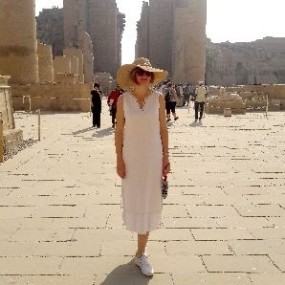
Independent tourism and recreation in the city of Luxor!
A brief history of the city of Luxor
The city of Luxor, located on the eastern bank of the Nile River in upper Egypt, is one of the most important historical centers of the country. Its history dates back thousands of years and its architectural heritage attracts millions of tourists from all over the world. Here is a more detailed overview of Luxor’s history:
Ancient Theba (or Uper)
Luxor was originally known as Theba and served as the center of cult worship of the god Amun, who was considered the greatest god in the ancient Egyptian pantheon.
In Luxor is the temple of Amun-Ra dedicated to this god, as well as other important temples such as the temple of Hapi and Mut.
The construction of temples in the era of the pharaohs
The times of the pharaohs were accompanied by the construction of many magnificent temples and monuments. One of the most famous is the Temple of Luxor, which was built under various pharaohs such as Amenhotep III, Ramses II and Thutmose III.
The temple of Luxor is a huge complex, including alleys of sphinxes, palaces, temples and colonnades.
The Role of Luxor in the Pharaonic Period
Luxor was an important political and religious center in ancient Egypt. Coronation ceremonies and other important religious ceremonies were held here at different times.
The city also served as a place for storing wealth and jewels, making it the object of attention of conquerors.
Later influence of the Greco-Roman era
During the era of Greco-Roman rule in Egypt, Luxor retained its importance. The Greeks and Romans built their own temples and monuments, integrating them with existing architecture.
The Role of Luxor in Modern Times
Today, Luxor remains an important archaeological and tourist center. Many temples and monuments attract tourists, and archaeological excavations continue to expand our understanding of ancient Egypt.
Luxor also serves as a venue for various cultural events and festivals.
The history of Luxor is an integral part of Egypt’s rich cultural heritage, reflecting its greatness and importance in antiquity.
What is interesting about Luxor
Luxor, a magical city on the east bank of the Nile, is a magnificent combination of ancient and modern beauty, offering travelers a unique experience that will be remembered for a lifetime. Here are some aspects that make Luxor attractive to tourists:
Historical heritage:
Luxor is rich in the history of the pharaohs, making it a true open-air museum. The temples of Amon-Ra, Hapi and Mut, as well as many other monuments of art and architecture, admire their majesty.
Archaeological excavations explore incredible mysteries of the past, making Luxor incredibly fascinating for history buffs.
Temples and monuments:
The Luxor Temple, with its columns, palaces and sphinxes, provides amazing photographic opportunities. The sunset in this historic place creates a magical atmosphere.
Architecture lovers will be amazed by the craftsmanship and beauty of the temples, as well as the artistic images that adorn their walls.
Cultural activities:
Luxor regularly organizes a variety of cultural events and festivals where tourists can enjoy traditional music, dancing and cuisine. This provides an opportunity to immerse yourself in the local culture and enrich your experience.
Luxury hotels:
The city offers luxury hotels and resorts, providing tourists with cozy rooms with stunning views of the Nile and historical monuments. Modern amenities and a high level of service guarantee a comfortable stay.
Nile cruises:
Luxor is the perfect starting point for Nile cruises. Traveling on a luxury ship allows tourists to enjoy picturesque views of historical places, as well as immerse themselves in the unique atmosphere of the river.
Local cuisine and markets:
Luxor’s restaurants and cafés offer tourists the opportunity to taste traditional Egyptian dishes, as well as enjoy the atmosphere of the local markets, where you can buy unique souvenirs.
Luxor is a unique combination of cultural wealth, architectural splendor and modern comfort, making it an ideal place for an unforgettable holiday and a journey into the past.
In the city of Luxor you will be met by private guides and will offer individual, individual excursions.
Accommodation options in Luxor
Luxor offers various hotel levels and accommodation options, from luxury resorts to more economical options. Here are some examples at different levels:
Luxury hotels:
Sofitel Winter Palace Luxor (5 stars) Luxury hotel with a rich history, providing a high level of service and a unique location in the historical center of Luxor.
Hilton Luxor Resort & Spa (5 stars) Luxury resort with beautiful views of the Nile, extensive gardens and modern amenities.
Medium level:
Steigenberger Nile Palace Luxor (4 stars): Comfortable hotel with good facilities including swimming pool, spa and restaurants.
Sonesta St. George Hotel Luxor (4 stars) Cozy hotel with beautiful views of the Nile, modern rooms and excellent service.
Economy class:
Nefertiti Hotel Luxor (3 stars): Economical option with basic amenities and convenient location in the city center.
Achti Resort Luxor (3 stars): Budget option with cozy rooms and a swimming pool, providing acceptable conditions for living.
Guesthouses and apartments:
Venus Hostel Luxor: Economical guesthouse, providing basic services and the opportunity to communicate with local residents.
El Fayrouz Apartments: Apartments with kitchen and leisure space suitable for those who prefer a more independent lifestyle.
Camping:
Nile View Camping: For those looking for an unusual experience, camping on the banks of the Nile can be an interesting option. Simple conditions, but a unique atmosphere.
Nile cruises:
Cruise ships: Many tourists choose cruises along the Nile, where they can live on cozy ships, offering a variety of entertainment and excursions.
The choice depends on the preferences and budget of travelers. Luxor has options for different tastes and needs, providing a comfortable stay in this exciting historic city.
Attractions in Luxor
As a historic city, Luxor is rich in many amazing sights reflecting the ancient Egyptian world. Here are the main places to visit and information about accessibility:
Amon-Ra Temple in Luxor:
This majestic temple was built in honor of the god Amun and is one of the most important archaeological complexes of ancient Egypt. It is located in the city center and is easily accessible to pedestrians.
Hapi and Mut Temple:
These additional temples, built in honor of other gods, are next to the Temple of Amun-Ra and are also easily reachable on foot.
Valley of Kings:
The Valley of the Kings, the burial place of the pharaohs and their families, lies west of the Nile. To visit this amazing place, tourists can use taxis, buses or organized excursions.
Valley of the Queens:
This is another burial place located next to the Valley of the Kings. Again, transportation services are available for visitors.
Colossus of Memnon:
These huge stone statues of pharaohs are located north of Luxor. You can use taxis or excursion buses to visit.
Karnak Temple:
Located north of Luxor, Karnak Temple is one of the largest religious complexes of the ancient world. Transportation services are available to visitors.
Philae Temple:
This temple is located on the west bank of the Nile. Tourists can reach the Philae Temple by boat or bus.
Luxor Museum:
The museum offers fascinating displays, including artifacts from temples and necropolises. It is located in the heart of the city and is easily accessible to pedestrians.
Transport accessibility in Luxor is provided by taxis, buses, and local transportation services. Tourists can also take advantage of organized excursions, Nile cruises or rent a local guide.
Cultural life and activities in Luxor
Luxor hosts several popular events, festivals and cultural events throughout the year. It is important to note that the dates of events can change, so it is recommended to check the current information before traveling. Here are some holidays and events that may be of interest to tourists in Luxor:
The Sun Festival of the Pharaoh:
This festival usually takes place in February. It is dedicated to the event when the sun’s rays penetrate through the temple of Amun-Ra and illuminate the statues inside the temple. This is a visually impressive event that attracts many tourists.
Hapi Festival (Hapi Festival):
A festival dedicated to the god Hapi, protector of the Nile. It usually takes place in June. The festival hosts various festive events, parades and cultural shows.
Egyptian Independence Day (July 23):
This national holiday is celebrated throughout the country. In Luxor, tourists can expect festive events, fireworks and cultural parades.
Festival of Luxor Antique Theatre:
An annual cultural event that features performances, concerts and events at the ancient Luxor Theatre. It usually takes place in spring.
Luxor Film Festival:
This festival attracts film lovers and professionals from different countries. For a few days, viewers can enjoy watching movies and meeting directors. Dates may change every year.
Religious holidays:
The various religious events and holidays associated with the Islamic calendar can also offer a unique experience for tourists. For example, the month of Ramadan can be accompanied by various cultural and religious events.
Before traveling, it is important to clarify the actual dates of events and festivals in order to fully enjoy the local culture and atmosphere of Luxor.
Weather conditions for travel to Luxor
Luxor, like the entire upper part of Egypt, is characterized by a desert climate with high temperatures and low rainfall. Here is a general characteristic of the climate at different times of the year:
Spring (March-May):
Air temperature: In spring temperatures range from pleasant 25°C to 35°C.
Water temperature: The water in the Nile River can be cool but still suitable for swimming.
Spring is one of the best times to visit Luxor because of the mild temperatures and lack of high summer heat.
Summer (June - August):
In summer, Luxor becomes a very hot place, with temperatures exceeding 40°C. In July and August, temperatures can be particularly high.
Water temperature: The water in the Nile is warm and suitable for swimming.
Notes: Summer can be too hot for some tourists, but this time is suitable for fans of extreme temperatures.
Autumn (September to November):
Air temperature: In early autumn, temperatures are still high but become more palatable, with daily values around 30°C.
Water temperature: The water in the river is usually warm.
Notes: Autumn is also a favorable time to visit Luxor as temperatures become more moderate.
Winter (December to February):
Temperature: In winter, temperatures fluctuate between 20°C and 30°C, making it another comfortable time to visit.
Water temperature: The water in the Nile is warm.
Notes: Winter is also considered a favorable season for tourism, with milder temperatures and comfortable conditions for sightseeing.
The best time to visit Luxor is spring and autumn, when the air temperatures are pleasant and the climate is more comfortable for long hiking and exploring the archaeological sites.
Traditions, customs and language of communication in Luxor
Language of communication: The official language in Egypt is Arabic. In tourist areas and big cities such as Luxor, many people, especially in the service and tourism sectors, can speak English or other foreign languages. Still, it’s helpful to learn a few simple Arabic phrases like “Salam alaikum” (hello) or “Shukran” (thank you) to show respect for the local culture.
Traditions and customs:
Clothes: Consider conservative dress standards, especially when visiting religious sites. Women often wear long skirts or trousers and long shirts, while men prefer more closed clothing.
Photos: Photography is forbidden in some places, especially inside temples and mosques. Before shooting, make sure it is permissible.
Communication: Communication with locals is usually done with respect and kindness. Be prepared to be asked to buy souvenirs or services, but politely decline if you are not interested.
Laws and regulations:
Currency: The official currency is the Egyptian pound. Use official exchangers to exchange currency, and avoid unofficial traders.
Alcohol: Alcohol sales are restricted in some public places, such as religious sites. Alcohol services are provided in tourist areas.
Safety: Follow security measures and follow the instructions of local authorities. In some areas, travel restrictions may apply.
Respect for religious traditions: When praying in a mosque or visiting a religious place, you should show respect and comply with requirements such as taking off your shoes.
Trading: Trading is a common practice in the markets, but be prepared for the fact that initial prices may be inflated. Trade politely and with a smile.
Adhering to these traditions, customs and rules will help you interact more harmoniously with the local culture and create a positive experience of traveling to Luxor and other parts of Egypt.
Popular language phrases and dialogues for travel to Luxor
Mastering a few basic words and phrases in Arabic can help you interact better with locals in Luxor and create a more enjoyable travel experience. Here are some useful words and phrases:
Welcome:
Hello! - السلام عليوم (As-salamu alaykum)
Hello! - مرحبا) (Marhaban)
What's up? - كيف حالنة (Kayfa halik? - for men, Kayfa halik? - for women).
Please and courtesy:
Please - من ف)لك (Min fadlak)
Thank you - شرا) (Shukran)
Please don't mind - عليه الرحب والسعة (Ala rahb wa sahla)
Communication:
What is your name? - Ma ismuk? - Ma ismik? - for women.
My name is... - اسمي (Ismi...)
Transport and destinations:
How much does the trip cost? - Kam at-taklifa?
Where is...? - ADAين (Ayna...)
Right - يمينا) (Yameenan)
Left - يسارا) (Yasar)
Trade and purchase:
How much does it cost? - Bikam hatha?
What's the last price? - وم السعر الفيرة (Kam as-si'ru al-akheer?)
It's expensive. - You're telling me.
Can I make a discount? - هل يمكني الحاول على عليه عليه عامة (Hal yumkinuni al-husul ala khasm?)
Restaurants and food:
Menu - الة (Al-qaeema)
I want to order... - ADAPRONGO في حلب (Ureedu an atalab...)
Water - مان (Ma')
Invoice, please - الحساب من ف Сلك (Al-hisaab min fadlik)
Respect for local culture:
Excuse me - عر)ا (Atheeran)
Please don't sound loud - من ف)لك• لا تن صافب)ا (Min fadlik, la takun saakiban)
Remember that learning the basics of the language is a great way to show respect for the local culture, and locals usually appreciate tourists’ attempts to communicate in their language.
What to try and what souvenirs and gifts to bring from Luxor
Unique and useful products:
Dates: Egypt is a major date producer and their quality is often highly regarded. They are rich in nutrients and are considered an excellent source of energy.
Tea and spices: Different types of Egyptian tea can be purchased, such as black tea with mint or rosehip. Also popular souvenirs are traditional Egyptian spices such as turmeric, curry and cumin.
Honey: Local honey from Egypt has a special taste and aroma. Egyptian honey is often valued for its medicinal properties.
Medications:
Mummy: It is a natural substance that is extracted from rocks and is often used in traditional medicine. It is often recommended to strengthen immunity and increase energy.
Chernushka (Kalonji): This plant is widely used in Egyptian cooking and traditional medicine. Blackberry is often considered a good tool for strengthening the body.
Cosmetic oils: Egypt is known for its cosmetic oils, such as pomegranate seed oil, which is considered beneficial for the skin.
Souvenirs:
Papyrus: Papyrus, a traditional Egyptian material, is often found in Luxor. It can be paintings, postcards or books.
Jewelry with symbols: Gold and silver jewelry with images of Egyptian symbols such as scarab, Anubis or Horus' eye.
Souvenirs with images of pharaohs and temples: Figures, magnets, paintings or jars with images of pharaohs, sphinxes and other architectural monuments.
Useful souvenirs:
Sun masks and handkerchiefs: Useful items for protection from the bright sun, especially during periods of strong hot season.
Bathing costumes and beach accessories: If you are visiting Luxor during a period of warm weather, beach accessories can be helpful.
Sunscreen: The sun in Egypt can be quite intense, so sunscreen is a useful accessory.
When choosing souvenirs and products, pay attention to their origin and quality, and follow the rules of importation into your country.
What to Have for a Safe Holiday in Luxor
Safety in Luxor, Egypt:
Documents and insurance:
Passport: Make sure your passport is valid for the entire period of stay.
Visa: Check the visa requirements for your country. The visa can be issued on arrival or in advance, depending on nationality.
Insurance: It is recommended to have health insurance that covers the costs of treatment and evacuation.
Emergency services and connected mobile operators:
Police: 122
Ambulance: 123
Fire service: 180
The Embassy of your country in Egypt: Find out the contact details of your country’s representative office in Egypt.
Mobile operators: Local telecom operators in Egypt include Vodafone, Orange and Etisalat. It is best to check the available roaming rates with your carrier before travelling.
Stay without leaving the country:
The length of stay without leaving may vary depending on your visa. Usually, tourists are given the opportunity to stay from 30 days to 3 months. Please specify these terms when obtaining a visa.
General safety recommendations:
Transport: Use licensed vehicles. Refrain from driving without the required permit.
Drinking water: Remember the quality of the water. Drink only bottled or boiled water.
Food safety: Prefer dishes prepared at well-known establishments. Protect your food from the heat to avoid food poisoning.
Sun protection: It is important to use sunscreen and protect yourself from the sun’s radiation, especially during high sun.
Nature and wonder: If you visit desert areas or nature reserves, be careful and follow the directions.
Compliance with local rules and customs: Respect local customs and traditions. Be careful when dealing with locals.
Guides and excursions: If you plan excursions, it is preferable to use the services of licensed guides and official tour operators.
These recommendations imply compliance with general safety measures, but it is always best to review specific safety recommendations for Luxor and Egypt in general before travelling.
The site uses a web analytics service
Yandex Metrics
using cookie technology to make the site more convenient. You can prevent the processing of cookies in the browser settings.
Details in Privacy policy.