Conditions for travel to Tallinn in Estonia! A brief history of Tallinn Tallinn is the capital and largest cit...

If we go through the Tallinn legends or make a brief overview of the customs of the townspeople that have come down to us from the …

I suggest visiting one of the most visited museums in Tallinn recently - Flight Harbor, or in another it can be called "Hangars fo …

The goons run on the skin when the organ begins to play under the arches of the church of Niguliste or the flaps of the luxurious …

A detailed walking tour is designed for seasoned tourists. This excursion option implies deviations from standard routes and desig …

The most famous landmark of the Old Town is the Tallinn Town Hall. The Town Hall, one of the oldest buildings in Tallinn, was buil …

The guide meets tourists and stays with them as long as necessary. The themes and itineraries of excursions are agreed in the cou …

The medieval city had many concerns, but the first priority was always to ensure reliable defense. Primitive earthen ramparts and …

Hello there! My name is Konstantin, I am a certified guide to Tallinn. Born and living in Tallinn. I love my city. I lik …

Dear friends! I am an experienced guide, I love my city and country and I want you to fall in love too. I know many plac …

I offer services in Russian, Swedish, German and Norwegian.I offer individual, family and group toursI can accompany you …

Hello, dear guests of our city! Welcome to our amazing beauty and atmosphere of Tallinn! My name is Tatiana and I inv …

Hello there! My name is Julia. Tallinn is my hometown. Here I was born, raised, educated. For several years I have been …
A good impression of traveling to another city is directly related to the choice of a guide. Will he turn out to be a go …

Dear site visitors! If you’re reading this, you’re about to travel to Tallinn, Tallinn’s wonderful old town. Winding …
Tallinn is the capital and largest city of Estonia, located in the north of the country, on the Baltic Sea coast. This historically rich city combines elements of medieval architecture, rich cultural heritage and modern technological innovations.
The history of Tallinn has more than eight centuries. The city was founded in the early thirteenth century by Danish crusaders, and it quickly became an important commercial and cultural center on the routes between Western and Eastern Europe. At that time, it was called Revel, and it was part of the Hanseatic League, which united the city-states in Northern Europe.
In the XIV century Tallinn was captured by the knights-sword bearers, and later in the XVI century joined Sweden. In the following centuries, the city changed hands as a result of military conflicts between Sweden, Russia and Poland. At the end of the XIX century, when Estonia was part of the Russian Empire, Tallinn became an important cultural and economic center.
In 1918, after World War I and the Russian Revolution, Estonia declared its independence and Tallinn became the capital of the new republic. Between the two World Wars, the city flourished, but during World War II it was occupied by Nazi Germany and later by the Soviet Union.
Estonia regained its independence in 1991 and Tallinn became the capital of an independent state. Since then, the city has developed rapidly, preserving its rich historical architecture, including the Old Town, which in 1997 was included in the UNESCO World Heritage List.
Tallinn Old Town is a unique combination of medieval buildings, squares and narrow streets, as well as numerous churches and castles. It serves as an excellent example of preserving historical heritage and attracts tourists from all over the world. Modern Tallinn is also known for its technology innovations, including digital government services and the startup scene.
Population density: Tallinn, the capital and largest city of Estonia, has a moderate population density. The central part of the city and the historic area may have higher density, while suburbs and suburbs may be less populated.
Education: Estonia is generally known for its high level of education, and Tallinn is no exception. The city is dominated by educational institutions, including the University of Tallinn and other colleges. Education has a high status in society, and many residents seek higher education.
Nationality: The majority of Tallinn residents belong to the Estonian ethnic group. In recent decades, the city has also seen a diversity of nationalities driven by migration and international ties. The Russian-speaking population is also present, especially due to historical ties to the former Soviet Union.
Tallinn’s economy is diverse and the city is a major economic center in the Baltic region. Residents of the city are employed in various sectors such as information technology, tourism, maritime transport, manufacturing and services. Tallinn also attracts startups and innovative companies.
Cultural aspects: Tallinn is a city with a rich history and cultural heritage. Tallinn’s Old Town is a UNESCO World Heritage Site and is famous for its medieval architecture. Residents of the city value their cultural and historical identity, which is manifested in the support of traditions, as well as in cultural and artistic events such as festivals and exhibitions.
Tallinn is a city where modernity and tradition blend and where residents take pride in their cultural heritage, striving to preserve it in the context of dynamic development.
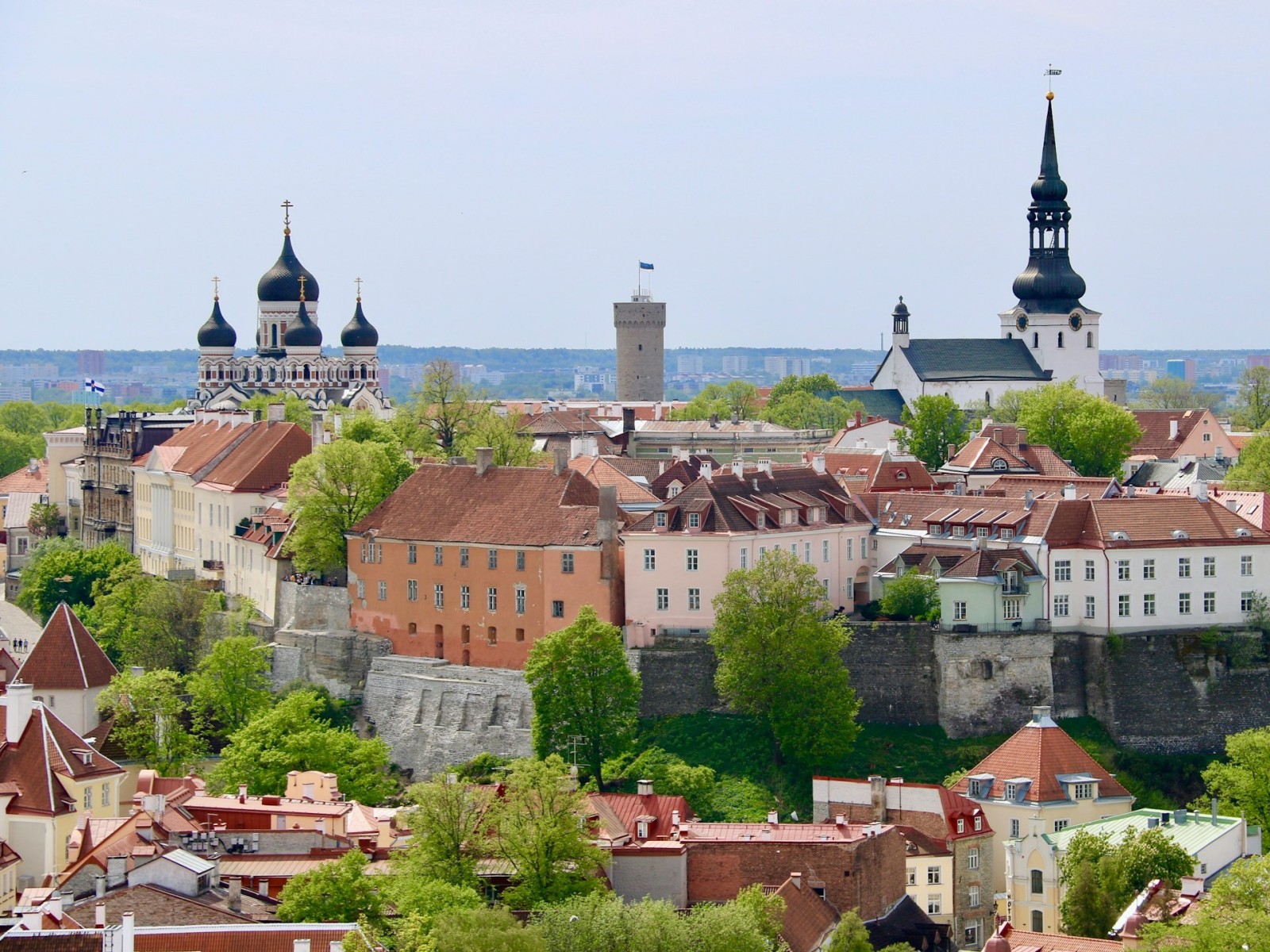
Tallinn, the capital of Estonia, has an amazing mix of history, architecture and modernity, making it an attractive travel destination. Here are a few aspects that can attract tourists to this charming city:
1. The Old Town and its Medieval Atmosphere
2. Cultural attractions:
3. Innovation and technology:
4. Culinary goodies:
5. Entertainment and activities:
6. Natural beauty:
The city of Tallinn provides a unique opportunity to immerse yourself in history, enjoy the culture and feel the spirit of modern Estonia – all this makes it an attractive place for travel and adventure.
You will be welcomed in Tallinn. private guides And they'll offer you a copy. individual toursTravel agencies of the city of Tallinn will offer their services and organize tour Interesting excursions for travelers.

Tallinn, the capital of Estonia, is rich in attractions that embody the rich history and culture of the region. Here are some of the main locations and their accessibility:
1. Old Town (Vanalinn):
2. Kadriorg and Kadriorg Palace:
3. National Museum of Estonia:
4. The Rockepardi Open Air Museum (Eesti Vabaõhumuuseum)
5. Tallinn TV Tower:
6. Vanemuine Theatre:
7. Lennusadam Maritime Museum:
8. Place Vabadus (Vabaduse väljak):
9. Tallinn Wall (Kiek in de Kök)
10. KUMU Center and Art Museum:
Tallinn is a city that is easy to explore both on foot and using public transport. This makes visiting all these attractions convenient and pleasant for tourists.

Tallinn, like the whole of Estonia, has a temperate climate with pronounced seasons. At different times of the year, the city offers a variety of experiences for travelers. Here is a brief description of the climate at different times of the year:
Spring (March-May):
Summer (June - August):
Autumn (September to November):
Winter (December to February):
Tips for travelers:
Seasonal changes give Tallinn diversity and create unique conditions for travelers, regardless of the season.

Tallinn has a variety of accommodation options, ranging from high-end luxury hotels to more affordable options such as hostels and apartments. Here are some examples of popular hotels and more economical accommodation options:
1. Suite and Premium Hotels:
2. Mid-range and boutique hotels:
3. Economy Class and Hostels:
4. Apartments and Guesthouses:
5. Alternatives:
Regardless of budget and preferences, Tallinn provides a wide range of accommodation options, providing convenience and comfort for different categories of travelers.

Tallinn is a city full of cultural and social life, where many events, holidays and festivals are held. Here are some popular events that may interest visitors:
1. Tallinn Music Festival (Tallinn Music Week)
2. Old Year Christmas Market:
3. Pushkin Opera Festival (Pushkin Opera Festival)
4. Tallinn Black Nights Film Festival:
5. Tallinn Marathon Week (Tallinn Marathon Week)
6. Tallinn Fashion Week:
7. Tallinn Book Fair (Tallinn Book Fair)
8. Jazzkaar - International Jazz Festival:
These events give Tallinn a dynamic and culturally rich look, making the city attractive for travelers who appreciate art, music and diversity.

Language of communication:
The official language in Estonia is Estonian, but most residents, especially in the capital Tallinn, speak English and often also Russian. In touristic places and public places, staff usually speak English, making communication easier for foreign visitors.
Traditions and customs:
Greeting: Greetings in Estonia often involve shaking hands. Due to the habit of residents of the country to call each other by name and patronymic, so respect for this tradition can be perceived favorably.
Lines: In the country, it is customary to stand in line, and this is considered the norm of behavior. Respect for personal space is also important.
Shoes in the house: Shoes are taken off in houses. If you are invited to someone’s house, this rule is worth following.
Birthday celebration: An invitation to a birthday party often involves offering a gift to the hosts.
Respect for nature: Estonians usually take great care of their nature. We must be careful with the environment and natural resources.
Laws and regulations:
Decent behavior: Estonia is a country with a high level of culture. Visitors should behave respectfully and observe the general rules of decency.
Safety in public places: Tallinn is a relatively safe city, but as elsewhere, care must be taken. Do not leave valuables unattended.
Traffic rules: Travelers must comply with the rules of the road. Pedestrians should cross the road at pedestrian crossings.
Alcoholic beverages: The laws regarding alcohol consumption on the street are quite strict. Alcohol can only be consumed in designated areas.
Currency and payment: The official currency is the euro. Credit cards are accepted everywhere, but make sure the location accepts your card.
General advice:
Compliance with the traditions and laws of Estonia will make your stay in Tallinn pleasant and trouble-free. Estonians are generally friendly and hospitable and respect for their culture and traditions will be welcomed.

Getting acquainted with the basic words and phrases in Estonian can make your trip more comfortable and interesting. Here are some useful phrases:
Greetings and general phrases:
Tere!
Aitäh!
Palun.
Terviseks!
Kuidas läheb?
Tere hommikust!
Head päeva!
Head aega!
Shopping and restaurants:
Kui palju see maksab?
Menüü, palun.
Arve, palun.
Orientation and transport:
Kus on WC?
Kuidas ma saan [kohta]?
Bussijaam/Raudteejaam
Emergency situations:
Hädaabi!
Ma ei oska eesti keelt.
These phrases will help you connect with locals and feel more confident in different situations. Estonians will usually appreciate your efforts to express themselves in their language.

Safety:
Tallinn is a relatively safe city and tourists can usually feel at ease. However, as in any other place, you should follow the general rules of caution:
Documents:
Passport: For citizens of most countries, a passport valid for at least 3-6 months after the expected date of departure is required.
Visa: Depending on your country, a visa may be required. Citizens of the European Union and many other countries can usually enter Estonia without a visa for a short period of time.
Health insurance:
It is recommended to have health insurance covering medical expenses and emergency medical care. European Union citizens are recommended to have a European Health Insurance Card (EHIC).
Emergency services:
Mobile operators:
Cellular coverage in Tallinn is usually excellent. Local operators include:
Duration of stay without departure:
Most citizens entering Estonia are allowed to stay up to 90 days in any 180-day period without having to obtain a visa. If you plan to stay in the country for a longer period of time, please contact the Estonian Embassy for relevant information and permission.
Before starting the trip, it is recommended to check the current requirements with the Embassy or Consulate of Estonia in your country.
Create a query and local guides will offer you the best options


