Independent tourism and recreation in the city of Braunschweig!
Historical information about the city of Braunschweig
Braunschweig, also known as Brunswick, is a historic city in central Germany located in the federal state of Lower Saxony. The city has a rich history that goes back over a thousand years.
Ancient times: The city was founded in the VIII century AD as a result of the settlement of the region by the Slavs. In the documents of the IX century, the city is referred to as "Brunswik" - the place where weed roots grow.
The Middle Ages: In the XI century Braunschweig became an important trading center and a member of the Hanseatic League. The city developed through trade, cultural exchange and architectural attractions.
Duchy of Braunschweig: In the XIV century, Braunschweig became the main city of the Duchy of Braunschweig-Lüneburg, which became one of many small duchies and principalities that formed during this period in the territory of the Holy Roman Empire.
The Reformation and the Thirty Years' War In the sixteenth century, the Reformation took place in Braunschweig, which led to changes in the religious and social life of the city. During the Thirty Years' War (1618-1648), the city experienced difficult moments, including destruction and epidemics.
The Age of Education and the Industrial Revolution: In the XVIII century, the period of enlightenment began, and Braunschweig became the center of science and culture. In the XIX century, the industrial revolution had an impact on the city, contributing to the development of industry.
After World War I and the crisis of the Weimar Republic, Braunschweig became part of Germany. In the 1930s, the city operated a military base and production facilities for the needs of the Third Reich.
World War II: In World War II, Braunschweig was bombed by Allied forces, causing destruction in the historic city centre.
Post-war: After the war, the city was rebuilt and in the following decades became a center of culture, education and industry in Lower Saxony.
Modernity: Currently, Braunschweig is a dynamic city with developed infrastructure, universities and scientific research. The city attracts tourists with its historical architecture, museums and cultural events. It is also famous as a center of high technology and innovation.
What is interesting about the city of Brunswick
Braunschweig is a magical city in the heart of Germany, representing a unique combination of history, culture and modernity. This charming city, the personification of German splendor, will surely conquer you with its beauty and many interesting sights.
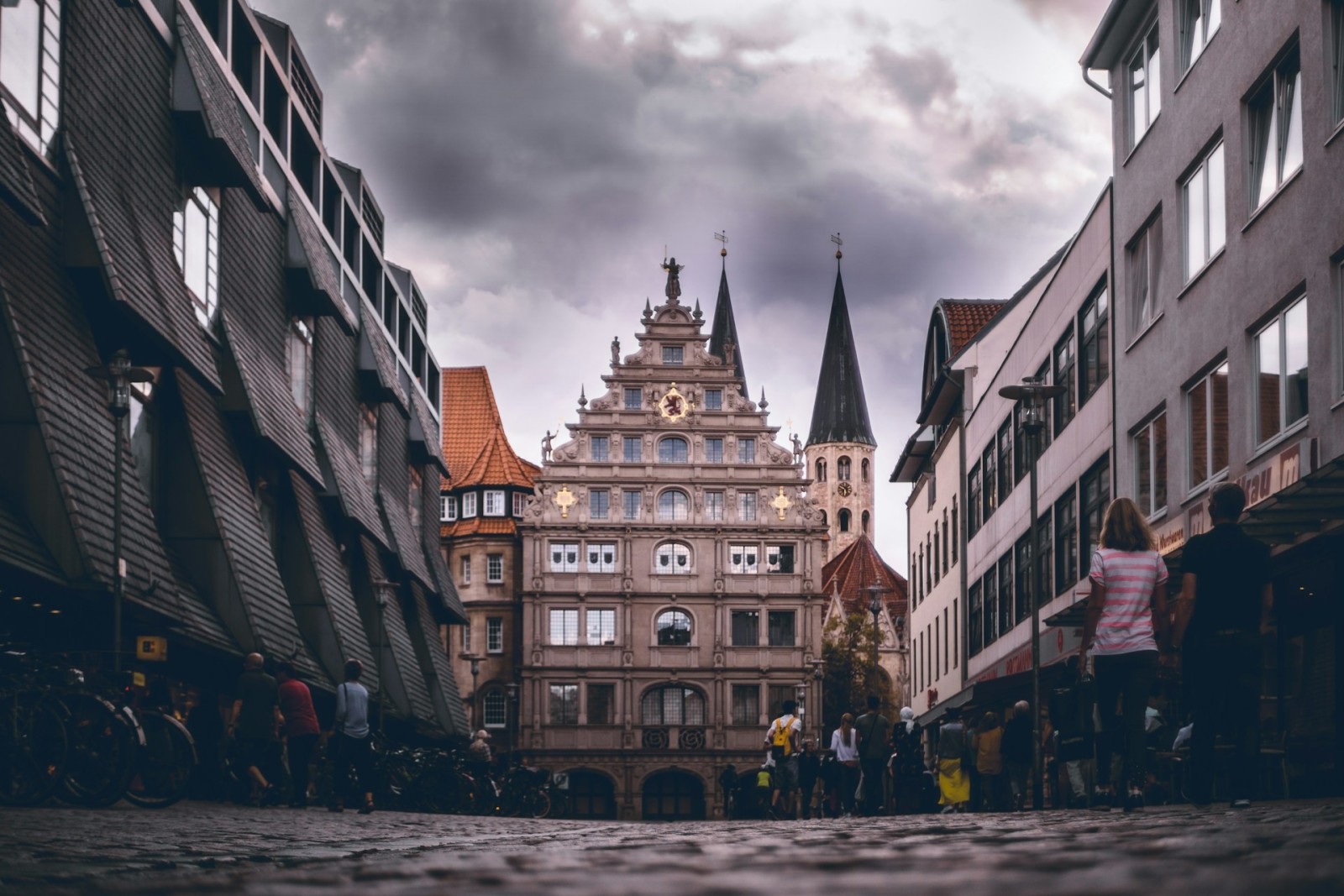
Historic center: Braunschweig surprises with its atmospheric historic center, where stone streets, centuries-old buildings and picturesque squares transport you to distant eras. Charming houses with Renaissance facades, cafes with traditional baked goods and souvenir shops create a unique picture of the ancient city.
Braunschweig Castle: The majestic Castle of Braunschweig, towering over the River Oker, attracts attention with its towers and walls. The castle is not only a historical building, but also a center of cultural events, exhibitions and events.
Cultural activities: The city is full of cultural events for every taste. Many theaters, galleries and museums, such as the Ducal Museum and the Museum of Photography, will give you a fascinating introduction to art and history.
Parks and Nature: Braunschweig is famous for its picturesque parks and gardens. Guests can enjoy walking around the Burgplatz Park, enjoying the green alleys and well-groomed flower beds.
University City: The city is proud of its university, which gives it youthful spirit and energy. It also creates a great atmosphere for exploring the cafes, bars and shops that are located near the campus.
Culinary pleasures: Braunschweig welcomes guests with its variety of restaurants and cafes offering a wealth of traditional German dishes and world culinary delights. Try local delicacies and enjoy the atmosphere of cozy restaurants.
Shops and shopping: Shoppers will find pleasure in an extensive range of shops offering both traditional products and modern brands. From unique boutiques to shopping malls, Braunschweig will satisfy all your shopping desires.
Visiting Braunschweig, you will plunge into the atmosphere of the great past, feel the spirit of modernity and enjoy the splendor of German hospitality. This city promises you an unforgettable experience and many experiences.
In the city of Braunschweig, you will be met by private guidesand will offer individual, individual excursions.
Levels of residence in Braunschweig
The city of Braunschweig offers a variety of accommodation options, from luxury high-end hotels to more affordable economical options. Here is an overview of the different levels of hotels and other ways to stay:
Five-star hotels:
Steigenberger Parkhotel: This luxury hotel is located in the city center and offers a high level of comfort and service. Modern design, luxurious rooms and restaurants with fine cuisine make it a popular choice for sophisticated tourists.
The Ritz-Carlton, Wolfsburg: It is located near Braunschweig. This hotel is known for its stylish design, superb facilities and restaurants, including one with three Michelin stars.
Four stars and above:
Dorint An den Westfalenhallen Dortmund: Located in the historic center of the city. The hotel offers cozy rooms, a fitness center and upscale breakfasts.
Best Western City-Hotel Braunschweig: Cozy hotel with a central location, offering comfortable rooms and excellent service. The perfect choice for a combination of quality and accessibility.
Three-star hotels:
Centro Hotel Cellar27: This hotel is located in a historic building and offers spacious rooms with modern amenities. Located within walking distance of the main attractions.
Hotel Deutsches Haus: A traditional German hotel with cozy rooms and friendly staff. Located in a quiet quarter, which provides a relaxing holiday.
Economy options and hostels:
Ibis Budget Braunschweig Nord: This economical hotel offers spacious and functional rooms ideal for a budget stay. Located a few minutes drive from the city center.
Hostel Bo-Hostel: For those who prefer more social accommodation options, this hostel offers a hostel with separate rooms and shared spaces, making it a great choice for young travelers.
When choosing a residence in Braunschweig, you will have many options depending on your budget and preferences.
Where to go and what to see in Brunswick
Braunschweig is rich in historical and cultural attractions, offering visitors many interesting places. Here are some of the city’s key attractions:
Braunschweig Castle (Braunschweiger Residenzschloss): Braunschweig Castle is one of the most important architectural sights of the city. This historic castle served as the residence of the Dukes of Braunschweig and is a magnificent example of Renaissance architecture. The castle is located in the historical center of the city, which makes it easily accessible to tourists.
Braunschweig Cathedral Church (Dom St. Blasii): This Gothic cathedral church impresses with its architecture and historical significance. Here you can see numerous artificial historical monuments and immersion in the spirit of the Middle Ages.
Brunswick Lion: Brunswick Einstein is a symbol of the city. Carved in 1166, this lion is one of the oldest downpours in Germany and symbolizes Braunschweig’s power and wealth.
Burgplatz: Burgplatz is a historic square surrounded by beautiful architecture, including Braunschweig Castle. Here you will also find bas-reliefs of scenes from the lives of dukes and fascinating museums.
Magnificate (Magniviertel): This historic quarter with narrow streets and half-storey half-timbered houses offers an authentic medieval experience. There are cozy cafes, restaurants and shops.
Museum of Photography (Museum für Photographie) This museum is dedicated to the history of photography and offers interesting exhibitions. It perfectly complements the cultural experience in Braunschweig.
Transport accessibility of places in Braunschweig is provided by good infrastructure. The city has an extensive public transport network, including buses and trams. The city center is arranged so that many attractions are within walking distance from each other, which allows you to easily explore the city on foot. The city also has train and bus stations that provide connections to other cities in Germany.
Cultural life and activities in Braunschweig
Braunschweig hosts many events and festivals throughout the year, attracting both locals and tourists. Here are some popular events in Braunschweigh:
Carnival in Braunschweiger Karneval:
Time: January - February
The Brunswick Carnival is considered one of the largest in Northern Germany. Costume parades, processions, jokes and fun create a fun and festive atmosphere.
Festival of Arts "Festival Theaterformen":
Holiday: June
This festival is a mixture of modern theater, dance, music and art. It takes place in various parts of the city.
Happy Rizzi House Festival:
Holiday: July
A festival dedicated to colorful art, in particular, the works of American artist James Rizzie. Festive events and exhibitions attract many visitors.
"Weinmarkt" (Wine Market):
Holiday: September
This wine festival offers a great opportunity to taste a variety of wines and enjoy the atmosphere of fun.
Autumn fair festival, where you can taste traditional dishes, buy handicrafts and participate in various entertainments.
Christmas Markets (Weihnachtsmarkt):
Holiday: December
Like many German cities, Braunschweig hosts Christmas markets where you can enjoy the atmosphere of the festive season, buy gifts and try traditional Christmas treats.
Cultural Festival "Summer in the City"
Holidays: Summer months
A series of concerts, exhibitions and events aimed at creating a vibrant and cultural atmosphere in the city centre.
Attending these events can provide a unique opportunity to immerse yourself in the cultural and entertainment scene of Braunschweig at different times of the year.
What weather is suitable for a trip to Braunschweigh
Braunschweig has a temperate continental climate with distinct seasons. Here’s what the climate is like in different seasons:
Spring (March-May):
Air temperature: In spring, the temperature begins to rise, the average daily values can range from 8 ° C to 18 ° C.
Water temperature: The water temperature in the spring months is usually quite cool and is not suitable for swimming in open bodies of water.
Best time to visit: May is considered one of the best months to visit the city when nature comes to life and the temperatures become pleasant.
Summer (June - August):
Air temperature: In summer, the average temperature ranges from 15°C to 25°C, but can reach higher values.
Water temperature: Ponds warm up, but in lakes and rivers the water temperature can be cool.
Best time to visit: The summer months provide the best conditions to visit when the city comes to life with festivals, outdoor events and cozy cafes.
Autumn (September to November):
Temperature: Temperatures are gradually decreasing and September can still be warm, with averages ranging from 10°C to 20°C.
Water temperature: Ponds are still suitable for swimming, but the water begins to cool gradually.
Best time to visit: September is often considered an auspicious month to travel when the weather is still quite warm and the tourist flow decreases.
Winter (December to February):
Air temperature: In winter, average temperatures range from -2°C to 5°C, sometimes falling below zero.
Water temperature: Open water bodies freeze and swimming becomes impossible.
Best time to visit: Winter can be a great time to visit, especially if you like winter sports or want to enjoy the Christmas atmosphere.
The best time to visit depends on your preferences. Summer attracts warm weather and festivals, and winter creates a cozy atmosphere with Christmas markets.
What traditions and customs should be observed in Braunschweigh
Language of communication: The official language in Germany is German. In Braunschweig, as in other German cities, most people speak German. However, tourist destinations, hotels and restaurants may be proficient in English, but it is helpful to know a few basic phrases in German.
Traditions and customs:
Greeting: The usual greeting is "Guten Tag". At the entrance to shops and other public places it is customary to say hello.
Tip: Usually tips are not included in the bill in restaurants, and it is customary to leave about 5-10% of the bill amount.
At the table: At lunch or dinner, it is customary to wait until everyone sits down at the table before starting a meal. After a meal, they usually say "Guten Appetit" and "Danke" at the end.
Laws and regulations:
Traffic rules: In Germany, traffic rules are strictly enforced. Pedestrians must cross the road at pedestrian crossings, and drivers must follow speed limits and parking rules.
Do not smoke in public places: Smoking is prohibited in public buildings, public transport and restaurants. Compliance with this rule is very important.
Precision in planning: Germans usually value accuracy and punctuality, so it's important to be on time for meetings and follow public transport schedules.
Notes:
It is important to respect the privacy and privacy of others.
On the streets and in public places it is customary to maintain silence, so as not to disturb others.
It is considered the norm to pay in cash, but cards are accepted in large cities.
Observing etiquette and knowing the basic rules will help you feel comfortable and respectful during your stay in Braunschweig.
Popular phrases and dialogues with translation for a trip to Braunschweig
It is important to have a basic knowledge of German when visiting Braunschweig. Here are some basic words and phrases translated into Russian and transcription:
Greetings and general phrases:
Guten Tag! (Gouten Tag!) - Good afternoon!
Hallo! (Hallo!) Hello!
Auf Wiedersehen! (Auf Wiederzeen!) - Goodbye!
Danke! - Thank you!
Bitte! - Please!
At the restaurant:
Eine Tasse Kaffee, bitte. (Aine Tasse Kaffe, Bitte.) A cup of coffee, please.
Die Speisekarte, bitte. (Dee Spisecarte, Bitte.) - Menu, please.
Zahlen, bitte. (Valen, Bitte.) - Check, please.
Guten Appetit! (Gouten Appetite!) Bon appetit!
In the store:
Wie viel kostet das? (Vie Fil Costet das?) - How much does it cost?
Ich hätte gerne... (Their Hete Gerne...) - I'd like to..
Wo ist die Toilette? (In the East di Toilet?) - Where's the bathroom?
Auf Wiedersehen! Tschüss! (Auf Wiederzeen! Cheuss! - Goodbye! Bye!
The transcription is approximate and may not correspond to all phonetic features. It’s always a good idea to refresh these words and phrases before you travel to feel more confident in communicating in German.
What to try and what souvenirs and gifts to bring from Braunschweig
In Braunschweig, as in many other German cities, you will find a variety of products, remedies and souvenirs that can be a great memory of your trip. Here are some unique and useful things to buy:
Food and drink:
Brunswick beer: Germany is known for its traditional beers, and local beers can be enjoyed in pubs and beer festivals in Braunschweig.
Marzipan products: In Germany, sweet products with marzipan are very popular. Braunschweig is famous for its high-quality marzipan candy.
Medications:
Braunschweig Mineral Water: The region is known for its mineral water sources. You can purchase bottled mineral water from local sources.
Herbal teas: In Germany, herbal teas are popular, which can have medicinal properties. Try teas with local herbs and plants.
Souvenirs and crafts:
Half-timbered souvenirs: Fachwerk is a characteristic feature of architecture in Braunschweig. Buy souvenirs in the form of miniature half-timbered or products with elements of this style.
Ceramics: The region produces colorful ceramic products, including utensils and jewelry, which can become wonderful souvenirs.
Books and literary mementos:
The works of Hermann Hesse: If you appreciate German literature, it may be worth buying the works of Hermann Hesse, who was born in Braunschweig. Books or souvenirs can be interesting gifts.
Photography and art:
Art and photography of the city: Buying art or photos depicting the beauty of Braunschweig can be a great way to keep memories of your journey alive.
Do not forget to check the rules for importing goods into your country to avoid problems when returning home.
What to Have for a Safe Holiday in Braunschweig
Safety of rest in Braunschweigh:
Documents:
Passport: Make sure your passport is valid for the entire period of your stay in Germany.
Visa: Check the visa requirements based on your citizenship. Citizens of many EU countries and other countries, such as Russia, may need a visa.
Insurance:
Health insurance: It is recommended to obtain medical insurance for the entire period of stay. The European Health Insurance Card can be useful for EU citizens.
Travel cancellation insurance: In case of unforeseen circumstances, it is recommended to issue travel cancellation insurance.
Emergency services:
General emergency number: 112 (fire department, police, ambulance).
Police: 110.
Emergency: 112.
Connected mobile operators:
There are many mobile operators in Germany. They provide broad coverage including 4G and 5G. Popular mobile operators: Deutsche Telekom, Vodafone, O2.
Duration of stay:
Tourists from most countries have the right to stay in Germany up to 90 days without a visa for a 180-day period. However, this may vary depending on your country of residence and the purpose of the visit.
General security measures:
Compliance with traffic rules: Pay close attention to traffic rules and pedestrian crossings.
Caution with personal belongings: Be vigilant in crowds and public places to avoid pickpocketing.
Compliance with safety measures in public transport: Be careful on public transport and follow the rules.
Contact your country’s consular office or German embassy for up-to-date information on visa requirements and stay rules. It is always a good idea to study local customs and regulations in advance to ensure a safe and comfortable holiday.
The site uses a web analytics service
Yandex Metrics
using cookie technology to make the site more convenient. You can prevent the processing of cookies in the browser settings.
Details in Privacy policy.