Independent tourism and recreation in the city of Chemnitz Historical information about the city of Chemnitz 1...
1. Emergence of the city
The history of Chemnitz begins in the Middle Ages. In 1136 the Benedictine Monastery of St. Mary was founded here, and in 1143 the settlement first received the right to hold a market. Favorable location on trade routes contributed to the development of crafts and trade.
By the XIII century, Chemnitz became a full-fledged medieval city with fortifications, churches and commercial squares. Textile production, metal processing and crafts played an important role.
2. Development in the XIV-XVIII centuries
In the XIV-XV centuries, the city strengthened its economic position. Tissue production developed particularly rapidly. In 1357, Chemnitz received the right to bleach fabrics, which became the basis of his future textile specialization.
In the XVI century, the Reformation spread in the city. The seventeenth century was difficult due to the Thirty Years’ War, fires, disease and economic losses. In the XVIII century, production gradually recovered, the first manufactories appeared and the transition from traditional craft to industrial production began.
3. nineteenth-century industrial boom
The real flowering of Chemnitz began in the XIX century. The development of railways, mechanization and factory production turned it into one of the largest industrial centers of Saxony.
Especially rapidly developed textile industry, machine building and metalworking. The city became known as Saxon Manchester. Large factories worked here, machine tools, textile equipment and other equipment were produced.
In 1883 the population of Chemnitz exceeded 100 thousand people. In the early twentieth century, the city continued to grow rapidly and became an important center of engineering and the automotive industry.
4. The beginning of the XX century and the Second World War
In the first half of the XX century Chemnitz remained a large industrial city. In 1930, the population reached more than 360,000 people. In 1936, the headquarters of Auto Union was moved to Chemnitz.
During the Nazi period, the city's industry worked primarily for military needs. During World War II, Chemnitz was heavily bombed. The raids of February-March 1945 were especially devastating, after which most of the center was destroyed.
5. Chemnitz in the GDR
After the war, the city was in the Soviet zone of occupation, and since 1949 - part of the GDR. The historical center was partially restored: many of the old quarters were replaced by wide streets, squares and buildings of socialist architecture.
On May 10, 1953, the city was renamed Karl-Marx-Stadt. It became one of the largest industrial centers of the GDR, especially in the field of mechanical engineering. The city developed engineering education, and local enterprises produced machines, cars and industrial equipment.
6. 1989-1990
In the autumn of 1989, residents of the city participated in peaceful demonstrations that became part of the democratic transformation in the GDR.
After the reunification of Germany, a survey of residents was conducted, and the majority voted for the return of the historical name. On June 1, 1990, the city was officially renamed Chemnitz again.
7. Modern Chemnitz
After 1990, the city underwent a serious restructuring of the economy: many enterprises of the GDR closed or changed, but the traditions of mechanical engineering, engineering and technical education remained.
Today Chemnitz combines medieval heritage, industrial architecture of the XIX-XX centuries, socialist buildings and modern areas. The history of the industry remains an important part of its cultural identity, with former factories and manufacturing buildings gradually being transformed into museums and cultural spaces.
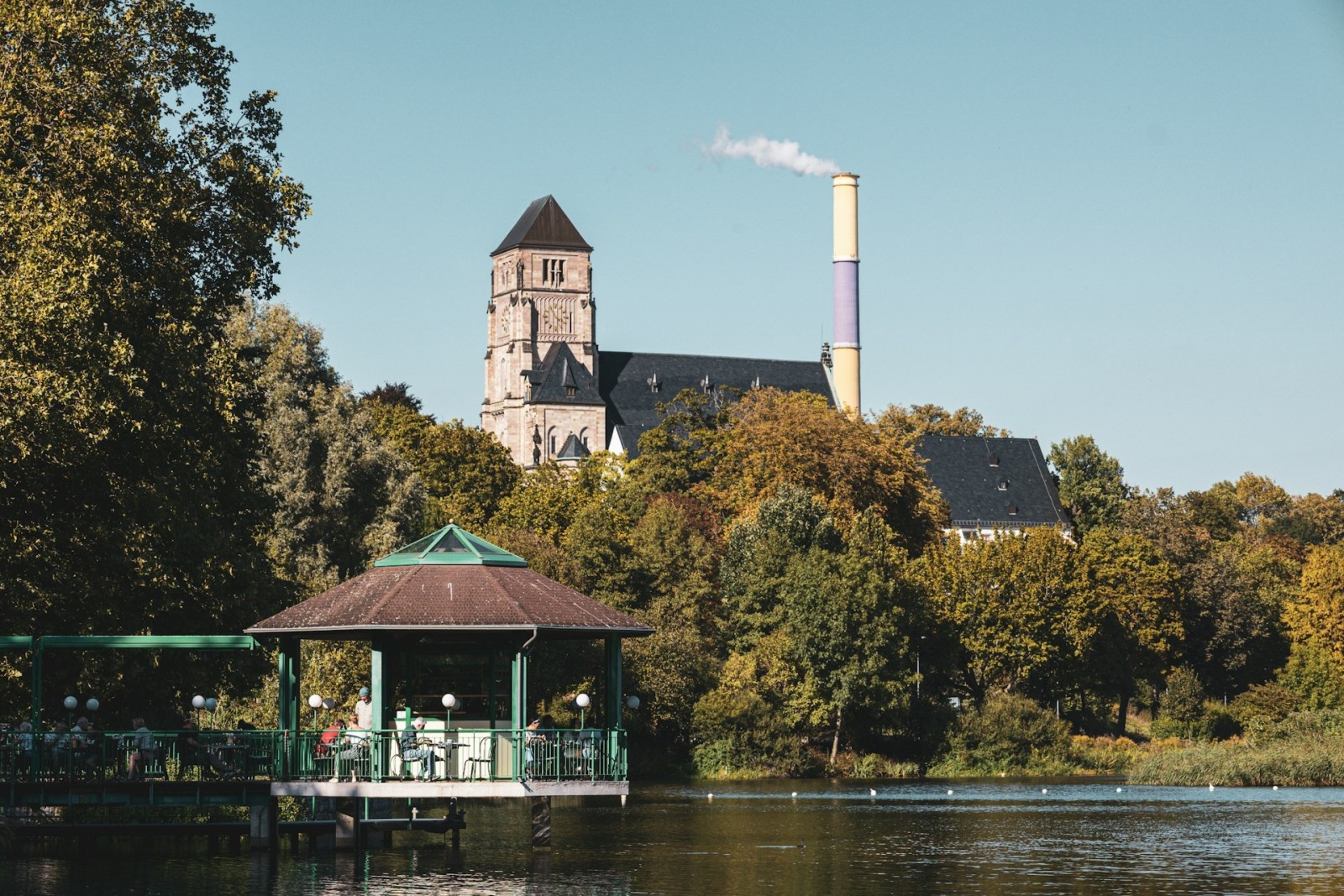
Chemnitz is a large city in Saxony, located at the foot of the Ore Mountains. Its main feature is an unusual combination of history and modern urban environment. There are traces of the medieval past, magnificent buildings of the industrial era, modern quarters and architecture of the socialist period.
One of the main reasons to visit Chemnitz is its industrial heritage. In the XIX-XX centuries, the city was one of the most important centers of German engineering and textile industry. Today, former factories, industrial buildings and technical collections tell the story of the era when Chemnitz was called “Saxon Manchester”.
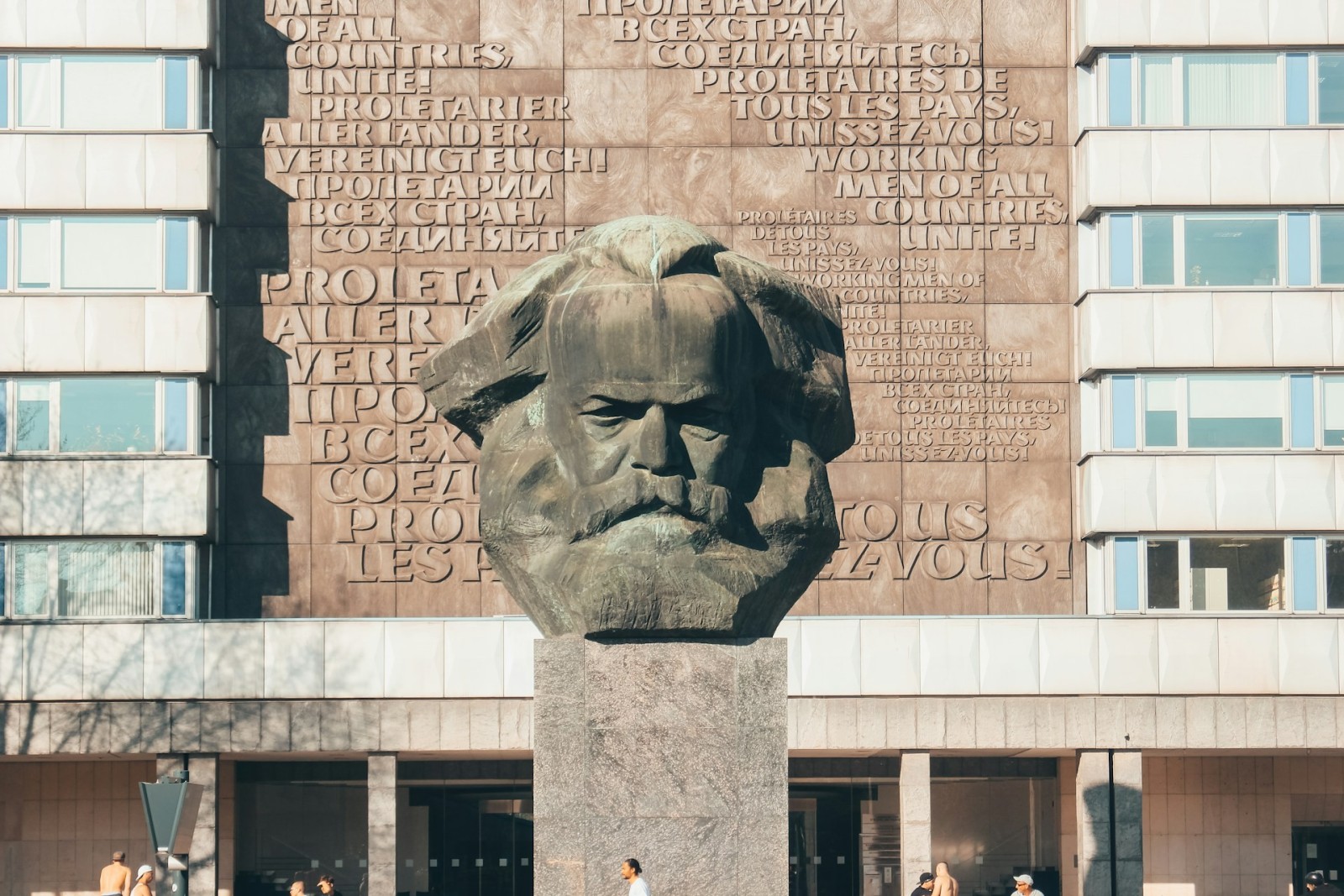
Of interest is the historical center, where there are Market Square, Old and New Town Halls, St. Jacob’s Church and other historical buildings. Nearby is one of the most recognizable sights of the city - the monument to Karl Marx, left over from the period when Chemnitz was called Karl-Marx-Stadt.
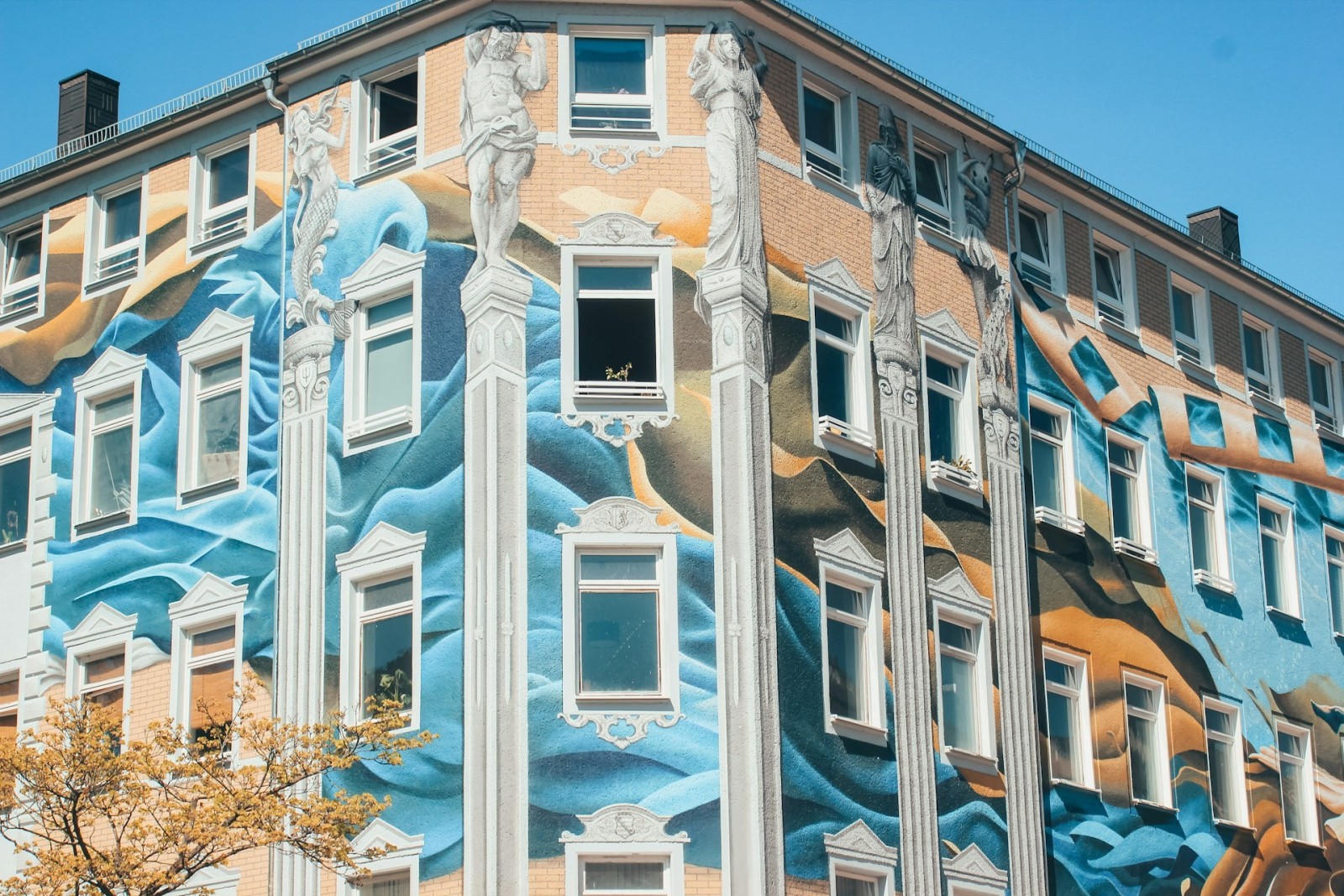
Architecture lovers should visit Kaßberg. There is a large collection of residential buildings of the late XIX – early XX century with richly decorated facades. The area is considered one of the most interesting architectural ensembles of the city.
To get acquainted with culture and history, the Art Collections of Chemnitz, the Museum of Industry and other museums are suitable. Of particular interest is the Museum of Industry of Chemnitz, which allows you to see the development of local engineering, textile production and technology.
Chemnitz is also suitable for family holidays. The city has interactive cultural and scientific spaces, a zoo, parks and recreation areas. In the warm season, it is convenient to explore the city by bicycle.
Another advantage is the proximity of the Erzgebirge Mountains. From Chemnitz you can make trips to small mountain towns and villages, go on hiking routes and get acquainted with the traditions of the region. In winter, the Ore Mountains are suitable for winter holidays.
The city is also interesting for lovers of modern culture. It regularly hosts concerts, theatre productions, art exhibitions, city festivals and events related to the industrial and cultural heritage of Saxony.
Chemnitz is especially well suited for travelers who are interested in twentieth-century German history, industrial architecture, technical museums, urban culture and unusual combinations of old and modern buildings. For the first acquaintance with the main attractions usually enough one or two days, and when traveling to the Ore Mountains stay can be extended.
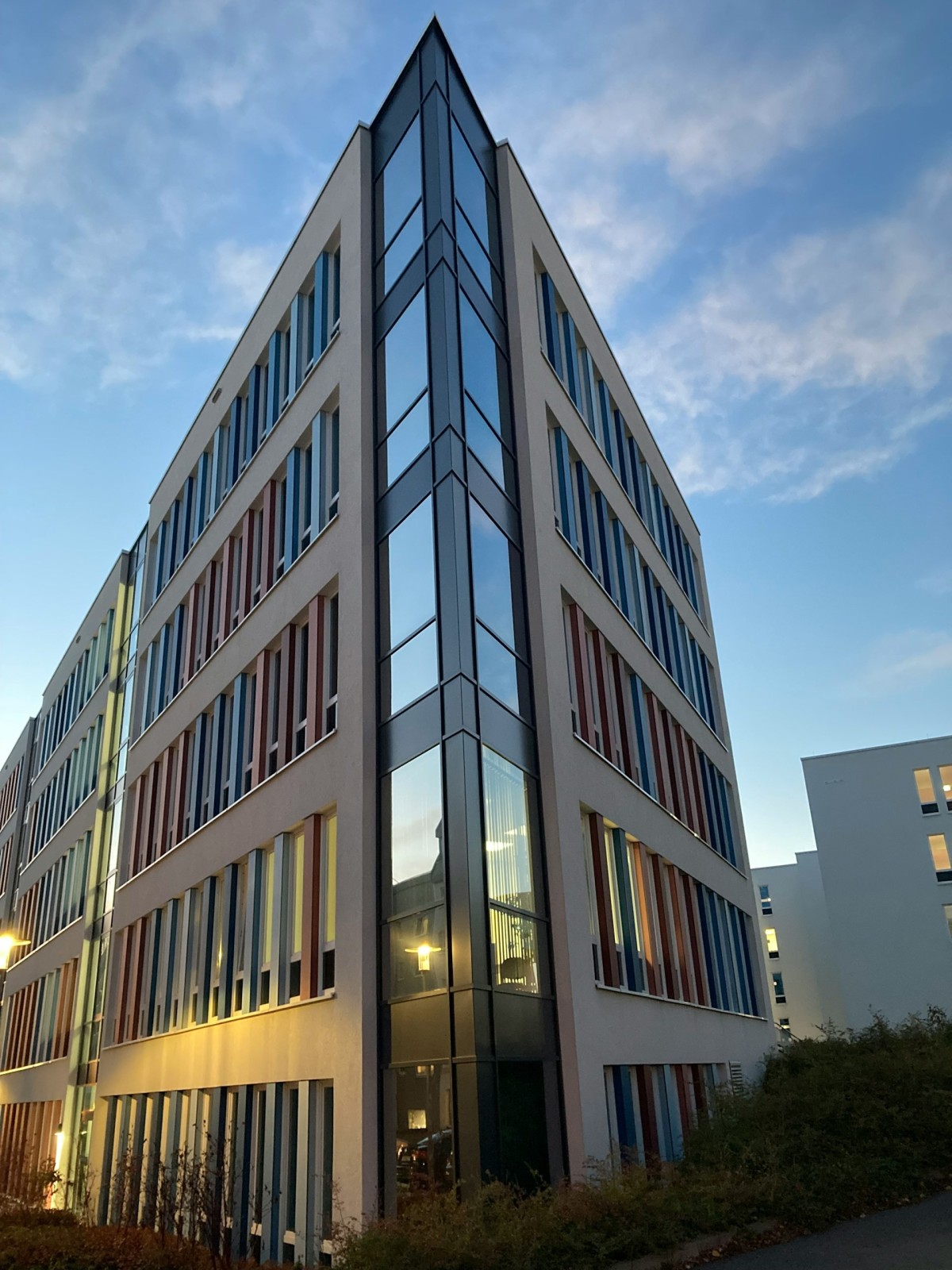
1. High-level hotels
Hotel Chemnitzer Hof is one of the most famous hotels in the central part of Chemnitz. It is a four-star superior hotel next to the Theatre Square, the Opera House and art collections. Suitable for those who want to stay in the center and prefer a high level of service.
Schlosshotel Klaffenbach is a four-star hotel in a historic complex near the Wasserschloss Klaffenbach moat castle. Suitable for a relaxing holiday, especially if history, architecture and nature are interesting. From the center of Chemnitz it is away, so it is more convenient for travelers by car.
2. Mid-range hotels
Hotel an der Oper is the central option next to the opera house and the main attractions of the center.
Seaside Residenz Hotel Chemnitz is a city hotel near the central part, suitable for both tourist and business trips.
c/o56 Chemnitz is a modern option in the area of Schloßchemnitz, convenient for trips for several days.
Biendo Hotel is a compact city hotel in the central part, convenient for exploring Chemnitz on foot.
3. Budget hotels
B&B HOTEL Chemnitz is an easy option for those who care about low cost and convenient location.
Super 8 by Wyndham Chemnitz is a modern budget hotel in the center, suitable for a short trip.
ACHAT Hotel Chemnitz is another option with relatively affordable accommodation, located slightly away from the historic center.
4. Guesthouses and small guest houses
Pension can be more profitable than regular hotels, especially when traveling for several nights. Among the options in the city are Pension Luisengrün and Pension Hoefti.
Such accommodation is usually suitable for travelers who are more important than the price and calm atmosphere than a large number of hotel services.
5. Hostels
Hostels are one of the most economical options for independent travelers and young tourists. DJH Jugendherberge Chemnitz "eins" works in Chemnitz, located near the center. Here you can choose a simpler format of accommodation, and in some cases - multiple rooms.
6. Apartments
The apartment is convenient for a long stay or family travel. They usually have a kitchen or a kitchenette, so you can cook your own food and save on restaurants.
From modern options you can see Limehome Chemnitz Kirchgässchen, located in the central part of the city. Also in Chemnitz are private apartments and apartments for short-term rent.
Old and New Town Halls (Altes und Neues Rathaus)
Two town halls form one of the main architectural ensembles of the center of Chemnitz. Nearby are the Market Square, pedestrian streets, shops and cafes. This is a convenient starting point for a walk through the historic center. From the main station to the square you can walk in about 10-15 minutes or reach the stops in the center by tram or bus.
The Red Tower (Roter Turm)
One of the oldest surviving monuments of the city and an important part of the medieval Chemnitz. The tower is directly in the center, so it is convenient to include it in the walking route along with the town hall, the square and the monument to Karl Marx. There are public transport stops nearby.
Monument to Karl Marx (Karl-Marx-Monument)
The huge bronze head of Karl Marx, about 7.1 meters high, is the most recognizable symbol of the city. The monument appeared during the period when Chemnitz was called Karl-Marx-Stadt, and today it is one of the most famous city attractions. Nearby is the Stadthalle stop, you can also drive to Zentralhaltestelle, Roter Turm or Brückenstraße and walk a bit.
Theatre Square (Theaterplatz)
Representative square with the Opera House, art museums and the Church of St. Peter. This is one of the most interesting architectural ensembles of the modern center. It is easy to walk from the main station; the distance is part of a popular tourist route through the central part of the city.
Art collections of Chemnitz (Kunstsammlungen Chemnitz)
One of the city’s main art museums, featuring works from different periods, including Modernism and Expressionism. The museum is located directly on the Theatre Square, so it is convenient to combine it with a visit to the Opera House, St. Peter’s Church and the city center.
Gunzenhauser Museum (Museum Gunzenhauser)
Museum of German Art of the XX century with a large collection of modernist and expressionist works. It is close to the central part of the city, so it can be reached on foot or by public transport.
State Museum of Archaeology of Chemnitz (smac)
Located in the center of the city and tells about the history of Saxony from ancient times to the present. Especially interesting is the unusual modern design of expositions. It is convenient to get to the museum on foot from the central squares or by public transport.
Chemnitz Industrial Museum (Industriemuseum Chemnitz)
One of the main attractions for exploring the industrial past of the city. Machinery, production equipment, automobiles and other evidence of the development of the Saxon industry are presented here. The museum is located on Zwickauer Straße, so it is more convenient to go from the center by tram or bus, and then walk a little.
Kassberg district (Kaßberg)
One of the most interesting areas of Chemnitz for walking. There is a large ensemble of houses of the era of Gründerstvo and Art Nouveau with ornate facades, courtyards and historical passages. The area is close to the center, so it is convenient to visit on foot, and some parts can be reached by bus.
Villa Esche (Villa Esche)
An architectural monument of early modernism, created by Belgian architect Henry van de Velde for the industrialist Chemnitz. The interior design, furniture and architecture are conceived as a single artistic ensemble. The villa is located in the area of Kappelenberg, so it is more convenient to get from the center by public transport, and the last plot to walk.
Castle Quarter and Castle Mountain Museum (Schloßviertel and Schlossbergmuseum)
One of the most atmospheric areas of the city. Here are the former Benedictine monastery, the history museum of Chemnitz, the church and ancient buildings at the foot of the Castle Mountain. Nearby are the Schlossteich Pond and Küchwald Park. The area can be reached by bus or tram, and then continue walking.
Küchwald Park (Küchwald)
Large green area in the north of the city, suitable for walking and recreation. The park has a children's railway and other family entertainment. It is convenient to combine with a visit to the Castle Quarter. You can get there by public transport, and inside the park the main interesting places are within walking distance.
The Fossil Forest (Versteinerter Wald)
Unusual natural attraction in the cultural center DAStietz. Here are fossilized tree trunks dating back about 291 million years. The facility is located almost in the city center, so it is easy to reach on foot from the central stops.
Saxon Railway Museum (Schauplatz Eisenbahn)
Especially interesting for fans of railways and technology. The complex is dedicated to the history of railway transport and industrial development of the region. It is located in the Hilbersdorf area, so from the center it is more convenient to use a bus or tram with a transfer, and then walk a small section on foot. The tourist portal of Chemnitz refers the object to important attractions of the industrial heritage of the city.
Klaffenbach Castle (Wasserschloss Klaffenbach)
Renaissance castle with a picturesque park, workshops, cafes and restaurants. It is located on the southern outskirts of Chemnitz and is suitable for a separate trip for a few hours. From the center it is better to get by public transport with a transfer or by car.
Rabenstein Castle and surroundings (Burg Rabenstein)
Historic castle in the west of the city, next to which there are natural sites and a reservoir. This is a good option for those who want to combine a city tour with a walk in nature. The area can be reached by bus, but to explore the surroundings it is more convenient to lay extra time for a walk.
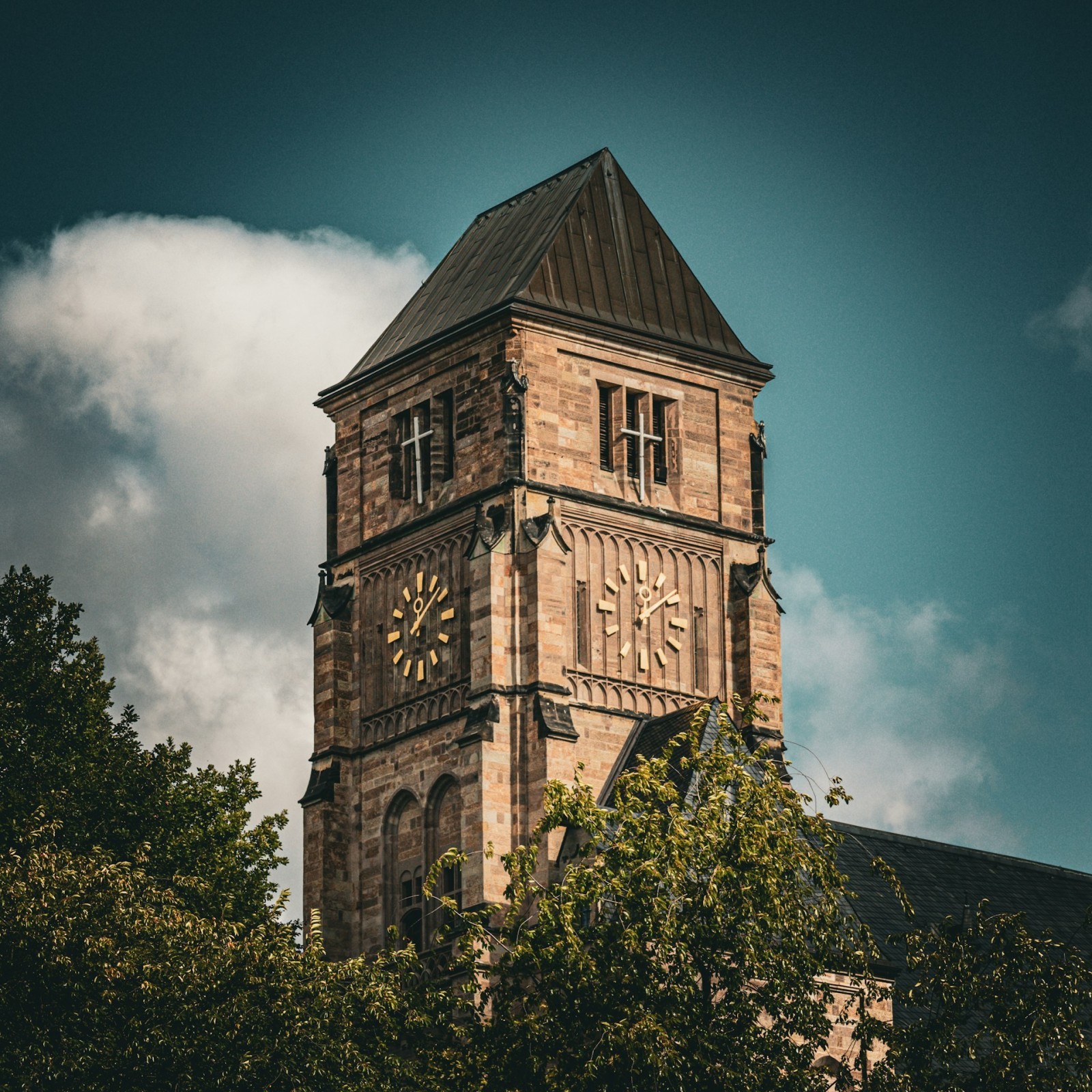
Saxon Mozart Festival (Sächsisches Mozartfest) – May Classical music concerts are held in different cultural spaces of the city and the region.
Museum Night (Museumsnacht) – May. The evening and night program of the Chemnitz museums includes special excursions, concerts, lectures and cultural events.
Festival of street art “Hutfestival” (May-June). The city center turns into a big stage with street musicians, artists, acrobats, clowns and other performers.
Fête de la Musique - June. International music festival with free performances of musicians on city venues and streets.
The Theater der Welt Festival of Theater Arts (June-July) is not held every year. A major international theatrical event with productions and artists from different countries.
Begehungen Art Festival – June-July Exhibitions, contemporary art, installations and a cultural program are housed in unusual urban spaces.
Summer Park (Parksommer) - July-August. Summer series of concerts, cultural events and outdoor entertainment.
Beer Market (Brauereimarkt) – July Gastronomic holiday with beer, local cuisine, music and entertainment program.
Wine Festival (Weinfest) – July-August In the central squares of the city, tastings are held, wine pavilions work, concerts and evening programs are organized.
KOSMOS Chemnitz - Aug. A major city festival that brings together music, contemporary art, public debate and various cultural events.
Fuego a la isla - Aug. An open-air music festival with concerts and a diverse cultural program.
Tanz | Moderne - Sept. International Festival of Contemporary Dance with productions of German and foreign groups.
The European Peace Ride (September) A sports and cultural event related to international cycling and routes through Saxony.
Children's and Youth Film Festival SCHLiNGEL - Oct. International Film Festival dedicated to films for children and young people; held in Chemnitz since the 1990s.
Late shift (Spätschicht) - October. A special program to get acquainted with industrial enterprises and the industrial heritage of Chemnitz.
Carnival and Carnival Events (Fasching/Karneval) - February In the city and its surroundings there are costumed evenings, festive programs and performances of local carnival associations.
Winter - December - February
During the day, usually about 0 ... + 4 ° C, at night the temperature can drop to -3 ... -1 ° C. Snow, rain and cloudy weather are possible. In the surrounding water bodies, the water is usually about 2-5 ° C, so swimming is practically not suitable.
Spring - March-May
In March, the air warms up to about +7 ... +8 ° C, in April - to +13 ... +15 ° C, and in May - to +17 ° C. +19°C. The nights remain cool. Water in local lakes and open bodies of water gradually rises from about 5-8 °C in March to 13-17 °C in May. Spring is well suited for city walks and excursions, especially from the second half of April.
Summer - June - August
The warmest time of year. The average daily temperature is about 20... +23 °C, sometimes hotter days. July and August are the warmest months, but they are also the rainiest. Water in the surrounding lakes during warm periods can warm up to about 18-22 ° C.
Autumn - September - November
In September, it is still quite warm - about +17. +19°C in the afternoon. In October, the temperature drops to +12 ... +14 ° C, and in November - to about +7 ... +8 ° C. Water in reservoirs gradually cools from about 16-18 °C in September to 7-10 °C in November. September is especially convenient for walks and excursions.
Main language of communication
In Chemnitz, the main language is German. The city uses standard German, although local pronunciation and Saxon dialect can be heard in Saxony. For tourists, the usual literary German is enough. Many residents, especially young people and staff at hotels, restaurants and tourist sites, also speak English.
Greetings and addresses
In an official setting, it is customary to address Sie (“you”), especially to strangers, employees of hotels, shops and institutions. Guten Tag means “good day,” Guten Morgen in the morning, and Guten Abend in the evening. The transition to the informal du usually takes place by mutual consent.
Punctuality
In Germany, it is customary to observe the agreements on time. If you have signed up for a tour, come to a meeting or booked a table, it is better to come in advance. If late, it is advisable to warn.
Lines and personal space
In shops, cash desks, museums and other public places, the queue should be observed. Do not talk loudly or approach strangers unnecessarily.
Rules on public transport
The ticket must be purchased and, if required for a specific type of ticket, composted before the trip. In transport, it is desirable to give up special places to the elderly, people with disabilities and passengers with young children. Germany has a well-developed public transport system.
Bicycles and roads
In Chemnitz, as in other German cities, it is necessary to pay attention to bicycle paths. Pedestrians should not walk unnecessarily on a designated bicycle lane. When crossing the street, you need to use pedestrian crossings and traffic lights.
Sunday shops n
Most regular shops and supermarkets in Germany are closed on Sundays and official holidays. The exceptions are some shops at stations, gas stations and individual points with a special mode of operation. Therefore, it is better to purchase products and necessary purchases in advance.
Silence and respect for others
In residential areas, it is customary to respect the tranquility of neighbors and others. Loud music, shouting and noise at a later time are especially undesirable. Visiting churches, museums and memorials should be calm.
Smoking
Smoking is not allowed where smoking is prohibited. In restaurants, public buildings, transport and other places, it is necessary to pay attention to the appropriate signs and use specially designated areas.
Alcohol
Alcohol consumption is permitted by law, subject to established age restrictions and local regulations. At the same time, you should not appear in public places in a state of strong intoxication, disturb order or create inconvenience to other people.
Photos and videos
When taking close-up pictures of people, it is advisable to ask permission first. In museums, churches and exhibitions, you must follow the rules of a particular object: photography of some exhibits may be limited.
Cleanliness and waste sorting
In Germany, much attention is paid to cleanliness and separate collection of garbage. Waste should be disposed of in containers intended for it. Bottles and cans with Pfand collateral can be taken back to stores and secured.
Behaviour in restaurants and cafes
Service is usually quite calm and without haste. After a meal, it is customary to leave a tip if you like the service; often leave about 5-10%, but the size depends on the situation. In smaller establishments, it is better to have some cash with you, although bank cards are widely used.
Holidays and religious places
When visiting churches, it is advisable to observe silence and not interfere with worship. On major religious holidays, especially Christmas and Easter, a calmer atmosphere is traditionally expected in Germany.
Compliance with the law
The tourist must comply with German law, public order rules, road rules, requirements of museums and transport companies. It is especially important to have a valid identity document with you if it is necessary under the conditions of stay.
Basic words
Hallo - hello - hallo
Guten Morgen - Good Morning by Guten Morgen
Guten Tag - Good afternoon - Guten so
Guten Abend - Good Evening by Guten Abent
Auf Wiedersehen - Goodbye to Auf Wiedersehen
Danke - thank you - danke
Bitte - please / nothing for bitte
Entschuldigung - sorry - entschuldigung
Ja/Nein - yes/no - I/Nein
Vielleicht - possibly - Fileicht
Heute - today - Hoyte
Morgen - Tomorrow - Morgan
Links / rechts - left / right - Links / rechts
Geradeaus - straight - gerradeaus
Hier / dort - here / there - chir / dort
Eingang / Ausgang - Entry / Exit - Aingang / Ausgang
Geöffnet / geschlossen - open / closed - Geoffnet / Geshlossen
Bahnhof - Station - Banhof
Haltestelle - stop - Hallestale
Fahrkarte - ticket - Farkarte
If you don't understand German
Sprechen Sie Englisch? - Do you speak English?
Sprechen Sie Russisch? - Do you speak Russian?
Ich spreche nur ein bisschen Deutsch. - I speak a little German. - Their shprahe noor ain bishan deutsch
Ich verstehe nicht. - I don't understand. - their fairstee nits
Können Sie das bitte wiederholen? Can you say it again, please?
Können Sie bitte langsamer sprechen? Can you talk a little slower?
Können Sie das bitte aufschreiben? - Can you write this, please? - Kenen zi das bitte aufsreiben?
Was it bedeutet das? - What does that mean?
At the hotel.
Ich habe eine Reservierung. - I have a reservation. - their habe aine reservirung
Ich möchte einchecken. - I want to register. - Their mehte ainchaken
Wann ist der Check-out? - When's the eviction?
Ist das Frühstück inklusive? Is breakfast included?
Wann gibt es Frühstück? - What time is breakfast?
Wo ist mein Zimmer? - Where's my number?
Gibt es WLAN? - Do you have Wi-Fi? - Yes.
Können Sie mir ein Taxi rufen? - Can you call me a taxi?
Restaurant and café
Einen Tisch für zwei Personen, bitte. - Table for two, please. - Ainen Tisch Für Zwei Parzonen, Bitte
Die Speisekarte, bitte. - Menu, please. - Spisecarte, bitte
Was empfehlen Sie? - What do you recommend? - What do you recommend?
Ich möchte das bestellen. - I'd like to order this. - Their mehte das bashtellan
Ohne Fleisch, bitte. - No meat, please. - One flush, bitte
Ohne Zucker, bitte. - No sugar, please. - One tsuker, bitte
Die Rechnung, bitte. - Check, please. - Di rehnung, bitte
Kann ich mit Karte bezahlen? - Can I pay with a card? - Can their mit carte bezalen?
Das war sehr lecker. - It was delicious. - das var zea lacquer
In the store.
Wie viel kostet das? - How much does that cost?
Haben Sie das in einer anderen Größe? - Is there another size? - Haben zi das in ainer Anderen Greusse?
Kann ich mit Karte bezahlen? - Can I pay with a card? - Can their mit carte bezalen?
Ich möchte nur schauen, danke. - I'm just looking, thanks. - their mehte noor shawen, danke
Eine Tüte, bitte. - Package, please. - Aine tute, bitte
Haben Sie etwas Typisches aus Sachsen? Do you have anything typical of Saxony?
Saxon pastries and sweets
It is worth trying Eierschecke - a traditional Saxon cake with a cottage cheese layer and an air top, as well as Quarkkeulchen - small cottage cheese cakes. Eierschecke is considered one of the most famous sweet specialties of Saxony.
Christmas Stollen (Christstollen)
Traditional Saxon pastries with dried fruits and spices. Best for travel in late autumn and winter: well-packed stollen is convenient to transport home.
Products of the Ore Mountains
In the vicinity of Chemnitz, you can buy regional products of small producers: honey, jam, syrups, mustard, bread, pastries and other farm products. Especially interesting products with herbs and spices.
Saxon mustard and sauces
Mustard, spicy sauces and small jars with regional additives are a practical souvenir that is easy to transport. The region produces various varieties of mustard, including herbs and fruit additives.
Beer and soft drinks
There is a long tradition of brewing in Saxony, so you can buy local or regional beer. For transportation, it is more convenient to choose small bottles or cans.
Local roast coffee
Chemnitz has a small coffee culture. The city has coffee production and roasters, so a pack of fresh grain or ground coffee can be a good gastronomic souvenir.
Wood products of the Ore Mountains (Erzgebirgische Holzkunst)
One of the most characteristic souvenirs of the whole region. You can bring wooden Christmas pyramids, figures, candlesticks, angels, miners and Räuchermännchen - decorative figures for aromatic candles. The tradition is especially closely connected with the Ore Mountains near Chemnitz.
Nutcrackers and Christmas decorations
Traditional wooden snappers (Nussknacker) are a good option for a small gift. A particularly large selection of such products appears before Christmas.
Souvenirs with symbols of Chemnitz
You can find T-shirts, bags, mugs, postcards and other things with the name of the city, its architecture or the image of the monument to Karl Marx. In local shops there are original clothes and accessories with urban design.
Souvenirs related to industrial history
Since Chemnitz has historically been one of the largest industrial centers of Saxony, car models, technical miniatures, books on the history of industry and motorization of the city can be interesting gifts.
Documents required
A tourist must have a valid foreign passport or other document entitling him to enter Germany. For visa-free travelers, the document must be valid for at least 3 months after the expected date of departure from Germany and issued no more than 10 years ago. When crossing the border, you may be asked to confirm the purpose of the trip, the availability of funds for stay and the return road.
Visa
For nationals of countries requiring a visa, a short-term Schengen visa is usually used for trips of up to 90 days. Other types of permits apply for longer stays. Specific requirements depend on the nationality of the traveler.
Health insurance
Before the trip, it is advisable to obtain tourist health insurance, valid in Germany and covering emergency medical care. The German Federal Office also recommends insurance that allows the patient to be transported back to their country of residence.
Emergency services phones
112 – ambulance and fire service. The room works around the clock and free of charge from mobile and landline.
110, police.
116117 – medical care in situations that require medical advice but are not an immediate threat to life.
Mobile communications
There are four main mobile networks in Germany: Telekom, Vodafone, Telefónica (O2) and 1&1. In addition to the operators themselves, there are many virtual operators using one of these networks. Before the trip, you can connect your operator’s roaming or purchase a German SIM / eSIM.
Security of documents and money
Passport and bank cards should be kept separate from cash. In tourist places, at the railway station and in public transport, you should not leave your bag unattended. It is useful to have electronic copies of your passport, insurance and bookings.
City security
With normal tourist behavior, Chemnitz does not require any special precautions. However, in the evening you should avoid poorly lit and deserted places, especially if you are traveling alone. In case of conflict or threat, it is better not to engage in a dispute and contact the police.
Duration of stay
For third-country nationals who do not require a visa for short-term travel, the rule is no more than 90 days in any 180-day period. These 90 days apply to the entire Schengen area, not just Germany. Days spent in other Schengen countries are also counted.
If you need a longer trip
Staying for more than 90 days requires an appropriate basis and permit, such as a national visa or residence permit. Simply staying in Germany without leaving after the expiry of the permitted period does not extend the period of stay.
Create a query and local guides will offer you the best options

