Independent tourism and recreation in the city of Ludwigsburg Historical information about the city of Ludwigs...
1. The terrain to the base of the city
Before the advent of Ludwigsburg, the territory was used primarily as hunting grounds for the Dukes of Württemberg. Here was Erlachhof, a hunting complex around which later the construction of the future palace began. Thus, the city arose almost from scratch, and did not grow out of an ancient settlement.
2. The beginning of the construction of the palace - 1704
In 1704 Duke Eberhard Ludwig laid the first stone of the new hunting palace. Initially, he planned a relatively small country residence where he could hunt and spend the summer months. However, the plans soon expanded considerably.
Already in 1705, the palace was named Ludwigsburg, that is, “Ludwig Castle”, in honor of the Duke himself. Gradually, a small hunting residence turned into a large-scale palace complex.
3. Creating a grand residence
In 1707, architect Johann Friedrich Nette was involved in the construction, and later the Italian architect Donato Giuseppe Frizoni played a significant role. Instead of a small palace, a huge baroque ensemble began to form.
Construction lasted almost three decades. The result was one of the largest Baroque palace complexes in Germany: it includes 18 main parts and more than 450 rooms.
4. Founding a new city
Gradually, Eberhard Ludwig came up with the idea of creating a whole new city next to the palace. For the absolute monarch of the time, the construction of the residence and the city was not only a practical but also a political project: the new capital was to demonstrate the wealth and power of the ruler.
In 1709, the Duke began to invite new residents. They were given free land and building materials, exempted from taxes for the first 15 years, and later given freedom to choose their profession and religion.
5. The Emergence of the Baroque City
Ludwigsburg was designed in advance, so its streets were regularly planned. Straight wide streets intersected at right angles, squares and quarters with typical city houses were created next to the palace.
Thus appeared the characteristic appearance of Ludwigsburg: a palace, wide streets, baroque buildings and regular urban spaces. Many elements of this original layout have survived to this day.
6. Obtaining city rights - 1718
Despite the privileges, the first attempts to attract residents were not very successful. The situation changed after in 1718 Ludwigsburg received city rights and became the residence and one of the capitals of Württemberg.
In the same year, the Duke and his court moved to a new residence. This period is considered the birth of Ludwigsburg as a city.
7. Ludwigsburg under Eberhard Ludwig
In the first decades, the city developed very quickly. It housed court institutions, artisans, merchants, officials and court staff.
By the time of Eberhard Ludwig's death in 1733, the population had reached about 6,000. For the newly founded city, this was a significant increase. Construction continued and many streets and buildings remained unfinished.
8. Courtyard and cultural life of the XVIII century
Ludwigsburg became not only a political center, but also an important cultural place. At the ducal court worked architects, artists, musicians and masters from different parts of Europe.
Particularly noticeable development of culture was under Duke Carl Eugenie. Major theatre and music projects, the Academy of Arts and the first public library of Württemberg appeared in the city. Due to this, Ludwigsburg gained a reputation as one of the cultural centers of the duchy.
9. Loss of residence status and new elevation
After the death of Eberhard Ludwig, his successor Karl Alexander again ruled Württemberg from Stuttgart. Because of this, Ludwigsburg lost some of its former importance, and about half of the inhabitants left the city.
However, in 1764, Duke Charles Eugene made Ludwigsburg his residence. New construction began, and the so-called Carlstadt appeared near the earlier part of the city.
10. Late XVIII - early XIX century
The political importance of Ludwigsburg gradually diminished, especially after the final return of the centre of power to Stuttgart. The city, however, retained great importance due to its palace, administrative offices, military facilities and developed urban infrastructure.
At the beginning of the XIX century there were large-scale political changes: The Holy Roman Empire ceased to exist, Württemberg received the status of a kingdom, and Ludwigsburg finally became part of the new political structure of Württemberg.
11. nineteenth-century military city
In the nineteenth century, Ludwigsburg became an important military center. It housed barracks and military establishments, and urban infrastructure gradually developed around the army, administration and commerce.
At the same time, transportation was improved. The railway connected Ludwigsburg with other important cities of the region, most notably Stuttgart, which contributed to the development of industry, trade and population growth.
12. Industrial and urban development
In the XIX and early XX centuries, Ludwigsburg gradually ceased to be exclusively a former ducal residence. Crafts, production, trade and various enterprises developed.
At the same time, the palace complex continued to determine the appearance of the city. Unlike many industrial centers, Ludwigsburg has preserved a large number of historic streets and buildings, so its baroque layout has remained a prominent part of the urban environment.
13. World War I and the Weimar Republic
The First World War brought economic hardship and social change. After the fall of the monarchy in 1918, Ludwigsburg ceased to be part of the monarchical Württemberg in the former sense.
In 1919, a symbolically important event took place at the Ludwigsburg Palace: the first democratic constitution of Württemberg was proclaimed here. Thus, the palace, originally created to demonstrate the absolute power of the Duke, was associated with the transition to a democratic state.
14. The Nazi Period and World War II
After the Nazis came to power, Ludwigsburg, like other German cities, came under the control of the National Socialist regime. Political opponents, Jews and other groups were persecuted.
During World War II, the city suffered from military operations and air raids, but much of the historical structure of Ludwigsburg survived.
15. Post-war period
After 1945, Ludwigsburg became part of the new federal state of Baden-Württemberg. The city quickly recovered, industry, trade, education and transport developed.
Due to its proximity to Stuttgart, Ludwigsburg gradually became part of a large economic and urban agglomeration of the region. At the same time, the authorities sought to preserve the historical center and the palace ensemble.
16. Modern Ludwigsburg
Today Ludwigsburg combines several historical images: a former ducal residence, a planned Baroque city, a military center of the XIX century and a modern economic and cultural city.
The main heritage of the XVIII century remain Ludwigsburg Palace, regular street layout, Marktplatz, Baroque churches and historical residential quarters. Due to the unusual combination of palace architecture and the whole city, created almost simultaneously with the residence, Ludwigsburg is considered one of the most characteristic Baroque cities in Germany.
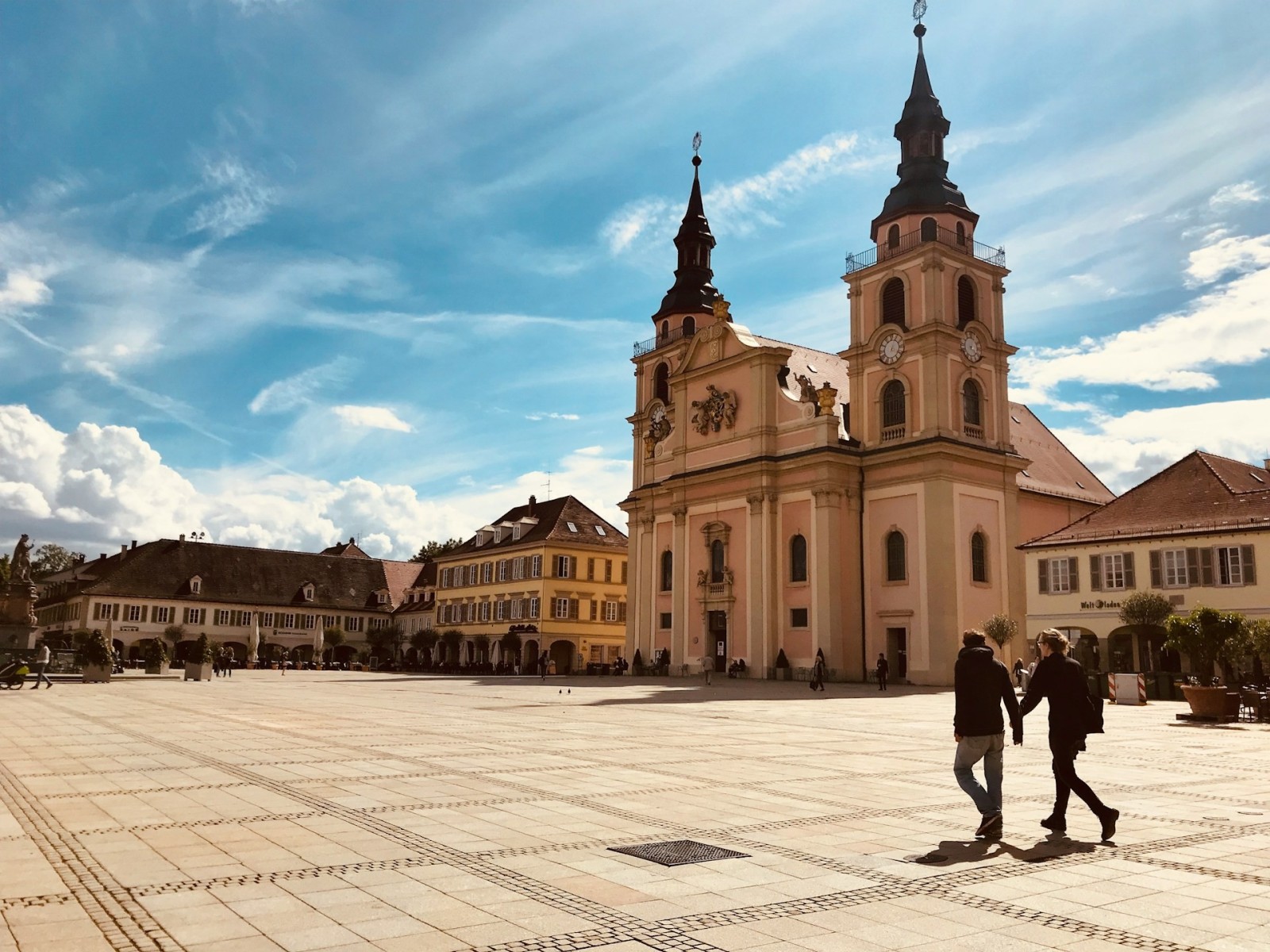
Baroque architecture is the main reason to visit Ludwigsburg. The historic center is distinguished by wide straight streets, symmetrical squares and Baroque buildings. Especially beautiful is the central Marktplatz with two churches.
Ludwigsburg Palace is the largest attraction of the city and one of the largest Baroque residences in Germany. The palace has preserved state halls, living quarters, artistic interiors and items related to the history of the Württemberg court.
Blühendes Barock Gardens is a large historical garden complex next to the palace. Here you can see French regular gardens, floral arrangements, sculptures, fountains and various themed areas. The place is especially attractive for walks and family holidays.
Marktplatz is one of the most beautiful squares of the city. It is surrounded by baroque buildings, and in the center is a column with a statue of Our Lady. Here are the Catholic Church of the Holy Trinity and the Protestant city church.
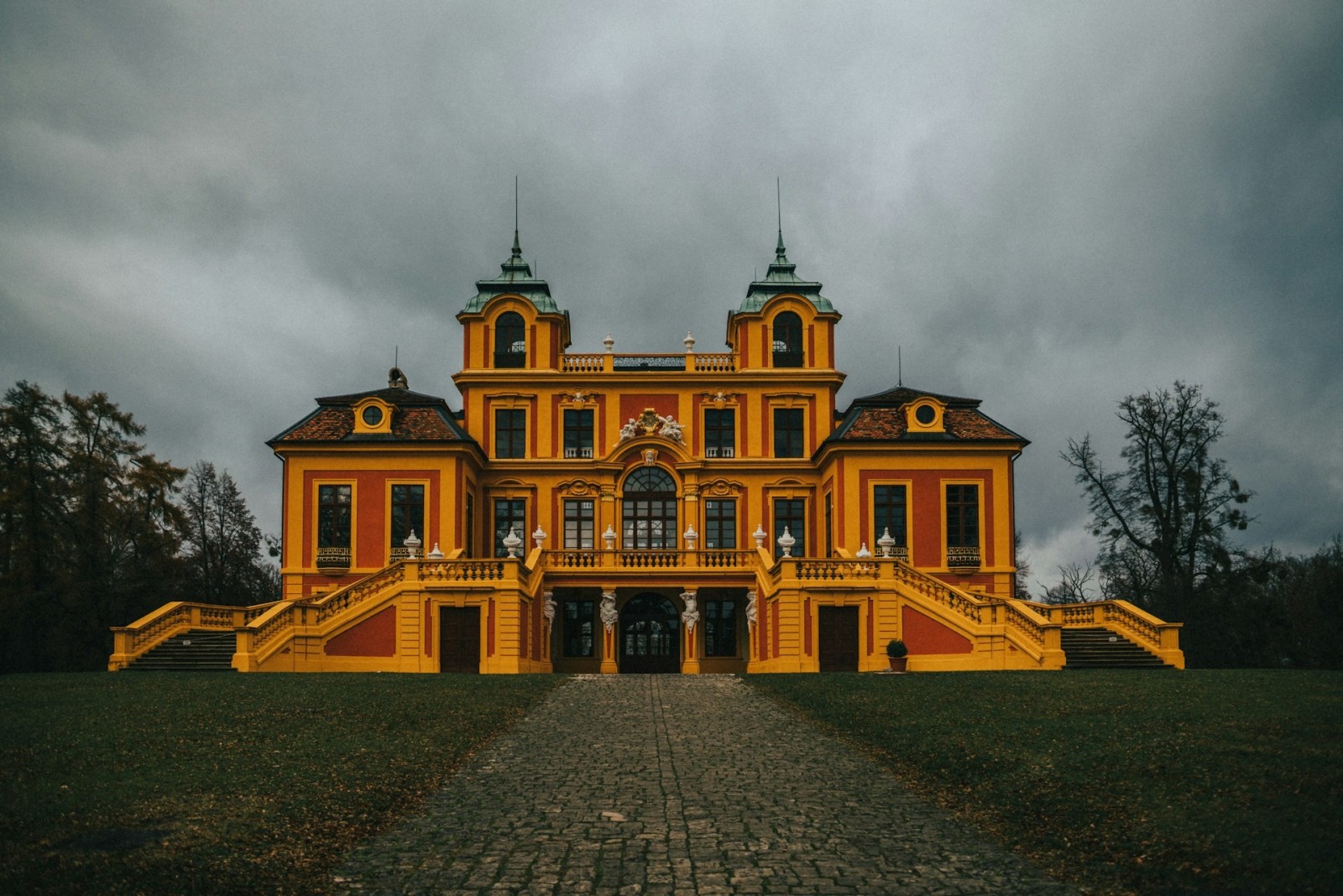
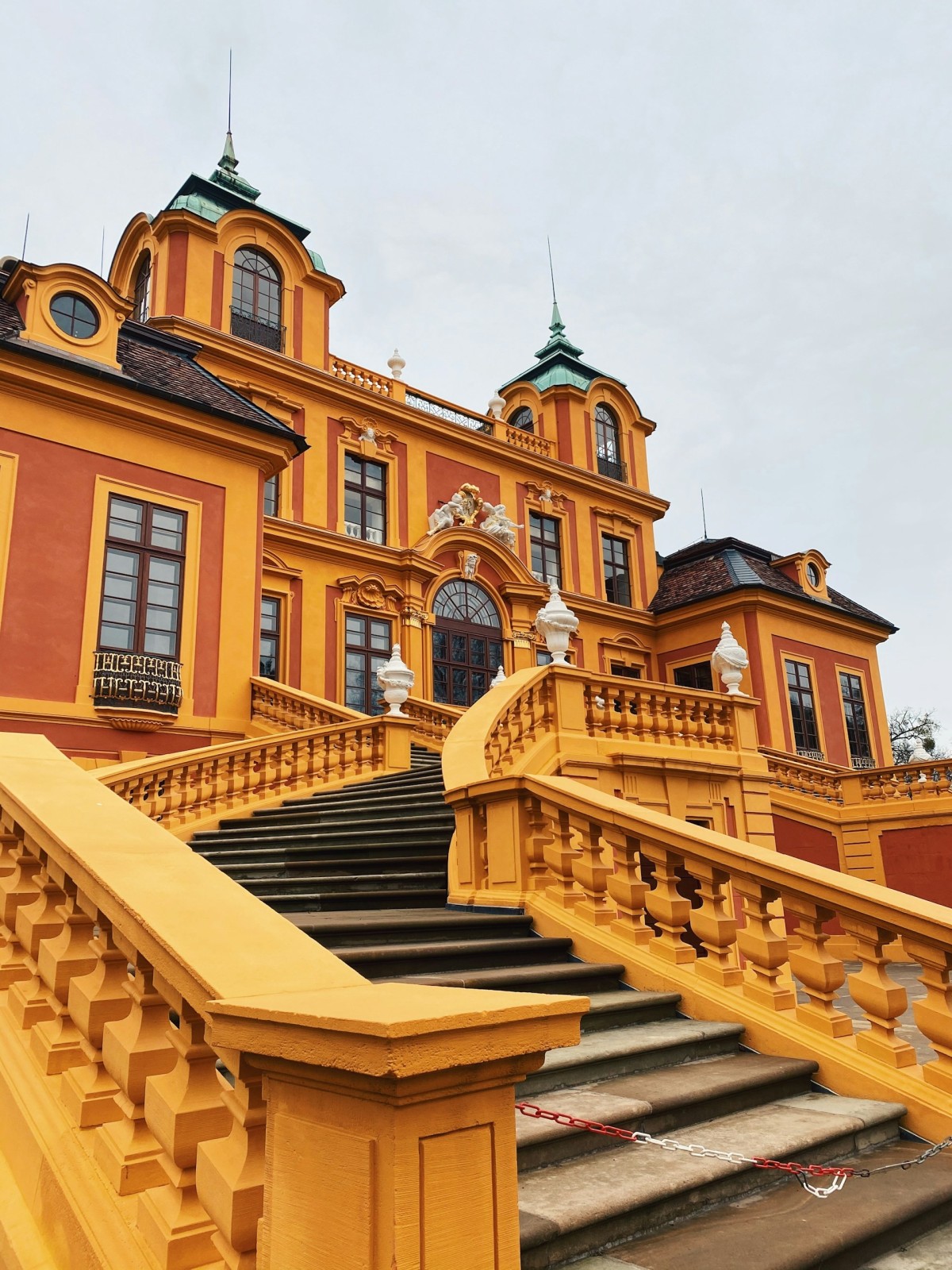
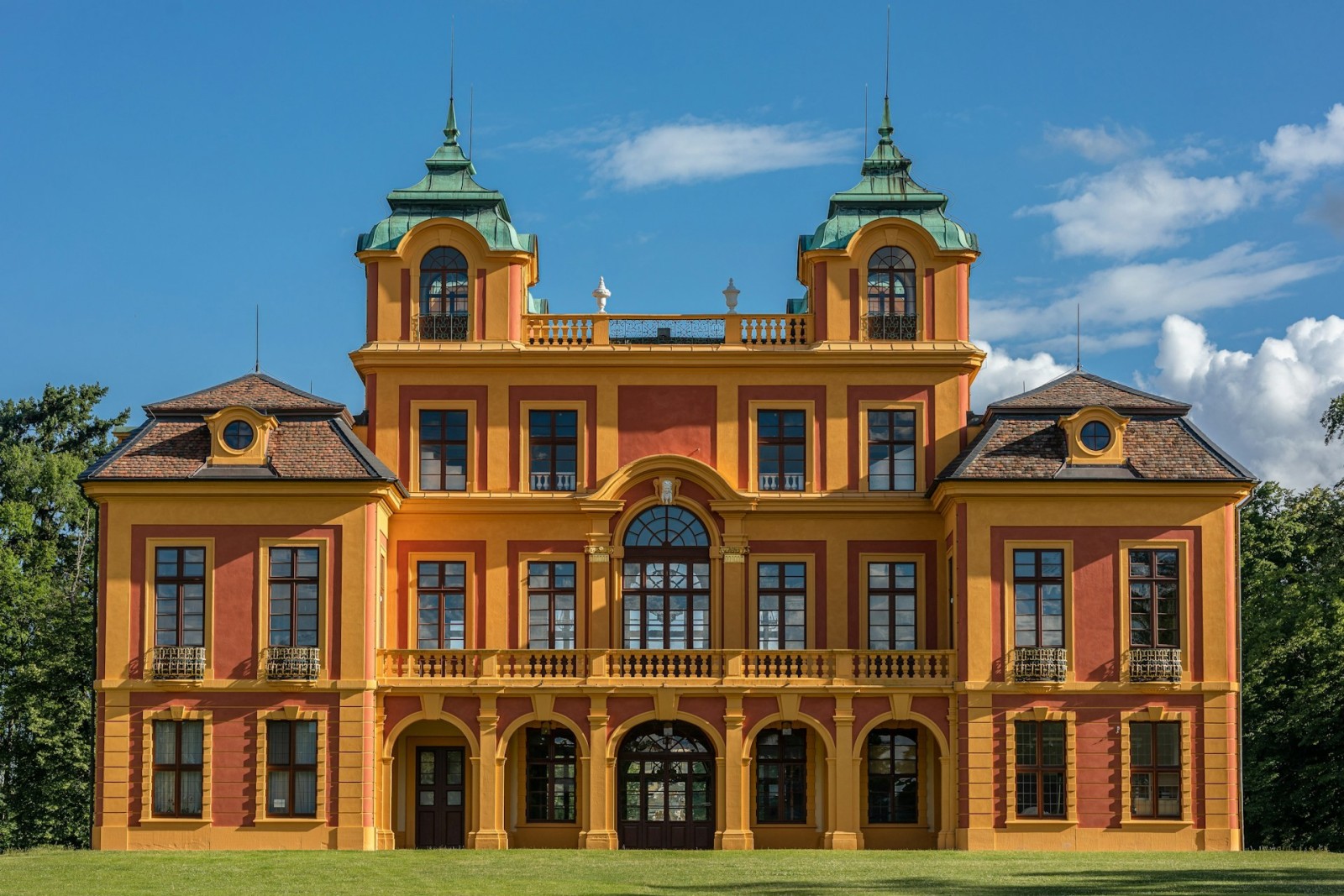
The Schloss Favorite is a small country residence near the main palace. It is surrounded by a park landscape and historical gardens and allows you to see the other side of court life of the XVIII century.
The Ludwigsburg Museum is a place to get acquainted with the history of the city and the daily life of its inhabitants. The expositions help to understand how a small residence gradually turned into a modern city.
Museums and cultural life – there are art, historical and thematic exhibition areas in the city. Throughout the year there are concerts, theater productions, festivals and various cultural events.
Parks and walking trails – Ludwigsburg is well suited for a relaxing outdoor holiday. In addition to the palace gardens, there are green areas and routes for walking and cycling.
Gastronomy - in the city you can try dishes of Swabian cuisine: spetsle, maultashen, meat dishes, regional pastries and local wines. In the center there are many cafes and restaurants located in historic buildings.
Festivals and seasonal events are especially famous for garden events, concerts in palaces, summer cultural programs and the Christmas market. In the warmer months, the city becomes particularly lively thanks to activities in squares and parks.
Convenient location – Ludwigsburg is close to Stuttgart, so it is convenient to include it on a trip to Baden-Württemberg. The city is easily accessible by train, and the historic center is relatively close to the train station.
Suitable for different types of travel - lovers of history and architecture are interested in palaces and the old city, families - parks and gardens, connoisseurs of art - museums and cultural events, and those who prefer quiet trips, walks around the historical center and surroundings are suitable.
1. High-level hotels
This category includes modern 4-star hotels and hotels with an expanded range of services.
The nestor Hotel Ludwigsburg is one of the notable options in the city centre, next to the palace park. The hotel occupies the historic building of the former garrison bakery, offers a restaurant, bar, sauna and fitness area.
Schlosshotel Monrepos is a 4-star country hotel in the area of the Monrepo Palace and Park Complex, next to the lake and the green area. Suitable for those who prefer quiet accommodation outside the main streets.
Hotel & Restaurant Goldener Pflug is a higher level hotel with a restaurant and additional amenities, located in a quiet part of Ludwigsburg.
Harbor. Hotel Ludwigsburg is a modern hotel near the railway station, convenient for tourists who plan to combine a trip to Ludwigsburg with a visit to Stuttgart.
2. Mid-range hotels
This is the most common option for a tourist trip for a few days. Usually there is a private bathroom, Wi-Fi, breakfast and a standard set of hotel services.
Hotel NH Ludwigsburg is a modern city hotel close to the station and transport routes.
Best Western Hotel Favorit is a convenient option to stay close to the center.
Komfort Hotel Ludwigsburg is a small city hotel with basic facilities and a good location.
Hotel City Oase LB is a compact hotel in the central part of the city.
Hotel Bergamo is a modern accommodation option in the city, suitable for short trips.
3. Small hotels and boutique hotels
Such hotels are suitable for travelers who prefer a calm atmosphere and a small number of rooms than a large hotel complex.
Boutique-Hotel Kronenstuben is a small hotel in the historical part of the city, convenient for exploring the center and the palace.
Hotel Cocco-Bello is a compact family accommodation option.
Hotel Milú is a small city hotel in a quieter area.
Hotel Mörike is a simple accommodation option, aimed primarily at tourists who need an inexpensive separate room.
4. Aparthotels and accommodation with kitchen
For a long trip, it is more convenient to choose an apartment or boardinghouse. In such facilities, you can usually get a more spacious room, a small kitchen or kitchen area, and sometimes conditions for self-washing.
Campuszwei – Hotel & Boardinghouse is an option for staying for several days or weeks, especially for solo travelers.
Apartments and furnished apartments are a good choice for families, small groups and tourists who want to cook on their own.
Ferienwohnung are separate tourist apartments that can be rented for a short period of time.
5. Cost-effective options
For a budget trip, you should pay attention to small hotels and economy class hotels.
Ludwigsburg ibis budget is one of the most obvious options for economical living; it is close to the station and convenient for traveling around the city and the surrounding area.
Hotel Mörike is a simpler option with a basic set of services.
Hotel City Oase LB is suitable for those who need to be close to the central part of the city.
Smaller private boarding houses and Gästehaus are another way to cut costs, especially if additional hotel services are not required.
1. Ludwigsburg Residence (Residenzschloss Ludwigsburg)
The main attraction of the city and one of the largest surviving Baroque palace complexes in Europe. Inside you can see the state halls, the palace theater, historical interiors, as well as several museums dedicated to ceramics, fashion and history of the palace.
How to get there: from the central bus station Ludwigsburg can be reached by buses 421, 427, 430, 443 and 444 to the stop Residenzschloss. From the center to the palace is also convenient to walk.
2. Blühendes Barock (Blühendes Barock)
A large palace garden surrounding the residence. There are regular baroque compositions, fountains, sculptures, flower gardens and the Fairytale Garden (Märchengarten), especially interesting for families with children.
How to get there: the garden is directly next to the residence, so it is most convenient to take the same buses to the Residenzschloss stop, and then walk a few minutes on foot.
3. Market Square (Marktplatz)
The central square of historic Ludwigsburg, surrounded by baroque buildings. The Holy Trinity Catholic Church and the evangelical city church are located here, and the square itself is well suited for a walk through the old center.
How to get there: From the railway station to the square you can walk in about 15-20 minutes. City buses are also available to the central part of the city.
4. Palace of the Favorite (Schloss Favorite)
A small hunting and summer palace of the XVIII century, surrounded by a large park. It is much smaller than the main residence, but has an expressive Baroque architecture and a picturesque location.
How to get there: from the station and bus station of Ludwigsburg you can take buses 421, 427, 429 or 430 to the stop Schloss Favorite. From the stop to the palace about 5 minutes walk. From the main residence to Favorit can also be reached on foot - a distance of about 2.2 km.
5. Favoritepark (Favoritepark)
Large green area around the palace of Favorite, suitable for walking and recreation. The park allows you to combine a visit to the palace with a walking route along the historical ensemble of Ludwigsburg.
How to get there: the most convenient bus to the stop Schloss Favorite, after which you can continue walking through the park.
6. Lake Morepos and Monrepo Palace (Seeschloss Monrepos)
Picturesque palace and park complex outside the central part of the city. The palace is located by the lake, and the surrounding area is suitable for walking and relaxing. From the Favorite Palace to Monrepo leads a historical alley about 3 km long.
How to get there: It is best to use a city bus or car. You can also include Monrepo on a long hiking route through Favoritpark.
7. Ludwigsburg City Museum (Ludwigsburg Museum)
The museum is dedicated to the history of the city, its construction and development as a Baroque residence. The exhibition helps to understand why Ludwigsburg has an unusual for Germany regular layout with wide streets and squares.
How to get there: the museum is located in the central part of the city, so it is convenient to walk from the Market Square to it. You can also walk from the station or use the city bus.
8. Ludwigsburg Baroque Centre
The historical center itself can be considered as an independent attraction. Straight streets, symmetrical quarters, squares and buildings of the XVIII century create a single baroque urban ensemble. The layout was laid down during the creation of a new residence and has largely survived to this day.
How to get there: best on foot. From the train station you can walk through the central streets to Marktplatz, and then continue the walk to the palace.
9. Museums of Ludwigsburg Residence
The palace complex has thematic museums, including the Ceramics Museum, the Fashion Museum and the Theatre Museum. Of particular interest is the historical palace theater with preserved stage technique of the XVIII century.
How to get there: all the main museum expositions are located directly in the residence complex, so no separate transport is required.
1. Balloon Festival (Ballonblühen) - April
In the spring in Ludwigsburg is a colorful event associated with balloons. It is especially interesting for families and fans of unusual sights.
2. Ludwigsburg Wedding Days (Ludwigsburger Brautage) – May – June
Festive program dedicated to wedding traditions, music, costumes and historical atmosphere of the city. Events are held in different locations in Ludwigsburg.
3. Ludwigsburg Castle Festival (Ludwigsburger Schlossfestspiele) – June – August
One of the main cultural events of the city. The program includes concerts of classical and modern music, opera, theater, dance productions and other performances. Events are held in palaces and other historical spaces of Ludwigsburg.
4. Ludwigsburg Theater Summer (June – August)
Summer theater program with open-air productions and performances in unusual historical spaces. It is suitable for those who want to combine a walk around the city with a cultural program.
5. Market Square (Marktplatzfest) - June
City holiday in the center of Ludwigsburg with music, performances, street food and entertainment. It is held in the historic Market Square.
6. Ludwigsburger Steillagentage (July)
A holiday dedicated to viticulture and regional cuisine. Visitors are waiting for tastings of local wines, regional cuisine and live music.
7. Ludwigsburger Kinderfest (July)
A big family holiday, during which the central part of the city turns into a platform for games, creative activities and stage performances. Especially interesting for travelers with children.
8. KSK Music Open – July – August
A series of major musical concerts and open-air performances. In different years, the program can include artists of different directions - from popular music to other modern genres.
9. Summernachts-Open-Air-Kino (August)
Evening film screenings in the open air. This is a quiet version of summer entertainment, which allows you to combine watching a film with the atmosphere of the historic city.
10. The Ludwigsburger Weinlaube – August
Summer event dedicated to wines of the region. Here you can try local wines and dishes, listen to music and spend an evening outdoors.
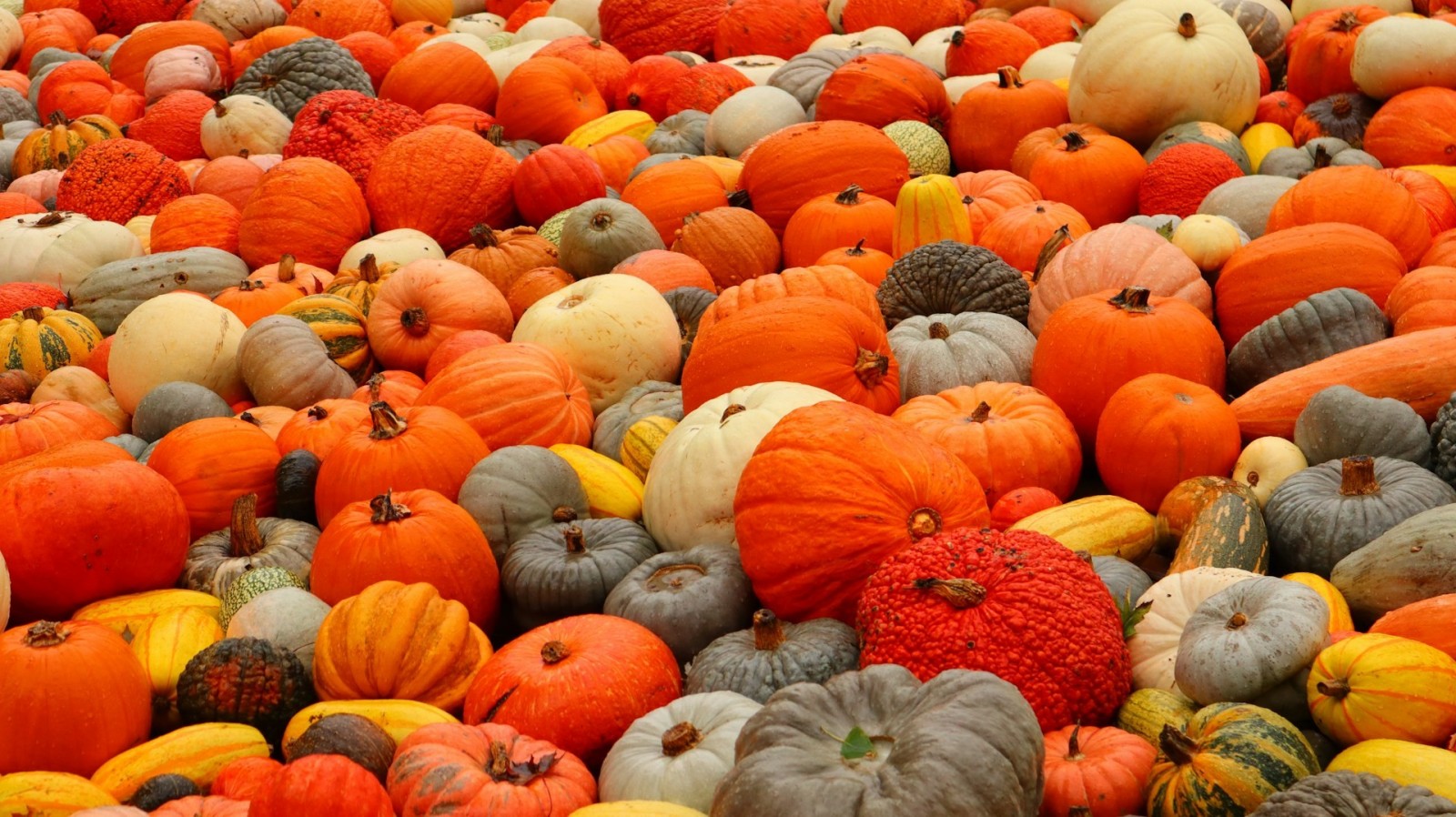
11. Pumpkin exhibition (Kürbisausstellung) – August – November
Large seasonal exhibition in the garden complex Bluchendes Barok. From pumpkins, large-scale decorative compositions are created on a certain topic. The event is especially popular with families with children.
12. Venetian Fair of Ludwigsburg (Venezianische Messe) - September
One of the most unusual events of the city. The historical center turns into a kind of Venice of the XVIII century: participants put on masks and luxurious costumes, stage and musical performances, processions, circus performances and art events. The holiday is held every two years.
13. Ludwigsburger Antikmeile (September)
On the streets of the historic center there are numerous shopping places with antiques, art objects, collectibles and antique items.
14. Luminous Dream Trails (Leuchtende Traumpfade) – October – December
Autumn-winter lighting event with decorative illumination, light installations and evening walking routes.
15. Ludwigsburger Wort Welten Literature Festival - November
Literary festival with readings, meetings with authors, theatrical and musical literary programs.
16. Ludwigsburg Barock-Weihnachtsmarkt (late November – December)
The main winter festival of the city takes place on the Market Square. More than 150 festively decorated shopping stalls are installed here, musical performances are held, souvenirs, sweets, hot drinks and traditional Christmas products are sold.
17. Concerts and music programs - all year round
In addition to major festivals, Ludwigsburg regularly hosts concerts in Forum am Schlosspark, Musikhalle, Scala and other venues. In the poster there are classical music, rock, pop, jazz, chamber performances and various shows.
1. Winter
In winter it is usually cool, cloudy and humid. During the day, the air temperature is often about 2-6 ° C, at night it can drop to -2-2 ° C. Snow is possible, but sustained snow cover is not always possible.
The temperature of water in open water bodies is usually about 2-6 ° C, so swimming at this time is not suitable.
2. spring
March: about 8–11 °C during the day and 1–4 °C at night, water – about 5–8 °C.
April: about 13–17 °C during the day and 4–7 °C at night, water – 8–12 °C.
May: about 18–21 °C during the day and 8–11 °C at night, water – 13–17 °C.
Spring is suitable for walking around the center, visiting palaces and parks. In May, the weather is warm enough for long excursions in the open air.
3. Summer.
Summer is usually warm, but severe heat is not constant. During the day, the air temperature is approximately 22-26 ° C, at night - 12-16 ° C. In some hot periods, the temperature can rise above 30 ° C.
The water temperature in lakes and other suitable water bodies in summer can reach about 19-23 ° C.
June, July and August are especially convenient for walking around the palace parks, visiting festivals, concerts and open-air events.
4. autumn
September: about 18–21 °C during the day and 9–12 °C at night, water – 17–20 °C.
October: about 13–16 °C during the day and 5–8 °C at night, water – 12–16 °C.
November: about 7–10 °C during the day and 2–5 °C at night, water – 7–11 °C.
The beginning of autumn remains comfortable for excursions, and in October the city parks and palace gardens are especially beautiful due to the autumn foliage.
1. Language of communication
The main language is German. In hotels, restaurants, shops, museums and tourist spots, it is often possible to explain in English, especially with young employees.
It is useful to start the conversation with the German greeting: Guten Tag - "Good day" or Hallo - "Hello". When addressing strangers, it is customary to use the polite Sie form.
2. Politeness and rules of communication
In Germany, great importance is attached to courtesy, punctuality and respect for personal space.
When entering a small shop, hotel or cafe, it is appropriate to say hello. In queues, it is customary to wait for your turn and not try to go ahead.
In business and official communication, it is better to contact the person on “You”, until he himself offers to switch to a more informal appeal.
3. Punctuality
Delays in Germany are usually perceived negatively. For excursions, excursion programs, meetings and reservations, it is advisable to come in advance.
If the delay is inevitable, it is better to warn the receiving party in advance.
4. Conduct in public places
In Germany, it is customary to respect the tranquility of others. Do not talk loudly in public transport, turn on music without headphones or make noise in the late evening.
Particular attention should be paid to the rules of silence in residential areas. Sunday in many places is perceived as a quiet day, so some shops and businesses can be closed.
5. Cyclists and pedestrians
Ludwigsburg is convenient for cycling, so you need to be careful about the bike paths. Do not unexpectedly go to the designated cycle lane or walk on it without need.
At the crossings, it is necessary to observe traffic rules and pay attention to traffic light signals.
6. Alcohol and smoking
Alcohol consumption is regulated by age restrictions and the rules of specific establishments. You cannot be in a public place in a state that leads to disorder.
Smoking is prohibited in many enclosed public spaces, including public transport and most restaurants and cafes. In some places there are designated areas for smoking.
7. Garbage and waste sorting
In Germany, separate sorting of garbage is widespread. Hotels and apartments can have separate containers for different types of waste.
Garbage should not be left on the streets, in parks or near attractions. Fines may apply for violation of local rules.
8. Photo and video recording
In museums, palaces and exhibitions, it is necessary to pay attention to the rules of a particular object. Sometimes flash photography or video shooting is prohibited.
Do not take close-up photos of people without their consent, especially if the photo is intended for publication.
9. Visiting churches
When visiting churches and other religious buildings, silence should be observed and worship services should be respected. Clothing should be neat and fit the place.
During the service, it is better not to talk or interfere with parishioners.
10. Payment and tip
In Germany, bank cards and contactless payment are widely used, but a small amount of cash is still desirable to carry.
In restaurants and cafes, tips are usually about 5-10% if you like the service. Tipping is not mandatory in each case.
11. Rules on public transport
The ticket must be purchased and, if necessary, composted before the start of the trip. Control can be carried out without warning.
Do not occupy several seats with luggage, talk loudly or interfere with passengers. Elderly people, passengers with children and people with limited mobility are accepted to give up their seats.
12. Documents
During the trip it is necessary to have a valid identity document. Foreign tourists must also comply with the conditions of entry and stay in Germany.
Passports and other important documents should be stored in a safe place, and electronic or paper copies should be kept separately.
13. Money and shopping
In Germany, the euro is used. In shops, cafes and restaurants, you must pay for purchases in the prescribed manner and save checks if you need to return the goods.
In small establishments and markets, you may prefer cash, so you should not rely entirely on a bank card.
14. Compliance with local regulations
The tourist should comply with German and local regulations regarding parking, traffic, public order, waste management and use of public spaces.
Special attention should be paid to signs and signs: in Germany, many restrictions are marked directly on the spot and apply to all visitors.
1. Greetings and polite expressions
Guten Morgen! Transcription: Guten Morgen!
Guten Tag! - Good afternoon! Transcription: Guten tag!
Guten Abend! - Good evening! Transcription: Guten Abent!
Hallo! - Hello there! Transcription: Hallo!
Auf Wiedersehen! - Goodbye! Transcription: Auf Viderzeen!
Bitte. - Please. Transcription: Bitte.
Danke. - Thank you. Transcription: Danke.
Vielen Dank! - Thank you very much!Transcription: Filen Dunk!
Entschuldigung! Transcription: Entschuldigung!
Kein Problem. - No problem. Transcription: Kane problems.
Ja/Nein. - Yes/No. Transcription: Me/Nine.
2. If you don't understand German well
Sprechen Sie Englisch? - Do you speak English? Transcription: Sprahan zi English?
Ich spreche nur ein bisschen Deutsch. I only speak German a little bit. Transcription: Their shprahe noor ain bishan deutsch.
Ich verstehe nicht. - I don't understand. Transcription: They're good.
Können Sie das bitte wiederholen? - Can you repeat it, please? Transcription: Kenen zi das bitte viderholen?
Sprechen Sie bitte langsamer. - Speak more slowly, please. Transcription: Sprahan zi bitte langzamer.
Können Sie mir helfen? - Can you help me? Transcription: Kyonen zi world Helfeng?
3. Orientation in the city
Wo ist das Stadtzentrum? - Where is the city center? Transcription: East das statecentrum?
Wo ist der Bahnhof? - Where's the station? Transcription: East Der Banhof?
Wo ist die Bushaltestelle? - Where's the bus stop? Transcription: In the East di Buschaltestall?
Wie komme ich zum Residenzschloss? How to get to Ludwigsburg Residence? Transcription: What do you think?
Ist es weit? - Is that far? Transcription: East S. White?
Kann ich zu Fuß gehen? - Can I walk there? Transcription: Can their tsu fus geien?
Links / Rechts / Geradeaus. - Left/Right/Right.Transcription: Lynx/Rachts/Geradeaus.
Wie lange dauert der Weg? - How long does the road take? Transcription: Wee langue dowert der veg?
4. Transportation.
Eine Fahrkarte nach Ludwigsburg, bitte. - One ticket to Ludwigsburg, please. Transcription: Aine Farkarte nah Ludwigsburg, bitte.
Wie viel kostet die Fahrkarte? - How much is the ticket? Transcription: V. Fil Costa di Farkarte?
Wo kann ich ein Ticket kaufen? - Where can I buy a ticket? Transcription: Do you think they're Ain Ticket Kaufen?
Wann fährt der nächste Bus? - When does the next bus leave? Transcription: Van Firth der Nexte boos?
Fährt dieser Bus zum Schloss? - Is this bus going to the palace? Transcription: Firth Dieser Bus Tsum Schloss?
Wo muss ich aussteigen? - Where do I need to get out? Transcription: Mouse their Austeigen?
5. At the hotel.
Ich habe eine Reservierung. - I have a reservation. Transcription: Their habe aine reservirung.
Ich möchte einchecken. - I want to register. Transcription: Their mehte ainchaken.
Auf welchen Namen? - What name? Transcription: Auf velhen namen?
Ist das Frühstück inklusive? - Breakfast included? Transcription: East das frustyuk inclusive?
Wann gibt es Frühstück? - When is breakfast served? Transcription: Van Gybt es Frustyuk?
Wo ist mein Zimmer? - Where's my number? Transcription: East Main Cimmer?
Können Sie mir bitte helfen? - Can you help me? Transcription: Kyonen zi world bitte helfeng?
Ich möchte auschecken. - I want to move out. Transcription: Their mehte auschaken.
1. Local food and food
Maultaschen is one of the most famous dishes of Swabia. These are large products made of dough with stuffing from meat, spinach, onions and other ingredients. In fresh form, it is better to try them on the spot, and you can take a packaged version with a long shelf life home.
Spätzle is a traditional Swabian noodle that can be bought dry and cooked at home.
Swabian sausages and meat delicacies are regional sausages, smoked and pate. For transportation, it is better to choose factory-packaged products and take into account the rules of import into the destination country in advance.
Honey is a good edible souvenir, especially locally produced. You can choose floral, forest or herbal honey.
Regional sweets and chocolates are a convenient option for a small gift. You can choose candy, chocolate products, cookies and seasonal sweets.
2. Wine and drinks
The surroundings of Ludwigsburg belong to the wine region of Württemberg, so an interesting gift can be a bottle of local wine. Especially characteristic are red varieties, including Trollinger and Lemberger, as well as white wines.
You can also bring fruit juices, syrups and soft drinks of regional production.
3. Herbal and health products
In German pharmacies and health food stores, you can find a large selection of herbal teas, herbal collections, bath salts, natural creams and skin care products.
Practical options:
herbal teas;
chamomile, mint and other herbal fees;
natural creams and ointments for skin care;
bath aids;
vegetable cosmetic oils;
natural soap.
Such products are better viewed as care products and traditional health products, rather than as medicines for the treatment of diseases.
4. Souvenirs with Ludwigsburg symbols
A good memorable gift will be items depicting the Ludwigsburg Residence, the Favorite Palace, Bluchendes Barok or the historic center.
You can choose:
postcards;
magnets;
keychains;
cups;
decorative plates;
small figures of the palace;
calendars with city views;
Books and albums about the architecture of Ludwigsburg.
5. Baroque souvenirs
Since Ludwigsburg is particularly known for its Baroque heritage, decorative items in the appropriate style are interesting: small figurines, jewelry, ornaments and reproductions of historical images.
6. Souvenirs from the Bluchendes Barok Gardens
The themed gifts associated with the palace gardens convey the character of the city. These can be seeds of ornamental plants, garden accessories, small objects depicting flowers and souvenirs dedicated to the famous palace garden.
When buying seeds and plants for export, it is necessary to take into account the phytosanitary rules of the country where the tourist returns.
7. Ceramics and handicrafts
Ludwigsburg has a long tradition of producing porcelain and ceramics. Therefore, an interesting gift can be porcelain cups, small plates, decorative figures and other ceramic products.
This is one option for a more original souvenir that can be used at home rather than simply stored as a memorabilia.
1. Documents required
To travel, you must have a valid passport or other document entitling you to enter Germany. Citizens of countries requiring a Schengen visa will need a valid visa.
For visa-free entry, Germany specifies that the passport must have been issued no more than 10 years ago and remain valid for at least 3 months after the intended date of departure from Germany. In some cases, the border may be asked to confirm the purpose of the trip, the availability of funds for stay and return.
It is advisable to carry copies of your passport, visa and other important documents, and keep the originals separately from your luggage.
2. Health insurance
For tourists it is recommended to obtain medical insurance for the entire period of the trip. It is desirable that it covers not only treatment abroad, but also medical transportation or return to the homeland if necessary.
If a Schengen visa is required for travel, health insurance must be valid throughout the Schengen area and for the duration of stay; for a visa, the minimum insurance amount is 30,000 euros.
3. Emergency phones
112 is a single emergency number: ambulance and fire service.
110, police.
Rooms are available throughout Germany, including in Ludwigsburg.
When applying, it is advisable to provide the address or the most accurate location, the nature of the incident and the number of people who need help.
4. Medical assistance
For non-urgent problems, you can consult a doctor or a pharmacy. In Germany, there is also a medical service on duty medical care 116117.
If there is an immediate life-threatening, serious injury or other serious condition, call 112.
5. Mobile communications
The main mobile operators operate in Germany:
Telekom;
Vodafone;
O2 (Telefónica);
1&1.
For a short tourist trip, it is usually enough to roam its operator if the tariff provides for the use of communications in Germany. You can also purchase a local SIM card or eSIM.
Before traveling, it is advisable to check the cost of mobile Internet and calls, especially if the tourist comes from a country that is not part of the EU / EEA.
6. Security of personal data
In tourist places, at the train station and in public transport should be monitored bag, phone, wallet and documents.
Do not leave valuables unattended in the car or open bags. Passports and large amounts of money should not be carried in one place.
7. Road safety
When crossing streets, it is necessary to observe traffic lights and use pedestrian crossings. Special attention should be paid to bike lanes: in Germany, cyclists actively use separate lanes and tracks.
If you hire a car, you must comply with German traffic rules, speed limits and parking rules.
8. Safety in the evening
The central districts of Ludwigsburg are usually convenient for evening walks, but late in the evening you should still stick to the illuminated streets and not leave your personal belongings unattended.
If there is a conflict or threat, it is better not to engage in a dispute, but to contact the police on 110.
9. How many tourists can stay in Germany
For third-country nationals who are allowed short-term visa-free entry or who hold a regular Schengen visa, the standard limit is up to 90 days in any period of 180 days throughout the Schengen area, not just in Germany.
This means that days spent before or after Germany in other Schengen countries are also counted.
For stays over 90 days, such as work, study or long-term residence, other rules apply and an appropriate national status or visa is usually required.
EU/EEA and Swiss citizens enjoy different residence rules and are not subject to the standard 90/180 travel restriction as ordinary third-country nationals.
Create a query and local guides will offer you the best options

