Independent tourism and recreation in the city of Paderborn Historical information about the city of Paderborn...
Ancient settlements
The history of the territory of modern Paderborn began long before the appearance of the city itself. Thanks to the numerous springs of the Pader River, favorable conditions for human settlement existed here. The springs gave constant access to fresh water, and the surrounding land was suitable for agriculture and cattle breeding.
Of particular importance was the location of several waterways. The Pader River, which originates directly in the center of the modern city, flows into Lippe near Paderborn. Numerous sources became one of the reasons for the emergence of a permanent settlement here.
Archaeological finds confirm the existence of settlements in this area in the Stone Age. However, the real historical fame of Paderborn begins in the early Middle Ages.
777 - First historical mention
The turning point was 777, when the Frankish king Charlemagne organized in Paderborn the first Frankish imperial assembly in Saxon territory.
At this time, Charlemagne waged long wars with the Saxons and sought to subjugate Saxony to the Frankish state. Paderborn was an important point on the border of Frankish and Saxon lands.
Charlemagne built a palace complex near the Pader springs. In documents of the time, the settlement is referred to as Padresbrunnun, which is associated with the sources of the Pader River. During the meeting, a large church was also consecrated here - the predecessor of the current Paderborn Cathedral.
The year 777 is considered the starting point of Paderborn’s documented history.
799 – Meeting of Charlemagne and Pope Leo III
Even more important was the meeting of Charlemagne with Pope Leo III in 799.
The pope arrived in Paderborn after a difficult political situation in Rome. Negotiations with Charlemagne were of great importance for the future of European politics.
It is assumed that during the meeting, the issues of the protection of the pope and his return to Rome, as well as the future coronation of Charlemagne by the emperor, were discussed. In 800, Charlemagne was crowned emperor in Rome.
Therefore, Paderborn was directly connected with one of the most important events in European history - the formation of the medieval imperial tradition of Western Europe.
For the modern tourist, the memory of this era is preserved primarily in the Kaiserpfalz, a reconstructed imperial palace and museum complex.
The Emergence of the Bishopric
At the beginning of the ninth century Paderborn finally turned into an important religious center.
In 806, Hatumar became the first bishop of Paderborn. The establishment of the bishopric was the most important stage in the Christianization of the region. The city gradually transformed from a military and political center of the Franks into a religious center of Saxony and Westphalia.
The ecclesiastical significance of Paderborn will only grow later.
836 – Appearance of Saint Liberia
One of the most important events in the history of the city was the transfer in 836 of the relics of St. Liborius from the French Le Mans to Paderborn.
Liberia became the patron saint of the city and diocese. His cult played a huge role in shaping Paderborn’s religious and cultural identity.
It is especially interesting that the agreement on a prayer union between the churches of Le Mans and Paderborn, which arose in connection with the transfer of relics, is today considered the oldest operating urban twinning in Europe.
It is from this tradition that one of the most famous holidays of the city – Libori, which annually attracts a large number of residents and tourists, grew.
XI century - the era of Bishop Meinwerk
The real "second founder" of Paderborn is considered to be Bishop Meinwerk, who occupied the pulpit since 1009.
Under him, the city experienced a real construction boom. Minwerk organized the construction and reconstruction of a whole complex of religious and administrative buildings.
During this period, there were or were significantly rebuilt:
Paderborn Cathedral;
Abdinghof monastery;
Busdorf monastery;
Chapel of St Bartholomew;
episcopal palace;
large royal hall;
other church buildings.
Minwerk turned Paderborn into one of the most important religious centers in the region. Many buildings and architectural traditions formed during this era determined the appearance of the historical center of the city for the following centuries.
Formation of the medieval city
By around the year 1000, Paderborn was granted city rights.
Gradually, a real medieval city was formed around the religious and imperial center. Trade and crafts developed, the population increased.
In the XII-XIII centuries, the city was surrounded by powerful defensive structures. Around 1140, a city wall was built, which covered an area of about 66 hectares. There were five main gates in it. Some of the medieval defensive structures have survived to the present day.
The struggle of the city for independence
Paderborn's medieval history was marked by a constant confrontation between city dwellers and bishops who simultaneously wielded political power.
In 1222, the conflict escalated so much that the townspeople closed the city gates in front of their bishop Bernhard III von Osede.
Although the attempt to achieve full independence failed, the citizens gradually gained more rights.
In the fourteenth century, episcopal authority over the city became largely formal, and in 1370 Bishop Henry III finally moved his residence to the castle of Neuhaus.
Paderborn and the Hanseatic League
Paderborn was associated with the Hanseatic League.
The first documented mention of the city as a member of the Hanseatic League dates back to 1295, although the city's full participation in the Hanseatic League dates back to a later period. In 1430, Paderborn was officially admitted to the union and remained associated with it until the almost complete disappearance of the Hanseatic League in the seventeenth century.
Trade relations contributed to the development of crafts, trade and urban economy.
Today, the memory of this period is part of the historical image of Paderborn as the old trading city of Westphalia.
XVI century - Reformation
The sixteenth century brought serious religious conflicts to Paderborn.
The Reformation led to the spread of Protestantism, and a significant part of the city's population began to adhere to Protestant views.
However, the Paderborn Episcopate sought to preserve the Catholic tradition. At the end of the XVI century began an active Counter-Reformation.
In the 1590s, Jesuits were invited to the city. The Catholic Church gradually regained its dominant position.
These events greatly influenced the architecture and culture of the city, and Paderborn in the following centuries became one of the important centers of Catholicism in Westphalia.
1604 – Battle of Paderborn
One of the most dramatic events of urban history was the struggle of 1604.
The urban Protestant opposition sought to return Paderborn to greater independence and to defend the medieval rights of urban self-government.
Bishop Dietrich von Furstenberg decided to suppress the resistance. As a result, the city was occupied by the bishop's troops, and Protestant opposition leader Liborius Wihart was executed.
After these events, Paderborn finally lost much of his independence.
Thirty Years' War
Paderborn suffered greatly during the Thirty Years' War of 1618–1648.
The city was repeatedly subjected to sieges, looting and military destruction.
Especially famous was the attack of the troops of Christian of Brunswick in 1622. The property of the city was looted, and the famous cancer of St. Liberia was melted down.
The relics of St. Liborius were not recovered until 1650.
The war caused enormous damage to Paderborn's population and economy.
University and education development
The most important event was the creation in 1614 of the Theological University of Paderborn.
It was the first university of its kind in Westphalia and an important factor in the city’s transformation into an educational and intellectual centre.
The educational tradition later became one of the most important features of the city and continued in its modern form thanks to the University of Paderborn.
Paderborn in the Baroque Age
After the turmoil of the XVII century, the city was gradually restored.
Bishops and church institutions began large-scale construction. Baroque buildings, churches and palaces appeared in the city.
Bishop Ferdinand von Furstenberg made a particularly notable contribution. Thanks to the construction projects of the second half of the XVII century, Paderborn acquired a significant part of its Baroque architectural appearance.
Today, traces of this era can be seen in churches, former monastic buildings and palace structures.
Paderborn Town Hall
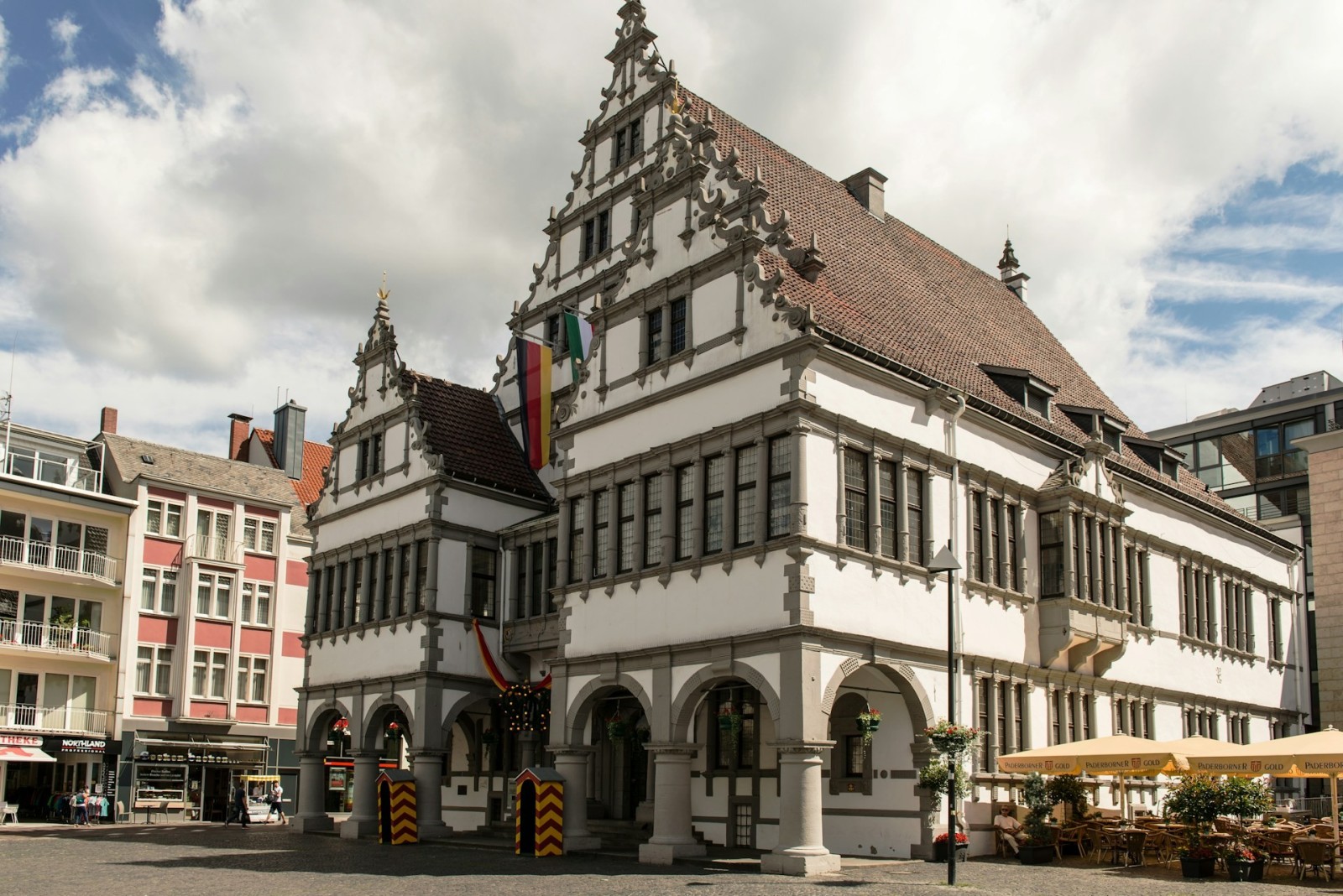
One of the symbols of the city was the town hall in the style of the Weser Renaissance.
The modern building was built in 1613-1615 by order of Bishop Dietrich von Furstenberg.
The Town Hall became one of the most expressive buildings of the historical center of Paderborn. However, during the Second World War, it was almost completely destroyed and restored after the war.
Today it is one of the main architectural symbols of the city.
1802 - End of Principality-Bishopric
At the beginning of the XIX century, the centuries-old church and political history of Paderborn came to an end.
In 1802, the Paderborn Principality-bishopric was secularized and came under the rule of Prussia.
For a short time, the territory was connected with the French kingdom of Westphalia during the Napoleonic era, and after the fall of Napoleon, Paderborn finally became part of Prussia as part of the province of Westphalia.
Thus, Paderborn gradually ceased to be an independent church state and became part of a large European state.
The discovery of morphine
There is in the history of Paderborn and an event that had an impact far beyond the city.
In 1803, the pharmacist Friedrich Wilhelm Adam Sertürner, who worked at Schloss Neuhaus, isolated a substance from opium, which later became known as morphine.
This was an important event in the history of pharmacology and medicine.
Today, Surturner is considered one of the most famous scientists associated with the history of Paderborn.
XIX century – railways and industrial development
In the XIX century, Paderborn began to gradually turn into a modern city.
Of particular importance was the connection of the city to the railway network in 1850.
The railway accelerated the development of trade, industry and the movement of people. The city gained closer ties with other centres of Westphalia and Germany.
The population increased rapidly: if about a hundred years before in Paderborn lived about 5 thousand people, by the end of the XIX century — about 23.5 thousand.
Paderborn in the early twentieth century
In the early XX century, the city continued to develop as an administrative, commercial, religious and educational center.
In 1930, the diocese of Paderborn was transformed into an archdiocese, further strengthening the religious importance of the city.
However, further development was interrupted by National Socialism and World War II.
World War II
The heaviest page in Paderborn’s modern history is connected with World War II.
In 1945, the city was heavily bombed.
The historic center was almost destroyed: according to the city, about 85% of Paderborn was destroyed.
Residential neighborhoods, churches, administrative buildings and historic buildings were destroyed or seriously damaged.
For Paderborn, it was a huge cultural and demographic disaster.
Post-war reconstruction
After 1945, a large-scale reconstruction began.
The city faced a difficult question: to fully create a modern city or restore the historical appearance.
As a result, Paderborn took a mixed path. Part of the historic buildings were restored as close as possible to the original, and modern buildings appeared nearby.
Thanks to this, today in the center you can see a kind of combination of medieval, Renaissance, Baroque and modern architecture.
This is especially noticeable on the square with the town hall, near the cathedral and in the area of the former imperial palace.
Paderborn becomes a university town
The next important stage was the development of modern education.
In 1972, the University of Paderborn was founded.
This has significantly changed the urban atmosphere. Paderborn began to transform not only into a historical and religious center, but also into a modern university city associated with engineering, information technology and scientific research.
Today, the university is an important part of the economic and cultural life of the city.
1975 - becoming a major city
As a result of an administrative reform in 1975, Paderborn became a major city.
By that time, the population had exceeded 100,000 people. The city included several surrounding settlements and districts.
This greatly expanded the area of Paderborn and formed the modern structure of the city.
Modern Paderborn
In the late twentieth and early twenty-first centuries, Paderborn continued to develop as the university, technological and economic center of East Westphalia.
The city has not abandoned its historical heritage.
Great attention is paid to:
preservation of the Paderborn Cathedral;
Kaiserfalz;
Medieval and Renaissance buildings;
Pader's sources;
Neuhaus castle;
museums;
religious heritage;
cultural events.
Paderborn also actively uses its historical heritage for tourism development. In the historic center there are more than 20 historical buildings, and the springs of Pader directly surface in the city.
Paderborn today
Today, Paderborn is an unusual combination of an ancient city and a modern technological center.
On the one hand, a tourist can literally walk in a few hours to the places associated with Charlemagne, see the medieval cathedral, the imperial palace, the ancient town hall and the springs of Pader.
On the other hand, it is a modern university city with a developed IT sphere, scientific institutions, modern architecture and an active cultural life.
It is this combination that makes Paderborn an interesting travel destination: here the history of Europe is not separated from modern urban life, but is preserved directly in the structure of the modern city. The official tourist portal also highlights the combination of more than 1,200 years of history, university life, architecture and natural attractions of the city.
The historic center and atmosphere of the old city
The main reason to visit Paderborn is its compact historical center. During the walk, you can literally see monuments of different eras in a few hours: from the early Middle Ages to the Weser Renaissance and Baroque.
In the center are the Paderborner Dom, the Town Hall, the Imperial Palace, ancient churches, half-timbered houses and other historic buildings. In total, in the central part of the city there are more than 20 historical buildings.
It is especially interesting that many attractions are at a short distance from each other. Therefore, Paderborn is well suited for walking for a day or a leisurely weekend.
paderborne cathedral
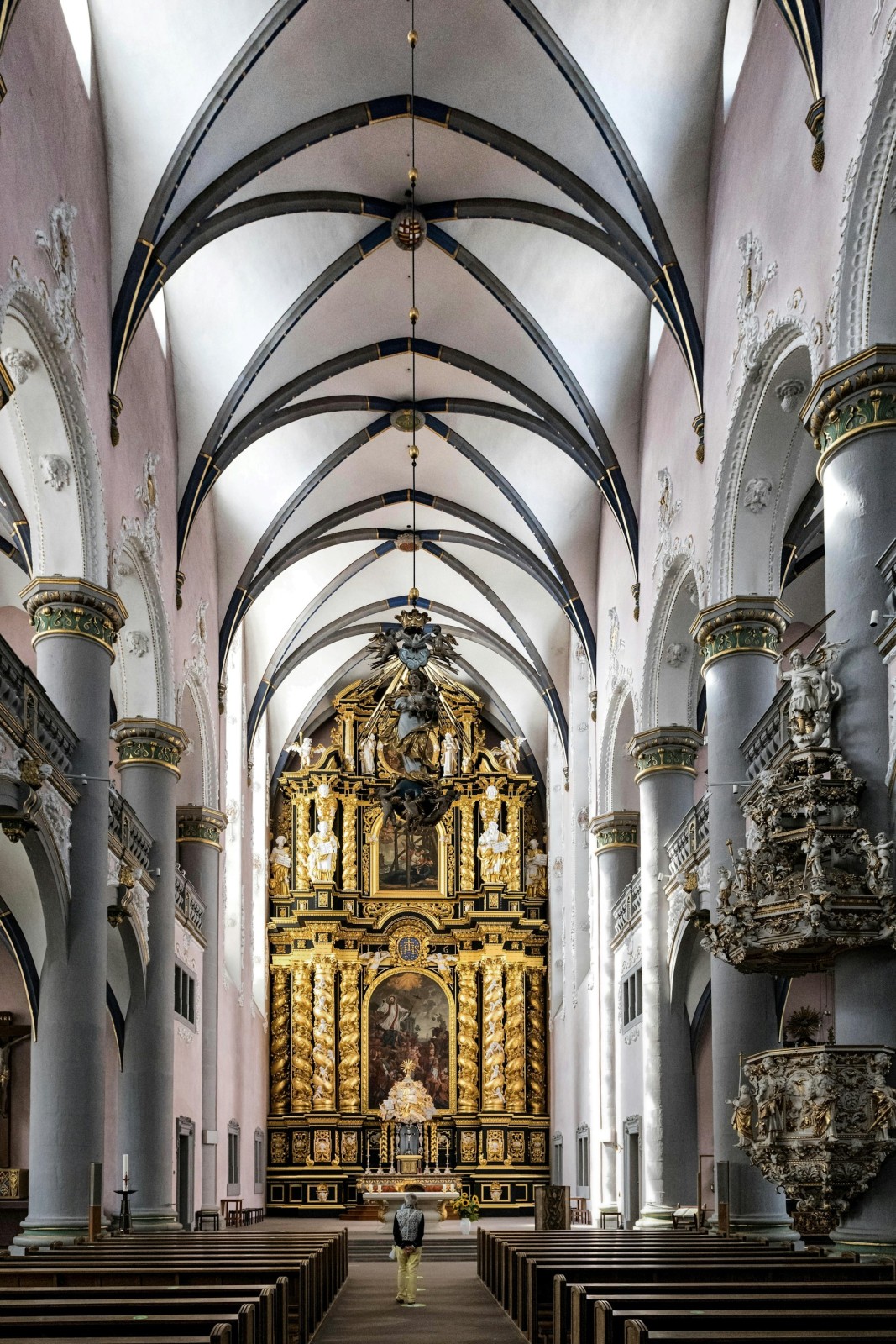
Paderborn Cathedral is the main symbol of the city and one of its most important historical sights.
The cathedral is associated with the centuries-old history of the Paderborn bishopric and the cult of St. Liborius. Its architecture combines Romanesque and Gothic elements, and inside are numerous works of art and historical monuments.
Especially famous is the “Window of the Three Hares” (Dreihasenfenster), an unusual medieval symbol of Paderborn. Three hares form a composition in which each animal has only one visible ear, but together three ears.
Imperial Palace and the legacy of Charlemagne
Kaiserfalz Paderborn is one of the main reasons to come to the city for history lovers.
Paderborn is closely associated with Charlemagne, who held imperial meetings here. Next to the reconstructed imperial palace you can see the remains of the earlier palace of Charlemagne.
A visit to Kaiserfalz allows you to imagine what Paderborn was like during the formation of medieval Europe. This is a particularly interesting place for those interested in the history of Germany, the Frankish state and the European Middle Ages.
Pader springs - an unusual natural attraction
One of the most unusual features of the city is Paderquellen.
More than 200 springs of the Pader River are located directly in the city center. It is here that the Pader River begins, which the official tourist portal calls the shortest river in Germany.
For a tourist, this is especially pleasant: after visiting the cathedral and ancient buildings, you can literally find yourself near the water in a few minutes, among trees, bridges and small green areas.
This is one of the best places in the city for a quiet walk, photos and relaxation.
Old streets and half-timbered houses
Paderborn is interesting not only for large monuments.
On the small streets of the historical center, half-timbered houses, ancient facades, squares, small cafes and restaurants have been preserved. It is here that the atmosphere of the old German city is best felt.
The combination of restored historical architecture with modern urban life is particularly interesting. After the destruction of World War II, a significant part of Paderborn was restored, so the modern appearance of the center is a kind of combination of historical reconstructions and newer architecture.
Paderborn Town Hall
Paderborn Town Hall is one of the most recognizable architectural objects of the city.
The building is made in the style of the Weser Renaissance and is located in the very center.
The town hall looks especially good together with the surrounding historical development of the square. It is convenient to include in the pedestrian route along with the Cathedral, Kaiserfalz and Paderkwellen.
St Bartholomew's Chapel
Another interesting historical landmark is Bartholomäuskapelle.
It was built in 1017 and is considered one of the oldest surviving hall churches in Germany. The chapel is especially famous for its unusual acoustics.
It’s a small structure that’s easy to miss on your own, but it’s especially interesting for tourists who want to see the city’s less obvious historical sites.
Neuhaus Castle
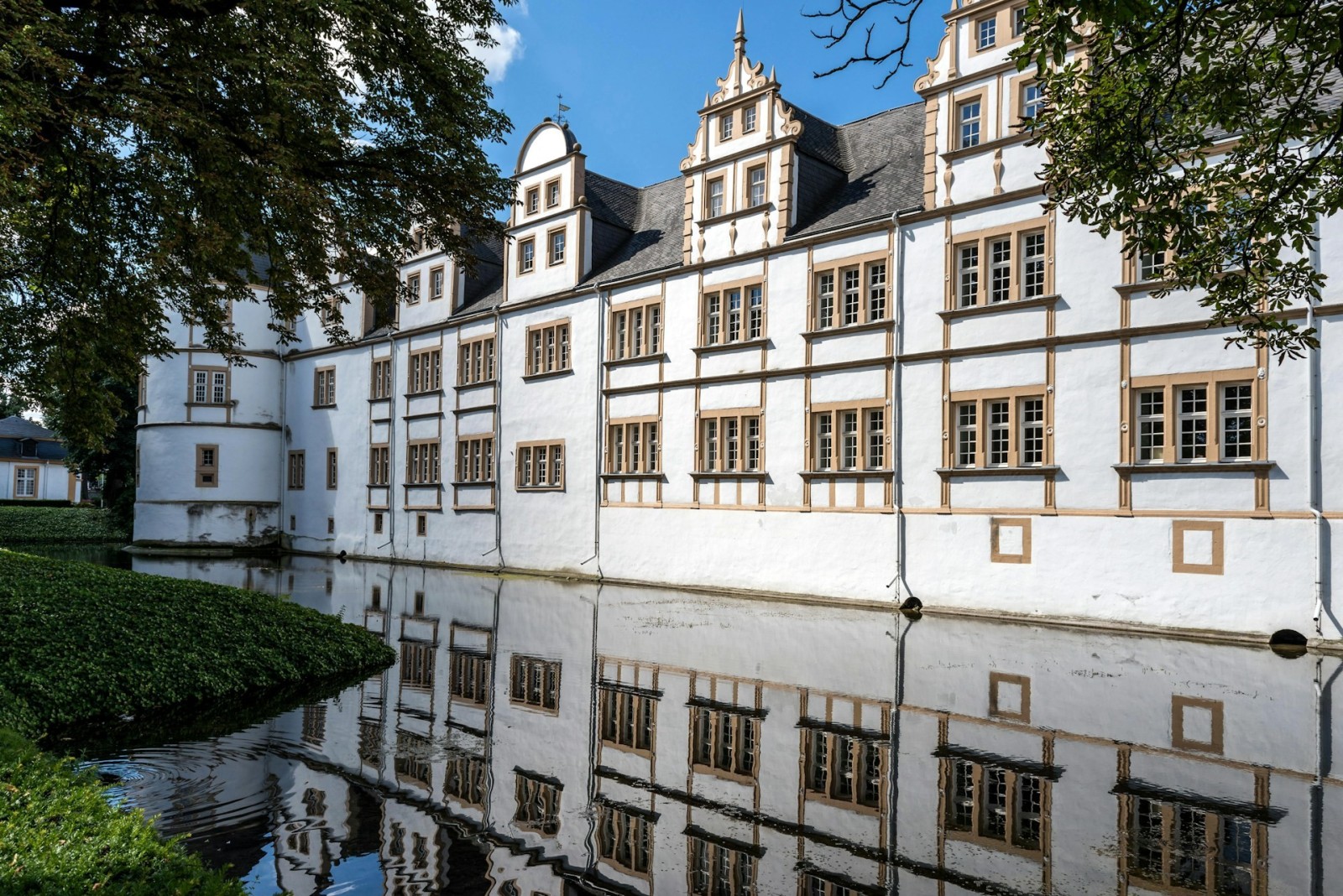
Neuhaus Castle is located somewhat away from the historical center of Paderborn.
The castle is surrounded by a park and green areas, so it is worth going here for those who want to combine architectural inspection with a walk in nature.
Schloss-Neuhaus is also home to Schloß- und Auenpark, a large green area with walking and cycling routes. The official tourist portal recommends the area for walking and cycling.
1. Hotels 4 stars
Four-star Paderborn hotels are suitable for tourists who prefer a high level of comfort, quality service, spacious rooms, restaurants, fitness areas and additional services.
Best Western Plus Arosa Hotel is one of the most famous hotels in the city, located near the historic center. Suitable for both tourist and business trips.
Welcome Hotel Paderborn is a modern hotel near the Pader River. The hotel has a restaurant, sauna and fitness area. A good option for relaxing and exploring the city.
Hotel Vivendi is a modern four-star hotel with spacious rooms, a fitness area and a sauna. Especially convenient for business trips and long stays.
Waldhotel Nachtigall is a hotel in the Schloss Neuhaus district, characterized by a more relaxed atmosphere and location next to green areas.
2. Hotels 3 stars
Three-star hotels are one of the most practical options for tourists. They usually offer a separate bathroom, Wi-Fi, breakfast and a standard set of hotel services.
Hotel Aspethera is a convenient option close to the historic center and Paderborn Cathedral. Suitable for tourists who want to explore the main attractions on foot.
Arthotel ANA Fleur is a hotel with interesting design and convenient location near the center. Suitable for individual travelers and couples.
Hotel Zur Muehle is a small hotel option with a more relaxed atmosphere. It is suitable for tourists who prefer small hotels to large chain hotels.
IntercityHotel Paderborn is a convenient option for travelers arriving by train, as it is close to the train station.
3. Budget hotels
Budget hotels of Paderborn are suitable for tourists, for whom the location and affordable price are more important than the availability of a large number of additional services.
B&B Hotel Paderborn is a practical option for a short trip and overnight stay. It is especially convenient for independent travelers.
ibis Paderborn City is an economical chain hotel in the central part of the city. Suitable for tourist and business trips for several days.
Road House Hotel is an option next to the A33 motorway. Especially convenient for motorists and those who use Paderborn as an intermediate stop.
Süd-Hotel is a simple hotel option in the southern part of the city, suitable for economical living.
4. Hostels and youth hotels
DJH Jugendherberge Paderborn is a youth hostel aimed at students, youth, independent tourists and groups. Accommodation here is usually cheaper than a separate hotel room, especially when choosing a multi-bed room.
Hostels are suitable for those who spend most of their time in the city and use their accommodation mainly for overnight stays. At the same time, in such places there are often shared kitchens, rest rooms and other rooms for guests.
5. Aparthotels and apartments
Aparthotels and apartments are suitable for tourists who plan to stay in Paderborn for several days or weeks. The main advantage is the presence of a kitchen or kitchen area, so you can cook your own food.
Aparthotel Paderborn is an option for long stays and independent travelers. This format is especially convenient for families and tourists who need more space than a regular hotel room.
In addition to apart-hotels, in Paderborn you can rent separate apartments and apartments daily or for a longer period.
1. Paderborne Cathedral (Paderborner Dom)
Paderborn Cathedral is the main architectural symbol of the city and one of its most significant historical sights. The modern building mainly dates back to the XIII century and combines Romanesque and Gothic elements. Especially famous is the high 93-meter tower, the crypt with the relics of St. Liborius and the famous “Window of the Three Rabbits” (Drei-Hasen-Fenster) in the monastery courtyard.
Transport accessibility: the cathedral is located directly in the historical center, so it is most convenient to walk from the central squares. The nearest bus stops are in Rathausplatz and Westerntor. From the main train station Paderborn to the center can be reached by city bus or walk.
2. Historic Paderborn Town Hall (Historisches Rathaus Paderborn)
The historic town hall is one of the most recognizable buildings in the city and a fine example of Weser Renaissance architecture. It was built between 1613 and 1620 and features an ornate facade with three pediments. There is a historic fountain in front of the building.
Transport accessibility: located on Rathausplatz in the heart of the city. The town hall is easy to walk from the cathedral, Paderkwellen and other Old Town facilities. PaderSprinter buses pass to the Rathausplatz stop, in particular lines 1, 2, 3, 4, 7 and 8.
3. Paderkwellen - the origins of the Pader River (Paderquellen)
Paderkwellen is a natural landmark right in the center of Paderborn. There are more than 200 springs, from which the Pader River begins - one of the shortest rivers in Germany. The area around the springs has been turned into a green area for walking and recreation.
Transport accessibility: The spring area is close to the Old Town. It is most convenient to come on foot from the cathedral or Rathausplatz. You can take the bus to Rathausplatz by lines 1, 2, 3, 4, 7 and 8, after which you can walk for a few minutes. For motorists convenient parking Maspernplatz on the outskirts of the central part of the city.
4. The House of Adam and Eve (Adam-und-Eva-Haus)
Adam und Eva Haus is one of Paderborn’s most interesting historic half-timbered houses. The building belongs to the middle of the XVI century and is considered the oldest and best preserved half-timbered house of the city. Its facade is decorated with characteristic carvings and paintings.
Transport accessibility: the house is located in the historic part of the city on Hathumarstraße. Paderborn Cathedral and Rathausplatz can be reached on foot in a few minutes. Therefore, a separate transport to visit this attraction is usually not required.
5. Museum in the Imperial Palace (LWL-Museum in der Kaiserpfalz)
The LWL-Museum in der Kaiserpfalz is located next to the cathedral and is dedicated to the history of Paderborn, the era of Charlemagne and the development of the city as an important religious and political center. The museum is located on the territory of the historical complex of the Imperial Palace.
Transport accessibility: the museum is located in the center, almost next to the cathedral, so the best option is a walk. It is convenient to include in one route along with the cathedral, town hall and Paderkwellen.
6. Heinz Nixdorf MuseumsForum
Heinz Nixdorf MuseumsForum is a large museum of computer technology and the history of information technology. The exposition tells about the history of computing from the oldest methods of counting to modern digital technologies. The museum is considered the largest computer museum in the world.
Transport accessibility: The museum is located outside the immediate historical centre, on Fürstenallee. Therefore, it is less convenient to visit it on foot. The best option is the city bus PaderSprinter or taxi. When traveling from the central part of the city, it is recommended to focus on the current public transport schedule.
7. Neuhaus Castle (Schloß Neuhaus)
Schlos Neuhaus is the former residence of the Paderborn prince-bishops and one of the most important historical sights of the region. The castle is a four-winged complex with round corner towers and a moat and is considered one of the significant early works of the Weser Renaissance. Its history begins in the XIV century, and the modern appearance was formed mainly in the XVI century.
Transport accessibility: the castle is located about 4 km from the center of Paderborn. PaderSprinter buses run to the Schloss Neuhaus stop, including lines 1, 5, 8 and 9; lines 10/20, 14 and 16 are also used depending on the specific section of the park.
8. Neuhaus Palace and Floodplain Park (Schloß- und Auenpark)
A large park surrounds Neuhaus Castle and covers about 42 hectares. There are a baroque garden, water bodies, green areas, playgrounds, museums and places for recreation. In the warm season, the territory becomes a platform for various cultural events.
The most convenient stop is Schloss Neuhaus. There are bus lines 1, 5, 9, 10, 16 and 20. For individual parts of the park, stops Merschweg, Almering and Amtsweg are convenient. There is also the Paderborn Schloß Neuhaus railway station, where RB74 trains arrive; from the station you can change buses to the castle.
9. Old Town of Paderborn (Altstadt)
The historical center is an independent attraction, where you can see ancient buildings, half-timbered houses, small squares, churches, cafes and pedestrian streets. It is especially convenient to combine a walk through the Old Town with a visit to the cathedral, the town hall, the House of Adam and Eve and Paderkwellen.
Transport accessibility: It is best to explore the Old Town on foot. The main bus landmarks are Rathausplatz and Westerntor. Public transport also runs regularly from the central railway station to the historic center.
10. Pader and walking route to Neuhaus
The Pader River passes through the city and creates a pleasant walking area. One of the interesting routes begins at Paderkwellen and continues along the river towards Neuhaus. The distance of the hiking route to the castle is about 4.5 km, so this option is especially suitable for those who want to combine exploring the city with a walk in nature.
Transport accessibility: the route can start in the center, and after visiting Neuhaus Castle return to Paderborn by bus. For a walk, you can also continue from Neuhaus to Lippese.
Winter - December, January, February
Winter in Paderborn is relatively mild by German standards, but rather damp, windy and cloudy. During the day, the temperature is most often kept about +3 ... +5 ° C, at night about 0 ... -1 ° C. With cold snaps, frost and snow are possible, but stable snow cover does not happen every year.
Average air temperature:
December: about +2...+4 °C
January: about +1 ... +4 °C
February: about +2...+4 °C
Water temperature: there are no natural sea beaches in Paderborn. Lake Lippesee is used for swimming; in winter the water is usually cold, about +3 ... +6 °C.
Winter is more suitable for a quiet acquaintance with the historical center, museums, cathedral and Christmas events than for long walks in nature.
Spring - March, April, May
Spring begins cool, but by May the weather becomes much more pleasant. In March afternoon about +8 ... +10 ° C, in April about +13 ... +16 ° C, and in May the temperature can reach +17 ° C. +19 ° C. In spring nature quickly comes to life, and the duration of daylight increases markedly.
Average air temperature:
March: +5...+9 °C
April: +9... +16 °C
May: +13... +19 °C
Water temperature in the lakes: about +7 ... +15 ° C by the end of spring.
April and May are well suited for excursions, walks around the Old Town, visits to Paderkwellen and trips to Neuhaus Castle. In the spring, rainy days are possible.
Summer - June, July, August
Summer is the most comfortable time for a tourist trip to Paderborn. During the day, the temperature is usually +20... +25 °C, although during certain periods of heat can rise significantly higher. The warmest months are July and August.
Average air temperature:
June: +16... +21 °C
July: +18... +23 °C
August: +18... +23 °C
On the warmest days, temperatures can reach 30°C or higher, but extreme heat is not common for Paderborn.
Water temperature: in Lippese and other local bodies of water in the summer, the water can warm up to about +18. +22 °C, and the specific temperature depends on the weather of recent days.
Summer is especially well-suited for walking around Paderkwellen, the Old Town, Schlos Neuhaus and the Palace Park. However, July and August are both fairly wet, so the likelihood of rain persists.
Autumn - September, October, November
In September, the weather is usually quite comfortable, after which the temperature gradually decreases. In October in the afternoon about +13 ... +15 ° C, and in November about +8 ... +10 ° C. Autumn is getting cloudier and wetter.
Average air temperature:
September: +14... +18 °C
October: +10... +15 °C
November: +6... +10 °C
Water temperature: in September, about 16... +19 °C, in October usually drops to +12 ... +15 °C, and in November it becomes too cold for a comfortable swim.
September is considered one of the most pleasant months for excursions: it is still quite warm, but the summer heat usually subsides. In autumn, walks in parks and the historical center are especially attractive.
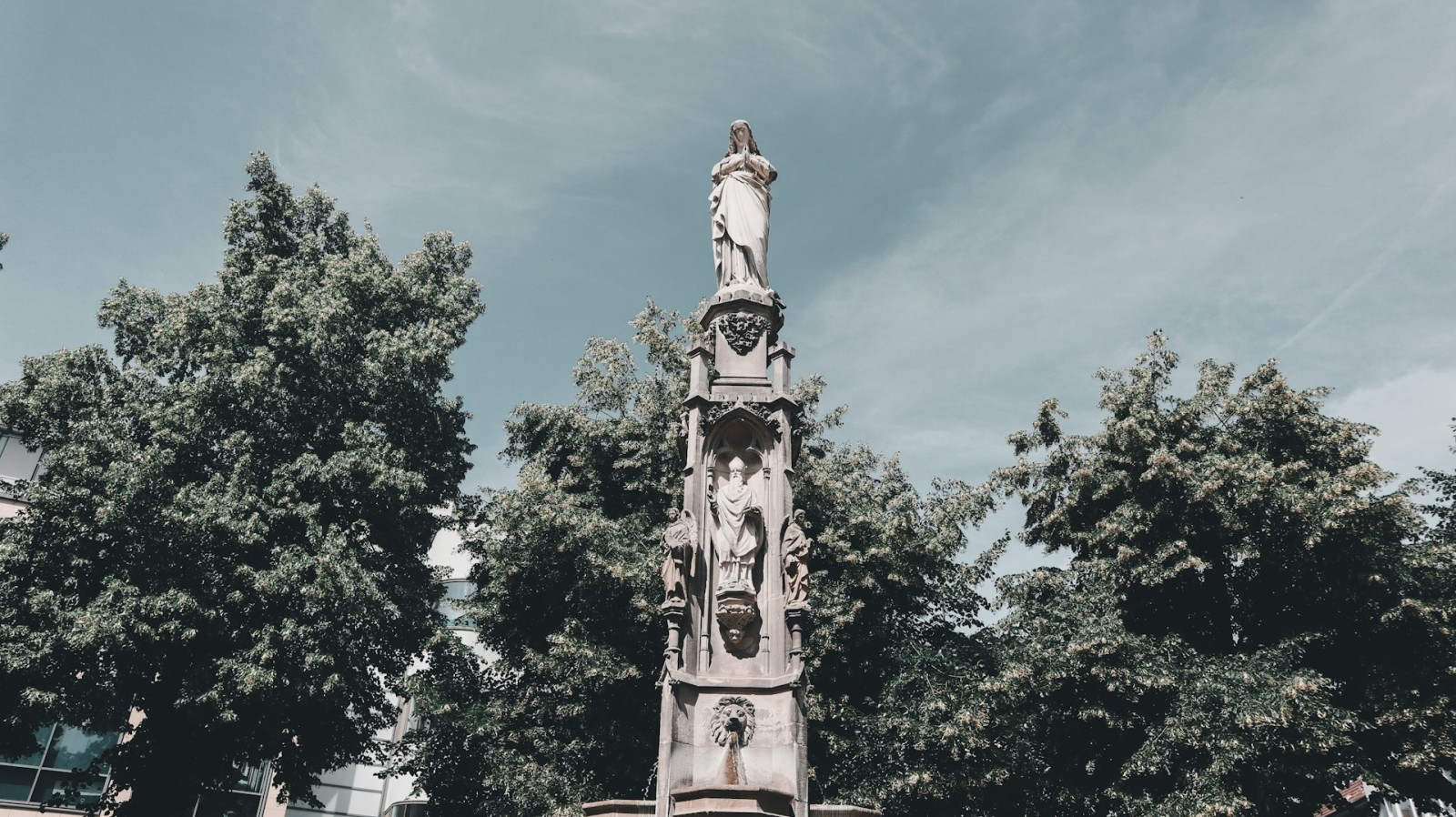
The main language of communication in Paderborn is German. The city uses standard German, so the tourist will have enough basic knowledge of literary German. In touristic places, hotels, restaurants, train stations and large shops, employees can often communicate in English.
Russian is not widely used, so it is advisable to have an interpreter on your phone or learn a few simple German phrases in advance.
Traditions and customs
Welcome. At the first meeting in Germany, it is customary to shake hands. In everyday situations, it is enough to say Guten Tag. Calling “you” (Sie) is the norm when communicating with strangers, especially with employees of hotels, shops and official institutions.
Punctuality. Germans usually take time very seriously. If an excursion, meeting or booking is scheduled, it is better to arrive 5-10 minutes early. Being late without warning is considered impolite.
Lines. In shops, cash desks, government offices and other public places, priority should be observed. It is not customary to try to pass without a queue.
Silence. The right of others to tranquility should be respected. This is especially true in residential areas. Loud music and noise late in the evening can cause discontent neighbors.
Waste and cleanliness. Garbage must be disposed of in containers intended for it. In Germany, separate waste collection is common, so different containers can be located near residential buildings and public places.
Pfand is pledge for the container. Many plastic bottles and cans in Germany have a deposit. Empty containers can be returned to special machines in stores and get money back.
Payment. In Paderborn, bank cards are widely accepted, but a small amount of cash euros is still recommended to carry. In small establishments and some places, there may be restrictions on payment methods.
Tips. In restaurants and cafes tips are not always automatically included in the bill. With good service, usually leave about 5-10%, or just round the amount. When paying in cash, you can tell the waiter the total amount along with the tip.
Basic rules and laws
Documents. A tourist must have a valid identity document and documents confirming the legality of his stay in Germany. Foreigners are advised to carry a copy of their passport and important documents and to keep the originals safely.
Alcohol. Alcohol consumption is regulated by German law and local regulations. You can not appear in public places in a state that poses a threat to others, disturb public order or manage transport after drinking alcohol.
Smoking. Smoking is prohibited in many enclosed public spaces, public transport and other places where the ban applies. Attention should be paid to special signs.
Public transportation. The ticket must be purchased prior to travel or in accordance with the rules of a particular carrier. Travel without a valid ticket can result in a substantial fine. Buses and trains should also comply with the rules of baggage and conduct.
Speed and traffic. Drivers must strictly observe established speed limits, road signs and parking rules. In Germany, compliance with traffic rules is actively monitored.
Pedestrians and bicycles. You can not walk on bicycle paths without need. When crossing the road should use pedestrian crossings and traffic lights. Cyclists also have the right to safe movement, so it is important for tourists not to create obstacles.
Photography. Photography of attractions is usually allowed, but restrictions may apply inside some museums, churches and historical sites. Before filming people it is desirable to obtain their consent.
Drugs. German law provides for certain rules regarding cannabis, but this does not mean that the use and possession of cannabis is allowed without restrictions. It is especially important for tourists not to transport prohibited substances across the border and comply with the current restrictions.
Nature and parks. In urban parks and natural areas, it is necessary to observe established rules: do not damage plants, do not leave debris, do not start fires where it is prohibited, and observe restrictions for protected areas.
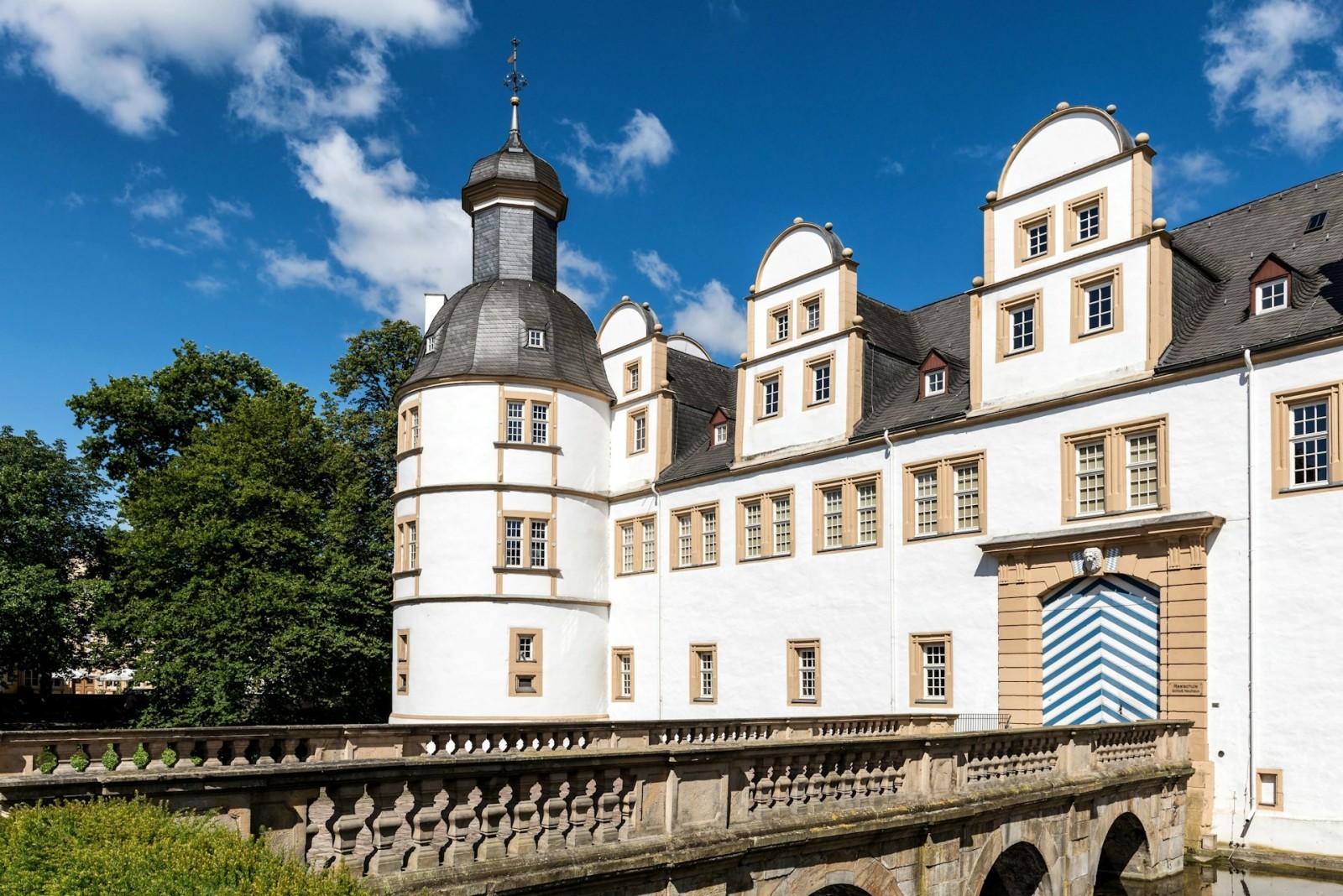
1. Greetings and courtesy
Hallo! Hello! Transcription: Hallo
Guten Morgen! Transcription: Guten Morgen
Guten Tag! - Good afternoon! / Hello!Transcription: Guten tak
Guten Abend! - Good evening! Transcription: Guten Abent
Gute Nacht! - Good night! - Transcription: gute naht
Auf Wiedersehen! - Goodbye! Transcription: Auf Viderzeen
Tschüss! - Goodbye!
Bitte! - Please! You're welcome! Transcription: bitte
Danke! - Thank you! Transcription: danke
Vielen Dank! - Thank you very much!Transcription: Filen Dunk
Entschuldigung! Transcription: Entschuldigung
Kein Problem. - No problem. Transcription: The Caine of Problems
Gern. - With pleasure / Please. Transcription: garn
2. If you speak German poorly
Sprechen Sie Englisch? - Do you speak English? Transcription: Shprahan zi English?
Sprechen Sie Russisch? - Do you speak Russian? Transcription: Shprahan zi Rusish?
Ich spreche nur ein bisschen Deutsch. - I speak a little German. Transcription: Their Shprahe Nur Ain Bishan Deutsch
Ich spreche kein Deutsch. - I don't speak German. Transcription: Their Spreche Kaine Deutsch
Ich verstehe nicht. - I don't understand. Transcription: their fairstee nicht
Können Sie das bitte wiederholen? - Can you repeat it, please? Transcription: kenen zi das bitte viderholen?
Bitte sprechen Sie langsamer. - Please speak more slowly. Transcription: Bitte Shprahan zi Langzamer
Können Sie mir das aufschreiben? - Can you write this for me? Transcription: kenen zi world das aufsreiben?
3. How to ask the way
Wo ist das Stadtzentrum? - Where is the city center? Transcription: East das statecentrum?
Wo ist der Bahnhof? - Where's the station? Transcription: East der Banhof?
Wo ist die Bushaltestelle? - Where's the bus stop? Transcription: East di bushaltestall?
Wie komme ich zum Dom? - How do I get to the cathedral? Transcription: Wi kome their tsum house?
Wie komme ich zum Schloss Neuhaus? How do I get to Neuhaus Castle? Transcription: Wy come their tsum shloss noihouse?
Ist es weit? - Is that far? Transcription: East SS White?
Kann ich zu Fuß gehen? - Can I walk there? Transcription: Can their zu fus geen?
Wie lange dauert der Weg? - How long does the road take? Transcription: Wi Lange Dowert der Weck?
Links. - Left. Transcription: linx
Rechts. - To the right. Transcription: Rachts
Geradeaus. - Straight. Transcription: Geradeaus
Hier. - Here. Transcription: chir
Dort. There. Transcription: dort
4. Public transport
Wo kann ich eine Fahrkarte kaufen? - Where can I buy a ticket? Transcription: in kan their Aine Farkarte Kaufen?
Eine Fahrkarte nach Paderborn, bitte. - One ticket to Paderborn, please. Transcription: aine farkarte nah paderborn, bitte
Welche Linie fährt zum Zentrum? - What route goes downtown? Transcription: velhe linie fert tsum centrum?
Wo fährt der Bus ab? - Where does the bus leave from? Transcription: Firth der boos up?
Wann fährt der nächste Bus? - When does the next bus leave? Transcription: van firth der nexte boos?
Wann fährt der nächste Zug? - When does the next train leave? Transcription: Van Firth der Nexte Zug?
Muss ich umsteigen? - Do I need to change seats? Transcription: Mus their umstein?
An welcher Haltestelle muss ich aussteigen? - Which stop do I get off at? Transcription: An Welher Hallestalle Mus their Austeigen?
Isst dieser Bus richtig? - Is this the right bus? Transcription: East Dieser Bus Richtych?
Isst dieser Zug richtig? - Is this the right train? Transcription: East Diser Zug Rihtih?
5. At the hotel.
Ich habe eine Reservierung. - I have a reservation. Transcription: their habe aine reserirung
Ich habe ein Zimmer reserviert. - I booked a room. Transcription: their habe ain zimmer reserver
Auf welchen Namen? - What name? Transcription: auf velhen namen?
Hier ist mein Reisepass. - Here's my passport. Transcription: Chir East Main Risepas
Wann ist der Check-in? - When's the settlement? Transcription: van east der check-in?
Wann ist der Check-out? - When's the eviction? Transcription: van east der checkout?
Ist das Frühstück inklusive? - Breakfast included? Transcription: ist das frustyuk inclusive?
Um wie viel Uhr gibt es Frühstück? - What time is breakfast? Transcription: mind wi fil ur die es frustyuk?
Können Sie mir ein Taxi rufen? - Can you call me a cab? Transcription: kenen zi world ain taxi rufeng?
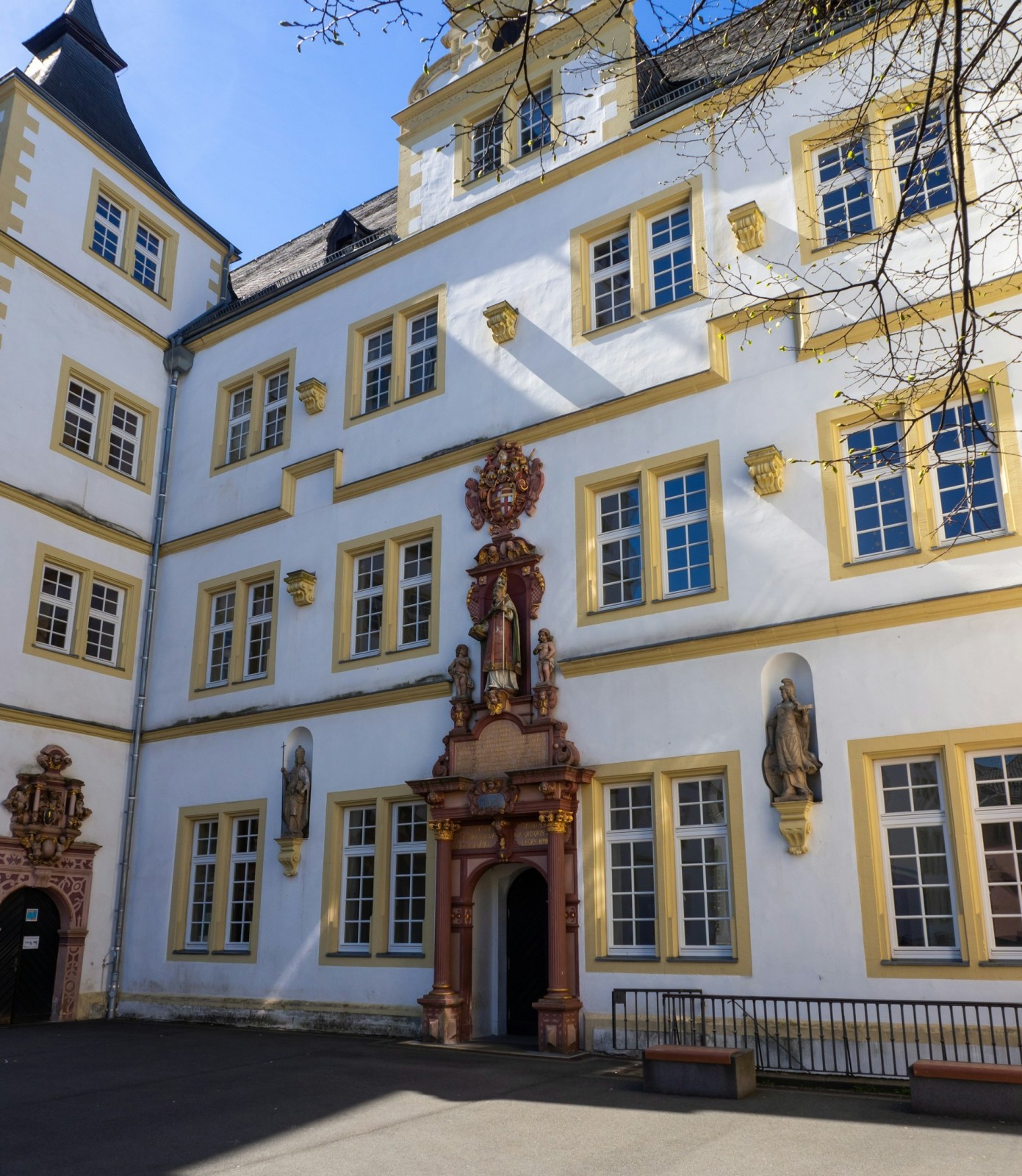
1. Food and local products
Westphalian bread (Westfälisches Pumpernickel) is one of the most characteristic products of the region. This is a dense dark rye bread with a rich taste. It is convenient to buy it in a package to bring home.
Westphalian ham (Westfälischer Schinken) is a traditional regional meat product. Unlike many common types of ham, it is characterized by long-term processing and a characteristic aroma. For transportation, it is better to choose factory vacuum packaging and take into account the veterinary rules of the country of entry in advance.
Local cheeses and dairy products – a variety of German cheeses, cream products and farm specialties can be found in Paderborn and the region. A good option for a gastronomic gift.
German sausages (Wurst) – you can try different regional sausage options. For a gift, it is better to choose long-term storage products in sealed packaging.
Sweets and chocolate are a practical option for tourists. German stores offer a large selection of chocolate, praline, biscuits, marzipan and regional confectionery.
Honey of local apiaries is a good option for a small gastronomic souvenir. Especially interesting are varieties indicating origin from North Rhine - Westphalia.
2. Drinks.
Regional German beer - Paderborn has its own brewing tradition. One of the famous local brands is Paderborner, so a bottle or can of local beer can become a characteristic souvenir from the city.
Soft drinks and regional lemonades are suitable for those who do not want to buy alcohol. In German supermarkets you can find interesting regional drinks.
When exporting alcohol abroad, it is necessary to take into account the customs regulations of the destination country.
3. Medical and health-improving products
Paderborn is not a famous German resort with unique healing springs, so it is not necessary to buy any Paderborn medicines here.
However, in German pharmacies you can find:
Herbal teas (Kräutertee) are chamomile, mint, melissa and various herbal mixtures.
Natural cosmetics (Naturkosmetik) - creams, balms, oils and skin care products of German production.
Bath salt and relaxation products are a practical small gift that is easy to transport.
Herbal balms and ointments are a popular category of German pharmacy products. It is necessary to distinguish cosmetics from drugs and not to buy drugs specifically for the treatment of specific diseases without consulting a doctor.
4. Souvenirs with Paderborn symbols
The Paderborner Dom miniature is one of the city’s most recognizable souvenirs. You can find magnets, small models and decorative products with the image of the cathedral.
Souvenirs with “three rabbits” (Drei-Hasen-Fenster) are a particularly interesting option. Three rabbits depicted on the famous window of Paderborn Cathedral are one of the symbols of the city. A magnet, a postcard or a small decorative copy of this image well conveys the connection of the souvenir with Paderborn.
Paderborn magnets and key fobs are an inexpensive and convenient option for several gifts.
Postcards with the historical center - especially with the image of the cathedral, town hall, Paderkwellen and historical streets.
Souvenirs with the coat of arms of Paderborn - can be of interest to collectors.
5. Souvenirs for history lovers
Books about the history of Paderborn are a good option for those interested in German history, Charlemagne, the Paderborn bishopric and the development of the city.
Illustrated books about Paderborn and Westphalia are a more meaningful gift.
Reproductions of historical images of the city - maps, ancient views and photographs of Paderborn.
The souvenirs associated with Charlemagne and the Middle Ages are particularly interesting due to Paderborn’s important role in medieval European history.
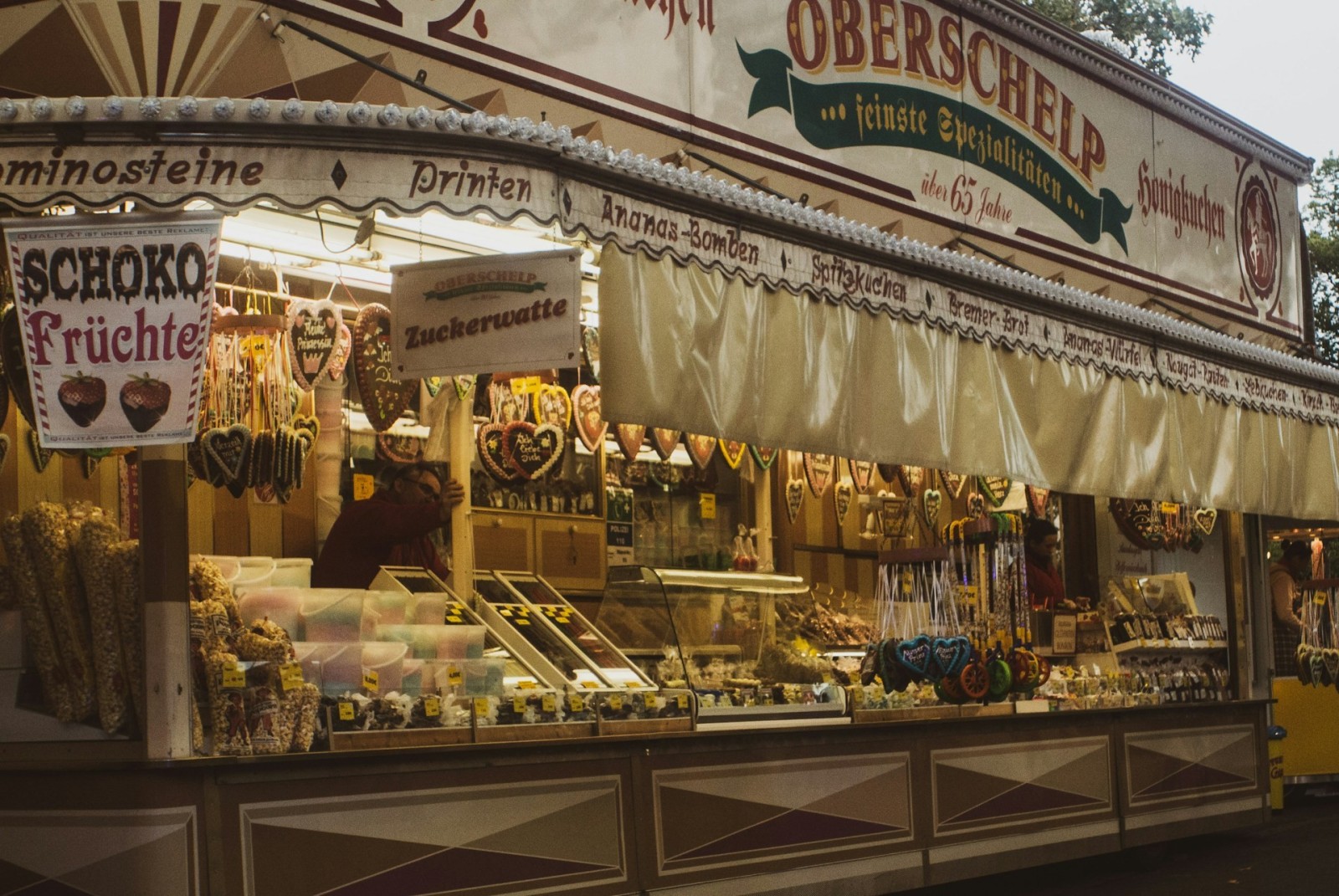
1. What documents are needed
To travel to Paderborn, you need documents to enter Germany and the Schengen area. Requirements depend on the nationality of the tourist.
Foreign tourists usually need to have:
a valid foreign passport;
visa, if citizenship requires a visa regime;
or a document confirming the right to visa-free entry;
confirmation of accommodation reservation;
return ticket or confirmation of further route – if necessary;
confirmation of the availability of funds for the trip - if necessary;
health insurance;
documents confirming the purpose of the trip, if requested at border control.
For short-term visa-free entry, the passport must be valid for at least 3 months after the intended date of departure from Germany and issued no more than 10 years ago. Border guards can also ask for confirmation of the purpose of the trip, the availability of funds and the possibility of return.
If a tourist travels on a Schengen visa, it must correspond to the terms and number of days allowed for stay.
From 10 April 2026, the Entry/Exit System (EES) is fully operational in the Schengen area. For short-term third-country nationals, entry and exit are electronically registered; biometrics may be recorded at entry.
2. Health insurance
For a tourist trip to Paderborn, it is advisable to obtain medical insurance for traveling abroad.
Insurance must cover:
emergency medical care;
treatment for sudden illness;
hospitalization;
transportation to a medical institution;
medical evacuation or return home for medical reasons;
Accident costs.
To apply for a Schengen visa, insurance is required, valid throughout the Schengen territory and for the entire period of stay, with a minimum coverage of 30,000 euros.
Even if a tourist enters without a visa, health insurance is highly recommended: medical care in Germany can be expensive.
3. Emergency phones
In Germany, the following main numbers apply:
112 Ambulance and Fire Service
Call in case of serious injury, life threat, fire, loss of consciousness, severe allergic reaction and other emergencies. The room is free and works around the clock.
110 - police
Used in crimes, security threats, assault, theft and other situations requiring police intervention. The room is free.
116117 Medical care outside the normal working hours of physicians
This number is suitable for urgent medical situations that do not pose an immediate threat to life. For example, if a person needs a doctor in the evening or on a weekend, but an ambulance is not needed.
It is useful to keep these numbers on the phone before the trip.
4. Mobile in Paderborn
There are four main mobile networks in Germany:
These networks are listed by the Federal Network Agency of Germany as operators of national mobile networks. Other companies can sell rates using the infrastructure of these networks.
Mobile communication is generally well developed in and around Paderborn. Signal quality may depend on the specific building, area, network load and operator used.
For tourists, it is usually most convenient:
use the SIM/eSIM of its operator with roaming;
Purchase a German SIM card;
use the eSIM for Germany;
For a long trip, choose a local fare.
If the tourist arrives from another EU country, roaming conditions may allow the use of a home fare in Germany at no extra charge under EU rules. For non-EU countries, it is necessary to check their operator’s tariffs in advance.
5. What to do when losing your passport
If your passport is lost or stolen, you must:
contact the police and receive confirmation of the incident;
contact your country’s consulate in Germany;
issue the necessary temporary document for return;
Contact the insurance company if appropriate assistance is provided.
A copy of the passport, visa, insurance and other important documents should be stored separately from the originals and additionally have electronic copies.
6. Security of money and documents
In the center of Paderborn and at the station, it is recommended to observe the usual precautions:
Don’t keep all your money in one place.
Do not leave your phone and wallet unattended.
Do not show large amounts of cash;
Use a hotel safe for important documents;
monitor the bag on buses, trains and at the station;
Do not leave things unattended in the car.
When traveling by public transport, it is especially important to monitor your phone, wallet and documents.
7. Road safety
There are many cyclists in Paderborn, so the tourist needs to be careful about the bike paths. It is not necessary to walk on a dedicated bicycle lane.
When crossing the road should use pedestrian crossings and traffic lights. It is not necessary to focus on the practice of other countries - in Germany, the rules of the road are strictly observed.
If you plan to rent a car, you must have valid driving documents, comply with speed limits and parking rules.
8. How long can you stay in Germany?
For tourists who are citizens of countries that are allowed short-term visa-free entry, the standard limit is no more than 90 days in any period of 180 days throughout the Schengen area. This is not 90 days in Germany, plus 90 days in other Schengen countries.
Create a query and local guides will offer you the best options

