When was the last time you aimed to hit a ball under the rumble of an erupting volcano?Golfers from all over the world recognize t …
Oh. Antigua
Independent travel and sightseeing proud Antigua!
A Brief History of the City of Antigua
Antigua is a historic city in Guatemala, located in a valley between the volcanoes of Agua, Fuego and Acatenango. The city, whose official name is Antigua Guatemala, was the colonial capital of Guatemala until the earthquake of 1773, after which the capital was moved to the present city of Guatemala.
Here are some key moments in the history of the city of Antigua:
Colonial period: Antigua was founded in 1543 by Spanish conquistadors under Pedro de Alvarado. The city quickly became an important cultural and commercial center of the colony.
Antigua flourished over the next two centuries. Many churches, monasteries, public buildings and luxurious residences were built here, creating a unique architectural appearance of the city.
1773 Earthquake: On August 27, 1773, the city was completely destroyed by a powerful earthquake. The earthquake left Antigua in ruins, and after the event, Spanish authorities decided to move the capital to another location to avoid frequent earthquakes.
Post-colonial period: After the earthquake, most of the city's population moved to Guatemala's new capital. Antigua was forgotten and abandoned, and its ruins were a testament to the beauty and prosperity of the colonial era.
Modernity: In the 20th century, interest in the restoration and preservation of Antigua’s historical heritage began. The city has been listed as a UNESCO World Heritage Site and now attracts tourists with its beautiful architecture, narrow stone streets and many churches and monasteries.
Capital of Culture: Today, Antigua is known as the cultural capital of Guatemala. Numerous festivals, exhibitions and cultural events are held here. The city is also famous for its traditional architecture and preserved colonial atmosphere.
The city of Antigua in Guatemala embodies a unique blend of history, culture and beauty, making it one of the most fascinating historical sites in Central America.
Interesting places and entertainment in Antigua
Antigua in Guatemala is a magical historic city that attracts travelers from all over the world with its unique cultural setting and breathtaking atmosphere. Here are a few factors that make Antigua attractive to tourists:
Coloring the story: The ancient streets of Antigua take travelers into the past. Each stone carries the history of the Spanish colonial era, and architectural masterpieces in the form of churches, monasteries and houses create a magical picture of time.
Unique architecture: The city is famous for its beautiful colonial architecture. Baroque facades, forged grilles, arched gates – every detail is a work of art that gives the city a special charm.
Magnificent churches and monasteries: Antigua is known for its numerous churches and monasteries, such as St. James Cathedral, St. Francis Church and others. These historic buildings impress with their architecture and interior decoration.
Traditional crafts: The narrow stone streets of the city are strewn with shops and workshops, where local craftsmen offer their unique products. Tourists can purchase traditional crafts such as textiles, ceramics and jewelry.
Festivals and events: Antigua comes to life during numerous cultural events and festivals. At such moments, the city is filled with music, dances and colorful parades, offering tourists a unique experience.
Wealth of nature and surroundings: Located in a picturesque valley between volcanoes, Antigua is surrounded by stunning nature. This is a great place for hiking, as well as for observing the volcanic landscape.
Gastronomy paradise: The city offers a variety of culinary experiences, from traditional Guatemalan dishes to fine dining. Each visitor can enjoy a unique combination of tastes and aromas.
The combination of these factors makes Antigua in Guatemala an unsurpassed destination for travelers seeking solitude, cultural enrichment and admiration for the splendor of history and nature.
In the city of Antigua, you will be met by private guides and will be offered authorial, individual guides. excursions.
Options for accommodation in the city of Antigua
In Antigua, Guatemala, there are different levels of hotels and accommodation options matching different budgets and preferences. Here are a few categories and examples of hotels in each of them:
Luxury hotels:
Hotel Casa Santo Domingo: This luxury hotel is located in a former monastery and offers upscale service, cozy rooms and luxurious amenities.
El Convento Boutique Hotel: Featuring an authentic colonial style, this hotel provides exclusive rooms, fine dining restaurants and manicured gardens.
Middle class:
Posada de Don Rodrigo: This hotel offers comfortable rooms in traditional style, a swimming pool and a cozy restaurant with a terrace.
Porta Hotel Antigua: Modern hotel with comfortable rooms, swimming pool and spa, located a few minutes walk from the historic center.
Budgetary options:
Hotel Las Camelias: This cozy hotel offers spacious rooms with basic amenities at an affordable price.
Hostal Antigua: For a more budget accommodation, you can choose a hostel, such as Hostal Antigua, which provides shared rooms and spaces for communication.
Economy options and rental housing:
Airbnb: In Antigua, there are many offers on the Airbnb platform where you can rent a room or an entire house at a reasonable price.
Guesthouses and mini-hotels: Many local guesthouses and mini-hotels provide affordable accommodation options with simple yet convenient facilities.
Ecology:
Earth Lodge: For those looking for proximity to nature, Earth Lodge provides a unique experience of living in treehouses with stunning views of volcanoes.
When choosing a residence in Antigua, it is important to consider your budget, preferences and travel plans. The city provides a variety of accommodation options to meet the needs of different categories of travelers.
Attractions in Antigua
Antigua in Guatemala is known for its rich cultural and historical heritage, offering tourists many fascinating attractions. Here are a few key locations and information on accessibility:
Central Square (Plaza Mayor): It is the heart of the city, surrounded by churches, shops and restaurants. Here you will find the Cathedral of St. James, Palazzio Captainez Generales and other historic buildings.
St. Francis Church and Monastery (Iglesia y Convento de San Francisco) This complex is one of the most beautiful churches in the city, with a colonial-style facade and magnificently decorated interiors.
La Merced Church (Iglesia de La Merced) Another famous church with a beautiful facade and interior decoration. The tower of the church offers a great view of the city.
Hotel Casa Santo Domingo: This hotel is located on the site of a former monastery and offers a museum of colonial art, archaeological finds and beautiful gardens.
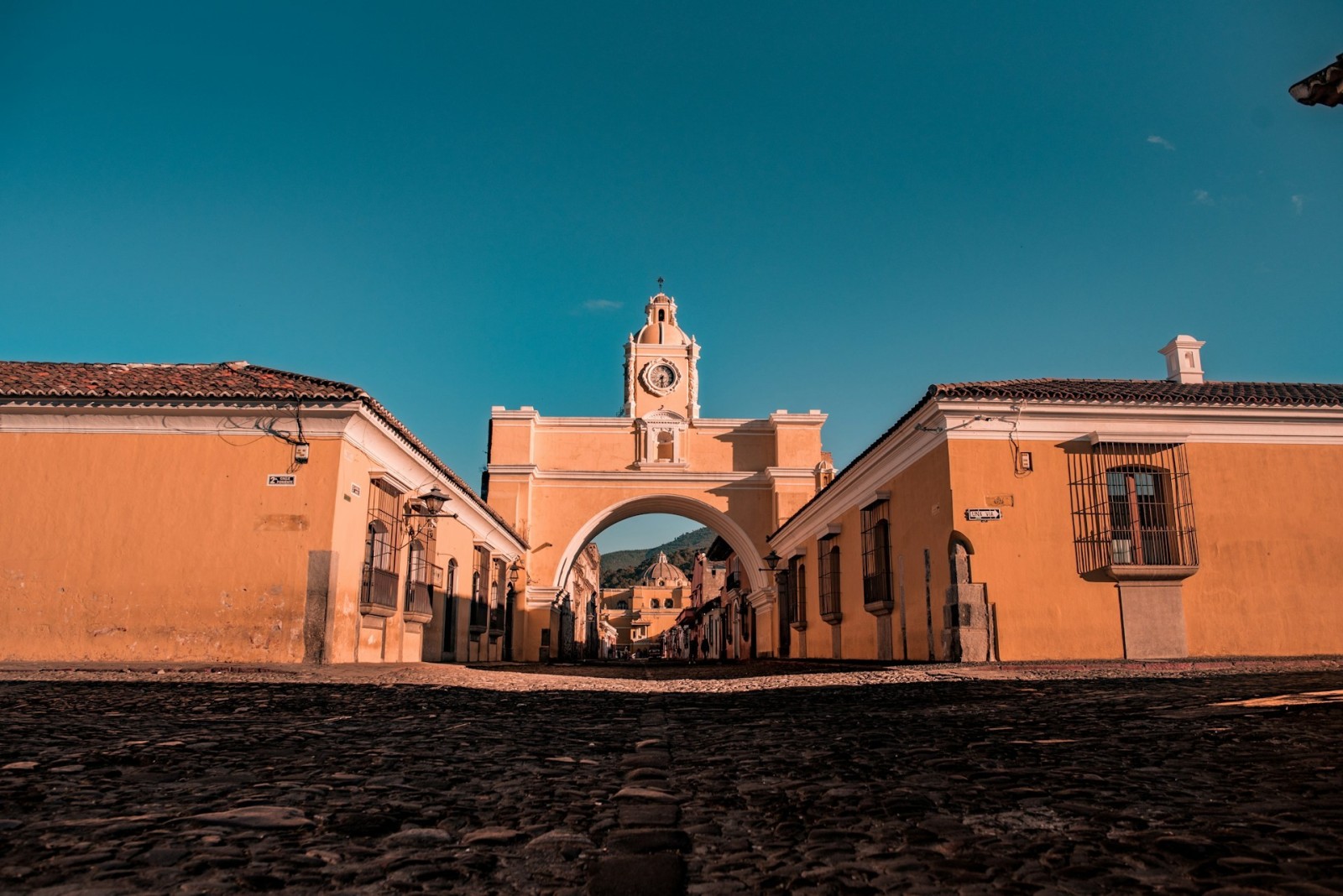
Santos Arch (Santa Catalina Arch): It is a historic arched bridge that was part of the monastery complex. It has become a symbol of the city and a great place for photos.
Cerro de la Cruz (Holm Cruz): This hill provides stunning views of the city and the volcanoes around. The top of the hill is easily accessible by walking route.
Museum of Pre-Columbian and Contemporary Art (Museo de Arte Precolombino y Arte Moderno) Here you will find exhibits from ancient civilizations, as well as modern art. The museum is located in the building of the former monastery.
Transport accessibility:
Pedestrian accessibility: Most of the attractions in the historic center of Antigua are within the pedestrian zone, which makes walking around the city comfortable and enjoyable.
Taxi: It is easy to find taxis in the city to move between different areas.
Tours and excursions: Many travel agencies offer organized tours of sights and volcanoes in the vicinity of Antigua.
Exploring Antigua is a fascinating journey into the past and enjoying the beauty of colonial architecture, modern art and nature.
Cultural life and activities in Antigua
Antigua in Guatemala is a place for a variety of events and festivals throughout the year. It is important to note that many of these events are related to Catholic traditions, and dates may vary depending on the calendar.
Semana Santa (Holy Week): It is the most important religious week on the Catholic calendar. In Antigua, Semana Santa is celebrated with luxurious processions, costumed processions and traditional festive events throughout the week before Easter.
Festival of Antigua (Festival Antigua): This festival is usually held in the last week of January and the first week of February. It includes musical performances, dances, exhibitions and other cultural events.
Independence Day (Día de la Independencia): Independence Day is celebrated in Guatemala on September 15. Antigua hosts festive events including parades and festivals to celebrate the country's liberation from Spanish rule.
St. Simeon's Day (Día de Santo Simeón) This Catholic holiday is celebrated on October 18. Antigua hosts traditional festive events, including processions and religious rites.
Festival of St. Thomas (Festival de Santo Tomás): This festival takes place in late December and early January in honor of St. Thomas. The program includes folk festivals, craft fairs and traditional dances.
Cultural events and concerts: During the year, Antigua also hosts various cultural events, exhibitions and concerts, including art festivals, theater performances and exhibitions by local artists.
It is recommended to check the current dates and events before traveling, as they may change depending on the year. Visiting Antigua during events can add unique experiences and allow you to immerse yourself in the local culture and traditions.
What weather is suitable for a trip to Antigua
Antigua in Guatemala has a temperate climate due to its location at an altitude of about 1,500 meters above sea level. There are two main seasons in the city: rainy and dry.
Rainy season (May - October):
Air temperature: The average ranges from 18°C to 25°C. This period is characterized by higher humidity and frequent short-term rainfall, especially in July and August.
Water temperature: The water temperature is usually quite pleasant, making the rainy season also suitable for visiting.
Dry season (November - April):
Air temperature: During the day, the temperature can rise to 25-28 ° C, and at night it can drop to 10-15 ° C. This period is characterized by a dry and comfortable climate.
Water temperature: The water temperature in lakes and volcanic springs remains pleasant, suitable for relaxation.
Best season to travel: The dry season, from November to April, is generally considered the best time to visit Antigua. At this time, the climate becomes more stable, sunny and cool. A visit at this time allows you to enjoy the beautiful architecture of the city and spend more time outside without significant rainfall.
However, it’s worth noting that traveling through the rainy season can also be a unique and exciting experience, especially if you’re drawn to the scenic green nature after the rain.
What traditions and customs should be observed in Antigua
Language of communication:
The official language in Guatemala is Spanish. Most residents of Antigua speak Spanish, and in touristic places, as well as in hotels and restaurants, staff can speak English. However, refreshing your command of basic phrases in Spanish can be helpful for better understanding with locals.
Traditions and customs:
Respect for local culture: Guatemala is rich in cultural traditions and customs. Respect the local culture, avoid indecent behavior, and be polite when communicating.
Clothes: Locals often wear traditional clothing such as "guipil" (traditional dress for women) and "chorap" (belt). While there are no strict dress rules for tourists, it is respectful to avoid overly provocative clothing, especially in churches and places of religious significance.
Photos: Ask permission before photographing locals, especially in villages and markets.
Market trading: Trading is common in the markets, but be polite and respectful in the process. Remember that this can be part of the local culture, and the goal is not only to get a discount, but also to communicate.
Laws:
Guatemala, including Antigua, may have a crime problem. Be vigilant, especially in the dark, avoid isolated areas and watch your values.
Drug laws: Be aware of strict drug laws. To wear, use or sell them is a crime.
Observance of local rules in churches: Visiting churches is part of the experience in Antigua. Observe the rules of courtesy: do not interfere with religious ceremonies, remove headdresses in churches and observe silence.
Drinking water: Refrain from drinking tap water. Buy bottled water to avoid stomach problems.
Nature and ecology: Take care of the environment. Do not throw away garbage in protected areas and national parks.
Compliance with these traditions, customs and laws will help you enjoy your trip to Antigua and create a positive interaction with the local population.
Popular phrases and dialogues with translation for a trip to Antigua
Knowing some basic phrases and words in Spanish can make your trip to Antigua more comfortable. Here are some useful expressions:
Greetings and general phrases:
Hola (Ola): Hey.
Buenos días (Buenos diaz): Good morning.
Buenas tardes (Buenas tardes): Good afternoon (afternoon).
Buenas noches (Buenas noches): Good evening/night.
Cómo estás? (Como estas) How are you?
Gracias: Thank you.
Por favor: Please.
Perdón/Disculpe (Perdon/Disculpe): Excuse me.
Purchase and trade:
Cuánto cuesta? (Cuanto Cuesta) How much is it?
Tiene algo más barato? (Tiene algo mas barato?): Anything cheaper?
Puede rebajar el precio? (Puede Rebahar El Presio?): Can you lower the price?
Food and drink:
La cuenta, por favor. Check, please.
Quisiera ordenar... (Kiesiera Order): I'd like to order...
Hay opciones vegetarianas? (Hey, he's a vegetarian?) Are there vegetarian options?
Orientation and transport:
Dónde está ...? (Donde esta): Where is...?
Cuánto cuesta el taxi/bus? (Cuanto Cuesta El Taxi/Bus?): How much does a taxi/bus cost?
The transcription may vary slightly depending on the dialect of Spanish, but these phrases will in most cases be understood and appreciated by locals in Antigua.
What to try and what souvenirs and gifts to bring from Antigua
Unique food:
Cafe Antares (Antojitos Antares): It is a popular place to try traditional Guatemalan dishes such as pupusas (flat cakes, usually filled with cheese and various ingredients) and tamales (traditional butter and dough dishes, usually with meat or beans).
Coffee from Antigua: Guatemala is famous for its high quality coffee, and Antigua is one of the leading producers. Buy freshly brewed coffee or packaged beans as a souvenir.
Medications:
Macadamia oil: Guatemala is known for producing high-quality macadamia oil. This oil is used in cosmetic procedures and is considered beneficial for the skin.
Raw materials for traditional tea: In the markets of Antigua you can find many herbs and plants used for traditional Guatemalan teas. For example, marakuya leaf tea is known for its relaxing properties.
Souvenirs:
Textiles: Hand embroidery, textiles and clothing with traditional Guatemalan patterns are presented in numerous stores.
Ceramic products: A variety of ceramic products, such as dishes, dishes and souvenirs, can be a beautiful and practical gift.
Macadamia seeds: If you like local macadamia oil, bring some macadamia seeds with you to try growing your own plants.
Other interesting things:
Maya masks: Handmade masks depicting the Maya are colorful and authentic souvenirs.
Masks used in traditional Guatemalan festivals and carnivals can be a unique and interesting souvenir.
Don’t forget to check out the local markets where you can find a huge selection of products, from handmade to traditional products. By purchasing souvenirs and products, you also support the local population and artisans.
What to Have for a Safe Holiday in Antigua
Safety: Safety is an important aspect when traveling to any country. In Antigua, there are certain security measures that should be considered:
Although Antigua is considered a relatively safe city, tourists are advised to follow basic precautions. Avoid dark and empty streets at night, do not show valuables in public, and keep an eye on your personal belongings.
Transport: Use official taxis, avoid long trips at night. If you rent a car, make sure the car is reliable and book a parking space.
Drinking water may not always be safe to drink. Buy bottled water. Also make sure you have health insurance in case of medical emergencies.
Documents and insurance:
Passport: Make sure your passport is valid for the entire period of stay. Some countries require it to be valid for more than six months after the end of the trip.
Visa: Check if you need a visa to enter Guatemala and arrange it in advance if required.
Health insurance: It is recommended to get health insurance that covers medical expenses and evacuation.
Emergency services:
General emergency number: 120 (ambulance), 122 (fire service), 123 (police).
Tourist police in Antigua: 1500.
Mobile operators: In Guatemala, there are several mobile operators, such as Claro, Tigo, Movistar. Before traveling, check the possibility of connecting to local networks with your operator.
Duration of stay: Tourists can stay in Guatemala for up to 90 days without leaving the country. If you plan to stay longer, you may need to renew your visa. Check the current rules at the Guatemalan consulate in your country.
You didn't find the right one?
Create a query and local guides will offer you the best options
The site uses a web analytics service
Yandex Metrics
using cookie technology to make the site more convenient. You can prevent the processing of cookies in the browser settings.
Details in Privacy policy.