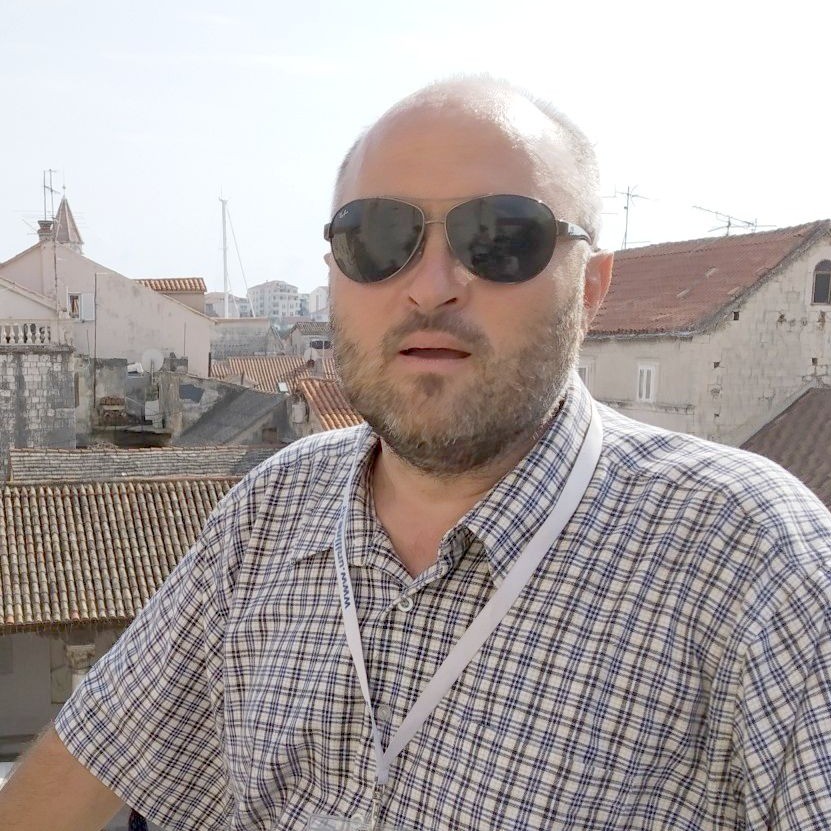
Trogir is a historic city located on the Adriatic coast in central Dalmatia, Croatia. The city occupies a small island connected by a bridge to the mainland. Its history dates back more than 2,300 years, and it is one of the most characteristic representatives of ancient Roman architecture and culture in the region.
The history of Trogir begins in the III century BC, when a Greek colony called Tragurio was founded on the island. Subsequently, the city came under the rule of Rome, and became an important commercial and cultural center. In the XI century it became part of the Kingdom of Hungary, and then came under the rule of the Republic of Venice.
One of the most important historical periods for Trogir was the Middle Ages, when the city developed as a commercial and cultural center. Architectural monuments that have survived to this day include the Cathedral of St. Lawrence, built in the XII century in the style of Romanesque architecture, and the fortress of Camerlain, built in the XIV century.
In the XVI century, Trogir came under the rule of the Ottoman Empire, which led to a number of changes in the city. In the eighteenth century it returned to the control of the Venetian Republic and later became part of the Austrian Empire.
In 1997, the historical center of Trogir was included in the UNESCO World Heritage List. Today, the city attracts tourists with its narrow winding streets, stone houses, ancient churches and squares. Trogir is also famous for its maritime atmosphere, beautiful views of the Adriatic Sea and the rich history that is felt in every corner of this amazing city.
Interesting places for entertainment in the city of Trogir
Trogir in Croatia is a small town with a rich history and exciting atmosphere that attracts tourists with its unique combination of historical heritage, cultural riches and beautiful coastline. Here are a few points that can make Trogir attractive to travelers:
Historical architecture: The old town of Trogira is located on an island connected to the mainland by a bridge. Its narrow stone streets, medieval houses and historic squares create an atmosphere in which every stone is filled with history. The Cathedral of St. Lawrence and the fortress of Camerlain are just a few of the magnificent architectural monuments.
Coastal walks: Trogir is located on the shores of the Adriatic Sea, and walking along its coastal embankment brings incredible pleasure. Luxury sea views, yachts, cafes and restaurants create an ideal place for relaxation and photos.
Cultural Events: The city comes alive with various cultural events, especially in summer. Concerts, festivals and art exhibitions can offer tourists unique experiences and the opportunity to immerse themselves in the local culture.
Local cuisine: The restaurants in Trogir offer a wealth of Croatian cuisine, especially fine seafood. Tourists can enjoy local delicacies in the atmosphere of ancient streets or with beautiful sea views.
Convenient location: Trogir is conveniently located near other famous tourist destinations in Dalmatia, such as Split and Dubrovnik, making it a great starting point for travel around the region.
All these elements together create the unique look of Trogir, making it attractive for tourists, history and beauty adventurers.
In Trogir, as in many tourist destinations, there is a variety of accommodation options, including different levels of hotels and other accommodation options. Here are some examples for different budgets and preferences:
Hotel levels:
Luxury hotels:
Hotel Pasike is a unique hotel in an old building with luxurious rooms and a high level of service.
Brown Beach House Hotel & Spa is a luxury boutique hotel by the sea with modern design and wonderful amenities.
Mid-range hotels:
Hotel Concordia - Cozy hotel with comfortable rooms within walking distance from the historic center.
Villa Carrara is a family hotel with traditional interior and Croatian hospitality.
Budget hotels:
Hotel Trogirski Dvori - Economical hotel with basic amenities, but convenient location.
Guesthouse Tonio - Family boarding house with simple rooms and friendly atmosphere.
Other accommodation options:
Apartments:
Apartments Tragurion - Apartments of different sizes with kitchen and cozy furnishings are provided.
Villas and rental houses:
Villa White - Stylish villa with private pool and beautiful sea views.
Holiday Home Tragurium - Houses for rent in the historic part of the city.
Hostels and guesthouses:
Hostel Marina Trogir - Budget option with shared rooms and friendly atmosphere.
Guesthouse Sv. Kriz is a cozy guesthouse with simple but comfortable rooms.
The choice depends on your preferences and budget, and Trogir has many options for different types of travelers.
Interesting places for entertainment in Trogir
The main attractions of the city of Trogir in Croatia are in the historic center, which is easily accessible to pedestrians. The transport accessibility of these places is ensured by a well-developed road system, as well as the presence of an airport and a port in close proximity. Here are a few key attractions and information about transport accessibility:
St. Lawrence Cathedral: This Romanesque cathedral, built in the XII-XIV centuries, is one of the main architectural sights of Trogir. It is located in the historic center of the city, just a few minutes walk from the main promenade and the port.
Camerlin Fortress: Located on a high hill, the fortress offers stunning views of the city and the Adriatic Sea. Access to the fortress is provided by footpaths, and climbing there can take about 15-20 minutes.
Market square: The main market square in Trogir is a place where you can enjoy the atmosphere of local life. The market is located in the historic center, where you can easily walk.
Trogir Art Gallery: The gallery is located in a building of the XVI century and offers a collection of art works by domestic and foreign artists. It is located in the historic center of the city.
Transport accessibility:
Car: Trogir is well connected to the road network and many of the city’s attractions can be easily reached by car. Parking is available in several locations in the city centre.
Public transport: Buses and taxis are available that connect Trogir with other cities in the region, such as Split.
Maritime transport: Trogir has a seaport, which makes it possible to arrive and depart on yachts and boats.
Airport: Split International Airport is located about 6 kilometers from Trogir, providing convenient access for tourists from various countries.
Due to its strategic location and good transport infrastructure, Trogir is accessible to tourists with different travel preferences.
Events and entertainment in Trogir
The city of Trogir in Croatia comes to life with various events and festivals throughout the year. Here are some popular events that can attract tourists:
February: Carnival in Trogir is a traditional carnival, accompanied by parades, costumed processions and various entertainments.
March-April: Easter is a religious holiday celebrated in Croatia with vibrant ceremonies, processions and traditional Easter rites.
May: Wine and Tasting Festival is an event dedicated to Croatian wines. Tourists can try different varieties and learn more about local winemaking.
July-August: Trogir Summer Festival - during this period of the year, the city hosts various cultural events, including concerts, theater productions and exhibitions.
August: The Festival of the Middle Ages is an event that recreates the atmosphere of the Middle Ages with knightly tournaments, fairs and costume performances.
September: The Festival of Traditional Croatian Music and Dance is an opportunity to immerse yourself in the local music culture and folk traditions.
December: Christmas and New Year holidays - decorated streets, Christmas markets and various cultural events create a festive atmosphere in the city.
These events give Trogir an additional flavor and attract tourists, providing an opportunity to get acquainted with the local culture, traditions and variety of entertainment. It is important to note that the exact dates may vary depending on the year, so it is advisable to check for up-to-date information before travelling.
Weather and the best season for tourism in Trogir
The climate in the city of Trogir in Croatia is of the Mediterranean type, which suggests mild winters and hot summers. Here is a general characteristic of the climate at different times of the year:
Spring (March-May):
Air temperature: Usually varies from 15°C to 25°C.
Spring in Trogir is a pleasant time to visit when nature comes to life and temperatures get warm enough for walking around the city.
Summer (June - August):
Air temperature: Average 25°C to 35°C.
Summer in Trogir is warm and dry. This is the highest tourist season when many people come to enjoy the sun and the sea. The ideal period for relaxing on the beaches and participating in open-air activities.
Autumn (September to November):
Air temperature: Usually varies from 15°C to 25°C.
Autumn is also a pleasant time to visit when tourist activity decreases, but the weather is still warm.
Winter (December to February):
Air temperature: On average, 5°C to 15°C.
Winters in Trogir are mild and humid, with low chances of snow. This is a period when there are fewer tourists and the city can offer a more peaceful environment.
Best season to visit:
The best time to visit Trogir depends on the preferences of the traveler. Summer months are ideal for lovers of sun, sea and outdoor activities. Spring and autumn provide pleasant temperatures and a calmer environment for those who prefer to avoid a large flow of tourists.
So, in order to enjoy the nature and cultural attractions of Trogir, it is recommended to choose the period of spring and autumn.
What traditions and customs should be observed in the city of Trogir
Language of communication: The official language in Croatia is Croatian. However, in tourist areas such as Trogir, many people, especially in the service sector, can speak English and other European languages. Knowledge of some basic phrases in Croatian, such as "hvala" (thank you) and "molim" (please), will be appreciated by locals.
Traditions and customs:
Greeting: Greetings in Croatia often involve shaking hands, especially when meeting for the first time.
Dress appropriately: In churches and monasteries it is recommended to wear decent clothes. On the beaches and in the resort areas, clothing for recreation is permissible.
Silence at lunchtime and at night: Many places traditionally observe silence at lunch hour and at night, so respect the peace of the locals.
Respect for cultural monuments: Be mindful of the environment, especially when visiting historic sites and churches.
Laws:
Alcohol and tobacco: Alcohol and smoking laws are strict. Smoking is prohibited in public places, including restaurants and bars.
Safety on the road: Follow traffic rules and speed limits. The use of seat belts is mandatory.
Respect for nature: Croatia has beautiful nature, so it is important to respect the environment, not to throw garbage and not to violate the rules of visiting nature reserves.
Observance of local traditions, customs and laws will help you enjoy your trip to Trogir and create a pleasant impression of this wonderful part of Croatia.
Popular language phrases for traveling to the city of Trogir
In Croatia, including Trogir, Croatian is the official language. Knowing some basic phrases and words can make your trip more enjoyable. Here are some useful expressions:
Hello / Good afternoon:
Croatian: Bok (bok)
Russian: Hello.
Thank you.
Croatian: Hvala (praise)
Russian: Thank you.
Please / No problem:
Croatian: Molim (prayer)
Russian: Please / No problem
Excuse me / Excuse me
Croatian: Oprostite (please)
Russian: Excuse me / Excuse me
Yes/No:
Croatian: Da (yes) / Ne (ne)
Russian: Yes/No
Help/Help:
Croatian: Pomoc (assist) / Pomozite (assist)
Russian: Help / Help
Where is the...? :
Croatian: Gdje je ...? (where is ...?)
Russian: Where is...?
Invoice, please:
Croatian: Račun, molim (racun, molym)
Russian: Invoice, please
How much does it cost?
Croatian: Koliko to košta?
Russian: How much does it cost?
Health! (when raising the glass):
Croatian: Živjeli! (lively)
Russian: Cheers!
These phrases can be useful when communicating with locals, in restaurants, shops, and in everyday life. Remember that even basic local language learning usually comes with a positive response and can create a warm atmosphere during your trip.
Local food, medicines and souvenirs in Trogir
Food:
Dalmatian Proshuta: It is a traditional Croatian dried ham produced in the Dalmatia region. Prshuta is usually served in thin slices as a snack.
Pashchki and Sopar: These are local types of bread and bakery products. Try local breads and bread with olive oil.
Black Sea mussels and oysters: Trogir is on the coast and fresh seafood such as mussels and oysters are popular local delicacies.
Olive oil: Croatia produces high-quality olive oil that can be bought in local shops or markets.
Medications:
Lavender: Lavender from Dalmatia is known for its quality oil. It can be purchased in the form of oil, soap, sachets or souvenirs.
Salt with seaweed: Many sea salt-based products enriched with seaweed are popular in the region.
Souvenirs:
Hand embroidery and lace: Trogir is known for its traditional fabric products, including beautiful embroidery and lace.
Ceramics: Croatian ceramics are often decorated with bright colors and traditional ornaments. These can be cups, plates, vases and other items.
Memorable things:
Lavender honey: Lavender honey is a unique and fragrant souvenir that can be purchased in the region.
Wine and liqueurs: Croatia is famous for its wines. You can buy a bottle of Croatian wine or traditional liqueurs such as Travarica (herbal liqueur).
Stone products: Trogir is known for its stone products. It can be something from decorative elements to crafts made of local stone.
When choosing souvenirs and products, it is important to keep in mind the rules of importation into your country to avoid problems when returning.
Rest safety, documents, insurance, telephones, Internet in the city of Trogir
Safety:
The city of Trogir in Croatia is generally considered a relatively safe place for tourists. However, as in any other place, basic precautions should be taken. Here are some tips:
Stay vigilant in tourist areas: Especially during the high tourist season, when there may be cases of petty theft.
Be careful when using public transport: Take care of your belongings in public places and on transport.
Do not leave valuables in the car: If you rent a car, do not leave valuables in it, especially in plain sight.
Follow the rules of the road: There are standard traffic rules in Croatia, so be careful if you drive a car or use a taxi.
Documents:
Passport: Tourists must carry a passport with a valid visa (if required) when entering Croatia.
Insurance: It is recommended to have health insurance that covers the costs of treatment and emergency medical care.
Emergency services:
Police: 192
Medical care: 194
Fire service: 193
Tourist assistance: 112
Mobile operators:
There are various mobile operators in Croatia, such as Hrvatski Telekom, A1, and Tele2. The city of Trogir usually has good mobile coverage.
Duration of stay without departure:
The time you can spend in Croatia without leaving depends on your citizenship. European Union citizens can usually stay up to 90 days in a 180-day period without a visa. Citizens of other countries can contact the Croatian Embassy for information about visa requirements and length of stay.
The site uses a web analytics service
Yandex Metrics
using cookie technology to make the site more convenient. You can prevent the processing of cookies in the browser settings.
Details in Privacy policy.
 Guide license