Independent travel to the city of Jaipur in India! A Brief History of Jaipur City Jaipur, the capital of the I...

Classic Northern India + Immersion in Hinduism. Delhi, Jaipur, Agra, Gwalior, Orcha, Khajuraho, Chitrakut, Varanasi. On this tour …

In this tour: the city of contrasts Delhi - wide modern avenues, beautiful rich temples, green gardens on one side, and the fright …

In this tour: the best attractions of the Golden Triangle of India - Taj Mahal, forts, palaces, bazaars, picturesque streets of In …

On this tour: the very India we saw in classic movies and books. We will pass through the former territories and the most interest …

In this tour: the best attractions of the Golden Triangle of India - Taj Mahal, forts, palaces, bazaars, picturesque streets of In …

Rajasthan is one of the most interesting and colorful regions of India. Colorful, bright, amazingly beautiful and full of traditio …

Jaipur is considered one of the most beautiful and visited cities in India. It is the capital of Rajasthan, also known as the "Pin …
 Guide license
With me you will see the real India, for example, the local colonies and schools. Learn about the education system, see …
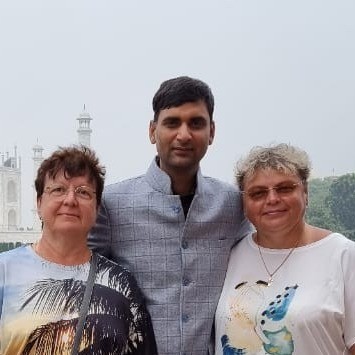 Guide license
I am an accompanying guide and translator, organizer of individual and group author tours in India. I organize a trip sp …

If you have any doubts or fears about traveling, contact me, I will answer all your questions. Of course, there are prej …
 Guide license
Our popular tours like the Golden Triangle Tour, Rajasthan Tur, One-day tours, Delhi Agra, Delhi Jaipur and others. …

Mumbai in 2 days Day 1: Meeting at a hotel, airport or port if you are sailing on a cruise ship. Familiarity. On this …

I work as an accompanying guide-interpreter, and develop individual and group author tours in India. I am happy to organ …
 Guide license
1. Day excursions in Delhi, Agra, Jaipur, Varanasi. 2. Agra and Delhi in two days. 3. Varanasi in two days. 4. …
Jaipur, the capital of the Indian state of Rajasthan, is one of the most colorful and historically significant cities in India. Here is a more detailed history of this amazing city:
Ancient history:
The history of Jaipur begins with the founding of the city in 1727 by its founder, Maharaja Jai Singh II. Before the founding of Jaipur, the capital of Rajputana was Amer. However, due to problems with water supply and geopolitical considerations, Jai Singh II decided to create a new capital.
Name of town:
The city was named after its founder, Maharaja Jai Singh II. The name "Jaipur" can be translated from Sanskrit as "City of Jai", which means "Victory". It also reflects Jai Singh’s victories in battle and his success in governing the kingdom.
Architecture:
Jaipur is famous for its unique architecture, which was created according to the plan of the great engineer Vijay Singh. The city was built according to the special principles of Vaastu (ancient Indian architecture) with geometric accuracy. The buildings in Jaipur are built using pink sandstone, which gives them a characteristic pink hue.
Urban planning:
The city was divided into nine blocks known as Chokdhani, forming a network of streets similar to a soldier's ball. One of the most famous elements of urban planning is the Hawa Mahal, or "Palace of Winds", which was built so that ladies could observe street life while remaining invisible.
City square and palaces:
The main city square is Chandni Chowk, or "Lunok Square", which houses the Swarn Ganesh monument, shops and restaurants. The Grand City Palace is another significant architectural landmark, where various palaces, halls and museums are located.
Cultural heritage:
Jaipur is also a center of Indian culture and heritage. The city hosts many festivals, including Diwali and Holi, as well as elephant and camel festivals. In Jaipur, you can also find many museums and galleries, where artworks and artifacts related to the history of the city and the region are presented.
Today, Jaipur remains one of the most visited tourist destinations in India due to its rich history, cultural heritage and beautiful architecture.

Jaipur is not just a city in India, it is a real treasury, which combines the splendor of history, cultural wealth and picturesque architecture. Here are a few things that can catch the attention of travelers and tourists:
1. Pink City:
Jaipur is nicknamed the "Pink City" because of the pink hue used in the construction of its buildings. This unique architectural style creates a magnificent and romantic look of the city, making it one of the most photogenic places in India.
2. Cultural festivals:
The city is famous for its vibrant and colorful festivals such as Diwali, Holi and elephant and camel festivals. A visit to Jaipur during these events will allow travelers to plunge into the atmosphere of Indian traditions, holidays and fun.
3. Historical sights:
The city has many historical attractions such as the Grand City Palace, Amer Forth, Jantar Mantar and Hava Mahal. These places are steeped in rich history and offer a fascinating journey into the past.
4. Cultural events and craft workshops:
Jaipur is famous for its cultural events such as music and dance festivals. In addition, the city is known for its craft workshops, where you can buy unique products such as fabrics, jewelry and carpets.
5. Gastronomic pleasures:
Jaipur cuisine will also not leave gourmets indifferent. Here you can enjoy traditional Rajasthan dishes such as daal-bati-churma, gate ki sabji and lal-maas. Numerous restaurants and street cafes provide the opportunity to taste a variety of Indian cuisine.
6. Picturesque views:
The city is surrounded by the beautiful hills of Aravalli, offering amazing scenery and views of the city. Travelers can enjoy the breathtaking sunsets and sophisticated atmosphere of the city.
7. Shopping:
Jaipur is a paradise for shopaholics. Here you can buy a variety of goods such as jewelry, fabrics, carpets and handicrafts. Diverse markets such as Bapu Bazar and Johari Bazar offer a huge selection of products.
Conclusion:
The combination of cultural heritage, architectural beauty, delicious cuisine and unique atmosphere makes Jaipur an attractive destination for travelers, and leaves indescribable memories of the splendor of India.
Jaipur, the capital of the state of Rajasthan, has many historical and cultural attractions, attracting thousands of tourists every year. Here are some of the main attractions of the city and information about transport accessibility:
1. Grand City Palace (City Palace):
2. Amer-fort (Amber Fort):
3. Hawa Mahal:
4. Jantar-Mantar:
5. Chandney Chowk:
6. Jal Mahal:
7. Gaitor ki Chhatriyan:
Transport accessibility:
Jaipur has a well-developed public transport system, including buses, taxis and tuk tuki. Many of the attractions are in the city centre and can be reached by a pedestrian. Renting cars and bicycles is also popular for easier travel around the city and its surroundings.
Jaipur is located in the northwestern part of India and has a semi-desert climate with three main seasons: summer, monsoon and winter. Here is a brief description of the climate at different times of the year:
Summer (March-June):
Monsoon (July-September):
Winter (October to February):
Tips for travelers:
The time to visit Jaipur depends on your preferences. Winter is the most pleasant time, but in spring or autumn the city also offers unique and colorful experiences.
Jaipur offers different hotel levels and accommodation options to cater to different traveler preferences and budgets. Here are some categories and examples of popular places to live:
1. Five-star hotels:
2. Four stars and above:
3. Three-star hotels:
4. Economy class and guesthouses:
5. Apartments and guesthouses:
6. Experimental options:
Regardless of budget, Jaipur offers a variety of accommodation options, from luxury hotels to cozy guesthouses providing a unique experience in this historic city.
Jaipur is known for its diverse and cultural events, festivals and festivals that reflect the richness of Indian tradition and history. Here are some popular events and festivals that take place in the city:
1. Diwali:
2. Holly:
3. Eid el-Fitr:
4. Ganesha Chaturti:
5. Jaipur Literary Festival:
6. Jaipur Dance and Music Festival:
7. Tayohar:
These events make Jaipur an even more attractive place to visit, giving travelers the chance to experience the richness of Indian culture and traditions.
Language of communication:
The official language in Jaipur and throughout the state of Rajasthan is Hindi. However, many people also speak English, especially those who are engaged in tourism. The city also uses Rajasthani, a local dialect of Rajasthan.
Traditions and customs:
Clothes:
Worship:
Communication:
Food traditions:
Festivals and holidays:
Laws and warnings:
Alcohol:
Photos:
Tobacco products:
Transport:
Local customs:
With respect and a sense of cultural sensitivity, a trip to Jaipur will be enjoyable and memorable.
Here are some basic Hindi words and phrases that can come in handy when traveling to Jaipur. Remember that transcription can vary, and local accents can also affect pronunciation. Here are some useful phrases:
Greetings and general phrases:
Namaste:
Shukriya:
K): (Kripaya):
Maf (Maaf kijiye):
Haan/ (Haan):
(Nahin):
Ask about health:
? (Aap kaise hain?):
(Main theek hoon):
In the store or market:
(Yeh kitna hai?)
(Bahut mehenga hai):
Inquire how:
Yahan ka sabse achha restaurant kahan hai?
(Kripaya mujhe yahan se ek taxi bulao):
Clarifications and purchase of tickets:
(Yeh kiske liye hai?)
Ek train / bus ka ticket chahiye:
Farewell:
(Phir milenge):
(Alvida):
These phrases can prove useful when communicating with locals in Jaipur. Keep in mind that Indians generally understand that you are trying to use their language and will be happy to help you.
Security in Jaipur:
General security measures:
Transport:
Health:
Documents and insurance:
Emergency services:
Mobile communications:
Duration of stay:
Registration
Electronic devices:
Journey to the neighborhood:
Keep in mind that safety levels can vary and it is important to be vigilant while taking precautions. Check security notices periodically and follow the advice of local authorities.
Create a query and local guides will offer you the best options


