Independent tourism and recreation in the city of Indaur Historical information about the city of Indaur Indau...
Indaur is the largest city in Madhya Pradesh and an important historical, commercial and cultural center of the Malva region. The city is located in the central part of India, at the confluence of the Saraswati and Khan rivers. Its history is associated with the development of trade routes, the Holkar dynasty, the rule of Maharani Ahillabai Holkar and the transformation of the city into a major modern business center.
1. Ancient and Early Historical Roots
The origin of Indaur is associated with the ancient temple of Indereshwar, from the name of which, according to the popular version, the name of the city originated. The original settlement developed in the area of the trade roads of Malwa, connecting different parts of central India.
2. The emergence of the city and the development of trade
In the XVIII century, Indaur began to develop rapidly thanks to the activities of local rulers and traders. A special role was played by Rao Nandlal Chaudhary, who strengthened the settlement and contributed to its transformation into a prominent trading point. The position on important routes helped the city develop markets, crafts and exchange of goods.
3. Holkar dynasty
A key period in the history of Indaur is associated with the Holkar dynasty. Malhar Rao Holkar became one of the most influential rulers of the region, and his heirs turned Indaur into an administrative and cultural center. Under the Kholkars, palaces, temples, markets and public buildings appeared, many of which are now included in tourist routes.
4. Achillabay Holkar
A special place in the history of the city is occupied by Maharani Ahillabai Holkar. Her rule is associated with the development of infrastructure, religious buildings and city administration. Her name is preserved in the name of Indaura Airport, and the memory of the ruler is an important part of the urban identity.
5. Rajvada and Old Indaur
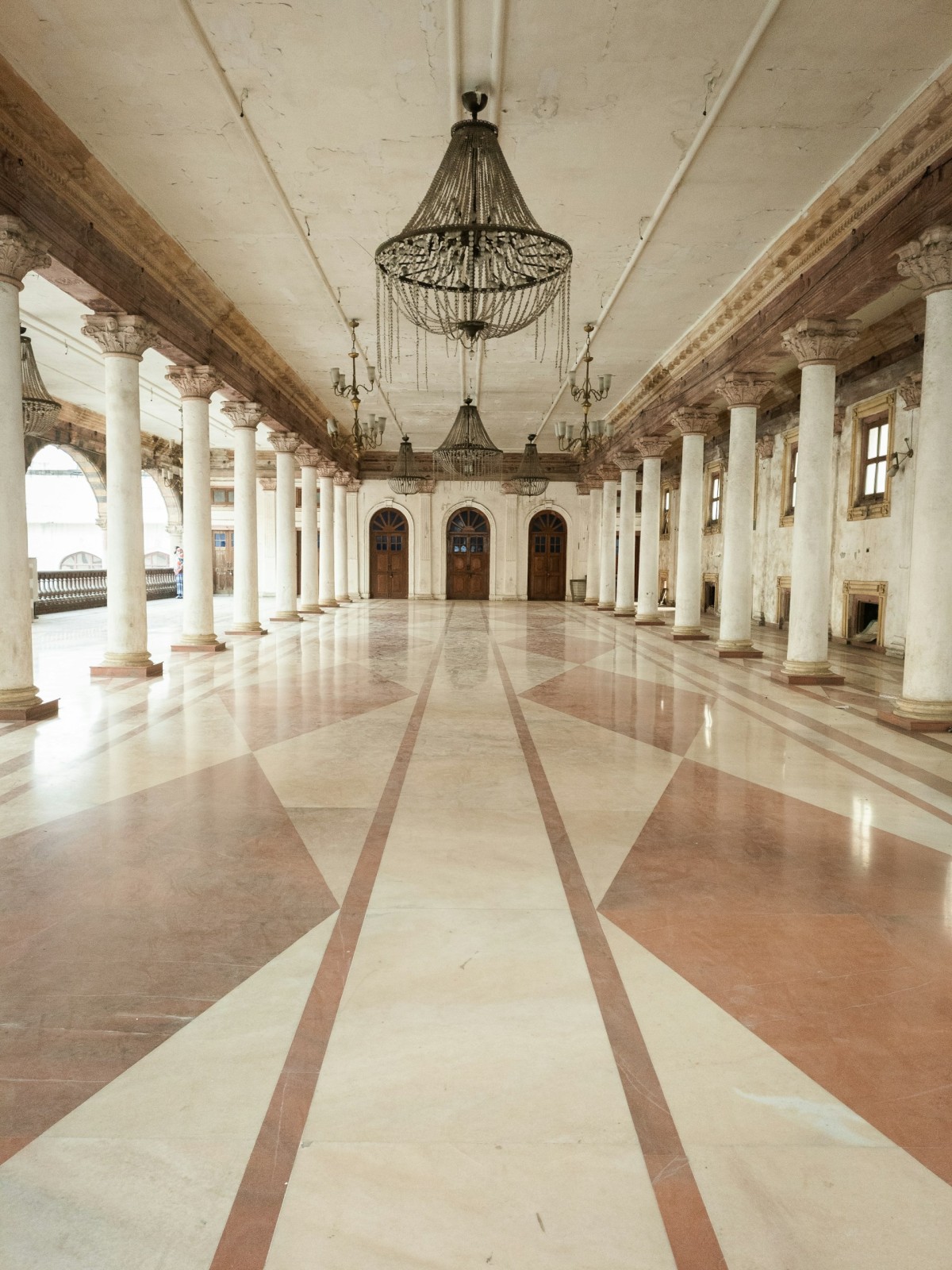
The center of the historic city was the Rajwada Palace. Around it were formed bazaars and shopping streets. The palace combines elements of Maratha, Mughal and European architecture. The area around Rajvada remains one of the busiest places in the city today.
6. Lal Bagh and European Influence
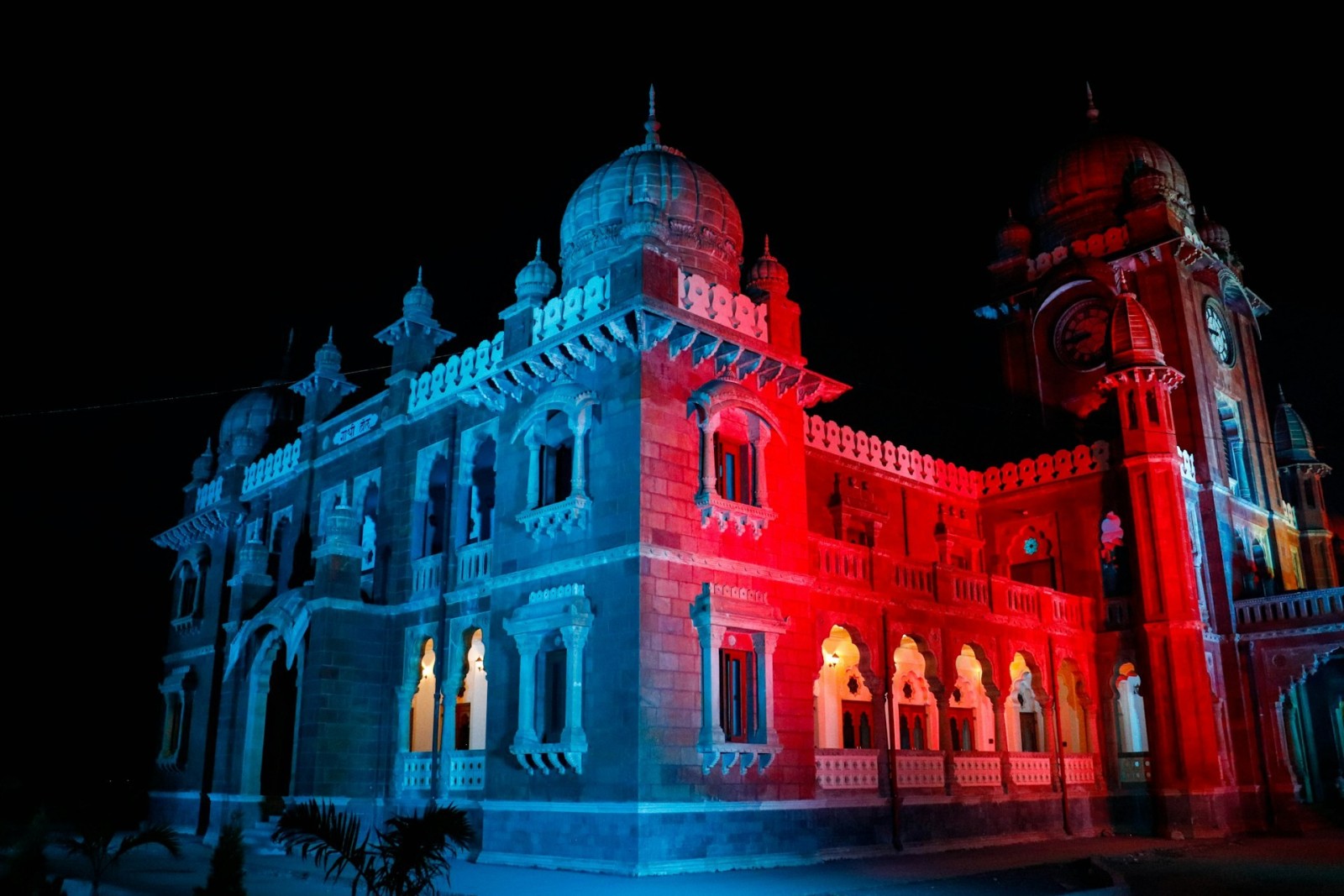
In a later period, the Holkars built the Lal Bagh Palace, whose architecture reflects European artistic influences. The palace was used for official receptions and the life of the ruling family, and today it is a museum and historical site.
7. indaur
In the XX century, the city continued to develop as an industrial, educational and commercial center. After the establishment of Madhya Pradesh, Indaur retained an important role in the region’s economy. Today the city combines historical heritage, modern business infrastructure, universities, shopping centers and a developed gastronomic culture.
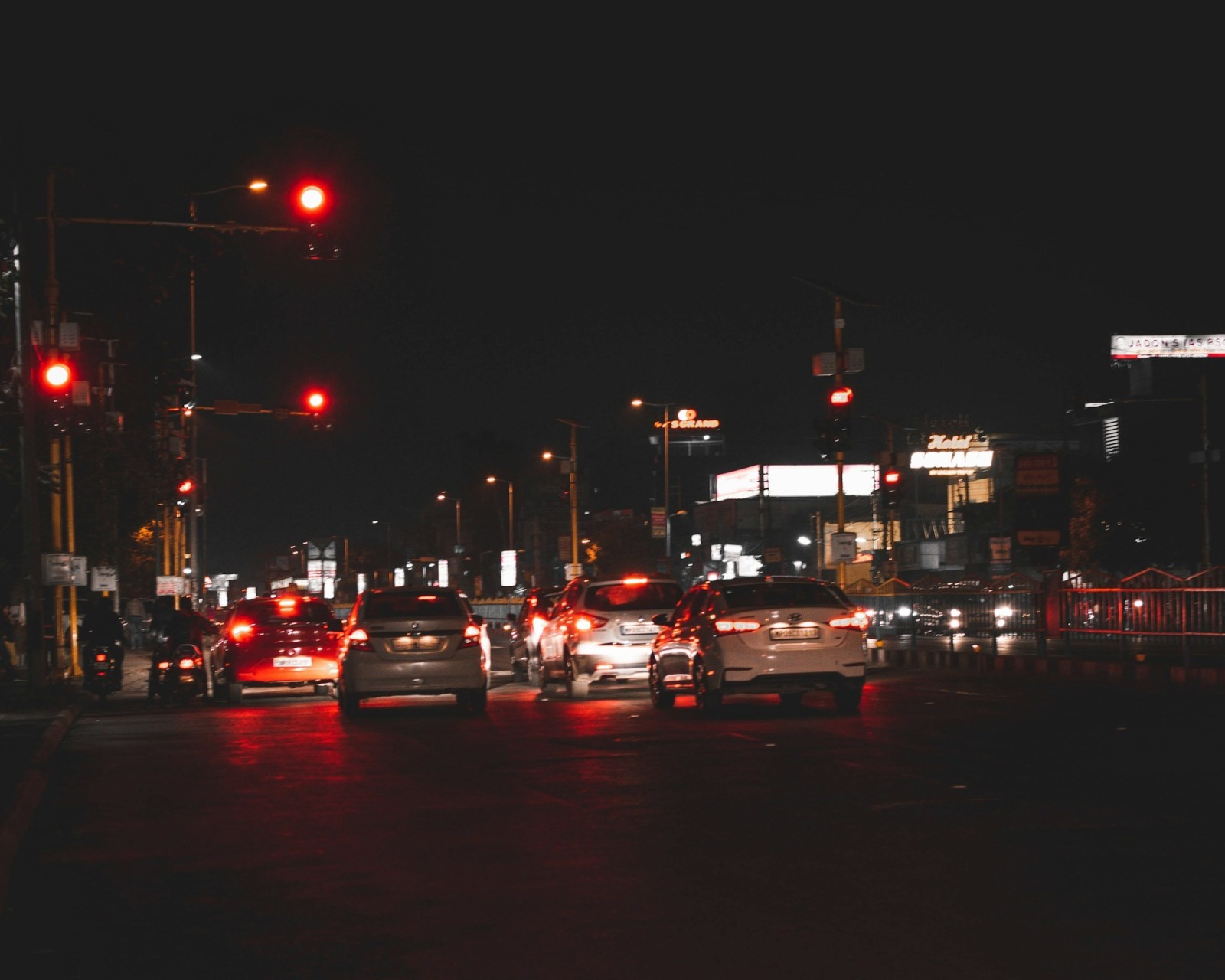
Indaur is suitable for travelers who are interested in Indian history, palace architecture, religious monuments and street cuisine. The city is distinguished by a combination of the heritage of the Holkar dynasty and modern urban life. The tourist route can be built so that during the day to get acquainted with palaces, temples and museums, and in the evening to visit markets and gastronomic quarters.
Rajwada allows you to see the historic heart of Indaur and the old shopping districts.
Lal Bagh combines palace architecture, museum collections and a large garden.
Kunch-Mandir is known for its interior made using glass and mirrors.
Khajran Ganesh Temple is one of the city’s famous religious sites.
In the evening, Sarafa Bazar turns from a jewelry market into a famous street food area.
Chappan Dukaan offers a large number of dishes and snacks typical of urban cuisine.
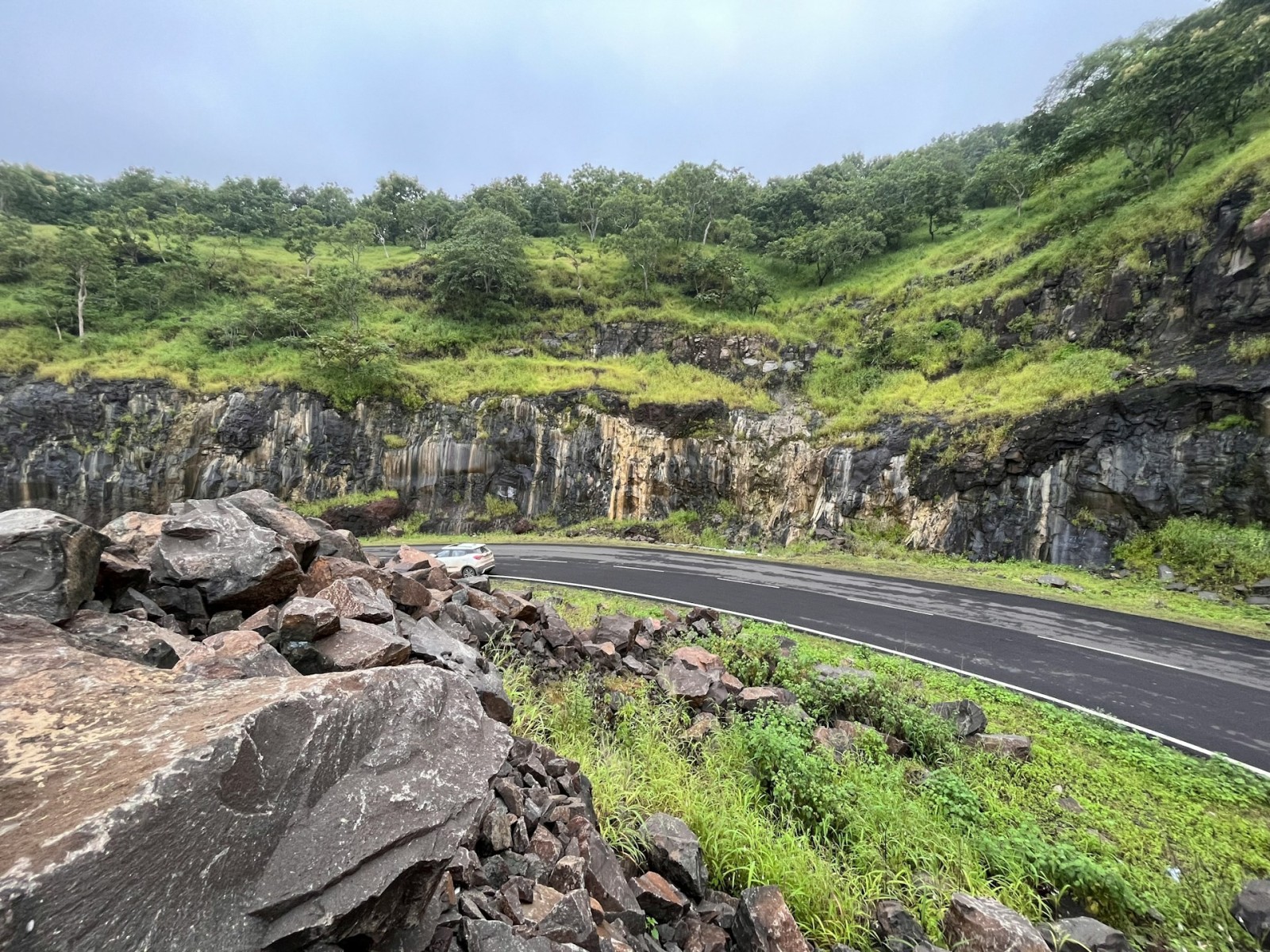
The natural places around Indaur allow you to combine a city trip with walks and trips to the waterfalls.
The city is conveniently used as a base for trips to Maheshwar, Omkareswar and other places of Madhya Pradesh.
1. High-level hotels
In the central and business districts of Indaura there are modern hotels with restaurants, swimming pools, conference rooms and a service for business travelers.
Radisson Blu Hotel Indore is a large modern hotel with developed infrastructure.
Sayaji Hotel Indore is a well-known city hotel with restaurants and additional services.
Marriott Hotel Indore is a high-end option in the modern part of the city.
Indore Marriott Hotel is suitable for tourists and business travelers who prefer an international format of service.
2. Mid-range hotels
For a tourist trip, numerous mid-level city hotels are convenient. They usually offer air conditioning, their own bathroom, Wi-Fi and breakfast.
Hotel President is a practical option in the central part.
Effotel by Sayaji Indore is a modern city hotel.
Hotel South Avenue - an option of living in the area of business and residential development.
Fairfield by Marriott Indore is a modern mid- and upper-middle-segment hotel.
3. Cost-effective options
In Indaur, there are many inexpensive hotels, guest house and small business hotels. The cost-effective option is especially convenient to look for near the railway station, bus hubs and large shopping areas.
Small business hotels in Indore Junction.
Budget guest houses in the central part.
Hotels near Sarwate Bus Stand.
Hostels and modern cohabitation options for young travelers.
1. Rajwada Palace (Rajwada Palace)
The main historical symbol of old Indaur and the former residence of the Holkars. The seven floors of the palace combine Maratha, Mughal and European architectural elements.
Located in the center of the old town. It is most convenient to get by taxi, auto rickshaw or city bus; from the central areas you can get there in a short time.
2. Lal Bagh Palace (Lal Bagh Palace)
Grand Palace of the Holkar dynasty with European architectural motifs, collections and historical interiors.
It is located in the southwestern part of the city. It is more convenient to get by taxi or auto rickshaw.
3. Kanch Mandir (Canch Mandir)
Jainist temple, the interior of which is decorated with glass panels, mirrors and mosaics.
Located near the old center and Rajvada; conveniently combined with a walking route through historic quarters.
4. Khajran Ganesh Temple (Khajrana Ganesh Temple)
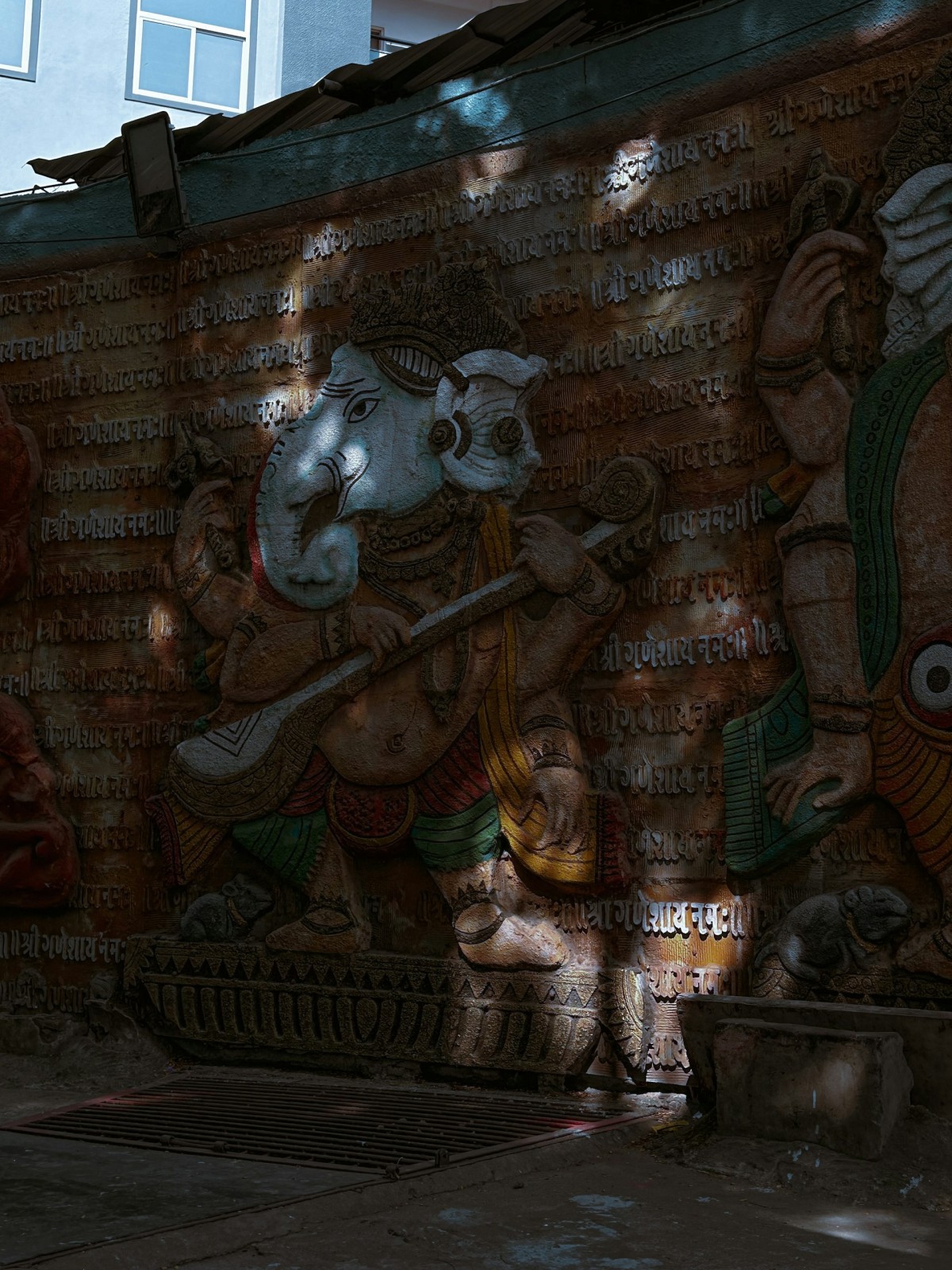
One of the most famous temples of Indaur, dedicated to Ganesha. The temple complex is visited by pilgrims and tourists.
Located in the eastern part of central Indaur; it is more convenient to get by taxi, auto-rickshaw or city bus.
5. The Temple of Bada Ganpati
The temple is famous for the large statue of Ganesha, which is one of the city’s notable religious attractions.
Located near the old town, it is convenient to combine with a visit to Rajvada.
6. Central Indaur Museum (Central Museum)
Museum with collections of Hindu and Jain sculpture, archaeological finds and art objects.
Located in the central part of the city; available by public transport, taxi and auto rickshaw.
7. Sarafa Bazaar (Sarafa Bazaar)
During the day, it is known for jewelry shops, and in the evening it turns into one of the most popular street food streets of Indaur.
Located near Rajvada; the most convenient way to get on foot from the historical center or by auto-rickshaw.
8. Chappan Dukan (Chappan Dukan)
Gastronomic street with a lot of cafes and stalls where you can try popular Indaur dishes.
Located in the central part of the city; available by taxi, auto-rickshaw and city bus.
9. The Ralamandal Wildlife Sanctuary
Natural area on the outskirts of the city with hills, vegetation, birds and trails for walking.
It is more convenient to get by car or taxi; public transport requires a transfer and further walk.
10. Patalpani Waterfall (Patalpani Waterfall)
A popular natural attraction about 33 km from Indaur. Especially effective in the rainy season.
It is most convenient to go by car or an organized tour. In heavy rains, care should be taken near the water.
11. Choral Dam (Choral Dam)
A calm natural area with a reservoir, suitable for a day trip outside the city.
About 40 km from Indaur; it is more practical to get by car or as part of a tour.
12. Lotus Valley (Gulawat Lotus Valley)
Natural zone with lotus waters and walking routes.
Located outside the central part of the city; it is more convenient to get by taxi or car.
1. Rangpanchami and Ger Mahotsav
March, after Holi - One of the most famous city holidays. In the central quarters there are colorful processions, musical performances and mass festive events.
2. Holly.
February-March, the date changes - the Festival of colors is accompanied by folk festivals, music and meetings with relatives and friends. The date depends on the lunar calendar.
3. Ganesh Chaturthi
August-September, the date changes – Ganesha’s holiday is accompanied by temple decoration, religious ceremonies, processions and cultural programs.
4. navratri
September-October, the date changes - Nine-day Hindu holiday. The city hosts religious events, music and dance programs.
5. diwali
October-November, the date changes - the Festival of Lights is accompanied by decorating streets and houses, holiday shopping, family events and fireworks.
6. dashahr
September–October is a major Hindu festival, accompanied by religious ceremonies, cultural performances and city events.
7. Devi Ahilya Jayanti
May 30-31 – The holiday is dedicated to the memory of Maharani Ahillabai Holkar. The city hosts theatrical productions, musical and cultural performances.
8. Anant Chaturdashi
August-September, the date changes - The end of the period of celebrations Ganesh Chaturtha. Religious processions and ceremonies are held.
9. Indorian Marathon and Urban Sports Events
different dates throughout the year – The city regularly hosts mass sports events, races and programs for residents and guests.
10. Rajwada music and cultural programs and city venues
Throughout the year – Historic buildings, theaters and cultural centers host concerts of Indian classical music, performances, art festivals and other performances.
Indaur has a tropical savanna climate with hot summers, pronounced monsoon season and drier winters. For the trip, the heat in late spring and the beginning of the rainy season are especially important.
1. Winter - December - February
During the day, usually about +23 ... +30 ° C, at night about +8 ... +15 ° C. Precipitation is small, the air is relatively dry. This is one of the most comfortable periods for walking and excursions. In rivers and reservoirs, the water is usually cool, about +18 ... +23 ° C.
2. Spring - March-May
In March, the temperature often reaches +30 ... +35 ° C, in April and May, daily values can rise above +40 ° C. Water in open water bodies gradually warms up to about 25 ... + 31 ° C. In late spring, day trips require sun protection and plenty of water.
3. Summer and monsoon season – June–September
With the onset of the monsoon, the heat decreases somewhat, but humidity and rainfall increase. During the day, often about +28 ... +34 ° C. Water in natural water bodies is warm, but heavy rains can quickly change the water level and safety conditions.
4. Autumn - October - November
After the monsoon, dryer weather is gradually established. In October, usually about +28 ... +34 ° C, in November it becomes cooler. The water in open water is gradually cooling. The period is suitable for city walks and trips around the neighborhood.
The main language is Hindi. English is also common in the tourist and business environment. In some situations you can find other languages of India, but for the traveler enough basic English and a few phrases in Hindi.
When visiting temples, you should dress modestly and follow the instructions of the ministers.
Shoes must be removed before entering some temples.
Do not photograph religious ceremonies or people without permission.
Do not touch religious objects or images without permission.
In temples, speak quietly and turn off the phone.
Do not drink alcohol where it is prohibited by the rules of a particular territory.
Observe local traffic rules; traffic in India is left-handed.
When riding a motorcycle or scooter, use a protective helmet.
Do not drink tap water without confidence in its safety; tourists are usually recommended bottled water.
Do not leave garbage in the streets, temples and natural areas.
Observe restrictions on photo and video shooting near objects where it is prohibited.
When buying medicines, check the composition and rules for their subsequent import into the country of residence.
1. Greetings and polite expressions
) - Hello / Goodbye (Namaste)
) - Thank you (dhanyavaad)
) - Please (creepy)
) - Excuse me (Maaf Kijiye)
) - Yes (haan)
- No (nahin)
- All right (tick hae)
?? - How are you?
2. On the road.
? - Where's the train station?
? - Where's the bus station?
? - How do you get there?
?? How long is it going to take?
?? - How much does it cost?
- I don't understand.
? - Do you speak English?
3. Cafe and shop
?? - What's that?
- I want it.
) - Water, please (paani dijiye)
) - The bill, please (bil jiye)
- Very good / Very tasty (bahut accha)
?? - Can I have less spices?
4. Mini-dialogue in the tourist center
Tourist: в в в в? (Namaste. Rajvada Kahan He?) Hello. Where is Rajwada?
Employee: . . . . . . . (yahan se auto se jana asaan he). The easiest way to get there is by auto rickshaw.
Tourist: и (Dhanyavaad.) Thank you.
5. Mini-dialogue in the cafe
Tourist: . . (namaste. poha chahiye). )Hello. I want a shit.
Employee: ? (tikha am I cam masala?) Is it spicy or with little spice?
Tourist: , (kam masala, kripya). ) Less spice, please.
1. Food and drink
Poha with jalebi is one of the famous combinations of local cuisine: a spicy dish of rice flakes and a sweet jalebi.
Bhutte ka kis is a corn dish with milk, spices and cheese.
Garado is a roasted root vegetable popular in street kitchens.
Dahi-wada is a snack of roasted lentils with yogurt and spices.
Mava-Bati is a local sweetness based on dairy products.
Indori namkin is a mixture of crispy salty snacks and spices.
Local spices, tea and sweets are convenient to buy as small gifts.
2. Souvenirs
Maheshwari and Chanderi are the traditional fabrics of the region that can be found in shops and markets.
Bagh hand-printed fabrics.
Indian jewelry and metal products.
Traditional items of religious and decorative purpose.
Small souvenirs with the image of Rajvada and symbols of the Holkars.
Indian spices, tea, sweets and packaged snacks.
3. Useful and traditional remedies
In pharmacies and stores, Ayurvedic oils, herbal remedies, cosmetics, skin and hair care products are sold. They should be bought in official stores and check the composition, expiration date and export rules. Ayurvedic drugs should not be considered as a substitute for the treatment prescribed by a doctor.
4. What's better to bring?
For a small gift, spices, namkin, tea or sweets are suitable. A more characteristic souvenir will be fabrics of the Malva region, handicrafts or items related to the culture of the Holkars.
1. Documents required
To travel, a valid foreign passport and a document entitling entry to India are required if required by a citizen of a particular country. It is recommended to have proof of residence, return or further ticket, electronic copies of documents and contacts of the insurance company.
2. Insurance
Travel medical insurance is recommended for the entire period of stay. It is desirable that it cover treatment, hospitalization, emergency care and medical transportation. For active trips outside the city, it is necessary to check the relevant conditions of the policy.
3. Emergency services phones
112 is a single emergency number in India.
100, police.
101 is the fire department.
108 Emergency medical services in several regions of India.
1098 - Children's Helpline
4. Mobile operators
The main mobile operators of India are Jio, Airtel, Vi (Vodafone Idea) and BSNL. Local SIM cards and, for compatible devices, eSIM are available. When buying a SIM card, an identity document may be required and the registration procedure provided for by the operator.
5. General security
In Indaur, you should follow the usual precautions of a large Indian city: monitor documents and phone, do not leave things unattended, use official taxi services or apps, and agree in advance the price of the trip with an auto-rickshaw if the meter is not used.
6. Roads and transport
Traffic in India is left-handed and traffic in major cities can be intense. When crossing the road, you must carefully monitor the transport. For long trips and trips to natural areas, it is more convenient to use a car with a driver or an organized tour.
7. Climate security
During the hot months, you need to use sunscreen, drink enough water and plan walks in the morning or evening. During the monsoon, heavy downpours and rapid rise in water levels near waterfalls and reservoirs are possible, so time restrictions and warnings from local services should be observed.
8. If your passport is lost
Contact the nearest police station and get a document about the incident.
Contact your country’s embassy or consulate.
Use electronic copies of passport and visa documents.
Contact the insurance company if the situation is covered by the policy.
Block bank cards if they are lost.
9. How many tourists can stay in India without leaving the country?
The length of stay depends on the nationality of the traveler and the type of entry permit. Many foreign nationals require an electronic or ordinary visa, which specifies the permitted period of stay and the conditions of entry. The visa-free period should not be determined only by citizenship without checking the current rules.
Before traveling, it is necessary to check the conditions for your citizenship on the official resources of the Government of India or the Indian diplomatic mission. If a visa allows you to stay in the country for a certain period of time, you should not leave every few weeks only to extend your stay without a legal basis.
Create a query and local guides will offer you the best options
