Independent tourism and recreation in Varkala Historical information about the city of Varkala Varkala is an a...
Varkala is an ancient coastal city of Kerala in southern India, located about 50 km from Thiruvanantapuram. The history of the city is closely connected with Hindu temples, pilgrimage, trade and the sea coast. In ancient sources, Varkala is associated with the name Balita, which occurs in the Periple of the Eritrean Sea, an ancient description of sea trade routes.
Ancient period. Varkala was formed as a settlement on an important part of the coast of the Malabar region. Due to the proximity of the sea, trade and cultural ties with other regions of India and foreign merchants developed here.
Establishment of a religious center. The main role in the history of the city was played by the Janardhana Swamy Temple, dedicated to Vishnu. The history of the temple dates back about two thousand years, although its modern architectural appearance was formed later. On the territory of the temple there is an inscription of 1252.
Medieval period. Varkala gradually became not only a religious but also a regional trade center. Thanks to the temple, the city acquired the status of an important pilgrimage place and was called “South Kashi” (Dakshina Kashi).
The Travancore period. In the XVIII century, the city developed as part of the state of Travancore. In 1762, Udaya ruler Martanda Varma promoted the construction of new rows of houses, which helped turn a small seaside settlement into a more organized settlement.
European influence. The development of the region was influenced by European trade. A particularly important historical site nearby was the Anchuthengu Fort, built by the British East India Company as a trading and defensive post.
Sri Narayana Guru. At the beginning of the XX century, Varkala acquired a new significance thanks to the activities of the philosopher and social reformer Sri Narayan Guru. In 1904 he founded his ashram on Shivagiri Hill. Later, Shivagiri became a major spiritual, educational and pilgrimage center.
Shivagiri's development. Under Sri Narayan Guru, schools and educational institutions were established here, ideas of social reform, education and social equality were developed. After Guru's death in 1928, his samadhi became an important pilgrimage site.
Modern period. In the second half of the XX century Varkala began to gradually turn into an international resort. To ancient temples and pilgrimage sites added beach holidays, yoga, Ayurveda, cafes, small hotels and resort infrastructure.
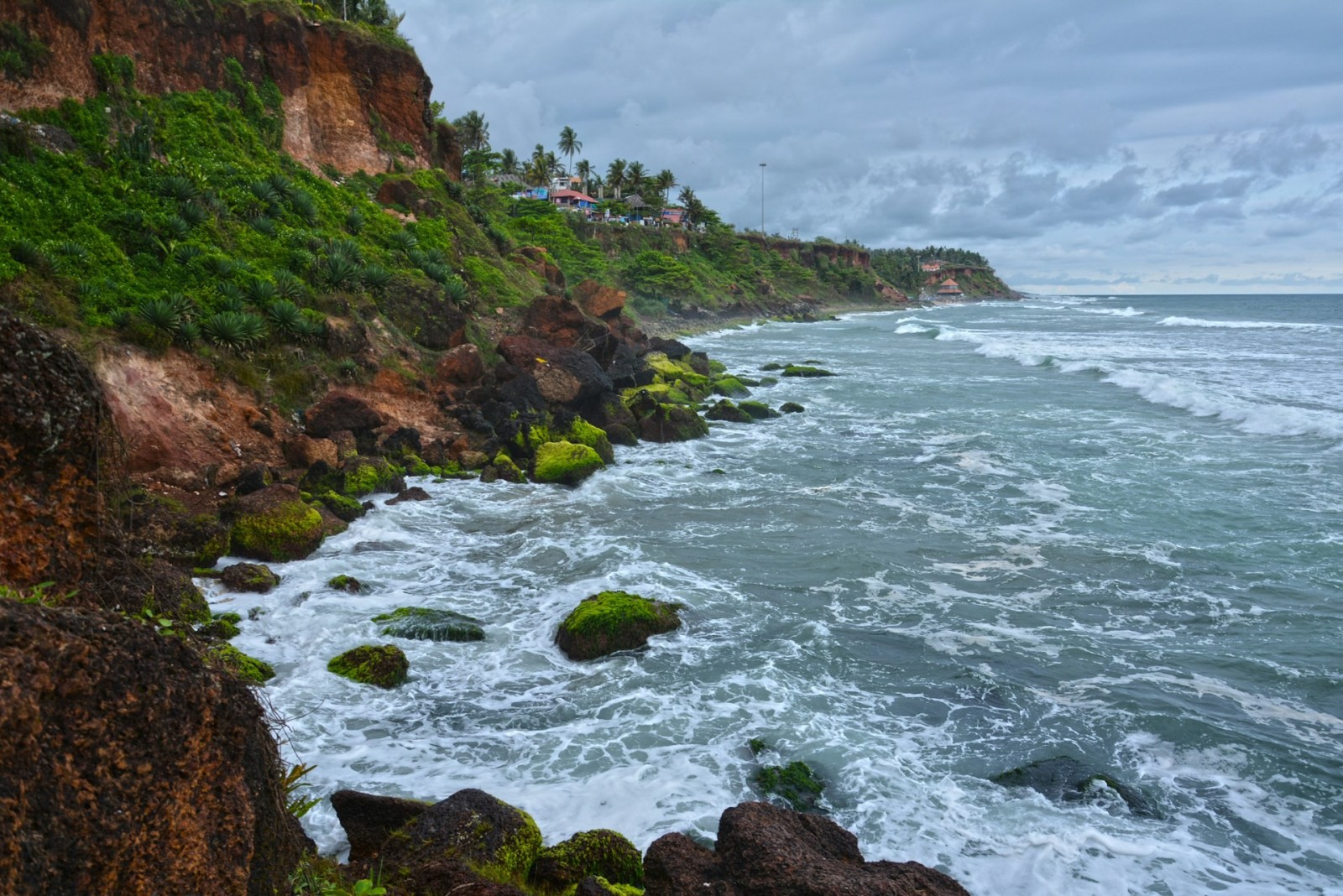
Tonight. Modern Varkala combines several images at once: an ancient religious center, a beach resort, a place of yoga and Ayurveda and a quiet tourist city. The main natural feature is the high laterite rocks directly over the Arabian Sea. It is recognized as a geological monument.
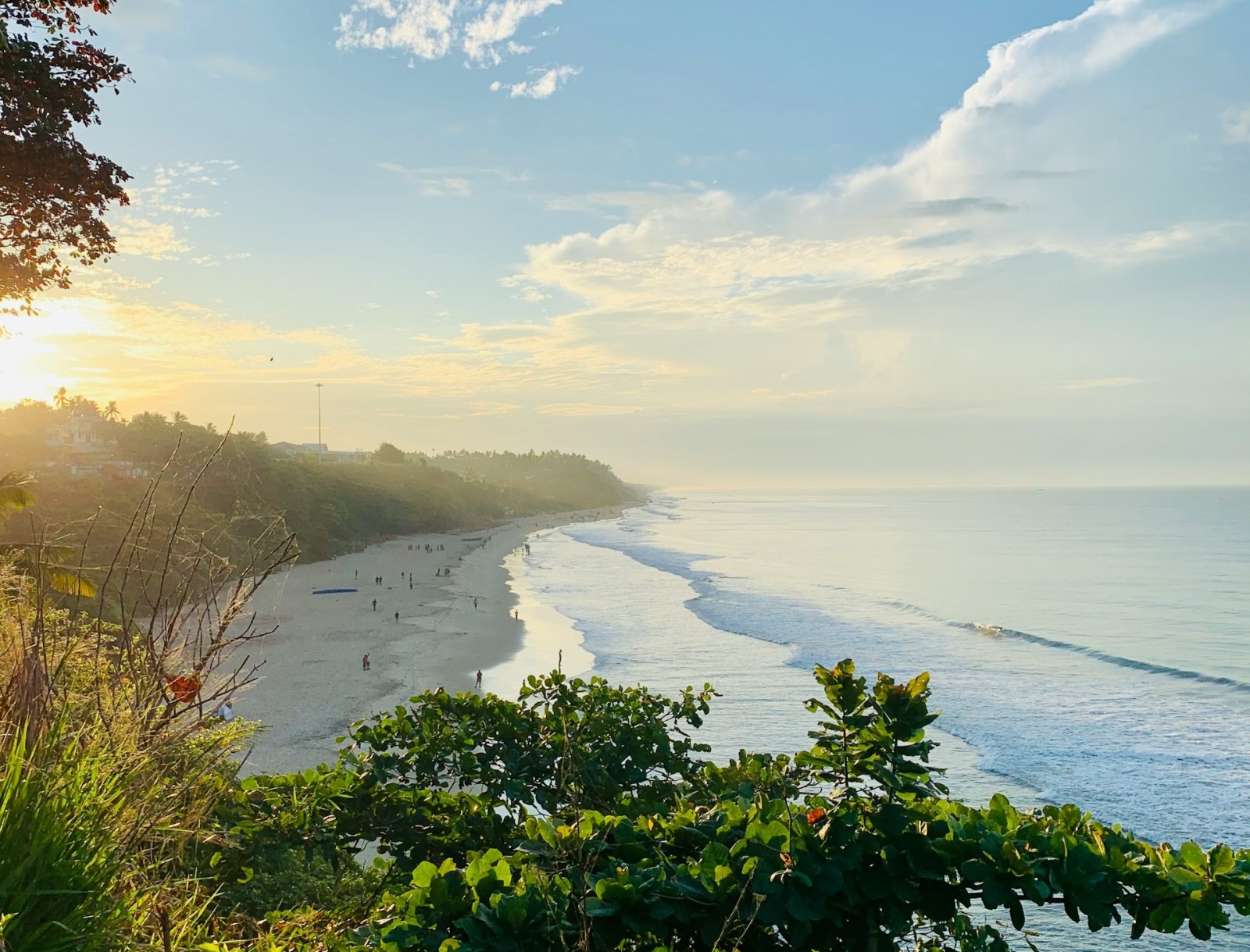
Varkala is considered one of the most unusual beach destinations in Kerala. Unlike many other parts of the coast, there are long laterite cliffs directly above the sea, on which there are cafes, restaurants, shops, hotels and walking paths.
The main attraction is Varkala Beach, or Papanasam Beach. It is known for its golden sand, sea and religious significance. The name Papanasam is translated as “destroying sins”, so the place is both a beach and a sacred place of pilgrimage.
Of great interest is the rocky coast of Varkala. From the height, panoramic views of the Arabian Sea open, especially beautiful at dawn and sunset.
The city also attracts travelers with temples and spiritual centers. Janardhan Swami Temple is located next to the beach, and a few kilometers away is Shivagiri, a large pilgrimage complex associated with Sri Narayana Guru.
Varkala is particularly suitable for:
beach holiday;
yoga and meditation;
Ayurvedic procedures;
surfing;
quiet walks;
acquaintance with the culture of Kerala;
religious and spiritual tourism;
Rest in small resort hotels.
To get acquainted with Varkala itself, 2-4 days are usually enough, and if you want to combine the beach, Ayurveda, excursions and the surrounding area, you can stop for a week.
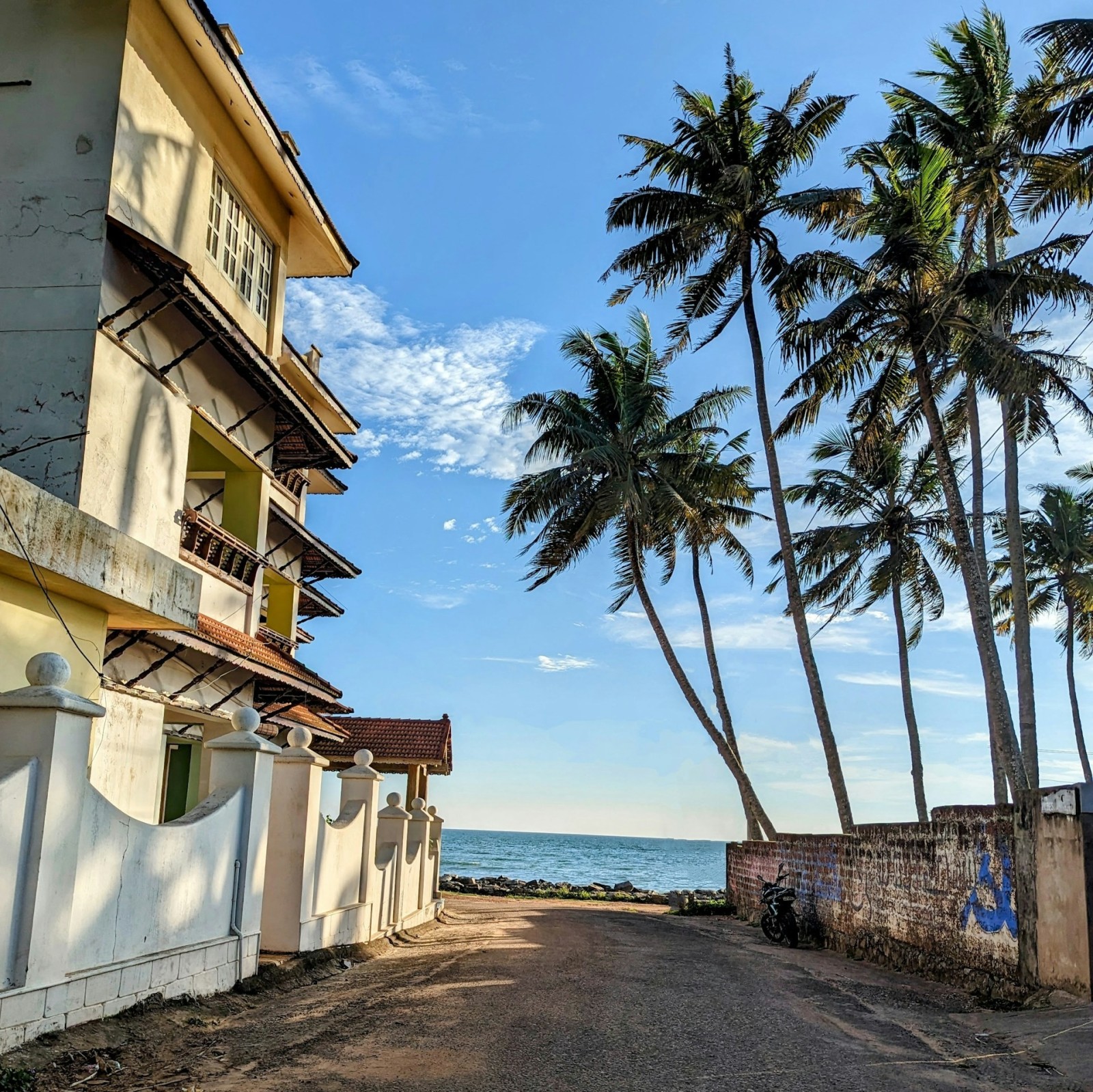
Mid-range hotels. The city has many small hotels and resort hotels with air conditioning, restaurant, swimming pool and transfer. Famous options include InDa Hotel, Sajjoys, Indraprastha Beach Resort, Gateway Varkala. Kerala Tourism also includes these and other properties in the list of Varkala accommodations.
Comfortable resorts and hotels by the sea. Suitable for those who want to live near the cliffs and the beach. Notable options include Gateway Varkala, Krishnatheeram Ayur Holy Beach Resort, Blue Water Beach Resort, West Bay Palm Tree Beach Resort.
Ayurvedic resorts. Varkala is known for Ayurveda centers and wellness programs. For example, Krishnatheeram Ayur Holy Beach Resort combines accommodation, yoga and Ayurvedic treatments.
Budget hotels. In the North Cliff area and near the beach there are many small hotels, guesthouses and rooms for independent travelers. They are usually simpler in equipment, but are close to cafes, shops and the beach.
Guesthouses and homestay. A good option for a long stay and acquaintance with the local life. Kerala Tourism separately takes into account a large number of homestays in Varkala.
Service villas and apartments. Suitable for families and tourists who plan to stay for a few weeks.
For a first acquaintance, it is more convenient to choose accommodation in the North Cliff area or near the central part of the beach: from here it is easier to get to restaurants, shops, the beach and the walking area.
Varkala Beach / Papanasam Beach. The main tourist symbol of the city. It is easily accessible on foot or by auto-rickshaw from central areas.
The Rocks of Varkala Cliff. Walking area over the sea with restaurants, cafes and shops. Many areas are accessible on foot.
The Janardhana Swamy Temple. One of the oldest temples of Varkala, dedicated to Vishnu. Located near the beach and accessible on foot, by auto-rickshaw or taxi.
Shivagiri Mutt (Sivagiri Mutt) The spiritual complex is about 3 km from Varkala. It is convenient to go by auto-rickshaw or taxi.
Sharada Temple (Sarada Temple) It is located in Shivagiri territory. Its unusual octagonal architecture is associated with the ideas of Sri Narayan Guru.
Lake Kappil (Kappil Lake) A picturesque lagoon near Varkala. It is better to get by car, taxi or auto rickshaw.
Kappil Beach (Kappil Beach) A quieter stretch of coast outside central Varkala.
The island of Ponnumthuruthu Island. A small island among backwaters and greenery. Usually visited during a boat trip.
The Fort of Anchuthengu Fort. Historical British fortress of the XVII century. It is better to go by taxi or car.
The Varkala Tunnel (Varkala Tunnel) Historical hydraulic structure associated with the old water transport system.
Tiruvambady Beach (Thiruvambady Beach) A quieter beach near the resort area.
Varkala is well connected by rail and road to Tiruvanantapuram and Kollam. Varkala railway station is about a few kilometers from the tourist area, and the nearest major airport is Tiruvananthapuram International Airport.
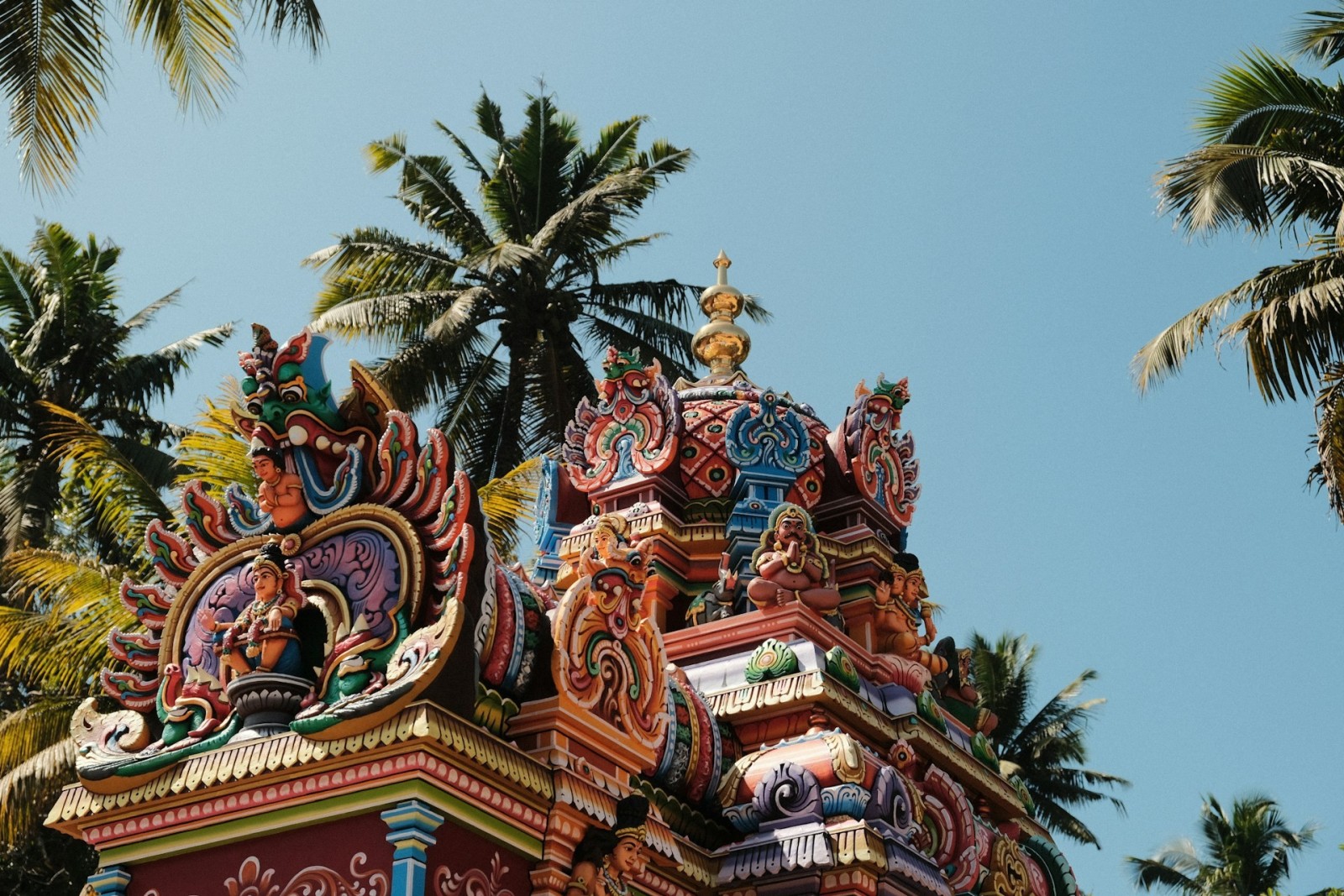
The Shivagiri Pilgrimage (Sivagiri Theerthadanam) – December–January, mainly December 30 – January 1. Processions, lectures, cultural programs and religious events are held; pilgrims traditionally wear yellow clothing.
Jayanti Sri Narayana Guru (Gurudeva Jayanthi) – August – September. Shivagiri hosts processions, cultural programs, lectures and social events.
Arattu Festival in the temple of Janardhan Swami (Arattu Festival) - March-April. The program includes religious ceremonies, processions with elephants and traditional performances, including Kathakali.
Karkidaka Vavu is usually July-August. In the temple there are rituals of memory of ancestors.
Minabharani (Meenabharani) - February-March in the temple of Sarkar Devi near Varkala. The festival lasts about ten days and includes religious ceremonies, processions and a fair.
Navratri (Navaratri) – September – October. Religious and musical programs are held in temples and cultural centers.
Cultural programs and concerts. Varkala regularly hosts traditional music performances, dance programs, yoga events and cultural evenings, especially during periods of major festivals.
Varkala has a humid tropical climate. The official tourist portal of Kerala indicates a typical temperature range of about 30-36 ° C and a pronounced season of the southwest monsoon with heavy rains in June-August. The best time to visit is October-February.
Winter - December - February. During the day about 29-32 ° C, at night 22-25 ° C. The sea is about 27-28 ° C. This is the most comfortable time for the beach, walks, excursions and yoga.
Spring - March - May. During the day, about 31-34 ° C, at night 25-28 ° C. Water is approximately 28-30 °C. It is hot and humid, but the sea remains warm.
Summer is June-August. The air temperature is usually around 29-31 °C, but the humidity is high. The sea is about 27-29 °C. This is the period of the southwest monsoon with heavy rains; high waves and erosion of certain sections of the coast are possible on the coast.
Autumn - September - November. The temperature is about 29-32 °C, the sea is about 28-29 °C. In September, rain is still possible, and in October-November the weather gradually becomes more suitable for recreation.
The best time to travel is October-February, especially December-February. To participate in Shivagiri, Tirthadanam is interested in the period of late December – early January.
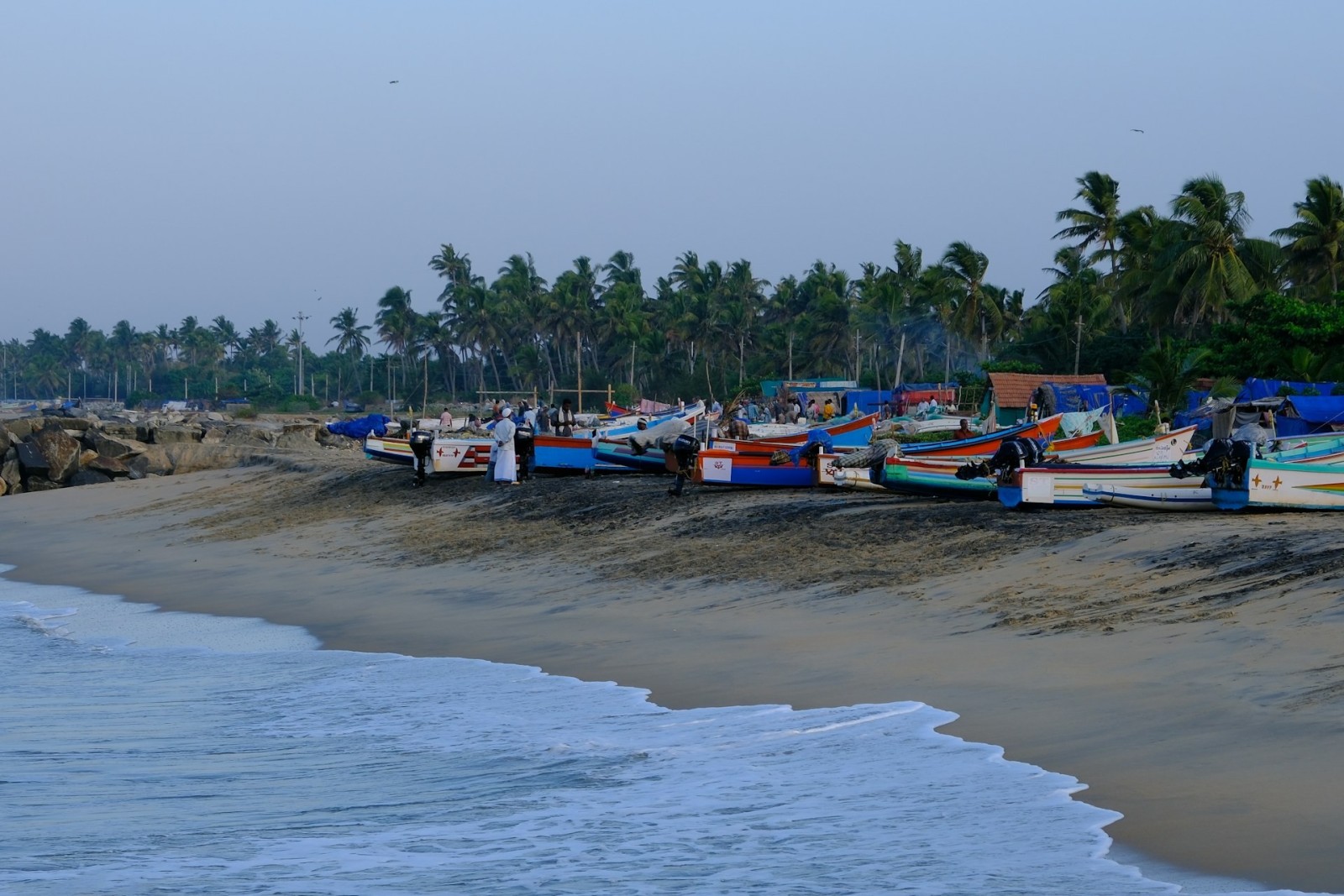
Language. Kerala’s primary language is Malayalam. English is widely used in tourist Varkala. Hotels, restaurants and tourist centers can usually be explained in English.
Clothes. When visiting temples, you should choose closed and modest clothes. Shoes are usually taken off before entering the temple.
Behavior in temples. You can not speak loudly, interfere with prayers or take pictures of sacred objects where it is forbidden.
Shivagiri. This is not just a tourist attraction, but an active spiritual center. Pilgrims and religious ceremonies should be respected.
The beach. Swimming is necessary only under the right conditions and observe the warnings of rescuers. In some areas, the waves are strong.
Alcohol. It should be used only where permitted by law and institution.
Smoking. Do not smoke indoors or other places where it is prohibited.
Photo and video. You cannot take photos of people, religious ceremonies or restricted objects without permission.
Nature. Do not leave garbage on the beach, rocks and near temples.
Medicinal and Ayurvedic remedies. It is better to buy drugs and oils in official or well-known centers and check the rules for their export in advance.
Drugs. Indian law provides for strict liability for illegal drugs.
Public behavior. In religious areas and near temples, it is better to behave with restraint and respect.
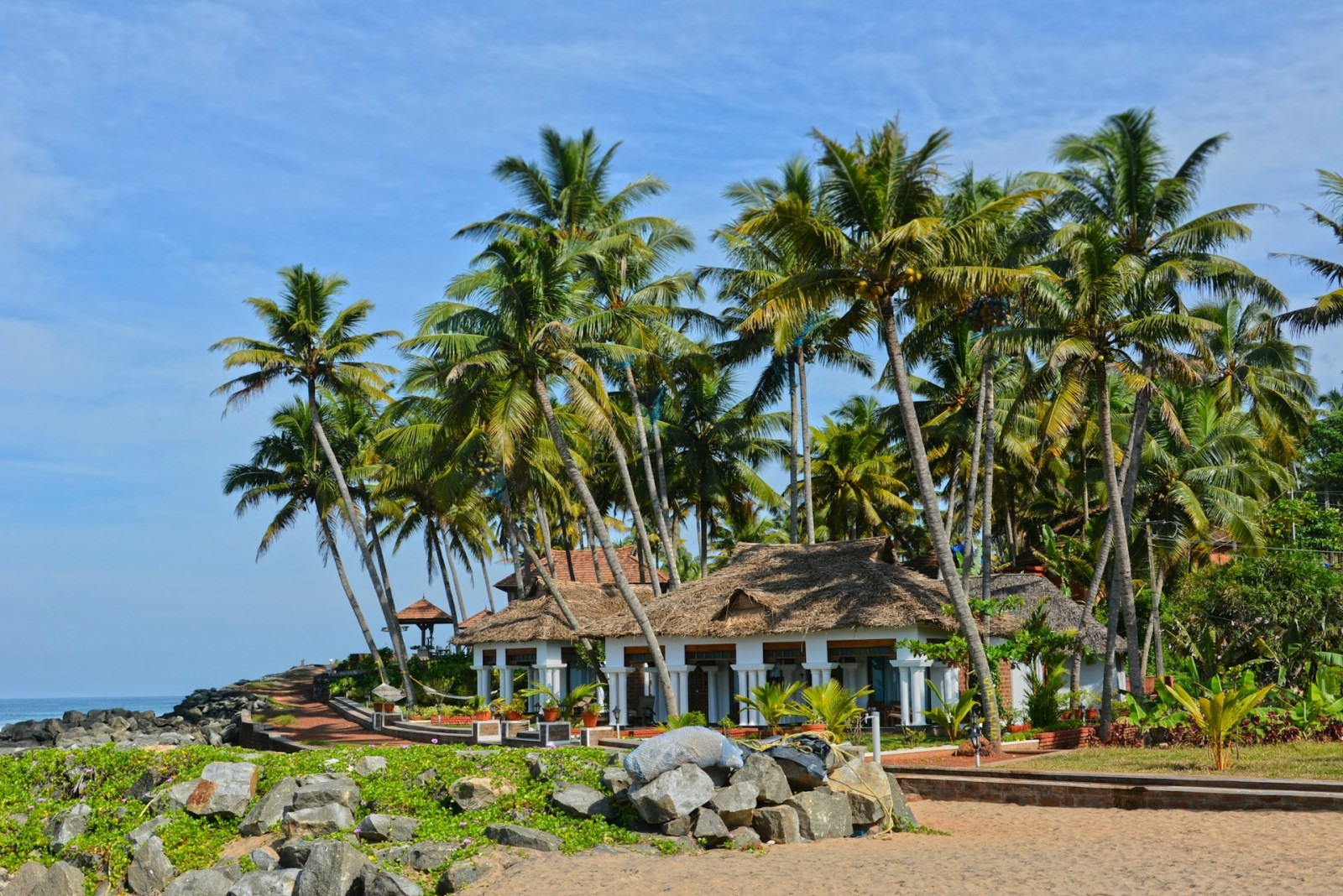
Greetings
Namaskaram - Namaskaram - hello.
Nanni - Nanni - thank you.
Sari -- Sari -- okay, okay.
Athe - Athe - yes.
Illa - Illa - No.
Dayavayi - Daiavai, please.
Kshamikkanam - Kshamikkanam - sorry.
Useful words.
Vellam - Vellam - water.
Bhakshanam - Bhakshanam - food.
Kaasu - Kaasu - money.
Vila ethra? - How much is Vila Etra?
Evide? - Evide?
Eppol? - When?
Enikku venam - Enikku venam - I need it.
Venda - Wenda - no need.
Alla - Nalla - good, good.
At the hotel.
Enikku oru room venam. - Enikku orrum vanam - I need a number.
Room ready aano? - Rum radio aano?
Wi-Fi undo? Do you have Wi-Fi?
Breakfast eppol aanu? - Brackfast apple aanu? - What's breakfast?
At the restaurant.
Menu tharamo? - Can I have a menu?
Vegetarian undo? Do you have vegan food? - Vegetarian?
Vellam venam. - Vellam vanam needs water.
Ithu ethra? How much does it cost?
Bill tharamo? - Bill Taramo?
Transportation.
Varkala railway stationilekku. - Varkala Railway Staisenilekku - to Varkala railway station.
Beachilekku pokanam. - Bichilekku Ponam - I need to go to the beach.
Ethra roopa? - How many rupees?
Ivite nirttamo? - Can you stay here?
If you need help
Sahayikkamo? - Can you help me?
Enikku manassilayilla. - Enikku Manasilailla - I don't understand.
Police evide aanu? - Where are the police?
Doctor venam. - Dr. Vanam needs a doctor.
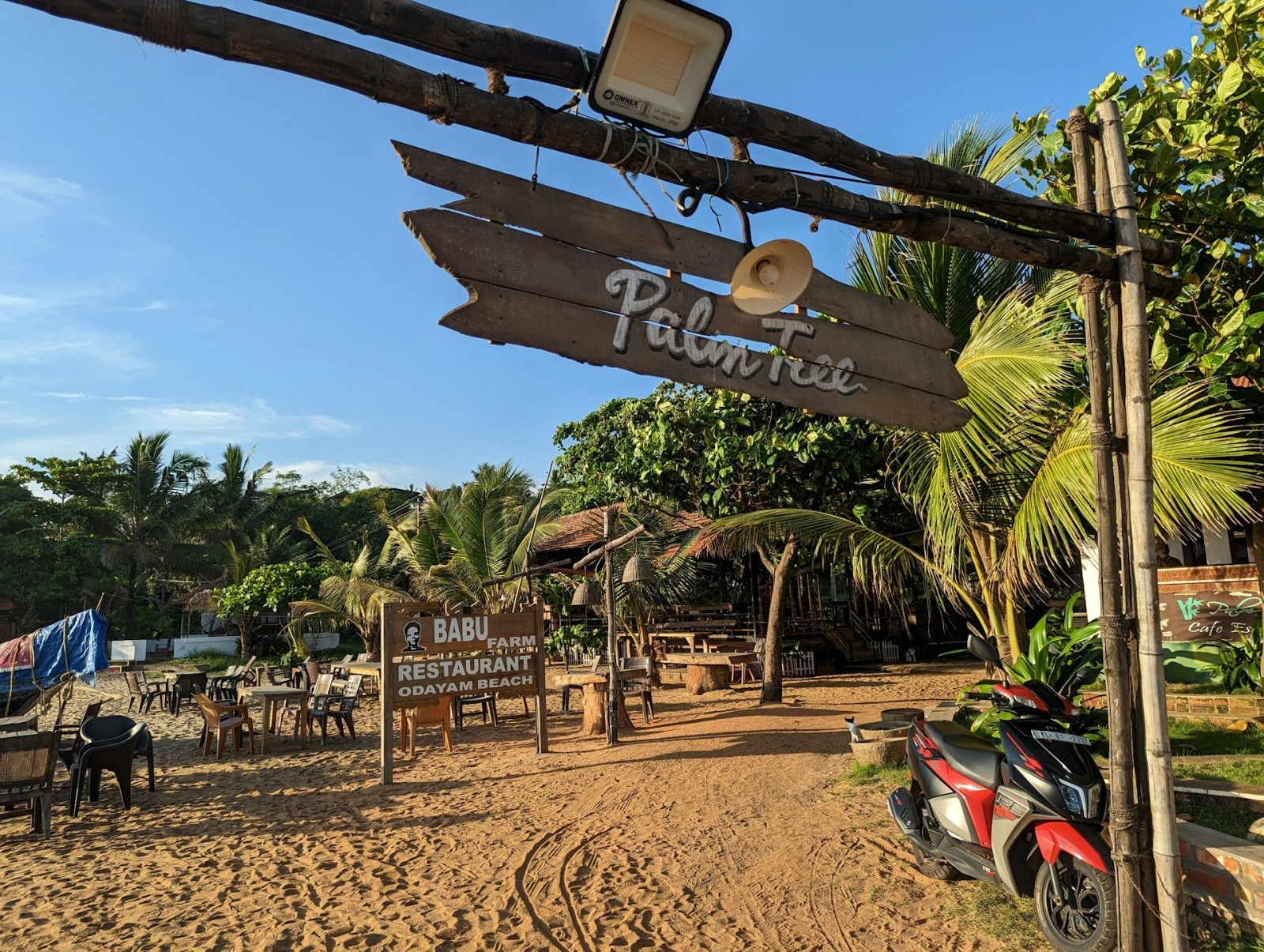
Ayurvedic oils. There are many Ayurvedic centers in Varkala, so massage and cosmetic oils are popular. It is better to think of them as traditional cosmetic and wellness products, rather than as a substitute for drugs.
Herbal cosmetics. Soaps, shampoos, creams and oils based on coconut, herbs and spices.
Coconut oil. One of the characteristic products of Kerala.
Indian spices. Black pepper, cardamom, cinnamon, cloves, turmeric, ginger and ready-made spice mixtures.
Tea and coffee. A good option for a small edible souvenir.
Ayurvedic herbs and mixtures. It is desirable to buy only in checked stores and in factory packaging.
Coconut fiber products. Baskets, mats, small decorative objects.
Kerala textiles. Light cotton fabrics, scarves and traditional clothing.
Wooden products. Small figures, decorative objects and handmade products.
Jewelry and jewelry. In the tourist area, products made of wood, metal, stone and inexpensive jewelry are sold.
Souvenirs with Varkala symbols. Magnets, small figures, images of Shivagiri, temples and the beach.
Seashell souvenirs. Small ornamental items are suitable, but you should not buy items from protected species of animals or illegally obtained natural materials.
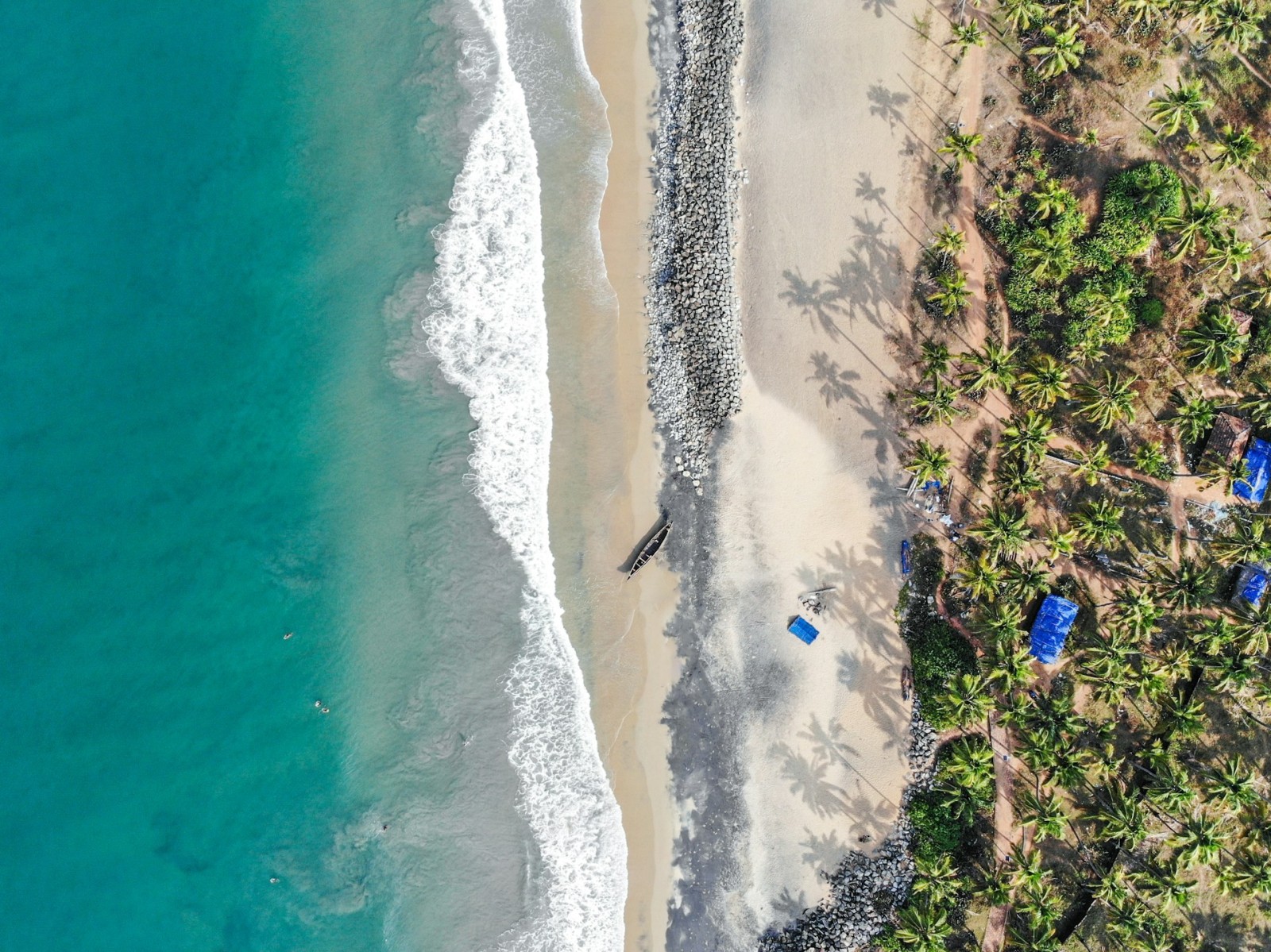
Documents. You will need a passport and a valid Indian visa or e-Visa. For e-Visa, you must obtain an electronic permit and present it at the entrance.
Copies of documents. It is recommended to have separate copies of your passport, visa, air tickets and insurance policy, and keep electronic copies in a secure cloud storage.
Insurance. It is advisable to issue travel insurance covering treatment, hospitalization, emergency care and medical evacuation.
Emergency number. India’s emergency services number is 112. Through it you can call the police, fire service or ambulance.
Police. In India, the police number 100 is also used, but the main universal emergency number is 112.
Beach and sea. Do not go far into the sea with strong waves. During the monsoon, conditions on the coast can deteriorate and the shore is eroded.
Rocks. On the edge of the cliffs, you can not get too close to the cliff, especially after rain or in strong winds.
Create a query and local guides will offer you the best options

