Independent tourism and recreation in the city of Waterford Historical information about the city of Waterford...
1. The foundation of the city and the era of the Vikings (IX-X centuries)
The history of Waterford begins around 914, when the Vikings founded a fortified settlement here. Its name comes from the Old Norse word Veðrafjðrðr, which is commonly associated with the concept of a lamb fjord or protected sea bay.
Due to its location on the Shur River, the settlement quickly became an important trading and naval point. The Vikings used it as a base for maritime travel, trade and control of the surrounding territories. They maintained ties with Britain, Scandinavia and other European lands.
During this period, fortifications, trading platforms, craft workshops and residential quarters appeared. The population was engaged in metal processing, manufacture of weapons, trade in furs, fabrics and other goods. Waterford gradually became one of the most important Scandinavian settlements on the island.
2. The development of the city and the struggle for power (X-XII centuries)
In the following centuries, Waterford was repeatedly the object of a struggle between local Irish rulers and Scandinavian settlers. The city retained considerable influence due to its port and favorable geographical location.
In the XI-XII centuries it was an important center of the Kingdom of Leinster. A special role was played by King Dermot McMurrow, who in 1169 sought military help from the Norman Knights of Wales and England to regain power.
In 1170, Norman troops led by Richard de Clare, known as Strongbow, captured Waterford. After that, the city became one of the key points of Norman influence in Ireland. Soon there was a marriage Strongbow with the daughter of Dermot McMurrow Aoife, which had great political significance.
3. Normandy period and medieval prosperity (XII-XIV centuries)
After the conquest, the city began to actively rebuild. The Normans fortified defensive structures, erected stone buildings and developed an administrative system. Waterford became an important royal city and became one of the main centers of English power in Ireland.
The port is of particular importance. Trade with England, France and other European countries passed through it. The city received wine, fabrics, spices and luxury goods, and exported agricultural products, wool, leather and handicrafts.
In the XIII century, new religious institutions, churches and monasteries appeared. Stone construction, handicraft production and urban self-government developed. Waterford gradually acquired a characteristic medieval appearance with narrow streets, stone towers and fortified gates.
4. Obtaining city privileges and strengthening power (XIII-XV centuries)
In the thirteenth century, Waterford received special royal privileges, which contributed to the development of trade and independent city administration. At the beginning of the XIII century, the city received a charter from the English crown, which consolidated its rights and trade position.
In 1284, Roger le Lom became one of the first mayors of the city. Gradually, a system of city administration was formed, trading guilds and influential merchant families appeared.
Waterford was one of the most important ports in Ireland. Its merchants traded with English, French, Spanish and Italian cities. Especially actively imported wine, fabrics, salt and luxury items.
The city was also of great military importance. It was surrounded by powerful stone walls with towers and gates. One of the most famous fortifications was the Reginald Tower, which has survived to this day. It was used to protect the harbor, store valuables and later perform administrative functions.
5. Religious life and political changes (XVI-XVII centuries)
In the sixteenth century, Waterford remained an important commercial and administrative center. However, the spread of the Reformation and changes in the religious policy of the English monarchs gradually influenced the life of the city.
Most of the local population remained committed to Catholicism, which led to tension between the residents and the English Protestant administration.
In the seventeenth century, Ireland experienced several major military conflicts. During the Irish Uprising of 1641 and the subsequent wars, Waterford was among the cities that supported Catholic political forces.
Between 1649 and 1650, Oliver Cromwell’s troops fought in Ireland. Waterford was besieged, but initially managed to withstand the attack. Subsequently, the city came under the control of British parliamentary forces.
At the end of the seventeenth century, Waterford was involved in the Wilhelm War between supporters of Catholic King James II and Protestant William III. After the victory of the latter, the influence of the Protestant Anglo-Irish elite increased, and the political and economic situation of the Catholic population became more complicated.
6. Economic prosperity and development of production (XVIII century)
The eighteenth century was one of the most favorable periods in the history of Waterford. The city became a major commercial port of Ireland, occupying an important place in economic relations with Great Britain, Europe and North America.
Trade with Newfoundland was particularly active. Food, meat and other goods were sent from Ireland, and fish and products of overseas trade were returned.
Spacious merchant houses, warehouses, administrative buildings and new streets were built in the city. Significantly changed the appearance of the embankment, there were architectural structures in the Georgian style.
The most important event was the founding in 1783 of the production of crystal by the brothers George and William Penrose. Their company marked the beginning of the famous brand Waterford Crystal. Products were distinguished by high quality glass, complex cut and decorative design.
Waterford crystal gradually gained international fame and became one of the symbols of Irish craftsmanship. The development of glass production provided citizens with jobs and contributed to economic growth.
7. XIX century: industry, national movement and cultural development
In the nineteenth century, Waterford continued to develop as an industrial and maritime center. In addition to glass production, shipbuilding, agricultural processing, trade and port services played an important role.
One of the famous historical figures associated with the city was Thomas Francis Meager, an Irish nationalist and member of the Irish independence movement. It was he who brought the tricolor flag from France to Ireland, which later became the national symbol of the country.
The city also developed education, social organizations and cultural life. New residential areas were built, roads and transport links with other parts of the country were improved.
An important event was the opening of the railway connection, which strengthened the economic ties of Waterford with the interior of Ireland. The port continued to play a significant role in the transport of goods and passengers.
8. The Beginning of the Twentieth Century and Ireland's Struggle for Independence
At the beginning of the XX century, Waterford, like other Irish cities, became involved in political events associated with the struggle for independence from Great Britain.
During the Irish War of Independence (1919-1921), supporters of the Irish national movement were active in the region. After the conclusion of the Anglo-Irish Treaty in 1921, the process of forming an independent Irish state began.
In 1922-1923, the city was in a period of political instability caused by the Irish Civil War. The conflict affected business, trade and public life.
After the formation of the Irish Free State, Waterford gradually adapted to the new political and economic conditions. The city retained its importance as a major regional centre, although its industry and trade faced serious competition.
9. Development of the city in the second half of the XX century
After World War II, Waterford was gradually modernized. Industry, trade, education, health and services developed.
The city is famous for its Waterford Crystal production. In the XX century, crystal products became in demand in many countries of the world, were used to decorate interiors, make dishes and gift products.
In 1947, production was resumed in a new format and gradually turned into a large industrial enterprise. Waterford crystal has become an international symbol of quality and the Irish tradition of glassmaking.
At the same time, by the end of the twentieth century, traditional industries began to experience difficulties. The structure of the economy changed, the importance of some industries decreased, the role of trade, education and tourist services increased.
10. Modern Waterford and the preservation of historical heritage (XXI century)
In the XXI century, Waterford is actively developing as a tourist, cultural and educational center of southeastern Ireland.
In 2009, the famous crystal factory stopped working amid economic difficulties. Subsequently, the production and demonstration of traditional hand cuts were organized on a smaller scale in the urban center. Today, tourists can get acquainted with the history of the famous crystal and see the work of masters.
Great attention is paid to the preservation of the historical part of the city. Of particular importance is the Viking Triangle, where medieval buildings, museums, archaeological sites and historical streets are concentrated.
The city has Waterford Treasures museums that tell about the Viking, medieval and later past of the region. Historic buildings are gradually being restored and adapted for cultural events.
In 2017, the Waterford Greenway Tourist Cycling and Pedestrian Road was opened along the route of the former rail line between Waterford and Dangarwan. It became an additional attraction of the region.
Today, Waterford combines ancient architecture, maritime traditions, industrial heritage and modern urban infrastructure. Its history spans more than eleven centuries, and its Viking origins, Norman fortifications and famous crystal make it one of Ireland’s most interesting historical cities.
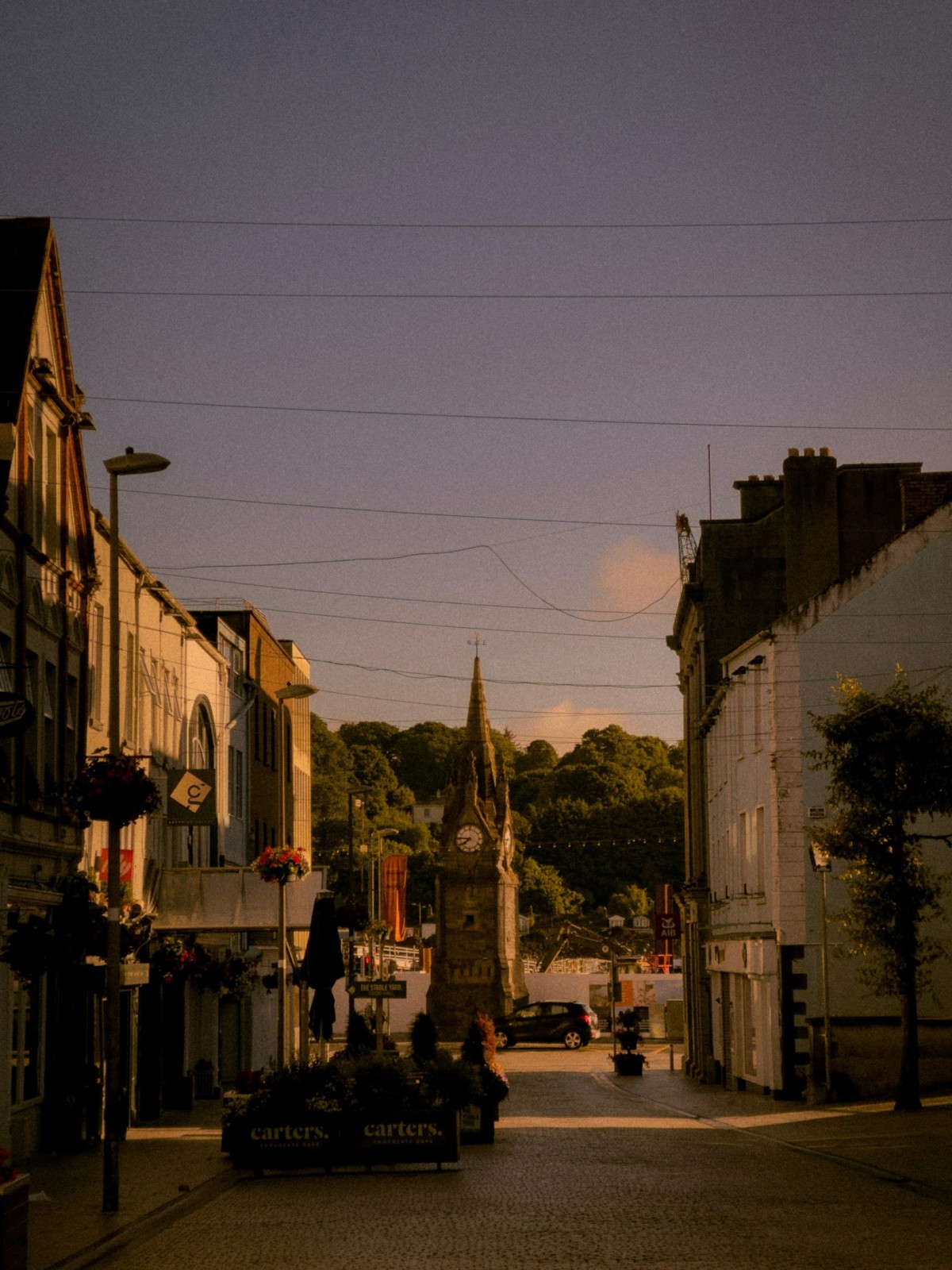
1. Historical atmosphere and architecture
Waterford attracts tourists primarily for its centuries-old history. There are medieval towers, ancient churches, historic buildings and narrow streets, reminiscent of the time of the Vikings and Norman rule.
Especially interesting is the Viking Triangle, the historic heart of the city. Here are concentrated the main monuments of the past, museums and architectural sights. A walk through the area allows you to see how Waterford has changed over the course of eleven centuries.
2. The famous Waterford crystal
One of the main reasons to visit the city is Waterford Crystal. Waterford crystal is known all over the world for the quality of glass, hand cut and exquisite design.
Tourists can visit the Waterford Crystal Center, get acquainted with the history of production, see the work of craftsmen and purchase products as a memorable gift. This is especially interesting for lovers of decorative arts, crafts and unusual souvenirs.
3. Museums and cultural recreation
The city offers a variety of opportunities to explore Irish history and culture. The museums present archaeological finds, household items, historical documents, ancient jewelry and works of art.
Waterford is suitable for travelers who prefer educational tourism, visiting historical exhibitions and familiarity with local traditions.
4. Walks along the embankment and river landscapes
The embankment of the Shur River is one of the pleasant places for walking. Here you can watch the movement of ships, admire historical buildings, relax in cafes and restaurants.
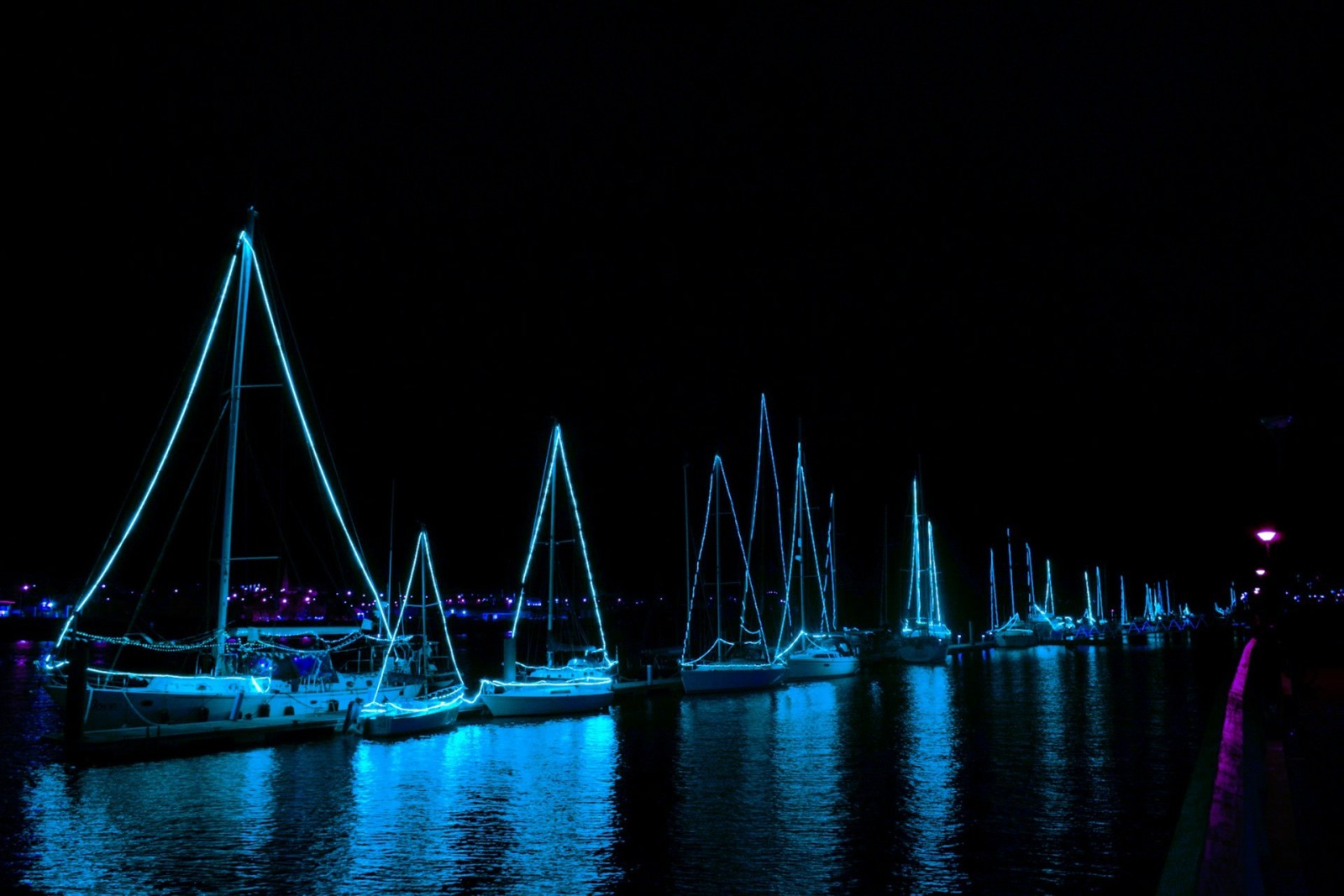
Especially attractive walks in the evening, when the city streets and the promenade are illuminated by lights. Photography lovers will love the views of the river, bridges and ancient architecture.
1. Luxury hotels and high-level hotels (4-5 stars)
For a comfortable stay, romantic trips and travelers who prefer a high level of service.
Such hotels offer spacious rooms, restaurants, bars, spa services, swimming pools, sports halls and additional opportunities for recreation. Some are located in historic buildings or country estates.
Waterford Castle Hotel & Golf Resort is a luxury castle hotel on a separate island on the Shur River. It offers historic interiors, a haute cuisine restaurant, a golf course and individual cottages. Suitable for romantic holidays and special trips.
Faithlegg Hotel is a country hotel complex in a historic mansion surrounded by green territory. There are restaurant, spa services, swimming pool, golf club and accommodation options in individual homes.
Fitzwilton Hotel is a modern four-star hotel in the central part of the city. Suitable for business trips and tourist holidays, offers a restaurant, bar and comfortable rooms.
Viking Hotel Waterford is a hotel outside the historic center with a restaurant, bar, free parking and convenient access by car.
2. Mid-range hotels (3-4 stars)
The best option for most tourists who want to combine comfort and reasonable costs.
In this category there are hotels with their own restaurants, breakfasts, comfortable rooms and location near the main attractions.
Granville Hotel is a famous historic hotel on Migers Quay. It features classic interiors, a restaurant and a convenient location close to museums and the Viking Triangle area.
The Tower Hotel & Leisure Centre is a hotel next to Reginald Tower and the historic centre. It offers a restaurant, a bar, a swimming pool and a sports and health complex.
Waterford Marina Hotel is a hotel on the banks of the Shur River with beautiful views, a restaurant and convenient access to the central streets.
Dooley’s Hotel is a family-run waterfront hotel known for its convenient location, restaurant and traditional Irish atmosphere.
Treacys Hotel Waterford is a downtown hotel with a restaurant, bar, swimming pool and wellness services.
3. Inexpensive hotels and budget hotels
Suitable for independent travelers, short stops and economical rest.
Budget hotels offer basic amenities: private rooms, private bathroom, Wi-Fi and the ability to order breakfast. Additional services are usually limited.
Travelodge Waterford is an affordable hotel on Cork Road. Suitable for short trips, stops for one or two nights and travelers by car.
Avondale Guest Accommodation is a small guest facility in the central part of the city, convenient for walking through historic streets.
Portree House is a guest house with simple rooms, suitable for budget accommodation near the center.
The Dyehouse is a small cozy guest house with a homely atmosphere, convenient for tourists who prefer independent acquaintance with the city.
1. Reginald Tower (Reginald's Tower)
One of the main historical attractions of Waterford, located on the waterfront. The tower is associated with the Viking past of the city and is considered one of the most important surviving medieval structures in Ireland.
Inside is a museum with archaeological finds, household items, weapons and exhibits telling about the life of the Vikings and the development of medieval Waterford.
Transport accessibility: located in the city center, in the Viking Triangle. From the central embankment you can walk in a few minutes. From the bus station, the road takes about 5-10 minutes on foot.
2. Viking Triangle Historic District (Viking Triangle)
The main historical district of the city, where monuments of different eras are concentrated. Here are preserved ancient streets, medieval buildings, churches and museums.
In the area are:
Reginald Tower.
A medieval museum.
Bishop's Palace.
Christ Cathedral.
Time museum.
Tourists can walk on their own through historical streets or use the services of a guide. The area is especially interesting for lovers of architecture and history of Ireland.
Transport accessibility: located in the heart of Waterford. Most objects are within walking distance of each other. It is most convenient to get on foot from the embankment or bus station.
3. The Waterford Medieval Museum
One of the most interesting museums in the city, dedicated to the medieval history of Waterford. The expositions tell about the life of citizens, trade, religious traditions and the development of the city during the Norman rule.
Here you can see ancient fabrics, jewelry, documents, objects of church art and archaeological finds. Of particular interest are the historical premises and preserved elements of medieval architecture.
Accessibility: Located on Cathedral Square in the Viking Triangle. Reginald Tower can be reached in about 5-7 minutes.
4. The Bishop's Palace (Bishop's Palace)
Historical building of the XVIII century, which houses a museum dedicated to the life of Waterford in the Georgian and Victorian eras.
The exposition presents interior items, furniture, works of decorative art, silverware, paintings and historical documents. A visit to the palace allows you to get acquainted with the lifestyle of wealthy residents of the city of past centuries.
Transport accessibility: Located on The Mall, next to the Medieval Museum and other Viking Triangle facilities. Available on foot from any part of the central area.
5. House of Waterford Crystal (House of Waterford Crystal)
One of the most famous tourist attractions of the city. Waterford crystal has gained international fame due to the quality of glass, complex cutting and handmade craftsmen.
Visitors can get acquainted with the process of crystal production, see the work of glassblowers and cutting specialists, learn the history of the enterprise and purchase products in the brand store.
Transport accessibility: Located on The Mall, near the Viking Triangle. From the central embankment you can walk in about 5-10 minutes.
6. Christ Church Cathedral (Christ Church Cathedral)
Anglican Cathedral, located in the historical part of the city. The modern building was built in the XVIII century on the site of earlier religious buildings.
The cathedral is interesting for architecture, historical interior, ancient monuments and memorials. It is also associated with important events in the medieval history of Waterford.
Accessibility: Located at Cathedral Square, Viking Triangle. It is most convenient to walk. The visit can be combined with the Medieval Museum and the Bishop's Palace.
7. Cathedral of the Most Holy Trinity (Cathedral of the Most Holy Trinity)
Catholic Cathedral, built in the XVIII century. It is known for classical architecture and rich interior decoration.
Particularly noteworthy are the crystal chandeliers Waterford Crystal, decorating the interior. The cathedral is of interest to lovers of religious architecture and the history of Irish Catholicism.
Transport accessibility: located on Barronstrand Street, in the central part of the city. Viking Triangle can be reached on foot in about 5-10 minutes.
8. Museum of Time (Irish Museum of Time)
An unusual museum dedicated to the history of time measurement and the development of watchmaking. It features a collection of antique watches, mechanisms and chronometers, including rare examples of Irish watchmaking.
The exhibition is interesting not only for lovers of technology, but also for anyone who wants to know how the ways of measuring time have changed over the centuries.
Transport accessibility: located on Greyfriars Street, near the Viking Triangle. You can walk from the main museums in a few minutes.
9. Museum of Silver (Irish Silver Museum)
The museum is dedicated to the history of Irish silver craftsmanship and jewelry. There are ancient silverware, cutlery, jewelry, religious items and works of masters of different historical periods.
A visit to the museum allows you to learn about the development of handicraft production and trade in precious goods in Ireland.
Transport accessibility: located in the historic center, in the Viking Triangle. It is most convenient to walk from the Reginald Tower and other city museums.
10. The Clock Tower (Clock Tower)
A historical landmark of the XIX century, located on the embankment of Migers Quay. The tower was built in Victorian style and originally served not only as a clock, but also as a public fountain.
Today it is one of the recognizable architectural symbols of the embankment. This is a good place to walk and get acquainted with the historical port part of the city.
Transport accessibility: located directly on the embankment, near the bus station and the center. You can walk in a few minutes.
1. St. Patrick’s Day (March 17) The main national holiday of Ireland with parades, concerts, folk dances, street performances and festive processions.
2. Irish Tricolor Celebration (1848) – March It is dedicated to the history of the Irish national flag, first introduced by Thomas Francis Meager in Waterford. Historical exhibitions, lectures and commemorative events are held.
3. West Waterford Festival of Food (April-May) Gastronomic holiday with tastings, farmers' markets, culinary master classes and local cuisine.
4. Blackwater Valley Opera Festival (May–June) Musical event with opera productions, classical music concerts and performances of professional performers.
5. Spraoi (Spraoi International Street Arts Festival) - Aug. One of the main festivals of the city with theatrical performances, circus numbers, dances, music and a colorful street procession.
6. Waterford Walls Street Art Festival (Waterford Walls Festival) - Aug. International festival of wall painting, during which artists create large-scale paintings on the facades of city buildings. Tours, exhibitions and creative meetings are organized.
7. All Together Now (All Together Now Festival) A major music festival at the Curraghmore Estate with rock, electronic music, indie artists, theater and art programs.
8. The Dunmore East Bluegrass Festival is a summer festival. A musical festival with performances of folk bands, bluegrass performers and traditional music.
9. Waterford Harvest Festival (September) A gastronomic holiday with farmers' fairs, tastings, culinary master classes, local products and concerts.
10. Vitamin Sea Festival (Vitamin Sea Festival) An event in Tramore dedicated to sea recreation, healthy lifestyle, beach entertainment, sports and local gastronomy.
1. Winter (December-February)
The average daily temperature is about +8 ... +9 ° C, at night - +3 ... +5 ° C. Snow falls rarely and usually melts quickly. The weather is often windy, humid and overcast, prolonged rains are possible.
The temperature of sea water is kept within +8 ... +10 ° C, so swimming is suitable mainly for lovers of cold water.
2. Spring (March-May)
It gradually becomes warmer: in March, the air warms up to +10 ... + 11 ° C, in April - to +12 ... + 13 ° C, in May - to + 15 ° C. +16°C. At night, the temperature is usually +4 ... +8 ° C.
Sea water warms up from about +8 °C in March to +11 °C in May. The rains persist, but the length of daylight increases and there are more sunny periods. This is a good time to explore the historic center, walks along the promenade and trips around the surrounding area.
3. Summer (June-August)
The warmest and most comfortable period. During the day, the air temperature is usually +17. +20 °C, sometimes rises above +20 °C. At night - about +11 ... +13 ° C. Heavy heat is rare.
The sea water temperature reaches about +13 ... +16 °C. For a long swim, the water is cool, but the beaches of Tramor and the coast attract lovers of walking, surfing and water entertainment. Rain is possible even in the summer, so wet clothes are necessary.
4. Autumn (September-November)
In September, the weather is relatively warm: about 16 ... + 17 ° C in the afternoon. In October, the temperature drops to +13 ... +14 ° C, and in November - to +10 ... +11 ° C. It gets cooler at night - about 5... +11°C.
Sea water gradually cools: about +15 °C in September, +14 °C in October and +12 °C in November. In autumn, the amount of precipitation increases, especially in October and November, winds increase. September is suitable for excursions and walks along the coast, while late autumn is better for visiting museums and historical sites.
1. Language of communication
In Waterford, as in all Ireland, the official languages are English and Irish (Gaelic, Gaeilge). In everyday life, people mostly use English. Irish is found in street names, on signs, in government offices and during cultural events.
Basic English is sufficient for tourists. In hotels, restaurants, shops and museums, you can usually freely explain yourself on it. The Irish language is especially important to the national culture and traditions.
2. Local traditions and customs
Friendliness and sociability. The Irish appreciate polite communication. When meeting, it is customary to say hello, thank and maintain a relaxed conversation.
Pub culture. Pubs are an important part of public life. Here they meet with friends, listen to live music, communicate and get acquainted with local traditions.
Musical traditions. In Waterford and its surroundings, Irish folk music, dances and performances by local bands are popular.
St. Patrick's Day. March 17 is Ireland’s main national holiday. There are parades, concerts and street festivities, many residents wear green clothes.
Respect for national culture. The Irish language, history, symbolism and national traditions should not be mocked.
Punctuality. When visiting excursions, concerts and pre-booked events, it is advisable to arrive on time.
Tips. In restaurants, it is customary to leave about 10-15% for good service, if the service fee is not already included in the bill. In cafes and pubs tips are optional.
3. Rules of conduct in public places
In churches, cathedrals and other religious places, it is necessary to observe silence and choose restrained clothing.
You can not trash, spoil historical buildings, monuments and natural areas.
The privacy of residents should be respected and close-ups should not be photographed without their consent.
Smoking is prohibited in enclosed public spaces, including restaurants, cafes and pubs. There are special places on the street for this.
Alcohol should be consumed responsibly. Restrictions on drinking alcohol in public places must be observed.
During festivals and mass events, you should follow the instructions of the organizers and police officers.
4. Basic laws that must be observed
Traffic rules. It's left-hand traffic in Ireland. Pedestrians should carefully cross the roads, and car passengers must wear seat belts.
Alcohol driving. Driving in a state of alcoholic or narcotic intoxication is prohibited.
Prohibited substances. Possession, use and distribution of illegal drugs are punishable by law.
Public order. Hooliganism, aggressive behavior, threats and harm to other people are prohibited.
Conservation. You can not leave garbage on beaches, parks and tourist routes, damage plants and violate the rules of visiting protected areas.
Documents. During the trip, you must have a valid identity document with you and comply with the conditions of entry and stay in the country.
1. Greetings and everyday expressions
Hello, hello, hello. Transcription: [hallow].
Hi, hello. [hi]
Good morning - Good morning. [good morning]
Good afternoon - Good afternoon. [good aftenun]
Good evening - Good evening. [Good Evening]
Good night - Good night. [good knight]
How are you? - How are you?
I'm fine, thank you - I'm fine, thank you. [Im fine, sank yu]
Nice to meet you - Nice to meet you. [Nice to meet yu]
Goodbye - Goodbye. [bait]
See you later - See you later. [si yu leite]
Have a nice day, have a nice day. [heve naysday]
2. Polite words and expressions
Please - Please (if requested). [please]
Thank you. Thank you. [Sankyu]
Thanks a lot - Thank you very much. [Sanks e lot]
You're welcome, you're welcome. [Yor Welkam]
Excuse me - I'm sorry, let me contact you. [Excuse me]
Sorry, sorry, sorry. [argue]
No problem. No problem. [Know problems]
Yes, yes. [Yes]
No, no. [know]
Of course. [Ev Kors]
Could you help me? - Could you help me?
I don't understand. I don't understand. [Downt Andestand]
Could you repeat that, please? - Say it again, please. [whispering, pliz]
Do you speak Russian? - Do you speak Russian?
3. Phrases for communication in cafes and restaurants
A table for two, please, a table for two. [table for that, pliz]
Can I see the menu? - Can I see the menu?
What do you recommend? - What do you recommend?
I would like to order, I would like to order. [Wood like that horde]
I'd like a coffee, please. [Like e kofi, pliz]
Could I have some water? - Can I have some water?
What is the local speciality? - What's the local specialty?
Does this contain meat? - Does that contain meat?
The food is delicious, the food is delicious. [Dalishes food]
Could I have the bill, please? - Can I count, please?
Can I pay by card? - Can I pay with a card?
4. Phrases for shopping and shopping
How much is this? - How much does it cost?
How much does it cost? - How much does it cost?
I'm just looking, thank you - I'm just looking, thank you. [laughs] [laughs]
Do you have this in another size? - Is there another size?
Can I try this on? - Can I try this on?
Where can I pay? - Where can I pay?
Can I have a receipt? - Can I get a check?
Is this made in Ireland? - Is it made in Ireland?
I'm looking for souvenirs - I'm looking for souvenirs. [Luking for Souweniez]
1. Unique local products and dishes
1. Waterford Blaa is the famous soft white bun with a flour surface. It is the gastronomic symbol of the city, which is usually eaten with butter, cheese, bacon or ham. It can be brought as an edible souvenir, if the storage period allows.
2. Irish seafood - fresh oysters, mussels, shrimp and fish. Especially popular dishes from salmon, cod and sea bass.
3. Smoked salmon (Irish Smoked Salmon) is a traditional product that is sold in vacuum packaging and is suitable for a gastronomic gift.
4. Irish cheeses are aged cheddar, farm cheeses from cow and goat milk. A good option for lovers of local cuisine.
5. Apple desserts are pies, tartlets and pastries with apples, characteristic of the rural cuisine of Waterford County.
6. Irish Soda Bread is a bread based on soda and buttermilk, often with the addition of whole-grain flour. It can be purchased at local bakeries.
7. Local honey and jams are the products of small farms, including flower honey, fruit confitures and jam.
2. Drinks and local sweets
Irish whiskey is the country’s traditional alcoholic drink. You can buy a local bottle as a gift.
Irish cider is an apple drink popular in southeastern Ireland.
Irish tea is a strong black tea that is often drunk with milk.
Handmade chocolate - candy, truffles and chocolate sets from local confectioners.
Flahavan's oatmeal is a well-known Irish product suitable for the preparation of traditional oatmeal.
Jacob's Irish biscuits are a famous brand historically associated with Waterford.
3. Useful and traditional remedies
In Waterford you can find traditional Irish natural products that are used in home care and household.
Locally produced honey is used as a food product, used in home drinks for colds.
Natural herbal teas are mixtures with mint, chamomile, ginger and other plant components.
Creams with seaweed are cosmetic skin care products characteristic of the coastal regions of Ireland.
Handmade natural soap - products with vegetable oils, honey and herbal extracts.
Cosmetics with oat extracts - means for moisturizing and skin care.
Important: These products are not medicines and do not replace medical treatment. When buying should check the composition and possible allergens.
1. Required documents for travel
For a trip to Waterford, a tourist is recommended to have:
Passport – valid during the trip. It is desirable that the validity period covers the entire period of stay.
Visa – if the traveler’s citizenship requires an Irish visa. Ireland is not part of the Schengen area, so the Schengen visa itself does not give the right of entry.
Tickets back or for further travel may be required to confirm departure plans.
Confirmation of residence - reservation of a hotel, apartments or an invitation from the host party.
Confirmation of financial means – cash, bank card or account statement.
Health insurance is recommended for the entire period of travel, including emergency care and medical transportation.
Driving license – when planning a car rental. The requirements of the rental company and the recognition of national rights should be checked in advance.
2. Health insurance and medical care
Tourists are advised to apply for an insurance policy that covers:
emergency medical care;
hospitalization and treatment;
accidents and injuries;
medical evacuation and return to the homeland;
assistance in exacerbation of chronic diseases, if it is provided by the policy.
Citizens of EU and EEA countries can use the European Health Insurance Card (EHIC) when applying for the necessary state medical care under established conditions. However, it does not replace full travel insurance.
Waterford has medical facilities, pharmacies and emergency services. In case of serious health problems, you should go to the hospital or call an ambulance.
3. Emergency services phones
Ireland has a single emergency number. Calls are free.
112 or 999 Round the clock
Common emergency number
Police: 999 or 112.
Emergency medical care: 999 or 112.
Fire department: 999 or 112.
Coast Guard - 999 or 112.Tourist Crime Assistance: Tourist SOS - +353 1 666 9354.
When calling, you must inform:
What happened and what kind of help is needed.
Exact location or nearest landmark.
Number of victims and nature of injuries.
Contact number.
If you have lost your passport or become a victim of a crime, you should contact your local police and contact your country’s consulate.
4. Mobile operators and communications
There are three main mobile operators in Ireland:
Vodafone Ireland - broad coverage of mobile network, call services, Internet and 4G/5G.
Three Ireland - mobile Internet, calls and various fares for tourists and locals.
eir Mobile is a national operator with mobile and Internet services.
Additional operators and virtual brands are also available:
Tesco Mobile;
GoMo;
48 Mobile;
Lycamobile;
Clear Mobile;
An Post Mobile.
A tourist can purchase a local SIM card or use international roaming. Before traveling, it is advisable to check the cost of the Internet and calls from your operator. For travelers with SIM-cards of EU countries, the principle of roaming at home fares with fair use restrictions usually applies.
5. Basic Safety Rules in Waterford
Personal items. Do not leave phones, wallets and documents unattended in cafes, transport and public places.
Evening walks. Avoid poorly lit and uninhabited streets, especially at late times.
Money. Do not carry large amounts of cash, use bank cards and store spare funds separately.
Car. Do not leave valuables in sight in the cabin, close the doors and park in permitted places.
Weather conditions. Consider frequent rains, strong winds and possible storm warnings.
Coast. Observe warnings on the beaches, do not approach dangerous areas of the coast during severe unrest.
Alcohol. Avoid excessive consumption of alcoholic beverages and do not leave drinks unattended.
Local laws. Do not use or transport prohibited drugs. Observe public order and traffic rules.
In general, Waterford is suitable for independent tourism, including family trips. The main risks for travelers are associated with petty theft, road conditions and changeable weather.
6. How many tourists can stay in Ireland without leaving the country?
The length of stay depends on the nationality of the traveler and the type of entry permit.
Up to 90 days is the maximum period of regular tourist stay for citizens of countries entering Ireland for a short-term purpose. A specific time limit is determined by the immigration officer when crossing the border.
Citizens of the EU, EEA and Switzerland enjoy the right of free movement and can stay in Ireland for more than three months, subject to the established conditions of residence.
UK citizens enjoy special rights under the Common Travel Area.
Citizens of visa countries must apply for a short-stay C visa in advance unless they have a statutory exemption.
Long-term stay – stays for more than 90 days require a suitable basis, such as study, work or family reunification, and the necessary permit.
Create a query and local guides will offer you the best options

Install the app «PersonalGuide»
www.personalguide.ru
