Independent travel and view of the city of Estepona! History of Estepona Estepona is one of the oldest cities...
Estepona is one of the oldest cities on the Costa del Sol in the province of Malaga, an autonomous community of Andalucía. Today, the city is known for its beaches, flowering streets and modern tourist infrastructure, but its history goes back several millennia and is associated with the Phoenicians, Romans, Arabs and Spanish kingdoms.
Due to its location between the Mediterranean Sea and the Sierra Bermeja Mountains, Estepona has been strategically important since antiquity for trade, fishing and coastal defense.
Ancient history
The first settlements on the territory of modern Estepona appeared in prehistoric times. Archaeologists have discovered in the vicinity of the city stone tools and traces of the sites of people of the Neolithic and Bronze Age.
Its convenient location on the coast attracted ancient peoples who used the land for fishing and maritime trade.
Phoenician period
Approximately in the VIII-VII centuries BC on the coast appeared Phoenicians - the famous sailors and traders of the Eastern Mediterranean.
They established trading stations along the southern coast of Spain and actively developed:
fishing;
salt extraction;
trade in metals;
Fish sauce production.
Goods from North Africa, the Middle East and other parts of the Mediterranean passed through local ports.
Roman era
In the II-I centuries BC, the territory became part of the Roman Republic, and then the Roman Empire.
Not far from modern Estepona was a Roman settlement known as Sironia or Silnian (the exact name is still controversial among historians).
The Romans built:
roads;
warehouses;
fish processing enterprises;
harbor.
During this period, the following actively developed:
agriculture;
winemaking;
production of olive oil;
trade in the Mediterranean.
Archaeological evidence suggests that the region was rich and prosperous.
Visigoth period
After the fall of the Western Roman Empire in the fifth century, the territory came under the rule of the Visigoths.
Economic activity declined, but coastal settlements continued to exist. Many Roman structures were used for several centuries.
Arab Conquest and the Islamic Era
In 711, Arab and Berber troops crossed the Strait of Gibraltar and began the conquest of the Iberian Peninsula.
Estepona became part of the Muslim state of Al-Andalus.
It was during this period that the active development of the city began.
The Arabs built:
fortress walls;
watchtowers;
water supply system;
agricultural terraces.
It is believed that the name of the city comes from the Arabic name Astabbuna.
For several centuries Estepona was a small fortified city, defending the coast from attacks by pirates and enemy fleets.
The Reconquista and the Transition to Castile
In the fifteenth century, the Christian kingdoms gradually drove Muslims out of Spain.
In 1457, King Henry IV of Castile of Castile captured Estepona during a military campaign against the Emirate of Granada.
After the conquest, most of the fortifications were rebuilt and the population gradually became Christian.
Construction started in the city:
churches;
monasteries;
New residential neighborhoods.
XVI-XVIII centuries
After the completion of the Reconquista, Estepona continued to be an important coastal point.
However, life here was difficult due to the constant threat of pirate attacks.
To protect the coast, Spanish authorities erected numerous watchtowers.
Some of them have survived to our days:
Torre del Padrón (Torre del Padrón)
Torre de la Sal (Torre de la Sal)
Torre de Guadalmansa (Torre de Guadalmansa)
Residents were:
fishing;
agriculture;
grape growing;
olive oil production.
nineteenth century
In the XIX century, the economic growth of the region began.
Mineral deposits were discovered in the vicinity of Estepona.
Especially important was the development of metallurgy in the Sierra Bermeja Mountains.
There are:
mines;
metallurgical enterprises;
New trade links.
Despite the development of industry, fishing remained the most important branch of the economy.
XX century
Until the middle of the XX century, Estepona remained a small fishing town.
The main occupations of the population were:
fishing;
agriculture;
citrus cultivation;
animal husbandry.
Since the 1960s, there has been a tourism boom on the Costa del Sol.
Unlike many neighboring resorts, Estepona developed more calmly and managed to preserve its historical appearance.
Building:
hotels;
housing complexes;
embankments;
tourist sites.
The city gradually became a popular resort of international level.
Modern Estepona
Today, Estepona is one of the most beautiful cities of the Costa del Sol.
It is often called the “Garden of the Costa del Sol” because the authorities pay great attention to the greening of streets and squares.
Modern Estepona is famous:
historical center with white houses;
flower streets;
long beaches;
modern marina;
Art murals on the facades of buildings;
developed tourist infrastructure.
At the same time, the city managed to preserve the atmosphere of traditional Andalusia, which can not always be found in the larger resorts of the region.
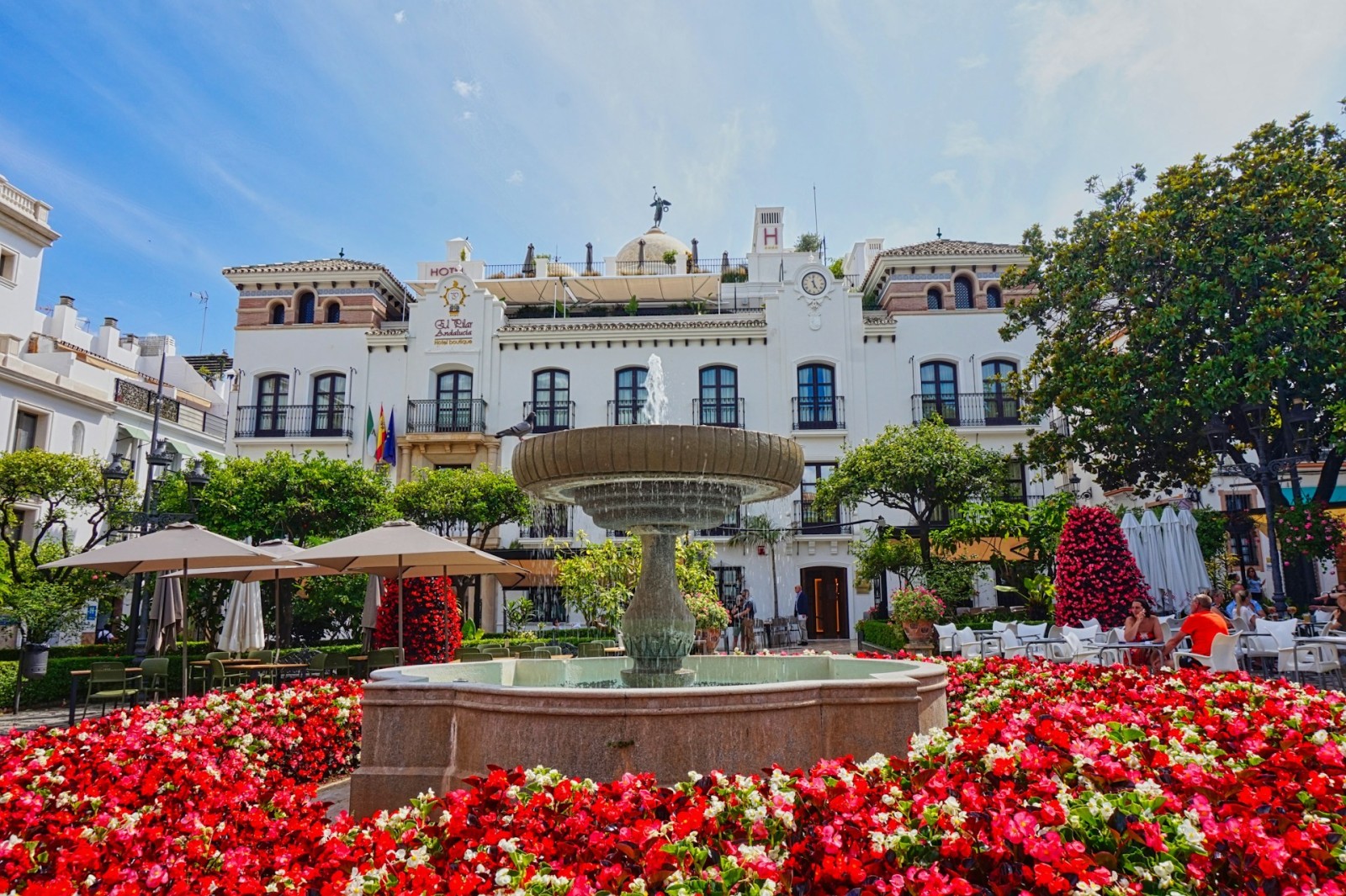
1. One of the most beautiful old cities of Andalusia
The historic center of Estepona is often called an open-air museum.
It is distinguished by:
White houses in the Andalusian style;
hundreds of flower pots on the facades;
narrow cobbled streets;
cozy squares;
traditional cafes and restaurants.
During the walk, it feels like time has stopped here a few centuries ago.
2. Beautiful beaches of the Mediterranean Sea
The coastline of Estepona stretches for more than 20 kilometers.
The most famous beaches:
Playa de la Rada (Playa de la Rada)
Playa del Cristo (Playa del Cristo)
Playa de Guadalmansa (Playa de Guadalmansa)
Playa del Padrón (Playa del Padrón)
Most beaches have:
clear sand;
developed infrastructure;
cafes and restaurants;
recreation areas with children.
3. Year-round rest
Due to the mild climate, you can relax in Estepona almost at any time of the year.
Here:
more than 320 sunny days per year;
mild winter;
warm spring and autumn;
long beach season.
Even in winter, the air temperature often exceeds +15 ° C.
4. modern promenade
The embankment of Estepona is considered one of the most beautiful on the Costa del Sol.
Here are:
palm alleys;
observation decks;
bicycle paths;
café with sea views;
rest areas.
In the evening, the embankment becomes the main place for walks of residents and tourists.
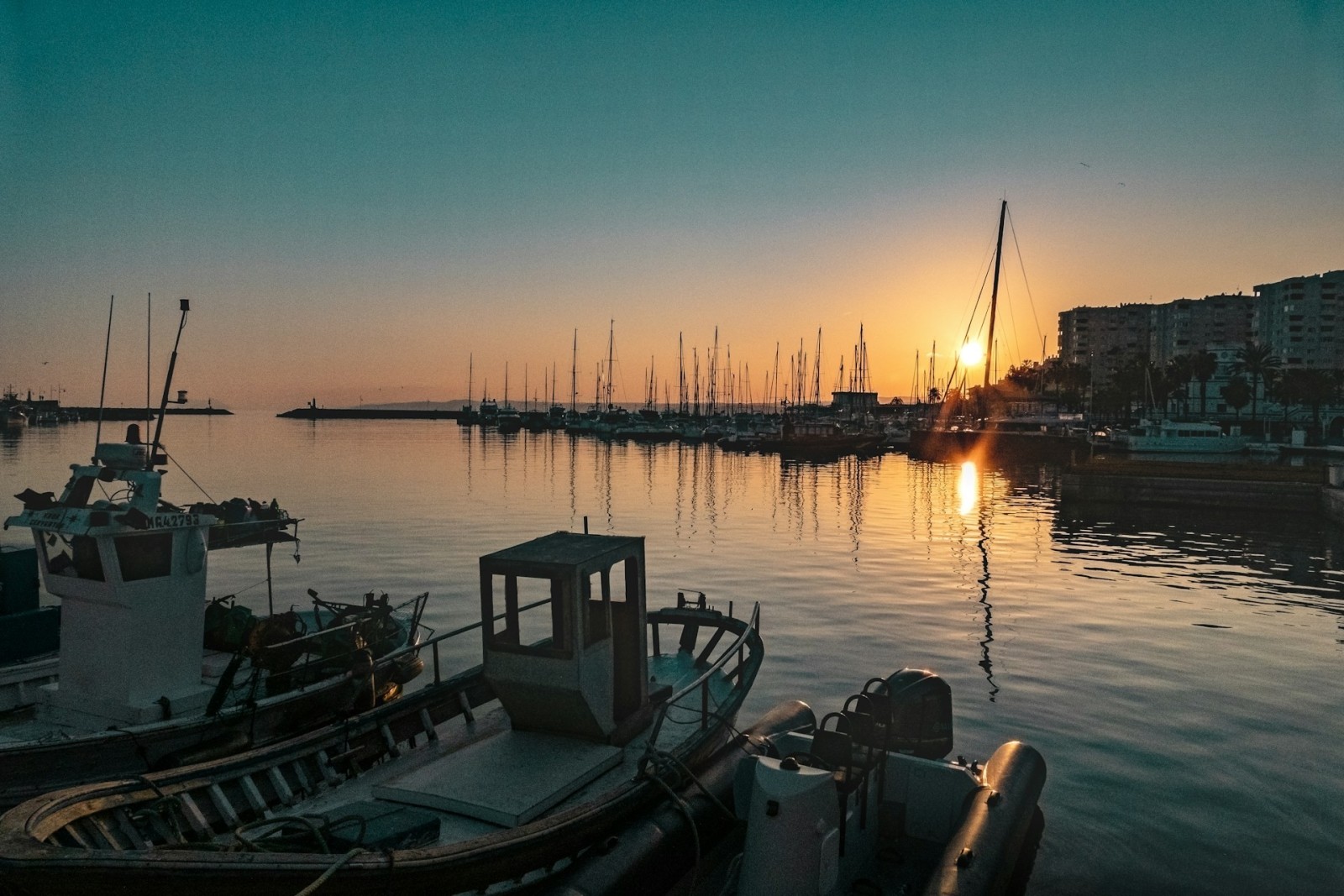
5. Port and yacht marina
The Port of Estepona (Puerto Deportivo de Estepona) is a popular holiday destination.
Here you can:
See luxury yachts;
visit fish restaurants;
go for a sea trip;
go fishing;
watch the sunsets.
6. Artistic murals
Estepona is known for an unusual urban art project.
On the facades of residential buildings created more than 60 huge art paintings.
The city is even called one of the largest street art galleries in Spain.
7. Estepona Orchidarium
One of the main modern attractions of the city is the Orquidario de Estepona.
There are thousands of orchids from all over the world.
The complex includes:
tropical garden;
waterfalls;
glass domes;
rare plants.
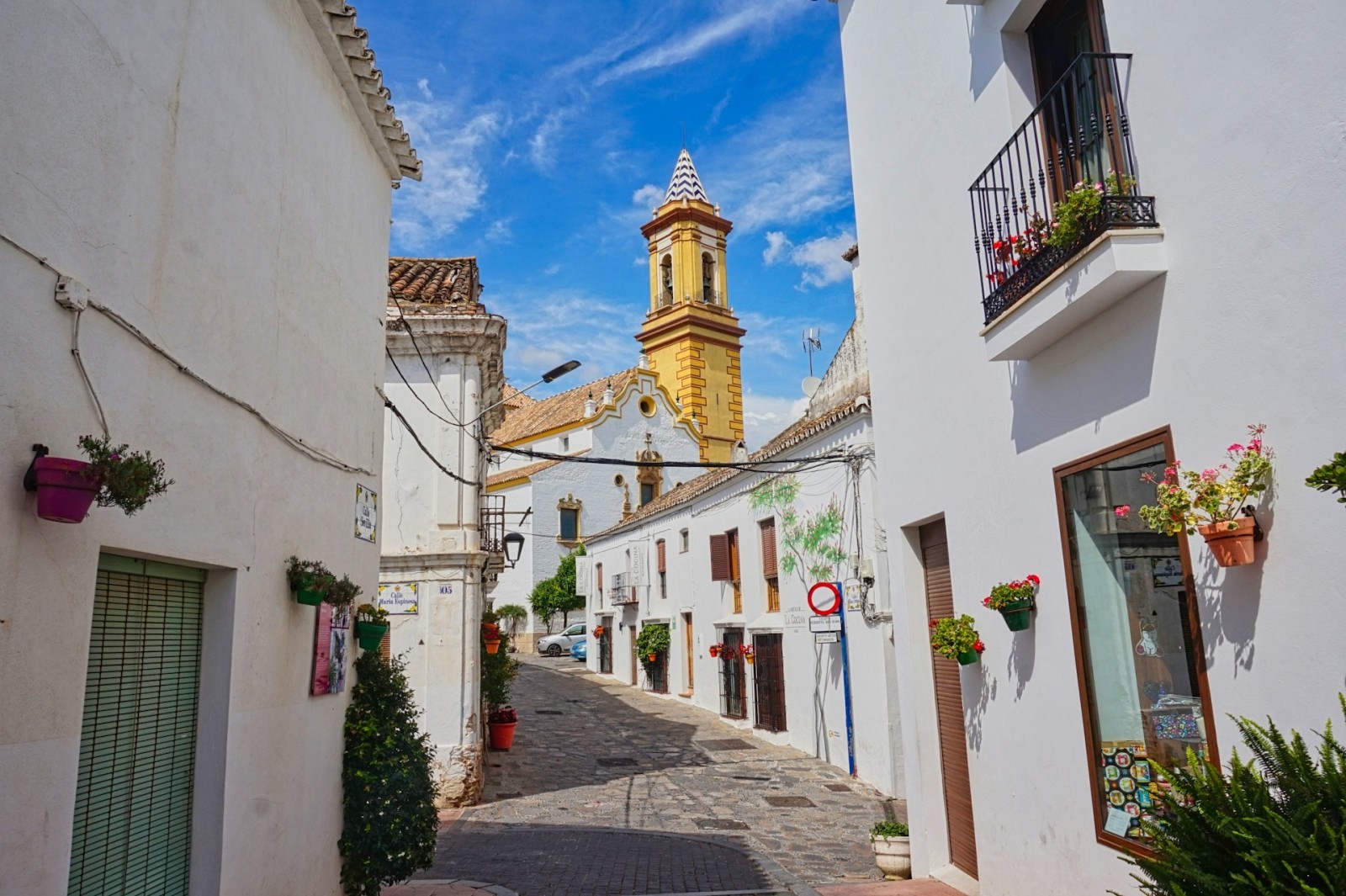
1. Hotels 5★ Hotels
Five-star hotels offer a high level of service, their own beaches, swimming pools, spa centers, restaurants and beautiful sea views.
Popular hotels:
Ikos Andalusia
Las Dunas Grand Luxury Hotel
Marriott's Playa Andaluza
METT Hotel & Beach Resort Marbella-Estepona
Suitable for a romantic holiday, family vacation and rest according to the All Inclusive system.
Average cost: from 250 to 700 euros per night.
2. Hotels 4★
The most popular category among tourists. Such hotels offer good service, swimming pools, restaurants and a convenient location near the sea.
Popular options:
H10 Estepona Palace
Elba Estepona Gran Hotel & Thalasso Spa
Sol Marbella Estepona Atalaya Park
Exe Estepona Thalasso & Spa
Average cost: from 120 to 300 euros per night.
3. Hotels 3★ Hotels
A good option for those who plan to spend a lot of time on excursions and the beach.
Popular options:
Hotel Mare Estepona
Hotel Buenavista
Ona Valle Romano Golf & Resort
Average cost: from 70 to 150 euros per night.
4. Boutique hotels
Small cozy hotels with individual design and home atmosphere. Usually located in the historic center of the city.
Popular options:
Hotel El Pilar Andalucía
The Old Town Hotel
Casa Veracruz
Hotel Estepona Plaza
Average cost: from 90 to 250 euros per night.
5. Apartments
One of the most popular options for families and long holidays.
Advantages:
own kitchen;
washing machine;
several rooms;
Possibility to cook yourself.
Average cost: from 60 to 180 euros per night.
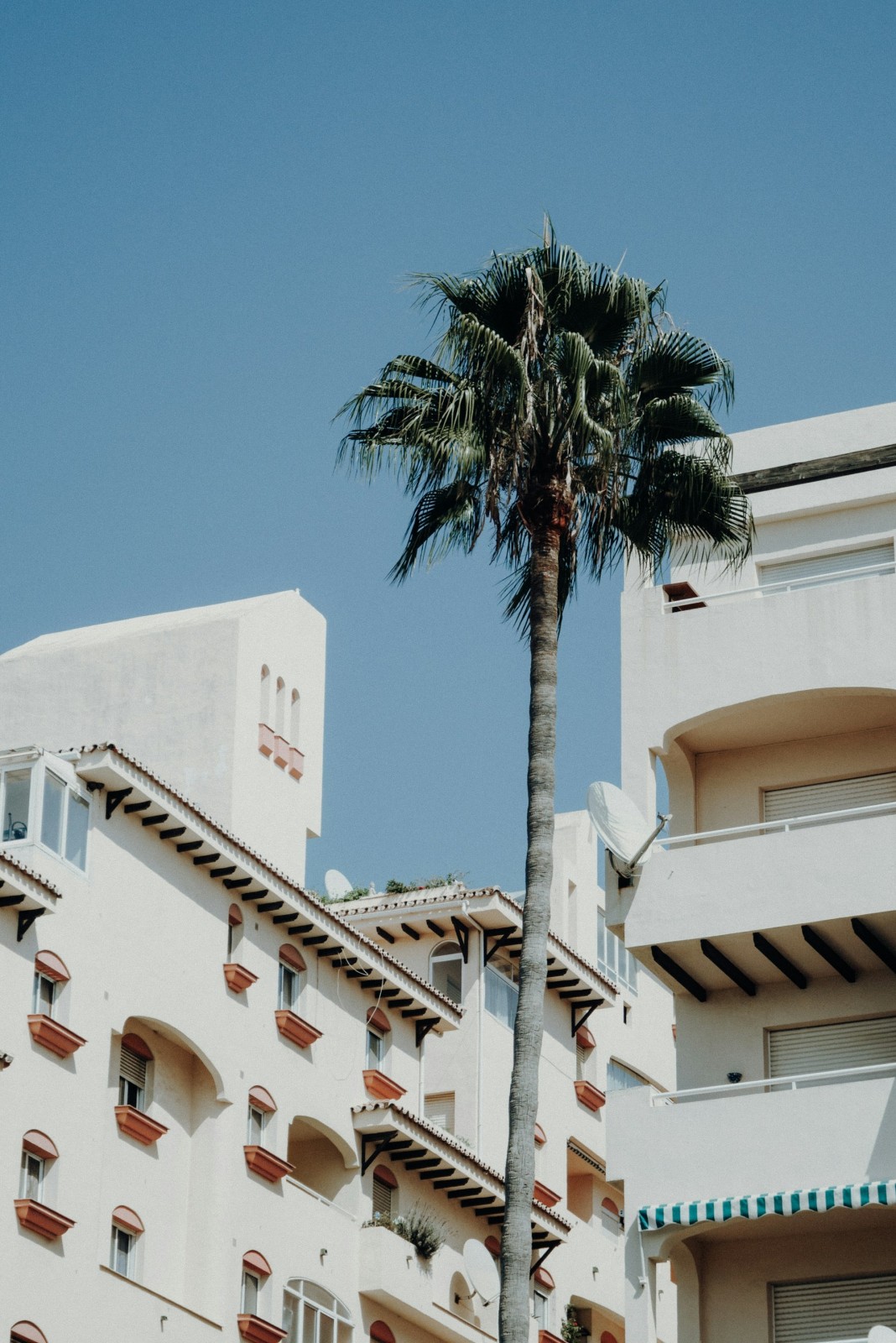
1. The Old Town (Casco Antiguo)
The main attraction of Estepona is the historic center with snow-white houses decorated with hundreds of flower pots.
Here are:
narrow Andalusian streets;
cozy squares;
traditional cafes;
souvenir shops;
old churches.
How to get there
The old town is located in the center of Estepona. It is easy to reach on foot from almost any part of the city. From the bus station the road takes about 15-20 minutes.
2. Place de las Flores (Plaza de las Flores)
The most famous square in the city.
Here you can see:
many flowers and palm trees;
traditional Andalusian houses;
restaurants and cafes;
The atmosphere of old Spain.
How to get there
It is located in the heart of the Old Town. You can get there on foot or by city bus.
3. Orchidarium of Estepona (Orquidario de Estepona)
Orquidario de Estepona
One of the largest orchidariums in Europe.
Inside are:
thousands of orchids;
tropical plants;
waterfalls;
glass domes.
How to get there
Located near the historic center. From the embankment and the Square of Flowers you can walk in 10-15 minutes.
4. Embankment of Estepona (Paseo Marítimo)
Picturesque walking area along the sea.
Here are:
palm alleys;
beaches;
cafes and restaurants;
bicycle paths;
observation decks.
How to get there
It runs along the central part of the city and is accessible on foot from almost any area.
5. The beach of La Rada (Playa de la Rada)
The main city beach.
Features:
fine sand;
clean water;
developed infrastructure;
cafes and beach bars.
How to get there
Located along the city promenade. The beach can be reached on foot from the center in a few minutes.
6. Port of Estepona (Puerto Deportivo de Estepona)
Puerto Deportivo de Estepona
Modern yacht harbor.
Popular thanks to:
pleasure boats;
fish restaurants;
weekend markets;
beautiful views of the sea.
How to get there
It is about 15-20 minutes walk from the Old Town. You can also get there by bus or taxi.
7. Estepona's artistic murals
The city is famous for huge wall paintings on residential buildings.
Today, there are more than 60 large murals in Estepona.
How to get there
Most of the works are located in the central part of the city. Special walking routes have been developed for tourists.
8. The Church of Our Lady of Los Remedios
Iglesia de Los Remedios
One of the main historical churches of the city, built in the XVIII century.
How to get there
It is located near the square of flowers and the historical center.
9. The Clock Tower (Torre del Reloj)
The historical symbol of Estepona.
The tower is preserved from the old church of the XV century and is considered one of the oldest buildings in the city.
How to get there
Located in the center of the historical part of the city.
10. Park Selvo Aventura (Selwo Aventura)
Selwo Aventura
Large open-air safari park.
Here you can see:
giraffes
lions;
rhinos;
zebra
exotic birds.
How to get there
It is located about 10 kilometers from the center of Estepona. You can get there by car, taxi or intercity bus.
11. Sierra Bermeja Mountains (Sierra Bermeja)
A natural attraction near the city.
Popular:
Hiking routes;
observation decks;
bird watching;
Panoramic views of the coast.
How to get there
It is best to get by car or excursion transport.
12. The Ruins of the Castle of San Luis
The remains of the fortress of the XV century, built after the Reconquista.
How to get there
They are located in the historical center of the city and are available for inspection during a walk.
1. Carnival of Estepona (Carnaval de Estepona)
When: Feb.
One of the funniest holidays of the year.
During the carnival, there are:
costumed processions;
performances of musical groups;
costume contests;
concerts;
Festivities in the historic center of the city.
2. Estepona Vive Sus Calles (Estepona Vive Sus Calles)
When: March to April
A large city festival combining culture, sports and gastronomy.
In the program:
concerts;
street performances;
exhibitions;
gastronomic fairs;
sporting events.
3. Holy Week (Semana Santa)
When: March to April
One of the most important religious events in Spain.
There are:
solemn processions;
marches of fraternities;
performances of orchestras;
religious ceremonies.
4. Day of Foreign Residents (Día del Residente Extranjero)
When: April
International holiday dedicated to residents of different countries living in Estepona.
Guests are waiting:
concerts;
national exhibitions;
fairs;
Tasting dishes from around the world.
5. San Isidro Labrador (San Isidro Labrador)
When: May
The main spring festival of the city and the patron of Estepona.
The programme includes:
colorful processions;
horse parades;
concerts;
festivities;
agricultural exhibitions;
Amusement fair. The holiday has the status of one of the important tourist events of Andalusia.
6. Night of St. Juan (Noche de San Juan)
When: June 23-24
One of my favorite holidays on the coast.
There are:
fires;
concerts;
dancing;
fireworks;
Traditional burning of figures and symbolic structures.
7. Estepona Literary Festival (FLEST)
When: June
A modern literary festival that gathers writers, journalists and cultural figures from all over Spain.
8. The Feast of the Virgin of Carmen
When: 16 July
One of the most beautiful holidays in the city.
The main event is a sea procession, during which the statue of the Virgin Carmen is transported by sea on decorated boats and fishing vessels. The holiday is associated with the maritime traditions of Estepona.
9. Grand Summer Fair of Estepona (Feria y Fiestas Mayores)
When: July
The main holiday of the year in Estepona.
During the week:
concerts of famous Spanish artists;
Flamenco performances;
horse processions;
amusement fair;
gastronomic festivals;
children's activities;
Evening shows and fireworks.
10. Day of the Tourist (Día del Turista)
When: August
A special holiday for guests of the city.
The programme includes:
free excursions;
concerts;
tasting local cuisine;
cultural events.
11. Feast of the Cancelada (Fiestas de Cancelada)
When: August
Traditional local holiday with concerts, contests, dancing and entertainment for the whole family.
12. The Feast of Our Lady of Los Remedios
When: August 15
Religious holiday in honor of the patroness of the city.
Passing:
church services;
procession;
festive events in the city center.
13. Christmas markets and New Year holidays
When: December - January
The city operates:
Christmas markets;
festive illumination;
concerts;
New Year performances;
family activities.
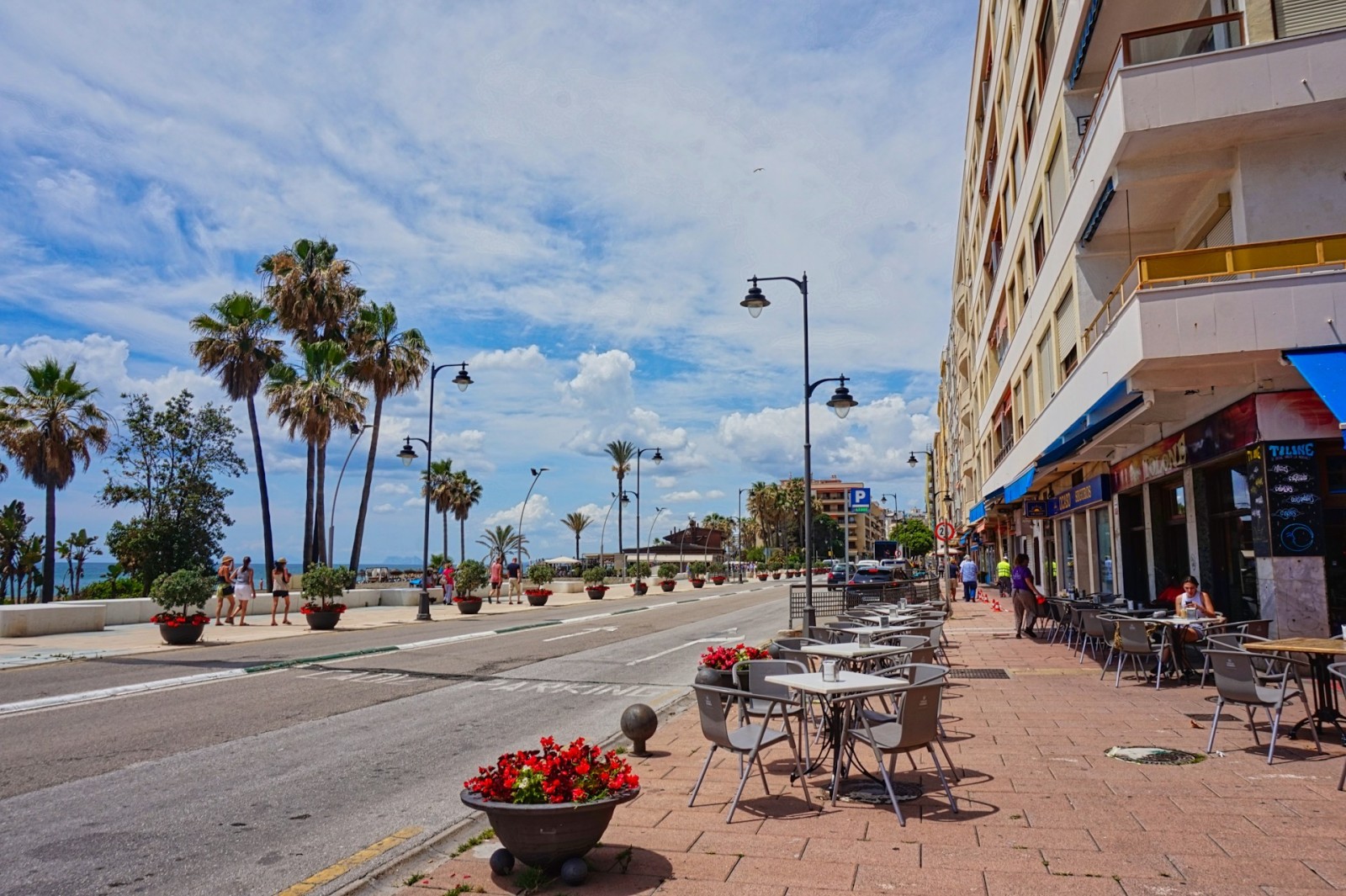
Spring (March-May)
Spring is considered one of the best periods for excursion rest.
march
air temperature: +17... +20 °C
Water temperature: +15... +16 °C
April
air temperature: +19... +22 °C
Water temperature: +16... +17 °C
May
air temperature: +22... +26 °C
Water temperature: +18... +20 °C
In spring, the entire coast is drowned in flowers, and the weather is great for walks and excursions.
Summer (June-August)
Summer is a high tourist season.
June
air temperature: +26... +29 °C
Water temperature: +21... +22 °C
July
air temperature: +29... +32 °C
Water temperature: +23... +24 °C
Augustus
air temperature: +30... +33 °C
Water temperature: +24... +25 °C
In summer, sunny weather prevails, and the sea becomes as warm as possible.
Autumn (September-November)
Autumn in Estepona is warm and sunny.
September
air temperature: +27... +30 °C
water temperature: +24 °C
October.
air temperature: +23... +27 °C
Water temperature: +21... +23 °C
November
air temperature: +18... +22 °C
Water temperature: +18... +20 °C
September and October are considered the velvet season, when the sea is still warm and there are fewer tourists.
Winter (December – February)
Winter is very mild and suitable for walking and exploring the sights.
December
air temperature: +16... +19 °C
Water temperature: +17... +18 °C
January
air temperature: +15... +18 °C
Water temperature: +15... +16 °C
February
air temperature: +16... +19 °C
Water temperature: +15... +16 °C
There is almost no snow in the city, and there are much more sunny days than in most European countries.
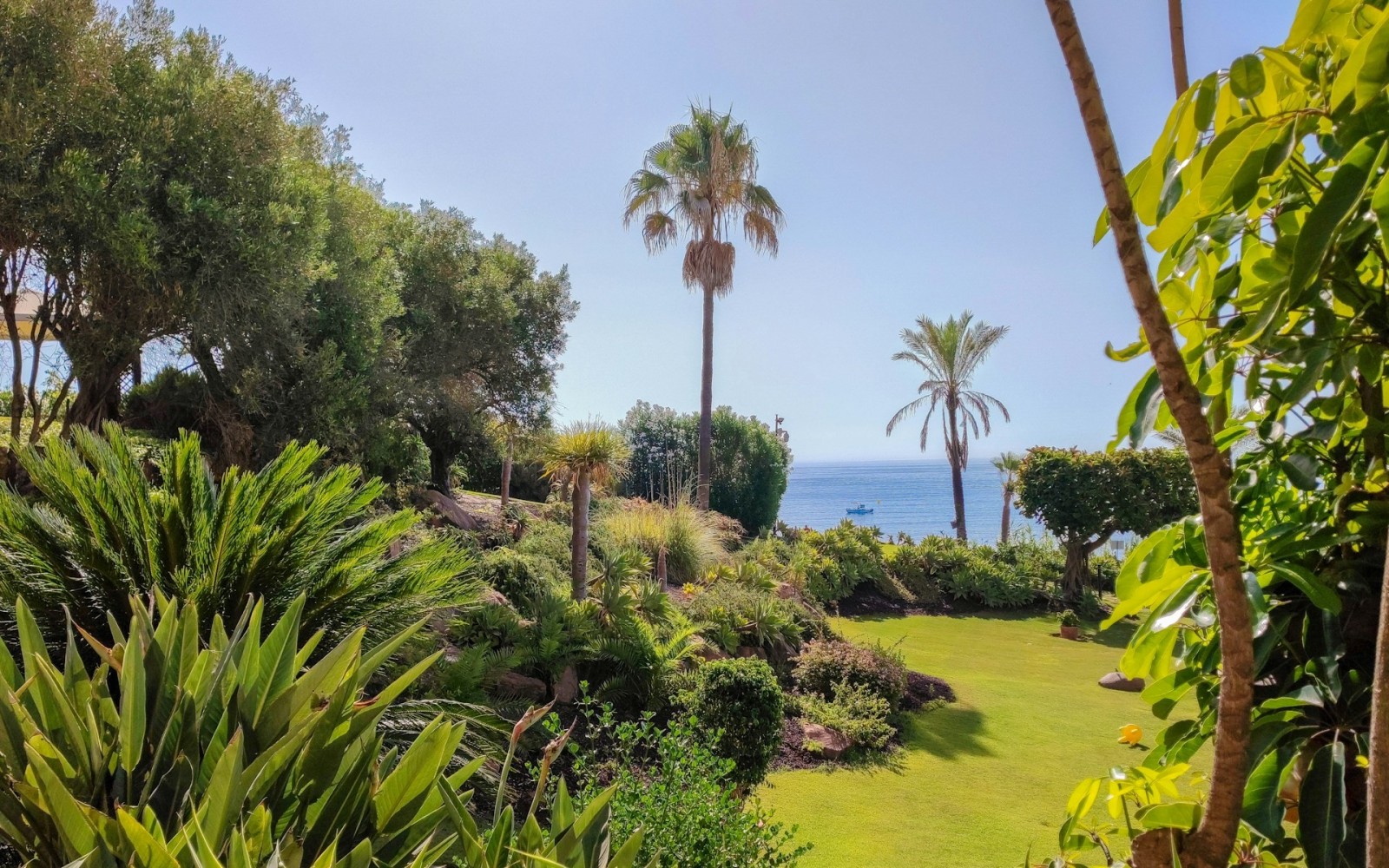
Language of communication
Estepona is located in the autonomous community of Andalusia in southern Spain. The main language of communication is Spanish (Español). Locals speak the Andalusian dialect, which is characterized by faster pronunciation and some features of speech.
In hotels, tourist centers, restaurants and shops, many employees understand English, and in some places you can find staff speaking German or French. However, knowing a few Spanish phrases is always respectful and helps to connect with the locals more quickly.
Features of communication
Residents of Estepona are considered friendly, open and sociable people.
During communication, it is accepted:
Say hello when entering a shop, cafe or hotel
Thank you for your help and service;
Maintain a polite and calm tone of conversation;
Respect for the elderly;
queue in public places.
Spaniards love live communication and often accompany the conversation with gestures and emotions.
Local traditions and customs
1. Late schedule
In Spain, many residents live on a later schedule than in other European countries.
Usually:
Breakfast runs from 7:00 to 9:00;
lunch - from 14:00 to 16:00;
dinner after 20:00.
Some restaurants start full evening service only after 20:00-21:00.
2. Family values
The family occupies an important place in the life of the Spaniards.
In the evenings, residents often gather with relatives and friends in cafes, restaurants and city squares.
3. Holidays and festivals
During city holidays, residents actively participate in processions, concerts and folk festivals.
Tourists are free to attend most events, but local traditions and religious ceremonies should be respected.
4. Visiting churches
When visiting temples, it is recommended:
wear modest clothing;
Do not speak loudly;
Turn off the sound of the phone;
Respectful behavior during services.
What should be respected
1. Personal space
Spaniards are friendly, but it is not customary to ask too personal questions about income, politics or family issues when dating.
2. Lines.
In shops, banks and state institutions it is customary to observe the order of the queue.
3. City cleanliness
Estepona is considered one of the most well-groomed cities of Andalusia, so the locals are attentive to the cleanliness of the streets and beaches.
4. Attitude to nature
On beaches and in natural areas it is forbidden to litter, damage plants and violate the rules of environmental protection.
Basic laws that are important to follow
1. Documents
It is recommended to always carry an identity document or a copy of it.
The police have the right to check the documents of foreign citizens.
2. Smoking
Spain has strict smoking restrictions.
Smoking is prohibited:
in public transport;
in most closed public spaces;
in some public places and on some beaches.
3. Alcohol
Drinking alcoholic beverages in public places can be restricted by local regulations and result in a fine.
4. Traffic rules
Pedestrians need to cross the road only in designated places and observe traffic lights.
5. Use of drones
Drone shooting in some areas may require special permits, especially near beaches, nature parks and airports.
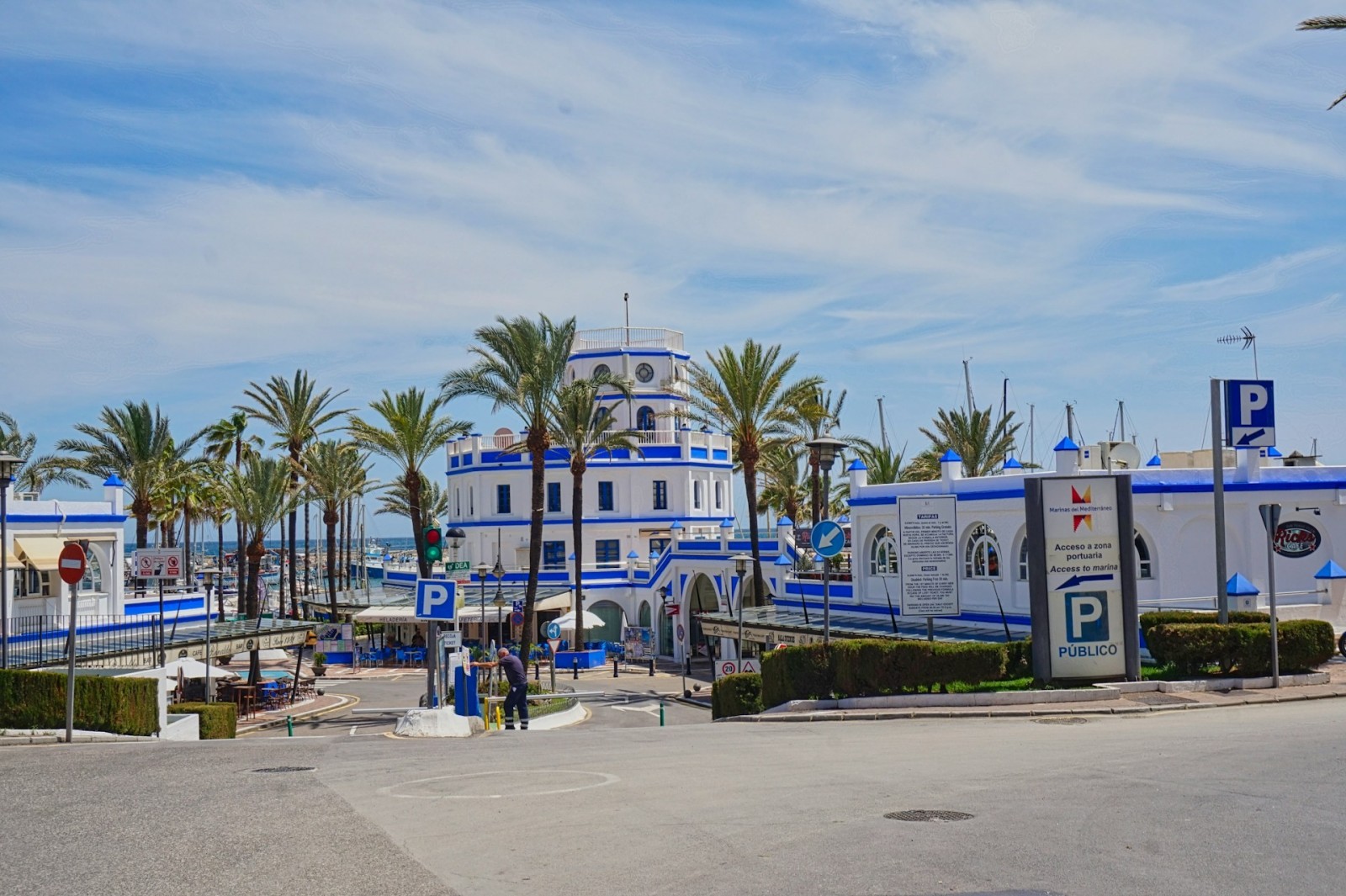
Greetings and polite phrases
Hola (Ola) - Hello, hello.
Buenos días - Good morning.
Buenas tardes - Good afternoon.
Buenas noches - Good evening, good night.
Adiós (Adios) - Goodbye.
Hasta Luego - See you later.
Por favor - Please.
Gracias (Gracias) - Thank you.
Muchas gracias - Thank you very much.
De nada - You're welcome.
Perdón (Perdon) - Excuse me.
Lo siento (Lo Ciento) - I'm sorry.
Useful questions
¿Habla inglés? (Abla Ingles) - Do you speak English?
¿Habla ruso? (Abla Ruso) - Do you speak Russian?
¿Puede ayudarme? (Puede Ayudarme?) - Can you help me?
¿Dónde está...? (Donde Esta?) - Where is...?
¿Cuánto cuesta? (Quanto Cuesta?) - How much is it?
¿Qué hora es? (Ke ora es?) - What time is it?
No entiendo (But entiendo) - I don't understand.
Más despacio, por favor - Speak more slowly, please.
At the hotel.
Tengo una reserva – I have a reservation.
Quiero registrarme – I want to settle in.
¿A qué hora es el desayuno? (And ke ora es el desaiuno?) - What time is breakfast?
¿Hay Wi-Fi gratuito? (Wai-fi gratiuito?) - Is there free Wi-Fi?
Necesito una habitación - I need a number.
¿Puede llamar un taxi? (Puede yamar un taxi?) - Can you call a cab?
At the restaurant.
Una mesa para dos, por favor - Table for two, please.
La carta, por favor - Menu, please.
¿Qué recomienda? (What recommendation?) - What do you recommend?
Quiero pedir esto - I want to order this.
La cuenta, por favor - bill, please.
Está muy rico (Esta muy rico) is delicious.
Sin Carne - No meat.
Sin pescado - No fish.
Agua Mineral - Mineral Water.
In the store.
¿Cuánto cuesta esto? (Cuanto Cuesta Esto?) - How much does it cost?
Es muy caro – This is very expensive.
¿Aceptan tarjeta? (Aseptan Tarheta?) - Do you accept bank cards?
Quiero comprar esto – I want to buy it.
Tiene otro tamaño? (Tiene Otro Tamagno) - Is there another size?
¿Tiene otro color? (Tiene Otro Color) - Is there another color?
Outside.
Donde está la playa? (Donde Esta La Playa?) - Where's the beach?
¿Dónde está el centro? (Donde esta el centro?) - Where's downtown?
¿Dónde está la estación de autobuses? (Donde Esta la Estaion de Autobuses?) - Where's the bus station?
¿Cómo puedo llegar allí? (Como puedo yegar ayi?) - How can I get there?
Estoy perdido - I'm lost.
Transportation.
Un billete, por favor - One ticket, please.
¿Cuándo sale el autobús? (Quando sale el autobus?) - When does the bus leave?
¿Dónde está la parada? (Donde Esta La Parade?) - Where's the stop?
¿Este autobús va al centro? (Este autobus wa al centro?) - Is this bus going downtown?
On the beach.
¿Se puede nadar aquí? (See puede nadar aki?) - Can I swim here?
¿Hay socorrista? (Ai socorrista?) - Is there a lifeguard here?
¿Dónde están los baños? (Donde Estan Los Baños?) - Where's the toilet?
Necesito una sombrilla - I need a beach umbrella.
At the pharmacy.
Necesito una farmacia - I need a pharmacy.
Me duele la cabeza - I have a headache.
Me duele el estómago - I have a stomachache.
Necesito un medicamento – I need medicine.
Emergency situations
¡Ayuda! - Help me!
Llame a la policía - Call the police.
Necesito un medico - I need a doctor.
He perdido mi pasaporte - I lost my passport.
Tengo una emergencia – I have an emergency.
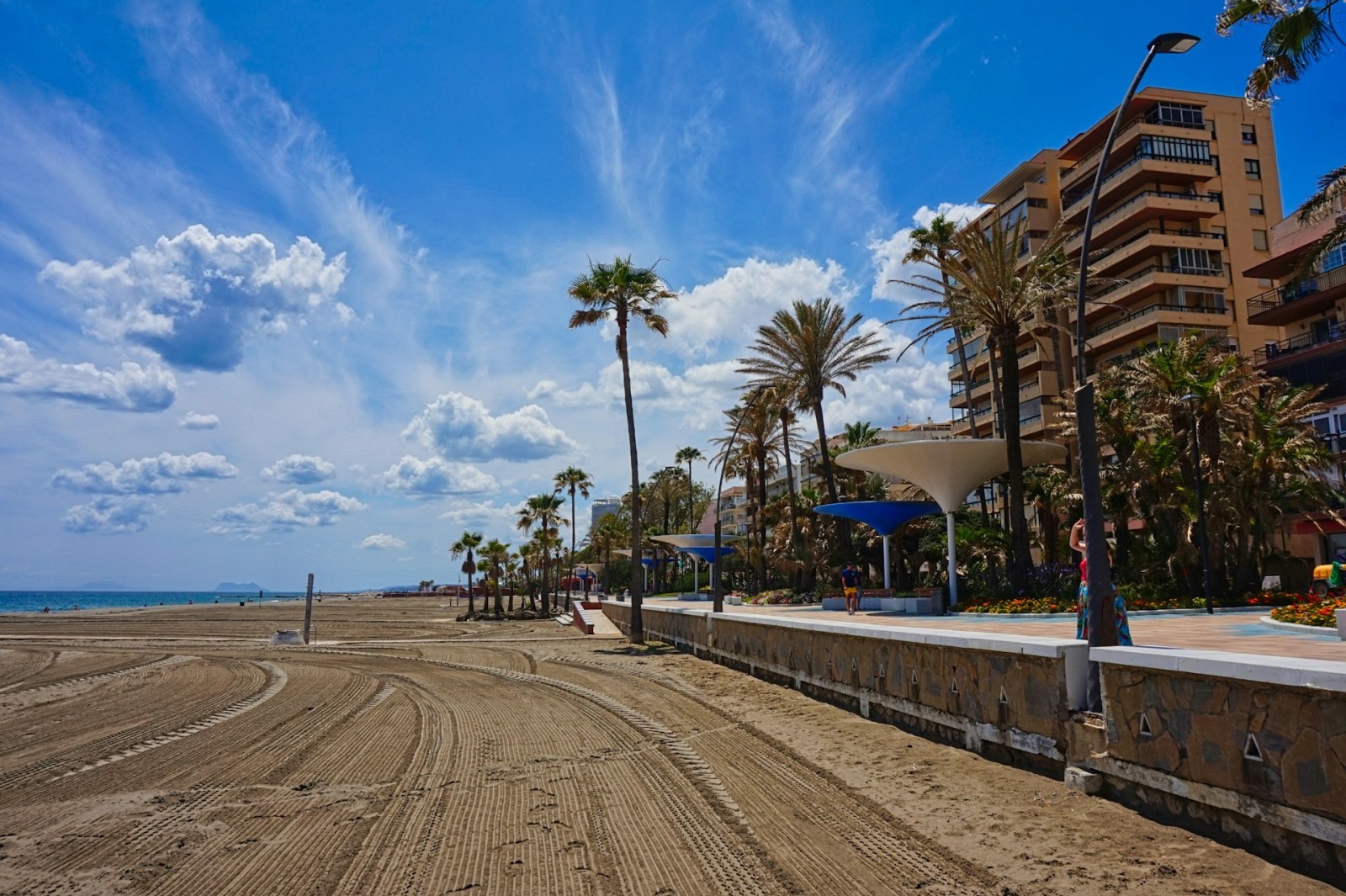
What to try with food
1. Fried Fish (Pescaíto Frito)
One of the most famous dishes of Andalusia.
Usually cook:
anchovies;
sardines;
squid;
small sea fish.
It is best to try fish restaurants near the port.
2. Sardines on the Coal (Espetos de Sardinas)
A traditional dish of the Costa del Sol.
Sardines are strung on long skewers and roasted on an open fire right on the beach.
3. Jamon (Jamón)
Spanish cheese ham is considered one of the most popular gastronomic souvenirs.
Particularly appreciated:
Jamón Serrano;
Jamón Ibérico.
4. Andalusian cheeses
The region produces quality goat and sheep cheese.
Popular mature varieties with a rich taste.
5. Olives and olive oil
Andalusia is the largest region in Spain for olive oil production.
Local oil is of high quality and is considered one of the best in the world.
6. Turron (Turrón)
Traditional Spanish sweetness made of honey, nuts and sugar.
A popular gift from Spain.
7. Polvorones (Polvorones)
Crumbly cookies with almonds, which is especially popular in Andalusia.
Useful products and medicines
1. Extra Virgen Natural Olive Oil
It is used not only in cooking, but also for skin care.
Many tourists buy small gift bottles.
2. Olive oil-based cosmetics
Popular:
hand creams;
soap
shampoos;
body balms.
Such cosmetics are considered natural and well suited for dry skin.
3. Aloe vera remedies
In Andalusia, many cosmetics based on aloe vera are produced:
sunscreens;
skin gels;
moisturizers.
4. sea salt
Souvenir shops sell sets of sea salt with herbs and spices.
5. Natural honey.
In the mountainous regions of Andalusia produce high-quality floral and chestnut honey.
Souvenirs from Estepona
1. Handmade ceramics
Andalusian painted pottery is considered one of the most popular souvenirs of the region.
It can be purchased:
Plates;
cups;
vases;
decorative tiles.
2. Flamenco-style products
Popular:
fan (Abanico)
scarves;
jewelry;
Flamenco magnets.
3. Leather products
In Andalusia, leather craft is traditionally developed.
Frequently bought:
purses;
belts;
bags;
purse.
4. Sea souvenirs
Since Estepona is a seaside town, you can find here:
decorative shells;
ship models;
sea ornaments;
Souvenirs depicting lighthouses and yachts.
5. Products with Estepona symbols
Popular:
magnets;
postcards;
cups;
T-shirts;
Keychains.
6. Miniature Andalusian houses
Souvenirs in the form of white houses with flower pots remind of the historical center of Estepona.
Estepona is considered one of the most peaceful and safe resorts on the Costa del Sol. The city annually receives thousands of tourists from all over the world and is well suited for family holidays, travel with children and independent trips. As in any popular resort, it is worth observing the usual precautions and carefully monitor personal belongings in crowded places.
What documents are needed for the trip
Tourists are advised to carry with them:
Passport valid for the entire period of the trip.
Schengen visa (if required for citizens of your country).
Health insurance.
Confirmation of booking of a hotel, apartment or other accommodation.
Return tickets or documents confirming the further travel itinerary.
Copies of the main documents in paper or electronic form.
Original documents are better stored in the safe of the hotel, and carry copies with you.
Traveler insurance
To travel to Spain, it is recommended to obtain medical insurance in advance.
It is desirable to arrange the policy with a coating:
emergency medical care;
hospitalization;
outpatient treatment;
accidents;
transportation to the home country if necessary;
Loss of luggage or flight delays.
The availability of insurance will avoid significant costs when applying for medical care.
Emergency services phones
The main emergency number in Spain:
112 is a single number for calling the police, ambulance and fire service.
Additional numbers:
091 National Police.
092 - Municipal Police.
061 - Emergency medical care.
Operators of the service 112 can often communicate not only in Spanish, but also in English.
Medical assistance
In Estepona there are modern medical centers, private clinics and public hospitals.
Pharmacies are marked with a green cross and the inscription Farmacia. In many areas of the city there are on duty pharmacies, working at night and on holidays.
Mobile and Internet
The largest Spanish mobile operators operate steadily in Estepona:
Movistar;
Vodafone;
Orange;
Yoigo?
Digi.
Both regular SIM cards and eSIM are available for tourists. Free Wi-Fi can be found in most hotels, restaurants, cafes and shopping centers.
Safety on the beaches
The beaches of Estepona are well equipped and in high season are under the supervision of rescuers.
Before swimming, you should pay attention to the signal flags:
Green - the sea is safe for swimming;
Yellow - caution is recommended;
Red - swimming is forbidden.
In the summer months, you need to use sunscreen and drink enough water.
Financial security
Visa and Mastercard cards are accepted almost everywhere. However, a small amount of cash can come in handy in markets, small cafes or souvenir shops.
How long can a tourist stay in Spain?
Spain is part of the Schengen area.
For most foreign tourists, there is a rule:
up to 90 days of stay for every 180 days.
For a longer stay, it is necessary to issue an appropriate visa or residence permit.
Create a query and local guides will offer you the best options


