Leon is the most beautiful city in northern Spain with a rich history and unique architecture. During the tour, you will learn wha …
150 €
group
Oh. León Province
Independent tourism and recreation in the city of Leon
How to have fun in the city of Leon
Leon is a beautiful historic city located in the northwestern part of Spain, in the region of Castile and Leon. The city is rich not only for its architectural sights, but also for its historical heritage, culture and cuisine.
The history of Leon dates back more than two millennia. It was founded by the Romans in the first century AD under the name Legio. Its strategic location on the road between Rome and Galicia made it a key military and commercial point. The Byzantines, Visigoths and Muslims also controlled the city at different periods of its history.
Medieval Leon was one of the most important cities in Castile. It served as the capital of the Kingdom of Leon in the XI century, and later became an important center of the Kingdom of Castile. During this period, many of its famous architectural monuments were built.
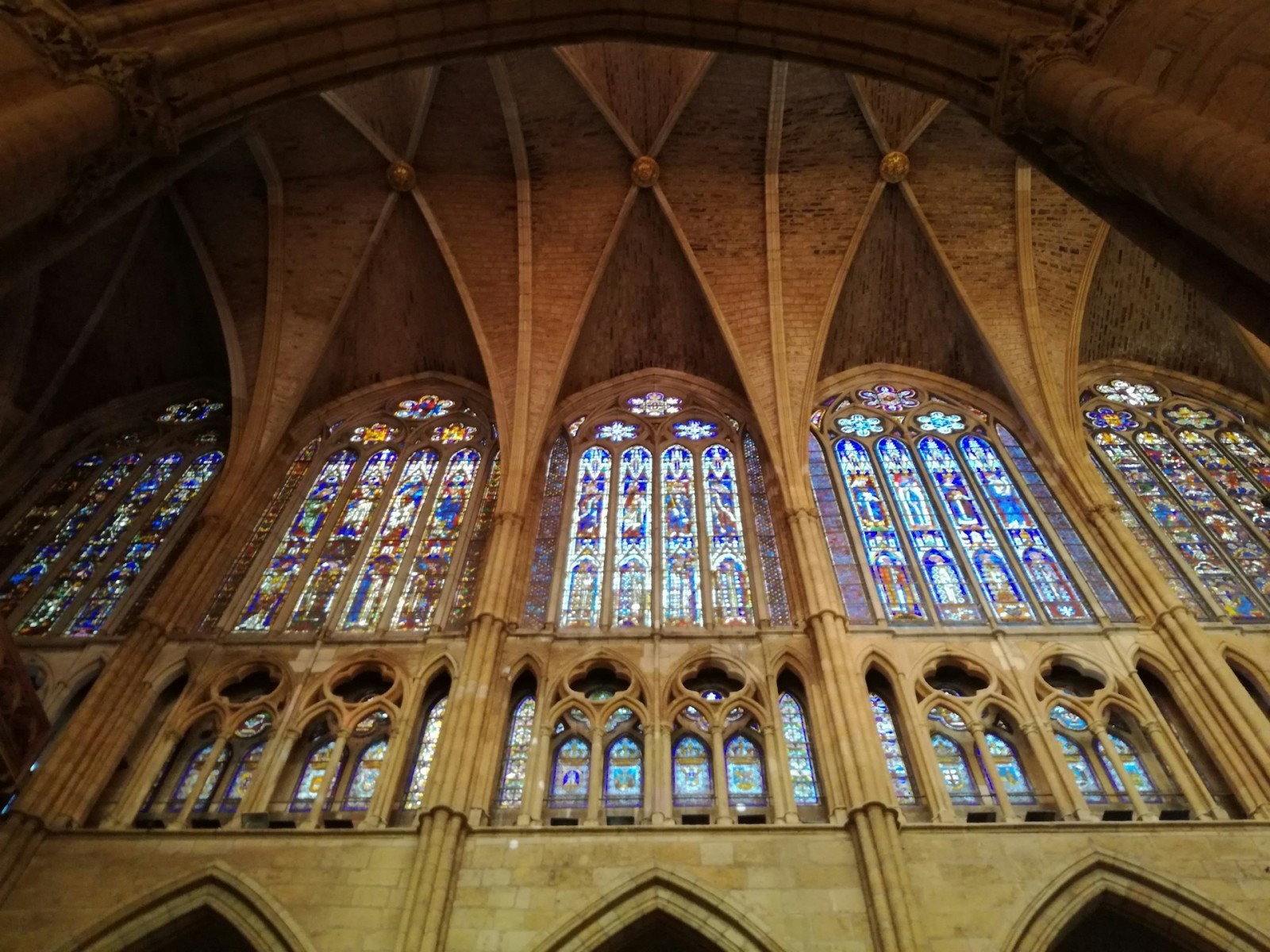
One of the most famous architectural masterpieces of Leon is the Cathedral of Santa Maria de Leon. This cathedral, built in the Gothic style, is famous for its magnificent glass stained glass windows and architectural details. Its construction began in the XIII century and continued until the XV century.
Another significant architectural monument is the Palazzo Guadalvara, built in the Renaissance style. This remarkable structure was built in the XVI century and is a magnificent example of the architectural heritage of Leon.
In addition to its historical and architectural attractions, Leon is also famous for its cooking. Here you can taste traditional Spanish dishes such as paella, tapas and many other local delicacies.
Today, León remains an important cultural and tourist center in the Castile and León region. Its rich heritage and beautiful architecture attract thousands of visitors from all over the world who want to immerse themselves in its unique atmosphere and history.
What is interesting about Leon
Leon in Spain is a great place to visit for all lovers of history, culture and fine cuisine. Here are a few reasons why Leon is an attractive travel destination:
Historical Heritage: The city is rich in its historical heritage, embodied in its many architectural masterpieces. The Cathedral of Santa Maria de León, a fine example of Gothic style, with its exquisite stained glass windows and marble columns, is one of the most impressive architectural monuments in Spain.
Cultural Events: Leon is known for its cultural events such as festivals, exhibitions and concerts. Visitors can enjoy local art, music and dance while immersing themselves in the authentic atmosphere of Spanish culture.
Culinary heritage: Leon's gastronomic heritage is a real treat for your taste buds. From traditional Spanish tapas to authentic paella and local delicacies such as seafood and meat dishes, the city offers a rich selection of taste experiences.
Natural beauty: Located surrounded by the picturesque landscapes of northern Spain, Leon offers the opportunity for beautiful natural walks and outdoor activities. The surrounding mountains, lakes and rivers create an ideal environment for hiking, cycling and other types of outdoor recreation.
Local hospitality: Leon residents are known for their warm and welcoming attitude to visitors. They are always happy to share their traditions, customs and stories, creating added value for the travel experience.
Overall, Leon is an amazing blend of history, culture, cooking and nature that attracts travelers and tourists from all over the world.
In the city of Leon, you'll be met by private guides, and you'll be offered a copy. individual excursions.
Levels of residence in Leon
Leone has a variety of accommodation options, from luxury hotels to more economical options. Here are some examples:
Luxury hotels:
Parador de León: This hotel is located in a historic building where the monastery of San Marcos used to be. It offers luxurious rooms, a restaurant with local cuisine and a high level of service.
NH Collection León Plaza Mayor: This hotel is located in the city center, just a few steps from the main square. It offers stylish rooms, a spa and a restaurant with traditional and modern cuisine.
Mid-range hotels:
Hotel Quindós: A cozy hotel in the city center, offering comfortable rooms and friendly service.
Hotel Spa QH Centro León: This hotel is located near the old town and offers rooms overlooking the city, spa and restaurant.
Economical options:
Hostal San Marcos: This guest house is located in an old building, a few minutes walk from the city center. It offers simple but cozy rooms at an affordable price.
Albergue Santo Tomás de Canterbury: This hostel offers hostels and private rooms at very low prices. It is ideal for budget travelers and young people.
Apart from hotels, apartments are also popular in Leone through Airbnb or Booking.com. This is a great option for those who prefer more space and more autonomy during their stay. You can also find small family guesthouses offering cozy rooms at affordable prices.
Where to go and what to see in the city of Leon
As a historical and cultural center with a rich heritage, Leon offers many attractions to visit. Here are some, as well as information about accessibility:
Cathedral of Santa Maria de Leon: This majestic Gothic cathedral, also known as the New Cathedral (Catedral de León), is one of the main attractions of the city. It is located in the heart of the city and is easily accessible both on foot and by public transport.
Palazzo Guadalvara: This Renaissance building, built in the XVI century, attracts attention with its exquisite architectural style. It is also located in the city centre and is accessible on foot.
Basilica of San Isidoro: This church is one of the most important monuments of the Romanesque style in Spain. It is close to the centre of Leon and is easily accessible both on foot and by public transport.
Old Town (Barrio Húmedo): This historic area is known for its narrow streets, old buildings and many traditional bars and restaurants. It is located in the heart of the city and is ideal for walking.
Park of Culture and Arts of Leon (Parque de las Identidades) This park offers an excellent opportunity to relax in the fresh air and enjoy the greenery. It is located near the city center and is easily accessible by public transport or on foot.
In terms of transport accessibility, most of Leon’s attractions are in the city centre and can be easily reached on foot. However, the city also has a well-developed public transport network, including buses and taxis, which provide convenient transportation around the city and its surroundings. In addition, bicycles are also popular with tourists and can be rented to explore the city.
Events and entertainment in Leon
Leone hosts many festivals, festivals and cultural events throughout the year that attract both locals and tourists. Here are some of them, as well as information about the time of their implementation:
Semana Santa (Easter): It is one of the most important religious events in Leone and throughout Spain. During the Santa Semana, various religious processions, parades and ceremonies are held in Leone, accompanied by traditional religious rites.
Festival of San Froilán (Festas de San Froilán): This festival, dedicated to the patron saint of the city, San Frogee, usually takes place in early October. Within a few days, the streets of the city are filled with music, dancing, parades, fairs and other entertainment.
Festival of Wine Leon (Feria de Vinos de León) This wine festival is usually held in May or June and offers visitors the chance to taste local wines and traditional snacks, as well as enjoy music and entertainment.
Carnival of Leon (Carnaval de León): Carnival in Leone is celebrated in February or March and offers colorful parades, masquerades, costume contests and fun street events.
Concerts and cultural events: Throughout the year, Leone also hosts various concerts, theatre productions, exhibitions and other cultural events in various locations in the city, such as theaters, museums and outdoor venues.
This is just a small overview of Leon's cultural life, and new events and festivals can be added each year. Therefore, it is always necessary to clarify the current information about events and holidays before traveling.
What weather is suitable for traveling to the city of Leon
The climate in Leone belongs to the continental with the characteristic features of the Mediterranean climate. Here are some general climate information at different times of the year:
Spring (March-May):
Air temperature: In spring, the average air temperature in Leone ranges from 10°C to 20°C. The days are getting longer and warmer.
Water temperature: In spring, the water temperature is usually still cool, about 10-15°C.
Spring in Leone is usually a season of changeable weather, with the possibility of both sunny days and rain.
Summer (June - August):
Air temperature: In summer, the average air temperature in Leone can reach 25-30 ° C and above.
Water temperature: At this time of year, the water temperature in rivers and lakes can be pleasant for swimming, usually within 20-25°C.
The weather: Summer in Leone is usually a dry season with lots of sunny days and low rainfall.
Autumn (September to November):
Air temperature: In autumn, the air temperature in Leone decreases and usually ranges from 10 ° C to 20 ° C.
Water temperature: The water temperature usually stays cool, like spring, around 10-15°C.
The weather: In autumn, there are often rainy days in Leone, but there are also sunny periods.
Winter (December to February):
Air temperature: In winter, the average air temperature in Leone is about 0°C to 10°C. There may be periods of frost.
Water temperature: The water temperature becomes cool and uncomfortable for swimming.
Weather: In winter, Leone often has cold and windy days, and snow falls.
The best time to travel to Leon depends on your preferences. Summer is usually the most popular time due to warm weather and plenty of sunny days, but spring and autumn can also be great seasons to visit, especially if you prefer calmer conditions and avoid crowds of tourists.
What traditions and customs should be observed in the city of Leon
When traveling to León, as in any other region of Spain, it is important to respect local traditions, customs and laws. Here are some of the main aspects worth paying attention to:
Language of communication: The official language in Spain is Spanish (castellano). In Leone, as in many other regions, the local dialect of Castilian Spanish is also spoken. In tourist destinations and hotels, restaurants often speak English, but knowing the basics of Spanish can be helpful.
Traditions and customs: It is important to respect local traditions and customs. For example, in Leone, as in many other regions of Spain, it is customary to dine late, about 2-3 p.m., and dinner even later, after 8-9 p.m. Religious traditions and practices should also be respected, especially during religious holidays.
Clothing and etiquette: In Spain, it is generally customary to dress stylishly and well-groomed. In Leone, as in other cities, there are no strict rules for decorating, but when visiting churches and other religious places, you should dress modestly and decently.
Laws and regulations: There are certain laws and regulations in Spain that must be followed. For example, smoking is prohibited on public transport, in public buildings and in some squares. It is also important to be polite and respectful to locals and other tourists.
Safety: As in any other place, it is important to observe safety measures and be vigilant about your belongings. You should also pay attention to weather conditions and take precautions if necessary.
Observance of etiquette, respect for local traditions and laws will help make your trip to Leon enjoyable and harmonious.
Popular phrases and dialogues with translation for a trip to Leon
Here are some basic Spanish words, phrases and dialogues that can be helpful when traveling to Leon:
Greetings and communication:
Hola (Ola)
Buenos días (Buenos dias) - Good morning
Buenas tardes - Good afternoon (afternoon)
Buenas noches - Good evening/night
Cómo estás? - How are you?
Qué tal? - How are you? / What's new?
Gracias (Gracias) - Thank you
De nada - Please (in response to "thank you")
Shopping and restaurants:
Cuánto cuesta? - How much is it?
La cuenta, por favor (La cuenta, por favor)
Quisiera un café - I would like coffee
Tienes menú en inglés? (Tiennes menu ingles) - Is there a menu in English?
Dónde está el baño? (Donde Esta El Baño) - Where's the toilet?
Navigation:
Dónde está...? (Donde Esta) - Where is the...?
Izquierda (Isquierda) - Left
Derecha (Derecha) - Right
Recto (Recto) - Straight
Estación de tren (Estación de tren) - Railway station
Emergency situations:
Ayuda, help me!
Llame a la policía - Call the police
Necesito un medico - I need a doctor
Remember that a smile and respectful treatment can make your interaction with locals even more enjoyable and easy.
What to try and what souvenirs and gifts to bring from the city of Leon
Leone in Spain has many unique products, medicines and souvenirs that can be purchased as memorable gifts or for your own use. Here are some of them:
Jamon: Spanish air-dried ham made from pork thigh is one of the most famous Spanish delicacies. In Leone, you can find high-quality ham and other meat delicacies.
Manchego: It is a traditional Spanish cheese made from sheep’s milk. Manchego is known for its rich taste and can be a great gift for cheese lovers.
Local wine: Leon and its surroundings are famous for their wineries producing high-quality Spanish wine. You can buy a bottle of local wine as a gift or souvenir.
Mantecadas: It is a traditional Spanish biscuit popular in the Leon region. It has a soft texture and sweet taste, perfect for a sweet snack.
Honey and bee products: In Leone, you can find a variety of varieties of local honey and other bee products such as propolis and beeswax, which are known for their medicinal properties.
Wool and handicrafts: Leon is famous for its wool, and you can find various wool products such as blankets, scarves and sweaters made by hand by local craftsmen.
These products and souvenirs not only perfectly reflect the local culture and traditions of Leon, but can also be wonderful gifts for yourself and your loved ones.
What to have for a safe holiday in the city of Leon
When traveling to Leon, as in any other place, it is important to ensure your safety and have the necessary documents and means of communication. Here are a few recommendations:
Documents and insurance:
Passport: Make sure you have a valid passport that is valid during your stay in Spain.
Visa: Check whether you need a visa to visit Spain depending on your citizenship.
Health insurance: It is recommended to have health insurance covering medical expenses and emergency medical care during your stay.
Phone and contact of emergency services: Keep emergency numbers such as police (112), ambulance (061) and fire service (080).
Mobile communications:
In Spain, there are various mobile operators such as Movistar, Vodafone, Orange and Yoigo. You can purchase a local SIM card to use on your phone or activate roaming with your mobile operator before traveling.
Make sure you have the ability to call local and international numbers and internet access to contact and get information if needed.
Duration of stay:
Citizens of many countries can stay in Spain without a visa for 90 days in a 180-day period. This means that a tourist can stay in the country for up to 90 days, after which he will need to leave the country for a certain period of time before returning.
Overall, Leon is a relatively safe city for tourists, but as with everything else, you need to be vigilant and watch your values. Take precautions, avoid dangerous areas, especially at night, and pay attention to your personal safety.
You didn't find the right one?
Create a query and local guides will offer you the best options
The site uses a web analytics service
Yandex Metrics
using cookie technology to make the site more convenient. You can prevent the processing of cookies in the browser settings.
Details in Privacy policy.