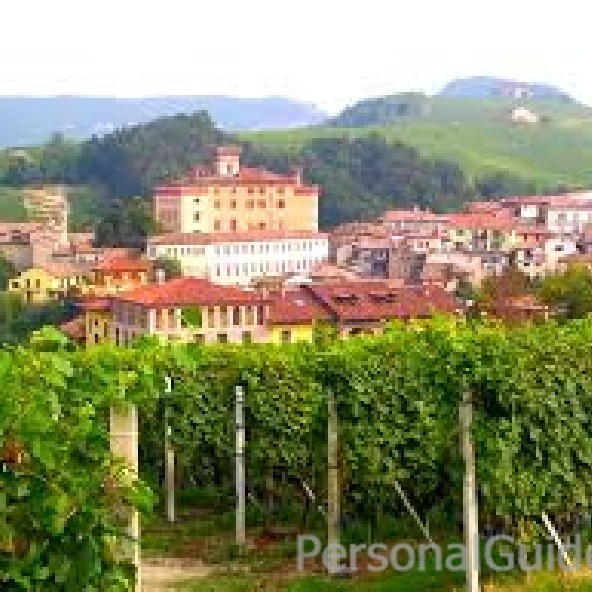
Independent travel and tour of the city of Turin! Historical information about the city of Turin Turin is the...

Monastery - Abbey of St. Michael: The Sacra of St. Archangel Michael is a unique monument of national importance, keeping in it …

Tour of Turin, description of the route: The history of Turin in its churches, palaces and squares. Entrance to the city throug …

It was opened to the public in Turin as a museum, not just a museum. It was part of an archaeological museum in 1824 (previously C …

We offer to the attention of gourmets new gastronomic routes with tasting of gastronomic delights at the enterprises of producers …

If you are a connoisseur of Italian gastronomy, you will definitely choose this route to the manufacturer of cheeses of the hig …

In almost any guidebook you will find the Cinema Museum in Turin. as one of the main attractions of the city. The museum is locate …

The Museum of Oriental Art is housed in a 17th century residence and consists of various departments representing the art of ancie …
Turin is the capital of the Piedmont region and the third largest city in Italy. It is located in the northwest of the country, at the foot of the Alps. The city has a rich history and cultural heritage.
The history of Turin dates back more than two thousand years. The city was founded by the Celts, then conquered by Rome and became an important center in the Roman Empire. In the Middle Ages, Turin was part of the Duchy of Savoy and then the Kingdom of Sardinia before uniting with other Italian regions in 1861 and becoming part of a unified Italy.
One of the most important features of the city is its architectural heritage. Turin is famous for numerous Baroque and Renaissance buildings, including the Cathedral of St. John the Baptist, the Palace of Karignana and the Museum of Egyptian Art.
Turin is also known for its role in art and culture history. Here is one of the most important museums in the world - the Museum of Fine Arts, which presents the works of such great artists as Leonardo da Vinci, Raphael and Michelangelo.
The city is also famous for its culinary tradition, including the richness of the wine-growing regions around it. Turin is known as the birthplace of many Italian delicacies such as chocolate and vermouth.
Thus, Turin in Italy is not only a historical and cultural center, but also a beautiful city, combining architectural riches, artistic treasures and exquisite culinary tradition.

Turin in Italy is the magic of old and new, a combination of rich history and modern appearance. Imagine a city shrouded in the aroma of orange gardens and filled with the warmth of the Spanish sun.
Historical heritage: Turin is an architectural paradise, where ancient streets go into the distance, and at every step you are met by historical monuments. The alleys of the old city are decorated with Moorish palaces and Gothic cathedrals, and in each stone lies a thousand-year history.
Beaches and the Mediterranean: Turin prides itself on its well-kept beaches, where the golden sand merges with the turquoise waves of the Mediterranean. Travelers enjoy not only relaxing under the sound of the waves, but also a variety of water sports such as surfing and windsurfing.
Culinary delights: Turin is famous for its rich culinary tradition. Cozy taverns and restaurants offer exquisite Spanish cuisine: paella with seafood, sangria with summer fruits and fragrant tapas.
Festivals and entertainment: The city is always filled with bright colors and joy. Annual flamenco festivals, carnivals and open-air holidays invite tourists to plunge into the atmosphere of national traditions.
Contemporary art and design: Turin is also renowned for its contribution to contemporary art and design. Galleries and studios of local artists and designers reveal to visitors the amazing world of modern Spanish creativity.
Turin in Italy is a place where cultural heritage and modern style meet, where history is intertwined with entertainment, and where every corner of the city invites you to an exciting journey. Welcome to the dreamy world of Spanish Turin!
In Turin, as in many other major cities, there are a variety of accommodation options, including hotels of different levels, apartments, hostels and other options. Let’s take a look at a few examples of different hotel levels and more cost-effective accommodation options:
**1. Five-star hotels:
2. Four-star hotels:
3. Three-star hotels:
4. Economical accommodation options:
5. Apartments and other options:
These examples only provide an overview of the different accommodation options in the city of Turin. The choice depends on your preferences, budget and personal needs. It is important to conduct preliminary research and choose the option that best suits your requirements.

The main attractions in the city of Turin:
Transport accessibility:
Turin has an extensive public transport system, including buses, trams and metro. The city is also well connected by rail, making it easier to travel around the region and the country. Turin-Cazella International Airport serves regular flights to various European cities.
For the convenience of tourists, taxis and car rental are also available. It is easy to walk around the city, especially in the historic center, where many attractions are located.

These are just a few examples of what is happening in Turin, Italy. Every month of the year, the city hosts various cultural, artificial and entertainment events that may be of interest to visitors. Event plans may change, so it is recommended to check the current program of activities before planning a trip.

The climate in Turin:
Best season to travel: The best time to visit Turin is spring and autumn, when the air temperature is moderate and the city is filled with beautiful natural flowers or autumn leaves. Summer is also suitable for tourism, especially if you prefer warm and sunny weather. Avoid the winter months unless you plan to practice winter sports in the surrounding area.

Language: The official language in Italy is Italian. Most people, especially in touristic places and cities, speak English. However, refreshing basic phrases in Italian (hello, thank you, sorry) will be valuable and appreciated by locals.
Traditions and customs:
Laws and regulations:
A reminder that decent and respectful behavior is always relevant. Italians are generally open and hospitable, so showing respect for their traditions and customs will only be a plus.

Transcription is given in brackets for easier pronunciation. Italians will appreciate your attempt to communicate in their language, even if you don't speak Italian fluently.
Turin is rich in its cultural and culinary heritage, which is reflected in the variety of souvenirs and products. When choosing gifts, pay attention to the local traditions and characteristics of the Piedmont region.

Documents:
Insurance:
Emergency telephones:
Mobile operators:
Duration of stay: Without a visa, tourists from most EU countries and other countries can stay in Italy for up to 90 days for each period of 180 days without the need to obtain a visa. However, the rules may change, so it is always best to check the current conditions with official sources.
General safety recommendations:
In any case, it is recommended to consult the latest security information on the websites of the Consulate of your country and local tourist organizations before traveling.
Create a query and local guides will offer you the best options