Acquaintance with the power and wisdom of the Shamans of Cambodia.At your request, Shamans will conduct rites and rituals. The res …
Oh. Siem Reap
Independent travel and view of the city of Siem Reap!
A brief history of Siem Reap
Siem Reap is a city located in northern Cambodia and is an important cultural and tourist center of the country. Founded in the 9th and 10th centuries, Siem Reap became a part of many historical events and experienced various stages of its development.
Siem Reap was founded probably in the IX-X centuries, as a small village near Angkor, which was then the capital of the Khmer Empire. This region became the center of the ancient Khmer civilization.
Angkor Empire: During the Angkor Empire (IX-XV centuries), Siem Reap played an important role in the cultural and religious development of the region. Here were built majestic temples, including the famous temple of Angkor Wat, which is one of the most significant architectural monuments in the world.
The period of colonial rule: At the end of the XIX century, Cambodia became a French colonial possession. Siem Reap has also been influenced by French architecture and culture. This time left its imprint on the urban landscape and buildings.
Khmer Rouge Time: In the 1970s, Cambodia faced a crisis over the Khmer Rouge’s rise to power. Siem Reap also suffered during this period, but its cultural heritage has been largely preserved.
Recovery and tourism: Since the early 1990s, following the Cambodian Civil War, the city has become a focus for restoration work and tourism. Siem Reap attracts millions of tourists annually and its historical heritage continues to delight visitors from all over the world.
Modernity: Currently, Siem Reap is not only a historical center, but also a developing city with modern infrastructure, restaurants, hotels and shops.
Siem Reap represents the wealth of Khmer history and culture, and its historic monuments make it one of the key tourist destinations in Southeast Asia.
What is interesting about Siem Reap
Siem Reap, located in the picturesque northern part of Cambodia, is a unique combination of rich history, cultural wealth and modern comfort. This city attracts the attention of travelers with its amazing atmosphere and impressive sights. Here are a few aspects that make Siem Reap an attractive destination for tourists:
Masterpieces of Angkor: Siem Reap is the gateway to the magnificent temples of Angkor, including the famous Angkor Wat. These amazing structures, built in ancient times, provide a unique opportunity to plunge into the history and architecture of Cambodia. Spectacular sunsets and dawns in Angkor create a magical atmosphere for travelers.
Cultural Heritage: Siem Reap is rich in cultural heritage left over from the times of the Angkor Empire. Travelers can enjoy traditional Khmer art, music and dance. Local markets offer authentic souvenirs and local delicacies.
Modern amenities: The city is constantly evolving, providing tourists with modern amenities. There are many high-quality hotels, restaurants, bars and shops. Tourists can enjoy a comfortable stay without losing the authenticity of the local culture.
Exotic cuisine: Siem Reap offers a variety of culinary experiences. Tourists can taste a rich selection of Khmer cuisine, exquisite dishes of fresh produce and exotic fruits.
Natural beauty: In the vicinity of the city there are beautiful natural scenery, including lakes and plantations. This gives tourists the opportunity to enjoy nature, making their stay more diverse.
Outdoor activities: Siem Reap offers a variety of outdoor activities including bike tours, hiking and even water rides. These options allow tourists to explore the surrounding area and enjoy adventures.
Siem Reap is a place where history and modernity harmoniously combine, creating a unique atmosphere that attracts tourists from different parts of the world.
In the city of Siem Reap, you will be met by private guides and will offer individual, individual excursions.
Levels of residence in Siem Reap
Siem Reap offers a variety of accommodation options, from high-end luxury hotels to budget hostels. Here are a few hotel levels and other ways to stay in the city:
Luxury hotels (5 stars):
Raffles Grand Hotel d'Angkor: Luxury hotel with a beautiful garden and swimming pool, located in the historic center of the city.
Belmond La Résidence d'Angkor: An elegant hotel with upscale amenities, luxurious rooms and a restaurant.
Mid-range hotels (3-4 stars):
Sokha Angkor Resort: A cozy hotel with spacious rooms and a beautiful swimming pool is a short drive from Angkor Wat.
Angkor Paradise Hotel: Modern hotel with good amenities and beautiful views, located in the city center.
Budget hotels and hotels (1-2 stars):
Ta Som Guesthouse: Cozy and budget accommodation option with spacious rooms, next to the main tourist attractions.
Mad Monkey Hostel: Popular hostel with friendly atmosphere, bar and organized events for guests.
Villas and apartments:
Viroth's Villa: Elegant villas with their own swimming pools and landscaped gardens, offer a secluded holiday.
Chronicle Angkor Hotel: Comfortable apartment with modern design and kitchen for independent cooking.
Hostels and guesthouses:
Onederz Cambodia: A modern hostel with shared rooms and private rooms, offers extensive common areas.
Funky Flashpacker: Bright guesthouse with swimming pool, bar and relaxation areas, attractive to young people.
Alternatives:
Airbnb: Lots of private apartments and houses for rent, which gives tourists more space and personality.
Residential villages and farms: Some tourists prefer the unique experience of living in residential villages where locals offer guest rooms.
Siem Reap provides a variety of accommodation options, catering to the different needs and budgets of travelers. From luxury resorts to budget hostels, the city is ready to meet a variety of guest requests.
Attractions in Siem Reap
Siem Reap, being an important tourist center in Cambodia, is known for its impressive historical sights. Here are a few key places to visit and information on accessibility:
Angkor Wat:
Description: The largest and most famous temple in the Angkor complex. This magnificent structure is one of the greatest architectural achievements of mankind.
Transport: Most hotels offer transfer services to Angkor Wat. Taxi, tuk-tuks and bicycle rentals are also available.
Bayon:
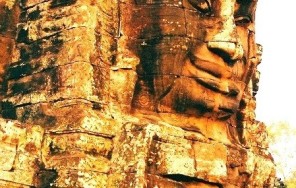
A temple with huge stone faces in Angkor Tom, the capital of the Angkor Empire.
Transport: Located in close proximity to Angkor Wat. Easily available on tuk-tuks, taxis and bicycles.
Ta Prohm:
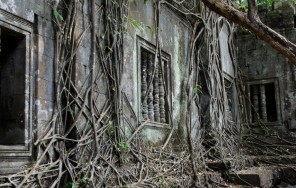
Description: A jungle-absorbed temple known for its twisted trees interacting with the temple’s architecture.
Transport: Not far from Angkor Wat. Easy to reach on tuk-tuks, taxis and bicycles.
Angkor Thom:
Description: A large complex of temples, including Bayon, Elephants terrace, Le Preah Kahn, South Gate and others.
Transport: It's near Angkor Wat. The transportation options are the same as for other temples.
Elephant Terrace and Leper King Terrace
Platforms with stone carved figures and reliefs associated with the kings of the Angkor Empire.
Transport: Near Angkor Tom. Available by tuk-tuks, taxis and bicycles.
Tonle Sap Lake (Tonle Sap Lake)
Description: The largest freshwater lake in Southeast Asia. Various villages and floating houses provide a unique cultural experience.
Excursions to Tonle Sap Lake are organized by buses, boats or driver-driven cars.
The transport accessibility of places depends on their location, but Siem Reap has plenty of tuk tuk, taxi and bike rentals to make it easy for travelers to reach key attractions. Many hotels also offer transfer services to popular tourist destinations.
Activities in Siem Reap
Siem Reap offers a variety of events and festivals throughout the year, giving tourists the opportunity to immerse themselves in the local culture and traditions. It is important to note that events and dates may change, so it is advisable to check for up-to-date information before travelling. Here are some popular events and times of the year when they are usually held:
Khmer New Year (Chol Chunam Tmei)
Time: March-April.
Description: This is the biggest and most fun holiday in Cambodia. People celebrate the new year with traditional dances, music and water battles.
Water festivals (Bon Om Touk):
Time: November.
Description: This is the time when Cambodia celebrates the reverse flow of water on the Tonle Sap River. The festival includes boat races, fireworks and cultural events.
The Bon Chroat Preah Nongkoal Festival:
Time of the event: June.
Description: This festival marks the beginning of the agricultural season. People hold ceremonies to bless rice fields and perform traditional dances.
Angkor International Half Marathon:
Holiday: December.
Description: This is an annual event that attracts many participants from all over the world. Participants run along trails around Angkor Wat and other temples.
Angkor Photography Festival:
Holiday: December.
The festival attracts photographers and art lovers. Within the framework of the event, exhibitions, lectures and master classes are held.
Mini Summer Festival (Bonn Chol Chhnam Thmey)
Time: September.
Description: This holiday marks the end of the monsoon season and the meeting of the mini-summer. People organize traditional festivities, dances and games.
Cambodian Culinary Festival:
Holiday: Feb.
The festival offers travelers and guests to taste the richness of Khmer cuisine, participate in master classes and enjoy cultural shows.
Siem Reap is a place where you can enjoy not only historical sights, but also immerse yourself in the vibrant and rich culture of Cambodia through a variety of holidays and festivals.
Weather and the best season to travel to Siem Reap
The climate in Siem Reap, as in many parts of Cambodia, is influenced by the tropical monsoon climate. The year is divided into two main seasons: dry and rainy.
Dry season (November - April):
Air temperature: Average 25-35°C.
Water temperature: Warm, about 25-30°C.
The dry season is considered the best time to visit Siem Reap. During this time, the weather is stable, the lighting is excellent, and the main tourist attractions are more accessible.
The rainy season (May - October):
Air temperature: Average 25-30°C.
Water temperature: Maintains its heat, about 25-30 ° C.
Description: The rainy season is characterized by short but intense rains. The greatest amount of precipitation usually falls in July and August. This period brings green luxuries of nature and lower living costs, but can also make some roads less passable.
The best season to travel depends on the traveler’s preferences. The dry season from November to April is considered the most comfortable and convenient for visiting the temples of Angkor, as well as for various active events. The rainy season, despite short-term downpours, can provide greener and more scenic scenery, as well as a more secluded experience, as the number of tourists is usually smaller.
Language of communication, traditions and customs in Siem Reap
When traveling to Siem Reap and Cambodia, it is important to respect local traditions, customs and laws to create a positive impression and avoid misunderstandings. Here are a few important aspects worth considering:
Language of communication:
Official language: Khmer.
Common languages: English and French can be used in tourist places. However, knowledge of the basic phrases in the Khmer language will be welcomed.
Communication and behaviour:
Respect for the locals: Greet the locals with respect, using the greeting "susadai" or "chom reap suor". Avoid expressions of discontent and rudeness.
Naked body in temples: When visiting temples such as Angkor Wat, avoid the naked body. Observe decency and wear covered clothes.
Traditions and customs:
Respect for elders: Respect for elders is an important aspect of Khmer culture. Worship and move forward, holding your hands together in front of your chest.
Laws and security:
Possession and use of drugs are illegal.
Behavior in public places: Refrain from indecent behavior and rude communication.
Charity: Be careful when dealing with children and making charitable donations.
Photos and respect:
Photos of local residents: Ask for permission before taking pictures of locals. Do not take pictures during religious ceremonies.
Monuments and temples: Follow the rules of photography in historic places and temples.
Purchase and trade:
Trade: You can bargain in local markets, but do so with respect.
Prices: Check prices in advance to avoid misunderstandings when paying.
Safety and health:
Water: Drink bottled water. Avoid using ice in informal settings.
Vaccination: Check if you need any vaccinations before traveling.
Remember that respecting local traditions and laws will create a positive impression and help you enjoy authentic experiences in Siem Reap and Cambodia.
Popular language phrases and dialogues for traveling to Siem Reap
Learning basic local words and phrases in Khmer can make it much easier for you to interact with locals and create a warmer atmosphere. Here are some useful words and phrases:
Greetings and general phrases:
Susadai (sur wai) - Hello
Jumriep Lei, how are you?
- What's your name?
Respect and treatment:
Akun (a-kun) - Thank you
Swih maksim (swih maksai) - Sorry/sorry
Oyun (a-yun)
Those.
Lomon (lo-mon) - Please
Main expressions:
Sook Sabai (Sabai Juice) - It's OK
Ahpriya gai (ah-pri-ya gai) - Good night
Sua pass (sua pass) - Good morning
Sua sdei (sua sdei) - Good afternoon
Sua hand over chmaa (sua hand over chmaa) - Good evening
Orientation in the city:
- Where is Ain-po?
Pras chorn - How much is it?
Long Srag (Long Srag) - Right
Long himself (long himself) - Levo
Food and drink:
Bon apetite (bon apetite) - Bon appetit
Chiam bai - Delicious.
Jayuk Trae (Jayuk Trae) - Account, please
Travel and transport:
Lol ngai - Where's the hotel?
Tuk-tuk - Tuk-tuk (vehicle)
Bike - Champaan (champaan)
Taxi - Remok (re-mok)
Numbers:
Mine - One
PI - Two
Beat (Beat) - Three
Chnyam (chnyam) - Four
La (la) - Five
Basic phrases for trading:
How much does that cost?
That Kgnei (that Kgnei) - Too expensive
These phrases will make it easier for you to communicate and interact with locals in Siem Reap. Refreshing memory and showing interest in language is usually met with benevolence.
Food, medicines, souvenirs and gifts in memory of Siem Reap
Siem Reap and Cambodia as a whole offer unique products, remedies and souvenirs that can be an interesting purchase during your trip. Here are a few options:
Food:
Cry: It is a traditional Cambodian soup made with fresh herbs and meat, usually beef or fish. You can buy seasonings to prepare this dish in the form of special mixes.
Pahok: Cambodian smoked fish can be a great addition to your cooking experience.
Medications:
Balsam "The Truth": A traditional Cambodian balm containing natural ingredients and herbs. It is used to relieve pain in muscles and joints.
Angkor Bee Honey: Cambodian honey harvested from wild flowers in the jungle. It is known for its healing properties.
Souvenirs:
Angkor artwork: Handmade works depicting the temples of Angkor can be a great souvenir. It can be paintings, sculptures, photographs, etc.
Silk products: Cambodian silk is known for its quality. You can buy silk scarves, scarves or bed linens.
Jewelry:
Silver products: In Siem Reap you can find beautiful silverware, including jewelry, bracelets and earrings made by local craftsmen.
Angkor Stone: Jewelry that uses stones associated with Angkor temples, such as amethysts, tourmalines and gemstones.
Flavors and oils:
Lotus oil: This oil is used in traditional Cambodian aromatherapy. It has a pleasant aroma and is considered a means to create a calm atmosphere.
When choosing souvenirs and products, you should take into account that some of them may be subject to customs restrictions, so it is useful to clarify these points before buying.
Rest safety, documents, insurance, telephones, Internet in Siem Reap
Safety of rest in Siem Reap, Cambodia:
Documents and visa:
Tourists are required to carry a passport with a valid validity period of at least 6 months after the expected departure date.
Citizens of most countries require a visa to enter Cambodia. Visa can be obtained on arrival at airports and borders, as well as online.
Insurance:
It is recommended to have health insurance that covers medical expenses and evacuation. Check that insurance also includes coverage in case of loss of luggage and cancellation of travel.
Emergency services:
General emergency number: 119.
Tourist Police: 097-960-2020.
Fire service: 118.
Mobile operators:
There are various mobile operators in Cambodia, such as Metfone, Smart, Cellcard. You can purchase a local SIM card for internet access and communication.
City security:
Siem Reap is generally a relatively safe place for tourists. However, as in any city, basic precautions should be followed, such as avoiding unlit streets at night and carefully handling valuables.
Health and vaccination:
It is recommended to consult a doctor about vaccinations and vaccinations before traveling. Usually recommended vaccination against hepatitis A and B, typhoid, rabies and tetanus.
Accommodation without departure:
In Cambodia, visa extension is possible. Usually, a tourist visa gives the right to 30 days of stay with the possibility of extending for another 30 days without having to leave the country.
It is important to remember that security may change and it is advisable to follow the current recommendations of your country’s Ministry of Foreign Affairs and local authorities before traveling. Subject to basic precautions and rules, Siem Reap provides tourists with a safe and exciting journey.
You didn't find the right one?
Create a query and local guides will offer you the best options
The site uses a web analytics service
Yandex Metrics
using cookie technology to make the site more convenient. You can prevent the processing of cookies in the browser settings.
Details in Privacy policy.