





 Lee Peter
An independent trip to Beijing in China! History of Beijing The history of Beijing has more than three thousan...

In China, it is said that a person who has not been to the Great Wall is not a real person. The Great Wall is one of the wonders o …

Summer Palace of the Emperor of China is a vast park, located on 290 hectares, which contains more than 3000 of the most diverse r …

This one-day tour includes the most representative sights of Beijing, allowing you to deeply experience the historical charm, cult …

Despite the effort Chuandisha's journey (under the river) requires, it's worth it. The award will be a museum of village architect …

Great China Park Wall Jingshan-China Circus-China Ceremony The Chinese say that anyone who did not climb the Great Wall of China …

Modern Chinese circus masters perform their performances exactly as their ancestors did four millennia ago. For a long time, the C …
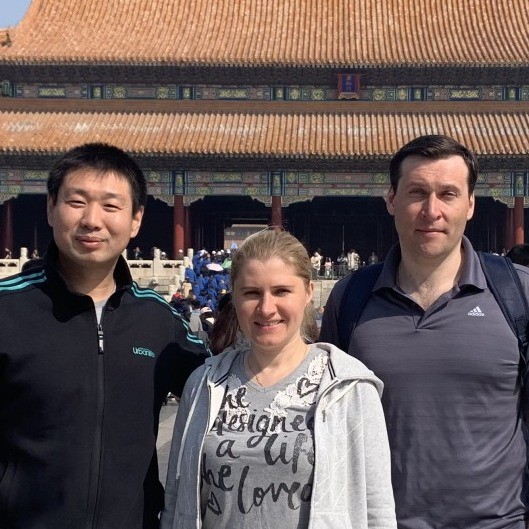 Guide license
Services: 1. +79998088138 max Russian speaking guide. 2. +8615901566875 WhatsApp Telegram Meeting/conference at …
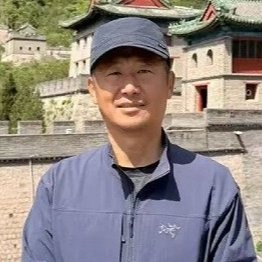 Guide license
Services: • Sightseeing tour of Beijing, visit the Forbidden City • Trips to the Great Wall of China (Mutianyu, Juyunggu …
 Guide license
I provide you with different services, transfer to a meeting, translation, and a business interpreter, a guide for an ex …

China Beijing е Russian guide in Beijing Welcome from the heart of China! Your personal Chinese guide with 10 years o …

I offer the following services: **Organization of excursions and escort in any city of China. Beijing Furniture Tour-S …

The cost of the program includes: 1. Accommodation in hotels according to the tour program 2. meals - breakfasts in hotels and l …

The price does not include: 1. International air travel 2. Health insurance 3. Visa fee Dates of arrival: 21/03-28/03/2013 04/0 …

China is one of the four oldest civilizations in the world. Beijing is one of the ancient capital cities of China, has a long hist …

day Upon arrival in the international airport of Beijing, you will be met by a Russian-speaking guide at the exit with a sign and …

After a rich excursion program, those who wish can continue their vacation on the island of Hainan Dates of arrival: 21/03-29/03 …

The cost of the program includes: 1. Accommodation in hotels according to the tour program 2. Meals - breakfast in hotels, lunch …

Are you looking for a reliable translator for business in China? Hello! My name is Sasha Wu, and I offer translation services from …
The history of Beijing has more than three thousand years. The city has a rich cultural heritage and is one of the most important and historically significant places in China. For centuries, Beijing was the capital of several Chinese dynasties.
The city was originally known as Ji and then Yandu, and it became the capital of the Qin Dynasty in the third century BC. Later, the capital of the country became Liaoyang, but then, in 1421, under the Ming dynasty, modern Beijing was founded and construction of the Forbidden City began.
The Forbidden City served as an imperial palace from the XV century to the beginning of the XX century. In 1912, China became a republic and Beijing lost its capital status. However, after the Communist victory in China in 1949, Beijing again became the capital of the country.
In recent decades, Beijing has undergone significant changes, turning into a modern metropolis with high-tech buildings, wide boulevards and numerous cultural and historical attractions, such as the Heavenly Temple, the Temple of Heaven and the Great Wall of China, located near the city.

Beijing, the capital of China, is an exciting and unique destination for tourism, combining a rich historical heritage, cultural wealth and modern innovation. Here are a few things that can attract tourists to Beijing:
Historic attractions: Beijing is rich in history, and its celebrities include the Forbidden City, which served as an imperial palace, and the Temple of Heaven, where emperors performed rites. Tourists can also visit the Great Wall of China, which is within a short distance of the city.
Modern architectural masterpieces: Beijing does not leave indifferent fans of modern architecture. Here you can see unique buildings, such as the National Stadium "Bird's Nest" and the National Center for the Arts, which are the hallmark of the city.
Cultural activities: The city offers a variety of cultural activities, including traditional performances such as Chinese opera and acrobatic performances. Tourists can also visit traditional markets and art galleries to experience the local culture.
Gastronomy: Beijing is famous for its unique cuisine, including the famous duck meat dinner (Beijing Duck). Tourists can immerse themselves in an authentic Chinese cuisine experience by visiting various restaurants and street eateries.
Green parks and oases of tranquility: The city has beautiful parks such as Lama and Beihai, where tourists can take a break from the bustle of the city while enjoying green spaces, lakes and traditional pagodas.
Modern technology: Beijing is one of the leading technology centers in the world, which can attract curious technological innovations. Moreover, the city is actively introducing modern technologies in various areas, from public transport to urban infrastructure.
Beijing offers a unique blend of antiquity and modernity, making it an attractive place to travel and explore.

Beijing has many amazing sights, representing historical, cultural and architectural heritage. Some of the main attractions include:
Forbidden City (ный): Located in central Beijing, the Forbidden City is the largest imperial palace in the world. The distance from the city center is about 2 km.
Temple of Heaven (ба): This historic temple was built in the XV century and was used for ceremonies in honor of the yield. It is located about 6 km south of the city center.
The Heavenly Temple (ный): Another important site of cultural heritage, where ceremonies were held related to donations and prayers to heavenly forces. The heavenly temple is located about 6 km southwest of the city center.
Tiananmen Square and Mao Zedong Mausoleum: Tiananmen Square serves as a symbol of China, and Mao Zedong Mausoleum is located in the north of the square. Both are downtown.
Buddhist Lama Temple (йский): One of the most famous Buddhist temples in Beijing. The distance to the Lama Temple is about 5 km northeast of the city center.
Beihai and Huhai: Beautiful lake parks with traditional pagodas and beautiful views. They are located northwest of the Forbidden City, about 3-4 km from the center.
The Great Wall of China: Despite the fact that the Great Wall of China is located outside the city center, many tours offer trips to its various sections, located at a distance of 50 to 80 km from Beijing.
These distances are approximate and can vary depending on the specific location in the city center. However, Beijing has an advanced transportation system, including subways and buses, making it easy to access many of these attractions.

Beijing is in a temperate continental climate, with seasons characteristic of this type of climate - hot summers and cold winters. Here is an overview of the climate throughout the year:
Spring (April to June):
Summer (July - August):
Autumn (September to November):
Winter (December to February):
The time to visit depends on your climate and weather preferences. Spring and autumn are probably considered the best times to travel when temperatures are pleasant and the weather is stable.

Beijing offers different categories of hotels and services for different levels of comfort and budget. The following are the general categories of hotels and their characteristics:
Economy class:
Middle class:
Business class:
Suite class:
It is important to note that prices can vary greatly depending on the specific hotel, season and demand. Booking in advance often allows you to get better rates. Beijing offers a wide range of hotels of different categories, and tourists can find options that suit their preferences and budget.
When traveling to Beijing, you should respect local traditions, customs and laws to make your stay enjoyable and selfless. Here are a few important points:
Respect for Chinese culture:
When visiting temples and sacred places:
Public places:
Purchase and trade:
Communication with local residents:
Photos:
Laws:
Monuments and attractions:
Public transport:
Compliance with these general rules and regulations will help you enjoy your trip to Beijing and create a positive impression of your attitude towards culture and society.
Beijing hosts many interesting events, celebrations and festivals, providing a unique opportunity to immerse yourself in the culture and traditions of China. Here are some popular events that may interest tourists:
Lunar New Year (нный): The most important Chinese holiday usually falls in late January - early February. The city comes to life with colorful parades, fireworks, lion and dragon dances, as well as traditional cultural events.
Spring flower festival (нни): Takes place in April in Yaiyuan Park. Visitors can enjoy colorful lanterns, flowering trees and traditional performances.
Kite Festival (сти): Usually held in April in Shijiku Park, where thousands of participants lift a variety of kites into the air.
International Fireworks Festival (国ов): The annual event, held in April, where the best pyrotechnic teams from around the world present their shows.
Cherry blossom festival in Yanshan Park (е): In April-May, the park turns into a magical place with many cherry blossoms.
International Art Festival (й国й): It is held every two years and is a platform for world theatrical, musical and artistic performances.
Baisui ():): Dragon Boat Festival, usually held in June on Lake Baikal.
Beijing Fashion Week (ская): In March and October, the city becomes a fashion center with displays of collections of Chinese and world designers.
Musical Arts Festival Yantai (кのк): Annual event, which hosts concerts, opera performances and master classes.
Beijing International Film Festival (сти国сти) Every year in April, the city becomes a meeting place for filmmakers from all over the world.
These events are only a small part of Beijing’s rich cultural life. When choosing the time of the trip, specify the actual dates of the events.

Beijing, like many major cities, provides a high level of security and tourists can generally feel quite safe in the city. However, it is worth following the general safety measures that apply to most places:
Careful attitude to personal things: Be vigilant about your property, especially in crowds and on public transport. Avoid carrying large amounts of cash and jewelry.
Beware of scammers: As with any major tourist city, be alert to possible fraudulent schemes such as imposing inflated prices for services, taxis, etc.
Compliance with traffic rules: Cross the road only at pedestrian crossings, pay attention to traffic lights and be careful when using bicycles and electric scooters.
Compliance with local laws: Follow local laws and regulations to avoid unpleasant situations. Smoking may be prohibited in some public places.
Visa: Tourists arriving in China usually require a visa. There are different types of visas (single, double, multiple) and their validity. Visa information should be checked at the Chinese Consulate in your country.
Passport: The passport must be valid for at least 6 months after the expected date of departure from China.
Extension of stay: Usually a tourist visa grants the right to stay up to 30 days, but there are options for extension. Extension can be issued in the relevant internal affairs bodies.
Before traveling, it’s best to check out specific requirements and guidelines from official sources such as the Chinese Embassy or Consulate.
Create a query and local guides will offer you the best options
