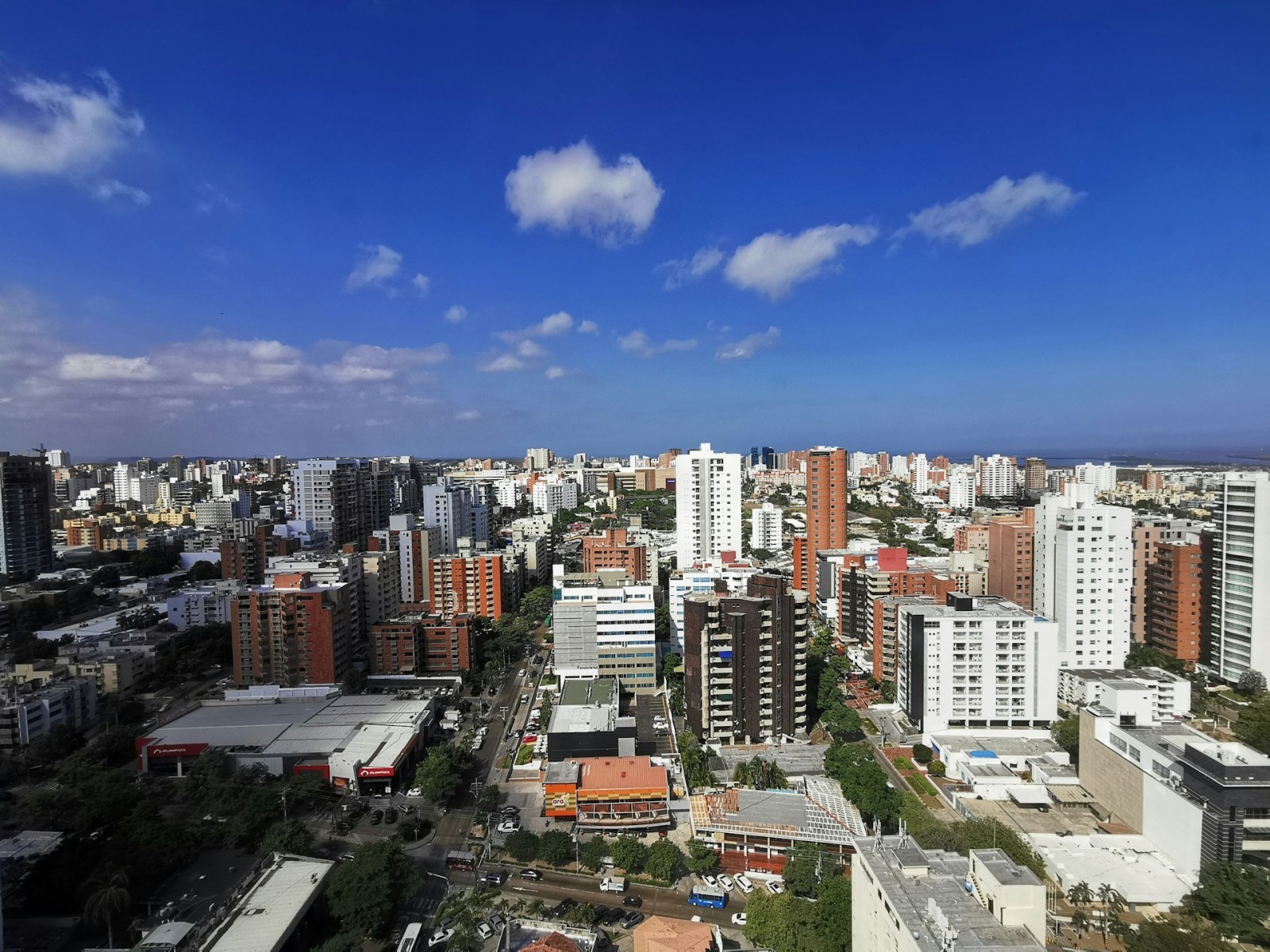
Independent travel and view of the city of Barranquilla!
Historical information about the city of Barranquilla
Barranquilla is a major port city in northern Colombia, the administrative center of the Atlantico department. The city is located on the banks of the Magdalena River, near its mouth in the Caribbean Sea. Barranquilla’s history is rich and diverse, and its past is linked to colonial heritage, the slave trade, cultural diversity and economic development.
Colonial period: The city was founded in 1629 by Spanish conquistador Juan Harrisa Castilleira. At that time, it was used as a trading point for the exchange of goods between colonists and local Indian tribes. The city became an important center for trade and a transshipment point for gold and silver mined in neighboring regions.
The era of the slave trade: In the 19th century, like many other cities in the region, Barranquilla witnessed the dark days of the slave trade. The Magdalena River was used to transport thousands of slaves from Africa, bringing new cultural elements to the city and increasing ethnic diversity.
Prosperity and economic development: In the late 19th century and early 20th century, Barranquilla became a major commercial and industrial center of Colombia. The city's port has become one of the most important on the Caribbean coast, promoting trade and exports. At this time, infrastructure, including railways and port facilities, appeared.
Cultural Heritage: Barranquilla is famous for its cultural heritage. The city became the cradle of various musical and dance styles, such as cumbia and Vallenato. Every year Barranquilla hosts a famous carnival, considered one of the largest and most colorful in Latin America.
Modernity: Barranquilla remains an important economic and cultural center of Colombia. The city continues to develop in trade, industry and tourism. Many historical monuments, museums and architectural attractions attract tourists from all over the world.
The history of Barranquilla is a fascinating journey through different eras, from the colonial past to the modern dynamic life of the city.
What is interesting about Barranquilla
Barranquilla is a unique city with a rich cultural heritage, beautiful beaches, vibrant carnivals and hospitality of its residents. Here are a few things that can catch the attention of travelers and tourists:
Cultural Heritage: Barranquilla is famous for its cultural roots embodied in music, dance and traditional festivals. Visitors can plunge into the atmosphere of the carnival, which is considered one of the most fun and colorful in the world. Here you can enjoy the local music of cumbia and Vallenato, as well as learn to dance to their fiery rhythms.
Beaches: The city is located on the Caribbean coast, providing access to beautiful beaches. Travelers can enjoy the sun and the sea at the Boca Grande beach, where local delicacies can also be tasted at beach cafes.
Historical sights: Barranquilla is rich in historical monuments, including a colorful historical center with colonial architecture. Tourists can visit the castle of San Felipe, which was built to protect against pirates, or explore the ancient streets of the city, full of mysterious stories.
Culinary pleasures: Barranquilla offers a variety of culinary tastes, from traditional Colombian cuisine to local treats. Tourists can taste local fruits, seafood and traditional dishes such as arepa and empanadas.
Natural beauty: In the vicinity of Barranquilla there are natural attractions such as Tayrona National Park and Playa Blanca Beach. Here you can explore beautiful rainforests, dive and enjoy endless views.
Modern atmosphere: Barranquilla is a city that combines a rich cultural heritage with a modern look. Tourists will find here many shops, restaurants, nightclubs and activities, providing an opportunity to immerse yourself in the dynamic atmosphere of the city.
These elements make Barranquilla an attractive destination for travelers looking to discover a unique blend of culture, nature and entertainment.
Levels of residence in Barranquilla
Barranquilla offers a variety of accommodation options, from luxury hotels to more affordable options. Here are a few levels of hotels and other ways to stay:
Luxury hotels:
Hotel Dann Carlton Barranquilla: This five-star hotel offers a high level of service, luxurious rooms, a spa, restaurants with local and international cuisine and a swimming pool.
Sonesta Hotel Barranquilla: Another famous five-star hotel, offering luxury rooms, a business center, a fitness room, restaurants and modern amenities.
Middle class and business hotels:
Four Points by Sheraton Barranquilla: A four-star hotel with comfortable rooms, a business center, restaurants and a gym.
NH Collection Barranquilla Smartsuites Royal: A four-star hotel offering stylish rooms, conference rooms, a restaurant and an indoor pool.
Economy hotels:
Hotel Atrium Plaza: This three-star hotel provides spacious rooms, affordable prices and a convenient location.
Hotel Genova Prado: An example of a budget option offering simple yet cozy rooms, free Wi-Fi and friendly staff.
Hostels and guest houses:
Hostel Buena Onda: It is a popular hostel with a friendly atmosphere, shared rooms, guest kitchen and organized events.
Casa Ballesteros: A guest house offering cozy rooms, a terrace and the opportunity to feel the atmosphere of local accommodation.
Rentals:
Airbnb: The option of renting an apartment or house through Airbnb can be convenient for those who prefer a more homely style of living.
These examples provide a variety of accommodation options in Barranquilla, matching different budgets and preferences.
What to see in the city of Barranquilla
Barranquilla is a city with a rich cultural heritage and a variety of attractions. Here are a few, as well as information about accessibility:
Castle of San Felipe de Barracina:
This historic castle was built in the 17th century to protect against pirate attacks. Visitors can explore the fortress walls and enjoy breathtaking views of the city and the Caribbean Sea.
Transport: The castle is located in the city centre and is easily accessible by taxi, bus or pedestrian.
Casa de la Culture Park:
This cultural complex includes the Carnival Museum, which presents exhibitions on the history of art and carnival in Barranquilla.
Transport: Located in the city center, easily accessible by taxi, bus or pedestrian.
Museum of the Caribbean:
This museum is dedicated to the history and culture of the Caribbean region. The exhibits include artifacts related to maritime history and local cultures.
Transport: Located in the city center, which provides easy access by taxi or bus.
Simon Bolivar Park:
One of the largest city parks where you can walk, relax and enjoy nature. The park is also a venue for various cultural events and festivals.
Transport: Located in the city center, accessible by taxi, bus or pedestrian.
Plaza de la Paz:
This square is a central public space surrounded by historic buildings and shops. There is also a cathedral here.
Transport: Easily accessible by taxi, bus or pedestrian.
Carnival in Barranquilla:
Barranquilla is famous for its carnival, one of the largest and most picturesque in Latin America. Events take place in various parts of the city, including parades, concerts and themed events.
Transport: Different carnival events may require different modes of transport, but public transport and taxis are usually readily available.
Transport accessibility to attractions in Barranquilla is usually convenient and most places are easy to reach by taxi, bus or pedestrian, especially if they are located in the city center.
Cultural life and activities in Barranquilla
Barranquilla is famous for its diverse and colorful events, celebrations and festivals that attract tourists and locals. Here are some popular events in Barranquilla and their approximate times:
Carnival in Barranquilla (Carnaval de Barranquilla):
The largest and most famous event of the year. It usually takes place in late February or early March and lasts about four days. Includes parades, dances, costume processions, musical concerts and various cultural events.
Festival de la Cumbia (Festival de la Cumbia)
Dedicated to the traditional Cumbia music style, the festival is usually held in early July. Visitors can enjoy performances by local artists, dances and master classes.
Festival de la Leyenda Vallenata:
This festival celebrates Vallenato, another popular musical style in the region. It takes place in late April and includes music competitions, concerts and dances.
Day of Barranquilla (Día de Barranquilla):
The celebration of the founding of the city takes place on April 7. Various events are held on this day, including concerts, parades and fireworks.
Festival of Las Palomas (Festival de las Palomas)
This festival, which is celebrated in early January, is a traditional event with parades, concerts and entertainment for children.
Month of the Navigator (Mes del Marino):
In September, the city celebrates the month of the navigator, personifying its historical connection with navigation. During this period, various maritime-related events are held.
The exact dates may vary depending on the year, so it is recommended to check the up-to-date information about events and holidays before traveling.
Weather conditions for travel to Barranquilla
Barranquilla, located in northern Colombia, has a tropical climate with little pronounced seasons. Here is an overview of the climate at different times of the year:
December to March (high season):
Air temperature: It is usually kept within 28-32 °C (82-89 °F).
Water temperature: Approximately 26-28 °C (79-82 °F).
This period is considered high season, when the weather is driest and stable. This is also the time when the Barranquilla Carnival is held (February-March).
April - November (low season):
Air temperature: Usually varies from 27 to 31 °C (81-88 °F).
Water temperature: Approximately 27-29 °C (81-84 °F).
Short-term rains are likely at this time of year and humidity may be higher. However, even during the low season, the rains are usually not long-lasting and do not affect the overall accessibility of attractions.
The best time to visit Barranquilla depends on your weather preferences. High season attracts those who prefer dry and warm conditions and want to take part in carnival events. Low season may be preferred for those who prefer less hot weather and are not afraid of short-term rains.
Keep in mind that the climate can vary and it is best to check the forecast before traveling.
Traditions, customs and language of communication in Barranquilla
The language of communication in Barranquilla and Colombia in general is Spanish. Many locals may speak dialects or different varieties of Spanish, but speaking standard Spanish will usually be sufficient for travelers.
It is important to consider several traditions, customs and laws when visiting Barranquilla:
Greetings and communication:
It is customary to shake hands or kiss on the cheek, especially between friends and acquaintances.
Standard forms of courtesy, such as "por favor" and "gracias," are evaluated.
Clothes:
In the hot climate of Barranquilla, it is recommended to wear lightweight, breathable clothing. Churches and some formal places may require a more modest body covering.
Hospitality:
Colombians are usually very hospitable and friendly. Accept invitations and participate in local traditions to better understand the culture.
Safety:
Follow safety measures, especially in public places and in the evening. Avoid wearing expensive jewelry and keep valuables under control.
Photos:
Avoid photographing local people without their permission. In some cases, such as markets or national holidays, this may be allowed, but it is always better to clarify.
National holidays and festivals:
During the carnival in Barranquilla, observe the norms of behavior and safety. Keep in mind that at this time the city can be more noisy and crowded.
Local traditions:
Respect local traditions and customs, especially in temples and sacred places. Adhering to traditions such as family lunch or participating in local festivals can deepen your experience.
Traffic rules:
Follow local traffic rules as traffic can be intense. Cross the streets carefully and use pedestrian crossings.
Communicating with respect for local customs and traditions will enrich your journey and help create a positive experience.
Popular language phrases and dialogues to travel to Barranquilla
Knowing the main local words and phrases of the Spanish language can greatly facilitate communication in Barranquilla. Here are some useful words and expressions with their translation into Russian and transcription:
Welcome:
¡Hola! (Ola) Hey!
Buenos días! - Good morning!
Buenas tardes! - Good afternoon.
Buenas noches! (Buenas noches) - Good evening/night!
Phrases for communication:
Por favor (Por favor) - Please
Gracias (Gracias) - Thank you
De nada - Please (response to "thank you")
Perdón/Disculpe (Perdon/Disculpe) - Sorry
General matters:
¿Cómo estás? - How are you?
¿Cuánto cuesta esto? - How much does it cost?
¿Dónde está...? (Donde esta) - Where is...?
Shopping and restaurants:
Quisiera - I'd like to
La cuenta, por favor (La cuenta, por favor)
Donde está el baño? (Donde Esta El Baño) - Where's the bathroom?
Orientation:
Derecha (Derecha) - Right
Izquierda (Isquierda) - Left
Recto (Recto) - Straight
Parada de Autobús (Parade de Bus) - Bus stop
Numbers:
Uno (Uno) - One
Dos (Dos) - Two
Tres (Tres) - Three
Diez (Dies) - Ten
Farewell:
Adiós (Adios) - Goodbye
Hasta Luego - See you soon
Nos Vemos - See you later
Knowing these basic phrases will help you interact more easily with locals and feel more confident in an unfamiliar city.
What to try and what souvenirs and gifts to bring from the city of Barranquilla
Barranquilla provides many unique and interesting options for buying souvenirs, trying local delicacies and even using traditional remedies. Here are some ideas:
Coffee:
Colombia is known for its high quality coffee. Try the local varieties and bring souvenir packages for friends and family.
Sugar products:
Traditional sweet treats such as aropa, dulce de kayao and arenque are popular in the region. These sweets are often made from semolina palm.
Traditional items of craft art:
Handmade and traditional products may include embroidery, ceramics and wood products. Look for local markets and craft shops.
Essences and oils:
Essences and oils made from natural ingredients such as myrrh or eucalyptus are part of traditional medicine. They can be used for aromatherapy or as natural remedies.
Local spices:
Bring home some traditional Colombian spices such as ahi, cumin or adobo to cook meals at home and add an authentic flavor.
Local drinks:
Try traditional drinks such as aguapanela (natural sugar juice) or lulada (lula drink). They can be purchased in bottles or canned.
Traditional clothing:
If you’re interested in buying traditional clothing, look at local shops selling traditional costumes like sombrero Vallenato or traditional national T-shirts.
When choosing souvenirs and products, keep in mind the rules for importing into your country, especially food and plants. Remember that the choice of souvenirs also depends on your interests and preferences.
What to have for a safe holiday in the city of Barranquilla
Security in Barranquilla, as elsewhere, requires some precautions. Here are some tips and information that can be helpful for tourists:
Documents and insurance:
Passport: Make sure your passport is valid for the duration of your stay in Colombia. Before traveling, check the validity of your passport.
Visa: Before traveling, check if you need a visa to enter Colombia. At the time of my latest update, citizens of many countries do not require a short-stay visa, but the rules may change.
Health insurance: It is recommended to obtain health insurance covering the costs of medical care and evacuation.
City security:
Beware of fraud: As in other major cities, be mindful of your possessions and avoid crowded places.
Transport: Use official taxis, preferably booked through hotels or taxi services. Public transportation, such as buses, is also safe.
Dangerous areas: Avoid certain areas at night. Ask your local or hotel staff about safe places.
Emergency services and telephones:
Police: 123
Ambulance: 125
Fire service: 119
Mobile communications:
Mobile operators: Claro, Movistar, Tigo are the main mobile operators in Colombia. Make sure you have an active mobile connection for emergency communication and navigation.
Duration of stay:
Visa-free regime: Some citizens can visit Colombia without a visa for up to 90 days. Check the requirements for your country.
Extension of stay: If you plan to stay in Colombia longer than allowed without a visa, please contact the local Foreign Office (Migración Colombia) for the necessary information and permission.
It is always advisable to keep an eye out for security updates and follow general precautions to make your journey more comfortable and safe.
The site uses a web analytics service
Yandex Metrics
using cookie technology to make the site more convenient. You can prevent the processing of cookies in the browser settings.
Details in Privacy policy.