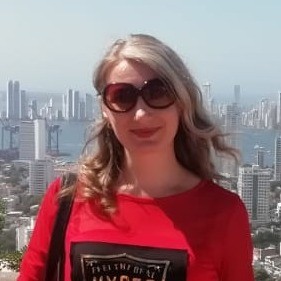
Independent travel and view of the city of Medellín!
Historical information about the city of Medellin
Medellin is the largest city in northwestern Colombia, the administrative center of the Antioquia department. The city is located in the Aburaba Valley between the Andes and the foothills of the Caribbean Mountains, which gives it a beautiful and pitoresque landscape. The history of Medellin is rich in events and varied, from the days before the arrival of the Spanish conquerors.
Before the Spanish conquest: The area was originally inhabited by tribes such as the Caribs and Katios. Spanish conquerors under Sebastian de Bellalcázar arrived in the region in 1541 and founded the city of Santa Fe de Antioquia in 1675.
Colonial period: During the colonial period, Medellin flourished due to its location on the trade route between the port of Cartagena and Bogota, the colony's capital. The city became known for its textile and leather industry.
Independence: In 1810 Colombia declared its independence from Spain. Medellin played an important role in this period, and the city was liberated from Spanish troops in 1816.
Industrial development: In the late 19th century and early 20th century, Medellín became the center of the textile and wool industry. The city developed and attracted many immigrants, including Europeans.
A period of violence: In the mid-20th century, Colombia faced a period of political violence and infighting between government forces and insurgents such as the FARC rebels. Medellín witnessed violence and instability, but at the same time infrastructure and industry developed.
Transformation and development In the late 20th century and early 21st century, Medellin underwent a significant transformation under the leadership of local leaders and entrepreneurs. The city became known for its innovations in education, transport and social programs, which led to an improvement in the quality of life of local residents.
Modernity: Today, Medellin is considered one of the most dynamic and entrepreneurial cities in Latin America. It is known for its cultural events, parks, museums and architecture. Also worth noting is the transport system, which includes cable cars, which helped to cope with the problems of traffic in the mountainous region.
Medellín is a vivid example of a city that has managed to cope with the challenges of its history and has become an innovative and cultural center.
What is interesting about the city of Medellin
Medellin is a fascinating city in Colombia that attracts tourists with its rich cultural heritage, beautiful natural landscape and dynamic atmosphere. Here are a few aspects that make Medellín attractive to travelers:
Cultural diversity: Medellín is famous for its variety of cultural events and festivals. Tourists can enjoy traditional dances, music and cooking, representing a variety of regional dishes. The city is also known for its art exhibitions, theatre productions and museums.
Innovation and modernity: Medellín has made significant efforts in modern development, as can be seen in his innovative projects and infrastructure. Tourists can appreciate unique transportation systems, such as cable cars, making it easier to navigate the mountainous landscape. The city is also famous for its startups and technological advances.
Beautiful natural scenery: Located in the beautiful Aburaba Valley, Medellín is surrounded by picturesque mountains and nature. Tourists can enjoy panoramic views by hiking in the surrounding mountains or visiting nature reserves. The colorful gardens and parks in the city also create a unique atmosphere.
Favorable climate: Medellin has a temperate climate, making it a great place to visit at any time of the year. Tourists can enjoy the warm sun and fresh air, favorable conditions for various activities, ranging from mountain walks to city walks.
Local hospitality: Medellin residents are known for their friendliness and hospitality. Tourists can feel the warmth and warmth of the locals, which creates a pleasant and comfortable atmosphere for visiting.
Architectural heritage: In the city center you can find a unique architecture that combines traditional Spanish styles and modern design solutions. Many historic buildings, churches and squares are preserved in excellent condition, which gives the city a special charm.
With these attractive features, Medellín becomes an ideal destination for tourists seeking to enjoy a unique blend of culture, nature and modern development.
Medellín offers a variety of accommodation options, ranging from luxury hotels to more affordable and cost-effective options. Here is an overview of the different levels of living in the city:
Luxury hotels (5 stars): In this segment, tourists can enjoy a high level of service, luxurious amenities and luxurious design.
Examples:
Hotel Charlee: This stylish and elegant hotel is located in the historic city centre and offers luxury rooms, restaurants and a spa.
The Charlee Hotel: Another five-star hotel providing luxury accommodation, upscale restaurants and spa services.
Mid-range hotels (3-4 stars): These hotels offer comfortable rooms, a variety of amenities and are usually in convenient locations.
Examples:
Diez Hotel Categoria Colombia: A four-star hotel providing modern amenities and located in the business center of the city.
Hotel Poblado Plaza: A three-star hotel in the Poblado area offering cozy rooms and access to local attractions.
Boutique hotels and hotels: This segment includes unique and stylish accommodation options that provide personalized service.
Example:
Hotel Park 10: A downtown boutique hotel with a vibrant design, high-end amenities and personalized service.
Apartments and guesthouses: For those who prefer more space and independence, there are many apartments and guesthouses.
Example:
InMedellin Hostel: A cost-effective option for budget travelers, offering shared rooms and a convenient location.
Hostels and budget options: For budget travelers, Medellin has plenty of hostels and inexpensive options.
Example:
The Wandering Paisa Backpackers Hostel: Hostel with friendly atmosphere, shared rooms and affordable prices.
Medellin offers a wide range of accommodation options, making it affordable and attractive for tourists with different budgets and preferences.
Attractions in the city of Medellin
The city of Medellín offers many interesting attractions, representing a mixture of cultural heritage, nature and innovation. Here are a few of the main places to visit and information on transport accessibility:
Place Botero (Plaza Botero): This square is located in the city center and is famous for its collection of sculptures by Fernando Botero, a Colombian artist. Transport: It is easy to reach by public transport or taxi.
Parque Arví (Parque Arví): Located on the outskirts of Medellin, this natural park offers beautiful hiking trails, bike paths and panoramic mountain views. Transport: Available by bus or cable car.
The Huarcanga Botanical Garden (Jardín Botánico de Medellín) The garden covers an area of over 14 hectares and includes botanical collections, a lake and hiking trails. Transport: It is easily accessible by public transport or taxi.
Museum of Antioquia (Museo Antioquia): Located in Piazza Botero, the museum presents the art and history of the region, including works by Fernando Botero. Transport: The central location provides good transport accessibility.
Park Lleras (Parque Lleras): It is a center of entertainment and nightlife where you can enjoy restaurants, bars and clubs. Transport: It is located in the heart of the city and is easily accessible on foot or by taxi.
Comuna 13 (Comuna 13): The area has become a symbol of transformation and innovation in Medellin. Graffiti, street art, history and culture make it a unique place to visit. Transport: Easy to reach by public transport or sightseeing buses.
Metrocable: Medellín is known for its innovative cable car system, providing excellent views of the city and facilitating transportation in mountainous terrain. Transport: They can be reached by public transport and used within the city.
The Espaquio complex (Parque Explora): This is a scientific and entertainment complex, including an aquarium, a planetarium and interactive exhibitions. Transport: Located in the city center, easily accessible by public transport.
Transportation in Medellin is provided by a wide network of public transport, taxis and cable cars, which makes transportation around the city and its surroundings convenient and efficient for tourists.
Activities in Medellin
Medellin, like many other cities in Colombia, celebrates a number of holidays, festivals and cultural events throughout the year. Here are a few of them:
Feria de las Flores (Feria de las Flores) This major festival takes place in early August and is one of the most notable and popular events in Medellin. It includes a parade of flowers, cultural events, concerts and traditional races.
St. Teresa's Week (Semana Santa) During Catholic Holy Week, usually in March or April, the city comes to life with religious celebrations, parades and traditional rites.
Festival Medellín Vive la Música: This music festival offers a variety of concerts and performances over several days. It represents a wide range of musical genres and attracts both local and international artists.
Festival of the International Theatre (Festival Internacional de Teatro) Every two years, Medellín welcomes theatre companies from around the world. The festival includes theatrical performances, master classes and events related to art.
Festival of Light (Festival de las Luces) In December, the city turns into a sea of lights and bright light decorations. This celebration includes a parade of lights, fireworks and various cultural events.
Festival de la Decoración: This festival takes place at the end of the year and includes parades with costumes, scenery and street exhibitions displaying different styles and themes.
Medellín Light Festival (Medellín Light Festival) It is an annual event timed to the end of the year, when the city comes to life with light installations, projections and light shows.
In addition to these events, Medellin hosts concerts, exhibitions and other cultural events throughout the year. Travelers can choose the period of their visit depending on the events and festivals of interest.
Weather and the best season to travel to Medellin
Medellin is located in the temperate climatic zone, which ensures stable temperatures throughout the year. The city is known for its pleasant climate, which makes it attractive for tourists at any time of the year. Here is a description of the climate in different seasons:
Rainy season (April-November):
Air temperature: On average, 20°C to 28°C.
Rainfall in Medellin is most likely from April to November, although it is usually short and intense. At this time, nature becomes more green and picturesque, but it is worth considering the possible short-term precipitation.
Dry season (December-March):
Air temperature: The average is 21°C to 29°C.
This is the season with the least rainfall when the city enjoys a dry and sunny climate. December and January are usually the best months to visit due to the lack of heavy rain.
The water temperature in the rivers and lakes of Medellin is usually comfortable for swimming throughout the year.
Best season to travel: In general, Medellin is suitable to visit all year round, and the choice depends on your preferences. If you prefer a drier period and less rain, then December-January are the best months. However, during the rainy season, the city comes to life with green landscapes and can offer a unique experience for those who are not afraid of short-term rainfall.
Language of communication, traditions and customs in Medellin
Language of communication: The official language in Colombia is Spanish. In Medellin, locals speak Spanish, but in some tourist areas and hotels, staff can speak English. On the streets and in everyday life it is useful to know the basics of the Spanish language.
Traditions and customs: Colombians have a warm and hospitable character. Several important customs and traditions:
Greeting: Greetings in Colombia usually involve a handshake, and for close friends and family, the usual kisses on the cheek.
Communication: Colombians love communication and are friendly. Conversations can be lively and loud, this is the norm, and do not consider it indecent.
Family values: The family plays an important role in Colombian culture. Relatives often gather together to celebrate holidays and important events.
Line: In some places, such as public transport or banks, the queue may be somewhat less organized than in other countries. Don’t be surprised if someone passes you.
Laws and norms of conduct: When visiting Medellin, it is important to follow the laws and rules of conduct:
Drugs: Possession and use of drugs is illegal and can result in serious penalties.
Safety: As in many other major cities, you should be careful about your valuables and avoid visiting dark and rugged places.
Photos: Before photographing people, especially locals, it is best to ask their permission.
Monuments and sacred sites: It is important to respect local traditions and not violate sacred sites or monuments.
Compliance with these traditions, customs and laws will help make your stay in Medellin enjoyable and respectful.
The main dialogues for traveling to Medellin
The most common languages in Colombia are Spanish and various local dialects. Here are some basic phrases and words that may come in handy in Medellin:
Greetings and communication:
Hola (Ola): Hey.
Buenos días (Buenos diaz): Good morning.
Buenas tardes (Buenas tardes): Good afternoon (afternoon).
Buenas noches (Buenas noches): Good evening/night.
Cómo estás? (Como estas): How are you?
Please and courtesy:
Por favor: Please.
Gracias: Thank you.
De nada (De nada): Please (in response to thanks).
Restaurant and cafe:
La cuenta, por favor: Check, please.
Cuánto cuesta? (Quanto Cuesta): How much does it cost?
Quisiera ordenar... (Kiesiera Order): I'd like to order...
Transport:
Cuánto cuesta el pasaje? (Quanto Cuesta El Pasahe): How much is the ticket?
Parada de autobús (Parade de autobus): Bus stop.
Taxi (Taxi): Taxi.
Orientation:
¿Dónde está...? (Donde esta): Where is...?
Izquierda: Left.
Derecha: Right.
Baño (Bagno): Toilet.
Buying and trading:
Cuánto cuesta esto? (Quanto Cuesta Esto): How much does it cost?
Puede hacerme un descuento? (Puede Aserme un Descuento): Can you give me a discount?
Transcription is presented approximately, and, of course, it is best to learn the correct pronunciation with native speakers. It is important to remember that many Colombians can speak quickly, and the intonation may be slightly different from other Spanish-speaking countries.
Food, medicines, souvenirs and gifts in memory of the city of Medellin
Unique food:
Arepa (Arepa): This is a traditional dish of Colombia, which is a round cake made of corn flour. It can be served with various fillings, such as cheese, meat, guacamole or beans.
Bandeja Paisa: This is a traditional dish, which is a plentiful lunch, including rice, red beans, meat (usually rabbit or beef), avocado, chorizo and other ingredients.
Choklanos (Chocoramo): Sweet, popular in Colombia, is a layered dough soaked in cocoa and pastry glaze.
Medications:
Coffee: Colombia is known for its excellent coffee. You can buy freshly brewed beans or ready-made coffee as a souvenir.
Agua de Panela: A traditional drink made from cane and often consumed for colds.
Medicinal herbs: Medellin and its surroundings are rich in a variety of medicinal herbs. Here you can buy herbal teas and oils.
Souvenirs:
Wayuu bags: These are traditional handbags, handmade art from the indigenous Wayuuu people. They are bright, colorful and are a wonderful souvenir.
Embroidery and textiles: Hand embroidery and textiles can be a wonderful gift. These can be clothes, bags or accessories that reflect Colombian culture.
Art by Fernando Botero: Beautiful paintings and sculptures by Fernando Botero, a famous Colombian artist, can be purchased in galleries and art shops.
Which can be summarized:
Coffee and coffee accessories: Buy freshly brewed coffee beans or packaged coffee, as well as traditional coffee pots.
Traditional clothing: Buy traditional Colombian clothing items such as hand embroidery or colored suits, including handbags and accessories.
Souvenirs depicting El Peñol: This is the symbol of Medellín, a large rock with magnificent views of the city.
Be sure to check local laws and restrictions when buying or importing souvenirs to avoid problems at the border.
Rest safety, documents, insurance, telephones, Internet in Medellin
Safety: Medellin, like many major cities, can have its own security features. Here are some tips for a safe holiday:
Prudence in public places: Be careful in public places, especially in dark or under-visited areas.
Valuables: Avoid carrying valuables in obvious places. It is better to leave documents and valuables in a safe place in the hotel.
Taxi: Use only official taxis or taxi app services to avoid problems.
Beware of fraud: Be careful when dealing with strangers, especially at night. Do not fall for various fraudulent schemes.
Safety in public transport: Be vigilant on public transport, especially during rush hours.
Excursions and tours: Choose licensed guides and official tour operators for excursions.
Documents and insurance:
Passport and copies: Always carry copies of important documents, such as a passport, and keep the original in a safe place.
Insurance: Purchase health insurance covering the costs of treatment and emergency medical care.
Emergency telephones:
Police: 123
Ambulance: 125
Fire service: 119
Mobile operators: In Medellin, there are several mobile operators that provide their services to tourists. Some of them:
Claro
Movistar
Tigo.
Duration of stay: For Russian citizens, for example, you can stay in Colombia for up to 90 days without a visa. However, it is advisable to check this information at the nearest Colombian embassy or consulate and check the requirements for your specific country. It is also important to monitor the expiration date of the visa to avoid unpleasant situations when leaving the country.
The site uses a web analytics service
Yandex Metrics
using cookie technology to make the site more convenient. You can prevent the processing of cookies in the browser settings.
Details in Privacy policy.