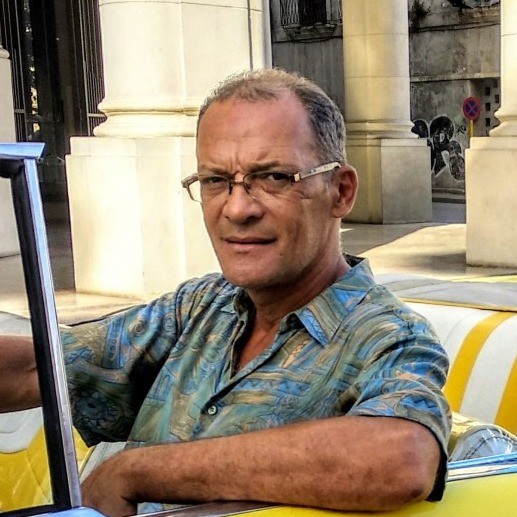
Independent travel and view of the city of Santiago de Cuba!
A Brief History of the City of Santiago de Cuba
Santiago de Cuba is one of the oldest and culturally rich cities in Cuba. Located on the eastern part of the island, it has played an important role in the history of the country since its foundation in 1515.
Basis and Colonial Period: The city was founded by the Spanish conquistador Diego Velazquez in 1515. Santiago de Cuba became an important commercial and cultural center during the colonial era. Numerous fortresses and fortifications arose here, as the city was subjected to repeated attacks by pirates and hostile armies.
Important role in the War of Independence: Santiago de Cuba also witnessed important events during the Cuban War of Independence. In 1898, there was a decisive battle between the United States and Spain during the Spanish-American War, which led to the liberation of Cuba from Spanish rule.
Cultural Heritage: The city is rich in cultural heritage. Its historic center is marked as a UNESCO World Heritage Site. In Santiago de Cuba you can see numerous ancient buildings, cathedrals, squares and museums reflecting the history and culture of Cuba.
Music and Dancing: The city is the cradle of many Cuban musical styles such as sleep, rumba and tango. Every year, major music and dance festivals are held here, attracting both local and foreign artists and tourists.
Revolution and modernity: During the Cuban Revolution (1953-1959), the city played an important role in the events that led to the establishment of a communist regime on the island. Today, Santiago de Cuba remains an important center for cultural and political events in the country.
Religious holidays: The city is also known for its traditional religious festivals and carnivals, including the famous Santiago de Cuba Carnival, which is considered one of the most exciting in the Caribbean region.
Santiago de Cuba continues to attract tourists with its unique atmosphere, cultural heritage and beautiful coastal scenery, making it one of the most exciting historical cities in Cuba.
What is interesting about Santiago de Cuba
Santiago de Cuba, the oriental jewel of Cuba, invites travelers on an exciting journey full of history, culture and exciting entertainment. Here are a few things that make this city attractive to tourists:
Historic Heritage: Santiago de Cuba is one of the oldest cities in Cuba, founded in 1515. Its historic center, recognized by UNESCO, delights visitors with unique architecture, monuments and ancient streets. Travelers can plunge into the atmosphere of the colonial era, exploring buildings, streets and squares rich in historical significance.
Santiago de Cuba is the cradle of Cuban music and dance. Styles such as sleep, rumba and tango were born here. Local music and dance festivals invite tourists to plunge into the world of Cuban rhythms and passions.
Carnival and holidays: The city is famous for its carnivals and festive events. Considered one of the most exciting in the Caribbean, the Santiago de Cuba Carnival provides a unique opportunity to immerse yourself in culture by dressing up in colorful costumes and participating in parades and dances.
Beautiful beaches: Near the city are beautiful beaches such as Bacco and Siracao, offering sun, sea and white sand. Travelers can enjoy relaxing by the water and participate in water activities such as diving and snorkeling.
Gastronomic diversity: The city offers a rich selection of Cuban cuisine. Tourists can enjoy authentic dishes such as ropa vieha, seafood and traditional drinks in cozy restaurants and cafes.
Friendly residents: The hospitality of the locals gives a special charm to the trip. Travelers can enjoy interacting with friendly Cubans by learning their customs and traditions.
Santiago de Cuba is not only a city with a rich history, but also a vibrant cultural center, where every corner is filled with energy and inspiration. This city provides a unique opportunity to immerse yourself in the authentic Cuban atmosphere, making your trip unforgettable and exciting.
In Santiago de Cuba, you will be welcomed. private guides They will offer individual, individual tours.
Levels of residence in Santiago de Cuba
Santiago de Cuba offers a variety of accommodation options, from luxury hotels to more economical options. Here are some examples from different levels:
1. Luxury class (5 stars):
Hotel Casa Granda: Located on a central square, this hotel offers luxurious rooms with panoramic views of the city and the sea. The hotel has a restaurant, a bar, and a high level of service.
Melia Santiago de Cuba: This hotel is known for its luxury services, beautiful swimming pool and leisure facilities. Located in a picturesque place with a beautiful view.
2. Middle class (3-4 stars):
Iberostar Heritage Imperial: This hotel combines comfort and accessibility. Located in the city center, which facilitates access to the main tourist attractions.
Hotel Meliá Santiago: It offers modern facilities, swimming pool and restaurants. Located in a quiet area with convenient transport links.
3. Budget hotels and guest houses:
Hostal San Basilio: This is a typical Cuban guest house, providing spacious rooms and the opportunity to feel the authentic Cuban atmosphere.
Casa Particular Los Vitrales: Option of accommodation in a Cuban house offering cozy rooms and personal service. This is a great opportunity to immerse yourself in the local culture.
4. Hostels and economical options:
Hostal La Casona de San Jeronimo: This hostel provides simple rooms and shared spaces for budget travelers.
Casa Isela y Osvaldo: Typical Cuban shawl, offering affordable accommodation with the opportunity to feel the warmth and hospitality of the locals.
These options provide variety for different budgets and preferences, making Santiago de Cuba an attractive destination for a variety of tourists.
Where to go and what to see in Santiago de Cuba
Santiago de Cuba is rich not only in its history, but also in numerous attractions. Here are some of them and information about accessibility:
Main attractions:
Fortress of San Pedro del Morro: This historic fort, towering above the entrance to Santiago Bay, provides stunning views of the city and the sea. The fort was built in the 17th century and served to protect against attacks by pirates and enemy fleets.
Basilica del Cobre (Basilica del Cobre): It is the national sanctuary of Cuba and the place of worship of the miraculous statue of the Virgin of Mercy. It is an important point of pilgrimage and cultural interest.
Place Quespedes (Parque Cespedes): The central square of the city, where there is a monument to Jose Marti, the national hero of Cuba. It is a place where locals and tourists gather to enjoy the atmosphere of the city.
The House of Diego Velazquez: The oldest house in Cuba, built in the early 16th century. Today it is a museum providing a unique look at the city’s history and colonial architecture.
Museum of African Culture (Museo de la Clandestinidad) This museum is dedicated to the African influence on Cuban culture and the history of the struggle for freedom.
Transport accessibility:
Urban transport: There are buses and taxis available in Santiago de Cuba. Urban transport can be convenient for moving within the city.
Taxi: Taxis in Santiago de Cuba provide a convenient and relatively inexpensive way to get around the city. Tourists can use taxis to visit various attractions.
Hiking: Many of the main attractions are located in the historic center, which makes walking the streets of Santiago de Cuba pleasant and comfortable.
Excursions: Many travel agencies offer city tours, which can be a convenient way to get acquainted with various places of interest.
Santiago de Cuba is a compact city that is well suited for pedestrian exploration, and its transport infrastructure provides convenience to tourists, allowing them to easily move around different parts of the city and visit interesting places.
Events and entertainment in Santiago de Cuba
Santiago de Cuba hosts various events, celebrations and festivals throughout the year, offering tourists the opportunity to immerse themselves in authentic Cuban culture. Here are a few of them:
Carnival de Santiago (Carnaval de Santiago): Carnival in Santiago de Cuba is considered one of the most exciting in the Caribbean region. It usually takes place in July, peaking in the last week of the month. Festive activities include costume parades, dances, music and many street festivals.
Festival of Fire (Festival del Fuego) This festival, held in July, is another important event in the Santiago de Cuba calendar. It is dedicated to cultural exchange between Caribbean countries and includes theatre performances, musical performances and traditional dances.
City Day (Día de la Ciudad): This holiday is celebrated on July 25 in honor of Santiago de Cuba Day. On this day, the city is filled with various cultural events, parades, fireworks and other entertainment.
Festival de la Trova Pepe Sánchez: Dedicated to the Cuban troubadure Pepe Sanchez, this festival takes place in the first half of March. It attracts many musicians and fans of Cuban Troubadour music.
International Poetry Festival (Festival Internacional de Poesía) This festival, held in March, provides a platform for meetings and exchange of ideas between poets from around the world. There are lectures, lectures and other events related to literature.
Independence Day (Día de la Independencia): January 1 is Cuba’s Independence Day, which can be an occasion for celebrations and local festivities.
Travelers planning a trip to Santiago de Cuba can check the actual dates of events depending on the year and familiarize themselves with the local cultural calendar for a more complete immersion in the local atmosphere and traditions.
What weather is suitable for a trip to Santiago de Cuba
Santiago de Cuba has a tropical monsoon climate with two distinct seasons: dry and rainy. The air temperature remains quite high throughout the year, making this region suitable for visiting at any time. Here is a more detailed description of the climate in different seasons:
Dry season (November - April):
Air temperature: It varies from about 22°C to 29°C. Daytime temperatures are usually comfortable, at night a little cooler.
Water temperature: The water in the Caribbean during this period is warm, approximately 25°C - 27°C.
Features: This is the season with less rainfall and the weather is usually sunny and dry. This period is considered the best time to visit, as the likelihood of rain is minimal and the sea is ideal for relaxing.
The rainy season (May - October):
Air temperature: It varies from about 25°C to 31°C. This is a warmer period, and high humidity can make the weather hot.
Water temperature: The water remains warm, with levels of about 27°C to 30°C.
Features: This time of year accounts for most of the annual rainfall. Short-term downpours and thunderstorms are possible. Despite this, the rainy season also provides a unique opportunity to see the verdant nature and enjoy the cooler atmosphere.
Best season to travel:
January - April: These months are considered the best time to visit Santiago de Cuba. At this time it is dry, warm and sunny, and the sea is suitable for swimming. It is also a period of national holidays and festivals, making the trip more interesting.
However, despite the seasons described above, Santiago de Cuba can be visited at any time of the year. The weather in most cases remains pleasant, and each season brings its own unique features and opportunities for recreation.
What traditions and customs should be observed in Santiago de Cuba
Language of communication:
The official language in Cuba is Spanish. Most Cubans speak Spanish and it is the language of communication in everyday life, tourism, restaurants and hotels. In tourist areas and major cities, many people, especially in the service sector, can speak English.
Traditions and customs:
Greeting:
Greeting is important in Cuban culture. The greeting "Hola" or "Buenos días" is usually used.
Respect for elders:
Cuban culture places great importance on respect for elders. Be sure to use the “usted” form when communicating with older people.
Kiss on the cheek:
Greeting with a kiss on the cheek is a common practice, especially between friends and relatives.
Punctuality:
Cubans are generally more flexible about time, but punctuality is recommended for tourists.
Music and dance:
Music and dance play an important role in Cuban culture. Participate in local dance activities and feel free to enjoy music on the streets.
Laws and regulations:
Safety:
Cuba is considered a relatively safe place for tourism, but it is still recommended to exercise caution and care, especially in tourist areas.
Health insurance:
It is recommended to have health insurance, as the quality of medical services can vary.
Currency:
The official currency in Cuba is the convertible peso (CUC). It is recommended to exchange US dollars for CUC for use in local shops and restaurants.
Photos:
Before taking photos of locals, it is better to ask for permission, as not all people can be comfortable in front of the lens.
Telephony and Internet:
Communication and the Internet may be limited. Many tourists use local SIM cards for mobile communication.
Ban on Cuban cigars:
Cigars can only be bought in official stores, and importing them through customs is prohibited.
Traveling to Cuba, including Santiago de Cuba, will be more enjoyable if you respect local traditions and follow basic rules and laws.
Popular language phrases and dialogues to travel to Santiago de Cuba
Here are some basic Spanish words and phrases that can be helpful when traveling to Santiago de Cuba:
Greetings and communication:
Hola (Ola)
Buenos días (Buenos dias) - Good morning
Buenas tardes - Good afternoon (afternoon)
Buenas noches - Good evening/night
Cómo estás? - How are you?
Answer: Bien, gracias. Y tú? (Bien, Gracias). - All right, thank you. And you?
Get to know and share information:
Me llamo... - My name is...
Mucho Gusto - Nice to meet you
Dónde está...? (Donde Esta) - Where is the...?
Cuánto cuesta? - How much is it?
Answer: Es caro/barato. It's expensive/cheap.
Restaurant and cafe:
La cuenta, por favor. (La Cuenta, por favor) - Bill, please.
Qué recomienda? - What do you recommend?
Me gustaría... - I'd like to..
Una mesa para dos, por favor. (Una Mesa Parados, por favor) - Table for two, please.
In the store:
Quisiera comprar... (Kiyera Comparar) - I'd like to buy...
Cuánto cuesta esto? - How much does it cost?
Puedo pagar con tarjeta? (Puedo pagar con tarcheta) - Can I pay with a card?
In transport:
Dónde está la estación de autobuses? (Donde Esta la Estación de Buses) - Where is the bus station?
Cuánto cuesta el billete a...? (Cuanto Cuesta el Biyete a...) - How much is a ticket to...?
Bear in mind that pronunciation may vary depending on the dialect, and variations of phrases may be used in different regions of Cuba. However, these basic expressions should help you communicate and navigate more easily in Santiago de Cuba.
Local food, medicines and souvenirs in Santiago de Cuba
Unique dishes and drinks:
Seafood:
In Santiago de Cuba, you can enjoy fresh sea fish and seafood. It is recommended to try "Ropa Vieja de Pescado" - a traditional dish of fish with sauce.
Mamaya (Mamey):
It is a tropical fruit that is used in juices, ice cream and desserts. It has a sweet taste and rich aroma.
Mojito and other Cuban drinks:
Try authentic Cuban cocktails such as mojito, Cuban rum, and Cuba Libre. In Santiago de Cuba, unique local drink options can be offered.
Medicines and herbs:
Honey from local bees:
Cuba is famous for its honey, which is considered healthy. It can be used as a medicine or as a souvenir.
Herbal tea:
In local shops you can find a variety of herbal teas with medical properties. For example, tea from melisa or guanabana.
Souvenirs and artworks:
Tobacco and cigars:
Cuba is known for its traditional tobacco. Cigars are considered to be among the best in the world and can be purchased at specialty stores.
Musical instruments:
Bring musical instruments like maracas or bongos to recreate the atmosphere of Cuban music at home.
Artistic works:
Buy works by local artists such as paintings or sculptures to bring unique works of art with you.
Traditional textile products:
Guayabera:
The typical short-sleeved Cuban shirt, known as guayabera, is a popular souvenir. It is usually made of light fabric and decorated with embroidery.
Local handicrafts:
Purchase handmade products from local artisans such as baskets, ceramics, or embroidered products.
Cultural souvenirs:
Musical discs and albums:
Buy the music of famous Cuban artists to bring the Cuban rhythm with you.
Books about Cuban history and culture:
Explore the history and culture of Cuba through books written by local authors.
When choosing souvenirs, note that many can be found in local markets and souvenir shops, as well as from local artisans.
What to have for a safe holiday in Santiago de Cuba
Security in Santiago de Cuba:
Documents:
When visiting Santiago de Cuba, it is necessary to have a passport that must be valid for at least 6 months after the intended end date of the trip. A tourist card (visa) may also be required depending on your country of residence.
Health insurance:
It is recommended to have health insurance covering medical expenses in case of illness or accident.
Emergency services:
In case of an emergency, you can call for help by dialing the following numbers:
Police: 106
Ambulance: 104
Fire service: 105
Mobile communications:
Local mobile operators in Cuba include Cubacel and others. Tourists can buy a local SIM card for ease of communication.
Safety in public places:
Santiago de Cuba is generally considered safe for tourists. However, as in any other city, you should take precautions: do not show expensive things, do not leave valuables unattended, especially on beaches and in tourist areas.
Duration of stay:
Tourist visa:
Tourists are usually allowed to stay in Cuba for up to 30 days. However, this may vary depending on the country and type of visa. Check the requirements before the trip.
Return to the homeland:
Remember that when leaving Cuba, you may need to pay an airport fee. Please clarify this information in advance to avoid inconvenience.
Travel insurance and safety:
Be sure to get travel insurance, which includes health insurance and accident insurance.
Security inspectors:
There may be security inspectors in Santiago de Cuba, but their presence is usually aimed at keeping tourists safe.
Travel to Santiago de Cuba is generally safe and many tourists visit the city without incident. However, following general precautions, as elsewhere, is an important aspect of a successful and safe journey.
The site uses a web analytics service
Yandex Metrics
using cookie technology to make the site more convenient. You can prevent the processing of cookies in the browser settings.
Details in Privacy policy.