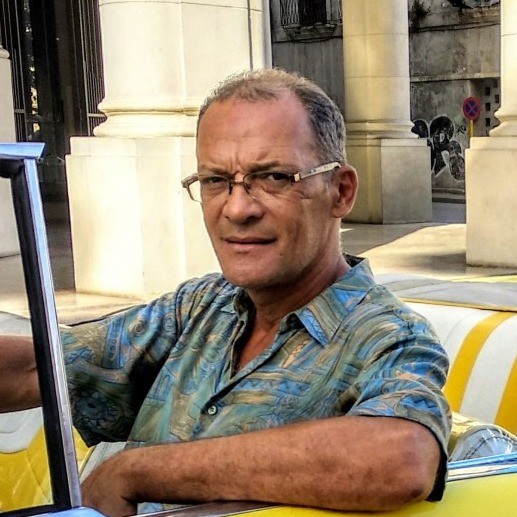
Independent travel and view of the city of Trinidad!
A Short History of the City of Trinidad
Trinidad is a historic city located in the southwest of Cuba, in the coastal part of the Caribbean Sea. The city was founded by Spanish colonialists in 1514 and is one of the oldest cities in Cuba. Trinidad is a UNESCO World Heritage Site due to its characteristic colonial architecture and historical significance.
During colonial rule, the city prospered through sugar production and the slave trade. This period of wealth and prosperity was reflected in the architecture of the city. Beautiful Spanish colonial houses with bright facades, wrought hedges and colorful tiles create a unique architectural landscape of Trinidad.
One of the most famous buildings in the city is Plaza Mayor, the central point of Trinidad. Here you can see several remarkable buildings, such as the Palace of Concha Garcia, built in the Baroque style in the XVIII century. The Church of St. Joseph and the Roma Museum also play an important role in the architectural value of the city.
But it’s not just the architectural attractions that make Trinidad a unique place. The surrounding nature also attracts attention. The city is located near the Sierra es Escambray mountain range, making it an ideal place for hiking and adventure.
Trinidad is not just an open-air museum, but also a city with a rich cultural life. Local artisans create amazing products such as hand embroidery and ceramics. Tourists can enjoy the local cuisine, breathing in the atmosphere of this unique place.
Today, Trinidad remains one of the most visited tourist destinations in Cuba. Its historical heritage, cultural wealth and picturesque landscapes make it a unique and fascinating place to explore.
What is interesting about Trinidad
Trinidad in Cuba is a unique travel destination with a unique combination of cultural wealth, historical appeal and picturesque natural landscapes. Here are a few aspects that may interest travelers and tourists:
Colonial architecture: The city is famous for its beautiful Spanish colonial buildings, bright facades, wrought hedges and colorful tiles. Plaza Mayor has become a symbol of Trinidad, where tourists can enjoy unique architecture, as well as visit historical museums and palaces.
Historical Heritage: Trinidad is a living museum of Cuban history. Visitors can immerse themselves in the atmosphere of the Spanish colonial period by visiting museums such as the Rum Museum and the Concha Garcia Palace, where artifacts and exhibits tell the story of the city.
Natural beauty: Located next to the Sierra es Escambray mountain range, Trinidad provides a unique opportunity for outdoor activities. Travelers can go hiking, enjoy magnificent views and visit waterfalls such as Salto de Jagua.
Local arts and crafts: Trinidad is famous for its traditional handicrafts, including embroidery and ceramics. Tourists can purchase unique souvenirs made by local craftsmen and learn more about the local culture through arts and crafts.
Local cuisine and music: Trinidad’s gastronomic diversity will delight fans of Cuban cuisine. Restaurants offer authentic dishes, and cafes on the streets fill the air with the aromas of Cuban cuisine. In addition, evening concerts and street musicians create a unique atmosphere filled with rhythms of salsa and sleep.
Proximity to beaches: Trinidad is close to the Cuban coast, making it an ideal destination for those looking for a beach holiday. Tourists can head to the Caribbean coast to enjoy the sun, snow-white sand and warm waves.
Overall, Trinidad is an amazing blend of history, culture and nature, making it an attractive destination for travel and discovery.
There are a variety of accommodation options available in Trinidad, Cuba, from luxury hotels to more budget-friendly options in private homes. Here are some examples of different levels of hotels and other accommodation options:
Hotels:
Iberostar Grand Hotel Trinidad (5 stars)
This luxury hotel offers upscale services and comfortable rooms. Located in the historic center of the city, which provides easy access to the main attractions.
Hotel La Ronda (3 stars):
Cozy middle-class hotel, providing comfortable rooms and basic amenities. Located in a quiet area, near the historic center.
Hostal Trinidad (2 stars):
Economical option with simple but convenient rooms. It is distinguished by friendly service and convenient location.
Casa Partecular (private houses):
Casa Colonial Mirabel:
A typical Cuban house providing guest rooms. Includes a homely atmosphere, breakfast and tips from local hosts.
Casa Osmary Alberto:
Authentic Cuban Tassa where guests can enjoy the hospitality of the locals and learn more about the local culture.
Boutique hotels and guesthouses:
Hostal Doña Lala:
A small boutique hotel with unique decor and personalized service. Located in the historic center.
Casa Isabella:
Stylish guesthouse with characteristic design and amenities. It offers a personalized experience and an atmosphere of comfort.
Economical options:
Hostal Dalgis:
Simple and cozy option for budget travelers. Provides basic amenities and convenient location.
Casa Yaneisy:
Economical touch with friendly hosts and a pleasant atmosphere. Provides basic services at an affordable price.
The choice of accommodation depends on the preferences and budget of the traveler. Trinidad offers many options so that every visitor can enjoy a unique experience in this beautiful and historic city.
Where to go and what to see in Trinidad
Trinidad in Cuba is a city rich in history and culture, with many unique attractions. Important places and points of interest include:
Place Mayor (Plaza Mayor):
Central historic square surrounded by beautiful colonial buildings. Here you will find the Concha Garcia Palace, the Rum Museum and other historic buildings.
Museum of Rum (Museo Romántico):
Located in a historic building, the museum is a house built in the 18th century and gives an insight into the lives of wealthy colonial dwellers.
Church of St. Joseph (Iglesia Parroquial de la Santísima Trinidad)
This Catholic church was built in the 19th century and serves as a perfect example of colonial architecture. The opportunity to climb the bell tower provides stunning views of the city.
Museum of Colonial Architecture (Museo de Arquitectura Colonial)
Located in an old house, the museum is dedicated to the history and development of colonial architecture in Trinidad.
The Valley of Sugar Mill (Valle de los Ingenios):
This valley is a historic area where sugar production once flourished. Here you can see old sugar mills and the remains of plantations.
Country houses of Casa Junta and Kasa Ikhnaz:
These houses are excellent examples of 19th century Cuban country architecture and are part of the UNESCO World Heritage Site.
Transport accessibility:
Trinidad is a small city and many of its attractions are located in the historic center, making them easily accessible by foot. However, the following modes of transport are available to visit the surrounding areas and the Sugar Mill Valley:
Walking tours: Walking tours allow tourists to explore the historical center and its attractions at a convenient pace.
Bicycles: Rent a bike is a great way to explore the city and its surroundings, including Sugar Mill Valley.
Taxi: Local taxis provide services to move around the city and nearby areas.
Public transport: Public buses and taxis also provide transportation services to and from Trinidad.
Car rental: For a more independent study, tourists can rent a car and move freely around the surrounding area.
Trinidad is a city that combines rich history and amazing natural beauty, and tourists can enjoy it all using a variety of means of transportation.
Events and entertainment in Trinidad
Trinidad in Cuba is a city that hosts various cultural events and festivals throughout the year. Here are some popular events:
Festival of Saint Joseph (Festival de San José):
This festival, dedicated to Saint Joseph, the patron saint of the city, usually takes place in March. At this time, the streets are filled with parades, music, dances and cultural events.
Festival of Spiritus Santos (Festival de Santos Espíritus):
This festival, also known as the "Festival of the Three Kings", is held in January and includes celebrations, religious processions and traditional dances.
City Day (Día de la Ciudad):
Trinidad celebrates its day in early January with concerts, cultural events and celebrations.
Festival of Rumba and Music (Festival de la Rumba y Música Son)
Dedicated to Cuban music and dance, this festival attracts musicians and dancers from all over the island. It takes place in June and includes concerts, master classes and public performances.
Day of Liberation of Trinidad (Día de la Liberación de Trinidad)
This holiday is celebrated on December 21 and is dedicated to the liberation of the city from Spanish colonial rule. Parades, fireworks and cultural events are held on this day.
Festival of Beach Music (Festival de Música de Playa)
Trinidad, located near the Caribbean coast, sometimes hosts beach music and dance festivals. This is a great way to enjoy the local rhythms in the open air.
Carnival of Santa Clara (Carnaval de Santa Clara)
Near Trinidad, Santa Clara hosts a carnival in July, offering vibrant parades, traditional costumes and musical performances.
It is important to note that dates and events can change, so it is worth checking out the latest information about cultural events in Trinidad before planning a trip.
What weather is suitable for a trip to Trinidad
Trinidad in Cuba is in the tropics, and generally has a subtropical humid climate. During the year, warm and humid weather can be expected here. Here is a general characteristic of the climate at different times of the year:
Spring (March-May):
Air temperature: 25°C - 30°C.
At this time of year, Trinidad gets warmer and rainfall increases. Spring can be a great time to visit as nature comes alive and tourist services are available.
Summer (June - August):
Air temperature: 26°C - 32°C.
Summer is characterized by high temperature and high humidity. This is the period of the rainy season, but the rains are usually short-term and the sun returns quickly.
Autumn (September to November):
Air temperature: 25°C - 30°C.
In September, the rainy season continues, but the rainfall decreases as we approach the end of autumn. Autumn is a time when nature remains green and colorful.
Winter (December to February):
Air temperature: 22°C - 27°C.
In winter, the temperature in Trinidad becomes more comfortable and rainfall decreases. This is the season when you can expect sunny and cool weather.
Water temperature:
The water temperature in the Caribbean affects the popularity of bathing and water recreation:
In winter: about 24°C - 26°C.
Summer: about 27°C - 29°C.
Best season to travel:
The best time to visit Trinidad is in the winter and spring months (December-March), when the air temperature is more pleasant, the rainfall is low and the climate is most comfortable. However, if you don’t mind a bit of high humidity, spring and autumn also offer pleasant conditions. Summer is the rainy season, and higher humidity and short-term downpours should be expected at this time.
What traditions and customs should be observed in Trinidad
Language of communication:
The official language in Cuba is Spanish. Most Cubans speak only Spanish, and while some tourist areas may encounter people who speak English, the main interaction will take place in Spanish. Therefore, it is useful to refresh your knowledge of Spanish before traveling.
Traditions and customs:
Greeting: Greetings in Cuba often involve exchanging cheek kisses or shaking hands. This is common both between close friends and between new acquaintances.
Music and dance: Music and dance are of great importance in Cuban culture. Live music can often be heard on the streets, and dancing is an integral part of any holiday.
Respect for elders: In Cuban society, respect for elders is an important part of tradition. Addressing by name or surname or using a form of respect ("Senor" or "Senora") is considered polite.
Cubans often like to gather for tea parties, where they discuss family affairs, politics and just communicate.
Laws and rules of conduct:
Currency: The official currency is the national peso (CUP) and the convertible peso (CUC). Tourists usually use CUC, and in most tourist destinations, cards can be accepted.
Photos: Before photographing locals, especially the older generation, it is better to get their permission, as not all people want to be photographed.
Safety: Cuba is considered relatively safe for tourists, but it is still worth taking general precautions. For example, do not leave valuables unattended and be careful in dark or sparsely populated areas.
Tobacco and alcohol: Cuba is famous for its tobacco and rum. However, if you do not smoke, try to avoid inhaling smoke from cigars.
Religion: The religion in Cuba is diverse, but most of the inhabitants are Catholic. Respect for religious traditions is important, especially when visiting churches and participating in religious festivals.
Compliance with local traditions and laws will help make your trip to Trinidad in Cuba more enjoyable and hassle-free.
Popular phrases and dialogues with translation for a trip to Trinidad
When visiting Trinidad in Cuba, it is useful to refresh your knowledge of Spanish. Here are some basic words, phrases and dialogues with their translation into Russian and transcription:
Main phrases:
Hello/Hello:
Spanish: ¡Hola!
Transcription: O-la
Translation: Hey.
Please:
Spanish: Por favor
Transcription: Por fa-vor
Translation: Please.
Thank you.
Spanish: Gracias
Transcription: Gra-ci-as
Translation: Thank you.
Excuse me / Excuse me
Spanish: Perdón/Disculpe
Transcription: Per-don / Dis-kul-pe
Translation: Excuse me.
Yes:
Spanish: Sí
Transcription: Si
Translation: Yes
No:
Spanish: No
Transcription: No
Translation: No.
Please speak more slowly:
Spanish: Por favor, hable más despacio
Transcription: Por favor, a-ble mas des-pa-cio
Translation: Please speak slowly
At the restaurant:
Menu, please:
Spanish: La carta, por favor
Transcription: La car-ta, por fa-vor
Translated: Menu, please
Invoice, please:
Spanish: La cuenta, por favor
Transcription: La cuen-ta, por fa-vor
Translation: The bill, please.
In the store:
How much does it cost?
Spanish: Cuánto cuesta?
Transcription: Kwan-to kues-ta
Translation: How much does it cost?
I need to buy...:
Spanish: Necesito comprar ...
Transcription: Ne-ce-si-to kom-prar
Translation: I need to buy...
Orientation:
Where is the...? :
Spanish: Dónde está ...?
Transcription: Don-de es-ta
Translation: Where is...?
Airport / Station / Hotel:
Spanish: Aeropuerto / Estación de tren / Hotel
Transcription: Ai-ro-pwer-to / Es-ta-si-on de tren / O-tel
Translation: Airport / Station / Hotel
General phrases:
What's your name?
Spanish: Cómo te llamas?
Transcription: Ko-mo te ya-mas
Translation: What's your name?
I don't speak Spanish.
Spanish: No hablo español
Transcription: No a-blo es-pa-nyol
Translation: I don't speak Spanish.
These phrases can help you communicate and navigate everyday situations in Trinidad, Cuba.
What to try and what souvenirs and gifts to bring from Trinidad
A trip to Trinidad in Cuba provides a unique opportunity to experience the rich Cuban culture through its cooking, medicinal products and traditional souvenirs. Here are some unique and interesting items you can bring back from your trip:
Food:
Local specialties:
Try traditional Cuban dishes such as "ropa vieja" (marinated meat with vegetables), "moros y cristianos" (rice with black beans) and "tostones" (fried green bananas). These dishes can be packed in special containers for transportation.
Cuban coffee and cigars:
Cuban coffee and cigars are integral parts of the local culture. Bring home aromatic Cuban coffee and perhaps some authentic Cuban cigars.
Medications:
Honey and propolis:
Cuban honey is known for its quality. Local markets can offer various types of honey and propolis-based products, which are also often used in traditional medicine.
Aloe vera:
Cuba is famous for its aloe vera products. Gels, creams and masks based on aloe vera can be useful for skin care.
Souvenirs:
Artistic products:
Trinidad is known for its craftsmen. Buy colorful ceramics, carved wooden objects or art paintings that reflect the local culture and art.
Hand stitches:
Custom hand embroideries called “casualidades” can be great gifts or souvenirs. These bright seams are often used to create handbags, clothing, and even decorative elements.
Traditional clothing:
Bring from Trinidad traditional Cuban clothes such as "guayabera" (a type of shirt) or colored "guayabera" for children. This will be a great souvenir and a reminder of your journey.
Musical instruments:
Cuba is famous for its musical culture. Purchase local musical instruments such as maracas, bongis or guitar to create an atmosphere of Cuban music in your home.
Be aware of customs regulations and possible restrictions when transporting certain goods. In most cases, non-smuggling and law-breaking items can easily be brought with you as a memory of a wonderful trip to Trinidad in Cuba.
Safety of rest and availability of travel documents in Trinidad
Safety:
Documents:
It is important to carry a passport that must be valid for at least 6 months after your planned departure from the country. A copy of your passport and other important documents can also be helpful.
Insurance:
It is recommended to have health insurance that covers medical expenses abroad. Check whether emergency medical transportation services are included in the insurance.
Emergency services:
Emergency number: 106
Police: 105
Fire service: 104
National Tourism Service (Infotur): +53 7 863 3011
Mobile communications:
Mobile operators:
Telecom operators in Cuba include ETECSA and Cubacel. Interaction with local operators usually involves using local phones and buying a local SIM card.
Emergency services:
In case of an emergency, contact the appropriate services at the above emergency numbers.
Stay without departure:
Time of stay:
Tourists can stay in Cuba for up to 30 days without having to leave the country. This time can be extended, but for this you need to contact local authorities and obtain permission.
General safety advice:
Safety in public places:
Be vigilant in crowds and tourist spots. Carry money, documents and valuables in a safe place, preferably in a storage facility.
Transport:
Use official taxis or public transport with a good reputation. Be careful when walking in dark and sparsely populated areas.
Stealing:
Beware of petty theft. Do not leave valuables unattended, especially on beaches and in cafes.
Water activities:
When participating in water activities, follow safety rules and use personal protective equipment.
Medical care:
Take care of the availability of necessary medications and have contact information from local health facilities.
Compliance with local laws:
Follow the laws and regulations of the country. Drug use, for example, is strictly punishable.
Keep in mind that security may change depending on the circumstances. It is always best to stick to common sense, follow local rules and guidelines, and be vigilant and considerate.
The site uses a web analytics service
Yandex Metrics
using cookie technology to make the site more convenient. You can prevent the processing of cookies in the browser settings.
Details in Privacy policy.