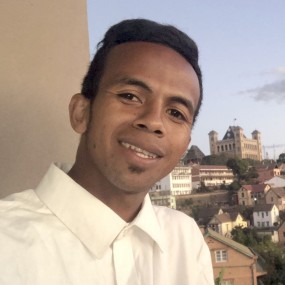
Day 1. Welcome to another world.
Forget everything you're used to in airports and flights. Madagascar meets you without fuss, wit …
2800 €
man
Oh. Antananarivo
Independent tourism and recreation in the city of Antananarivo
History of the appearance of the city of Antananarivo
Antananarivo is the capital and largest city of Madagascar, a unique island nation in the Indian Ocean located southeast of the African continent. The city is the political, economic and cultural center of the country. Here is a more detailed description of the history of Antananarivo:
Ancient history:
Antananarivo was founded in the XVII century by the Meringian tribe of Hova. The town was originally called Analamanga and was a tiny village.
Rename: In the XVIII century, King Andrianampoinimerina united the local tribes and made Antananarivo the capital of his kingdom. Under his rule, the city received a new name - Antananarivo, which translates as "the city of a thousand".
Period of colonization:
French influence: At the end of the XIX century, Madagascar was colonized by France. Antananarivo became a key administrative center under French rule.
Cultural impact: During this period there were significant changes in the architecture and culture of the city under the influence of European culture.
Modern history:
Independence: Madagascar gained independence from France in 1960. Antananarivo remained the capital of the newly formed state.
Economic development: In the following decades, the city became a place of economic growth, developing into a major commercial and industrial center.
Political change: Madagascar has experienced several periods of political instability and crises. Antananarivo has often been the focus of political events and protests.
Modern architecture: The city combines modern buildings and infrastructure with traditional hova buildings, giving it a unique look.
Cultural heritage:
Ambotsiraka Palace: The historic palace, built in the seventeenth century, served as the residence of kings. Today it is a museum reflecting the rich cultural heritage of the country.
The city is decorated with numerous churches, palaces and other architectural monuments reflecting the historical and cultural heritage of Madagascar.
Modern life:
Tourism: Antananarivo attracts tourists with its unique atmosphere, traditional markets and cultural events.
Economy: The city is the economic center of the country with diverse industries such as trade, tourism and manufacturing.
The history of Antananarivo is a rich narrative in which traditions, politics and economic development intertwine, giving the city a unique character.
What is interesting about the city of Antananarivo
Antananarivo is an amazing and unique city that promises travelers an unforgettable experience, combining a rich cultural heritage, picturesque landscapes and unique traditions. Here are a few things that can catch the attention of tourists:
1. Cultural heritage:
Antananarivo is a living museum of Madagascar culture. Tourists can visit historic sites such as the Ambotsiraka Palace, where they will immerse themselves in the rich history of the Hova Kingdom. Traditional hova buildings, decorated with patterns and carvings, create an amazing atmosphere.
2. Exotic nature:
There are unique natural landscapes around the city. Tourists can take excursions to the surrounding areas, where picturesque hills, waterfalls and rainforests await them. National parks nearby offer a unique experience of observing the local flora and fauna.
3. Colorful markets:
Antananarivo Markets are a real celebration of colors and fragrances. A variety of local products, handicrafts and traditional Madagascar cuisine provide tourists with the opportunity to immerse themselves in the local atmosphere and enjoy an authentic shopping experience.
4. The unique cuisine of Madagascar:
A gastronomic trip to Antananarivo is an immersion in the variety of local tastes. Guests can enjoy dishes made with unique ingredients such as lemur and tropical fruits. Local restaurants offer authentic dishes prepared according to traditional recipes.
5. Various events and festivals:
Antananarivo is always culturally active and tourists can witness traditional festivals, musical arts and dances. These events not only allow you to feel the atmosphere of the local culture, but also create vivid memories.
6. Hospitality of the local population:
Madagascarans are renowned for their warm welcome and willingness to share their culture with visitors. Tourists can meet locals, learn about traditions, participate in craft workshops and experience the authentic hospitality of this amazing island.
The combination of cultural heritage, natural beauty and hospitality makes Antananarivo an attractive destination for tourists looking to immerse themselves in the unique world of Madagascar.
You will be welcomed in Antananarivo.private guidesand will offer author, individual tours, and travel agencies of the city of Antananarivo will offer their services and organizetourInteresting excursions for travelers.
Levels of residence in Antananarivo
Hotel levels in Antananarivo:
Suite (5 stars):
Example: The Rova Hotel is a luxury hotel with a high level of service, restaurants, spa and comfortable rooms.
Premium (4 stars):
Example: Hotel Colbert is a stylish hotel with modern design, business services, swimming pool and restaurant.
Average (3 stars):
Example: "Ibis Antananarivo Ankorondrano" - a cozy hotel with facilities for business and leisure, a restaurant and free Wi-Fi.
Economy (2 stars):
Example: Hotel Brajas is a simple yet comfortable hotel with basic facilities and friendly staff.
Other accommodation options:
Boutique hotels:
Example: "La Varangue" is a small boutique hotel with a unique design, personalized service and a homely atmosphere.
Guesthouses and apartments:
Example: "Madagascar Underground" - offers guests a cozy apartment with a kitchen, which is suitable for those who prefer a more independent lifestyle.
Ecology:
Example: "Vakona Forest Lodge" - located in nature, offers a unique experience of proximity to the ecosystem of Madagascar.
Hostels:
Example: "Tana-Jacaranda Hostel" - affordable accommodation for budget travelers with shared rooms and a friendly atmosphere.
Holiday homes:
Example: Airbnb in Antananarivo provides a variety of rental options ranging from apartments to entire homes.
Tips for budget travelers:
Local hotels: Outside the central areas you can find budget hotels and small hotels with good service.
Local markets and villages: Consider living in the vicinity of the city, where you can rent rooms in the homes of local residents.
Cooperation with tour operators: Some tour operators offer cost-effective accommodation options in tour packages.
The choice of accommodation depends on the preferences and budget of travelers, but Antananarivo is full of options for a comfortable and interesting stay.
What to see in Antananarivo
Antananarivo has many unique attractions, giving tourists the opportunity to immerse themselves in the rich history and culture of Madagascar. Here are a few key locations and information on accessibility:
Main attractions:
Ambotsirak Palace:
Description: Historical palace, built in the XVII century. Today it is a museum with a rich collection of artifacts.
Transport: Located in the city center, available by taxi, bus or walking.
Tsimanampeto National Park:
Description: A park with unique flora and fauna, including Madagascar lemurs and a variety of bird species.
Transport: Available by road. Excursions can be provided with a guide.
Giraffe Museum:
Description: Ethnographic Museum, which presents the traditions and culture of the Madagascar people.
Transport: Located in the city center, easily accessible by taxi or walking route.
Markets and markets:
Markets such as the Marche Oven offer a variety of products, from local products to handicrafts.
Transport: Located in various parts of the city, easily accessible by public transport or taxi.
Church of Ambulonatenan:
The Catholic Church, built in the early XIX century, is an important religious and architectural object.
Transport: Located in the city center, close to other attractions.
Transport accessibility:
Taxis and buses:
Taxis to Antananarivo are available in the city centre and can be called upon request. Buses serve different areas, providing access to major attractions.
Public transport:
Local buses and minibuses provide budget options for getting around the city.
Hiking trails:
The center of Antananarivo is relatively compact and many attractions can be reached on foot, especially in the historic part of the city.
Tourist excursions:
Many tour operators provide services for organizing excursions to the main places of interest, including transport.
Overall, transport accessibility to Antananarivo provides convenient options for travelers, making it easy to explore the city’s rich cultural and natural heritage.
Cultural life and activities in Antananarivo
Antananarivo comes to life with various events, festivals and festivals throughout the year, reflecting Madagascar’s rich cultural tradition. Here are some popular events that can occur at different times of the year:
1. Independence Day (26 June):
This day marks the independence of Madagascar from France in 1960. Parades, concerts and cultural events are held in Antananarivo.
2. Zebu Festival (July):
The zebu is a sacred bull, and this festival is a traditional event where auctions and celebrations are held in honor of this animal. Parades, concerts and exhibitions are held in the city.
3. Madagascar Fashion Week (September):
This event represents Madagascar fashion and design. Antananarivo hosts fashion shows, exhibitions and master classes.
4. Tangnamarika Festival (October):
This festival marks the beginning of the rainy season and is a time to celebrate the harvest. It includes traditional dances, music and cultural exhibitions.
5. African Music Festival (November):
An event dedicated to African music, including traditional and contemporary genres. Antananarivo becomes a center for musical performances and concerts.
6. Christmas and New Year holidays (December):
As in many other places, Antananarivo hosts festive events, street festive fairs, concerts and festive illuminations.
It is important to note:
Many local holidays and events may depend on specific circumstances and cultural traditions.
Event dates may change depending on the year.
Before planning a trip, it is recommended to check the current dates and programs of events in Antananarivo to get the most out of local cultural festivals and festivals.
Weather conditions for travel to Antananarivo
Climate in Antananarivo:
Antananarivo, like all of Madagascar, has a temperate tropical climate with pronounced rainy seasons and dry periods. The temperature varies depending on the time of year.
Summer (November to April):
Air temperature: Average 22-28°C.
Rain: The summer months are the rainy months. The rains are usually short but intense.
Winter (May - October):
Air temperature: Average 18-24°C.
Dry period: The winter months are characterized by dry weather and less rainfall.
Water temperature:
The water in the Indian Ocean off the coast of Madagascar is generally warm, with average temperatures ranging from 22 to 27°C.
Best season to travel:
Dry period (May - October):
This is usually the recommended time to visit. The dry season offers stable and comfortable conditions for travelers, less rain, and easier to carry out excursions and recreation in nature.
Suitable to visit during the summer months (November - April):
Despite the rainy season, the summer months can also be attractive as nature comes to life and local festivals and events add exciting opportunities for travelers.
It should be noted that conditions may vary depending on the particular year and it is recommended to check the weather forecast and local conditions before travelling.
Language of communication, traditions and customs in Antananarivo
Language of communication:
The official language in Madagascar, including Antananarivo, is Malgasy. It is a Madagascar language and is widely used in everyday communication. Due to its colonial past, French is also common, and many Madagascarians, especially in cities and businesses, can speak French.
Traditions and customs:
Hospitality:
Madagascarians are known for their warm welcome and hospitality. The greeting is accompanied by a handshake, and it is customary to congratulate empathetics.
Respect for elders:
Respect for elders is an important part of culture. Addressing the older person should be done with special care.
Wedding traditions:
Wedding traditions vary by region, but usually wedding ceremonies are an important cultural event.
Religious practices:
Most Madagascarians practice Christianity, and religious practices such as church services play a significant role in their lives.
Taboo:
There are taboos on certain days and events. For example, during the "fady" period, many Madagascarans avoid certain activities or places.
Laws and regulations:
Respect for nature:
Madagascar has a unique ecosystem. The laws are aimed at preserving biodiversity and you must comply with the rules of conservation.
Observance of customs in temples:
Visiting religious places requires respect for local customs. Visitors are often required to take off their shoes before entering temples.
Vigilance in public places:
As in most countries, try to be vigilant about your belongings in public places to avoid theft.
Taboo observance:
Learn about the existing taboos in the places you visit and follow them. Extreme measures can cause a negative reaction.
To summarize:
When visiting Antananarivo, it is important to respect local traditions and follow the laws in order to create a positive impression and get the most out of the trip. A sense of vigilance, openness and respect will help you interact with the local population and enjoy the local culture.
Popular phrases and dialogues with translation for a trip to Antananarivo
Key words and phrases in the Malgasian language:
Salama:
Translation: Hello.
Transcription: sala-ma.
Veloma (veloma):
Translation: Goodbye.
Transcription: Velo-ma.
Misaotra (misaotra):
Translation: Thank you.
Transcription: Misao-tra.
Tsy misy toa anao (tsi mitsi tua anao):
Translation: Good to see you.
Transcription: qi mishi tua anao.
Manao ahoana (manau auana):
Translation: How are you?
Transcription: Manao auana.
Tsy azoko atao (tsi azuku atau):
Translation: I don't understand.
Transcription: Qi azuko atau.
Azafady (azafadi):
Translation: Please/Sorry.
Transcription: azafadi.
Efa be no misy (efa be no Misi):
Translation: How much does it cost?
Transcription: efa be no misi.
Simple dialogues:
Greeting:
Malgashski: Salama! Veloma!
Russian: Hello! Goodbye!
Fellowship:
Malgashski: Manao ahoana? Tsy misy toa anao.
Russian: How are you? Good to see you.
Thank you.
Malgashski: Misaotra.
Russian: Thank you.
Request for assistance:
Malgashski: Azafady, azoko atao.
Russian: Please, I don't understand.
Shopping:
Azafady, efa be no misy ity?
Russian: Please, how much does it cost?
Useful advice:
Get to know the basics of the Madagascar language, it can create a positive impression.
Locals will appreciate your attempt to use Madagascar, even if it’s just a few words.
Knowing some Madagascar phrases and words can make your trip more enjoyable and enrich your interactions with the local population in Antananarivo.
Local food and what souvenirs and gifts to bring from the city of Antananariva
Food:
Lapas (Lapas):
This is a traditional dish of Madagascar cuisine, consisting of mangoes, tomatoes, cucumbers, onions and greens, seasoned with lemon juice. It's a refreshing and fragrant dish.
Romazava:
A typical Madagascar soup made with meat (usually beef or chicken), onions, ginger and crossbow leaves. It is one of the main national dishes.
Ravitoto (Ravitoto):
A dish of pandanus leaves, potatoes and meat. It is often served with rice and is a popular Madagascar dish.
Medications:
Mangosteen:
An exotic fruit known for its antioxidant properties. It is considered useful for skin health and strengthening immunity.
Romarine (Rosemary):
In Madagascar traditions, romarine is used as a remedy. It is used in tea and to prepare tinctures.
Souvenirs:
Manual painting on fabric (Lamba):
Traditional Madagascar painting on fabric called "lamba". These bright and unique products are often used as headscarves or garments.
Wood Carvings (Wood Carvings):
Artists from Antananarivo create stunning wood carvings such as masks, figurines and wooden utensils.
Madagascar vanilla beans:
Madagascar is known for its vanilla of the highest quality. Buying Madagascar vanilla can be a wonderful souvenir.
What to bring:
Madagascar coffee:
Madagascar produces high quality coffee. Check out local coffee shops or purchase packaged grains as a souvenir.
Essential oil:
Madagascar is famous for producing essential oils such as ylang-ylang, geranium and rosemary. They can be a great souvenir and gift.
Madagascar tea:
Try local tea, such as vanilla tea or herbal tea, and bring the packaging with you.
Hint:
When buying souvenirs, give preference to the products of local artisans to support the local economy.
A trip to Antananarivo provides an excellent opportunity to get acquainted with Madagascar culture and wildlife.
What to have for a safe holiday in the city of Antananarivo
Safety:
Documents:
Passport: Tourists require a visa to enter Madagascar. Make sure your passport is valid for the duration of your stay.
Copies of documents: Bring copies of important documents such as passport, insurance and visa.
Insurance:
Health insurance: It is recommended to have health insurance that covers treatment and evacuation if necessary.
Insurance against loss of luggage: It can also be helpful, especially when flying.
Emergency services:
Police: 117
Ambulance: 118
Fire service: 119
Mobile operators:
Madagascar has several mobile operators such as Orange, Telma and Airtel. Before you travel, check for coverage and fares for international calls and the internet.
Safety outside:
Carry a copy of the documents: Carry copies of your documents with you to avoid losing the originals.
Beware of scammers: Be vigilant about your values and environment. Avoid crowded areas and be careful at night.
Health:
Vaccination: Before traveling, make sure you know which vaccinations you may need.
Medical kit: Bring a basic medical kit with heat medications, bandages and other necessary means.
Duration of stay:
Visa: Tourists are required to obtain a visa to enter Madagascar. It is possible to extend the visa if necessary.
Duration of stay: Visa rules may change, so it is recommended to check with the consulate or embassy of Madagascar the duration of the permitted stay.
General recommendations:
Stay tuned for local news and safety advice.
Follow health precautions, including drinking safe drinking water and preventing mosquito bites.
Be attentive to the local culture and traditions.
Before traveling to Antananarivo, it is recommended to contact the consulate or embassy of Madagascar for up-to-date information on visa requirements and security.
You didn't find the right one?
Create a query and local guides will offer you the best options
The site uses a web analytics service
Yandex Metrics
using cookie technology to make the site more convenient. You can prevent the processing of cookies in the browser settings.
Details in Privacy policy.