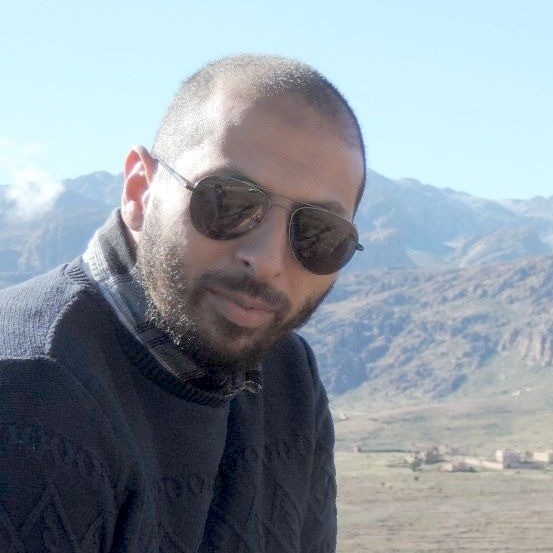
Independent travel and view of the city of Agadir!
A brief history of the city of Agadir
Agadir is a large city in southwestern Morocco, located on the Atlantic Ocean. Here is a more detailed history of this city:
Antiquities and traditional settlements:
Phoenician era: The area around modern Agadir was inhabited by ancient civilizations, including the Phoenicians, as early as ancient times.
Roman and Berber History: With the growth of the Roman Empire, the area was incorporated into the Roman province of Mauritania. It later became part of the Berber kingdoms.
The 1960 earthquake:
The history of Agadir experienced a significant change on February 29, 1960, when the city was almost completely destroyed by a massive earthquake of magnitude 5.7.
Consequences: The earthquake claimed the lives of tens of thousands of people, and the city was forced to endure a period of reconstruction and reconstruction.
Reconstruction and modernity:
City transfer: After the earthquake, the decision was made to move the city to a safer location, slightly north of the starting point. The new Agadir was built with modern standards and safety in mind.
Tourism and the economy: Today Agadir is known for its resorts, beaches and developed tourist infrastructure. The city is a popular tourist destination, attracting tourists with its favorable climate and beautiful scenery.
Cultural heritage: A number of historical and cultural attractions can be found in Agadir, such as the Kazba Fortress, the Museum of the Earthquake Memorial and other objects reflecting the richness of the cultural heritage of this region.
So, the history of Agadir is marked not only by antiquity, but also by the events that formed the modern appearance of this city, with its cultural heritage and tourist potential.
What is interesting about Agadir
Agadir in Morocco is a unique and attractive place for travelers and tourists, with a variety of cultural, natural and entertainment opportunities:
1. Beautiful beaches:
Agadir is famous for its vast golden beaches stretching along the Atlantic coast.
Ideal conditions for water sports including surfing and diving.
2. Warm climate:
The favorable Mediterranean climate makes Agadir a suitable place to visit all year round.
Winters are mild, and in summer the temperature rises to comfortable levels, which makes it a wonderful resort at any time of the year.
3. Cultural attractions:
Kazba Fortress is a historic building with stunning views of the city and the ocean.
The Earthquake Memorial Museum offers an interesting look at the city’s history.
4. Culinary pleasures:
The city’s restaurants and cafés offer a wealth of Moroccan cuisine – fragrant tazhins, fresh seafood and traditional teas.
5. Active recreation:
Opportunities for outdoor activities include mountain treks to the Atlas, horseback riding and quad bike excursions to the desert.
6. Traditional markets:
Souvenir bazaars and markets such as Souk Al Had offer tourists the opportunity to immerse themselves in the authentic atmosphere of the Moroccan market.
7. Comfortable accommodation:
A wide range of hotels and resorts, from cozy guesthouses to luxury resorts, provides tourists with a variety of accommodation options.
8. Exotic experiences:
The unique blend of Arab, Berber and African cultures creates a unique experience for tourists, immersing them in the richness of traditions and customs.
With this variety of offerings, from cultural excursions to a luxurious beach holiday, Agadir provides unique opportunities for an unforgettable holiday, making it an attractive destination for tourists from all over the world.
Sofitel Agadir Thalassa Sea & Spa: Luxury hotel with direct access to the beach, spa and high-end restaurants.
Hyatt Place Taghazout Bay: Modern hotel with exquisite rooms, golf course and swimming pools overlooking the ocean.
High-class hotels (4 stars):
Royal Atlas Hotel: Comprehensive hotel with tennis courts, swimming pools and luxurious rooms.
Riu Tikida Dunas: The hotel with its own beach, a variety of restaurants and an impressive spa.
Comfortable hotels (3 stars):
Anezi Tower Hotel & Apartments: Family hotel with apartments, outdoor pool and beautiful views of the city.
Argana Hotel: Cozy hotel with garden, restaurant and close location to sights.
Saving accommodation options:
Guesthouses and apartments:
Agadir Surf Destination Guesthouse: A cozy guesthouse for surf lovers with spacious rooms.
Appart Hotel Igoudar: Apartments with their own kitchen, ideal for budget travelers.
Hostels:
La Petite Suede: Hostel with shared rooms, kitchen and the opportunity to meet other travelers.
Atlantic Surf Hostel: A friendly surf-style hostel with an affordable price and good location.
Local apartments through rental platforms:
Airbnb and Booking: The variety of apartments and houses provided by locals, which provides a unique living experience.
Traditional Moroccan options:
Riadh:
Riad Villa Blanche: Elegant riad with courtyard, swimming pool and traditional Moroccan design.
Riad Les Chtis d'Agadir: An authentic riad with friendly staff and cozy rooms.
Gifts (guesthouses):
Dar Maktoub: A traditional gift with a garden, swimming pool and atmosphere of Moroccan hospitality.
Dar Haven: A cozy guest house with a terrace that offers beautiful views of the surrounding area.
This diverse selection of offers provides accommodation for different budgets and preferences, making Agadir accessible and attractive to a wide range of tourists.
Where to go and what to see in Agadir
Agadir in Morocco offers many interesting attractions, representing a combination of history, culture and nature. Here are some of the main places worth visiting:
1. Kazba Fortress:
Kazba is an ancient fortress built in the 16th century. It provides stunning views of the city and the surrounding landscape.
Transport: Kazba is located in the city center and is easily accessible by taxi, rented cars or walking.
2. Agadir Beach:
Description: The extensive beach of Agadir is a great place for recreation and water sports. Here you can enjoy the sun and the surf of the Atlantic Ocean.
Transport: The beach is located along the city and is easily accessible by taxi, bus or even walking.
3. Earthquake Memorial Museum:
Description: This museum is dedicated to the history of Agadir and the 1960 earthquake. The exhibition includes photographs, artifacts and tells about the restoration of the city.
Transport: Located in the city center, which provides easy access by public transport or taxi.
4. Sook Al Had:
Description: This is a traditional market where you can buy Moroccan souvenirs, clothes, jewelry and try local snacks.
Transport: Sook is located in the historic center of the city and is easily reached on foot or by taxi.
5. Mohammed V Mosque:
Description: One of the most important mosques of the city, which is a beautiful architectural building.
Transport: The mosque is located in the city center and is accessible by public transport or car.
6. Suoss Massa Province:
Description: This region is close to Agadir and is known for its natural beauty, including Suoss Massa National Park and Tagazut Beach.
Transport: The best way is to rent a car or take advantage of excursion services.
Transport accessibility:
Taxi: Taxis in Agadir are convenient and affordable. They are a good way to travel around the city and to nearby attractions.
Public transport: Buses also provide access to various parts of the city and its surroundings.
Car rental: For more flexible and comfortable travel around the city and surrounding areas, many prefer to rent a car.
Walking: Many of the main attractions are in the city centre and can be visited on foot.
The city offers a variety of ways to reach its cultural and natural sites, providing a comfortable and exciting journey for tourists.
Events and entertainment in Agadir
In Agadir, as in many other places, there are a number of holidays, festivals and events that may interest tourists. Keep in mind that the exact dates may change every year, so it’s always a good idea to check for up-to-date information before you travel. Here are some popular events in Agadir:
1. Agadir Olympias Festival:
Date: Late March.
Description: A sports event dedicated to Olympic sports. Teams from different countries participate and a diverse program of events is organized.
2. Argani Festival in Suoss Massa:
Date: April.
Description: Dedicated to the argan tree, this festival includes exhibitions, musical performances, tastings and many cultural events.
3. Hoth Festival in Agadir:
Date: May.
A festival dedicated to the traditional Moroccan style of music and dance. The program includes concerts, master classes and festive events.
4. Ramadan:
Date: The dates change each year according to the Islamic calendar.
Description: A holy month for Muslims, during which they fast from dawn to dusk. At this time, various cultural events and festivals take place in the evening, and the cities are transformed into glowing lights and decorations.
5. Imurani Festival in Suoss Massa:
Date: October.
Description: Dedicated to Berber art and culture, including exhibitions, musical performances, dances and local crafts.
6. Agadir International Film Festival:
Date: November.
Description: The event attracts filmmakers and film lovers from all over the world. Includes film screenings, master classes and awards.
7. New Year's Day:
Date: December 31.
Description: As in many places, the New Year’s Eve celebration in Agadir is accompanied by fireworks, festive events and fun in the streets.
Participation in local events and festivals allows you to immerse yourself in the culture and atmosphere of the city, adding unique memories to your travel experience.
What weather is suitable for traveling to Agadir
Climate in Agadir, Morocco:
Spring (March-May):
Air temperature: During the day from 20°C to 28°C.
Water temperature: About 18°C to 20°C.
Spring is a pleasant time of year with warm air and often sunny weather. This is a great time to visit to escape the summer heat and enjoy nature.
Summer (June - August):
Air temperature: During the day from 25°C to 35°C and above.
Water temperature: 20°C - 22°C.
Summer in Agadir can be hot, especially in July and August. This is the period when many tourists come to the beaches to enjoy the sun and warm waters.
Autumn (September to November):
Air temperature: During the day from 22°C to 30°C.
Water temperature: About 20°C.
Features: Autumn is also quite warm and the ocean waters remain pleasant for swimming. This period is also less busy than summer.
Winter (December to February):
Air temperature: During the day from 18°C to 25°C.
Water temperature: About 18°C.
Features: Winter in Agadir is mild, and even in the coldest months, relatively warm weather can be expected. This is a good period to visit if you prefer to avoid the summer thunder and heat.
Best season to travel:
The best time to visit Agadir is spring and autumn, when the climate is milder and more comfortable. This is the ideal time for relaxing on the beaches, practicing water sports and visiting tourist attractions. However, if you like hot summers, July and August can be the right months.
What traditions and customs should be observed in Agadir
Language of communication: The official language in Morocco is Arabic and many locals speak French. English is often used in tourist areas and hotels. Knowing a few phrases in Arabic or French can be helpful and appreciated by locals.
Traditions and customs:
Clothes: In public places, especially outside resort areas, it is recommended to wear modest clothes. For women, it is better to avoid short skirts and deep necklines.
Purchase and trade: Trade is part of the local culture. In shops and markets it is usually customary to bargain. Politeness and a smile are important.
Photos: Before you take a photo of the locals, ask permission. This is especially true of women.
Conduct in mosques: Non-Muslims are generally prohibited from entering mosques, with the exception of a few tourist mosques.
Shoes inside the house: Remove shoes when entering a house or some public places.
Laws and regulations:
Alcohol is available in some places, but its use in public places, especially during religious holidays, may be limited.
Drugs: Strictly prohibited and breaking this law carries serious penalties.
Public conduct: Moroccan society is traditional and conservative. Public displays of affection between the sexes should be limited.
Religious holidays: During Ramadan, it is not recommended to eat, drink or smoke in public during the day to respect believers who observe fasting.
Photography of military installations: Photography of military facilities, airports and certain strategic locations is prohibited.
Compliance with these traditions and laws will help create a positive travel experience and maintain respect for local customs.
Popular phrases and dialogues with translation for a trip to Agadir
Knowing a few basic phrases in Arabic and French can be helpful when visiting Agadir in Morocco. Here are a few basic words and phrases:
Arabic:
Greeting:
Salam Aleikum (Salam Aleikum)
Aleikum Salam (Peace be upon you)
Basic phrases:
Shukran - Thank you
Molla Ghaflin - Excuse me
Insha Allah, if Allah permits,
Baraka Allahu Fik (Blessings of Allah be upon you)
Figures:
Wahid - One
Itnan - Two
Tlat (Tlat) - Three
Arba (Arba) - Four
Hamsa (Khamsa) - Five
Sitta (Sitta) - Six
Sabaa - Seven
Tamania - Eight
Tisaa (Tisa'a) - Nine
Ashara - Ten
French:
Greeting:
Bonjour - Good morning/day
Bonsoir - Good evening
Salut - Hello
Basic phrases:
Merci - Thank you
S'il vous plaît - Please
Excusez-moi - Excuse me
D'accord - Good / Agreed
Au revoir - Goodbye
At the restaurant:
La carte, s'il vous plaît - Menu, please
L'addition, s'il vous plaît - bill, please
Une table pour deux, s'il vous plaît - Table for two, please
Knowing these phrases will make it easier for you to communicate and interact with locals in Agadir.
What to try and what souvenirs and gifts to bring from the city of Agadir
Food and drink:
Tajine: A traditional Moroccan dish prepared with meat (most often lamb), vegetables and spices baked in special pottery.
Couscous: Known all over the world, this dish is made of coarse flour dough, served with meat, vegetables and sauces.
Harira: Traditional Moroccan soup, usually made with tomatoes, lentils, rice and spices.
Almond sweets: Morocco is known for its sweet almond-based desserts such as baklava, Chebakia and others.
Moroccan tea (mint tea): Tea with mint and many spices is an important part of Moroccan culture. Try bergamot tea or rose tea.
Medicines and aromas:
Argan oil: Known for its moisturizing and rejuvenating properties, it is used for cosmetic purposes.
Pink water: Derived from pink petals, rose water is used in aromatherapy and as a skin tonic.
Saffron: Moroccan saffron is considered one of the best in the world. It is used in cooking and traditional medicine.
Moroccan soap and scrubs: Often containing argan oil, olive oil and other natural ingredients.
Souvenirs:
Carpets and Carpets: Morocco is known for its luxurious carpets decorated with traditional patterns.
Ceramics and dishes: Manual painting on ceramics, bowls and plates with traditional ornaments.
Decorative pillows and textiles: Bright and colorful pillows, blankets and fabrics with traditional patterns.
Berber jewelry: Original earrings, necklaces and bracelets created by local craftsmen.
Other:
Gift spice sets: Mixtures of Moroccan spices such as brine and brine garam masala.
Traditional clothing: Kaftans, jelabs and other traditional clothing items.
Books and art: Art and needlework, as well as books about Moroccan culture and history.
When choosing souvenirs and merchandise, make sure they do not violate the laws of importation into your country, and treat local merchants with respect and interest in their culture.
Rest safety and availability of travel documents to Agadir
Safety of rest in Agadir, Morocco:
Documents:
Passport: Make sure your passport is valid for at least 6 months after the date of your intended departure.
Citizens of most countries need a visa to enter Morocco. Check the requirements in advance.
Insurance: It is recommended to have health insurance that covers the costs of medical care and evacuation.
Safety:
Public safety: Agadir is generally considered relatively safe for tourists. However, as in any other city, it is worth being vigilant in public places and tourist areas.
Personal items: Be careful with personal belongings, avoid showing expensive things.
Transport: Use official taxis and public transport. Be careful when crossing roads.
Beach safety: Take into account the sea conditions and observe the warnings on the beach, especially in case of strong surf.
Emergency services:
Emergency phone: In case of emergency, call 19 (fire department), 15 (ambulance), 17 (police).
Embassy: Have contact details of your country’s embassy in Morocco.
Mobile operators:
Local SIM cards: You can purchase a local SIM card to access local communication. The main operators in Morocco are Maroc Telecom, Orange, Inwi.
Duration of stay:
Visa regime: Depending on your nationality, the permitted period of stay may vary. Tourists are usually allowed to stay up to 90 days without the need for a visa.
Extension of stay: If you plan to exceed 90 days, specify the procedure for extending your stay in the local foreign affairs bodies.
It is always best to read up-to-date information about entering and staying in Morocco at your embassy or consulate. Compliance with local laws and guidelines will enhance your safety and comfort while on holiday in Agadir.
The site uses a web analytics service
Yandex Metrics
using cookie technology to make the site more convenient. You can prevent the processing of cookies in the browser settings.
Details in Privacy policy.