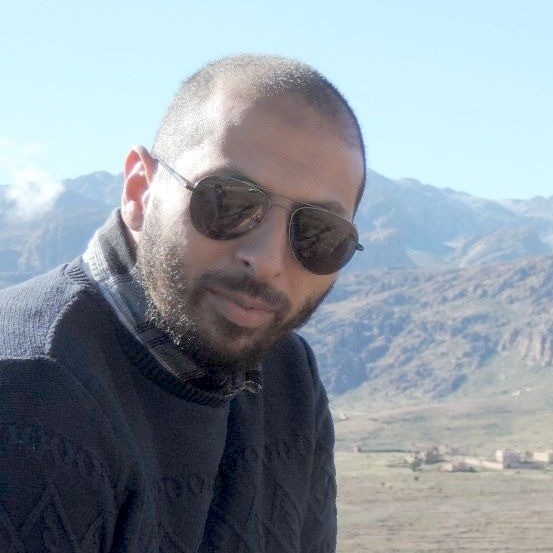
Independent travel and view of the city of Essaouira!
A brief history of the city of Essaouira
Essaouira is a beautiful coastal city on the west coast of Morocco that has a rich history and has become a popular tourist destination. Here are some key points in his story:
Ancient times: The area of Essaouira has been inhabited since ancient times. Phoenicians, Romans and Portuguese were among the first to settle in the area.
Portuguese possession: In the 16th century, the city was captured by the Portuguese and received the name "Mogador". The Portuguese fortified the city walls and used it as an important trading port.
The establishment of Essaouira: In the 18th century, Moroccan Sultan Sidi Mohammed bin Abd Allah decided to liberate the city from the Portuguese and renamed it Essaouira in 1765. He gave the city importance in trade with Africa, Europe and America.
Essaouira is known for its unique architecture, including white houses with blue windows and doors. The city has also been listed as a UNESCO World Heritage Site due to its distinctive medina.
Cultural diversity: Over the centuries, Essaouira has become an important center for various cultural and religious groups, affecting its architecture, cuisine and overall atmosphere.
Art community: Essaouira also attracts artists and cultural creators. In the city you can find galleries and workshops, where art and crafts of local masters are presented.
Economy and tourism: Today Essaouira is an important tourist center. The city attracts visitors with its beautiful beaches, traditional markets, architecture and friendly atmosphere.
Essaouira retains its unique history and has become one of Morocco’s most attractive historical and cultural sites.
What is interesting about the city of Essaouira
Essaouira in Morocco is an amazing place that attracts tourists with its unique atmosphere, beautiful architecture and rich cultural heritage. Here are a few aspects that make Essaouira attractive to travelers:
Medina and Old Town: Essaouira has a wonderful medina that is listed as a UNESCO World Heritage Site. Narrow streets, snow-white houses with blue windows and doors create an authentic atmosphere that transports visitors to history.
Beaches: The city is located at the very shore of the Atlantic Ocean, making it a great place to relax on the beach. Sand dunes, coastal cafes and opportunities for water sports attract lovers of sea holidays.
Cultural diversity: Essaouira has been influenced by different cultures and religions, reflected in its architecture, cuisine and traditions. Tourists can enjoy an authentic experience while immersing themselves in the cultural diversity of the city.
Markets and workshops: The traditional markets of Essaouira are a place where you can enjoy local cuisine, buy handicrafts and learn more about the local culture. The workshops offer unique products of artisans and artists.
Historical sights: The city has many historical monuments, such as the Fortress Scala di Conti, which provides breathtaking views of the city and the ocean.
Festivals and events: Essaouira often hosts various cultural and musical events, festivals and exhibitions, making it even more attractive to tourists.
Local hospitality: The friendliness and hospitality of the locals add a positive tone to the experience of visiting Essaouira, creating a warm atmosphere for tourists.
Essaouira combines a unique cultural heritage and a beautiful coastal landscape, making it an attractive destination for those seeking history, culture and recreation.
The city of Essaouira in Morocco is an attractive tourist destination, offering a variety of accommodation options for travelers. Here are a few levels of hotels and other accommodation options:
High-end hotels:
Sofitel Essaouira Mogador Golf & Spa (5 stars) Luxury hotel with its own golf course and spa. Located in a picturesque place, not far from the city.
Heure Bleue Palais (5 stars): This hotel offers luxury accommodation in traditional Moroccan style and is known for its excellent service.
Middle class:
Maison Du Sud (4 stars): Cozy hotel in traditional Moroccan style with comfortable rooms and a terrace overlooking the city.
Atlas Essaouira & Spa (4 stars): This hotel offers modern amenities, a swimming pool and spa, as well as a convenient location.
Budgetary options:
Hostel Essaouira Youth Hostel: A simple hostel that provides inexpensive beds for young people. A great option for budget travelers.
Riad Inna & Watersports Center: Traditional Moroccan Riad with affordable prices, providing authentic accommodation.
Rentals:
Airbnb: Essaouira has many private apartments and homes offered through Airbnb, which can be a great option for those who prefer privacy.
Riad (guesthouse): Many guesthouses offer traditional Moroccan hospitality and an atmosphere inside the old town.
The city of Essaouira is popular not only for its historical sights and culture, but also for its variety of accommodation options. From luxury hotels to cozy riads and budget hostels, there’s something to suit travelers’ different preferences and budgets.
Where to go and what to see in the city of Essaouira
Essaouira is a city with a rich history and beautiful architecture, offering tourists many interesting attractions. Here are a few key places, as well as information about transport accessibility:
Main attractions:
Old Town (Medina): Essaouira has a beautiful medina, inside which you will find narrow streets, traditional markets, workshops and authentic riads.
Fortress Scala di Conti: This fortress rises above the city and offers stunning views of the Atlantic Ocean and Essaouira.
Market (Suk): One of the most picturesque markets in Morocco, where you will find local products, crafts, ceramics, textiles and more.
Ben Yaussef Madrasah: Historical school and mosque, combining architectural elements of Moorish and Andalusian styles.
Essaouira Beach: An extended beach with golden sand, perfect for walking and active recreation.
Mulay Hassan Square: A picturesque square with cafes, restaurants and traditional Moroccan lanterns.
Transport:
Buses: Essaouira is connected by bus to other cities in Morocco. The local bus station offers convenient routes.
Taxi: Taxis are available to move around the city as well as to travel to nearby areas.
Bicycle and moped rental: It is a popular way of getting around in the city, especially in the old town, where narrow streets can be difficult to drive.
Walking: Medina Essaouira is great for walking, and many attractions are within walking distance of each other.
Car: If you want to explore nearby areas, renting a car is also an option.
Essaouira is a compact city, and many of its attractions are located in the center, making them accessible for hiking. The transport infrastructure also makes it easy to move around the city and its surroundings.
Events and entertainment in Essaouira
Essaouira in Morocco boasts various events and festivals throughout the year. Major events are often associated with traditional cultural festivals and art. Here are some of them:
Festival of Music of Gnaoua (Festival Gnaoua et Musiques du Monde) This festival is usually held in June and attracts musicians from all over the world to come together in a unique musical blend of traditional gnahua and other world styles.
Festival des Andalousies Atlantiques: This festival, which usually takes place in October, celebrates Andalusian culture and traditions through music and art.
International Festival of Arts and Literature (Festival International des Arts et de la Littérature) Organized in November, this festival offers a wide range of cultural events, including exhibitions, lectures and literary events.
The Essaouira Marathon: An annual health and sports event is usually held in April.
Ramadan: During the month of Ramadan, Muslims around the world fast from dawn to dusk. This is a time of reverence and family events when shops and restaurants can change their opening hours.
Eid al-Fitr and Eid al-Adha: These are the two main religious holidays in Islam. They are celebrated with festive events and solemn events.
Weather conditions for travel to Essaouira
The climate in Essaouira in Morocco is characterized by Mediterranean influence, which ensures mild winters and relatively cool summers. Here are some general climate information at different times of the year:
Spring (March-May):
Air temperature: On average, 15°C to 24°C.
Water temperature: About 17°C to 18°C.
Spring is one of the best times to visit as the weather becomes more pleasant and nature comes to life.
Summer (June - August):
Air temperature: The average is 20°C to 27°C.
Water temperature: Approximately 18°C to 20°C.
Summers can be warm, but not as hot as in some other parts of Morocco. This is a good time for sun and beach lovers.
Autumn (September to November):
Air temperature: The average is 18°C to 25°C.
Water temperature: About 18°C to 20°C.
Autumn is also a good time to visit when the tourist flow decreases and temperatures remain comfortable.
Winter (December to February):
Air temperature: On average, 12°C to 20°C.
Water temperature: Approximately 16°C to 18°C.
Winter in Essaouira is mild, with little rainfall. This is also a good time for those who prefer cooler temperatures.
Best season to visit:
The best season to visit Essaouira is usually considered spring (March - May) and autumn (September - November), when the weather is most pleasant and the tourist flow is not as high. These periods provide ideal conditions for exploring the city, its attractions and enjoying a coastal holiday.
Traditions, customs and language of communication in Essaouira
Language of communication: The official language in Morocco is Arabic and the use of French is common, especially in tourism and education. In traditional areas such as Essaouira, many locals speak Darija, a variety of Arabic.
Traditions and customs:
Clothes: In respect of local traditions, especially in public places and when visiting mosques, it is recommended to wear modest clothes. Women should cover shoulders, neckline and knees.
Greeting: Greeting plays an important role in the culture of Morocco. Say hello with greetings such as “As-salamu alaykum.”
Shopping: In the markets (bitches), bargaining is a common practice and should be seen as a pleasant interaction with the seller. Also, carefully check the product before buying.
Food: If you are invited to the locals for tea or lunch, accept the invitation with gratitude. Traditionally, food is eaten with the right hand.
Laws and regulations:
Religious norms: It is important to respect religious customs. During the month of Ramadan, one should avoid eating, drinking and smoking in public during the day to respect fasters.
Alcohol: Alcohol is sold in Morocco, but drinking it in public can be considered disrespectful. In some places, especially in older parts of cities, alcoholic beverages can be difficult to obtain.
Photos: Before taking photos of local people, especially women, make sure they are allowed. Photographs of military installations may be prohibited.
Adherence to these traditions and respect for local customs will help make your stay in Essaouira enjoyable and hassle-free. It is always good to be attentive to the local culture and show respect for others.
Popular language phrases and dialogues for traveling to Essaouira
Knowing basic local words and phrases can be helpful when visiting Essaouira and communicating with locals. Here are some key words and expressions in Arabic with transcription and translation into Russian:
Welcome:
As-salamu alaykum. (As-salamu alaikum.) - Hello. (Reply: Wa alaykum as-salam. - Peace for you.
Marhaban. (Marhaban) - Welcome.
Please and courtesy:
Min fadlak. (Min Fadlak) - Please.
Shukran. - Thank you.
Afwan. - Please (answer to "thank you").
Clarification and questions:
Ma ismuk? (Ma ismuk?) - What's your name? (Men)
Ma ismik? (Ma ismic) - What's your name? (Women)
Kayfa halak? (Kaifa halak?) - How are you?
Ayna al-hammam? (Ainah al-hammam?) - Where is the hammam?
Trade:
Bikam hadha? (Bikam Hada) - How much does it cost?
La, shukran. (La, shukran) - No, thank you.
Ajmal. - Beautiful.
Food and drink:
Al-ma'a min fadlak. (Al-ma'a Min Fadlaq) - Water, please.
Al-isqaa. (Al-Iskaa) - Check, please.
Tayyib. (Tayyib) - Delicious.
Farewell:
Ma'a as-salama. (Ma as-salama) - Goodbye.
Ilalliqa. (Illallica) - See you later.
Memorizing and using these phrases can help in communicating with locals and create a pleasant impression of your respect for their culture and language.
Local food, medicines and souvenirs in Essaouira
Food:
Tajine: This is a traditional dish made from meat, vegetables and spices. It is prepared in a special pottery, also called tajin.
Couscous: Couscous is a major part of Moroccan cuisine. It is served with meat, fish, vegetables and various sauces.
Moroccan meat slicing (Bastilla): This is a traditional dish of puff dough with a filling of meat sprinkled with sugar and cinnamon.
Drinks:
Mint Tea (Moroccan Mint Tea) It is a traditional drink, sweet and fragrant, often served in traditional glass bowls.
Rose Sherbet (Rose Sherbet): Drink made of pink petals, refreshing and fragrant.
Medications:
Argan Oil (Argan Oil): It is made from argan nuts and is used for cosmetic and medical purposes.
Rose Water (Rose Water): It is an aromatic substance that can be used in cosmetic and therapeutic procedures.
Souvenirs:
Carpets and textiles: Handmade by local craftsmen, often decorated with traditional patterns.
Ceramics and dishes: A variety of products such as plates, jugs and traditional tagins.
Moroccan lamp (Lantern): Beautiful metal lamps that create unique patterns of light.
Unique local products:
Safran: Morocco produces high-quality safran that can be purchased in local markets.
Black olives and olive oil: Moroccan olives are famous for their taste.
Perfumes and oils: Traditional Moroccan flavors, including argan oil and ambergra.
Hint:
Before buying, make sure that the products, especially textiles, are authentic and handmade. Local markets and shops provide excellent opportunities to purchase unique and memorable items from Essaouira.
What to have for a safe holiday in the city of Essaouira
Safety of holidays in Essaouira, Morocco:
Documents and insurance:
Passport: Make sure your passport is valid for the entire period of your stay.
Visa: Check the requirements for your country of citizenship. Citizens of many countries can visit Morocco without a visa for a certain period of time.
Insurance: It is recommended to have health insurance that covers medical expenses and evacuation if necessary.
Maroc Telecom: One of the largest mobile operators in the country.
Orange Morocco: Another widespread operator.
Inwi: The third most popular mobile operator.
Safety:
General safety: Essaouira is considered a relatively safe city for tourists. However, as in any other place, it is worth taking care of your belongings.
Transport: Be careful when using public transport and taxis. Use only official taxis with meters.
Food and water: Avoid unhygienic food and drinking water. Prefer bottled water and eat in reliable establishments.
Duration of stay:
Visa-free regime: For citizens of many countries, there is a visa-free regime for short-term stays (usually up to 90 days).
Visa extension: If you need to stay longer, you may need to renew your visa. Contact your local consulate or embassy for details.
Keep in mind that things may change and it is advisable to keep an eye on your country’s consular boards before traveling. It is always better to be prepared and informed about the current situation in the country.
You didn't find the right one?
Create a query and local guides will offer you the best options
The site uses a web analytics service
Yandex Metrics
using cookie technology to make the site more convenient. You can prevent the processing of cookies in the browser settings.
Details in Privacy policy.