Mexico is a unique country with a rich history, culture and traditions. Its history dates back thousands of years, from ancient civilizations to the present.
Ancient civilizations: One of the most famous ancient civilizations that flourished in Mexico was the Mayan civilization. It originated around 2000 BC and reached its heyday in the Classical period from 250 to 900 AD. The Maya built majestic cities, developed in mathematics, astronomy and writing.
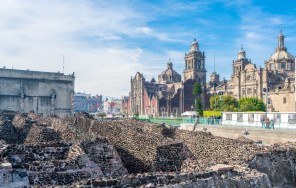
Aztecs: Another great ancient civilization in Mexico was the Aztecs. They founded their capital, Tenochtitlan (modern Mexico City) in the early 14th century. The Aztecs were known for their military might, the cult of sacrifice and highly developed architecture.
Colonial period: In 1519, Cortés arrived in Mexico, having previously submitted to the Aztec Empire. This was the beginning of the Spanish colonial period in Mexico, which lasted more than three centuries. During this time, the Spaniards introduced their culture, religion (Catholicism) and language.
War of Independence: In the early 19th century, Mexican patriots such as Miguel Hidalgo and Jose Maria Morelos began fighting for independence from Spain. The War of Independence ended in 1821 when Mexico declared its independence.
Mexican Revolution: In the early 20th century, Mexico experienced a period of civil war and social upheaval known as the Mexican Revolution (1910-1920). This led to the fall of dictatorial rule and the introduction of a number of social and economic reforms.
Modernity: Modern Mexico is home to a rich diversity of cultures and nationalities. It is an advanced economy, but there are also social and economic problems such as poverty, drug trafficking and corruption. Mexico is a popular tourist destination due to its beautiful beaches, historical attractions and rich culture.
The history of Mexico is a complex and fascinating tale of ancient civilizations, colonial past, struggle for independence and social transformation. These historical events have left their mark on the modern image of the country and its people.
Main activities, religion and interests of the local population in Mexico
In Mexico, the main employment of the population can be divided into several main activities, as well as the religious practices and interests of the local population.
Agriculture: Mexico is a country with developed agriculture. The most common crops are corn, wheat, soybeans, and sugar cane and coffee. Agriculture is an important source of employment for rural people.
Industry: Mexico has developed industries, including automobile manufacturing, electronics, textiles and food processing. Industrial areas are located in various parts of the country, and especially in areas of northern central Mexico.
Tourism: Tourism is one of the most important sectors of the Mexican economy. With its beautiful beaches, ancient monuments and rich culture, Mexico attracts millions of tourists from all over the world. Tourism provides jobs in the hotel business, restaurants, transportation services and souvenirs.
Trade: Trade plays a significant role in the Mexican economy. This includes both domestic trade and exports of various goods such as oil, automobiles, electronics and agricultural products.
Regarding the religion and interests of the local population:
Religion: The majority of the Mexican population is Catholic. Catholicism permeates many aspects of Mexican culture and traditions, from celebrating Catholic holidays to building churches and temples across the country.
Interests and cultural traditions: Mexico is rich in cultural traditions and arts. The local population is interested in music, dance (such as mariachi and folklore dances), cooking (such as traditional Mexican cuisine), craft production (such as textiles and ceramics), and sports, especially football.
In general, Mexico is a multicultural society with diverse interests and livelihoods, reflected in its economy, culture and religious practices.
Interesting places and attractiveness of Mexico
Mexico is a unique and exciting journey into a world of bright colors, rich history, cultural diversity and unique adventures. Here are some reasons why Mexico attracts tourists:
Historical attractions: Mexico is rich in historical monuments, including ancient Mayan and Aztec cities such as Chichen Itza, Teotihuacan and Palenque. These archaeological sites immerse you in ancient civilizations and their amazing architecture.
Beaches and resorts: Mexico is famous for its white beaches, warm climate and crystal clear sea. Popular resorts such as Cancun, Playa del Carmen and Cabo San Lucas offer a wide range of hotels, restaurants and entertainment.
Cultural Heritage: Mexico is a place where indigenous, Spanish and modern cultures merge. Tourists can enjoy folklore performances, museums and handicraft productions such as textiles, ceramics and jewelry.
Gastronomy: Mexican cuisine is known for its variety of flavors and ingredients. From traditional dishes like tacos and chillies to gourmet regional cuisine, Mexico offers a true gastronomic journey.
Natural beauty: Mexico has magnificent landscapes – from volcanoes and mountains to jungles and waterfalls. Travelers can visit national parks such as Canyon del Sumidero or swim in the kel-ha (central pond) in the Sierra de Lagunas Nature Reserve.
Outdoor activities: Mexico offers many opportunities for outdoor activities such as diving, snorkeling, surfing, cycling and jungle treks.
Local hospitality: Mexicans are renowned for their hospitality and hospitality. You are guaranteed a warm welcome and the opportunity to immerse yourself in authentic Mexican culture.
In general, Mexico is an ideal place to travel and vacation, where everyone will find something to their liking – be it history, culture, nature, outdoor activities or culinary pleasures.
Transport accessibility and level of comfort, accommodation and food in Mexico
Mexico offers a wide variety of tourism and service services, from luxury hotels and fine restaurants to more affordable options for economical travel. Here are some examples of popular places to live and eat:
Hotels:
Luxury hotels:
Four Seasons Resort Punta Mita: This luxury resort is located on the Pacific coast in Punta Mita and offers upscale services, a spa, private beaches and golf courses.
Rosewood Mayakoba: Luxury hotel on the Caribbean coast in Playa del Carmen. Here guests are waiting for spacious villas with private pools, a luxurious spa complex and magnificent restaurants.
Medium-level:
Marriott Puerto Vallarta Resort & Spa: A cozy hotel in Puerto Vallarta with beautiful ocean views, pool areas and restaurants.
Fiesta Americana Condesa Cancun All Inclusive This hotel in Cancun offers an all-inclusive and convenient location on a snow-white beach.
Economical options:
Holiday Inn Express Mexico Reforma: This hotel in Mexico City offers comfortable rooms at affordable prices and a convenient location in the city center.
Ibis Styles Mexico Zona Rosa: Economical hotel in Mexico City with modern design, amenities and proximity to attractions.
Restaurants:
Luxury restaurants:
Pujol (Mexico City): A famous restaurant in Mexico City, offering original Mexican cuisine, created by chef Enrique Olvera.
Quintonil (Mexico City): Another famous restaurant in Mexico City with a focus on modern Mexican cuisine, where local and seasonal products are used.
Medium-level:
La Parrilla (Cancun): A typical Mexican restaurant in Cancun, specializing in barbecue and local cuisine.
El Fogon (Playa del Carmen): A popular restaurant in Playa del Carmen with authentic traditional dishes and live music.
Economical options:
Taqueria El Poblano (Mexico City): A simple and cheap place in Mexico City where you can taste delicious tacos and other Mexican snacks.
Los Bisquets Bisquets Obregon, Mexico City A chain of cafes in Mexico City offering affordable prices for breakfast, lunch and dinner.
In addition, Mexico has a variety of alternative accommodation options, such as guesthouses, rental apartments, hostels and campsites, which can be more budget-friendly and suitable for travelers who prefer more laid-back conditions.
What to see in Mexico
Mexico offers a rich selection of attractions, from ancient archaeological sites to beautiful natural landscapes and cultural attractions. Here are some of the main attractions and information about accessibility:
Chichen Itza: It is one of the most famous and visited ancient Mayan cities located on the Yucatan Peninsula. Available by bus and sightseeing tours from Merida and Cancun.
Teotihuacan: The ancient city of the Aztecs, which includes the pyramids of the Sun and Moon, is located near Mexico City. There are bus tours from Mexico City and other cities, as well as public transport.
Palenque: Another great Mayan city located in the jungles of Chiapas. Available by bus from the city of Palenque and other nearby settlements.
Koba: This ancient Maya city lies in the jungles of Yucatan and is known for its high pyramids. Available via bus tours from nearby resorts or rented car.
Canyon del Sumidero: The magnificent canyon is located in the state of Chiapas and is accessible through boat tours along the Grijalva River.
Playa del Carmen: A popular resort on the Caribbean coast, known for its beaches, shopping and nightlife. It is easily accessible from Cancun Airport and via buses from other cities.
Cancun: Another famous resort on the Caribbean coast, offering chic beaches, luxury hotels and a variety of entertainment. It is easily accessible through Cancun International Airport.
Mexico City: The capital of Mexico, known for its historic landmarks such as Chapultepec Castle and Tenochtitlan Square. Easily accessible through Benito Juarez International Airport.
To visit many of these attractions, you can use buses, excursions or rented cars. The transport network in Mexico is quite developed, which provides convenient access to various places throughout the country.
Holidays, cultural life and activities in Mexico
Mexico is a country where every month there are some interesting events, holidays and festivals. Here are some of the most popular:
Day of the Dead (Dia de los Muertos) This holiday, celebrated on November 1-2, is a celebration of the memory of the dead, when Mexicans celebrate life and respect for their ancestors. This holiday is especially celebrated in the cities of Oaxaca, Patzcuaro and Mexico City.
Carnival in Veracruz (Carnaval de Veracruz): This is one of the largest and most diverse carnivals in Mexico, which takes place in February or March. During the week, the streets are filled with costumed participants, parades, music and dancing.
Festival of Guadalupe (Festival de la Virgen de Guadalupe): December 12 is celebrated this Catholic holiday dedicated to the patroness of Mexico, the Virgin of Guadalupe. The main festivities are held in Mexico City, where thousands of pilgrims gather.
Mexican Independence Night (Grito de Dolores): On September 15, the country celebrates the beginning of the Mexican Revolution in 1810. This holiday is celebrated in all cities and villages of the country with fireworks, parades and traditional dishes.
Theatre Festival in Merida (Festival de Teatro de Mérida): In January, this festival is held, which presents theatrical productions, musical performances and other outdoor art events.
Festival of Music and Culture Vive Latino This festival of rock, alternative and Latin American music is held annually in Mexico City in March. At the festival are famous performers and groups from different countries.
International Puppet Festival in Tlaxcala: This festival takes place in May in Tlaxkala and attracts puppet masters from all over the world.
This is just a brief overview of festivals and festivals in Mexico. Each region also has its own traditional activities and celebrations, making traveling around the country even more exciting.
What weather is best for traveling to Mexico
Mexico has a diverse climate depending on the region and time of year. Here is a general characteristic of the climate at different times of the year for the main regions of Mexico:
North coast and desert (e.g. Baja California):
Winter (November-April): The average air temperature is about 20-25°C. The water is usually warm, around 20-25°C.
Summer (May-October): Temperatures can rise to 35-40°C. The water remains warm, about 25-30°C.
Central part (Mexico, Puebla, Oaxaca):
In winter: The average temperature is about 20-25°C. Mexico City has a cooler climate than other regions.
Summer: Temperatures can rise to 25-30 ° C, but due to high humidity, they feel hotter.
South coast (Caribbean Sea and Pacific Ocean) (e.g. Cancun, Playa del Carmen):
In winter: The average temperature is about 25-30°C. The water is warm, about 25-28°C.
Summer: Air temperatures can rise to 30-35°C. The water remains warm, around 28-30°C.
The best season to travel depends on your preferences and the specific places you would like to visit. However, general recommendations include:
Winter (November-April): This is a good time to visit Mexico in general, especially for travel to the southern coast, where the climate is more pleasant and stable.
Spring and autumn (May-June and September-October): These transitional seasons are usually also suitable for visiting Mexico when tourist destinations are less crowded and the weather is still quite pleasant.
It is also important to consider that the rainy season (wet season) can vary greatly in different parts of the country. In general, most of Mexico has a rainy season from May to October. When planning a trip, it is better to study the climatic features of the specific region you are going to visit.
Language of communication, traditions, customs and laws of Mexico
The main language of communication in Mexico is Spanish. It is the official language of the country and most Mexicans speak it. However, there are also many local dialects, especially in rural areas and among indigenous peoples such as the Maya.
Here are some general rules and guidelines to follow when visiting Mexico to respect the country’s traditions, customs and laws:
Respect the local culture: Mexico has a rich cultural heritage worth respecting. Observe local traditions and customs, especially in temples, national holidays and sacred places.
Dress modestly in churches and other religious places: When visiting churches and monasteries, you should dress modestly, covering your shoulders and legs.
Be polite and smile: Mexicans are usually very friendly and hospitable. Be polite and smile, especially when talking to locals.
Respect local customs: For example, during the celebration of the Day of the Dead (Día de los Muertos), respect local traditions and do not assume the role of participants in rituals without permission.
Follow the laws of the country: When visiting Mexico, you must comply with all local laws, including safety regulations and rules for handling local cultural sites.
Beware of fraud: As in any country, you should be careful with unscrupulous people and scammers. For example, be careful when exchanging money, buying goods in markets, and using public transport.
Stay in safe places: Avoid dangerous areas and act carefully, especially at night. Take precautions to avoid theft and other problems.
Compliance with these simple rules will help you enjoy your trip to Mexico and get the most out of exploring this amazing country.
The main dialogues for traveling in Mexico
Here are some basic Spanish words and phrases that can come in handy when traveling in Mexico, with their translation into Russian and transcription:
Greetings and general phrases:
¡Hola! (Ola) Hey.
Buenos días (Buenos dias) - Good morning
Buenas tardes - Good afternoon
Buenas noches - Good evening/night
Cómo estás? - How are you?
Estoy bien, gracias (Este bien, gracias) - OK, thank you
Por favor (Por favor) - Please
Gracias (Gracias) - Thank you
De nada - Please (response to "thank you")
Cuánto cuesta? - How much is it?
Shopping and restaurants:
Quiero comprar esto - I want to buy this
Cuánto es? - How much does it cost?
La cuenta, por favor (La cuenta, por favor)
Tienen menú en inglés? (Tienen menu ingles) - Is there a menu in English?
Buen provecho! (Buen provecho) - Bon appetit.
Directions and transport:
Dónde está...? (Donde Esta) - Where is the...?
Estoy perdido(a) - I'm lost
Cuánto cuesta el boleto a...? (Cuanto cuesta el boleto a...) - How much is a ticket to...?
Cuál es la forma más rápida de llegar a...? (Cual es la form mas rapida de llegar a...) - How do you get there faster?
Urgent cases and assistance:
Ayuda! (Ayuda) Help me!
Necesito ayuda médica - I need medical attention
Dónde está el hospital más cercano? (Donde esta el imbued mas sercano) - Where's the nearest hospital?
These phrases will help you communicate and navigate in Mexico. Rest assured that locals will appreciate your efforts to learn basic Spanish and will be happy to help you during your trip.
What dishes, medicines and gifts are popular in Mexico
In Mexico, you can find many unique and useful products, medicines, souvenirs and other items that can become great memorable gifts or purchases after a trip. Here are a few of them:
Food:
Mexican spices and seasonings: Cumin, cayenne pepper, adobo, ancho and other seasonings that give Mexican dishes a characteristic taste.
Mexican Chocolate and Caramel Delicacy: Mexican Chocolate usually contains cinnamon and other condiments, giving it a unique aroma and flavor. Mexican sweets such as Dulce de Leche (sweet milk caramel) are also popular souvenirs.
Traditional Mexican products: Such as cotihojo milk cheese, mezcal, dairy products such as cream brie and Oaxacan cheese, as well as Mexican beer and tequila.
Medications:
Aloe Vera: Mexico is famous for its natural products, and aloe vera is one of them. Aloe vera gel is often used for skin care and is considered a treatment for sunburn and skin irritations.
Mexican herbs and medicines: In Mexican pharmacies, you can find many natural medicinal plants and herbs, such as mother-and-stepmother, chamomile and mongoose leaves, which are used in folk medicine.
Souvenirs:
Traditional textile products: For example, sombrero (hat), sarape (pledge) and hand embroidery.
Ceramics and ceramic products: Various products, including talismans of spiritual beings such as holoitzcuintle dogs.
Mexican masks and figures: Such as masks to celebrate the Day of the Dead (calaveras) and figurines of the Maya and Aztecs.
Other items:
Textiles: For example, ponchos, gowns and bags made of natural materials.
Mexican instruments: For example, marimba (xilophone), marajas (horns) and guitar.
When choosing souvenirs and products, be sure to consider the import regulations and customs restrictions of your country to avoid problems when importing goods.
What to cook for a safe holiday in Mexico
Holidays in Mexico can be safe with a few simple precautions. Here are some safety recommendations:
Documents and insurance:
Passport: Make sure your passport is valid for at least 6 months from the time you arrive in Mexico.
Tourist visa: Check the requirements for your country regarding visas to enter Mexico.
Health insurance: It is recommended to have health insurance that covers medical expenses abroad and evacuation if necessary.
Emergency services:
Police: 911
Ambulance: 065
Fire service: 068
Mobile operators:
There are several mobile operators in Mexico, such as Telcel, Movistar and AT&T. You can buy a local SIM card or use the roaming services of your mobile operator.
Street safety:
Avoid loneliness: Avoid walking alone whenever possible, especially at night.
Don't wear valuables: Try not to carry large amounts of money and valuable items such as jewelry or expensive jewelry.
Safety on the beaches:
Be careful: Consider sea conditions and currents. Some beaches can be dangerous for swimming due to strong waves or underwater currents.
Follow the safety rules: Follow the instructions of rescuers and avoid swimming in dangerous places.
Duration of stay without departure:
Tourists are usually entitled to 180 days of stay without leaving the country. After this period, you must either leave the country or apply for a visa extension.
Compliance with these guidelines will help make your holiday in Mexico safer and more enjoyable. It is important to be careful and careful, but not to panic, as most tourists spend a pleasant and safe time in Mexico.
Local currency and customs regulations in Mexico
The local currency in Mexico is the Mexican Peso (MXN). It is usually indicated by the symbol "$". The peso to the US dollar may fluctuate, but is usually in the range of 18 to 22 Mexican pesos per US$1.
When traveling to Mexico, it is best to pay in cash in local currency, especially when buying goods at markets and from local sellers. However, most major stores, restaurants and hotels also accept credit cards, especially Visa and Mastercard.
Regarding customs regulations, it is important to observe the following rules when entering and leaving Mexico:
Declaration of goods: When entering Mexico, you must complete a goods declaration (Declaración de Aduanas), which lists all the goods and amounts of money you bring into the country. This includes money, jewelry, electronics and other valuables.
Restrictions on the import of goods: There are restrictions on the importation of goods into Mexico, including alcohol, tobacco and medicines. Check the current rules on the official Mexican Customs website.
Export of artifacts and antiques: It is forbidden to export artifacts and antiques from the country without the permission of the Mexican customs authorities.
Restrictions on the import of funds: If you bring in more than $10,000 in cash or its equivalent in another currency, you must declare it to Mexican customs.
It is important to familiarize yourself with current customs regulations before traveling to Mexico and comply with them to avoid hassles and delays when entering and leaving the country.
The site uses a web analytics service
Yandex Metrics
using cookie technology to make the site more convenient. You can prevent the processing of cookies in the browser settings.
Details in Privacy policy.




 Guide license
 Guide license

 Guide license
 Guide license


