Independent tourism and recreation in the city of Coimbra
A brief history of the city of Coimbra
Coimbra is one of Portugal’s oldest and most culturally vibrant cities, proudly bearing the title of “Capital of Knowledge”. Located on the banks of the Mondego River, this city plays an important role in the history and culture of Portugal. Here is a more detailed history of Coimbra:
Ancient History: The city has an ancient history dating back to the days of the Roman Empire. In the Roman period, the city was called "Aeminium". Later, during the Byzantine Empire, the city became an important cultural and commercial center.
Moors and Reconquest Time: In 711, Coimbra was captured by the Moors and remained under their rule until 1064, when the city was liberated in the course of the Reconquista, the process of restoring Christian control over the Iberian Peninsula.
University of Coimbra: In 1290, one of the oldest universities in the world, the University of Coimbra, was founded in Coimbra. This educational institution played a key role in shaping the cultural and educational heritage of the city.
Renaissance and Baroque: During the Renaissance and Baroque period, Coimbra became a center of art, literature and science. Many buildings of this time, such as university buildings and churches, are listed as UNESCO World Heritage Sites.
Fado and cultural heritage: The city is also known for its contributions to Portuguese culture, including the fado music genre, which originated in the university circles of Coimbra.
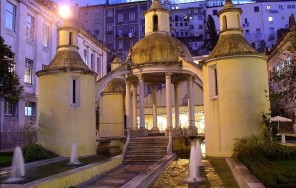
Architectural riches: Coimbra is rich in architectural monuments, including the Joannina University Library, the Old Town Cathedral, the Almaeda Fortress, and numerous Moorish and Renaissance-style houses.
Today, Coimbra continues to develop as a center of education, tourism and culture. The University of Coimbra remains an important academic centre, attracting students from all over the world.
The city of Coimbra is a unique combination of rich history, cultural heritage and modern education, making it attractive for tourists and explorers.
What is interesting about the city of Coimbra
Coimbra in Portugal is an exciting and culturally rich city, offering travelers a unique experience combining antiquity and modernity. Here are a few aspects that make Coimbra attractive for tourists:
Historical atmosphere: Coimbra is imbued with an atmosphere of antiquity, reflected in narrow pedestrian streets, ancient buildings and beautiful squares. History ranging from Roman times to Renaissance and Baroque times is felt in every corner of the city, creating a unique and exhilarating perception of the past.
University of Coimbra: One of the oldest universities in the world gives the city a special educational dimension. Tourists can visit exceptional architectural masterpieces such as the Joannin University Library and immerse themselves in the atmosphere of knowledge and culture.
Cultural Events: The Coimbra is known for its rich cultural calendar, including music festivals, theater performances and the arts. Tourists can enjoy authentic Portuguese fado as well as participate in local events to immerse themselves in the city's lively cultural scene.
Architectural Pearls: The city is rich in architectural treasures, including beautiful churches, antique squares and bridges across the Mondego River. Tourists can enjoy views of the city from Patza da Republic Square and visit the University Quarter.
Panoramic views: Coimbra is located on the hills, which creates magnificent panoramic views of the Mondego River and the surrounding scenery. Magnificent views can be enjoyed walking around the old town or visiting the Almaeda Fortress.
Gastronomy: Portuguese cuisine in Coimbra is a real celebration for taste buds. Tourists can enjoy a wealth of local delicacies and traditional dishes in cozy restaurants and cafes.
Warm atmosphere: With a favorable climate and the hospitality of the locals, Coimbra creates a warm and welcoming atmosphere that makes the stay of tourists unforgettable.
Therefore, travelers coming to Coimbra have the opportunity to plunge into a unique combination of cultural heritage, education and beautiful landscapes, which makes this city an attractive place for research and recreation.
Coimbra offers a variety of accommodation options, ranging from luxury hotels to more affordable options such as guesthouses and hostels. Here are some examples of the different levels of living in the city:
Luxury hotels: In this segment, guests expect a high level of service, luxury and comfort. Examples of luxury hotels in Coimbra:
Convento do Espinheiro, Historic Hotel & Spa: Located in an ancient monastery, offers luxury rooms, restaurants and a spa.
Vila Gale Coimbra: Modern hotel with a high level of service and convenient location.
Middle-class hotels: Mid-range hotels usually offer a good balance between comfort and price. Examples:
Hotel Oslo: A cozy hotel with modern facilities, a short walk from the city center.
Sapientia Boutique Hotel: Located in a historic building with elegant rooms and personalized service.
Budget hotels and guest houses: Economic accommodation options provide more affordable prices without seriously compromising comfort levels. Examples:
Hotel Bragança: Simple hotel with basic amenities, close to the main tourist attractions.
Residencial Antunes: Family guest house with comfortable rooms at an affordable price.
Hostels: Hostels provide budget options for tourists, often with shared facilities. Example:
Serenata Hostel Coimbra: Hostel with a bright design, shared kitchen and rooms of various categories.
Apartments and Apartments: Apartment and apartment options through platforms such as Airbnb are also popular. Tourists can rent accommodation and enjoy greater independence and home comfort.
These different accommodation options allow tourists to choose according to their budget and preferences, making staying in Coimbra as comfortable and satisfying as possible.
Attractions in the city of Coimbra
The city of Coimbra in Portugal is rich in historical and cultural attractions that attract tourists from different parts of the world. Here are a few of the main places to visit and information on transport accessibility:
University of Coimbra (Universidade de Coimbra):
Availability: The university area is located on a hill, which offers a beautiful view of the city. It is best to use public transport such as buses or taxis to visit this historic site. Many tourist routes include stops near the university.
The Bibliotheca Joanina Library:
Accessibility: The Joannin Library is part of the University of Coimbra. The best way to get there is by walking around the old town or using public transport.
Paço das Escolas:
Availability: This historic building at the university is located in the city center. Easy to reach on foot from various parts of Coimbra. It is important to note that the old town and pedestrian streets may require some effort when climbing to the university area.
Old Town Cathedral (Sé Velha):
Availability: The Old Town Cathedral is located in the historic part of Coimbra. It is easy to walk or use public transport. Many tourist routes include this monument.
Pedro e Inês Bridge (Ponte Pedro e Inês):
Availability: This beautiful bridge over the Mondego River links the two parts of the city. The bridge is easy to overcome on foot, providing a great opportunity to enjoy the scenery.
Fortress of Almaeda (Forte de Santa Clara):
Availability: The fortress is located on a hill and offers excellent views of the city and the river. Access is possible through urban transport as well as walking routes.
Museum of Science (Museu da Ciência):
Located in the University of Coimbra, the museum is easily accessible from different parts of the city.
The transport network in Coimbra includes buses, taxis and walking routes, which ensures the convenience of moving around the city. The pedestrian areas and beautiful streets of the old town also make walking around Coimbra enjoyable and exciting.
Activities in Coimbra
Coimbra hosts several interesting events, holidays and festivals throughout the year, giving tourists the opportunity to immerse themselves in the culture and atmosphere of the city. Here are some popular events:
Festa das Latas (Festa das Latas):
Time: September
This is a traditional student event dedicated to the beginning of the academic year at the University of Coimbra. Students hold parades, concerts and other events to mark the start of a new academic semester.
Queima das Fitas (Queima das Fitas):
Time: April/May
Another important event in the life of students. It marks the end of the school year and includes concerts, bonfires and parades that attract many students and tourists.
Festival das Artes (Festival das Artes):
Time: July
This arts festival brings together music, dance, theater and other arts. Takes place in various locations in the city, including the University of Coimbra, offering a rich cultural program.
Festival Internacional de Jazz de Coimbra (International Jazz Festival of Coimbra)
Time: June
This festival invites famous jazz musicians from different countries to present their performances. Jazz lovers can enjoy live music in the open areas of the city.
Festival de Fado de Coimbra (Festival de Fado de Coimbra)
Time: October
Fado, a Portuguese musical tradition, became an integral part of Coimbra. The Fado Festival provides a platform to enjoy this musical style performed on various stages of the city.
Natal em Coimbra (Christmas in Coimbra):
Time: December
The Christmas period in Coimbra is shaped by bright illuminations, fairs and various events, creating a festive atmosphere in the city center.
Please note that the exact dates of events may change each year, so it is advisable to check for up-to-date information before travelling. In any case, Coimbra offers a variety of events that satisfy the different interests and preferences of visitors.
Weather and the best season to travel to Coimbra
The climate in Coimbra in Portugal is of the Mediterranean type, which provides mild winters and warm summers. Here is more information about the climate at different times of the year:
Spring (March-May):
Air temperature: In the spring months, the average air temperature ranges from 12°C to 21°C, so this is a period of comfortable and warm days.
Water temperature: The water in the Mondego River begins to warm up at this time of year and usually reaches about 15-18°C.
Best season to travel: Spring is a great time to visit Coimbra due to the mild temperatures and blooming nature.
Summer (June - August):
Air temperature: The summer months in Coimbra are usually quite warm, with an average temperature of 16°C to 29°C. July and August can be days with temperatures above 30°C.
Water temperature: Water in the river can warm up to 20-22 ° C.
Best season to travel: The summer months attract warmth and sun lovers, and this is a great time for city walks and visiting the surrounding attractions.
Autumn (September to November):
Air temperature: In September, the average daily air temperature remains pleasant, from 14°C to 26°C. With the arrival of autumn, temperatures can gradually decrease.
Water temperature: The water in the river retains heat, and its temperature remains within 18-20°C.
Best season to travel: Autumn is also a favorable time to visit when the weather remains pleasant and tourist flows decrease.
Winter (December to February):
Air temperature: In winter, the average air temperature in Coimbra ranges from 7°C to 16°C. Nights can be cool.
Water temperature: The water in the river remains cool in winter, usually around 12-14°C.
Best season to travel: Winter is a quieter period for tourism, but those who love the atmosphere of coolness and tranquility can enjoy Coimbra during this period.
The best season to travel depends on temperature preferences and activity type, but in general spring and autumn are considered the best times to visit Coimbra.
Language of communication, traditions and customs in Coimbra
Language of communication:
The official language in Portugal is Portuguese. Most locals in Coimbra, especially in tourist areas, speak English. In hotels, restaurants and shops, English is also commonly spoken. Even so, knowing basic phrases in Portuguese can be helpful and appreciated by locals.
Traditions and customs:
Greetings and communication:
It is customary to greet the exchange of kisses on the cheek, starting from the right side.
Politeness and respect for older generations are important aspects of local culture.
Lunch and dinner:
Lunch is usually held between 13:00 and 15:00, and dinner from 20:00 to 22:00.
Restaurants offer a variety of Portuguese cuisine, and dinners are usually family events.
Festivals and holidays:
Various religious and national holidays are celebrated with great enthusiasm. For example, Carnival, Easter, St. Anthony’s Day and Christmas.
Clothes:
In places of cultural significance, such as churches and museums, it is recommended to wear more closed clothing. On the beaches and in the pools suitable swimsuits and swimsuits.
Tip:
Tipping is not required in restaurants, but leaving a small amount (about 5-10%) in gratitude for good service is welcome.
Laws and regulations:
Smoking:
Smoking is prohibited in public places, including restaurants and bars.
Traffic rules:
Traffic rules should be strictly observed. Use seat belts and respect pedestrians.
Alcohol:
The laws regarding alcohol consumption are strict. The minimum age to buy alcohol is 18.
Photography:
Be careful about photography in places of public interest, especially in churches and museums.
Careful handling of nature:
Keep clean and take care of nature. Disposal of garbage in undesignated places is prohibited.
When visiting Coimbra, it is important to respect local traditions and laws, which will create a more positive experience and interaction with the local population.
The main dialogues for traveling to Coimbra
It is important to know a few basic words and phrases in Portuguese for a more comfortable trip to Coimbra. Here are some useful expressions with translation and transcription:
Hello/Hello:
Portuguese: Olá (Ola)
Transcription: Ola
Good morning:
Portuguese: Bom dia (Bom dia)
Transcription: Bom dia
Good afternoon.
Portuguese: Boa tarde (Boa tardi)
Transcription: Boa tardi
Good evening/Nights:
Portuguese: Boa noite (Boa noite)
Transcription: Boa whine
Please:
Portuguese: Por favor (Por Favor)
Transcription: Por favor
Thank you.
Portuguese: Obrigado (if a man speaks) / Obrigada (if a woman speaks)
Transcription: Obrigade/Obrigade
Excuse me / Excuse me:
Portuguese: Desculpe (Diskulpi)
Transcription: Diskulpi
What's your name?
Portuguese: Como se chama? (Whose shama?)
Transcription: Whose shama?
My name is:
Portuguese: Chamo-me (Shamu-mi)
Transcription: Shamu-mi [your name]
Where is...?
Portuguese: Onde fica ...? (Ondy fika...?)
Transcription: Ondi fika...?
Invoice, please:
Portuguese: A conta, por favor (A conta, por favor)
Transcription: And konta, por favor.
How much is...?
Portuguese: Quanto custa...? (Quanto bush...?)
Transcription: Kuantu bush...?
These phrases will help you communicate and navigate easily in Coimbra. Note that the accent in Portuguese often falls on the last vowel, and this is important for proper pronunciation.
Food, medicines, souvenirs and gifts in memory of the city of Coimbra
Unique food:
Pastel de Nata:
Description: A popular Portuguese sweet dish in the form of miniature tartlets with a mesmerizing filling of egg cream pudding.
Council: It is best to try it in a traditional pastelarium with a cup of coffee.
Bacalhau:
Salt cod is one of the main dishes of Portuguese cuisine. There are many options for cooking.
Council: Try "Bacalhau à Brás" - cod with potatoes, onions and eggs.
Francesinha:
Description: A thick sandwich with beef, sausage, ham and sauce based on tomatoes and beer.
Council: It is a traditional dish from the Portuguese city of Porto, but it can also be found in Coimbra.
Medications:
Herbal tea (Chá de Ervas):
Description: The Portuguese appreciate herbal tea for its medicinal properties. You can buy mixtures of different herbs in the markets.
Council: Mint or stone tea is useful for digestion.
Souvenirs:
Fashina (Fado Music):
Buy audio recordings of Fado, traditional Portuguese music. It can be an album by a famous Fadist or a collection of the best works.
Ceramic products:
Description: Manual painting on ceramics is a traditional art in Portugal. Buy plates, cups or stoves.
Memorable things:
Books and souvenirs from Coimbra University:
Books, postcards and other items with the symbols of the oldest university in Portugal.
Council: Visit a university shop or bookstore in Coimbra.
Coimbra medieval clothing:
Buy clothes in medieval style in one of the themed shops.
Council: It can be an interesting and original souvenir.
When choosing souvenirs and products, make sure they comply with local customs regulations and do not violate import bans.
Rest safety, documents, insurance, telephones, Internet in Coimbra
Safety:
Documents:
Make sure you have a valid passport that will be valid throughout your stay in Portugal.
Insurance:
It is recommended to have health insurance covering the costs of treatment and emergency medical care.
Emergency services:
General emergency number: 112
Police: 112
Medical care: 112
Fire service: 112
Mobile operators:
There are various mobile operators in Portugal, such as Vodafone, MEO, and NOS. Check with your operator the roaming conditions and connect it if necessary.
Safety in public places:
Coimbra is considered a relatively safe city, however, as in any other place, be attentive to your belongings, avoid solo walks in the dark, and do not leave valuables unattended.
Stay without departure:
Schengen visa:
If you plan to stay in Portugal for more than 90 days, make sure you have an appropriate Schengen visa. If you are travelling from a Schengen country, check the visa requirements for your country.
Registration of stay:
If your stay exceeds 90 days, you may need to register your stay with local authorities.
Departure and entry:
Check the validity of your visa and the period during which you can stay without leaving. If necessary, check the conditions of visa extension at the local migration services.
It is important to keep up-to-date documents, keep up to date with your stay rules and follow all the necessary formalities to ensure a safe and enjoyable holiday in Coimbra and Portugal as a whole.
The site uses a web analytics service
Yandex Metrics
using cookie technology to make the site more convenient. You can prevent the processing of cookies in the browser settings.
Details in Privacy policy.