Independent tourism and recreation in the city of Norilsk Historical information about the city of Norilsk Nor...
Norilsk is one of the most unusual cities in Russia and one of the largest settlements in the world located beyond the Arctic Circle. Its history is closely connected with the development of Taimyr, the discovery of the richest deposits of nickel, copper and platinum group metals, the development of Soviet industry and the tragic history of the Gulag. Today Norilsk is the largest industrial center of the Russian Arctic and an important center for the development of the Arctic.
First information about Norilsk district
The territory of modern Norilsk is located on Taimyr - one of the most severe and inaccessible regions of Russia. Long before the appearance of the city, the indigenous peoples of the North lived and roamed here, engaged in reindeer herding, hunting and fishing.
The first information about the Norilsk district appeared long before the city itself. Already in the materials of the expeditions of the XVIII century, the Norilskaya River, the Norilsk Stone and the Norilsk wintering area are mentioned. The very name "Norilsk" probably comes from the local toponymy.
In the XIX century, researchers and industrialists paid attention to the presence of minerals in the area. However, the harsh climate, lack of roads and great distance from large settlements for a long time did not allow to start large-scale development of the territory.
Geological expeditions of the early XX century
The real study of the Norilsk region began after the revolution. In 1919, geologist Nikolai Nikolaevich Urvantsev headed the research of the area. In subsequent years, expeditions confirmed the presence of huge reserves of coal and polymetallic ores.
Especially important was the discovery of rich deposits of copper-nickel ores containing cobalt and platinum group metals. It was these resources that determined the future of the city.
First House of Norilsk
In 1921, during the expedition of Urvantsev at the foot of Mount Shmidtikha was built a small wooden hut. It is considered the first home of Norilsk.
Later, the historical building was moved, and today it is preserved next to the Museum of Norilsk as one of the symbols of the beginning of the development of the territory.
In the 1920s, the study of deposits and natural conditions of Taimyr continued. Gradually it became clear that the Norilsk region has a huge industrial potential.
Start of industrial development
The turning point came in 1935, when the Soviet government decided to build the Norilsk mining and metallurgical combine.
At the same time, a camp system related to the development of the field was created. In Norillag began to send prisoners who were used in the construction of industrial facilities, mines, roads, energy and urban infrastructure.
In fact, in the mid-1930s, construction of both the industrial complex and the future city began.
Norillag and the tragic history of the city
The history of Norilsk is inextricably linked with the Norilsk Correctional Labor Camp - Norillag.
In 1935-1956, the prisoners performed the most difficult work: mining ore and coal, building mines, factories, roads, residential buildings, railway infrastructure and other facilities. The first small stage of prisoners arrived in Norilsk in the summer of 1935 from Dudinka.
The conditions were extremely difficult. Work took place in conditions of permafrost, severe frosts, polar night, snowstorms and almost complete absence of the original infrastructure.
Norilsk became one of the most famous centers of the Soviet camp system. Tens of thousands of prisoners participated in the construction of the city and the plant, and the history of Norillag left a deep mark on the memory of the city.
The emergence of an industrial plant
Despite extremely difficult conditions, construction progressed rapidly.
In 1939, Norilsk received the status of a working settlement. In the same year, the Small Metallurgical Plant began to receive the first products of processing Norilsk ores. In 1942, the first industrial quantity of nickel was produced, and in 1943 production of electrolyte nickel and other metals began.
Norilsk’s industry was of great strategic importance.
Norilsk during the Great Patriotic War
During the Great Patriotic War, the importance of the Norilsk Combine increased dramatically. Soviet industry needed nickel, copper, cobalt and other metals necessary for the production of military equipment.
In 1943, the company produced electrolyte copper, cobalt and the first tons of platinum group metals. By the middle of the war, Norilsk became one of the most important suppliers of strategic raw materials for Soviet industry.
At the same time, the war years were one of the most difficult periods for the prisoners of Norillag due to food shortages and extremely difficult working conditions.
Construction of a real city
The first residential and industrial facilities were located near the so-called Zero picket, where the first house of Urvantsev was located.
However, as industry grew, it became necessary to create a full-fledged urban center. In the late 1940s, the design of the new Norilsk began, and in 1951 the construction of a new city on the eastern shore of Lake Long began.
Architects worked on the design of the city, taking into account the features of the Arctic. Norilsk was to become not just a settlement near the mines, but a full-fledged northern city with residential quarters, schools, hospitals, cultural institutions and public buildings.
Obtaining city status
On July 15, 1953, the working village of Norilsk received the status of a city of regional subordination.
By this time, there were already hospitals, schools, a stadium, clubs, a cinema and a developed industrial infrastructure. The population reached about 77 thousand people, with the vast majority of prisoners of Norillag.
Getting urban status was an important turning point: Norilsk began to gradually turn from a camp-industrial settlement into a full-fledged civilian city.
The Norilsk Uprising of 1953
One of the most tragic events in the history of the city was the Norilsk Uprising of 1953.
After Stalin’s death, Gorlag’s prisoners spoke out against the harsh conditions of detention, the arbitrariness of the administration and the camp regime. The speech lasted several months and was suppressed by law enforcement agencies.
The Norilsk uprising was one of the largest prisoner protests in the history of the Gulag and symbolized the crisis of the Stalinist camp system.
Elimination of Norillag
After Stalin’s death, a gradual reduction of the camp system began. In 1956, Norillag was officially liquidated.
After that, enterprises began to switch to mostly freelance labor. Engineers, workers, geologists, builders and specialists from different regions of the Soviet Union began to come to the city.
This period was the beginning of a completely new page in the history of Norilsk.
Expansion of the city and opening of Talnah
The most important event of post-war history was the discovery of new deposits.
In 1960, the Talnakh deposit of copper-nickel ores was discovered, which became one of the largest in the world. This effectively gave the Norilsk industrial district a "second birth."
Large-scale construction of Talnakh, new mines, roads, industrial enterprises and residential areas began.
Norilsk gradually became the center of a large industrial district, which also included Talnakh and Kayerkan.
Development of Norilsk in 1960-1980s
During this period, the city experienced a real industrial flourishing.
Building:
new mines;
processing plants;
metallurgical enterprises;
residential areas;
schools and kindergartens;
hospitals;
sports facilities;
theatres and cultural institutions.
The population grew rapidly, and Norilsk became one of the largest cities in the Soviet Arctic.
Particular attention was paid to architecture. The city was built taking into account strong winds, blizzards, polar night and permafrost. In the 1960-1970s, a special urban development program was implemented to protect streets and residential areas from wind and snow drifts.
Environmental challenges
The rapid development of metallurgy has had serious consequences for the environment.
Large volumes of industrial production were accompanied by emissions of pollutants. Norilsk industrial district for decades was considered one of the most environmentally unfavorable regions of Russia.
In the XXI century, environmental modernization of enterprises has become one of the most important tasks of Norilsk development.
Norilsk after the collapse of the USSR
The collapse of the Soviet Union was a serious test for the city.
The change in the economic system led to the restructuring of industry, changes in the structure of employment and the reduction of social programs. However, Norilsk retained its importance due to the huge reserves of copper-nickel ores and the activities of the largest industrial enterprise in the region.
In the 1990s, the city continued to be the most important industrial center of the Russian North.
Norilsk in the XXI century
Today Norilsk is the largest industrial center of Taimyr and one of the key centers of the world metallurgical industry.
The basis of the economy is the mining and metallurgical complex, primarily associated with the extraction and processing of nickel, copper, cobalt, palladium, platinum and other metals.
The city continues to develop as an industrial and cultural center of the Arctic. At the same time, much attention is paid to the modernization of enterprises, environmental projects, the renewal of urban infrastructure and the preservation of historical heritage.
In 2022, Norilsk was awarded the honorary title of the Russian Federation “City of Labor Valor”.
Norilsk today
Modern Norilsk is a kind of city-contrast. On the one hand, it is a powerful industrial center with mines, metallurgical enterprises and complex infrastructure. On the other hand, the city is located among the unique Arctic landscapes of Taimyr and is one of the main starting points for travel to the Putorana plateau.
The history of Norilsk consists of several completely different eras: the ancient development of Taimyr by indigenous peoples, geological expeditions of the early XX century, the industrialization of the 1930s, the tragic history of Norillag, postwar construction, the industrial heyday of the 1960s-1980s and the modern modernization of the Arctic.
1. Getting to know the real Arctic
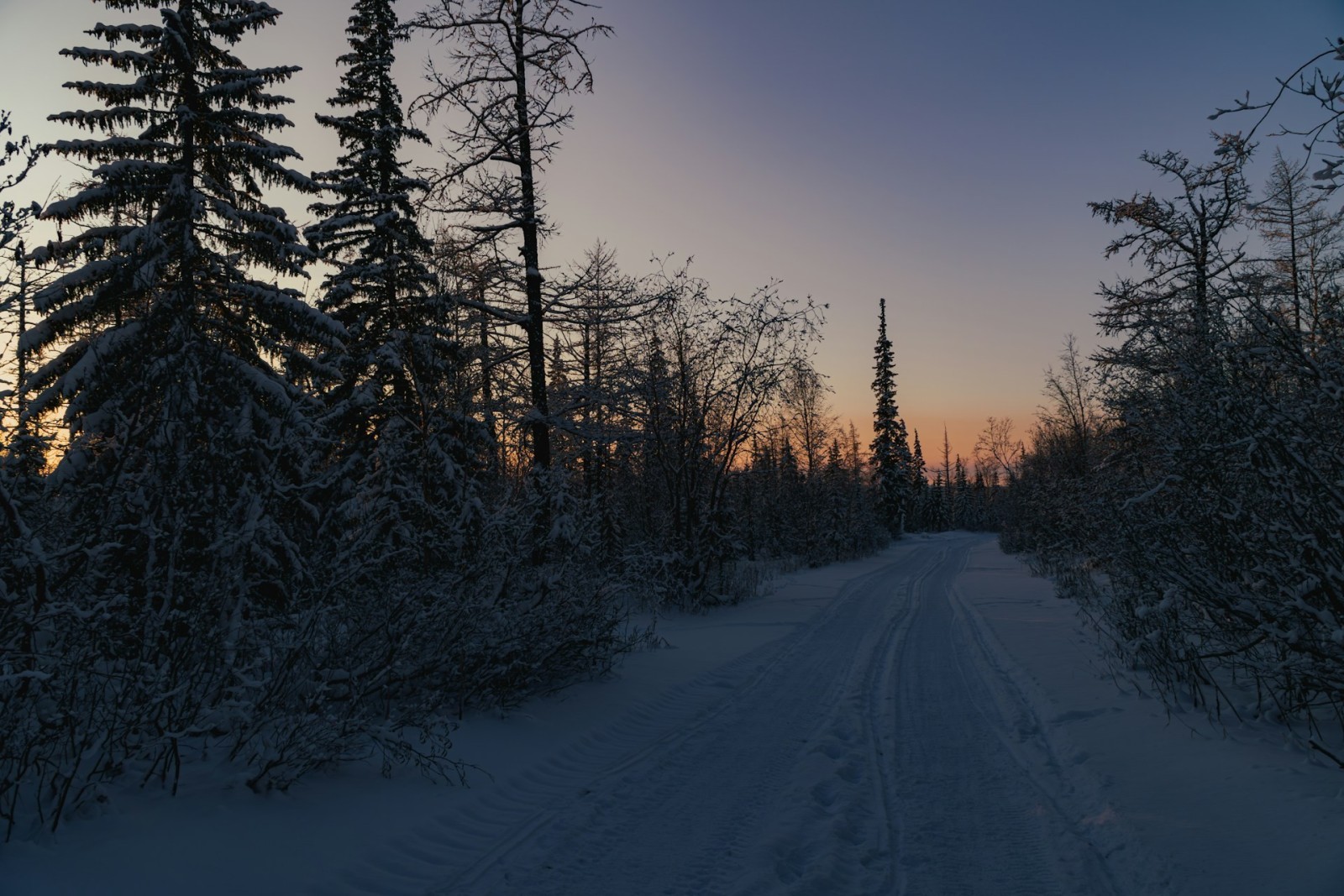
The main attraction of Norilsk is the opportunity to visit the real Arctic. Here you can see the tundra, permafrost, the polar night and the polar day, and under favorable conditions - the northern lights. For travelers, this is an opportunity to feel a completely different climate and lifestyle, almost not found in ordinary tourist cities.
2. Unique northern architecture
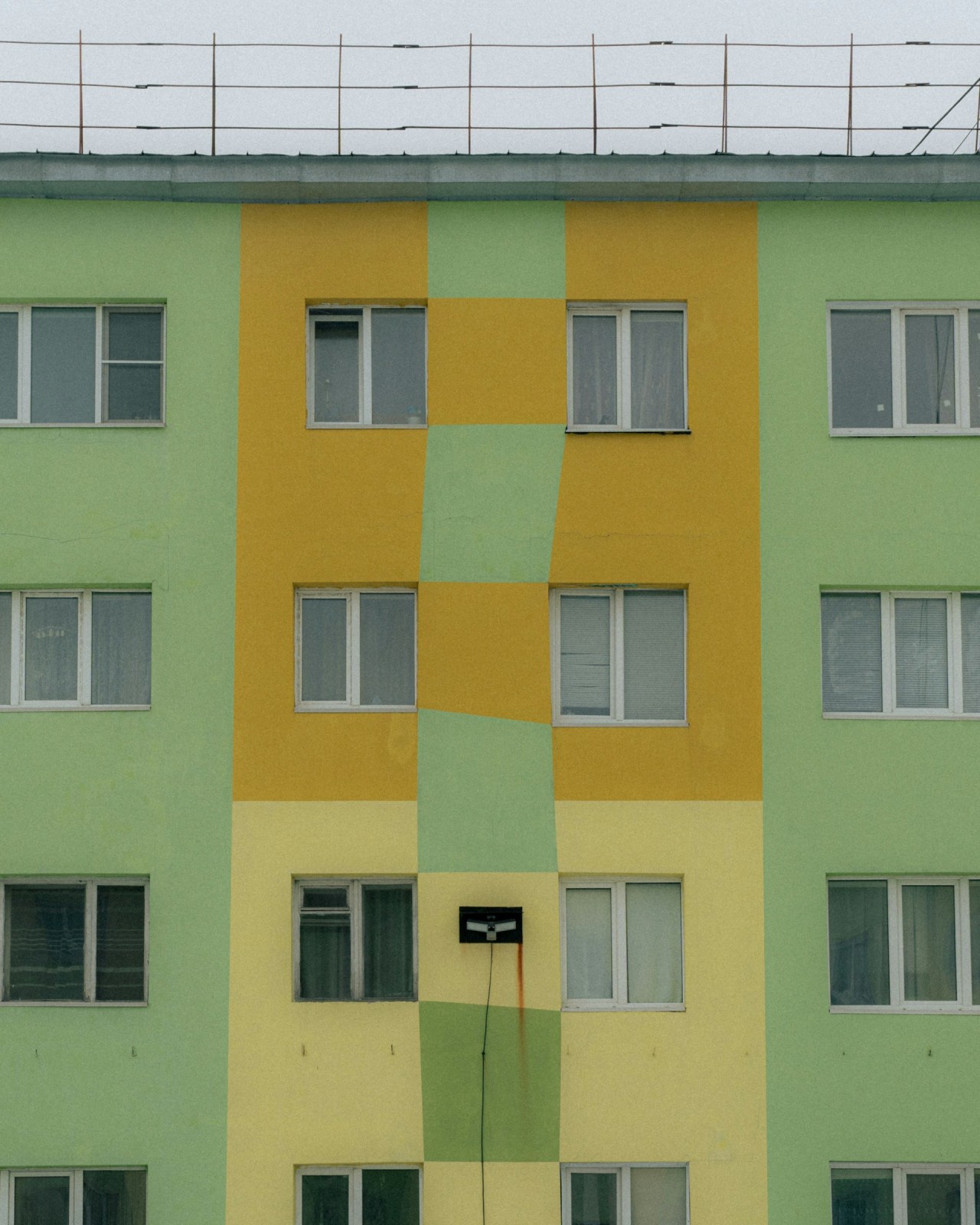
Norilsk is interesting for its unusual architecture, formed taking into account the extreme climate. Tall buildings, closed courtyards, wind-protected streets and characteristic post-war buildings create a peculiar appearance of the city.
Especially interesting is the central part of Norilsk, where the buildings of the Soviet period have been preserved. For lovers of architecture and urban photography, this is almost a separate attraction.
3. History of the North
The history of Norilsk is connected with geological expeditions, mining, construction of a huge industrial complex and development of the Arctic.
You can get acquainted with this story in the Museum of Norilsk, founded in 1939. Its expositions tell about the development of Taimyr, the nature of the region, indigenous peoples, industry and the history of Norillag. In the funds of the museum association there are more than 77 thousand items.
4. First House of Norilsk
One of the most symbolic places is the “First House of Norilsk” – a small wooden building associated with the expedition of geologist Nikolai Urvantsev and the initial stage of exploration of deposits.
Today, the house-museum allows you to see how the development of the future city actually began.
5. History of the Gulag
Norilsk is also of great interest for historical tourism. The city is connected with Norillag, one of the largest camps in the Soviet period.
This topic is discussed in museum expositions and city historical routes. For travelers, this is an opportunity to learn about the difficult conditions in which industrial enterprises and urban infrastructure of the Arctic were created.
6. Talnah and mountain landscapes
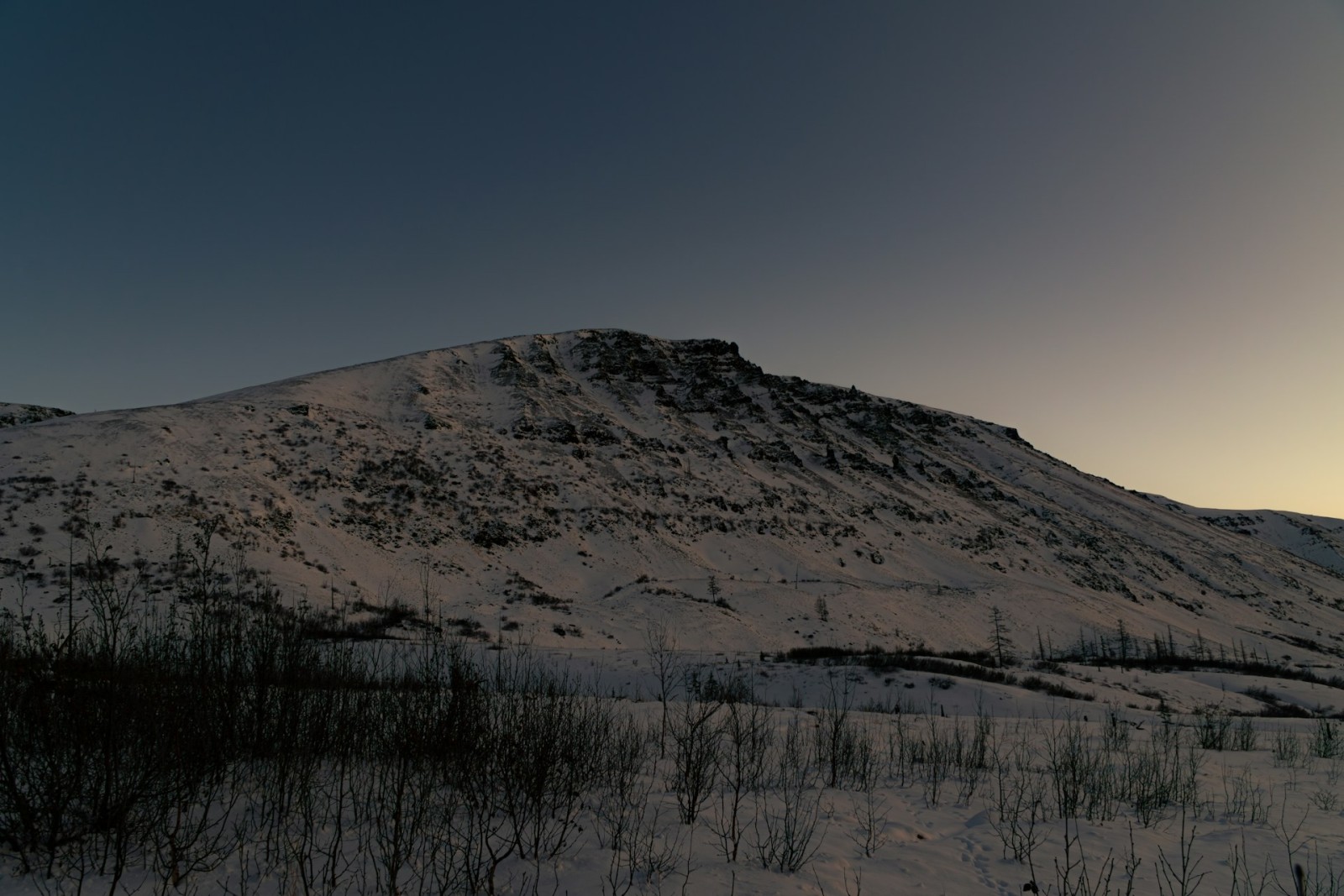
Especially interesting is the trip to Taln – Norilsk district, located closer to the mountains. Here is the museum route "Museum NA-Gora", which offers views of Norilsk, Talnakh and Norilsk mountains and towards the Putorana plateau.
Talnach is well suited for those who want to combine familiarity with the history of industrial development with beautiful northern landscapes.
7. Putorana Plateau
The main natural reason to come to Norilsk is its proximity to the Putorana Plateau, one of the most impressive natural areas of the Russian Arctic.
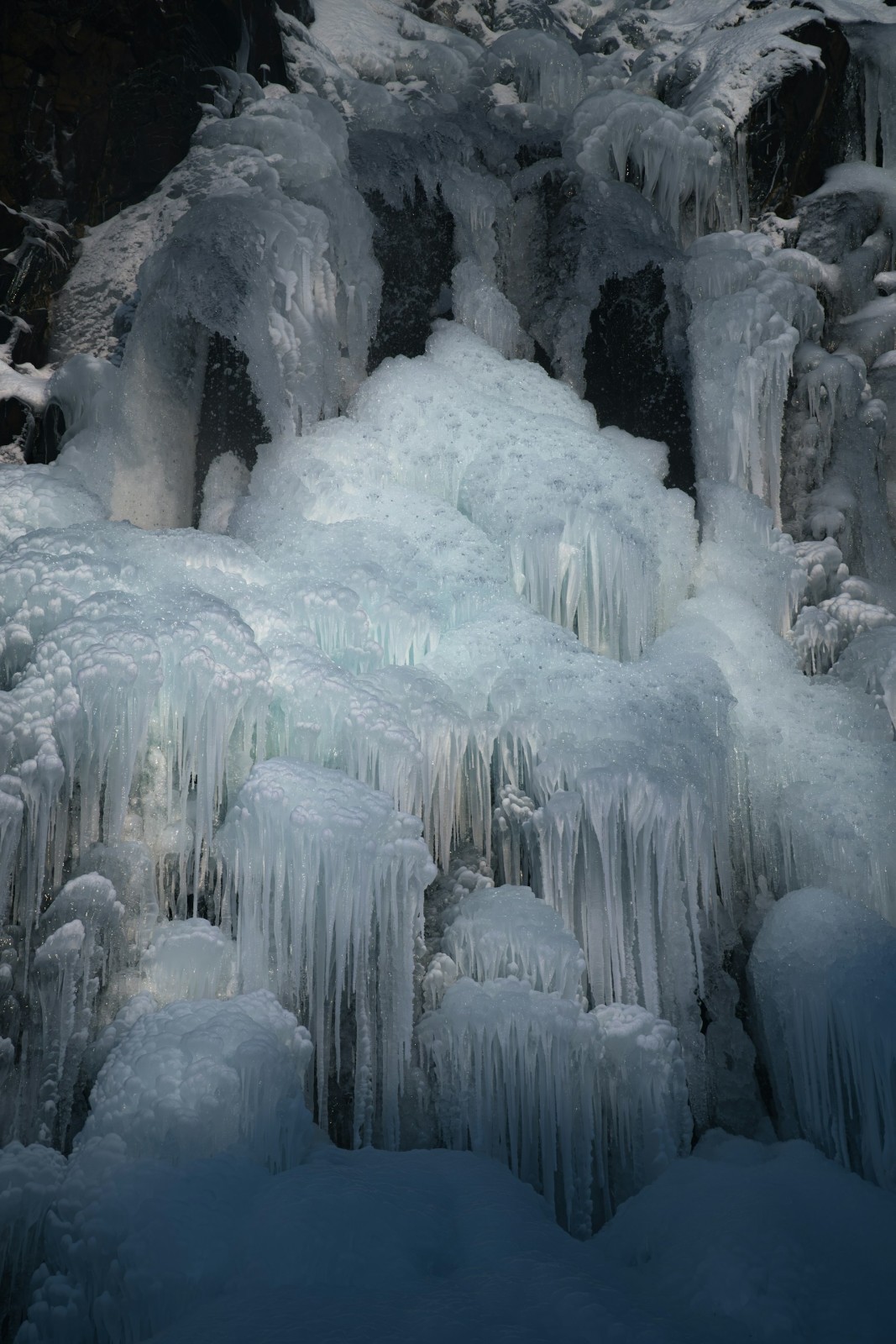
There are deep canyons, waterfalls, lakes, rivers and almost untouched northern landscapes. Tourist programs are organized from Norilsk with trips to Lake Lama, trekking, water excursions and other activities.
8. Active and extreme tourism
The region is suitable for travelers who prefer active holidays:
Hiking and trekking.
Photo tours.
Snowmobile rides.
Fishing.
Water walks and alloys.
Kayaking.
Winter expeditions.
Heliski and other extreme programs.
Most of these trips require prior organization and are conducted with professional guides.
9. Culture and art
Despite the harsh location, Norilsk has a rich cultural life. There are museums, an art gallery, theaters and an art residence PolArt.
The Museum of Norilsk annually hosts numerous exhibitions dedicated to the history, nature, photography, contemporary art and culture of Taimyr.
10. Taimyr Indigenous Culture
A trip to Norilsk allows you to get acquainted with the culture of the Dolgans, Nenets, Nganasans, Evenks and Enets - the indigenous peoples of Taimyr.
Museums and ethnographic programs present traditional clothing, life, crafts, beliefs and features of life of the peoples of the North.
1. Mid-range hotels
The main option for tourists is classic hotels with separate rooms, bathroom, Wi-Fi and additional services.
Norilsk is one of the largest hotels in the city, located in the central part. Suitable for tourists and business travelers.
"Polar Star" is a hotel in the center of Norilsk, popular among visitors to the city.
Talnakh Hotel is a convenient option for those who plan to get acquainted not only with Norilsk, but also with the Talnakh district. The hotel receives good reviews from travelers.
"SeverGrand" is a small hotel suitable for a quiet stay.
1. Norilsk Museum
The main museum of the city introduces the history of the development of Taimyr, the nature of the Far North, the culture of indigenous peoples, geological discoveries, the development of industry and the history of Norillag.
Transport accessibility: located in the central part of the city on Leninsky Prospect. It is convenient to get to the museum by city bus or taxi, and from the central hotels you can walk.
2. First House of Norilsk
The wooden house, built in 1921 by the expedition of Nikolai Urvantsev, is considered one of the main historical symbols of Norilsk. Today, there is a museum exposition dedicated to the first geologists and the development of the Norilsk district.
Transport accessibility: located near the Museum of Norilsk, so they are convenient to visit together. You can walk from the main streets.
3. October Square
One of the most expressive squares of Norilsk with characteristic post-war Soviet architecture. There are twin buildings and a monument to Vladimir Lenin. It is a popular place for walks and photos.
Transport accessibility: located in the central part of the city. It is most convenient to get by city transport, taxi or on foot from neighboring attractions.
4. Lenin Avenue
The main street of the historical center of Norilsk. There are preserved buildings of the Soviet period, public spaces, monuments and characteristic architecture of the polar city.
Transport accessibility: well accessible by urban transport; the central part of the avenue is most convenient to explore on foot.
5. Norilsk Polar Drama Theatre
One of the northernmost professional theaters in Russia. The theater is interesting not only for its productions, but also for the building itself and the history associated with the cultural life of Norilsk.
Transport accessibility: located in the city, you can get by bus or taxi. A visit is conveniently combined with a walk through the central streets.
6. Memorial complex "Norilsk Golgofa"
The memorial complex is dedicated to the memory of the victims of political repression and Norillag. It is located in the area of the former Old Town, on the slope of Mount Schmidt.
Transport accessibility: further from the central tourist route. It is better to get by taxi or as part of an organized tour.
7. Noord Kamal Mosque
One of the most unusual sights of Norilsk is the mosque "Nurd-Kamal", known as one of the northernmost mosques in the world. Its architecture is adapted to the harsh climatic conditions of the Arctic.
Transport accessibility: located in the city; you can get there by bus or taxi.
8. Norilsk Art Gallery
Exhibitions of modern and classical art, photographs and thematic projects are held here. The gallery is part of the museum and exhibition complex "Museum of Norilsk".
Transport accessibility: located on Talnakhskaya Street, accessible by public transport and taxi.
9. Talnakh branch of Norilsk Museum
The Talnakh branch tells about the history of the district, its industrial development and the life of people in the Arctic. Talnah is also interesting for its proximity to mountains and natural areas.
Transport accessibility: Talnakh is a remote area of Norilsk. From the central part of the city it is more convenient to get by city bus or taxi. It is worth a few hours for the trip.
10. "Museum NA-Mountain"
The museum object in Talnakh is interesting for the combination of the history of industrial development and panoramic views of the surrounding mountains and the urban area.
Transport accessibility: located in Talnakh, so a visit is convenient to combine with a trip to the area. From the center of Norilsk - by bus, taxi or excursion transport.
1. Winter (December–February) is the polar night. New Year and Christmas events, concerts, exhibitions, sports competitions and the thematic program “45 days of polar night” are held.
2. Spring (March-May) – Maslenitsa, ethnographic holiday “Hello, North Hairo”, Reindeer Herder’s Day, concerts, exhibitions and festivals of national cultures.
3. Summer (June-August) is the most intense season: City Day, Metallurgist Day, concerts, fairs, sports competitions, folk games and festivals. In 2026, the main events of the City Day were held on July 12-19.
4. Autumn (September–November) – festivals, exhibitions, concerts and cultural events. The Northern Berry Festival, dedicated to northern berries, nature and Arctic culture, is especially interesting; in 2026 it takes place on September 5.
1. Winter (December-February) - the average temperature is about -24...-27 ° C, at night often -30 ° C and below. Possible severe frosts, blizzards and heavy wind. In December and January, the polar night lasts.
2. Spring (March-May) - in March about -19 ° C, in April -12 ° C, in May about -3 ° C. The snow is gradually melting, but the real heat is long gone.
3. Summer (June-August) is the most comfortable period: in June about +8 ° C, in July +14 ... +15 ° C, in August about +12 ° C. In the afternoon in July, the temperature sometimes rises to +20 ° C and above. In summer, the polar day continues.
4. Autumn (September-November) - in September about +4 ° C, in October -7 ° C, in November already about -20 ° C. Frost and snow are quickly returning.
Language of communication
1. Russian is the main language of communication in Norilsk. It is used in hotels, shops, cafes, museums and public transport.
2. Languages of indigenous peoples of Taimyr - in the region the languages and cultural traditions of Dolgans, Nenets, Nganasans, Evenks and Enets are preserved. Tourists do not usually need them for everyday communication, but familiarity with them is part of an ethnographic journey.
3. English is widely spoken, so it is advisable for foreign tourists to have an interpreter on their phone.
Traditions and customs
1. Respect for the culture of the North. When attending ethnographic events, respect should be given to national clothing, household items, music and indigenous traditions.
2. Photography. When shooting locals, especially participants in national events, it is advisable to ask permission first.
3. Attitude to nature. You can not leave garbage in the tundra, pollute water bodies, damage plants and violate the rules of visiting natural territories.
4. Respect for the locals. In the city, it is customary to observe the usual rules of politeness, not to make noise in residential areas and respect public order.
5. Abandoned objects. Do not penetrate into abandoned buildings, mines and industrial structures. Some facilities may be emergency or in a closed area.
Basic laws and regulations
1. The tourist must have an identity document with him.
2. It is forbidden to drink alcohol in places where it is prohibited by law.
3. You can smoke only in permitted places.
4. When visiting natural areas, it is necessary to comply with the established environmental and fire protection requirements.
5. When visiting industrial facilities, it is necessary to comply with security requirements and not to enter areas with limited access.
6. When traveling outside the city, it is necessary to take into account severe weather conditions and plan the route in advance.
1. Northern products
1. Olenin is one of the most characteristic products of Taimyr. You can buy dried, smoked meat, sausage and delicacies.
2. Northern fish - muxun, whitefish, nelma and other species that are sold in fresh, frozen, smoked or dried form.
3. Northern berries - cloudberries, lingonberries, cranberries, blueberries and blueberries.
4. Jams and jams from northern berries are a convenient gastronomic souvenir.
5. Ivan-tea and herbal collections are an easy and inexpensive gift.
2. Useful and health-improving products
As natural gifts, you can choose:
1. Herbal teas and fees.
2. Dried northern berries.
3. Berry drinks, syrups and concentrates.
4. Natural honey and beekeeping products.
5. Cosmetics with plant and coniferous components.
Such products can be used as part of normal nutrition or care, but local herbs and fees should not be considered medicines without proper registration and prescription.
3. Souvenirs of Taimyr peoples
Particularly interesting products related to the culture of Dolgans, Nenets, Nganasans, Evenks and Enets:
1. Traditional dolls in national costumes.
2. Fur and leather products.
3. Jewelry and accessories with national ornaments.
4. Small pieces of wood and bone.
5. Objects of decorative and applied art.
Such souvenirs are better to buy from official craftsmen and sellers, so that there are no problems with the export of products from natural materials.
Documents
1. Citizens of Russia – passport of the Russian Federation or other identity document.
2. Foreign tourists - a foreign passport, visa or other basis for entry, if it is required for the citizenship of the traveler.
3. Migration registration – foreigners must comply with the rules of registration at the place of stay. When staying in a hotel, the necessary actions are usually performed by the host party.
Insurance
1. Foreigners are advised to obtain medical insurance valid in Russia.
2. For trips to the Putorana plateau, tundra, hiking and other active routes, it is desirable to have extended insurance, including accidents, evacuation and active tourism.
3. Before traveling, you should check whether insurance covers hard-to-reach areas of the Arctic.
Emergency services phones
112 is a single emergency number.
101 is the fire department.
102, police.
103 - Emergency medical care.
104 - Gas service.
For a tourist, it is most convenient to remember 112 - through a single number you can contact for the necessary emergency assistance.
Mobile communications
Large Russian operators work in Norilsk, including MTS, Beeline and T2. The availability of official tariffs and services of operators for Norilsk is confirmed by their regional sites.
Outside the city, the situation is much more complicated: when traveling to the tundra, the Putorana plateau and remote areas, mobile communication may not be available. Therefore, for long trips, it is desirable to have a backup method of communication, offline maps and inform loved ones in advance of the route.
City security
1. You should observe the usual rules of personal safety and not leave documents and valuables unattended.
2. It is not recommended to visit abandoned industrial buildings, mines and closed areas.
3. In winter, it is necessary to take into account extremely low temperatures, blizzards, strong wind and poor visibility.
4. Even in summer, when traveling outside the city, you need to have warm and waterproof clothes.
5. Before leaving for the tundra, you need to check the weather forecast and the state of the route.
Trips to Putorana Plateau
Independent travel to remote areas is highly undesirable. It is better to take an organized tour with a local guide.
It is recommended that:
1. Tell relatives or acquaintances the route.
2. Check the weather forecast.
3. Take a charged phone and a power bank.
4. Download cards that work without the Internet.
5. Have a supply of water, food and warm clothes.
6. Do not change the agreed route.
How many tourists can stay in Russia without leaving
There is no single deadline for all foreigners. The length of legal stay depends on citizenship, visa regime and the reason for entry.
Therefore, for a tourist article, it is better to write: “The period of stay of a foreign tourist in Russia depends on his citizenship and entry regime. For visa tourists, it is determined by the term and conditions of the visa, and for citizens of visa-free countries, the rules of stay established for them apply. Prior to travel, it is necessary to check the current requirements for a particular nationality.”
Create a query and local guides will offer you the best options
