Independent tourism and recreation in the city of Subotica Historical information about the city of Subotica 1...
1. The oldest settlements and the first mentions
The territory of modern Subotica was inhabited in prehistoric times. Ancient agricultural tribes lived here, later the region was influenced by the Celts, Romans, Huns, Avars and Slavs. In the Middle Ages these lands became part of the Kingdom of Hungary.
The first written mention of the settlement dates back to 1391, when it appeared under the name Zabatka. Due to its location on the trade routes between Central Europe and the Balkans, the settlement gradually acquired economic importance.
2. The Medieval Period and John Nenad the Black
In the XV-XVI centuries, Subotica was in the zone of political and military confrontation between the Kingdom of Hungary and the Ottoman Empire.
Of particular importance is the work of Johann Nenad Crni, who, after Hungary's defeat at the Battle of Mohács in 1526, created his own state formation on part of the territory of Vojvodina. Subotica became his capital. However, in 1527 John Nenades died and his state ceased to exist.
3. Ottoman rule
In the XVI century, the city was under the rule of the Ottoman Empire. Subotica became a military and administrative point. The population was engaged in agriculture, livestock, trade and crafts.
The region was dominated by Christian communities, including Serbs. In the XVII century, the territory became the arena of confrontation between the Ottoman Empire and the Habsburg monarchy. In 1686 the city came under Habsburg rule.
4. Joining the Habsburg Monarchy
After the withdrawal of the Ottomans began the restoration of the economy and the influx of immigrants - Serbs, Hungarians, Bunev, Croats and other peoples.
In the XVIII century Subotica gradually developed as a trade and craft center. In the 1740s, it was named Sainte-Marie and later renamed after Empress Maria Theresa.
In 1779, Subotica received the status of a free royal city and the name Maria Theresiopolis. This contributed to the development of trade, crafts, education and urban infrastructure.
5. XIX century: railways and industrial development
In the XIX century Subotica became an important regional trading center. Of great importance was the opening of the railway service in 1869, which connected the city with other economic centers.
Grain trade, animal husbandry, mill production, food industry and craft enterprises developed.
After the formation of Austria-Hungary in 1867, the city became part of the Hungarian part of the monarchy and was called Szabadka. In 1897, a power station and tram service appeared, which accelerated the modernization of the urban infrastructure.
6. Architectural flourishing of the late XIX - early XX century
This period is considered the golden age of Subotica. The city was actively developing, and the direction of Hungarian secession became widespread in architecture - a variety of modernism with plant ornaments, bright ceramics and national motifs.
The main architectural symbols of the city appeared:
City Hall - built in 1908-1910, decorated with stained glass and colored ceramics.
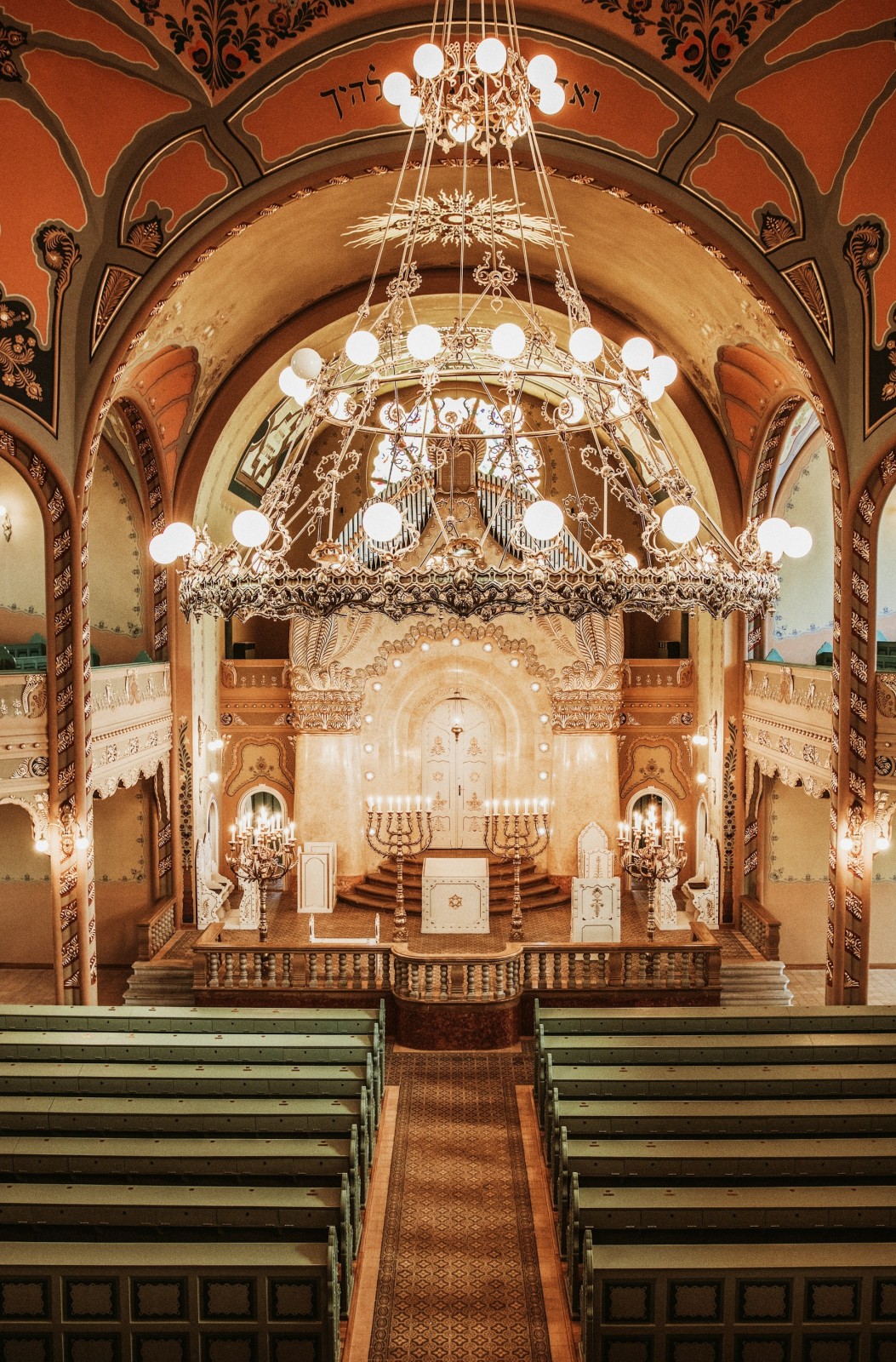
The synagogue was built in 1902 and is considered an outstanding monument of the Hungarian secession.
Reichle Palace - built in 1904, is distinguished by unusual decor and bright facades.
Theatrical arts, music, education, printing and social life also developed.
7. World War I and the annexation of Yugoslavia
The First World War interrupted the economic development of the city. After the defeat of Austria-Hungary in 1918, Subotica came under the control of Serbian troops.
In 1920, the Treaty of Trianon ceded the city to the Kingdom of Serbs, Croats and Slovenes, later known as Yugoslavia.
During the interwar period, trade, industry, education and cultural institutions continued to develop. At the same time, the city retained a multinational character.
8. World War II
In 1941, after an attack by Germany and its allies on Yugoslavia, Subotica was under Hungarian occupation.
One of the most tragic pages of this period was the deportation of the Jewish population in 1944. A large part of the Jewish community was sent to concentration camps and died.
In October 1944, the city was liberated by Yugoslav partisan and Soviet troops. After the war, Subotica became part of socialist Yugoslavia.
9. Socialist Yugoslavia and Industrial Growth
After 1945, the restoration of the city and the development of industry began. Subotica became one of the important production centers of Vojvodina.
Machine building, food, textile and chemical industries developed. Residential areas, schools, hospitals, sports facilities and cultural institutions were built.
An important tourist destination was the nearby Lake Palic, around which the resort infrastructure developed.
10. The Disintegration of Yugoslavia and the Modern Period
In the 1990s, the city faced economic crisis, inflation, declining industrial production and labor migration. Despite the difficulties, a significant part of the historical development of Subotica survived.
In the XXI century, the city began to actively develop tourism, trade, industry and international relations. Historical buildings were restored and urban infrastructure improved.
In 2019, after a large-scale restoration, the famous Subotitsa synagogue was reopened.
Today Subotica is an important cultural, economic and tourist center of northern Serbia.
11. Origin of name and historical heritage
During its history, the city bore several names: Zabatka, Saint Maria, Maria Theresiopolis and Sobodka. Its current name is Subotica (Subotica).
The origin of the name is associated with the Serbian word "subota", meaning the day of the week, as well as with the name of Subota Vrlić, close to John Nenad Black.
The main feature of the historical heritage of the city is the combination of Serbian, Hungarian, Croatian, Jewish and Central European cultures. It formed the unique architectural appearance and multinational traditions of modern Subotica.
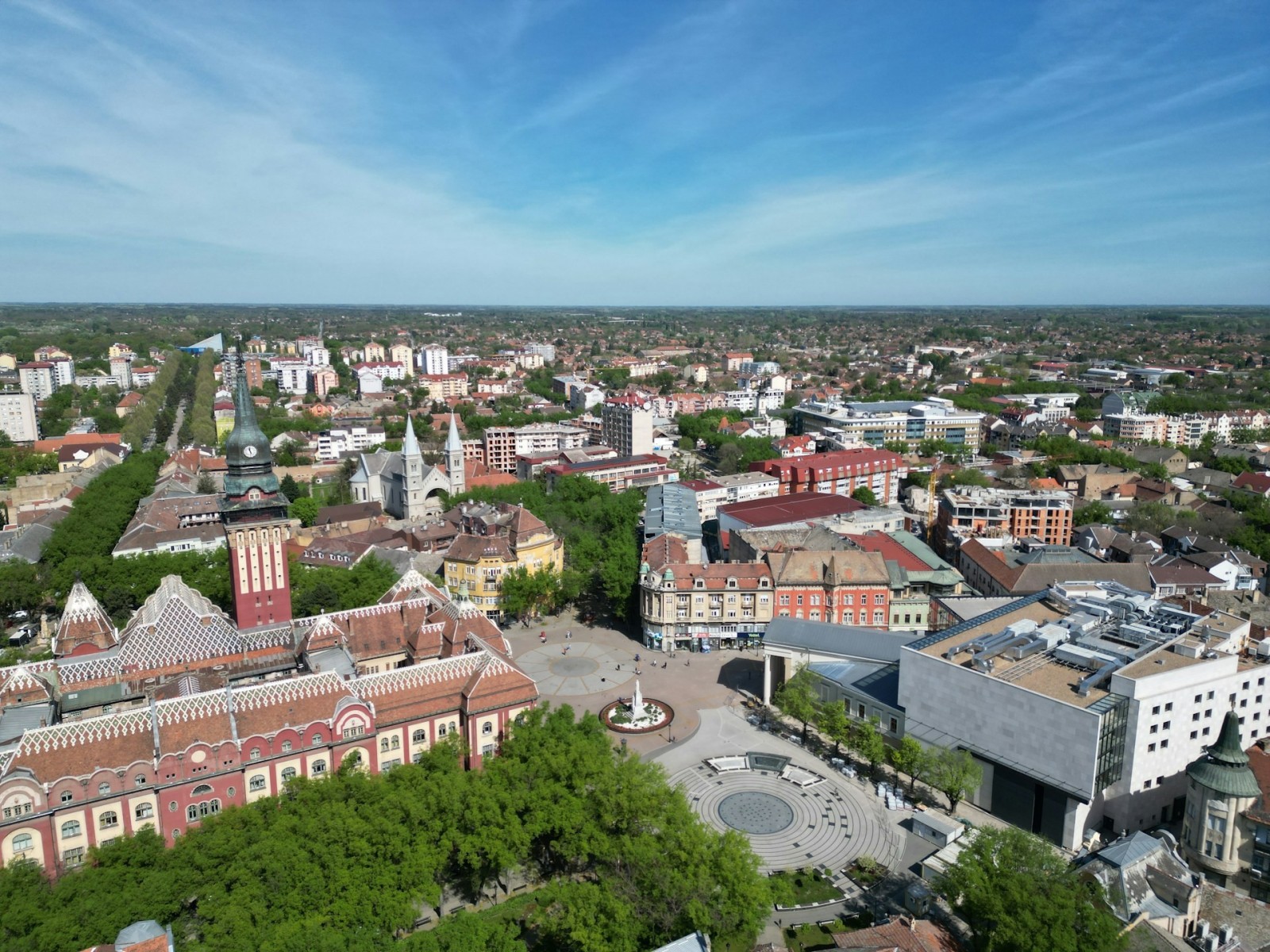
1. Unique architecture. The main attraction of Subotica is a historical center with bright buildings in the style of Hungarian secession. Tourists are attracted by the city hall, Reichle Palace, synagogue, ancient mansions and decorative facades with colored ceramics and stained glass windows.
2. Historical atmosphere. Walks along the central streets allow you to get acquainted with the heritage of Austria-Hungary, ancient squares, temples and buildings of the XIX-XX centuries. The city is interesting for lovers of history, architecture and cultural travel.
3. Multinational culture. In Subotica Serbian, Hungarian, Croatian and Jewish traditions are intertwined. This is reflected in local cuisine, languages of communication, religious buildings, holidays and everyday life.
4. Lake Palic and rest in nature. Just a few kilometers from the city is Lake Palic - a popular holiday destination with walking paths, parks, beaches, restaurants and historic resort buildings. Here you can spend time in nature, ride a bike and do water entertainment.
5. Gastronomic tourism. The city offers to get acquainted with Serbian and Hungarian cuisine. Goulash, paprikash, grilled meat dishes, sausages, local pastries and Vojvodina wines are popular. In restaurants and cafes you can try traditional regional dishes.
1. Four-star hotels
Suitable for tourists who prefer increased comfort, spacious rooms, quality service, restaurants, breakfasts and additional services.
Hotel Galleria is a large hotel complex in the city center with a restaurant, wellness area, spa services and conference rooms. Convenient for tourist and business trips.
Hotel Forum Garni is a modern hotel in the historic center, next to a pedestrian street, shops, cafes and main attractions.
Artist Hotel is a small boutique hotel with designer interiors, comfortable rooms and a restaurant. Suitable for romantic and cultural recreation.
Hotel Patria is a hotel in the central part of the city, convenient for exploring Subotica and traveling around the region.
TESLA Residence Subotica is a modern aparthotel with equipped apartments, technological management systems and the possibility of self-cooking.
2. Three-star hotels
This is a good option for travelers who need comfortable rooms, Wi-Fi, parking, breakfast and basic hotel services without overpaying for luxury.
Garni Hotel Royal Crown is a hotel with modern rooms, air conditioning, minibars and a restaurant. Located near the central part of the city.
Garni Hotel PBG is a hotel with practical rooms, Wi-Fi and parking. Suitable for short stops and road trips.
Garni Hotel Imperium is a modern small hotel with equipped rooms, suitable for family and business trips.
AVIOR Garni Hotel is a modern hotel, suitable for motorists and families with children.
3. Guesthouses and small hotels
Guest houses (Guest House, Prenoćište) are suitable for tourists who want a homely atmosphere, tranquility and a more affordable cost of living.
Villa Inn is a small hotel facility with cozy rooms.
Guest House Best Food is a guest house with parking and Wi-Fi.
Prenoćište Simke is a budget accommodation with simple rooms for a short stay.
Rooms Gat - rooms for living with a restaurant, convenient for independent travelers.
Villa Modena is a small accommodation option close to the center and transport facilities.
1. City Hall (Gradska kuća)
The main architectural symbol of the Subotica, built in 1908-1910 by architects Marcellus Comoros and Deje Jacob. The building is made in the style of Hungarian secession and is decorated with colored ceramics, stained glass windows, decorative towers and national ornaments.
Inside are the state halls, art stained glass windows and the premises of the city administration. Nearby is a central square with fountains, cafes and walking areas.
Transport accessibility: located in the heart of the city, near pedestrian streets and public transport stops. It is most convenient to walk from central hotels.
2. Subotica Synagogue (Subotička sinagoga)
One of the most unusual monuments of Jewish architecture in Europe, built in 1902. The synagogue is distinguished by bright domes, decorative plant motifs, stained glass windows and unusual interior decoration.
The building is an important monument to the history of the Jewish community of Subotica, which made a significant contribution to the development of the city. After extensive restoration, the synagogue reopened to visitors in 2019.
Transport accessibility: located near the central square. You can walk about 5-10 minutes from the town hall.
3. Raichle Palace (Raichle Palace)
Beautiful building of 1904, created by architect Ferenc Reichle. The palace is known for unusual architecture, bright ceramic decoration, undulating facade lines and decorative elements in the style of Hungarian secession.
Today, the building houses the Lajos Vermes Gallery of Contemporary Art and holds art exhibitions.
Transport accessibility: located in the central part of the city. The town hall can be reached on foot in about 10 minutes. There are city transport stops nearby.
4. Freedom Square (Trg Slobode)
The main city square, around which the most important historical buildings of Subotica are concentrated. Here are the town hall, monuments, fountains, cafes and places for recreation.
The square is the center of public life of the city. It hosts concerts, festive events, city celebrations and seasonal fairs.
Accessibility: Located in the centre, easily accessible on foot from most central hotels. There are city bus routes nearby.
5. Cathedral of St. Teresa of Avilske (Katedrala Svete Terezije Avilske)
Catholic Cathedral of the XVIII century, built in the Baroque style. It is one of the most important religious monuments of the city. The building is distinguished by two high towers, a monumental facade and rich interior decoration.
The cathedral is dedicated to St. Teresa of Avila and reflects the significant influence of Catholic culture in the history of Subotica.
Transport accessibility: located in the central part of the city, about 5-10 minutes walk from the town hall.
6. Franciscan Church and Monastery (Franjevačka crkva)
Historical religious complex associated with the development of the Catholic community of the city. The church has ancient architecture and a calm atmosphere. Nearby are the monastery buildings and the courtyard.
This is an interesting place to get acquainted with the religious history of Subotica.
Transport accessibility: located near the central square. It is most convenient to walk.
7. Orthodox Church of the Ascension of the Lord (Crkva Svetog Vaznesenja Gospodnjeg)
A historic Orthodox church reflecting the religious and cultural heritage of the Serbian population. The church is distinguished by traditional Orthodox architecture, iconostasis and religious paintings. It is interesting to get acquainted with the Orthodox traditions of Vojvodina.
Transport accessibility: located in the central part of Subotica, on Zmay Iovina street. It is most convenient to walk from the town hall in about 5-10 minutes.
8. City Museum of Subotica (Gradski muzej Subotica)
The museum is located in the historic Demeter Palace and introduces visitors to the history of the North Bacca. The expositions are devoted to archaeology, ethnography, natural history, city development and local art.
Here you can see household items, historical documents, archaeological finds and materials about the multinational population of the region.
Transport accessibility: located in the city center, near the synagogue and town hall. You can walk in 5-10 minutes.
9. Pedestrian street Korzo (Korzo)
One of the most beautiful streets of Subotica, famous for ancient buildings, shops, cafes and restaurants. Here the architecture of the late XIX - early XX century is well preserved.
Corzo is suitable for leisurely walks, acquaintance with the urban atmosphere, buying souvenirs and relaxing in local establishments.
Transport accessibility: located in the historic center. The street is designed mainly for pedestrians, so it is most convenient to visit it on foot.
10. The Blue Fountain (Plava Fontana)
One of the most recognizable city landmarks. The fountain is decorated with blue ceramics and blends harmoniously with the architecture of the surrounding historic buildings.
It is a popular place for meetings and walks, especially in the evening when the lights are turned on.
Transport accessibility: located near the Town Hall and Republic Square. Available on foot from any part of the historic center.
11. Lake Palic (Palićko jezero)
Lake Palic is located about 8 km from Subotica and is one of the most popular holiday destinations in the region. The area around the reservoir is equipped with walking alleys, green areas, beaches and bicycle paths.
Tourists are attracted by picturesque landscapes, the opportunity to ride boats, relax in a cafe and get acquainted with the historical resort architecture.
Transport accessibility: from the center of Subotica you can get by city bus No. 6 in about 20 minutes, by taxi - in 10-15 minutes. A bicycle route is also available.
12. Palic Water Tower (Vodotoranj)
Historical building, built in the early XX century. The tower is decorated in the style of Hungarian secession and serves as a kind of gateway to the resort area of Palic.
Nearby there are walking paths, green spaces and exits to the lake. This is a good place to take pictures and start a tour of the resort.
Transport accessibility: located in the Palic district. From Subotica you can get by bus number 6, then walk to the tower.
13. Large terrace (Velika terasa)
Historical building of 1912, which is one of the architectural symbols of Palic. It is built in the style of secession and is distinguished by decorative elements, spacious terraces and a beautiful location near the lake.
Cultural events, concerts and various social events are held here.
Transport accessibility: located on the shore of Lake Palic, near the water tower. It is convenient to get by bus number 6, then on foot.
14. Women's Beach (Ženski štrand)
An unusual historic water pavilion that was originally used as a separate swimming area for women. The building is one of the most recognizable architectural objects of the resort of Palich.
Today it is a popular place for walking, taking pictures and relaxing by the water.
Transport accessibility: located on the shore of the lake, in the central resort area. The Palić bus stop can be reached on foot.
15. Palic Zoo (Zoološki vrt Palić)
One of the most famous zoos in Serbia, founded in 1950. It is located among green spaces and is a large natural park with animals, birds and walking paths.
Suitable for family holidays, especially for travelers with children. A visit can be combined with a walk around the lake.
Transport accessibility: located in Palic, about 6 km from the center of Subotica. You can take bus number 6, then walk or take a taxi.
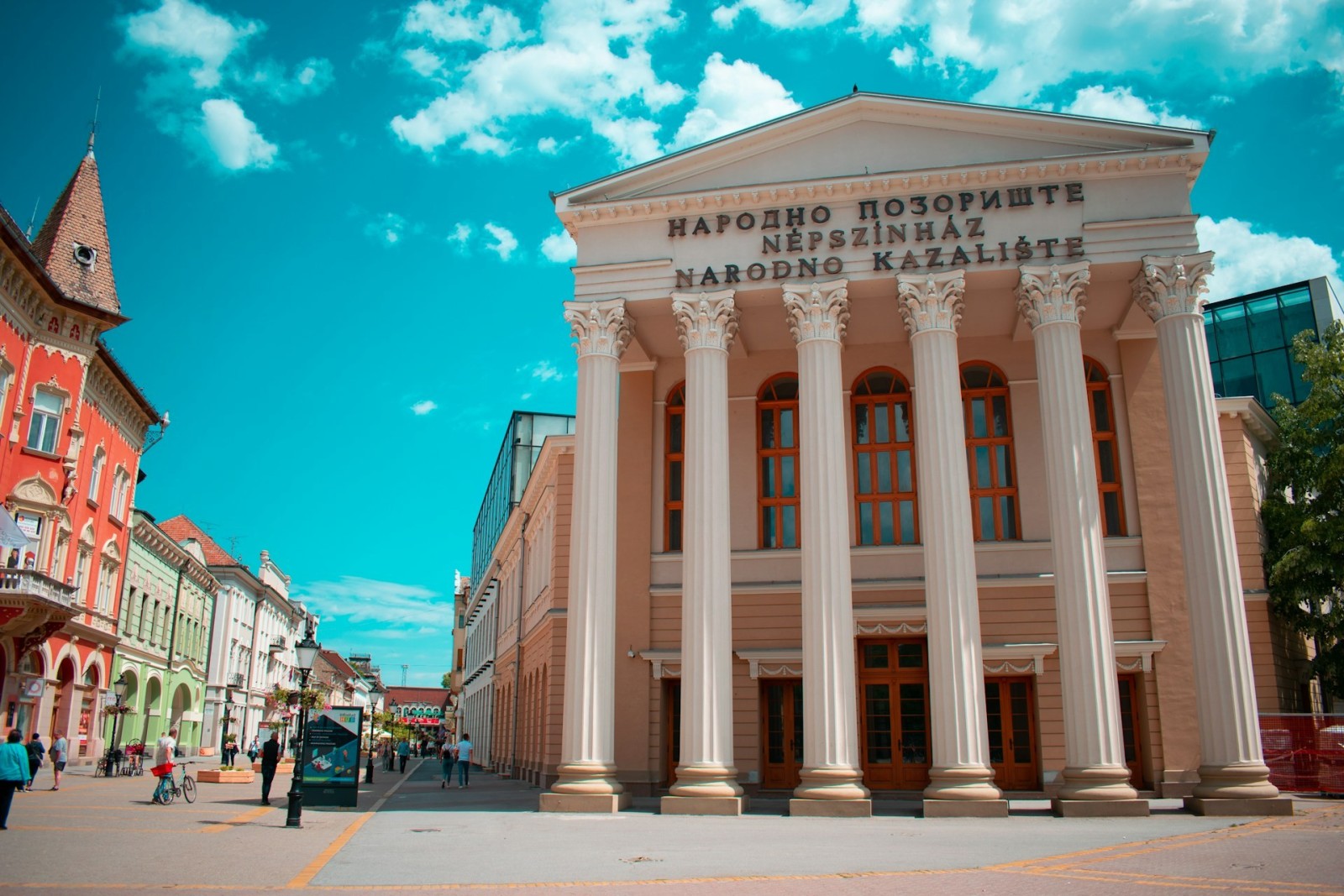
1. Spring activities
1. May Day (Prvomajski uranak) – 1–2 May, Lake Palic. One of the most popular spring events in the region, dedicated to the opening of the tourist season. Concerts, artisan fairs, gastronomic venues, entertainment and festive programs for families with children are organized.
2. The Palic Wine Festival (Palićke vinske svečanosti) is celebrated on May 25. The holiday is dedicated to St. Urban, the patron saint of wine growers and winemakers. Visitors can taste local wines, get acquainted with the winemaking traditions of Vojvodina and purchase regional products.
3. Festival of Youth (Festival mladih) is a spring festival. Youth cultural event with musical performances, creative meetings, art programs and entertainment.
2. Summer festivals and holidays
1. European Film Festival Palić (July) One of the most famous cultural festivals in the region, dedicated to European author cinema. Screenings are held in the open air and on special film platforms. The program includes premieres, meetings with directors and discussions of films.
2. Summer3P Electronic Music Festival (Summer3P Festival) Musical event with performances of Serbian and foreign DJs, electronic music, techno and trance. Complemented with creative and environmental activities.
3. Dužijanca (July-August), the main celebration usually takes place in August. Traditional celebration of the end of the wheat harvest, associated with the culture of the Bunevians. People’s processions, performances of folk groups, thanksgiving ceremonies for the harvest and exhibitions of traditional costumes are held.
4. Interetno Festival (end of August) International festival of folk art, uniting folklore groups from different countries. Dance performances, concerts, craft fairs, tastings of national dishes and a wine street are organized.
5. Day of the city of Subotice (Dan grada Subotice) – 1 September. The city holiday is accompanied by concerts, exhibitions, cultural events, sports competitions and entertainment programs.
3. Autumn activities
1. Harvest Days (Berbanski dani) - the third weekend of September, Lake Palic. The holiday is dedicated to the collection of grapes, fruits and other agricultural products. There are fairs, honey, home preparations, fruits, wines and products of folk craftsmen are sold.
2. International Festival of Children's Theatre (Međunarodni festival pozorišta za decu) - September. International theatrical event with productions for children and adolescents. The program involves theater groups from different countries, puppet performances and creative events.
3. Beekeeping Days (Dani pčelarstva) is the autumn period. Exhibitions of honey, bee products and natural sweets. Visitors can meet local manufacturers and purchase regional products.
4. Autumn Festival of Jewish Culture (Jesenji festival jevrejske kulture) The event is dedicated to the historical heritage of the Jewish community of Subotica. Concerts, exhibitions, lectures and cultural meetings are held.
5. Meet & Eat (MEET & EAT Gastrofestival) - autumn festival. A celebration of regional cuisine with tastings, familiarity with local products, preparation of traditional dishes and participation of producers.
6. The Festival of Memory is an autumn period. A cultural program dedicated to the historical memory, art and preservation of the region’s heritage.
7. Desiré Central Station (Desiré Central Station) International theatrical event with experimental performances, modern scenography, performances and productions of independent theater groups.
4. Winter holidays and activities
1. Winterfest – from early December to mid-January. The main winter fair of Subotica, held in the pedestrian zone of the historical center. Wooden shopping houses sell souvenirs, jewelry, handicrafts, sweets and local products. Festive concerts and entertainment events are held.
2. St. Nicholas Day (Sveti Nikola) - December 19 in the new style. A religious holiday celebrated by Orthodox residents of the city. There are religious services, family meetings and traditional festive events.
3. Catholic Christmas (Božić) – December 25. The holiday is accompanied by church services, decoration of houses, family dinners and Christmas traditions of the Hungarian, Croatian and other Catholic communities.
4. Orthodox Christmas (Pravoslavni Božić) – January 7. It is marked by divine services, family feasts, traditional rites and festive meetings.
5. New Year celebrations (Nova Godina) – December 31 – January 1 In the city center and entertainment venues, concerts, festive programs, parties and New Year's meetings are organized.
5. Sports and traditional activities
1. Subotica Half Marathon (Subotički Polumaraton) – usually in late August or early September. A sports event with the participation of professional athletes and runners. Races are held at various distances through the streets of the city.
2. The Palic wine marathon (Palićki vinski maraton) is an autumn sports and entertainment event combining running, acquaintance with wineries and tasting local drinks.
3. The regatta on Lake Palic (Palićka regata) is usually in the summer-autumn period. Sailing competitions with the participation of local and visiting athletes.
4. Tavankuta Fruit Festival (Festival voća u Tavankutu) - autumn. A harvest festival dedicated to the cultivation of apples and other fruits, the traditions of the Bunevians, local products and folk crafts.
1. spring
Spring begins cool, but in April it becomes warm enough for walks and excursions.
March: during the day +10 ... +13 °C, at night +2 ... +4 °C.
April: day +16 ... +18 °C, night +6 ... +8 °C.
May: day +21 ... +23 °C, night +10 ... +12 °C.
Water temperature in Lake Palic: approximately +8... +19°C.
In May, rain and variable cloudiness are possible. This is a good time to get acquainted with the architecture of Subotica, walk around the center and visit the surrounding area.
2. Summer.
Summers are warm or hot, with lots of sunny days. July and August are the hottest months.
June: day +25...+27 °C, night +14...+17 °C.
July: during the day +28 ... +30 ° C, at night +16 ... +19°C.
August: day +28...+30 °C, night +16... +19°C.
Water temperature in Lake Palic: approximately +22 ... +26 °C.
In June and July, short-term downpours and thunderstorms are possible. In summer, it is convenient to relax on Lake Palic, visit festivals, cafes and open areas. On hot days, it is better to plan excursions for the morning and evening.
3. autumn
Autumn gradually gets cooler, but September usually keeps the weather comfortable. In October and November, the number of cloudy and rainy days increases.
September: during the day +22 ... +25 ° C, at night +11 ... +14 ° C.
October: day +16...+18 °C, night +6...+9 °C.
November: during the day +9 ... +12 ° C, at night +2 ... +5 ° C.
Water temperature in Lake Palic: about +18 ... +23 °C in September, +12 ... +17 °C in October and +7 ... +11 °C in November.
September is especially suitable for excursions, walks on Lake Palic, wine and gastronomic events. In October it is better to have warm clothes and an umbrella.
4. Winter
Winter is cool, sometimes frosty and windy. Snow falls irregularly, stable snow cover is not every winter.
December: during the day +3 ... +6 ° C, at night -1 ... +2 ° C.
January: during the day +2 ... +5 ° C, at night -3 ... 0 ° C.
February: during the day +5 ... +8 ° C, at night -2 ... +1 ° C.
Water temperature in Lake Palic: approximately +1 ... +5 °C.
In cold periods, snowfall, fog and strong wind are possible. In winter, tourists can explore the architecture, visit museums, cafes and Christmas markets.
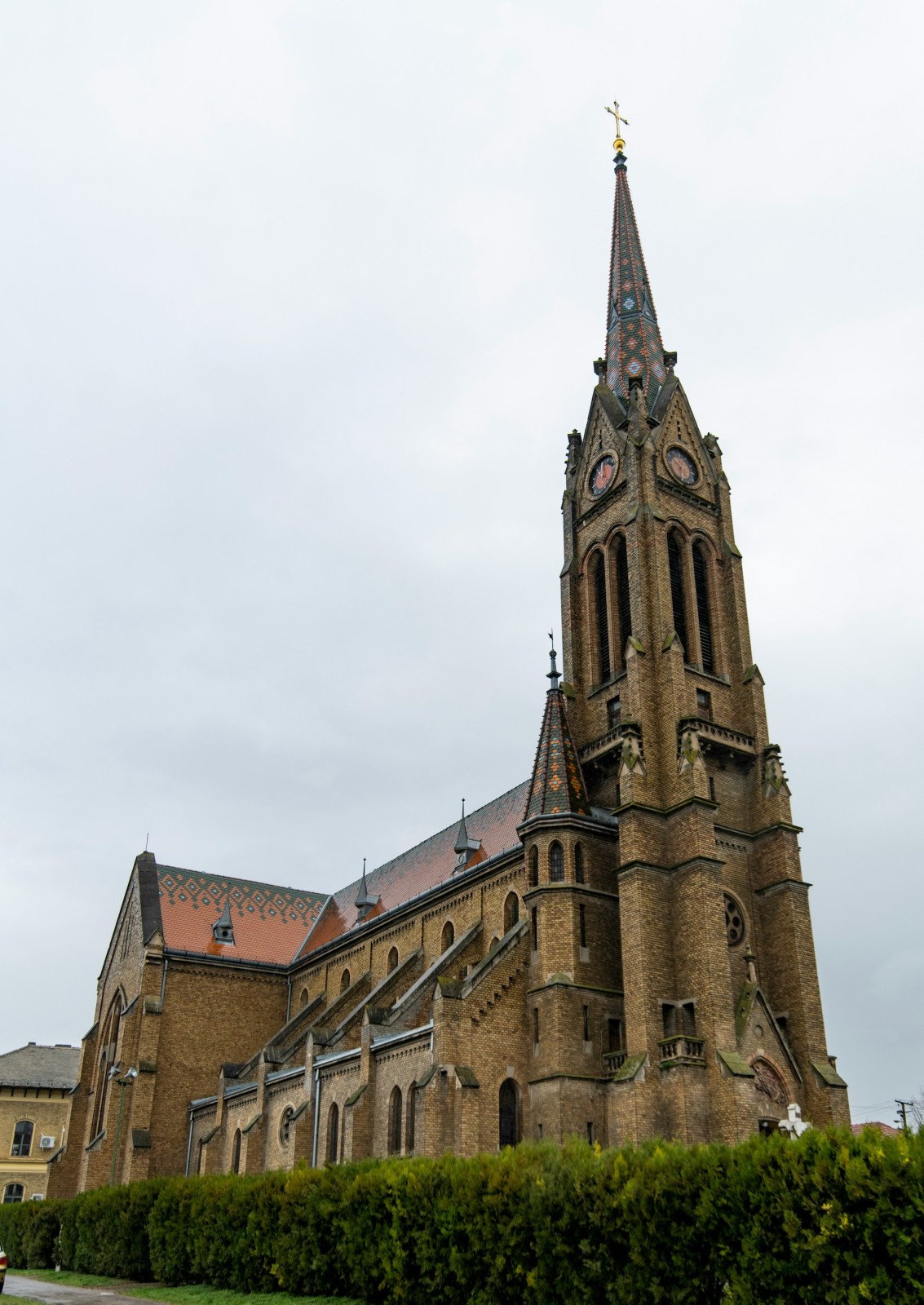
1. Language of communication
The official language of Serbia is Serbian. The Hungarian language is also widely spoken in Subotica, as the city has historically been a multinational centre of Vojvodina. In everyday life, you can also hear Croatian and Bunevsky speech.
Serbian is the main language of communication in shops, institutions, transport and public places.
Hungarian is widely used by locals, especially in family communication and cultural life.
English is common among young people, employees of hotels, restaurants and tourist organizations.
German is sometimes understood by the older generation.
The names of streets, institutions and public facilities can be listed in several languages. Serbian is used in both Cyrillic and Latin.
2. Traditions and features of local culture
1. Multinationalism and respect for cultures. In Subotica live Serbs, Hungarians, Croats, Bunevians and representatives of other peoples. The national and religious characteristics of local residents should be respected.
2. Hospitality. The locals are friendly to the guests. When meeting, it is customary to say hello, maintain a polite conversation and thank for the help.
3. Coffee traditions. Coffee here often becomes a reason for a long conversation. Do not rush the interlocutor: leisurely communication is considered part of the local way of life.
4. Family holidays. Of great importance are family meetings, weddings, christenings and religious celebrations. Serbs celebrate the family patron - Slava.
5. Religious traditions. Orthodox, Catholic and other religious communities coexist in the city. Therefore, both Orthodox and Catholic holidays are celebrated.
6. Folk music and dance. At the festivals you can see Serbian, Hungarian and Bunev national costumes, hear folk songs and get acquainted with traditional dances.
3. Rules of conduct
1. When entering Orthodox and Catholic churches, silence should be observed and religious rites respected. Before taking a photo inside, ask permission.
2. In religious institutions, it is advisable to choose modest clothes that cover the shoulders and knees.
3. When visiting the house of local residents, it is customary to bring a small gift: sweets, flowers or a souvenir from their country.
4. There is no rush at the table. Eating together is often accompanied by long conversations.
5. In public transport, it is customary to give way to the elderly, pregnant women and passengers with children.
6. Tipping is not required in restaurants. With good service, you can round the bill or leave about 10%.
7. Do not litter, make noise in residential areas at night and interfere with the rest of other people.
4. Laws and regulations to be followed by tourists
1. Documents. Foreigners must carry a passport or other document recognized by the Serbian authorities. The rules of registration at the place of stay should be observed.
2. Registration of residence. Upon arrival in Serbia, a tourist must be registered within 24 hours. When staying in a hotel, this is usually done by the administration, and when renting private housing, it is necessary to clarify the registration procedure with the owner.
3. Alcohol. It is forbidden to drive a car while intoxicated. Do not drink alcohol where it is prohibited by local regulations.
4. Prohibited substances. Possession and use of narcotic and other prohibited psychoactive substances is punishable by law.
5. Photography. Do not photograph military installations, protected areas and police facilities without permission.
6. Public order. Hooliganism, damage to property, aggressive behavior and violation of public peace are prohibited.
7. Traffic rules. Traffic in Serbia is on the right. Seat belts are mandatory, using a phone while driving without a hands-free device is prohibited. When renting a car, speed limits and parking rules must be observed.
8. Money and shopping. The official currency is the Serbian dinar. In shops and restaurants, it is desirable to save checks, and exchange currency at official exchange offices.
9. Customs regulations. When transporting large amounts of cash and goods subject to declaration, it is necessary to comply with the requirements of Serbian customs.
1. Greetings and polite expressions
Hello -- Zdravo -- sanity -- Hello.
Dobar Dan - Dobar Dan - Dobar Dan - Good afternoon.
Good morning - Dobro jutro - Good morning.
Good evening, good evening, good evening.
Laku noć - Laku noć - Good night.
Doviдeдa - Doviđenja - Dvijenya - Goodbye.
Praise -- Hvala -- Praise -- Thank you.
Molym - Molim - Molym - Please.
Sorry -- Izvinite -- sorry -- sorry.
Nema na čemu is dumb for what.
Yes - Da - yes - Yes.
No, Ne, no, no.
We pray for you - Molim vas - we pray for you - Please (polite form).
Drago mi je - Drago mi je - Drago mi e - Very nice.
2. Basic words for a tourist
City - Grad - City - City.
Street - Ulica - Street - Street.
Trg - Trg - Trg - Square.
I wanted -- Hotel -- Hotel -- Hotel.
Restaurant - Restoran - Restaurant - Restaurant.
Saleswoman - Prodavnica - seller - Store.
Piazza - Pijaca - Piazza - Market.
Toalet - Toilet - Toilet - Toilet.
Bus station - Autobuska stanica - Bus station.
Zheleznička Stanica – Zheleznička Stanica – Railway Station.
Hospital - Bolnica - Hospital - Hospital.
Apoteka - Apoteka - Pharmacy.
Bank - Banka - Bank - Bank.
Novac - Novac - Novac - Money.
Rachun - Račun - Rachun - Count.
3. Useful questions and expressions
Where's the hail center? - Gde je centar grada? - Where is the city center?
Where's Hradska Kuma? - Gde je Gradska kuća? - Where is the town hall?
How can we reach Aezer Palim? - Kako da stignem do jezera Palić? - How do you get to Lake Palich?
How far is Koliko je daleko? - How far?
Can you help me? - Možete li mi pomoći? - Can you help? - Can you help me?
Do you speak English? — Govorite li engleski? — Do you speak English? - Do you speak English?
We don't. - Ne razumem. I don't understand.
Can you renovate? - Možete li ponoviti? - Can you say it again?
We don't speak much Srpska. - Govorim malo srpski. I speak a little Serbian.
Where can I buy a map? - Gde mogu kupiti kartu? - Where can I buy a ticket?
1. National dishes and products
Perkelt is a meat dish with onions and paprika.
Gulaš is a thick meat stew with vegetables.
Paprikaš is a meat dish with a rich sauce of paprika.
Gomboce - sweet dumplings with plum filling.
Strudel (Štrudla) - pastries with poppy or fruit.
Homemade sausages are meat delicacies with paprika and spices.
Ground paprika is a sweet or spicy seasoning of local production.
2. Drinks.
Local wine - especially interesting wines from Kadarka and Kevedinka varieties.
Plum rakia (Šljivovica) is a traditional Serbian fruit drink.
Apricot rakia (Kajsijevača) is a fragrant strong drink.
Willow rakia (Dunjevača) is a drink with a characteristic fruity aroma.
3. Useful and natural products
Natural honey is floral and meadow from local apiaries.
Homemade jam - from plums, apricots and cherries.
Dried fruits are apples, plums and apricots.
Herbal collections are local dried herbs for making tea.
Paprika is a natural seasoning for homemade dishes.
Subotica is considered a fairly calm tourist city. Here you can walk independently in the historical center, visit cafes, markets and attractions. However, you should observe the usual precautions: keep an eye on personal belongings, do not leave documents and money unattended, use an official taxi and avoid conflict situations.
1. Travel documents
The passport must be valid during the trip. Check the requirements for its expiration date.
Visa – citizens of countries with a visa-free regime do not need a visa for short-term tourist stay. Others need to check visa conditions in advance.
Confirmation of residence – it is desirable to have a hotel reservation or the address of the place of accommodation.
Return tickets - it is recommended to have a confirmation of return departure.
Medical insurance – it is desirable to issue for the entire period of travel.
Copies of documents – keep electronic copies of passport, insurance and tickets separate from the originals.
Foreign tourists must be registered at the place of stay within 24 hours of arrival. When staying in a hotel, registration is usually made by the administration.
2. Health insurance and health
It is recommended to obtain tourist medical insurance, which covers:
emergency medical care;
hospitalization and treatment;
call an ambulance;
medical transportation;
Accident assistance.
In Subotica there are pharmacies, medical institutions and private clinics. It is advisable to have the necessary personal medications and prescriptions for drugs that you take regularly.
If you doubt the quality of drinking water, you can buy bottled water.
3. Emergency services phones
The following emergency numbers are available in Serbia:
112 is a single emergency number.
192 police.
194 - Emergency medical care.
193 Fire Department.
1987 – Roadside Assistance (AMSS)
If you lose your passport or steal money, you must contact the police and obtain confirmation of the incident for the insurance company.
4. Mobile operators and communications
There are three main mobile operators in Serbia:
Telekom Srbija (mts) is a large operator with a wide coverage of mobile communications.
Yettel Serbia – provides mobile internet, calls and tourist rates.
A1 Serbia offers prepaid SIM cards and mobile internet.
Tourists can purchase a local SIM card or use international roaming. Before traveling, it is advisable to check the cost of the Internet and calls from your operator. Serbia is not part of the EU, so European roaming at no extra charge may not work.
5. General safety rules
Keep an eye on bags, phones and wallets in crowded places, markets and train stations.
Do not display large amounts of cash.
Use official taxis and specify the cost of the trip in advance.
Do not leave valuables in the car.
Avoid mass political demonstrations and conflict gatherings.
Follow the rules of the road and cross the streets at pedestrian crossings.
When visiting Lake Palic, observe the rules of swimming and do not leave things unattended.
6. How many tourists can stay in Serbia without leaving?
For citizens of countries that have a visa-free regime with Serbia, the standard allowed stay is:
Up to 90 days in any period of 180 days - for short-term tourist stay.
Citizens of countries requiring a visa must obtain an appropriate permit.
Longer stays require a suitable basis for temporary stay or a long-term visa.
The days of entry and exit are also counted within the permitted period. Serbia is not part of the Schengen area, so its 90-day period is calculated separately from the Schengen one.
Specific visa conditions depend on the nationality of the tourist.
Create a query and local guides will offer you the best options

Install the app «PersonalGuide»
www.personalguide.ru
