Independent tourism and recreation in Maidstone Historical information about the city of Maidstone Maidstone i...
Maidstone is the administrative center of Kent County in the southeast of England. The city is located on the banks of the Medway River, about 50 kilometers from London. Due to its favorable geographical location, Maidstone has been an important commercial, administrative and industrial center of the region for many centuries. Today it is known for its medieval monuments, beautiful parks, museums and rich historical heritage.
Ancient history
The first settlements on the territory of modern Maidstone appeared in prehistoric times. Archaeologists have discovered stone tools, mounds and objects of the Bronze Age, which indicates the existence of people more than four thousand years ago.
During the Roman rule (I-V centuries AD), roads connecting London with the southeast of Britain passed through this territory. On the banks of the Medway River there were small settlements and farms that provided food for the Roman garrisons.
Medieval period
After the departure of the Romans, the lands of Kent were settled by the Anglo-Saxons. The name of the city comes from the Old English word "Mægdan Stane", which translates as "stone of girls" or "maiden stone". Over time, the name was transformed into the modern Maidstone.
The first written mention of the city dates back to 975, when the settlement was already an important trading point.
After the Norman conquest of England in 1066, Maidstone began to develop rapidly. Due to its location on the Medway River, it has become a center for trade in grain, wool, wood and building materials.
In the XIII-XIV centuries the city received market privileges. Fairs were regularly held here, where merchants from all over Kent came.
Development in the XV-XVII centuries
In the late Middle Ages, Maidstone became one of the richest cities in Kent.
There's been a lot of development here:
fabric production;
leathercraft;
flour milling;
river trade.
In the sixteenth century, during the English Reformation, many church lands were transferred to the state, which contributed to the further development of the urban economy.
The Medway River played an important role in the life of the city. It brought building stone, wood, agricultural products and goods to London.
XVIII-XIX centuries - industrial growth
During the Industrial Revolution, Maidstone grew significantly.
The main industries were:
paper production;
brewing;
limestone mining;
construction;
engineering.
The city is especially famous for its paper factories. Paper produced in Maidstone was shipped throughout the UK.
In the XIX century, a railway passed through the city, which significantly accelerated communication with London and other regions of the country. This led to rapid population growth and trade.
During this period, new schools, hospitals, railway stations, public buildings and residential areas were built.
XX century
During the First World War, many residents of the city were mobilized into the British army, and local enterprises produced products for military needs.
During World War II, Maidstone was repeatedly attacked by German aircraft as he was on his way to London. Some areas of the city were severely damaged, but most of the historic buildings were preserved.
After the end of the war, the active restoration of the city began. Modern residential areas, roads, schools and shopping centers were built. Maidstone was finally established as the administrative center of Kent County.
Modern Maidstone.
Today, more than 180,000 people live in the city (along with the suburbs). It is one of the largest administrative, commercial and cultural centers of southeastern England.
Maidstone combines historic architecture and modern infrastructure. It is home to Kent state institutions, museums, theaters, university campuses, shopping malls and numerous parks.
The city is also considered a convenient starting point for travel around Kent due to its proximity to London, the English Channel coast and famous historic castles.
1. Rich history and architecture
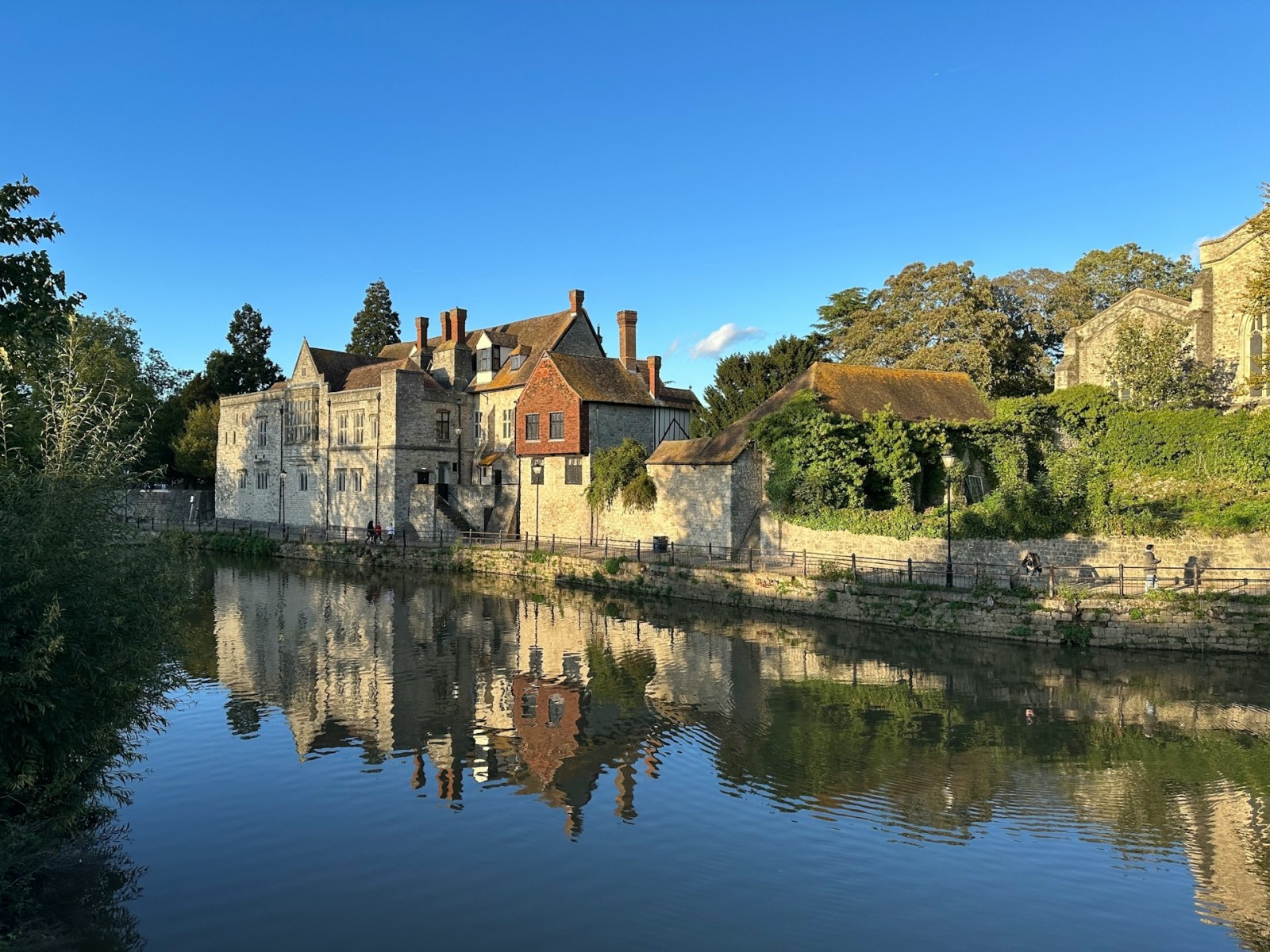
The city has many historical buildings of different eras. Tourists can visit ancient churches, the Archbishop’s Palace, museums and stroll through the historic center, which has preserved the atmosphere of medieval England.
2. Leeds Castle (Leeds Castle)
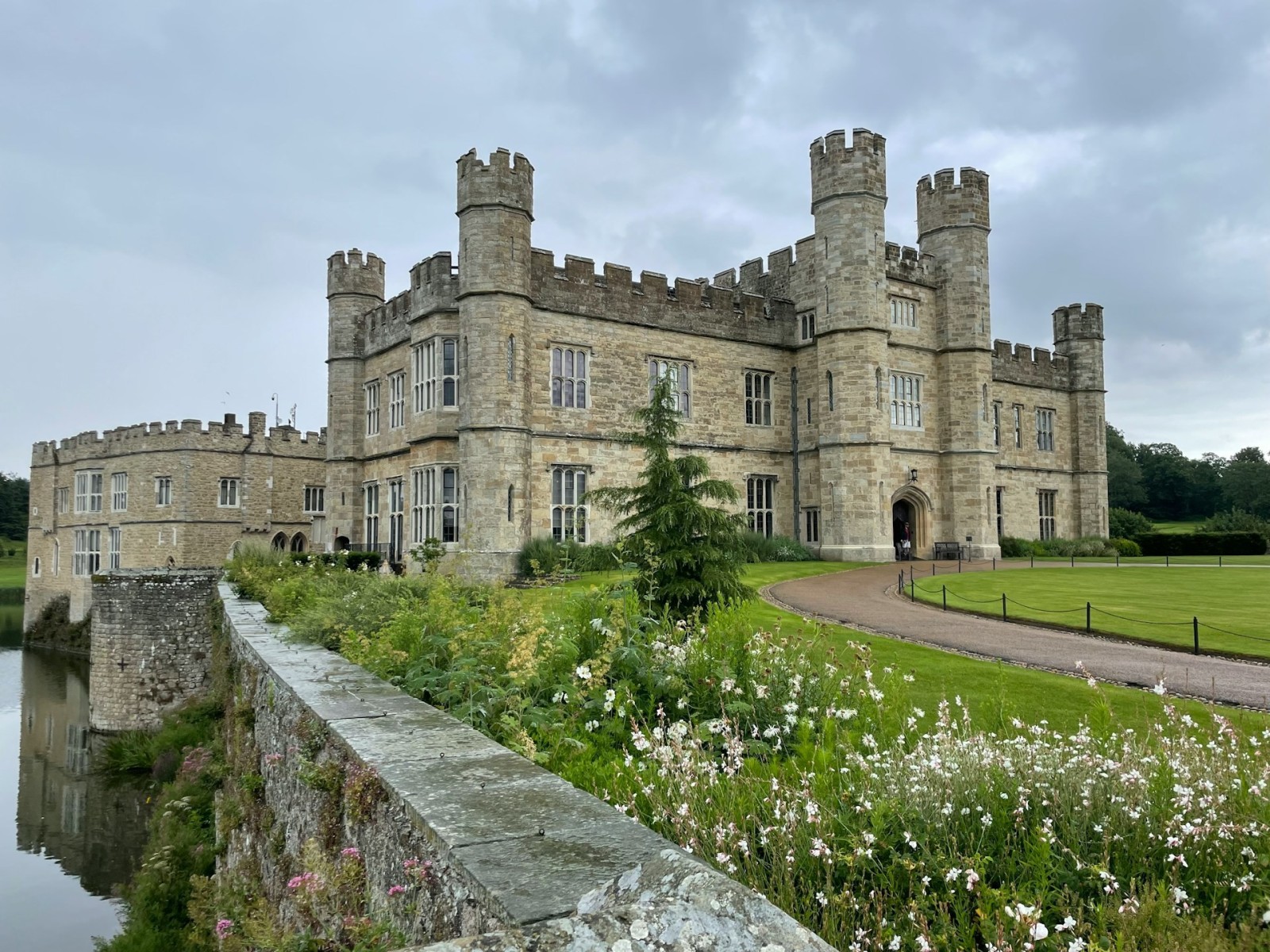
Just a few kilometers from Maidstone is one of the most famous castles in the UK - Leeds Castle. It is called “the most beautiful castle in the world”. Here you can see luxurious interiors, picturesque gardens, a lake, a labyrinth and a park with birds.
3. Parks and nature
Maidstone is surrounded by green areas and gardens. The city has beautiful parks, the embankment of the Medway River and walking routes. This is a great place for hiking, picnics, cycling and relaxing in the fresh air.
4. Museums and culture
History lovers will be interested in visiting the Maidstone Museum, which presents collections of archaeology, art, natural history and household items of different eras. The city also has art galleries and cultural centers.
5. Shopping and gastronomy
In the city center there are modern shopping complexes, small boutiques, traditional English pubs, restaurants and cozy cafes. Here you can try British cuisine, local cheeses, pastries and traditional English tea.
6. Proximity to London
One of the main advantages of Maidstone is convenient transport links with the capital of Great Britain. London can be reached by train in about one hour, so many tourists combine a visit to two cities in one trip.
1. Budgetary options
This is a good choice for tourists who want to save money and spend most of their time on excursions.
Examples:
Travelodge Maidstone Central is a low-cost chain hotel in the city center, close to the station and shops.
Days Inn by Wyndham Maidstone is a budget hotel next to the M20 motorway, convenient for travelers by car.
Premier Inn Maidstone (Allington) is a popular budget hotel with modern rooms and good service.
2. Mid-range hotels (3–4★)
The most popular option among tourists. Such hotels offer comfortable rooms, restaurants, parking and convenient location.
Examples:
ORIDA Hotels Maidstone is a modern hotel with a spa, swimming pool and fitness room.
Mercure Maidstone Great Danes Hotel is a cozy 4-star hotel next to Leeds Castle, surrounded by green grounds.
Village Hotel Maidstone is a popular hotel with a swimming pool, restaurant and gym.
3. Comfort hotels
Such hotels are suitable for tourists who prefer a high level of service and relaxing rest.
Examples:
Delta Hotels Tudor Park Country Club is a four-star hotel with a golf course, spa complex and restaurant.
Stone Court House Hotel & Weddings is a small boutique hotel in a historic building with elegant rooms.
The Black Horse Inn is a traditional English hotel with a restaurant and a cozy atmosphere.
4. Apartments and guesthouses
For a long stay, many tourists choose apartments or guest houses.
Advantages:
own kitchen;
More space;
the ability to cook independently;
the cost of long-term living.
This option is especially convenient for families with children and travelers who plan to spend a few weeks in the city.
1. Maidstone Museum (Maidstone Museum)
One of the best regional museums in the UK, founded in the XIX century. His collection includes archaeological finds, works of art, exhibits on natural history, objects of ancient Egypt and Japanese culture. The museum is housed in a beautiful historic mansion and regularly hosts temporary exhibitions.
How to get there:
10 minutes walk from the railway station;
There are city bus stops nearby;
There are parking lots near the museum.
2. Archbishop's Palace (Archbishop's Palace)
The historical residence of the Archbishops of Canterbury, built in the XIII-XIV centuries. The complex is located on the banks of the Medway River and is considered one of the main architectural monuments of the city. Today, cultural events, exhibitions and social events are held here.
How to get there:
about 10 minutes walk from the city center;
easy to reach by bus;
There are parking lots nearby.
3. All Saints Church (All Saints Church)
One of the largest parish churches of Kent County, built in the XIV century in the style of English Gothic. The temple is known for beautiful stained glass windows, ancient wooden interior elements and a high tower.
How to get there:
is located near the Archbishop's Palace;
A few minutes walk from the main streets of the city.
4. Mote Park (Mote Park)
The largest city park with an area of more than 180 hectares. There is a lake with boat rental, walking paths, sports grounds, play areas for children, cafes and places for picnics. This is one of the most popular places of rest for residents and tourists.
How to get there:
about 20 minutes walk from the center;
5-10 minutes by bus;
convenient access by car and large parking.
5. Leeds Castle (Leeds Castle)
One of the most famous sights of England, located about 8 km from Maidstone. The castle is surrounded by a lake and picturesque gardens. On the territory there are historical interiors, a labyrinth, a park, a falcon center and exhibitions.
How to get there:
about 15 minutes by car;
buses run regularly;
You can take the train to the nearest station with the subsequent transfer by bus or taxi.
6. Open Air Museum "Kent Life" (Kent Life)
The museum is dedicated to rural life in Kent. Here you can see historic farmhouses, craft workshops, pets and traditional agricultural machinery. Especially popular among families with children.
How to get there:
about 10 minutes by car;
by bus - 15-20 minutes;
There's a parking lot nearby.
7. River Medway (River Medway)
The main river of the city, along which there are picturesque walking routes. On the embankment there are cafes, recreation areas and berths for pleasure boats.
How to get there:
The embankment is located in the center of the city;
It is easy to walk from almost any central hotel.
8. Fremlin Walk Shopping Street (Fremlin Walk)
Modern pedestrian shopping street with shops of famous brands, restaurants, cafes and recreation areas. It is the main center of shopping and urban life.
How to get there:
It is located in the heart of the city;
5-10 minutes walk from the railway station;
There are bus stops nearby.
1. Spring Festivals and Events (March – May)
In the spring, the tourist season opens in Maidstone. Thematic exhibitions are held in museums, family holidays and artisan fairs are organized in parks. This time also marks the start of a season of events at Leeds Castle, including historic renovations, flower festivals and cultural programmes.
2. Maidstone River Festival (July)
One of the most famous events of the city. The festival takes place on the banks of the Medway River and includes open-air concerts, performances by musical groups, theater performances, street artists, water sports competitions, fairs, family entertainment and evening fireworks. Admission to most events is free.
3. Maid of Stone Rock Festival - July
The largest music festival in Maidstone, held in Mote Park. For three days there are famous British and foreign rock bands, as well as young performers. The festival annually attracts thousands of fans of classical and modern rock.
4. Kent County Agricultural Show - July
One of the largest events in Kent County. Guests can see exhibitions of agricultural machinery, pets, equestrian competitions, tastings of local products, craft fairs and farmers' markets. The holiday is especially popular among families with children.
5. Summer concerts and festivals at Leeds Castle - June-August
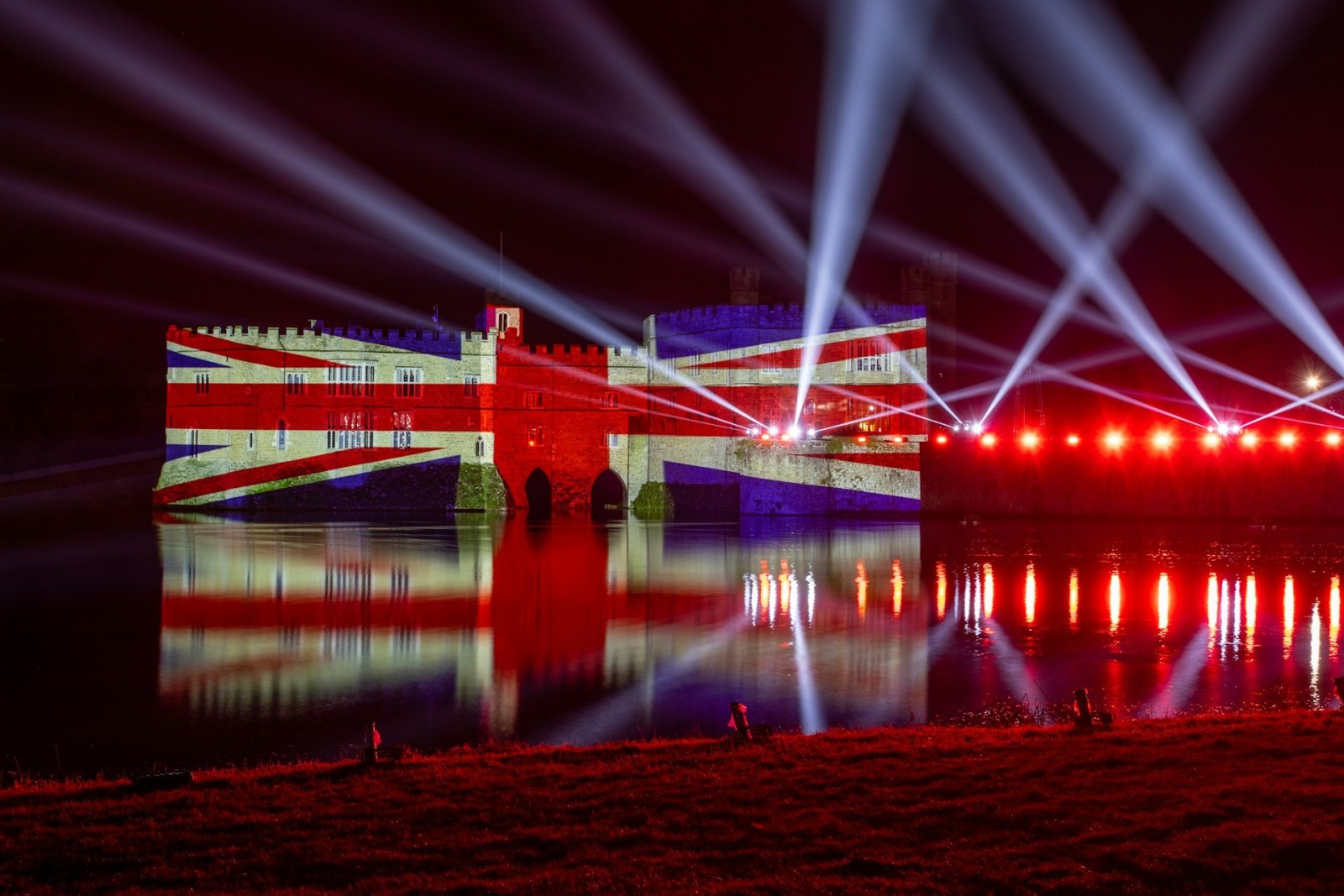
On the territory of the famous Leeds Castle there are open-air classical music concerts, knight tournaments, flower festival, automobile exhibitions, theater productions and family holidays. These events are considered one of the most popular in Kent.
6. Beer, Cider & Music Festival (June)
An annual festival dedicated to traditional English beer and cider. Guests are waiting for tasting drinks, performances of musical groups, dances, local cuisine and an entertainment program.
7. Maidstone Music Festival (November-December)
An annual festival uniting performers of different ages and musical trends. The program includes performances of pianists, vocalists, orchestras, choirs and chamber ensembles. The festival ends with a gala concert.
8. Christmas markets and celebrations - December
In December, the center of Maidstone is decorated with festive illuminations. Christmas markets open, trade pavilions with souvenirs, sweets and hot drinks, concerts, theater performances and festive programs for children are held. Also at this time, Christmas events are held at Leeds Castle.
Spring (March-May)
Spring in Maidstone comes quite early. Already in March, gardens and parks begin to bloom, and by May warm and comfortable weather is established.
Air temperature: from +8 ... +12 ° C in March to +17 ... +21 ° C in May.
Water temperature (Medway River and nearby coast): from +8 ... +10 °C in March to +12 ... +15 °C in May.
Spring is great for walking around the historic center, visiting Leeds Castle, parks and nature reserves.
Summer (June-August)
Summer is warm and pleasant, without severe heat. This is the most popular tourist season, when major festivals, concerts and city holidays take place.
Air temperature: usually + 21 ... + 26 ° C, on hot days can reach + 28 ... + 31 ° C.
Water temperature (Lancha coast): +17... +20°C.
Summer is ideal for excursions, walks in parks, relaxing in nature, trips to the sea coast and visiting festivals.
Autumn (September-November)
Autumn in Maidstone is mild and long. In September, summer heat is still maintained, and by November it becomes cooler and the number of rainy days increases.
Air temperature: from +18...+21 °C in September to +8...+11 °C in November.
Water temperature: from +17 °C in September to +10 ... +12 °C in November.
In autumn, the city parks and surroundings are especially beautiful. This is a good time for excursions, visiting museums and gastronomic events.
Winter (December – February)
Winter in Maidstone is mild and humid. Severe frosts and heavy snowfalls are rare, rains and cloudy weather are more common.
Air temperature: usually +3 ... +8 ° C, at night sometimes drops to -2 ° C.
Water temperature: about +7 ... +9 °C.
In winter, the city has Christmas markets, festive concerts, and the historical center is decorated with festive illuminations.

Language of communication
The official language is English (English).
In English, communication is conducted in government institutions, hotels, restaurants, shops, museums and public transport.
In tourist locations, staff speak clearly and are willing to help foreign travelers. Russian is rare, so it is advisable to know a few simple English phrases or use a mobile translator.
Traditions and norms of behaviour
Politeness
British people are considered very polite. During communication, it is customary to use the words:
Please, please.
Thank you -- thank you.
Excuse me. Excuse me.
Sorry, sorry.
Even in minor situations, English people often say "Sorry", which is a common part of everyday communication.
Lines.
The queue is one of the most famous British traditions. In shops, banks, buses and train stations, it is customary to calmly wait for your turn. Trying to pass without a queue is considered an impolite act.
Personal space
The people of Maidstone respect their personal space. During a conversation, it is not customary to stand too close to the interlocutor or talk loudly in public places.
Punctuality
In the UK, accuracy is appreciated. If you have a reservation for a table, excursion or meeting, it is recommended to arrive on time or a few minutes before the scheduled time.
Tipping
In many restaurants, service charges are already included in the bill. If it is not, it is customary to leave a tip in the amount of 10-15% of the order amount. In taxis and cafes, you can just round the amount up.
Visiting pubs
Pubs are an important part of British culture. Friends, families and colleagues meet here. When ordering drinks, you must be calm and respectful of others. People under 18 years of age are prohibited from buying alcohol.
Basic laws and regulations
Smoking
Smoking is prohibited:
in closed public places;
in restaurants and cafes;
in public transport;
railway stations (except specially designated areas).
Alcohol
Alcohol consumption is allowed only to persons over 18 years of age. In many shops and pubs, when buying, you may be asked to present a document certifying the age.
Traffic rules
There is left-hand traffic in the UK. When crossing the road, first look to the right, then to the left. Many pedestrian crossings have "Look Right" and "Look Left" inscriptions to help tourists navigate properly.
Public transport
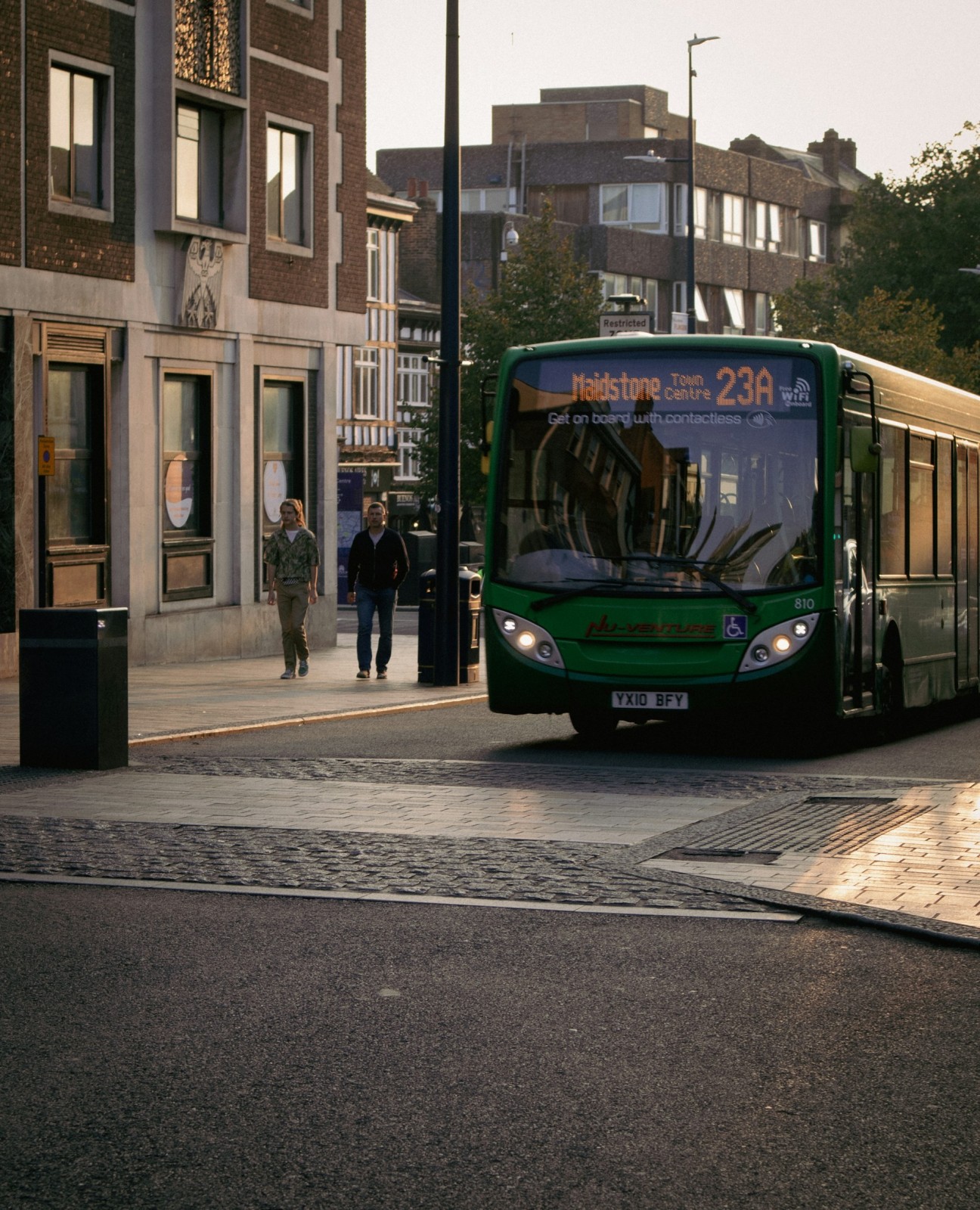
A ticket must be purchased before the trip. Controllers regularly check the availability of tickets, and there are penalties for ticketless travel.
Cleanliness
In the city a lot of attention is paid to cleanliness. Garbage should be thrown only in special bins. Fines may be imposed for pollution of streets and parks.
1. Greetings and polite expressions
Hello, hello, hello.
Good morning (good morning)
Good afternoon (good afternoon)
Good evening (good evening)
Goodbye (goodbye)
See you later, see you later.
Please, please.
Thank you. Thank you.
Thank you very much, thank you very much.
You're welcome (in response to thanks)
Excuse me, excuse me.
Sorry, I'm sorry.
No problem - no problem
2. Communication and assistance
Do you speak English? - Do you speak English?
I don't understand. (Downt Understand.) - I don't understand.
Could you help me, please? - Could you help me?
Where is...? (from...?) - Where is...?
How much does it cost? - How much does it cost? - How much does it cost?
Can you show me on the map? - Can you show it on the map?
3. At the hotel.
I have a reservation. (Hey, hey, hey, hey.) - I have a reservation.
I'd like to book a room. (I like that beech e rum.) - I'd like to book a room.
How much is the room per night? - How much does a room cost per night?
Is breakfast included? - Breakfast included?
What time is check-out? (sic) - What time is it?
Where is the lift? (from the elevator) - Where's the elevator?
4. Restaurant and café
I'd like to order. I'd like to make an order.
May I see the menu, please? - Can I have the menu, please?
What do you recommend? - What do you recommend? - What do you recommend?
I'll have this. (Ile Heavy Zis.) - I'll take this.
A bottle of water, please. A bottle of water, please.
A cup of tea, please. (laughs, please.) - A cup of tea, please.
The bill, please. (Ze beat, please.) - Check, please.
Can I pay by card? (Can I pay by card?) - Can I pay with a card?
5. Transport and road
Where is the train station? - Where's the train station?
Where is the bus stop? (stop?) - Where's the bus stop?
One ticket, please. (laughs) - One ticket, please.
When is the next train to London? - When's the next train to London?
Which platform? What platform does the train leave from?
How do I get to Leeds Castle? - How do you get to Leeds Castle?
6. Shopping.
I'd like to buy this. I'd like to buy this one.
Do you have another size? - Do you have another size?
It's too expensive. (eats that spansive) - It's too expensive.
Is there a discount? - Any discount?
Can I Pay in Cash? (Can I Pay in Cash?) - Can I pay in cash?
7. Emergency situations
Help! (help!) - Help!
Call the police! - Call the police!
I need a doctor. (Yeah, nide docte) - I need a doctor.
Where is the hospital? - Where's the hospital?
I've lost my passport. (Ive Lost May Passport) - I lost my passport.
Unique local food
1. Kent apples (Kent Apples)
Kent County has been famous for its apple orchards for centuries. In shops and farmers' markets, you can buy fresh apples of various varieties, apple jams, jelly and fruit desserts.
What to bring:
apple jam;
apple jelly;
dried apples;
fruit confitures.
2. Kent cider (Kent Cider)
Kent is considered one of the main regions of cider production in the UK. Local manufacturers produce both classic apple and pear cider.
What to bring:
traditional English cider;
nonalcoholic apple cider;
Mini bottles from local manufacturers.
3. Kent cheese (Kent Cheese)
Local cheese factories produce different varieties of cheese from cow and sheep’s milk.
Popular:
soft cream cheeses;
aged farm cheeses;
Smoked varieties.
4. English tea
Maidstone stores offer a large selection of traditional British tea.
Popular options:
English Breakfast Tea;
Earl Grey;
Afternoon Tea;
Gift tea sets.
5. Traditional English baking
In bakeries you can buy:
Shortbread sand cookies;
fruitcakes;
English pies;
Christmas puddings (in the winter season).
Useful and medicinal products
1. Natural Kent County Honey
Local apiaries produce high-quality honey from meadow and garden plants.
Popular:
flower honey;
lavender honey;
Honey from Kent's garden flowers.
2. Natural cosmetics
In stores you can find British cosmetics based on:
lavenders;
daisies
rose oil;
oats;
Honey.
Such products are often sold in gift sets.
3. Herbal teas
In English pharmacies and health food stores are popular:
chamomile tea;
mint tea;
Ginger tea;
Soothing herbal charges.
4. Vitamins and health products
In the UK, high-quality vitamin complexes, fish oil, magnesium preparations and herbal supplements are popular. They can be purchased in pharmacies and specialized stores.
Souvenirs from Maidstone
1. Souvenirs with the symbols of Kent County
Very popular:
cups;
magnets;
postcards;
keychains;
decorative plates.
They often depict Leeds Castle, Kent's rural landscapes and Maidston's historic buildings.
2. Souvenirs from Leeds Castle
Leeds Castle is considered the main attraction of the region.
In the souvenir shops of the castle are sold:
miniature models of the castle;
history books;
jewelry;
office supplies;
handmade decorative products.
3. English porcelain
In specialized stores you can buy:
tea pairs;
sets;
decorative plates;
porcelain figures.
4. Handicrafts
Fairs and markets often sell:
wood products;
pottery
textiles;
candles;
jewelry of local craftsmen.
5. Products with British symbols
Tourists often buy:
models of red double-decker buses;
figurines of London telephone boxes;
Souvenirs with the British flag;
Gifts related to the Royal Family.
Documents required
To travel to the UK, tourists are advised to carry:
passport, the validity of which covers the entire period of stay;
a valid British visa (if required for nationals of your country);
health insurance;
confirmation of booking of a hotel or other place of residence;
return ticket or ticket to a third country;
proof of sufficient funds for the duration of the trip (if necessary).
Health insurance
Medical insurance is not always a prerequisite for entry, but it is highly recommended. The policy should preferably cover:
emergency medical care;
hospitalization;
accidents;
transportation to the home country if necessary;
cancellation or delay of the flight;
Loss of luggage.
Having insurance will avoid significant costs in case of illness or accident.
Emergency services
The UK has a single emergency number:
999 – police, ambulance, fire service;
112 is an international emergency number, also available throughout the UK.
111 – NHS medical advice on non-emergency matters
101 – Police for matters not requiring urgent response.
Mobile operators
Major UK mobile operators:
EE;
O2;
Vodafone UK;
Three UK.
Virtual Operators (MVNOs) are also widely used:
giffgaff;
VOXI;
Tesco Mobile;
Lebara?
Lyca Mobile.
At airports, communication salons and supermarkets, you can purchase tourist SIM cards or use eSIM.
Bank cards and payment
Bank cards and contactless payment are accepted almost everywhere. A small amount of cash is recommended to have for payment in markets, small shops or rural areas.
Personal security
During rest it is recommended:
Keep your passport and large amounts of money in the hotel safe;
Do not leave things unattended;
Comply with traffic rules (left-hand traffic in the UK);
use official taxis or applications to book trips;
respect public order and local laws.
Accommodation of tourists without leaving the country
For most foreign tourists, the standard permitted stay in the UK is up to 6 months (180 days) on a visitor visa or under the permitted entry regime for the relevant category of travellers. The length of stay depends on the nationality of the tourist and the conditions of the issued visa or entry permit.
Create a query and local guides will offer you the best options


