Independent tourism and recreation in the city of Akita Historical information about the city of Akita Akita i...
Tokyo through the eyes of a local. Meeting with a guide at the Hotel. Asakusa's journey into the past An ancient area with a sp …
Akita is the administrative center of the prefecture of the same name in the northwest of the island of Honshu. It is one of the oldest cities in the Tohoku region, with a history of almost 1,300 years. For centuries, Akita was an important military outpost, a samurai city, a trading port, and a center for the extraction of natural resources. Today it is known for its historical monuments, cultural traditions, festivals and natural beauties.
Ancient history
The territory of modern Akita was inhabited in the Japanese Paleolithic era. Archaeologists have discovered sites of ancient people belonging to the periods of Jomon (about 14 000-300 BC) and Yayoi (300 BC - III century AD). People were engaged in hunting, fishing and gathering, and later began to grow rice and develop crafts.
At that time, the north of Japan was inhabited by the Emishi tribes, who had long resisted the rule of the imperial court.
Foundation of Akita Fortress
In 733, the Akita Castle was built by order of the imperial government. It served as a military and administrative center to strengthen Japan's power in the north of the country and protect against rebellions of the Emishi tribes. Around the fortress gradually began to appear residential settlements, craft workshops and retail outlets.
The fortress became one of the most important outposts of the state in the Tohoku region and played a key role in the development of the northern territories of Japan.
Medieval period
After the weakening of the central authority, the importance of the fortress decreased, and the region came under the control of various samurai families. During the Sengoku period (XV-XVI centuries), known as the era of internecine wars, these lands were constantly fought between influential feudal lords.
Despite military conflicts, agriculture, fishing and maritime trade developed across the Sea of Japan.
The Edo Period – The Birth of a Modern City
The turning point in Akita’s history was in 1604, when the influential Satake samurai family led by Satake Yoshinobu was relocated to the region after the Battle of Sekigahara. He began the construction of Kubota Castle, around which the new city grew rapidly.
Akita became the capital of the Principality of Kubot and was carefully planned:
Samurai quarters were located around the castle.
artisans and merchants lived separately;
Buddhist temples and Shinto shrines were built;
There were markets and shopping streets.
The city quickly became the administrative and economic center of northwestern Japan.
Trade development
Due to access to the Sea of Japan, Akita actively traded with other regions of the country. Through the local port transported:
rice
wood;
seafood;
craftsmanship.
Forestry was of particular importance – the region’s dense forests provided wood for much of northern Japan.
The Meiji Era
After the Meiji Restoration, principalities were abolished. In 1871, the city of Kubota was renamed Akita and became the administrative center of the new prefecture of Akita. In 1889, Akita officially received the status of a city.
During this period, active modernization began:
Schools and hospitals were built;
A railway and a modern port were built.
electricity, water supply and telephone communication were provided;
Banks, industrial enterprises and state institutions were opened.
Fires and recovery
The history of Akita was accompanied by major fires. One of the most devastating occurred in 1886, when a fire destroyed several thousand buildings. After that, the city was almost rebuilt with wider streets and modern public buildings.
Industrial development of the twentieth century
In the early XX century, Akita became one of the centers of oil production in Japan. The Kurokawa and Yabase oil fields were discovered in the vicinity, thanks to which industry and transport developed rapidly. Also of great importance were woodworking, fishing and port trade.
World War II
During World War II, the city was of strategic importance due to its refineries and the port of Tsutiyazaki.
On the night of August 14, 1945, Akita was subjected to one of the last air strikes on the territory of Japan. The main purpose of American aviation was the oil refinery and port facilities. Many buildings were destroyed, more than 250 people died. After the war, the city had to be rebuilt almost anew.
Post-war development
After the war, Akita quickly recovered. Modern residential areas, universities, museums, new enterprises and transport infrastructure appeared in the city. The port, machine building, food industry and woodworking continued to develop.
In 1997, Akita was granted the status of "Core City", which gave it broader powers in the field of local government. In the same year, the high-speed train Akita Shinkansen began operating, significantly reducing the time to travel to Tokyo.
Akita today
Today, Akita is the largest city of the prefecture of the same name and an important cultural, educational and economic center of the Tohoku region. The city is known for its traditional festivals, primarily the Kanto Festival, the historical park on the site of Kubota Castle, museums, hot springs and rich gastronomy. It remains an important transportation hub on the coast of the Sea of Japan and a popular destination for tourists looking to experience the culture of northern Japan.
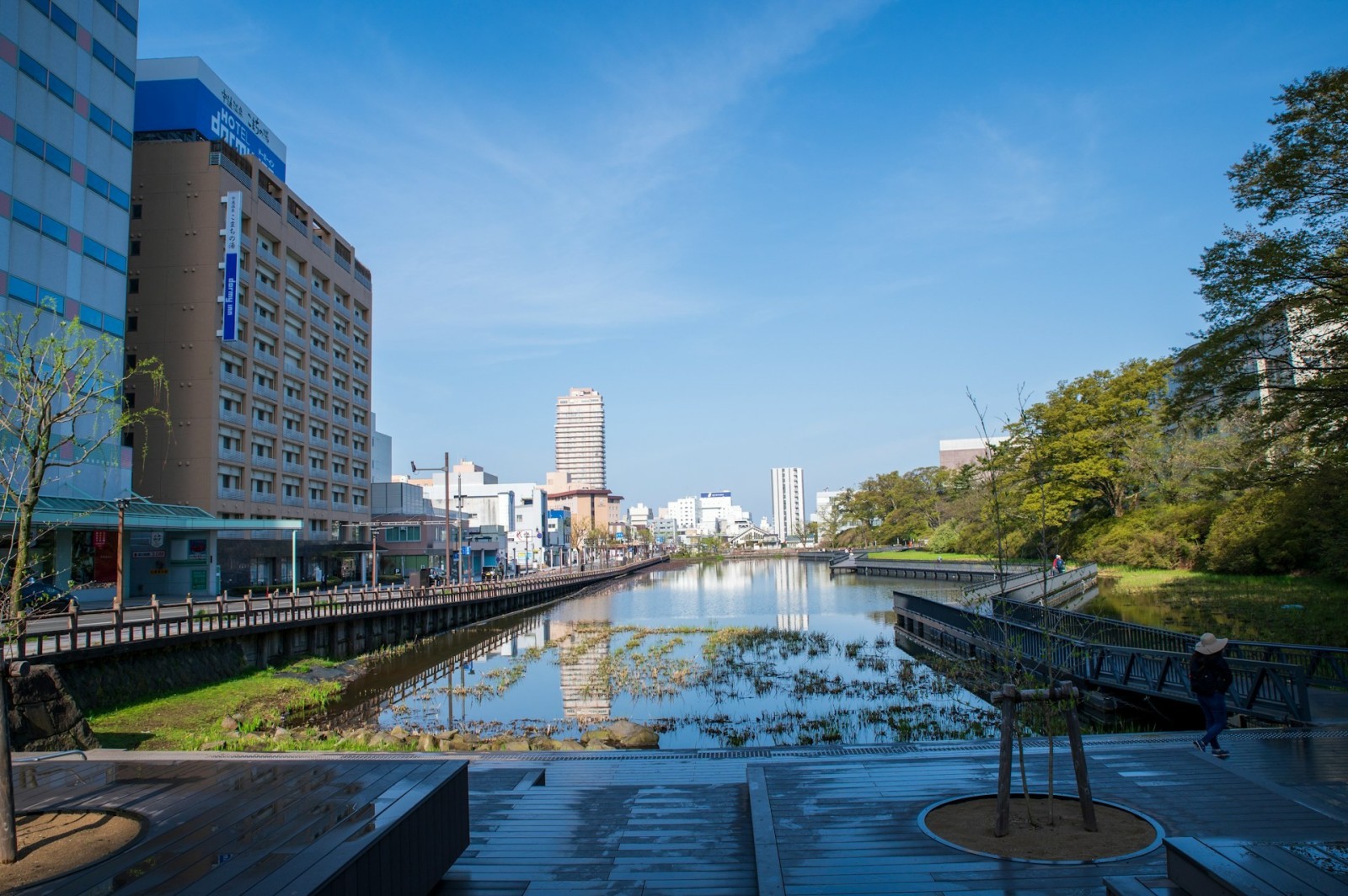
Akita is one of the most beautiful and original cities of northern Japan, located on the coast of the Sea of Japan. This is the administrative center of the prefecture of the same name, known for its rich history, picturesque nature, traditional Japanese culture and calm atmosphere. Unlike bustling metropolises such as Tokyo or Osaka, Akita offers a leisurely vacation, allowing you to get acquainted with the real Japan, its customs and hospitality.
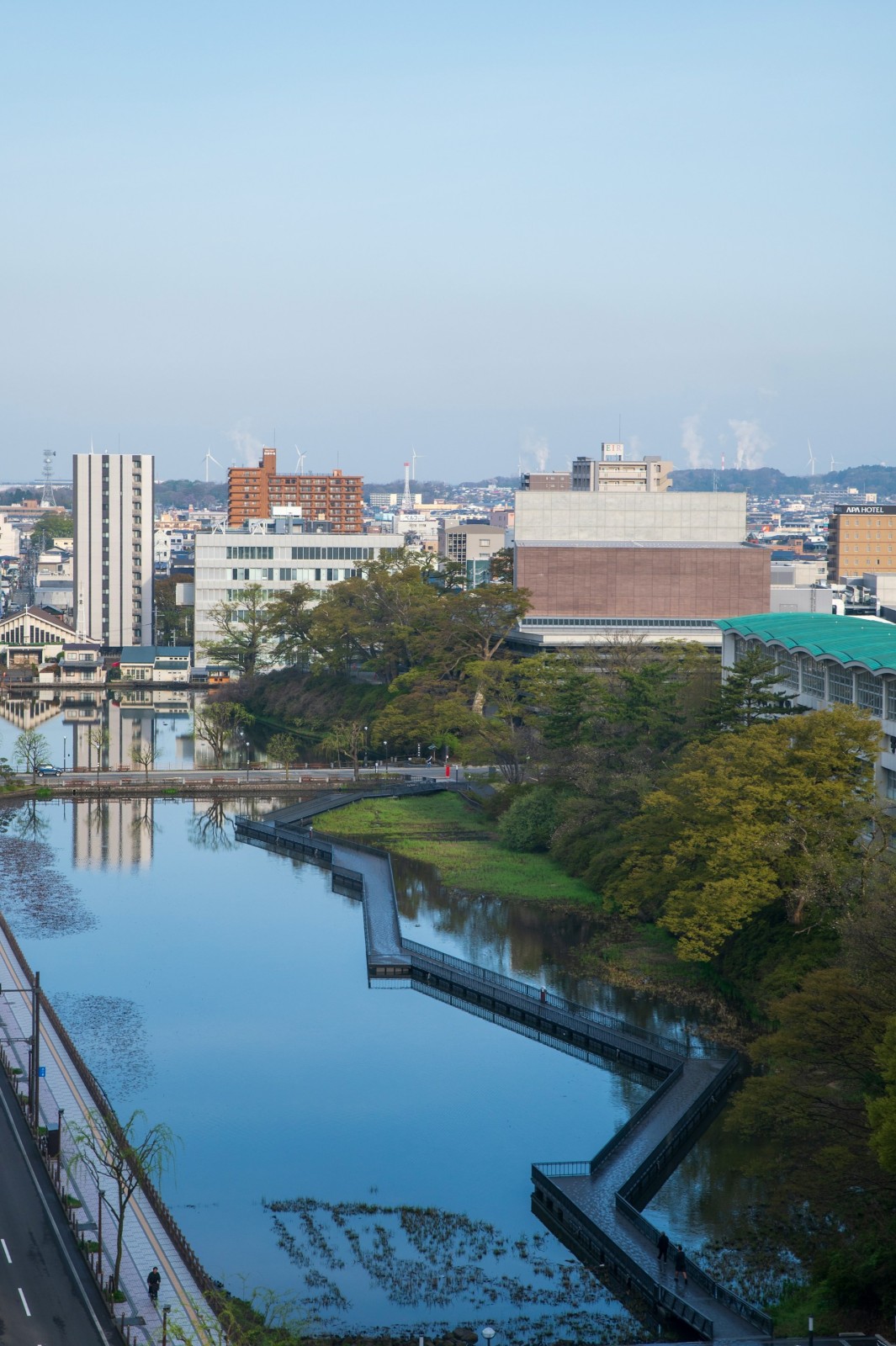
The city attracts tourists with historical monuments, ancient temples, museums and parks. One of the main attractions is Senshu Park, located on the site of the former Kubot castle. In spring, the park turns into one of the best places in the region for admiring cherry blossoms, and in autumn it strikes with bright colors of maples.
Akita is considered the cultural center of the Tohoku region. It hosts famous traditional festivals, the largest of which is the Kanto Festival. During the festival, thousands of participants carry tall bamboo poles with dozens of lit paper lanterns, demonstrating the skill of balancing. It is one of Japan’s most impressive cultural events and attracts many tourists from all over the world every year.
For nature lovers, the city offers walks along the coast of the Sea of Japan, recreation in parks, visiting hot springs (onsen) and trips to the picturesque lakes, waterfalls and mountainous areas of Akita Prefecture. Nearby are nature reserves, national parks and the famous Lake Tazawa – the deepest lake in Japan.
Akita is also known for its cuisine. Tourists can try fresh seafood dishes, Akita Komati rice, inaniva udon noodles, kiritampo nabe dish, local sake and other traditional delicacies of the region.
The city has a high level of security, clean streets, developed transport infrastructure and a friendly atmosphere. Thanks to the Akita Shinkansen high-speed rail, it is convenient to get here from Tokyo, and the compact center makes it easy to explore most attractions on foot or by public transport.
Akita will especially appeal to travelers who want to get acquainted with traditional Japanese culture, see beautiful natural scenery, visit famous festivals, taste authentic cuisine and relax away from the bustling tourist routes. This is a city where history, nature and modern comfort are harmoniously combined, leaving bright impressions and a desire to return.
Hotels 5★ Hotels
In Akita itself, there are few classic five-star international hotels. Instead, high-end Japanese ryokans and modern premium hotels with a high level of service are popular.
Accommodation usually includes:
spacious rooms;
restaurants of Japanese and European cuisine;
spa complexes;
hot springs (onsen);
fitness rooms;
high level of service.
The cost is about 20,000 to 45,000 yen per night.
Hotels 4★
This is the most popular option among tourists. Such hotels offer modern rooms, convenient location and a wide range of services.
Popular hotels:
Hotel Metropolitan Akita is one of the best hotels in the city, located next to the train station.
ANA Crowne Plaza Akita is a modern chain hotel with restaurants and beautiful views of the city.
Akita Castle Hotel is located next to Senshu Park and museums.
The cost of living is approximately 10 000-20 000 yen per night.
Hotels 3★ Hotels
The most common accommodation option. Suitable for most travelers due to good value for money.
Popular hotels:
Dormy Inn Akita is known for its own onsen and free evening noodles for guests.
Richmond Hotel Akita Ekimae is a modern business hotel near the station.
Daiwa Roynet Hotel Akita Ekimae is a new comfortable hotel with spacious rooms.
The cost is 7,000-12,000 yen per night.
Budget hotels
Inexpensive business hotels offer clean rooms and everything you need for a short stay.
Popular options:
Comfort Hotel Akita
APA Hotel Akita-Senshukoen
EN HOTEL Akita
The cost of living is about 5,000–8,000 yen per night.
1. Senshu Park (Senshu Park)
The main city park, located on the site of the former Kubot castle. In spring, about 800 cherry trees bloom here, in summer the park is buried in greenery, and in autumn it becomes one of the most beautiful places in the city due to the bright foliage. On the territory there are watchtowers, a museum and observation platforms.
How to get there:
10-15 minutes walk from Akita Station;
There are city bus routes nearby.
2. Ruins of Kubota Castle (Kubota Castle)
Historical castle of the XVII century, which belonged to the samurai family Satake. To this day, defensive structures, a reconstructed watchtower and part of the ramparts have been preserved. From the observation deck there is a beautiful view of the city.
How to get there:
It is located inside Senshu Park;
About 15 minutes walk from the station.
3. Akita Museum of Art (Akita Museum of Art)
A modern art museum known for the works of the famous artist Leonard Fujita and temporary international exhibitions. The museum itself is distinguished by its original modern architecture.
How to get there:
5-10 minutes walk from Akita Station
Easy to get by bus.
4. Akita City Folk Performing Arts Heritage Center (Neburinagashi-kan)
The museum is dedicated to the famous Kanto Festival. Here you can see traditional lanterns, costumes of participants, learn the history of the holiday and even try to hold a training pole with lanterns.
How to get there:
about 15 minutes walk from the city center;
A few minutes by bus from the station.
5. The Akita Port Tower Selion
One of the modern attractions of the city. The observation deck at an altitude of about 100 meters offers panoramic views of Akita, the Sea of Japan and the surrounding mountains. Entrance to the observation deck is free.
How to get there:
about 20 minutes by car;
25-30 minutes on the city bus.
6. Akita Onsen (Akita Onsen)
A complex of traditional Japanese hot springs. Here you can relax after a walk, try Japanese cuisine and get acquainted with the culture of onsen.
How to get there:
About 15 minutes by bus or taxi from Akita Station.
7. Taiheizan Miyoshi Shrine (Taiheizan Miyoshi Shrine)
One of the most famous Shinto shrines in the city. The temple is surrounded by forest and is especially beautiful during cherry blossoms and autumn leaffall.
How to get there:
about 20 minutes by bus;
By car - about 15 minutes from the center.
8. Coast of the Sea of Japan (Akita Coast)
Along the coast are walking areas, beaches, parks and places to watch the sunset. In summer you can relax by the sea, and throughout the year - enjoy the beautiful scenery.
How to get there:
20-30 minutes by bus or car from the city center.
9. Lake Tazawa (Lake Tazawa)
The deepest lake in Japan, located about 70 kilometers from Akita. It is known for its clear water, Tatsuko statue and picturesque mountain scenery.
How to get there:
about 1 hour by train and bus;
approximately 1.5 hours by car.
1. Cherry blossom festival in Senxu Park - April
In the spring, Senshu Park becomes one of the prefecture’s best places to admire cherry blossoms. About 800 cherry trees bloom here, evening lights, concerts, fairs and festive events are held. This is one of the most beautiful times to visit the city.
2. Golden Week – late April – early May
During one of Japan’s main festive periods, Akita hosts concerts, cultural programs, exhibitions, theater performances and family events. Many museums and parks organize special excursions and entertainment programs.
3. Akita Kanto Festival (August 3-6)
It is the main event of the city and one of the three largest festivals of the Tohoku region. During the festival, participants balance long bamboo poles up to 12 meters high and weighing about 50 kg, decorated with dozens of paper lanterns. Performances are accompanied by drums, flutes and traditional Japanese music. The festival annually attracts more than a million spectators and is an object of intangible cultural heritage of Japan.
4. Kanto Myogikai Day Competition – August 4-6
During the Kanto festival, daytime competitions are held, where the best teams demonstrate their mastery of bamboo poles. Tourists can see performances up close, chat with participants and even try to hold a training pole under the guidance of masters.
5. Summer concerts and festivals in the open air - July-August
In summer, city parks and squares host concerts of modern and traditional Japanese music, dance performances, gastronomic festivals and evening events. At this time there are numerous tents with local cuisine and souvenirs.
6. Autumn Harvest Festival - September-October
In autumn, farmers’ fairs and harvest festivals are held in Akita. Guests can taste the famous Akita Komachi rice, local sake, fresh vegetables, fruits, seafood and traditional dishes of the region. On the squares, performances of musicians, craft exhibitions and master classes are organized.
7. Christmas and New Year events - December-January
Although Christmas is not an official religious holiday in Japan, the Akita center is decorated with festive illuminations. In December, concerts, Christmas markets and winter performances are held, and in the early days of January, residents and tourists visit Shinto shrines to celebrate the New Year in Japanese tradition.
8. Akita Prefecture Winter Festivals - February
In February, many tourists combine a trip to Akita with a visit to the region’s famous winter festivals, such as the Namahage Sedo Festival on the Oga Peninsula and the Kamakura Festival in Yokota. These holidays are known for snow structures, traditional rites, torch processions and cultural performances.
Spring (March-May)
Spring in Akita is cool at the beginning of the season, but by May it becomes warm and very comfortable. In April, sakura blooms, turning city parks into popular places for walking.
Air temperature: from +5 ... +9 ° C in March to +18 ... +23 ° C in May.
Water temperature (Sea of Japan): from +8...+10 °C in March to +14...+17 °C in May.
Spring is considered one of the best seasons for excursions, walks in parks and exploring the sights.
Summer (June-August)
Summer is warm, wet and green. The famous Kanto Festival takes place in July and August. Sometimes there are short rains, but they rarely interfere with rest.
Air temperature: usually +24 ... +30 ° C, on the hottest days - up to +33 ° C.
Water temperature: +21 ... +25 °C.
Summer is suitable for walking along the coast, relaxing on the beaches of the Sea of Japan, excursions and participation in festivals.
Autumn (September-November)
Autumn in Akita is considered one of the most beautiful times of the year. Forests and parks are painted in bright red, yellow and orange shades. The weather remains comfortable until the end of October.
Air temperature: from +24 °C in September to +8 ... +12 °C in November.
Water temperature: from +23 °C in September to +13 ... +16 °C in November.
Autumn is ideal for excursions, visits to hot springs, walks in natural parks and gastronomic travel.
Winter (December – February)
Winter in Akita is snowy and quite cold. Thanks to the snowfall, the city acquires a special atmosphere, and the surroundings become a popular place for winter holidays.
Air temperature: usually -2 ... +4 ° C, at night sometimes drops to -8 ° C.
Water temperature: +7 ... +10 °C.
In winter, tourists visit the hot springs (onsen), winter festivals, ski resorts and snow festivals of the region.
Language of communication
The official language is Japanese ().の)., Nihongo).
It is in Japanese that communication is conducted in government institutions, shops, restaurants, hotels and public transport.
In major hotels, tourist centers and at the railway station, some employees speak English. However, in small cafes, shops and outside tourist areas, English is much less common, so knowing a few simple Japanese phrases or using a translator will be a great advantage.
Traditions and norms of behaviour
Politeness
The Japanese pay great attention to respectful communication. It is customary to bow slightly at a meeting. Tourists do not need to make a deep bow - a slight nod of the head and a polite smile are enough.
During the conversation, it is recommended to speak calmly, not interrupt the interlocutor and be patient.
Indoor shoes
In many places, shoes must be removed before entering.
This concerns:
Traditional hotels (ryokan);
some restaurants;
temples;
private homes;
individual museums.
House slippers are usually provided at the entrance.
Cleanliness
Japan is known for its purity. Garbage bins are rarely found on the streets, so residents often take their trash with them to the nearest place where it can be thrown away.
Very important:
Don't litter.
Sort waste, if required;
Take care of public places.
Lines.
When boarding a train, bus or elevator, the Japanese always keep the queue. There are special lines on the platforms showing the waiting place.
Breaking the queue is considered impolite.
Conduct in public transport
During the trip it is accepted:
talk quietly;
transfer the phone to silent mode;
Do not talk loudly on a mobile phone;
Give seats to the elderly, pregnant women and passengers with children.
Visiting temples
Before entering Shinto shrines and Buddhist temples, it is recommended to observe local traditions:
worship at the gate;
in the presence of a pavilion for washing symbolically rinse hands and mouth;
Be quiet and respectful;
Do not enter closed areas without permission.
Hot springs (onsen)
When visiting onsen, there are special rules:
Before bathing it is necessary to wash thoroughly;
Swimming without swimsuits (separately for men and women);
the towel should not be dipped in water;
In some onsen visitors with large tattoos may not be allowed.
Basic laws and regulations
Smoking
Smoking is allowed only in specially equipped places. In many public places, on the streets and near train stations, smoking is prohibited. Fines may be imposed for violation.
Alcohol
Buying and consuming alcohol is allowed for people over the age of 20 (in Japan, alcohol and smoking are allowed from this age). When buying, the seller may ask for proof of age.
Traffic rules
There is left-hand traffic in Japan. When crossing the road, you should carefully look first to the right, then to the left and switch only to the permitting signal of the traffic light.
Photography
In museums, temples, exhibitions and some historic buildings, photography may be restricted or prohibited. Before shooting, you should pay attention to information plates.
It is also illegal to photograph strangers without their consent.
1. Greetings and polite expressions
Konnichiwa (con-ni-chi-wa) - Hello
Ohayō gozaimasu (o-ha-yo go-za-i-ma-s) - Good morning
Konbanwa (Konban-wa) - Good evening
Sayonara (sa-yo-na-ra) - Goodbye
Mata Ne (Mata Ne) - See you later
Arigatō (a-ri-ga-to) - Thank you.
Arigatō gozaimasu (a-ri-ga-to-go-za-i-ma-s) - Thank you very much
Dō itashimashite (do i-ta-shi-ma-shi-te)
Sumimasen (Su-Mi-Ma-Sen) – Sorry / Sorry / Let me contact you
Gomen nasai (go-man na-sai) - Sorry
Hai (hey)
Iie (and-uh) No.
2. Communication and assistance
Eigo o hanasemasu ka? - Do you speak English?
Nihongo ga wakarimasen. I don't understand Japanese.
Sukoshi dake Nihongo o hanasemasu. (su-koshi da-ke ni-hon-go o ha-na-se-ma-s) - I speak a little Japanese.
Tasukete kudasai. (ta-soo-ke-te-ku-da-sai) - Please help me.
Kore wa nan desu ka? - What is it?
Doko desu ka? - Where is...?
Ikura desu ka? - How much is it?
Mō ichido onegaishimasu. (mo i-ti-do o-ne-gai-shi-ma-s) - Repeat, please.
3. At the hotel.
Yoyaku shiteimasu. (I-I-I-I-I-I-I-I-I-I-I-I-I-I-I-I-I-I-I-I-I-I-I-I-I-I-I-I-I-I-I-I-I-I-I-I-I-I-I-I-I-I-I-I-I-I-I-I-I-I-I-I-I-I-I-I-I-I-I-I-I-I-I-I-I-I-I-I-I-I-I-I-I-I-I-I-I-I-I-I-I-I-I-I-I-I-I-I-I-I-I-I-I-I-I-I-I-I-I-I-I-I-I-I-I-I-I-I-I-I-I-I-I-I-I-I-I-I-I-I-I-I-I-I-I-I-I-I - I have a reservation.
Chekku in o onegaishimasu. (Chuck-ku in o-ne-gai-shi-ma-s) - I want to register.
Heya o yoyaku shitai desu. (heh-heh-heh-heh-heh-heh-heh-heh-heh-heh.) - I want to book a room.
Asagohan wa tsuiteimasu ka? (a-sa-go-han wa tsui-te i-ma-s ka?) - Breakfast included?
Chekku auto wa nanji desu ka? - What time is it?
Erebētā wa doko desu ka? - Where's the elevator?
4. At the restaurant.
Menyū o onegaishimasu. (man-nu: oh-na-gai-shi-ma-s) - Menu, please.
Chūmon shimasu. (chu:-mon shi-ma-s) - I want to order.
Osusume wa nan desu ka? - What do you recommend?
Kore o kudasai. (Ko-re o ku-da-sai) - I'll have this, please.
O-mizu o kudasai. (o-mi-zu o ku-da-sai) - Water, please.
O-kanjō o onegaishimasu. (o-kan-jo: o-ne-gai-shi-ma-s) - Check, please.
Kādo wa tsukaemasu ka? (ka:-do wa zu-ka-e-ma-ka?) - Can I pay with a card?
5. Transport and road
Akita-eki wa doko desu ka? - Where is the Akita station?
Basu noriba wa doko desu ka? - Where's the bus stop?
Kippu o kudasai. (kip-poo o ku-da-sai) - One ticket, please.
Kono densha wa Tōkyō ni ikimasu ka? - Is this train going to Tokyo?
Senshū Kōen e wa dō ikeba ii desu ka? (seng-shu: ko:-en e wa do: i-ke-ba i de-su ka?) - How do I get to Senshu Park?
6. Shopping.
Kore o kaitai desu. (Ko-re o kai-tai de-su) - I want to buy this.
Mō sukoshi ōkii saizu wa arimasu ka? - Is there a bigger size?
Takai desu. - It's expensive.
Waribiki wa arimasu ka? - Any discount?
Genkin de haraemasu ka? - Can I pay in cash?
7. Emergency situations
Tasukete! (ta-soo-ke-te!) - Help me!
Keisatsu o yonde kudasai! - Call the police!
Isha hitsuyō desu. I need a doctor.
Byōin wa doko desu ka? - Where's the hospital?
Pasupōto o nakushimashita. I lost my passport.
Unique local food
1. Rice Akita Komachi (Akita Komati)
The main gastronomic pride of the region. This variety of rice is considered one of the best in Japan due to its mild taste, aroma and stickiness. It is used to make sushi, onigiri and traditional Japanese dishes.
What to bring:
rice packaging;
gift sets;
rice snacks.
2. Kiritanpo
Akita's most famous dish. This is rice, crumpled, formed around a wooden stick and roasted on coals. It is sold in both fresh and vacuum packaging.
It can be purchased:
ready-made kits for cooking Kiritanpo Nabe;
sauces;
dry semi-finished products.
3. Inaniwa Udon (Inaniwa Udon)
One of the three most famous varieties of Japanese udon noodles. It has been produced in Akita Prefecture for over 300 years.
Different:
Very fine noodles.
delicate texture;
Quick cooking.
It is sold in beautiful gift boxes.
4. Local sake
Akita is known for clean water and high-quality rice, which is why it is considered one of the best regions in Japan for sake production.
Popular species:
Junmai;
Ginjo?
Daiginjo.
In many shops you can buy tasting sets of small bottles.
5. Seafood
Due to its location on the coast of the Sea of Japan, Akita produces:
dried squid;
smoked fish;
dried seaweed;
fish delicacies.
6. Japanese sweets
Popular sweets of the region:
rice crackers (Senbei);
Moti;
Yokan;
sweets with red beans;
Locally flavored cookies.
Medicines and health products
1. Cosmetics based on water hot springs
In Akita produce natural cosmetics using mineral water from onsen.
Popular products:
creams;
masks;
lotions;
soap
Shampoos.
2. Rice-based cosmetics
Rice is widely used in Japanese cosmetics.
Popular:
moisturizers;
face masks;
cleaning foams;
lotions.
3. Green tea
Although Akita is not the main tea region of the country, you can buy quality Japanese tea here:
Sencha;
Genmaicha;
Hojicha;
Matcha.
4. Japanese vitamins and medicines
In pharmacies, well-known Japanese remedies are sold:
vitamins;
collagen;
patches against muscle pain;
eye drops;
warming ointments;
Cold remedies.
Japanese pharmacy products are highly trusted due to the quality and strict control of production.
Souvenirs
1. Namahage doll (Namahage)
The main symbol of Akita Prefecture. Namahage is a local folklore character who visits homes on New Year’s Eve.
It can be purchased:
wooden figures;
masks;
keychains;
magnets;
statuettes.
2. Akita wood products
The region is famous for its Akita Cedar products.
Popular:
boxes;
trays;
chopsticks;
cutting boards;
interiors.
3. Magewappa
One of the most famous traditional crafts of Akita is wooden products made by bending thin cedar plates.
You can buy:
Lunch boxes (bento);
containers;
bowls;
trays.
These products are considered a prestigious Japanese souvenir.
4. Ceramics and porcelain
Local craftsmen create:
tea cups;
kettles;
sets;
decorative products.
5. Souvenirs with the Kanto Festival
Very popular:
miniature paper lanterns;
fan?
T-shirts;
towels;
magnets;
Postcards.
Documents required
To travel to Akita, you must have:
passport, the validity of which covers the entire period of stay;
Visa (if required for citizens of your country);
a return ticket or a ticket to a third country (it may be asked to show at entry);
confirmation of booking of a hotel or other place of residence;
documents confirming the availability of sufficient funds for the trip;
Health insurance (not always mandatory, but strongly recommended)
It is also recommended to have electronic and paper copies of your passport, visa, insurance policy and air tickets.
Health insurance
Medical services in Japan are of high quality, but they can be quite expensive for foreign tourists.
It is advisable to apply for an insurance policy that covers:
emergency medical care;
outpatient and inpatient treatment;
hospitalization;
surgical operations;
transportation to a medical institution;
repatriation if necessary;
baggage insurance and travel cancellation (optional).
The minimum recommended amount of insurance coverage is from 30,000 to 50,000 euros, and for a more relaxed trip – 100,000 euros and above.
Emergency services
In Japan, there are free emergency numbers:
110, police.
119 - Ambulance and Fire Service.
118 Coast Guard (in case of water emergencies)
Most operators only accept calls in Japanese, but English-language operators or translators are increasingly available in major cities.
Useful phones
Tourist information service Japan Visitor Hotline - 050-3816-2787 (round-the-clock assistance in several foreign languages).
If you lose your passport, you must contact the police and then the embassy or consulate of your country in Japan.
Mobile and Internet
The largest Japanese mobile operators are confidently working in Akita:
NTT Docomo is the broadest coverage nationwide, including rural areas.
au (KDDI) - high-quality communication and fast mobile Internet.
SoftBank is good coverage in cities and tourist destinations.
Rakuten Mobile is a modern operator with favorable rates, but coverage in some remote areas may be less stable.
Tourists are available:
tourist SIM-cards;
eSIM;
renting a pocket Wi-Fi router at airports and major railway stations.
Almost all hotels, cafes, shopping centers and railway stations offer free Wi-Fi.
City security
Akita has a very high level of security.
It is recommended to follow simple rules:
Always carry a passport or a copy of it;
Do not leave valuables unattended;
Comply with traffic rules (left-hand traffic in Japan);
Smoking only in designated areas;
observe the rules of conduct in temples, museums and onsen;
Follow the instructions of local authorities in case of earthquakes, heavy snowfall or typhoons.
Natural features
Japan is in a seismically active zone, so earthquakes sometimes occur. Most of them are weak and pose no danger.
Heavy rains and typhoons are possible in summer, and a large amount of snow falls in Akita in winter. Before traveling to mountainous areas, it is recommended to monitor the weather forecast.
How many tourists can stay in Japan?
The duration of stay depends on the nationality of the tourist and the type of visa.
For citizens of many countries there is a visa-free regime, which allows you to stay in Japan for up to 90 days without leaving.
For nationals of countries requiring a visa, the duration of stay is determined by the conditions of the visa issued and is usually 15, 30 or 90 days.
If a longer stay is required, an appropriate long-term visa must be issued in advance or permission to extend your stay with the Japanese Immigration Service must be obtained.
Before traveling, it is recommended to clarify the current entry rules for citizens of your country, as visa requirements may vary.
Create a query and local guides will offer you the best options