Independent tourism and recreation in Ashikaga Historical information about the city of Ashikaga Ashikaga is a...
 Guide license
Special programs are prepared for you in Tokyo, Yokohama, Kamakura, Nikko, Nara, Kyoto and Osaka. Private transportation …
Ashikaga is a historic city in the southwest of Tochigi Prefecture, in the northern part of the Kanto region. The city is located near the Watarase River, and on the north side it is surrounded by mountains. The history of Ashikagi is closely related to the Ashikaga family, the medieval political history of Japan, the development of education, weaving and traditional culture. Today, the city combines the historical center, temples and sanctuaries, ancient quarters, natural routes and one of the most famous flower parks in the country.
1. Ancient and medieval roots
The name Ashikaga is associated with the Ashikaga family, whose representatives lived in the area during the Kamakura period. The descendants of the family left numerous temples and sanctuaries in the city. Of particular importance was the area of the present Bannaji temple, associated with the early history of the family.
2. The Ashikaga family and the Muromachi era
Ashikaga became the homeland and historical center of the eponymous military family. Ashikaga Takauji founded the Muromachi shogunate in the fourteenth century, which ruled much of Japan from 1336 to 1573. Under Ashikaga developed Zen Buddhism, tea ceremony, ikebana, theater No and other areas of Japanese culture.
3. Bannaji and samurai heritage
Bannaji Temple originated on the territory of the former residence of the Ashikaga family. In 1196, Ashikaga Yoshikane built a Buddhist hall here and later became a family temple. The complex has preserved the layout of the samurai residence with earthen walls and a moat. The main hall of the temple is a national treasure of Japan.
4. Asikaga-gacco and the history of education
Ashikaga-gakko is considered to be the oldest surviving educational institution in Japan. The exact date of foundation is unknown, but the history of the school can be traced back to the Muromachi period. In the XVI century, the school was described by missionary Francisco Xavier, calling it the largest and most famous educational institution in Eastern Japan. The school became an important center of Confucian education and book culture.
5. Textile industry
For centuries, Ashikaga developed weaving. Especially known fabric Ashikaga-Maisen, distinguished by bright patterns and affordable cost. The textile industry influenced the architecture and social life of the city, and the Orihime Sanctuary became one of the symbols of this tradition.
6. Modern development
Today, Ashikagi’s economy includes engineering, aluminum, metalworking and plastics. At the same time, the city is actively developing cultural and natural tourism. Historic sites, flower gardens, museums and gastronomic routes allow you to visit Ashikaga in different seasons.
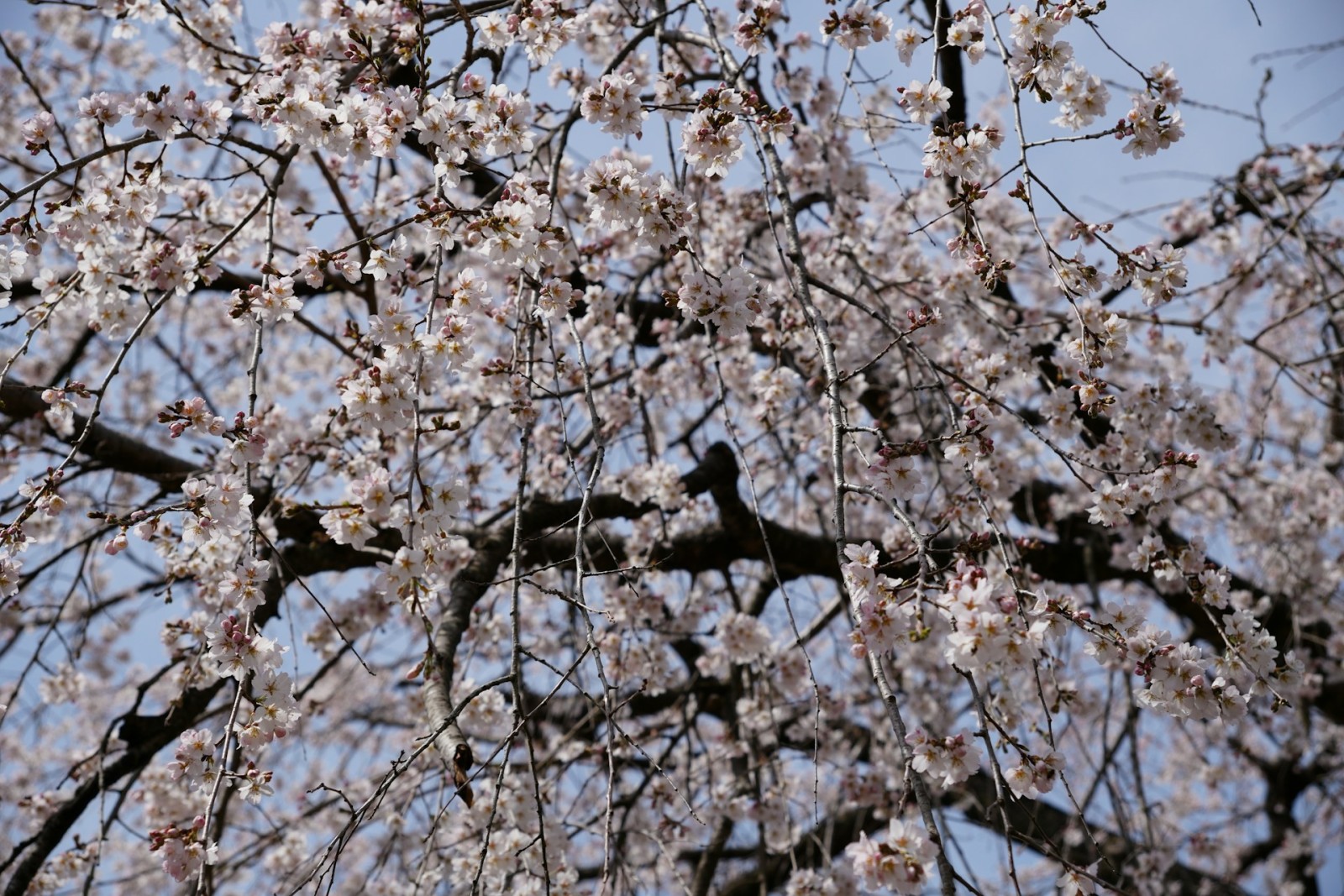
Ashikaga is interesting for tourists because it allows you to see several aspects of Japanese culture at once: the medieval history of the samurai family, traditional education, Shinto and Buddhist monuments, ancient weaving and modern flower culture. The city is smaller than Tokyo or Kyoto, making it convenient to explore on foot or by bike.
In spring, the main reason for the trip is the Ashikaga flower park with large compositions of wisteria.
The historic center allows you to visit Ashikaga-gakko, Bannaji and the old city streets in one walk.
The Orihime Sanctuary combines religious tradition, a history of weaving and a panoramic view of the city.
In autumn, the city attracts with red foliage and cultural events.
In winter, large-scale light performances take place in the flower park.
Local cuisine and products, including yakisoba with potatoes and traditional sweets, complement the tourist program.
From Ashikagi it is convenient to continue the journey through Tochigi and the neighbouring areas of Kanto.
1. Mid-range hotels
Practical city hotels are located in the city center and near the stations. They are suitable for tourists who want their own bathroom, Wi-Fi, breakfast and convenient access to rail transport.
New Miyako Hotel Ashikaga is a central city hotel.
Hotel Route-Inn Ashikaga Ekimae is an option near JR Ashikaga Station.
Hotel Route-Inn Ashikaga-2 is another practical variant of the business hotel chain.
Business Hotel New Daiei is a simple city hotel for a short trip.
Hotel Wakasa - accommodation option in the central part of the city.
2. Cost-effective options
For budget travel, small business hotels, guest houses and family mini-hotels are suitable. In Ashikaga, you can also stop farther from the historic center and use the train or bus.
Small business hotels near JR Ashikaga and Tobu Ashikagashi stations.
Guesthouses and family hotels in the central and northern parts of the city.
Cheap rooms in ryokan/minshuku category.
3. Traditional residence
Ryokans and Minshuku allow you to get acquainted with traditional Japanese accommodation: tatami, futon, Japanese breakfast and home atmosphere. Such options are especially interesting for tourists who want to make a trip part of a cultural experience.
Jizo-no-Yu Toyokan is a traditional accommodation option in the western part of the city.
Gankanen is a ryokan in the northern part of Ashikagi.
Ryokan Fukuju-so is a small traditional accommodation option.
4. Accommodation in neighboring cities
If the right option is not available in Ashikaga, the tourist can stop in Sano, Ota or other cities of northern Kanto and come to Ashikaga by train. This is especially convenient on the combined route of Tochigi and Gunma.
1. Ashikaga-gacco
It is known as the oldest school in Japan. Here you can see the reconstructed buildings of the educational complex, the garden and the historical atmosphere of the educational center.
About 10 minutes walk from JR Ashikaga Station or about 15 minutes from Tobu Ashikagashi Station.
2. Bannaji Temple (Bannaji Temple)
The former residence of the Ashikaga family, turned into a family temple. The area is surrounded by a moat and walls; the main hall is a national treasure.
About 10 minutes walk from JR Ashikaga Station and about 15 minutes from Tobu Ashikagashi Station.
3. Orihime Sanctuary
Historical sanctuary associated with the Ashikagi weaving industry. The territory offers a panorama of the city and the Kanto plain; the place is also known for its evening views.
About 25 minutes walk from JR Ashikaga Station or Tobu Ashikagashi Station; part of the way goes uphill.
4. Orihima Park
Large green park with cherry, maple and azaleas. There are observation decks and the beginning of natural walking routes.
Walk from Orihime Shrine; by car about 15 minutes from Ashikaga IC.
5. Ashikaga Flower Park
One of the main tourist sites of the city. Especially famous for huge wisteria, flower tunnels and evening lighting.
JR Ashikaga Flower Park Station is about 3 minutes walk from the entrance.
6. Kurait Museum
Museum with a large collection of Japanese ceramics Imari and Nabeshima. Suitable for exploring the decorative arts of Japan.
Access is more convenient by car or taxi; the facility is located in the eastern part of the city.
7. Ashikagi Art Museum
City Museum, which hosts exhibitions of Japanese and foreign art and temporary cultural programs.
Located in the urban part of Ashikagi; convenient to get by local transport.
8. Kabasaki Hachimangu
Historical sanctuary in the northern part of the city, associated with the Ashikaga family and the history of the area.
About 15-20 minutes by taxi from Ashikaga stations; by car about 5 minutes from Ashikaga IC.
9. Nagusa-megalithic group
Natural and historical site in the northern part of the city with large stone formations and walk routes.
It is more convenient to get by car or taxi; then walking routes are possible.
10. Watarase River and Watarase Bridge
The river is an important part of the urban landscape. The area is suitable for quiet walks and acquaintance with the modern image of Ashikagi.
Accessible from the central part of the city; some areas are more convenient to visit by bicycle.
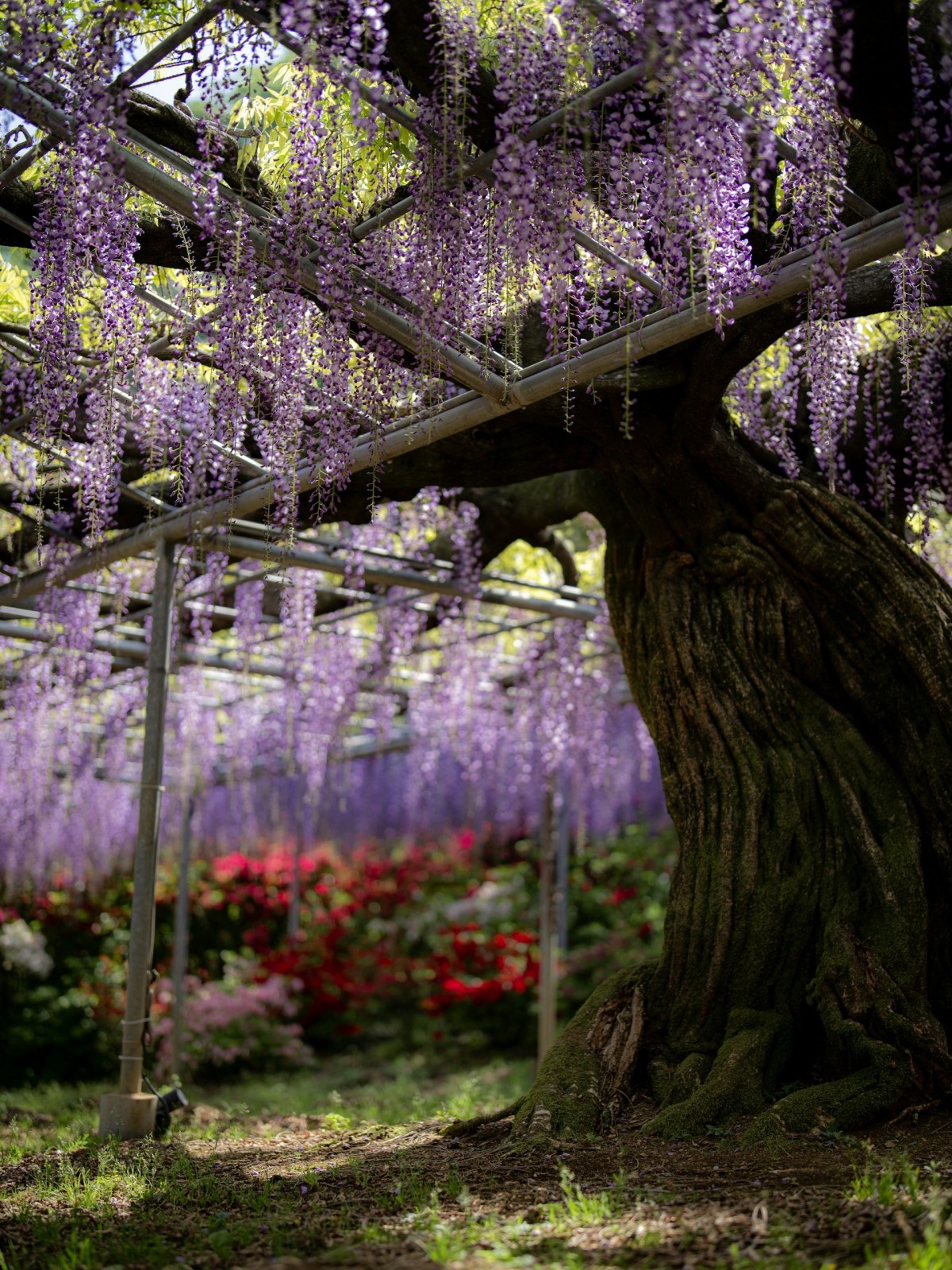
1. Spring Flower Festival in Ashikaga Park
March-April is the period of spring flowering, when you can see tulips, sakura and other ornamental plants in the park. The specific timing of flowering depends on weather conditions. Activities are accompanied by walking routes and seasonal designs.
2. Glycinia Festival - Fuji no Hana Monogatari
April-May is one of the main flower events of Ashikagi. During this period, the park attracts tourists with flowering wisteria, flower tunnels and large decorative compositions. In the evening, individual areas can be illuminated with special lighting.
3. Rose and flamenco festival
May is a spring event associated with the flowering of roses and the cultural program of the Ashikaga flower park. Musical and dance performances, including flamenco, can take place as part of the event.
4. Ashikagi Fireworks Festival
August is a major summer event held in the area of the Watarase River. The holiday is accompanied by the launch of fireworks, festive atmosphere and a large number of spectators. The specific date may change.
5. Summer Evenings at Ashikaga Flower Park
Summer - evening programs are held in the park, during which the territory can be decorated with illumination. Visitors get the opportunity to stroll through floral arrangements after sunset.
6. Yagibushi Festival
Summer is a period of events related to the Yagibushi tradition. This is the direction of Japanese folk music and dance art, characteristic of the region. During the festival programs you can see musical and dance performances.
7. Ashikagi Autumn Festival
October-November is a period of various city cultural events related to temples, sanctuaries, city history and local traditions. At this time, gastronomic and cultural programs are also held.
8. Ashikaga-gacco autumn events
Autumn - cultural events, exhibitions, educational programs and various performances are held around the historical school. They allow tourists to learn more about the history of the ancient educational center and the city.
9. Winter illumination "Garden of Light" (Hikari no Hana no Niwa)
Autumn-Winter - Ashikaga flower park turns into a large space with illumination. Light compositions, decorative structures and thematic installations are installed on the territory. This is a separate season of visiting the park, not associated with the flowering period of wisteria.
10. Setsubun Festival and Samurai Cultural Events
February is the period of traditional events associated with the Setsubun holiday. Ashikaga can host programs with historical costumes, performances and traditional rites. The specific format of the event depends on the program of the organizers.
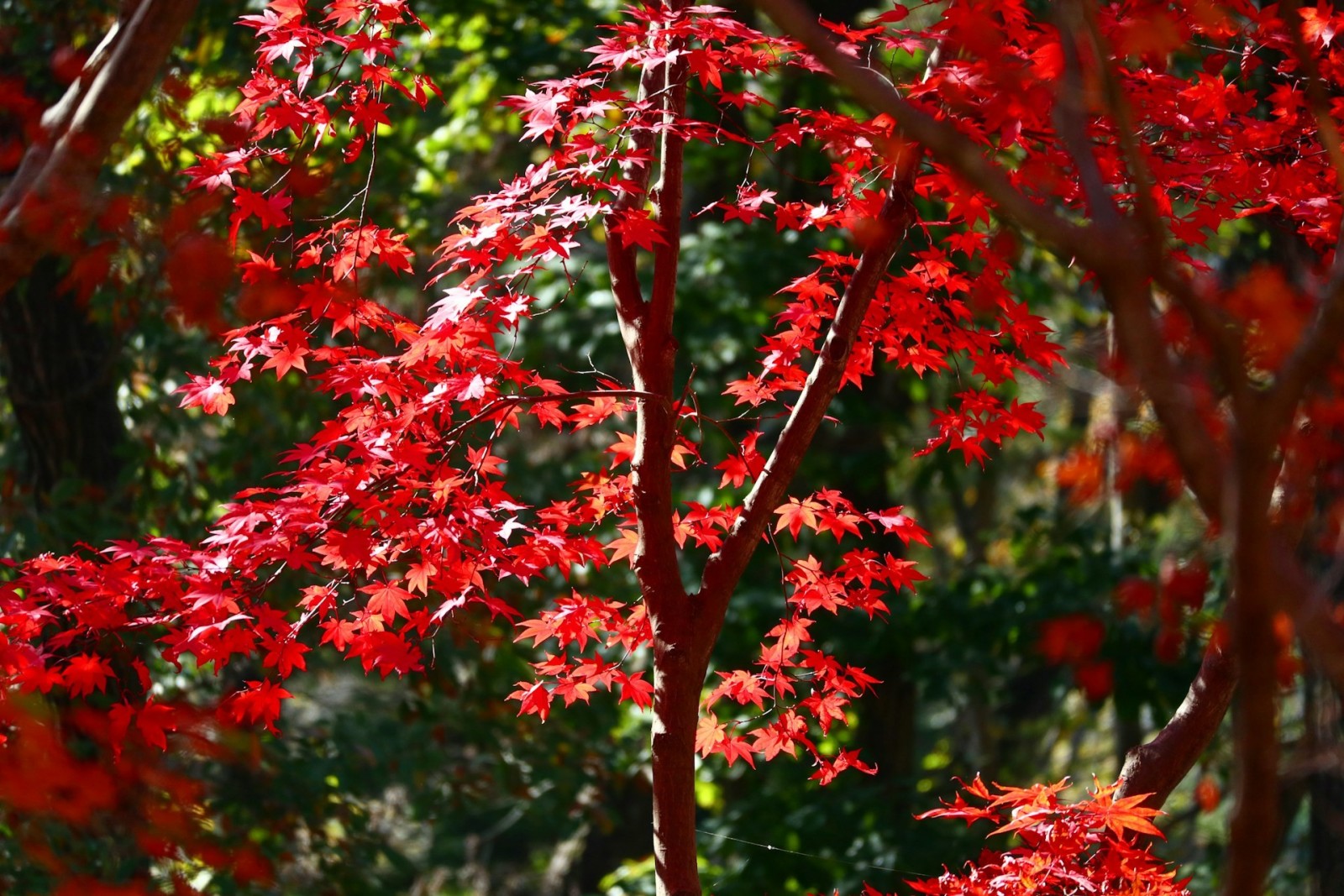
Ashikaga is located in the inner part of the Kanto region. Summer is usually hot and humid, winter is relatively dry, and spring and autumn have a more comfortable temperature for walking. For tourists, seasonality is especially important due to the flowering in Ashikaga Park.
1. Winter - December - February
During the day, usually about +7 ... +12 ° C, at night about 0 ... + 3 ° C. Cold periods and rare snow are possible. The water in the Watarase River is cold, about +4...+9 °C. Winter is especially interesting due to the illumination of the flower park.
2. Spring - March-May
In March, about +12 ... +15 °C in the afternoon, in April about +17 ... +21 °C, in May about +22 ... +25 °C. The water in the river gradually warms up from about +8 to +18 °C. Late April and early May are the main period of wisteria.
3. Summer - June - August
In June about +25 ° C, in July and August often +29 ... +33 ° C and higher. High humidity is combined with showers. The water in the river can warm up to about +20. +27 °C, but swimming in the river is not a normal tourist activity.
4. Autumn - September - November
In September it is still warm, about +25 ... +29 ° C, in October about +19 ... +23 ° C, in November about +13 ... +17 ° C. The water gradually cools from about +23 °C to +12 °C. Autumn is convenient for walks and cultural festivals.
The main language of communication is Japanese. In tourist sites, English information is found, but in small cafes, shops and local hotels, basic Japanese phrases and an interpreter are useful.
In temples and sanctuaries to observe silence and established rules of conduct.
Do not enter the fence or touch religious objects.
Before entering the premises with tatami, remove shoes, if required by the rules.
In a Shinto sanctuary, it is not necessary to pass through the center of the toria: the central line is traditionally perceived as the kami path.
In onsen, first wash thoroughly, and then go to a communal bath.
Do not immerse the towel in the water of the public bath.
Do not speak loudly on public transport and observe queues.
Do not photograph people without permission.
Observe restrictions on filming inside temples, museums and private facilities.
Do not leave garbage and use the designated places for its disposal.
Do not launch drones where it is prohibited by the owners of the territory or legislation.
Comply with Japanese rules of entry, customs, transportation of medicines and public order.
1. Greetings and polite expressions
)の) - Hello (kon-ni-ti-wa)
Good morning (o-ha-e: go-dza-i-mas)
Good evening (kon-ban-wa)
Thank you very much (a-ri-ga-to: go-dza-i-mas)
)の - Excuse me (soo-mi-ma-sen)
- Please / Please (o-ne-ga-ishi-mas)
大) - All right / No need (dai-jo:bu desu)
2. On the road.
- Where is Ashikaga station?
- Where's Ashikaga-gakko?
?の?? Where's the Ashikaga Flower Park?
大?? - Where's the Orihime Shrine?
How to get to the station? (eki made do: ikimas ka?)
- Do you speak English? - Do you speak English?
?? - Can I take a picture?
の 国 国 ة の I don't understand Japanese (nihongo ga waka-ri-ma-sen)
3. Shop and cafe
How much does it cost? - How much does it cost?
/55/?? - What do you recommend?
Please give it to me, please.
Water, please (o-mizu o kassai)
大 Сの С人 С — Account, please (o-kaikei o-ne-ga-ishi-mas)
- Do you have any souvenirs?
4. Mini-dialogue in the tourist center
Tourist: вのвשв? (kon-ni-ti-wa. asikaga gakko: wa doko desu Ka?) Where is Ashikaga-gacco?
Employee: .10.ש (eki kara aruite jippun gurai desu). ) About ten minutes walk from the station.
Tourist: ר の (a-ri-ga-to: go-dza-i-mas). Thank you very much.
5. Mini-dialogue at the hotel
Guest: の ש ة ש (kon-ni-ti-wa. yoyaku ga ari-mas). )Hello. I have a reservation.
Employee: 大шеのшеのшеのшеש (o-namae o-ne-ga-ishi-mas.) Your name, please.
Guest: остьש(...) Desu. ) My name is...
Employee: .の.の.ש (passupo: o-ne-ha-isi-mas.)Passport, please.
1. Food and drink
Yakisoba with potatoes is a local variant of the popular Japanese noodles, which is considered a characteristic dish of Ashikagi.
Sweets and pastries with local seasonal produce.
Japanese tea and traditional sweets from small local shops.
Local products and gift sets that are sold in tourist shops.
Wine products and beverages of the Tochigi region.
2. Souvenirs
Products related to the weaving and history of Ashikaga-Maisen.
Traditional Japanese fabric and small textile accessories.
Souvenirs depicting a park of flowers and wisteria.
Postcards, magnets and products with the symbols of Ashikagi-gakko and the Ashikaga family.
Omamori and other small souvenirs from temples and sanctuaries.
Ceramics and decorative products.
3. Useful tools
In pharmacies and stores, you can buy Japanese cosmetics, skin care products, bath salts, patches, insect bites and other everyday goods. Medicines for export from Japan should be selected taking into account the rules of import of the country of destination.
4. What's better to bring?
The most characteristic gifts will be textiles, souvenirs with glycinia, small items of Japanese ceramics, sweets and locally produced products. For a person interested in history, books and souvenirs related to Ashikaga-gakko and the eponymous family are suitable.
1. Documents required
A valid foreign passport is required for travel. It is recommended to have proof of residence, data of the return or further ticket, tourist medical insurance and electronic copies of the main documents.
2. Health insurance
It is optimal to arrange insurance for the entire duration of the trip with coverage for outpatient treatment, hospitalization, emergency care and medical transportation. If mountain walking, cycling or other active activities are planned, you should check the conditions of the policy.
3. Emergency services phones
110, police.
119 - Ambulance and Fire Service.
118 Coast Guard.
Japan Visitor Hotline JNTO - round-the-clock informational assistance to foreign tourists.
4. Mobile operators
The main mobile operators in Japan are NTT Docomo, KDDI/au, SoftBank and Rakuten Mobile. Tourists can also use international roaming, travel SIM card or eSIM. Before traveling, you should check the compatibility of the phone with eSIM and the fare conditions.
5. General security
Ashikaga is suitable for independent travel. In the city center, the main historical sites are quite compact, but when traveling to the flower park, mountainous areas and remote sanctuaries, you should check the transport and time of the last return train in advance.
6. Weather and natural risks
In summer, heat, high humidity and heavy rains are possible. When visiting mountain routes, it is necessary to consider the state of the trails. During typhoon season, train schedules may change. Japan is also in a seismically active zone, so it's helpful to have emergency notifications on your phone.
7. If your passport is lost
Contact the nearest police station or koban.
Contact your country’s embassy or consulate.
Use saved copies of your passport and other documents.
Contact the insurance company if necessary.
If you lose your bank card, contact the bank immediately.
8. How many tourists can stay in Japan without leaving the country?
Term depends on citizenship. For German citizens there is a visa-free regime for short stays up to 90 days. For citizens of other countries, the conditions may differ, so you need to check the rules for your citizenship before traveling.
9. Additional recommendations
Keep electronic copies of passport, insurance, tickets and reservations.
Have a small supply of Japanese yen, as not all small establishments accept cards.
Check the work of bank cards abroad.
Have mobile internet via roaming, SIM or eSIM.
Watch for weather and emergency notifications.
When visiting the flower park, check the flowering condition and schedule in advance.
Do not plan remote attractions without checking the return transport.
Before buying medicines and products for export check the customs regulations of the destination country.
Create a query and local guides will offer you the best options


