Independent travel and view of the city of Gotemba! The history of the city of Gotemba Gotemba is one of the m...

Start of the excursion 8:00End of the tour 20:00This tour will be interesting for both children and adults. You enter the magical …

Start of the excursion 8:00End of 20:00Beginning. Travel from the expressway connecting Tokyo and the South parts of Japan. We're …

Start of the excursion 8:00End of 20:00Having overcome a 100-kilometer path from the stone jungle of cities to a real tropical par …
 Guide license
Special programs are prepared for you in Tokyo, Yokohama, Kamakura, Nikko, Nara, Kyoto and Osaka. Private transportation …
Gotemba is one of the most famous cities of Shizuoka Prefecture, located at the southeastern foot of Mount Fuji. Today it is known for magnificent views of the main mountain of Japan, a world-class outlet center, historical monuments and natural attractions. However, the history of the city dates back many centuries and is closely connected with the development of Japan, samurai culture, trade routes and military history of the country.
Ancient period
The first people appeared on the territory of modern Gothenba in the Jomon era (about 14 000-300 BC). Archaeologists have discovered stone tools, pottery and remains of ancient settlements, indicating that people have long settled in these places thanks to fertile volcanic soils, forests, clean water sources and a mild climate.
Later, the territory became part of the ancient province of Suruga. Due to the proximity of Mount Fuji, the area had not only economic but also religious significance. For the Japanese, Fuji was considered a sacred mountain, and pilgrims passed through these lands on their way to its summit.
Middle Ages
During the period of Kamakura (1185–1333) and Muromachi (1336–1573), the territory of the future Gotemba gradually acquired strategic importance. Through it passed the roads connecting eastern and central Japan.
In the Sengoku era (XV-XVI centuries), known as the time of internecine wars, the area was at the center of the struggle of powerful samurai clans. The land was repeatedly under the control of various feudal lords, and the surrounding area was used to house troops and build fortifications.
Due to its location between the provinces of Suruga, Kai and Sagami, the area played an important role in the military strategy of the time.
Edo Period
After the unification of Japan under the rule of Tokugawa Ieyasu in the early seventeenth century, a long period of peace ensued. Gotemba received a new impetus to development thanks to the famous Tokaido road, connecting Edo (modern Tokyo) with Kyoto.
Although the main Tokaido highway ran to the south, important offshoots and mountain routes were used by traders, pilgrims and government officials. The city actively developed inns, tea houses, workshops and markets.
Of particular importance were the pilgrimages to Mount Fuji. Since the XVII century, thousands of Japanese annually went to the sacred peak, and Gotemba became one of the main resting places before climbing.
The Meiji Era
After the beginning of the Meiji Restoration, Japan rapidly modernized. Railways were built in the country, industry was developed and modern local governments were created.
In 1889, a railway line was opened linking the area with Tokyo and other major cities. The advent of the railway greatly accelerated the development of trade, tourism and agriculture.
At the same time began to actively grow tea, vegetables and flowers. Due to the volcanic soils, the agriculture of the region has become one of the most productive in the prefecture.
Military history
In the late XIX - first half of the XX century, Gotemba acquired great importance for the Japanese army. The spacious plains at the foot of Fuji were ideal for military exercises.
During World War II, the area was used for military training and equipment testing. After the end of the war, some military facilities came under the control of the Japanese Self-Defense Forces, and some territories were used in conjunction with the American armed forces.
Today, there are large training grounds near the city, where military exercises are regularly held.
Post-war development
After 1945, the city's economy gradually shifted to civilian development.
Great emphasis has been placed on:
development of tourism;
construction of roads;
expansion of railway communication;
trade development;
Improvement of the urban environment.
The proximity to Tokyo has made Gotemba an attractive holiday destination for residents of the capital.
Tourism and modernity
The real tourist flowering began at the end of the XX century.
The main reason was the popularity of Mount Fuji among Japanese and foreign travelers. One of the official ascent routes to Fuji passes through Gotemba, which is considered the longest but less busy route.
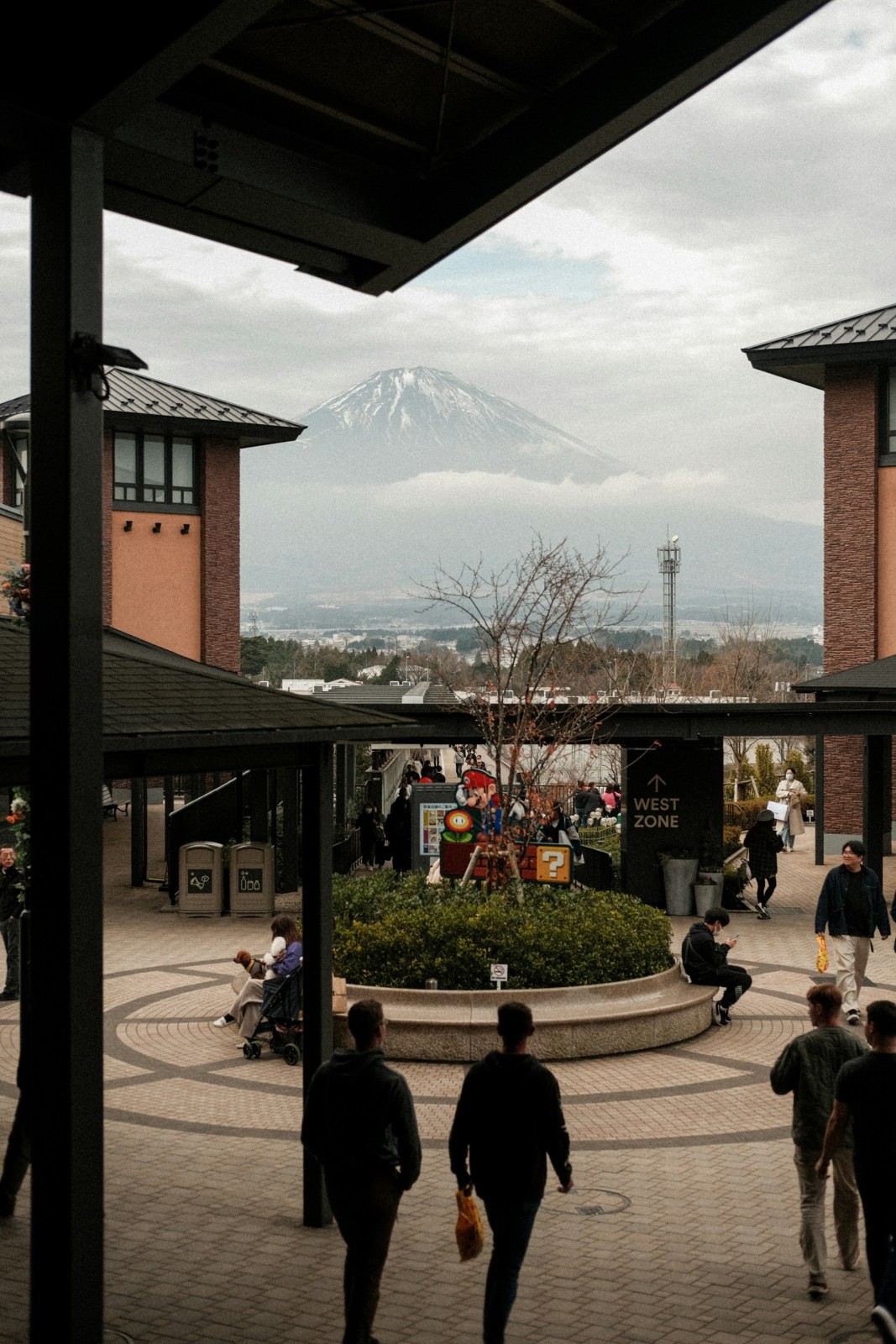
In 2000, Gotemba Premium Outlets opened, one of the largest outlet centers in Japan. Today there are hundreds of stores of famous world brands, annually attracting millions of customers.
A great contribution to the development of tourism was made by the opening of modern museums, parks, observation platforms and hotel complexes.
Gotemba today
Today, about 85,000 people live in the city. It is considered one of the most important tourist centers of the region due to its location at the foot of Fuji.
The economy of the city is based on several directions:
tourism;
trade;
agriculture;
food industry;
logistics;
military infrastructure.
Gotemba is known for clean air, picturesque landscapes, numerous parks and convenient transport links to Tokyo, Yokohama and other cities.
Every year, millions of tourists come here to see Fuji, visit natural attractions, walk along historical pilgrim routes, shop in the outlet center and get acquainted with the traditional culture of Japan.
Gotemba is a cozy city in Shizuoka Prefecture, located at the southeastern foot of the legendary Mount Fuji. Due to its location, it is considered one of the best places in Japan to observe the highest peak of the country. Clean mountain air, picturesque landscapes, modern shopping centers, hot springs and developed tourist infrastructure annually attract millions of travelers from all over the world.
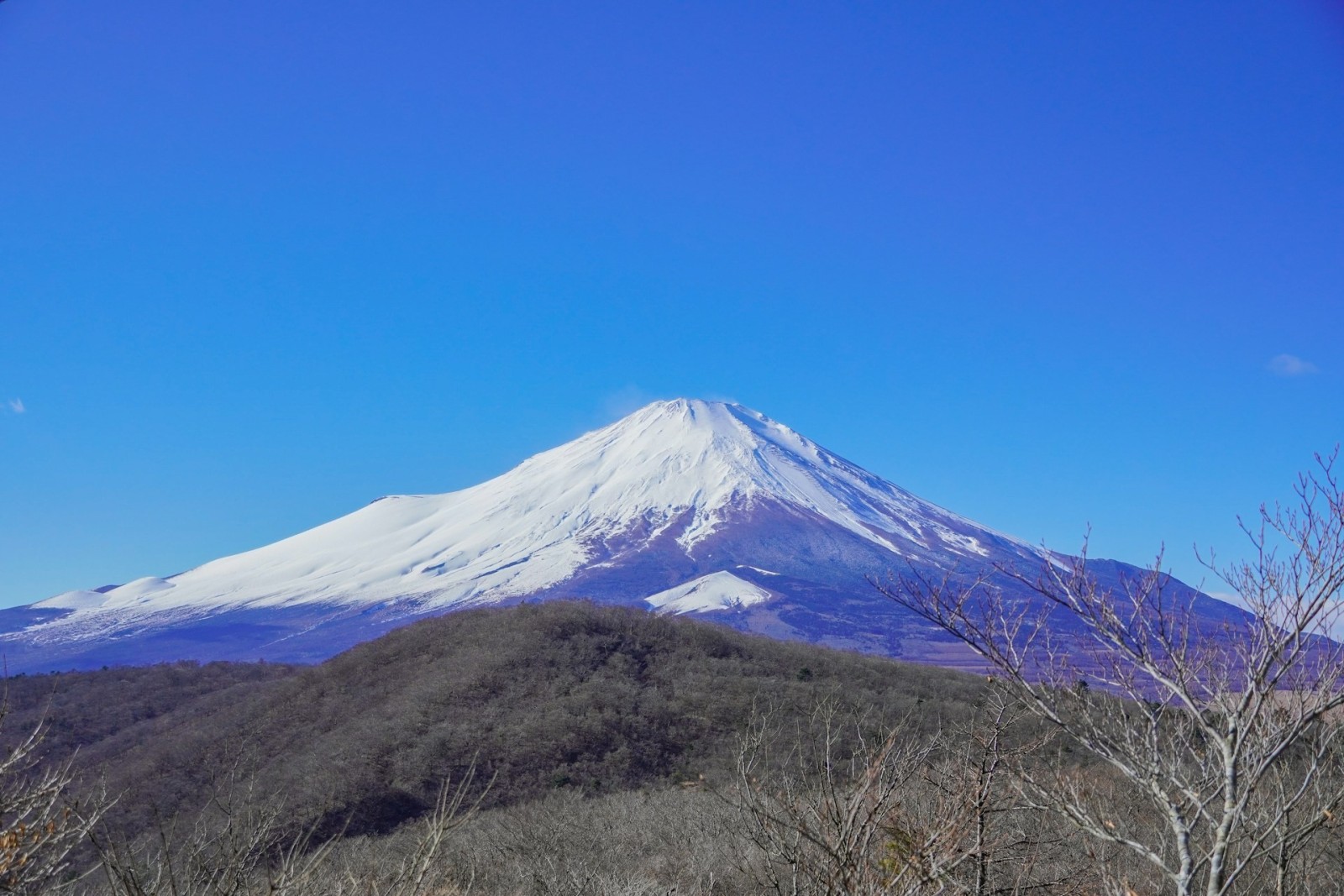
The main feature of the city is the magnificent panoramic views of Fuji. From almost anywhere in Gotemba, impressive landscapes open, and in clear weather the mountain seems very close. Especially beautiful views in the early morning and winter, when the top is covered with snow.
Gotemba is a popular starting point for climbing Fuji. The Gotemba Trail passes through the city, which is chosen by tourists who prefer less crowded trails. Even those who do not plan to climb to the top should visit the surrounding area to enjoy nature and take beautiful photos.
Another hallmark of the city is Gotemba Premium Outlets - one of the largest outlet complexes in Japan. There are hundreds of shops of world brands, and thanks to favorable prices and picturesque views of Fuji, shopping becomes part of a tourist holiday.
Nature lovers will enjoy numerous parks, lakes, forest trails and observation decks. In the vicinity of the city you can visit waterfalls, botanical gardens and nature reserves, go on hiking or cycling routes.
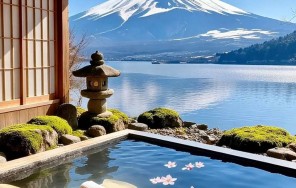
Gotemba is also known for its hot springs (onsen). After a busy day, tourists can relax in traditional Japanese baths, enjoying views of Mount Fuji. Many hotels and ryokans offer their own onsen and a high level of service.
The city is also interesting from a cultural point of view. There are ancient Shinto shrines, Buddhist temples, museums dedicated to the history of the region, as well as traditional Japanese festivals, fairs and seasonal holidays.
Gastronomy of Gotemba deserves special attention. In restaurants, you can try dishes from local beef, fresh vegetables grown on volcanic soils, Japanese noodles, rice dishes, local sake and green tea. Many cafes offer desserts and drinks overlooking Fuji.
The city has convenient transport accessibility. Gotemba is easily accessible from Tokyo, Yokohama, Hakone and other popular tourist destinations by train or bus. Because of this, many travelers include it in the route in central Japan.
Gotemba is suitable for a variety of types of recreation. Nature lovers will be able to go to the mountains and national parks, fans of active tourism - climb Fuji or go hiking routes, families with children - visit museums and entertainment complexes, and lovers of shopping - spend the whole day in the famous outlet.
A special atmosphere gives the city tranquility, cleanliness and traditional Japanese hospitality. There is no fuss of large megacities, so the rest is more measured and comfortable.
Premium hotels and resorts
Five-star and premium hotels offer spacious rooms, panoramic views of Mount Fuji, haute cuisine restaurants, their own hot springs (onsen), spa complexes and a high level of service.
Popular options:
Fuji Speedway Hotel - The Unbound Collection by Hyatt is a luxury resort near the Fuji Speedway, overlooking Fuji, a spa, swimming pool and restaurants.
Mars GardenWood Gotemba is an elegant hotel with traditional Japanese gardens, its own onsen and spacious rooms.
Rembrandt Premium Fuji Gotemba Day Spa is a modern resort with thermal baths, spa treatments and panoramic views of Mount Fuji.
Comfortable hotels
Four-star hotels are perfect for family holidays and tourists who want to combine excursions, rest and shopping.
Popular options:
Located next to Gotemba Premium Outlets, guests can enjoy the nearby Konohananoyu Hot Springs.
Hotel Tokino-sumika is a large hotel complex with onsen, sports infrastructure and green territory.
Dormy Inn Express Fujisan Gotemba is one of the city’s most popular hotels with modern rooms, public thermal baths and views of Fuji.
Middle-class business hotels
This is the most popular accommodation option. Such hotels offer clean rooms, free Wi-Fi, breakfast and a convenient location near the station or main roads.
Popular options:
Toyoko INN Gotemba Ekimae - next to the railway station, suitable for independent travelers.
Hotel Route-Inn Gotemba Eki-Minami - comfortable rooms, restaurant and public bath.
The Celecton Fujisan Gotemba Interchange is a modern hotel close to traffic interchanges.
Hotel Route Inn Gotemba is a good option for car travelers.
Economy hotels
For budget tourists in the city there are simple hotels with a basic set of amenities.
Popular options:
Hotel Kan-Raku Fujisan Gotemba is an inexpensive modern hotel with a public bath.
Kuretake Inn Gotemba Interchange is one of the most affordable accommodation options.
REMBRANDT STYLE GOTEMBA-KOMAKADO is a budget business hotel with a good value for money.
Select Inn Fujisan Gotemba Hotel is an economical option for a short stay.
1. Gotemba Premium Outlets (Gotemba Premium Outlets)
The largest outlet in Japan and one of the most visited shopping complexes in the country. There are more than 280 shops of world and Japanese brands, restaurants, cafes and observation decks with magnificent views of Mount Fuji.
How to get there:
10-15 minutes by bus from Gotemba Station
about 10 minutes by car;
There are regular direct buses from Tokyo, Hakone and other cities.
2. Gotemba Peace Park (Gotemba Heiwa Park)
Beautiful park with Japanese gardens, pagoda, ponds and cherry alleys. Especially popular in spring during cherry blossoms and in autumn during the red maple season. From the observation decks there are beautiful views of Mount Fuji.
How to get there:
about 10 minutes by bus;
10-15 minutes by car;
About 30 minutes walk from Gotemba Station.
3. Gotemba route to Mount Fuji (Gotemba Trail)
One of the four official climbing routes to Fuji. It starts at Gotemba's fifth station New Fifth Station and is considered the longest but less busy compared to other routes.
How to get there:
Seasonal buses from Gotemba Station (about 40 minutes)
by car for about 30-40 minutes.
4. Gotemba New Fifth Station (Gotemba New Fifth Station)
A popular observation deck and starting point for climbing Fuji. There is a tourist center, souvenir shops and cafes.
How to get there:
seasonal buses from Gotemba Station;
car or tour bus.
5. Chichibunomiya Memorial Park (Chichibunomiya Memorial Park)
The former residence of Prince Tichibu, turned into a beautiful historical park. Here you can see a traditional Japanese house, well-groomed gardens, flower beds and a museum exposition.
How to get there:
about 10 minutes by bus;
approximately 10 minutes by car;
About 25 minutes walk from the city center.
6. Hot springs of Konohana no Yu (Konohana no Yu)
A modern hot spring complex near Gotemba Premium Outlets. Visitors can swim in outdoor pools overlooking Mount Fuji, use saunas and recreation areas.
How to get there:
near the outlet;
Free shuttles from some hotels;
10-15 minutes by bus from the station.
7. The Fuji Speedway (Fuji Speedway)
One of the most famous circuits in Japan, where international auto racing, car exhibitions and motorsport festivals take place. On the territory there is a museum, karting and excursion programs.
How to get there:
about 20 minutes by car;
Special buses during major events.
8. Niihashi Sengen Shrine (Niihashi Sengen Shrine)
An ancient Shinto shrine dedicated to the goddess of Mount Fuji. It is a quiet place with a long history, surrounded by cedars and traditional Japanese architecture.
How to get there:
About 15 minutes walk from Gotemba Station
A few minutes on the bus.
9. Otome Falls (Otome Falls)
Picturesque waterfall with a height of about 20 meters, located in a forest zone near the city. Especially beautiful in spring and autumn.
How to get there:
about 15 minutes by car;
by bus followed by a short walk.
10. Lake Higashiyama (Higashiyama Lake)
A small picturesque lake, popular among fans of fishing, walking and photography. In clear weather, Mount Fuji is reflected here.
How to get there:
about 10 minutes by car;
About 15 minutes by bus.
1. Gotemba Sakura Festival (Gotemba Sakura Festival)
When it passes: late March - early April.
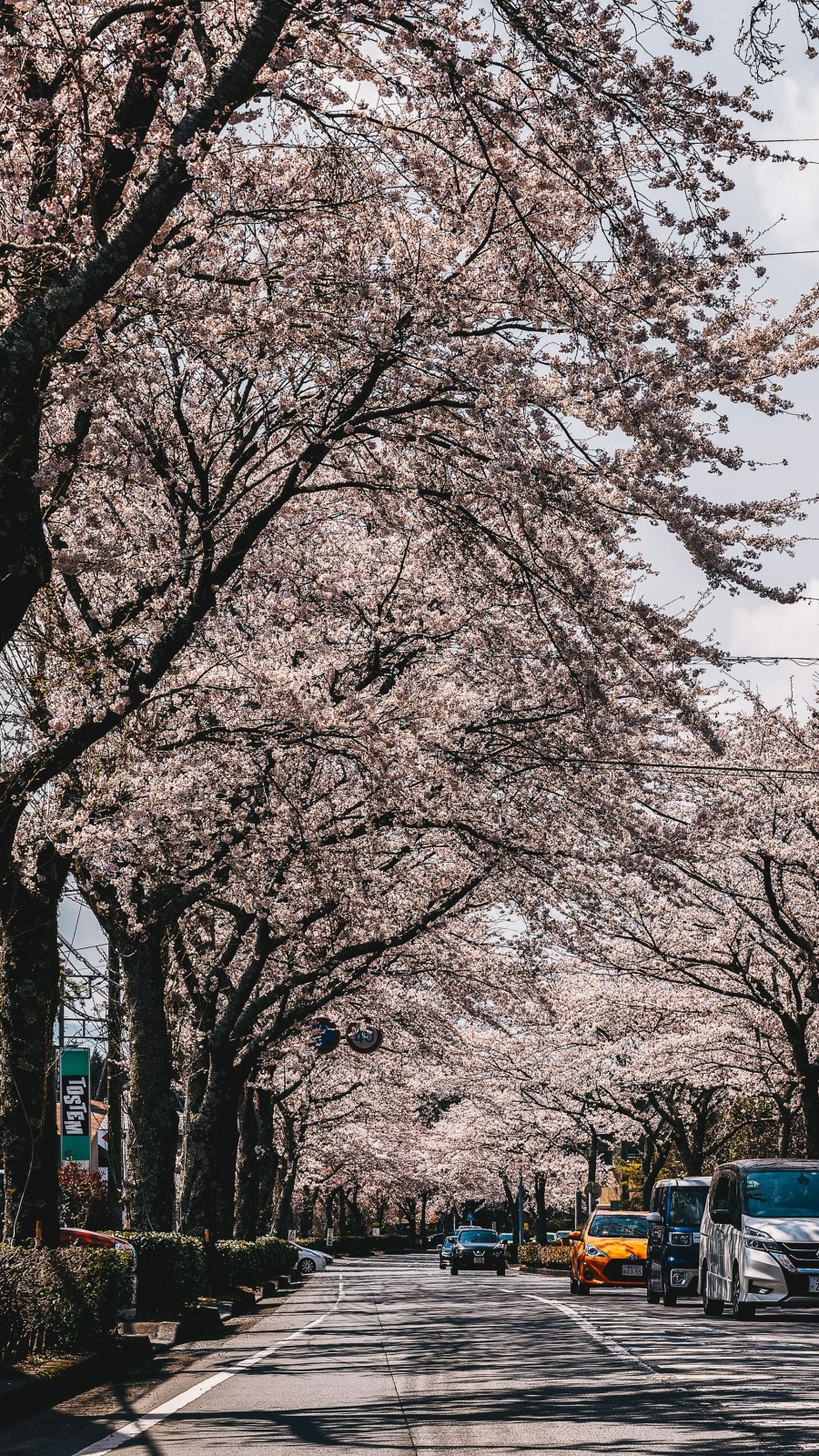
The city's main spring festival. At this time, thousands of cherry trees bloom in Titibunomiya Park, Peace Park and other areas of the city. During the festival there are street fairs, souvenir shops, gastronomic pavilions and evening illuminations of cherry blossoms are organized. Especially beautiful is the combination of snow-capped peaks of Fuji and pink cherry blossoms.
2. Spring Festival at Tokinosumika (Spring Festival at Tokinosumika)
When it passes: March - early April.
Large flower festival on the territory of the resort complex Tokinosumika. Tourists can see about 5,000 flowering cherry trees, tulips, ornamental gardens and evening illuminations. On the territory there are food courts, craft fairs and beer pavilions with local craft beer.
3. Gothamba Rose Festival (Gotemba Rose Festival)
When it passes: late May - early June.
The festival takes place in the Fujisan Juku no Mori natural complex. Hundreds of varieties of roses of various shades bloom here. During the festival, flower exhibitions, master classes on gardening and fairs of local products are held.
4. Fuji Climbing Season
When it passes: July - early September.
Although it is not a festival in the traditional sense, in the summer Gotemba becomes one of the main centers of tourism in the region. The Gotemba Trail runs through the city, where thousands of tourists climb to the top of Fuji. During this period there are seasonal buses, mountain huts and special tourist programs.
5. Summer Illumination in Gotemba (Summer Illumination in Gotemba)
When it passes: July - August.
In the evening, the central areas of the city are decorated with light installations. There are concerts, performances of street musicians, gastronomic fairs and family events.
6. Summer fireworks from the Fuji region
When it passes: July - August.
In the vicinity of Gotemba and the area of Mount Fuji, large-scale fireworks shows are organized annually. Many tourists specially come to see the lights against the background of the silhouette of Fuji.
7. Car festivals and races at Fuji Speedway
When it passes: April - November.
Fuji Speedway is just a few kilometers from the city. It regularly hosts stages of Super GT championships, Super Formula, endurance races, automotive exhibitions, classic car festivals and car manufacturers events. These events attract motorsport fans from all over Japan and abroad.
8. Autumn Red Maple Season (Momiji Season)
When it passes: October - November.
In the parks, gardens and surrounding forests begins the season of Momiji – painting maples in red and gold shades. At this time there are walking tours, photo tours and cultural events in the traditional Japanese style. The view of Fuji among the autumn colors is considered one of the most beautiful in the region.
9. Tokiosumika Winter Illumination (Tokinosumika Winter Illumination)
When it passes: November - March.
One of the most famous winter illuminations in Japan. Millions of LEDs create light tunnels, music shows and themed compositions. In the evening, the territory of the complex turns into a huge festive park of light.
10. New Year holidays (Shogatsu)
When they pass: end of December – beginning of January.
Traditional New Year ceremonies are held in the temples and sanctuaries of the city. Many residents celebrate the first dawn of the year with a view of Fuji, considering it a symbol of good luck and prosperity. Tourists can see traditional Japanese rituals and try festive dishes.
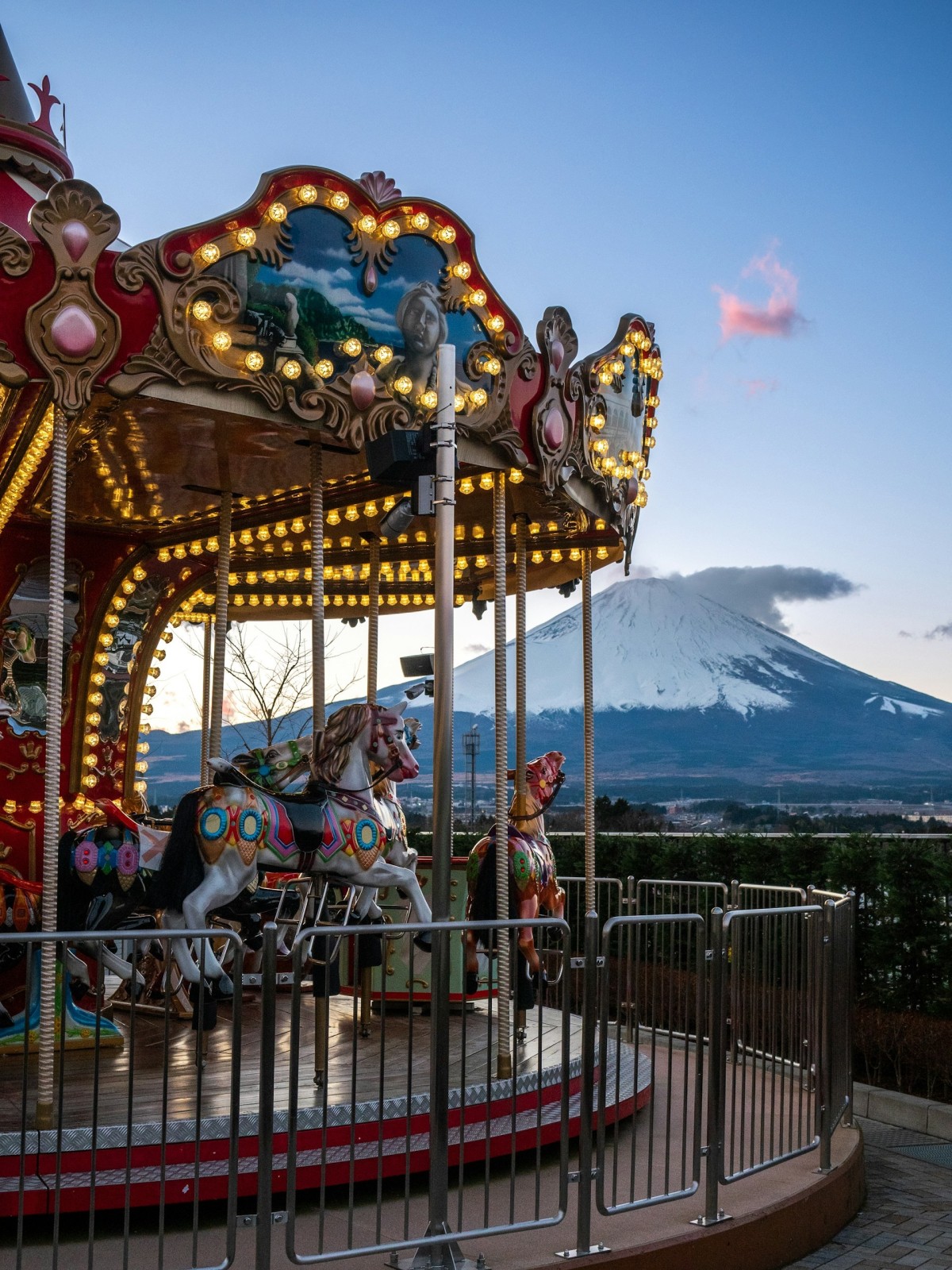
Spring (March-May)
Spring is considered one of the most beautiful seasons in Gothambe. In late March and early April, sakura blooms, and the slopes of Fuji are covered with young greenery. The weather is gradually becoming warm and sunny.
Air temperature: from +8 ... +12 ° C in March to +18 ... +23 ° C in May.
Water temperature (Pacific Ocean, coast of Shizuoka Prefecture): from +15 °C in March to +19 °C in May.
Spring is great for walking, excursions, visiting parks, gardens and observation platforms.
Summer (June-August)
Summer in Gotemba is much cooler than in most cities in central Japan. Due to the proximity of Fuji, there is rarely a debilitating heat here, so the city is popular as a summer vacation destination.
In June, the rainy season begins, which usually ends in the first half of July. August is considered the warmest month of the year.
Air temperature: usually +22 ... +29 ° C, at night about +18 ... +20°C.
Water temperature: +22 ... +26 °C.
In summer, the official ascent season of Fuji begins, festivals, automobile competitions and numerous cultural events take place.
Autumn (September-November)
Autumn is one of the best times to travel. The air becomes cool and dry, and the forests around the city are painted in bright red, yellow and orange colors.
Air temperature: from +24 °C in September to +10 ... +14 °C in November.
Water temperature: from +25 °C in September to +18 °C in November.
Autumn is ideal for hiking, visiting parks, hot springs, excursions and photographing Fuji.
Winter (December – February)
Winter in Gothambe is cool, but not harsh. Sometimes it snows, especially in January and February. Due to the dry air, it is in winter that the clearest views of the snow-capped peak of Fuji are most often opened.
Air temperature: usually -2 ... + 9 ° C, at night frosts up to -5 ° C are possible.
Water temperature: +13... +16°C.
In winter, hot springs (onsen), festive illuminations, winter festivals and walks around the neighborhood are popular.
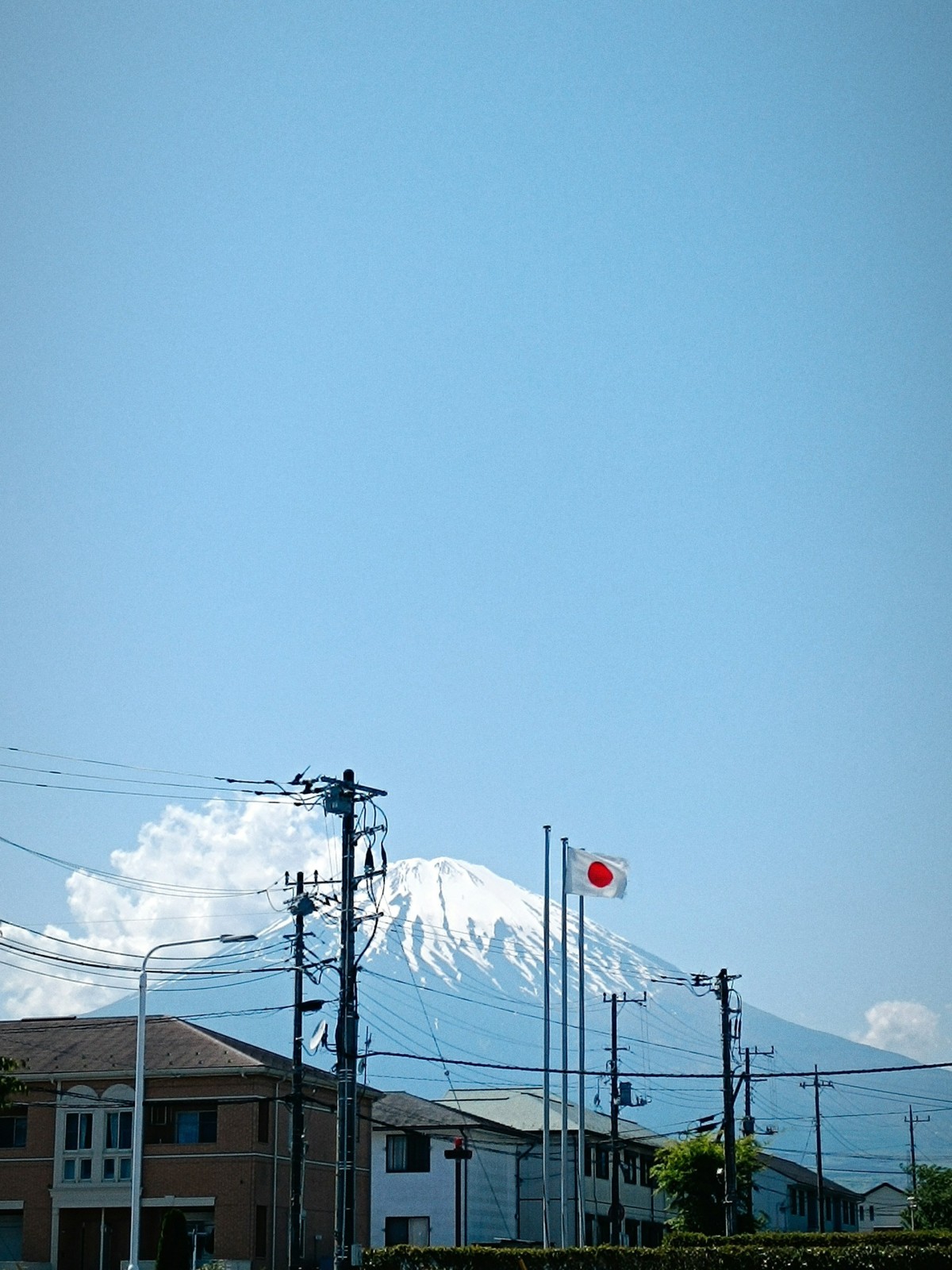
Language of communication
The official language is Japanese ().の)., Nihongo).
It is in Japanese that communication is conducted in government institutions, shops, restaurants, hotels and public transport.
In major hotels, Gotemba Premium Outlets Outlets, tourist information centers and the railway station, many employees speak English. However, in small cafes, family restaurants, shops and rural areas, English is much less common, so it is useful to know a few simple Japanese phrases or use a mobile translator.
Traditions and norms of behaviour
Politeness
The Japanese are known for their politeness and respect for others. It is customary to bow slightly at a meeting. Tourists need a light nod of the head and a friendly smile.
During communication, it is not customary to speak too loudly, interrupt the interlocutor or actively express emotions.
Cleanliness
Japan is considered one of the cleanest countries in the world.
It should be remembered:
Do not throw garbage in the street;
If necessary, take the garbage with you to the nearest urn;
to ensure the sorting of waste where it is provided;
Take care of public places.
Shoes.
In many places, shoes must be removed before entering.
This concerns:
Traditional hotels (ryokan);
some restaurants;
temples;
private homes;
individual museums.
Guests are usually provided with home slippers.
Lines.
The Japanese always keep the line.
When boarding a train or bus, you should stand in specially designated places on the platform and calmly wait for your turn.
Conduct in public transport
During the trip it is recommended:
talk quietly;
transfer the mobile phone to silent mode;
Do not talk on the phone in the car;
Give seats to the elderly, pregnant women and passengers with children.
Visiting temples
Gotembe has several Shinto shrines and Buddhist temples.
During the visit, it is accepted:
Be calm;
speak quietly;
Do not enter closed premises without permission;
Do not take pictures where it is prohibited;
Respect for religious practices.
Hot springs (onsen)
Many hotels and resorts in Gotemba have traditional Japanese hot springs.
Basic rules:
Before entering the pool should be thoroughly washed;
Swimming without bathing suits (men and women visit the baths separately)
the towel should not be dipped in water;
In some onsen visitors with large tattoos may not be allowed.
Basic laws
Smoking
Smoking is allowed only in specially equipped places.
Smoking is prohibited in many public places and near train stations. Fines may be imposed for violation.
Alcohol
Buying and drinking alcohol in Japan is allowed for people over 20 years of age. When buying, the seller may ask for a proof of age.
Traffic rules
There is left-hand traffic in Japan.
Pedestrians need to cross the road only at pedestrian crossings and at the permitting signal of the traffic light.
Photography
Before filming in museums, temples and exhibitions, make sure that photography is allowed.
It is not recommended to photograph strangers without their consent.
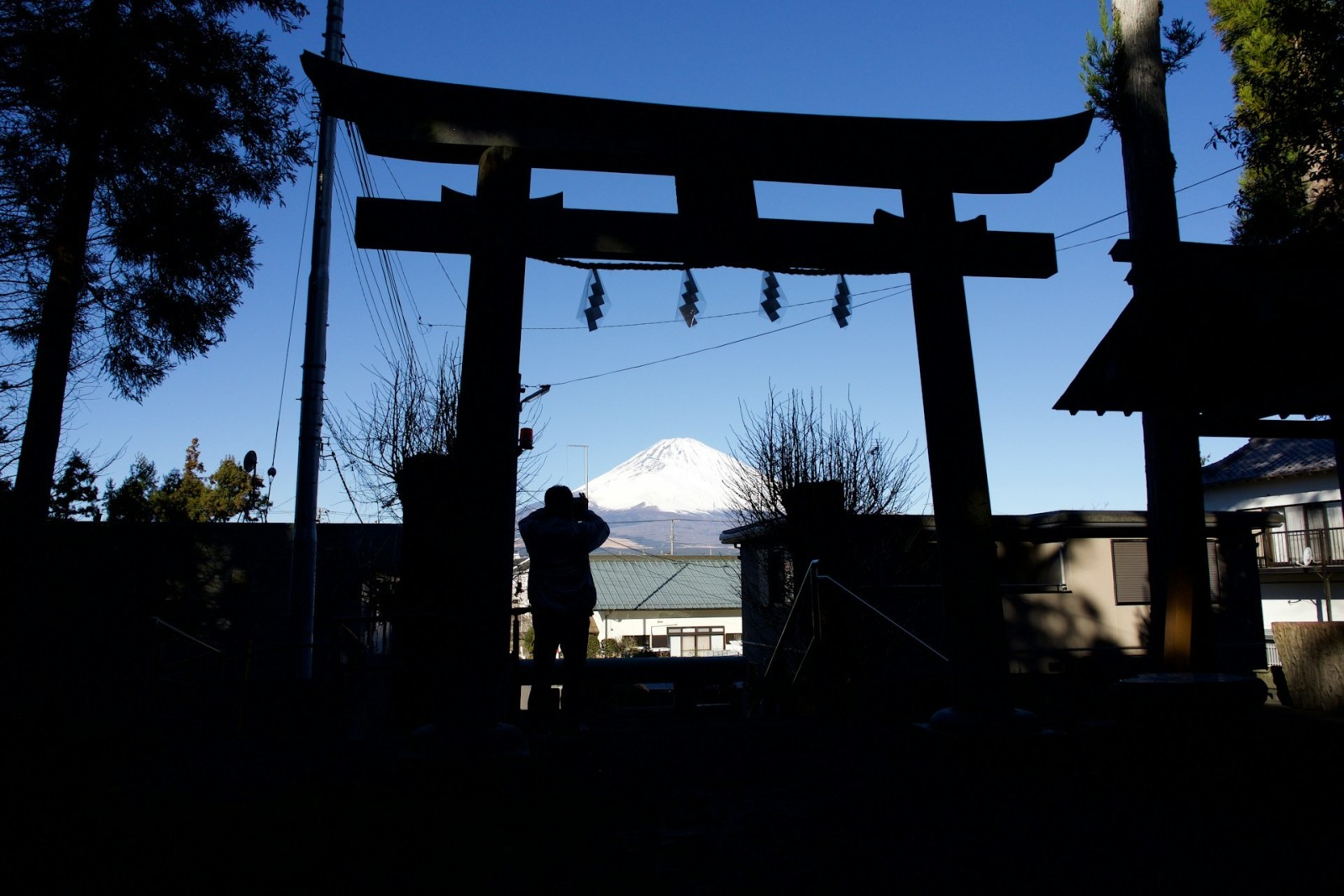
1. Greetings and polite expressions
Konnichiwa (con-ni-chi-wa) - Hello
Ohayō gozaimasu (o-ha-yo go-za-i-ma-s) - Good morning
Konbanwa (Konban-wa) - Good evening
Sayonara (sa-yo-na-ra) - Goodbye
Mata Ne (Mata Ne) - See you later
Arigatō (a-ri-ga-to) - Thank you.
Arigatō gozaimasu (a-ri-ga-to-go-za-i-ma-s) - Thank you very much
Dō itashimashite (do i-ta-shi-ma-shi-te)
Sumimasen (Su-Mi-Ma-Sen) – Sorry / Sorry / Let me contact you
Gomen nasai (go-man na-sai) - Sorry
Hai (hey)
Iie (and-uh) No.
2. Communication and assistance
Eigo o hanasemasu ka? - Do you speak English?
Nihongo ga wakarimasen. I don't understand Japanese.
Sukoshi dake Nihongo o hanasemasu. (su-koshi da-ke ni-hon-go o ha-na-se-ma-s) - I speak a little Japanese.
Tasukete kudasai. (ta-soo-ke-te-ku-da-sai) - Please help me.
Kore wa nan desu ka? - What is it?
Doko desu ka? - Where is...?
Ikura desu ka? - How much is it?
Mō ichido onegaishimasu. (mo i-ti-do o-ne-gai-shi-ma-s) - Repeat, please.
3. At the hotel.
Yoyaku shiteimasu. (I-I-I-I-I-I-I-I-I-I-I-I-I-I-I-I-I-I-I-I-I-I-I-I-I-I-I-I-I-I-I-I-I-I-I-I-I-I-I-I-I-I-I-I-I-I-I-I-I-I-I-I-I-I-I-I-I-I-I-I-I-I-I-I-I-I-I-I-I-I-I-I-I-I-I-I-I-I-I-I-I-I-I-I-I-I-I-I-I-I-I-I-I-I-I-I-I-I-I-I-I-I-I-I-I-I-I-I-I-I-I-I-I-I-I-I-I-I-I-I-I-I-I-I-I-I-I-I - I have a reservation.
Chekku in o onegaishimasu. (Chuck-ku in o-ne-gai-shi-ma-s) - I want to register.
Heya o yoyaku shitai desu. (heh-heh-heh-heh-heh-heh-heh-heh-heh-heh.) - I want to book a room.
Asagohan wa tsuiteimasu ka? (a-sa-go-han wa tsui-te i-ma-s ka?) - Breakfast included?
Chekku auto wa nanji desu ka? - What time is it?
Erebētā wa doko desu ka? - Where's the elevator?
4. At the restaurant.
Menyū o onegaishimasu. (man-nu: oh-na-gai-shi-ma-s) - Menu, please.
Chūmon shimasu. (chu:-mon shi-ma-s) - I want to order.
Osusume wa nan desu ka? - What do you recommend?
Kore o kudasai. (Ko-re o ku-da-sai) - I'll have this, please.
O-mizu o kudasai. (o-mi-zu o ku-da-sai) - Water, please.
O-kanjō o onegaishimasu. (o-kan-jo: o-ne-gai-shi-ma-s) - Check, please.
Kādo wa tsukaemasu ka? (ka:-do wa zu-ka-e-ma-ka?) - Can I pay with a card?
5. Transport and road
Gotemba-eki wa doko desu ka? - Where is Gotemba station?
Basu noriba wa doko desu ka? - Where's the bus stop?
Kippu o kudasai. (kip-poo o ku-da-sai) - One ticket, please.
Kono basu wa Gotemba Premium Outlets ni ikimasu ka? Does this bus go to Gotemba Premium Outlets?
Fuji-san Gotemba Trail wa doko desu ka? Where is the Gotemba Trail route to Fuji?
6. Shopping.
Kore o kaitai desu. (Ko-re o kai-tai de-su) - I want to buy this.
Mō sukoshi ōkii saizu wa arimasu ka? - Is there a bigger size?
Takai desu. - It's expensive.
Waribiki wa arimasu ka? - Any discount?
Genkin de haraemasu ka? - Can I pay in cash?
7. Emergency situations
Tasukete! (ta-soo-ke-te!) - Help me!
Keisatsu o yonde kudasai! - Call the police!
Isha hitsuyō desu. I need a doctor.
Byōin wa doko desu ka? - Where's the hospital?
Pasupōto o nakushimashita. I lost my passport.
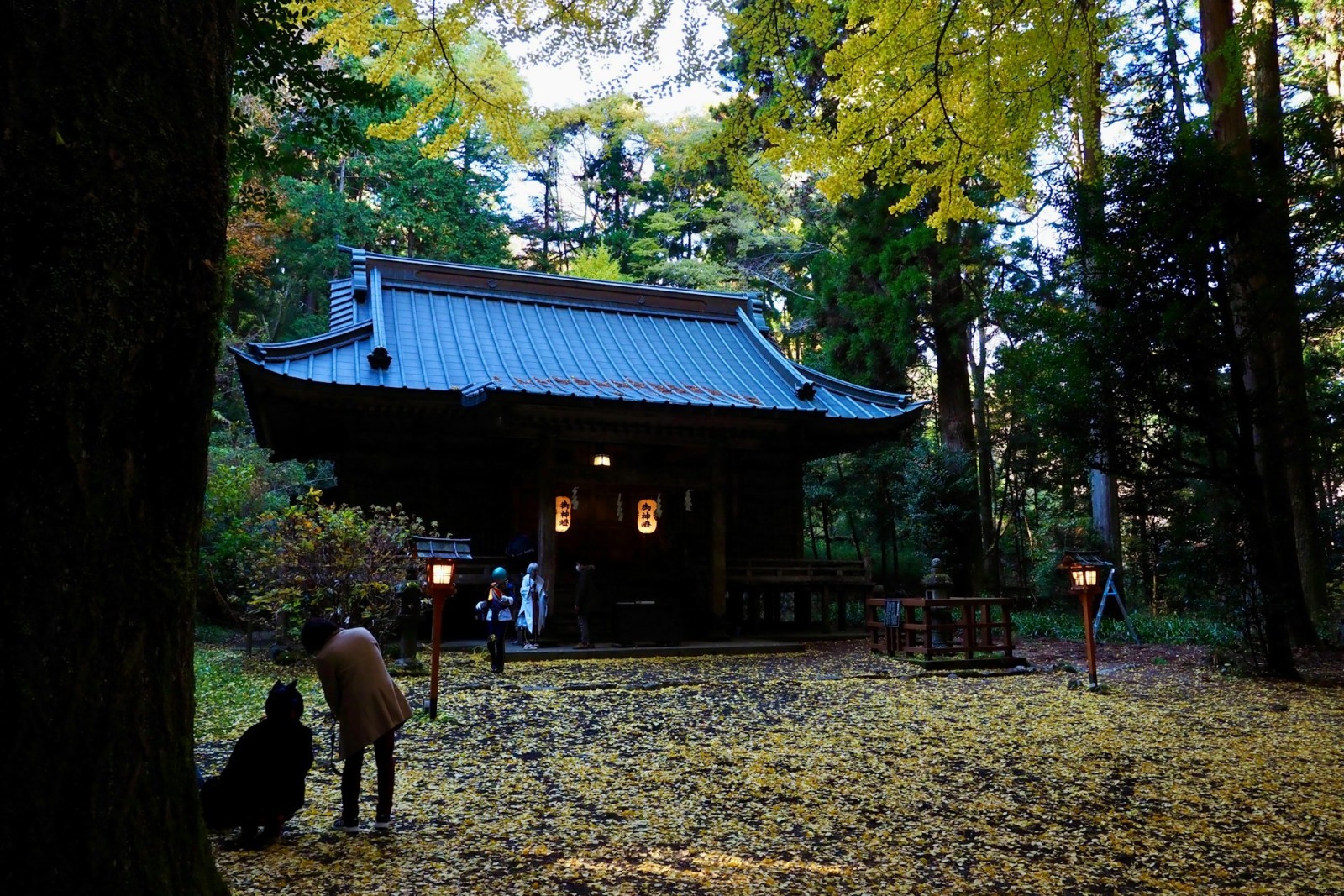
Unique local food
1. Gotemba Beef (Gotemba Beef)
One of the most famous gastronomic products of the region. The meat has a soft texture and rich taste.
What can I bring?
vacuum steaks;
dried meat snacks;
ready-made grill kits.
2. Rice and rice products
The area of Fuji is famous for quality rice.
Popular products:
local rice in gift packages;
rice crackers (senbei);
onygiri in vacuum packaging;
rice flour sweets.
3. Sweets overlooking Fuji
In Gotemba, souvenir sweets with the theme of Mount Fuji are often sold:
Cookies and waffles;
chocolate sets;
Moti;
Match green tea desserts.
4. Japanese tea
Popular species:
sencha
match;
Hodzicha (roasted tea).
Tea is often sold in beautiful gift boxes overlooking Fuji.
5. Local sake
Although Gotemba is not the main center of sake, it sells quality varieties from the Shizuoka region:
dry sake;
fruit sake
mini-tasting kits.
Medical and health-improving products
1. Onsen cosmetics (hot springs)
Gotemba is located near the onsen areas, so mineral water-based cosmetics are popular:
face creams;
masks;
lotions;
bath salts.
2. Japanese pharmacy products
Local pharmacies and shops sell:
vitamins and supplements;
patches for muscle pain;
warming ointments;
means for joints;
Eye drops (very popular with tourists)
remedies for colds and fatigue.
3. Natural health products
powdered green tea of the match;
collagen drinks;
supplements with rice extracts;
fermented foods.
Gothamba Souvenirs
1. Souvenirs overlooking Fuji
The most popular category:
magnets;
postcards;
cups;
T-shirts;
Fuji posters;
Keychains.
2. Gotemba Premium Outlets goods
Since there is a large outlet in the city, tourists often buy branded items with discounts:
clothing;
shoes;
bags;
accessories of global brands.
3. Traditional Japanese products
handmade chopsticks;
ceramic cups;
tea sets;
mini-serves.
4. Wooden products
From local materials make:
Bento boxes;
trays;
kitchen accessories;
decorative products.
5. Onsen souvenirs
bath kits;
aromatic salts;
Towels with Japanese symbols;
Yucat robes.
What documents are needed for the trip
For entry and comfortable stay in Japan tourists usually need:
passport (valid for the entire duration of the trip);
Visa (if required for your country);
return ticket or ticket to a third country;
confirmation of hotel booking or accommodation address;
proof of financial security (sometimes may be requested);
Health insurance (highly recommended, though not always mandatory)
It's also useful to have:
copy of the passport (paper and electronic);
a copy of the visa and insurance policy;
Hotel address in Japanese.
Health insurance
Medicine in Japan is high quality, but expensive for tourists.
Recommended insurance should cover:
emergency medical care;
hospitalization;
operations and treatment of injuries;
call an ambulance;
transportation to the hospital;
repatriation;
Loss of luggage and cancellation of travel.
Emergency services
There are common numbers in Japan:
110 - police
119 Ambulance and Fire Service
118 Coast Guard (water incidents)
Useful phones and assistance to tourists
Japan Visitor Hotline: 050-3816-2787 (round-the-clock assistance to tourists in several languages)
Police for consultation: 9110 (non-emergency questions)
Embassy of your country in Japan (required to save the number in advance)
Mobile and Internet
In Gotemba, the main operators of Japan are stable:
1. NTT Docomo
the widest coverage;
The best option for traveling to the mountainous areas of Fuji.
2. au (KDDI)
stable communication;
Good coverage in cities and suburbs.
3. SoftBan k
fast internet in cities and tourist areas.
4. Rakuten Mobile
cheaper rates;
Possible weak areas in the mountains.
Communication options for tourists
Tourist SIM cards (at the airport);
eSIM (the most convenient option);
Pocket Wi-Fi (popular in Japan)
Free Wi-Fi at hotels, outlets and Gotemba station.
City security
Gotemba is safe, but it is important to follow the basic rules:
Do not leave things unattended;
observe silence in public places;
respect the queues;
Do not litter (urns are small – garbage is often taken with you);
observe the rules in onsen and temples;
Be careful in the mountains and on the routes of Fuji.
Natural risks
Japan is a seismically active country.
Possible phenomena:
earthquakes (most often weak)
heavy rains in summer;
Typhoons (August-September);
snow in the winter (in the area of Fuji).
Hotels have evacuation instructions – it’s important to read them when checking in.
Duration of stay in Japan
Depends on nationality:
Visa-free (for many countries)
up to 90 days of stay;
without the right to work.
With a visa.
Usually 15, 30 or 90 days;
Extension is possible through immigration.
Create a query and local guides will offer you the best options