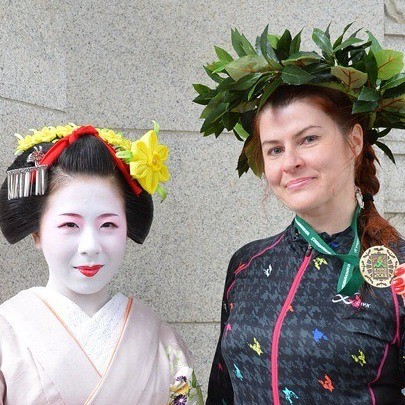
Kobe is a port city in the southwest of Honshu Island, Japan. The city is rich in history, culture and is one of the largest economic centers of the country. Here's Kobe's more detailed story:
The city has an ancient history associated with trade and port. In the Middle Ages, Kobe was an important trading center and place for the exchange of goods between Japan and China. It also became known for its hot springs, which attracted travelers.
Opening up to world trade: In the 19th century, Kobe became a key port for international trade. In 1868, after the end of the samurai era, the city opened to foreign traders. Originally, it was one of five ports opened by Japan to foreign ships, contributing to the introduction of Western technology and culture.
The 1995 earthquake: In 1995, Kobe was devastated by a powerful 6.9-magnitude earthquake known as the Kobe Earthquake. It was the largest earthquake in Japan since World War II. The earthquake killed more than 6,000 people, destroyed buildings and infrastructure. However, the city recovered thanks to the efforts of citizens and the government.
Economic development: Kobe has become one of the key economic centers of Japan. The port continues to play an important role in international trade. The city is also known for its industrial areas, including automobiles and electronics.
Cultural Heritage: The city is rich in cultural heritage. Historical temples and sanctuaries such as Ikuta Srino can be found in Kobe, as well as modern architecture such as the Porto Tower. Cultural events such as the Hakuten Arts Festival and the Foreigners Festival decorate urban life.
Gastronomy: Kobe is known for its gastronomic tradition. The city is famous for high quality Kobe marble meat, which is considered one of the best in the world. Restaurants, bars and street cafes offer a variety of dishes, representing the richness of Japanese cuisine.
Kobe is a city that combines rich cultural heritage, historical significance and modern technology, making it a unique and attractive place to live and visit.
What is interesting about Kobe
The city of Kobe in Japan is a unique combination of history, culture and modern appearance, making it an attractive destination for travelers and tourists. Here are a few things that make Kobe attractive:
Port Sharm: Kobe is a port city and its seascape is stunning. Visitors can enjoy the scenic views of the port by strolling along the Meriken embankment, which houses ancient buildings, and visit the Porto Tower, which offers magnificent views of the city and the bay.
Historical heritage: Kobe is rich in history and this is evident in its many historical monuments and temples. Ikuta Srino is one of the oldest sanctuaries in Japan, and the Kitano Cho area is famous for its traditional Japanese homes.
World Cuisine: Kobe’s gastronomy is a real paradise for food lovers. The city is known for its marble Kobe meat, which is offered in many restaurants. In addition, the streets of Kobe are saturated with a variety of cafes, restaurants and diners, offering fine dishes of Japanese, European and Asian cuisine.
Modern and Tradition: The city combines traditional elements of Japanese culture and modern architecture. Port areas such as Motomachi offer a unique blend of antiquity and modernity. Harborland Shopping Center with its shopping malls and restaurants also invites you to modern entertainment.
Festivals and Events: Kobe is famous for its cultural festivals, such as the Armenian Festival and the Festival of Foreigners, which provide a unique opportunity to immerse yourself in the diversity of cultures and traditions from around the world.
Relaxation in Hot Springs: Near Kobe are hot springs such as Arima Onsen, where travelers can relax and enjoy the traditional Japanese experience of bathing in thermal springs.
The city of Kobe provides a unique journey where history, culture, gastronomy and modernity are intertwined, creating a unique atmosphere that attracts tourists from all over the world.
In Kobe, Japan, travelers can enjoy a variety of accommodation options, offering comfort and fun for different budgets. Here are some examples of hotels of different levels and other accommodation options:
1. Luxury hotels:
Hotel Okura Kobe: Luxury hotel located in the area of Meriken Park, overlooking the sea. Magnificent rooms, high level of service and restaurants with exquisite Japanese cuisine make it attractive for tourists seeking luxury.
Kobe Bay Sheraton Hotel & Towers This hotel is located in Kobe Sandoi, offering chic rooms, spa facilities and access to the Rokko Island Shopping Centre. The perfect choice for those looking for a high level of service.
2. Mid-range hotels:
ANA Crowne Plaza Kobe: Conveniently located hotel with modern rooms and amenities, also offering sea views. In close proximity to important tourist attractions.
Hotel Pearl City Kobe: This hotel is located in the city center and offers cozy rooms at an affordable price. Close to shops and restaurants, making it a great choice for those looking to save money.
3. Economy options:
Hostels and Guesthouses: Kobe also offers various hostels and guesthouses, such as Guesthouse Kobe Nadeshikoya, where travelers can share space and chat with other travelers at a more affordable price.
Airbnb: The option of renting a home via Airbnb can be cost-effective and provide the opportunity to live like a local, choosing an apartment or a house.
The choice of accommodation level in Kobe depends on the budget and preferences of travelers. The city provides a variety of options to make the stay pleasant and comfortable for all categories of visitors.
Where to go and what to see in Kobe
The city of Kobe in Japan offers a variety of attractions, from historical monuments to modern architectural wonders. Transport accessibility of many of these places is ensured by a well-developed public transport system and convenient location. Here are a few key attractions and information about transport accessibility:
Meriken Park: Meriken Park is one of the most famous places in Kobe. Here you will find the Porto Tower Building, the Porto Tower Art Museum and the famous Blue Whale – the symbol of the city. The park is located near Sanyomija Station and Kobe Port, making it easily accessible by train and bus.
Sannomiya: Sannomiya is the central district of Kobe with many shops, restaurants and nightclubs. It is convenient to reach many other parts of the city by train and bus.
The Ikuta Shrine: This ancient Shinto temple is located in the city center. It is accessible pedestrianly from Sanyomi and other central areas of the city.
Kobe Art Village: Kobe Art Village Located on Rocco Island, Kobe Art Village serves as a cultural center with many art galleries and museums. You can get there by trains and buses from the city center.
Oji Zoo (Oji Zoo): This zoo is located in Oji Park and provides an excellent opportunity for family holidays. It is easy to reach by train and bus from various areas of Kobe.
Active volcano Rokko (Mount Rokko): Rocco offers beautiful views of the city and Osaka Bay. To visit the top of the mountain and restaurants, you can use the Rocco cable car.
Transportation in Kobe is represented by metro, buses and trains, which ensures the convenience of moving between different areas of the city and its surroundings. This makes visiting Kobe sights accessible and enjoyable for tourists.
Cultural life and activities in Kobe
The city of Kobe in Japan offers a variety of events and festivals throughout the year. Here are some popular events that may interest tourists:
Hakuten Matsuri (Hakutsuru Sake Festival) This sake festival takes place at the end of April and offers the opportunity to taste different types of Japanese rice wine, as well as enjoy traditional dances and performances.
Meriken Park Festival (Meriken Park Festival) The annual event, which takes place in May, includes a parade, musical performances and fireworks. A great way to enjoy the atmosphere of Meriken Park.
The Nunobiki Mask Festival of Japan This unique festival takes place in June and includes performances using traditional Japanese masks.
Kobe Matsuri Festival of Foreigners: This carnival takes place at the end of May and brings together representatives of different cultures. Includes a parade, concerts and a fair.
Festival of Lights in Kobe Luminarie: An annual event in December commemorating the victims of the 1995 earthquake. The port of Kobe becomes bright and colorful with magnificent light installations.
The Herbarium Nunobiki Flower Festival (Nunobiki Herb Festival) Takes place in the spring and summer in the mountains of Rocco. Visitors can enjoy the colorful flowers and smells of various herbs and plants.
Concerts and Artificial Performances at Kobe International House The centre offers a variety of cultural events including concerts, ballet, theatre productions and more. The schedule of events can be specified on the official website.
Various activities take place in Kobe throughout the year, providing visitors with a variety of opportunities to enjoy Japanese culture, traditions and entertainment.
Weather conditions for travel in Kobe
Climate in the city of Kobe in Japan:
The city of Kobe has a temperate climate with distinct seasons. Here is a brief description of the climate at different times of the year:
Spring (March-May):
Air temperature: From pleasant spring coolness to warm days.
In spring, cherry trees bloom, creating magnificent landscapes. This season is often considered the best to visit Kobe because of the beautiful nature.
Summer (June - August):
Air temperature: Warm and humid weather with high humidity.
In summer, there is a monsoon season, and sometimes it rains. However, this time of year can be good for visiting the coast and marine activities.
Autumn (September to November):
Air temperature: Cool and comfortable time of year.
Autumn in Kobe is characterized by beautiful nature, especially the color of maple trees. It is also harvest season and fresh fruit can be enjoyed in the markets.
Winter (December to February):
Air temperature: A cool winter with possible periods of low temperatures.
In winter, a little snow can fall in Kobe, especially in the area of Mount Rocco. This period is also suitable for enjoying city illuminations and festive atmosphere.
Best season to visit Kobe: The best time to visit Kobe is spring (March – May) and autumn (September – November). At this time of year the weather is pleasant and nature provides beautiful scenery. Spring is associated with many cherry festivals, and in autumn you can enjoy the bright colors of maple trees. However, each season in the city has its own unique appeal, and the choice depends on your preferences and interests.
Language of communication, traditions and customs in Kobe
Language of communication: The official language in Japan is Japanese. In Kobe, as in other parts of the country, English can be used in tourist centers, some hotels and restaurants. However, in public places and among the local population, knowledge of English may be limited. It is important to remember some Japanese phrases or use translators if necessary.
Traditions and customs:
Respect: Respect for others is a fundamental aspect of Japanese culture. It is important to show courtesy and respect for the local population, follow the rules of public order and avoid defiant behavior.
Shoes: In many houses, temples and some restaurants it is customary to take off your shoes at the entrance. Therefore, it is always necessary to keep in mind cleanliness and order in this matter.
Money: Cash payments are still common, although most places accept credit cards. It should be clarified what types of payments are accepted in a particular place.
Photos: Before photographing people, especially in temples or sacred places, ask permission. Photography may be prohibited in some places.
Laws and regulations:
Silence: In public places, including public transport, it is customary to speak quietly or use a phone with headphones to avoid disturbing others.
Japan is known for its cleanliness. It is important to properly sort the garbage and dispose of it according to local regulations.
Punctuality: Punctuality is considered an important aspect of Japanese culture. Be on time for meetings and follow the schedule.
Submission and receipt of items: It is customary to use both hands when transferring or receiving items, especially when exchanging money.
Compliance with etiquette and cultural norms will help to create a positive impression when visiting Kobe and Japan in general. The observance of local traditions and customs also contributes to a more harmonious interaction with the local population.
Popular language phrases and dialogues for traveling in Kobe
Language of communication:
The official language in Japan is Japanese. Many Japanese can also understand and speak a little English, especially in tourist areas, but it makes sense to learn a few phrases in Japanese for a more comfortable interaction.
Traditions, customs and laws:
Courtesy:
Show respect for local traditions and customs. Politeness is an important aspect of Japanese culture.
Shoes:
Before entering a house or some traditional places, you may need to take off your shoes. Pay attention to the signs.
Shaking hands:
In Japan, it is customary not to shake hands, but to tilt your head slightly as a sign of respect.
Photos:
Make sure that you are allowed to take photos in one place or another. In some sacred places, this may be prohibited.
Lines:
The Japanese strictly follow queues. Keep order, do not overtake or climb forward.
Silence on public transport:
In trains and buses, it is customary to keep silence so as not to interfere with others.
Garbage care:
Find a place to dispose of garbage, as cleaning and order are important in Japan.
Main phrases and words:
Greeting:
)の) (Konnichiwa) - Hello
(Konbanwa) - Good evening
Requests and courtesy:
(Onegaishimasu) - Please
(Arigatou gozaimasu) - Thank you.
Apology:
)の (Sumimasen) - Excuse me
I'm sorry. I'm sorry.
Main phrases:
) (Hai)
- No.
Good morning (Ohayou gozaimasu)
Farewell:
Good-bye, bye-bye.
Request for direction:
(Sumimasen, kore wa doko desu ka?) - Excuse me, where is that?
Knowing a few phrases in Japanese can make your trip to Kobe more enjoyable and make it easier to communicate with locals.
Local food, medicines and souvenirs in Kobe
Unique products, medicines and souvenirs from Kobe in Japan:
Kobe marble meat:
Kobe marble meat is known for its incredible marble texture and tenderness. It's Japanese delicacy beef.
Hint: Buy local beef from specialty meat shops or restaurants to enjoy a unique taste.
Nunchaku (Nun Chaku) - Therapeutic agent:
Description: Legendary cult massage chopsticks that are used to reduce muscle tension and stimulate blood circulation.
Hint: These nunchakus can be purchased at traditional Japanese pharmacies or health stores.
The Kobe Port Tower Fan:
Description: Aesthetic fan in the form of the Porto Tower, a symbol of the city of Kobe.
Hint: A great souvenir for cooling in hot Japanese weather.
The Akashiyaki Black Monkey:
Description: A traditional Japanese snack, similar to the tip of taco tentacles, prepared in egg dough.
Hint: Try this dish on the streets of Kobe and then buy a home cooking kit.
Cobe Wine (Cobe Wine):
The Kobe region is known for its winemaking. Try a variety of local wines like Merlot or Cabernet Sauvignon.
Hint: Buy a bottle or two at local wine shops.
Traditional Japanese rubber shoes (Jika-tabi)
Description: Traditional shoes used in gardening and other traditional Japanese occupations.
Hint: Buy a pair at local shoe stores for Japanese goods.
Flavored Rocco salts (Rokko Salt):
The salt mined in the area of Mount Rocco offers a variety of flavors including lavender, tomato, etc.
Hint: Perfect souvenir for lovers of cooking.
The choice of souvenirs and unique products depends on your interests and tastes. However, the options listed above are unique products and artifacts that can be a wonderful reminder of your trip to Kobe.
What to have for a safe holiday in the city of Kobe
Security in Kobe, Japan:
Kobe is generally considered a safe place for tourists. Japan is generally known for its high level of security, low crime rate and hospitality to visitors. However, it is still worth taking general precautions, as in any other city.
Some safety tips:
Stay in the visible places: Avoid dark and empty areas, especially at night.
Take care of your things: Japan is known for being honest, but still be vigilant about your personal belongings.
Follow the rules of the road: Pedestrians must cross the road only at pedestrian crossings, and drivers must follow the rules.
Respect local traditions and customs: The Japanese appreciate respect and courtesy. Follow local traditions and rules of conduct.
Required documents and insurance:
Passport: Tourists in Japan must always carry a passport.
Visa: Before traveling, check if you need a visa. Citizens of many countries can enter without a visa for a short time.
Health insurance: It is recommended to have health insurance as it can be useful in case of unexpected medical expenses.
Emergency services and telephones:
Police: 110
Ambulance and Fire Service: 119
Mobile operators:
Japan has several major mobile operators such as NTT Docomo, SoftBank and KDDI (au). Roaming can be expensive, so you can consider renting a local SIM card.
Duration of stay without departure:
Most tourists in Japan have the right to stay up to 90 days without the need to leave. However, for specific information and updates, it is recommended to check with the Consulate of Japan in your country or the Japanese Foreign Affairs Service.
You didn't find the right one?
Create a query and local guides will offer you the best options
The site uses a web analytics service
Yandex Metrics
using cookie technology to make the site more convenient. You can prevent the processing of cookies in the browser settings.
Details in Privacy policy.