Independent tourism and recreation in the city of Uji Historical information about the city of Uji Uji is a hi...
Historical information about the city of Uji
Uji is a historic city in the south of Kyoto Prefecture, located on the Uji River between Kyoto and the southern part of the Kansai region. The city is known for its combination of ancient temple culture, imperial court history, tea traditions and literary heritage. Uji is particularly closely associated with The Tale of Genji, the last ten chapters of which are called Uji Jujo and are set here. The Uji Tourism Association also highlights the city’s role as an important historical cultural center and home to the famous Uji green tea.
1. Ancient times
The Uji area was important due to the river, fertile lands and position on the routes between the interior of Japan. The Uji River connected the Lake Biwa area with the direction of Osaka, so the settlement gradually acquired trade and strategic importance.
2. Uji Bridge and Settlement Development
Tradition links the construction of the first bridge across Uji with the Buddhist monk Doto in 646. The bridge became an important crossing point and at the same time one of the symbols of the city. The modern bridge preserves the historical image of this place.
3. Uji in the Heian era
During the Heian period, Uji became a popular holiday destination for the aristocracy. Rich representatives of the court nobility built country residences here, using the beautiful landscapes of the river and the surrounding mountains. The most important example of this development was the Fujiwara Palace, later transformed into the Byodo-in Temple.
4. The appearance of Bödo-in
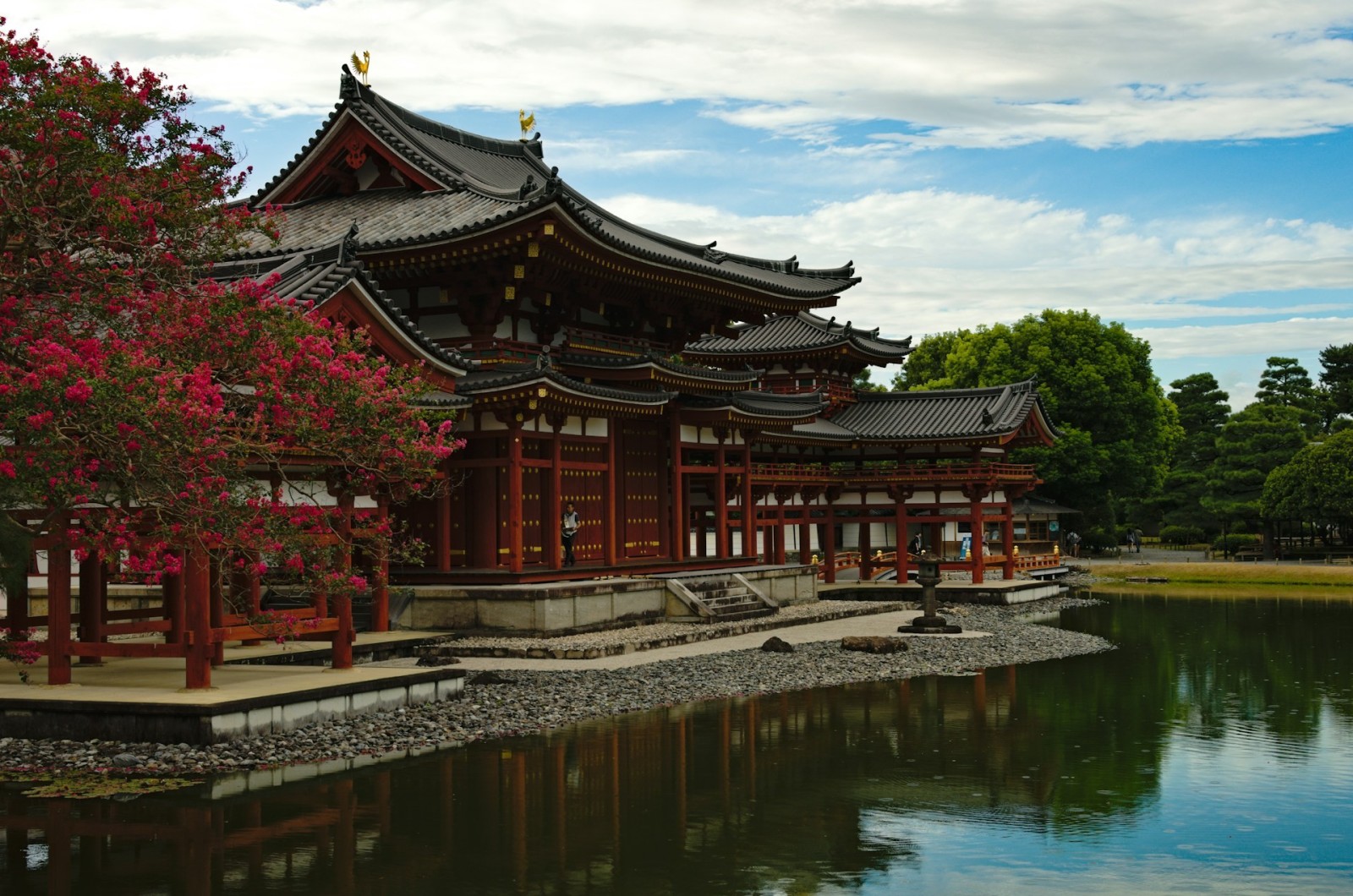
In 1052, the former residence of the Fujiwara family was turned into a Buddhist temple. In 1053, the Hoodo Phoenix Hall was built. It is preserved as an outstanding monument of architecture of the Heian era and today is the main symbol of Uji.
5. Literary heritage
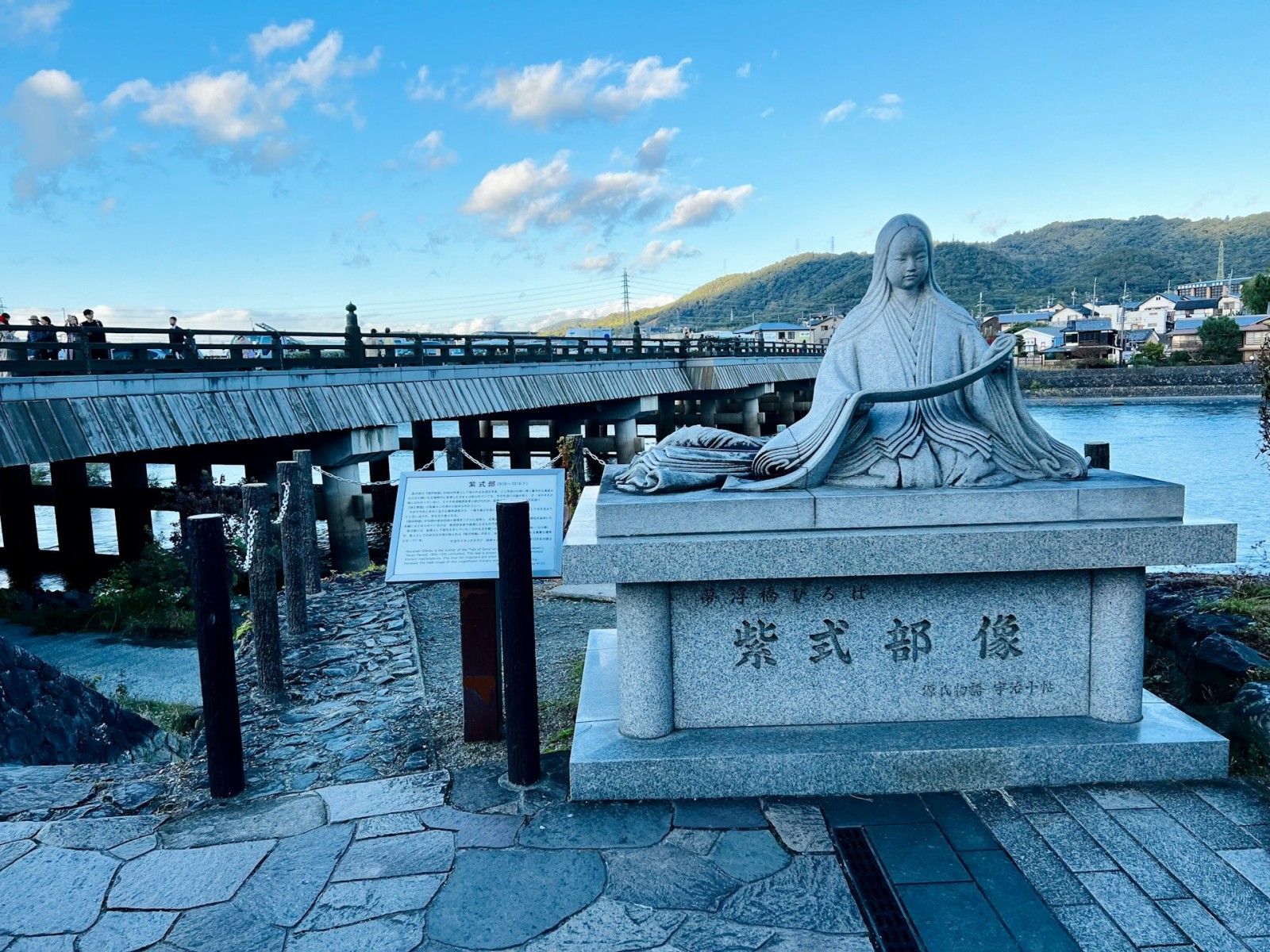
Uji became one of the main literary images of Japanese classics. The last ten chapters of The Tale of Genji deal with the area. Thanks to this, the city received a stable image of a place of romantic stories, and the Uji River, bridges, temples and wooded hills became part of the literary landscape.
6. Military history
Despite the calm modern appearance, in the XV-XVI centuries, the Uji region was repeatedly associated with the struggle of military groups. The advantageous position on the transport routes made the city an important strategic point.
7. Development of tea culture
Over time, Uji became one of the main centers of Japanese tea. The unique combination of climate, water, soils and traditions of growing and processing tea leaves has formed the reputation of Uji as one of the most famous tea regions in Japan.
8. Modern city
Today, Uji preserves its historical environment, but is also a modern residential and cultural center. The main tourist areas are concentrated around the Uji River, Byodo-in, Ujigami-jinja, the Tale of Genji Museum and tea shops.
9. World Heritage
Byodo-in and Ujigami-jinja are part of the UNESCO Historical Monuments of Ancient Kyoto, which also includes the monuments of Kyoto and Otsu. The site was inscribed on the World Heritage List in 1994.
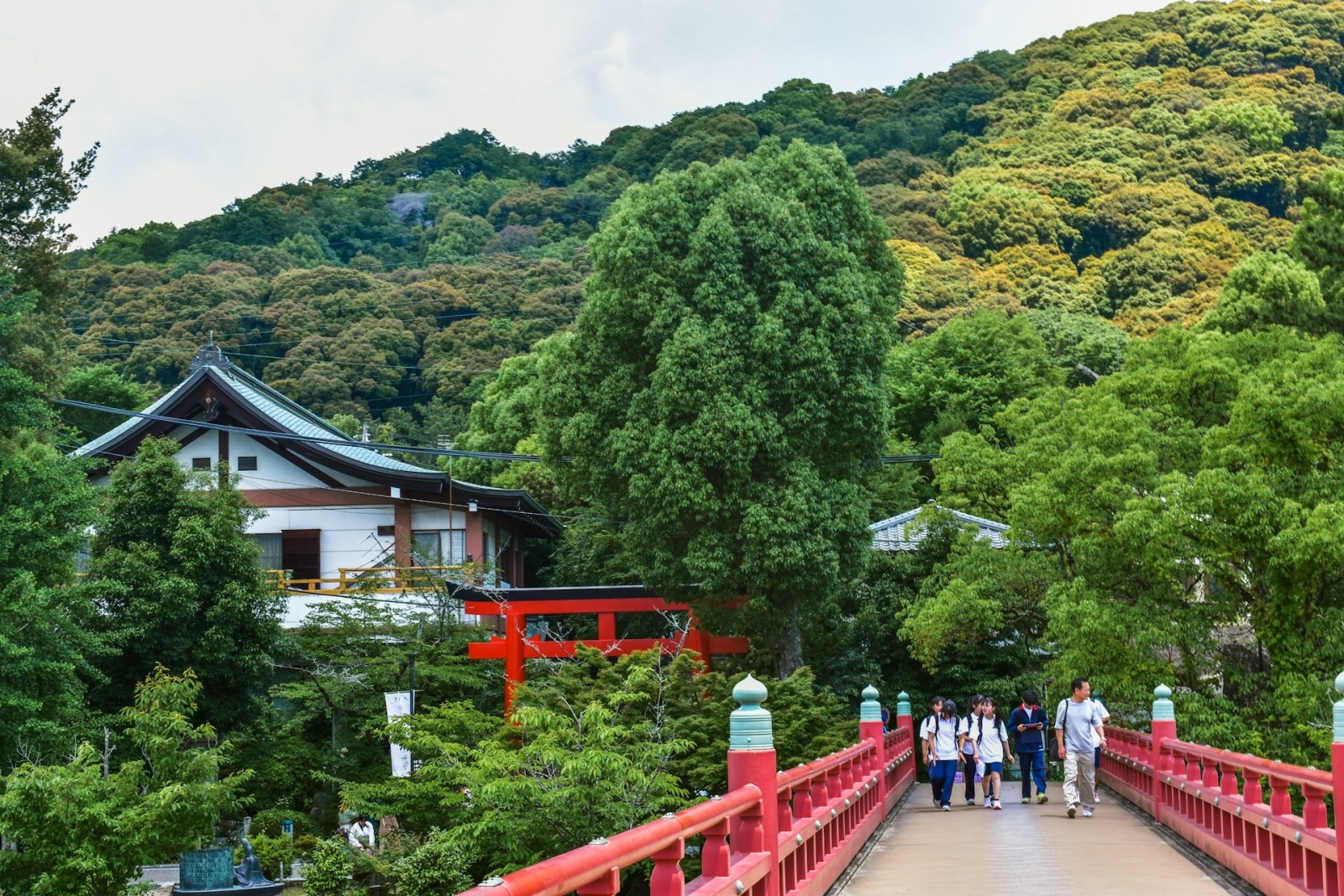
Uji is suitable for travelers who want to see historical Japan in a more relaxed atmosphere than in the central tourist areas of Kyoto. The main tourist image of the city consists of four elements: ancient temples, the Uji River, the culture of Japanese tea and the literary heritage of the Tale of Genji. The Tourist Association of the city separately emphasizes the presence of two World Heritage sites - Byodo-in and Ujigami-jinja.
Bedo-in with Phoenix Hall and Hoshokan Museum.
Walk along the Uji River and through historic streets.
Acquaintance with real Uji tea: tastings, tea ceremonies and shops.
Museum "Tale of Genji" and routes associated with Uji Jujo.
Ujigami-jinja and other ancient temples and shrines.
Autumn temple landscapes, spring greenery and summer events on the river.
The opportunity to combine a trip to Uji with a visit to Kyoto, Nara and other cities in the region.
1. Comfortable and traditional options
In Uji you can choose a small quality hotel or a traditional Japanese ryokan. This option is suitable for tourists who want not only to see the sights, but also to feel the atmosphere of the historic city.
Hanayashiki Ukifune-en is a traditional ryokan overlooking the Uji River.
Seizanso is a Japanese ryokan in the historical part of Uji, focused on relaxing.
Uji Cha-gan-ju-tei House is a small accommodation option in a traditional atmosphere.
2. Mid-range hotels
The middle category is suitable for tourists who need their own bathroom, Wi-Fi, convenient location and the ability to quickly reach the station or attractions.
Nokishita Seven is a small accommodation option near the tourist center.
Uji Dai-ichi Hotel is a practical city hotel close to the transport infrastructure.
Hotel Trend JR Uji Ekimae is an option near JR Uji Station, convenient for short trips.
3. Budgetary options
Cost-effective hotels, guesthouses and small private facilities reduce costs. Especially convenient options are near JR Uji and Keihan Uji stations.
Guesthouses and small guesthouses in the Uji Station area.
Hostels and rooms in family mini-hotels.
Budget business hotels in Uji and neighboring areas of southern Kyoto.
4. Ryokans and traditional living
Ryokan is the most characteristic way of living for Uji. Guests can enjoy tatami, futon, Japanese dinner, traditional breakfast and a public or private bath. This option is especially interesting in autumn and during periods of cultural festivals.
5. Accommodation in Kyoto with trips to Uji
If Uji lacks suitable accommodation or the cost of rooms is high, the tourist can stay in the southern part of Kyoto. Keihan and JR trains allow you to make independent trips to Uji without having to change your place of residence.
1. Bedo-in (Byodo-in Temple)
The main attraction of the city. The Phoenix Hall was built in 1053 and is one of the most recognizable monuments of Japanese architecture.
From JR Uji Station about 10 minutes walk; from Keihan Uji Station about 10 minutes walk.
2. Ujigami Jinja (Ujigami Shrine)
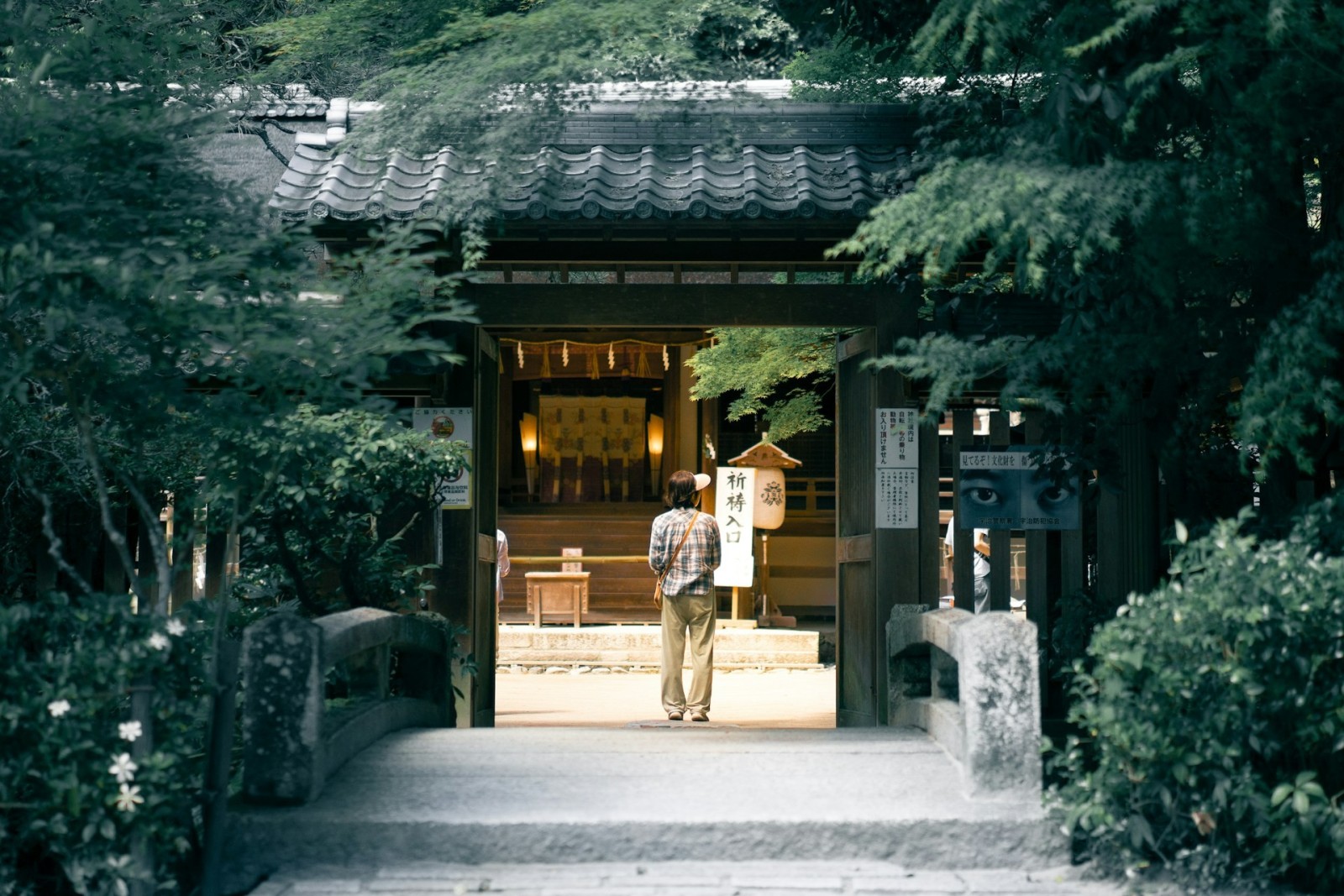
One of the most important historical temples of Uji and part of the World Heritage Site "Historical Monuments of Ancient Kyoto".
Keihan Uji Station is about 15 minutes on foot; Bedo-in is convenient to walk.
3. The Tale of Genji Museum (The Tale of Genji Museum)
The museum is dedicated to the “Tale of Genji”, the culture of the Heian and Uji Jujo eras. The exposition uses layouts, films, audio and interactive elements.
From Keihan Uji Station about 15 minutes walk; from Byodo-in you can walk through the historic district.
4. Uji River and Uji Bridge
The main natural and urban axis of Uji. The bridge has a long history and is associated with transport routes between Shiga and Osaka.
Located between JR Uji and Keihan Uji stations, most of the route is on foot.
5. Uji-jinja (Uji Shrine)
An ancient Shinto sanctuary next to the river and Ujigami-jinja.
About 10-15 minutes walk from Keihan Uji Station.
6. Koshōji (Koshoji Temple)
Known for its beautiful driveway and natural surroundings. Especially interesting in autumn, when the slope is covered with red foliage.
By foot from Ujigami-jinja; you can use a local bus or taxi.
7. Mimurotoji (Mimurotoji Temple)
A temple known for its seasonal flowers, especially azaleas and hydrangeas. Suitable for a quiet walk.
Keihan Mimurodo Station is about 15 minutes walk away.
8. The Sanctuary of Agata Shrine
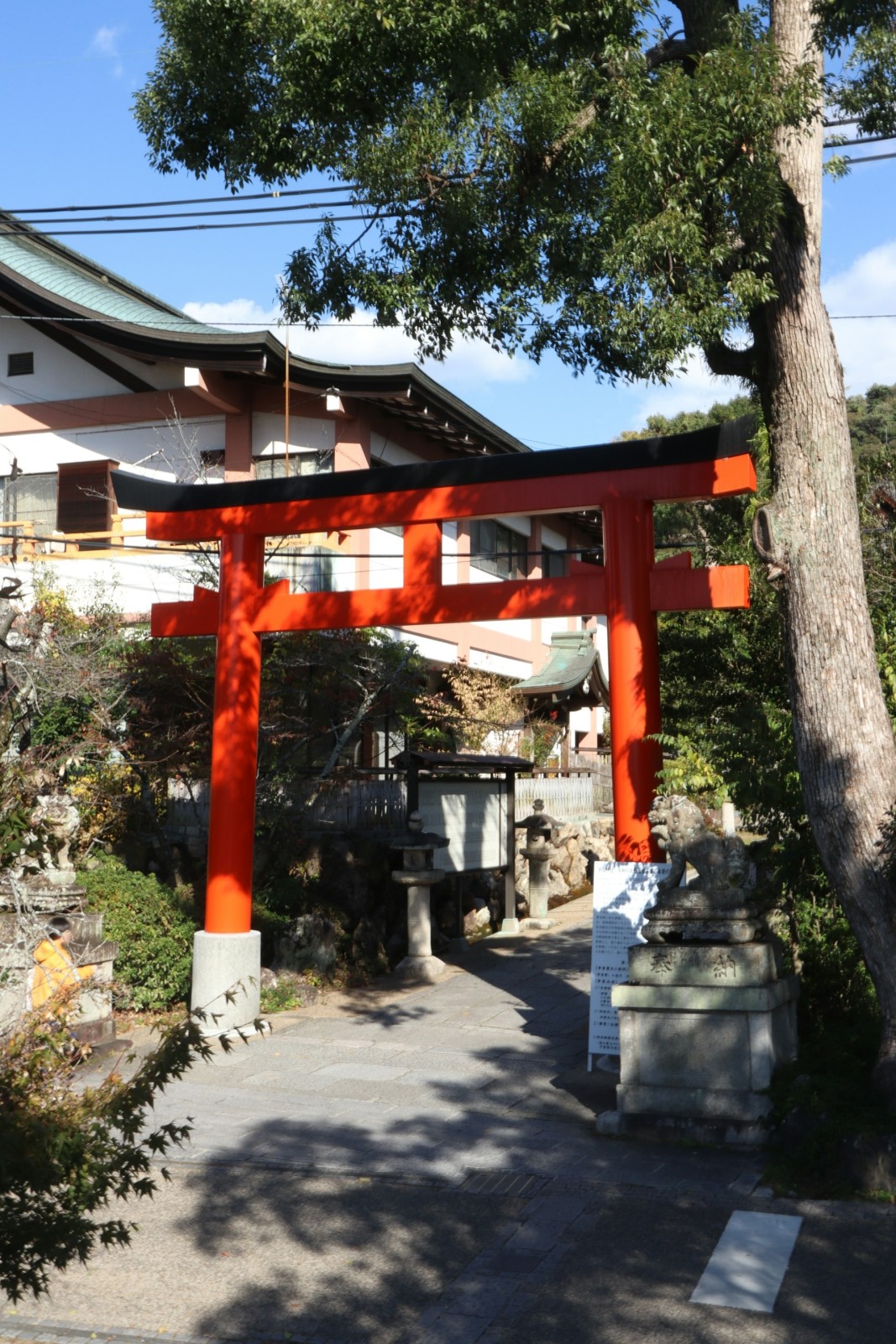
A historical sanctuary next to Byodo-in, famous for the annual festival of Agata-Matsuri.
Keihan Uji Station is about 10 minutes walk away.
9. Uji Museum and Tea Institutions
In the central part of the city there are tea shops, shops and places where you can taste matcha, sweets and other products from Uji tea.
Most are located between Uji and Byodo-in stations; it is convenient to explore on foot.
10. Manjuji Mampuku-ji (Mampukuji Temple)
A large temple of the Obaku school with unusual architecture and Chinese influence. It's in the Obaku area.
From JR Obaku Station or Keihan Obaku Station a few minutes walk.
1. Agata Matsuri (Agata Festival)
June 5 is the traditional festival of the sanctuary of Agata. It is known for the night procession and unusual atmosphere, and is historically considered one of the notable events of Uji.
2. Uji Tea Festival (Uji Tea Festival)
October 4 is one of the main events of tea culture. Ceremonies are held with water from the Uji River, tea offerings and tea events.
3. Ukai – traditional cormorant fishing (Uji Cormorant Fishing)
July-September - Summer evening performances on the Uji River, during which you can observe the traditional technique of fishing using cormorants.
4. Festival of Culture and Art of Uji Residents
June–November – The city program includes a Phoenix Concert, an ikebana exhibition, a music festival, a united cultural festival, and exhibitions of painting and photography.
5. Uji General Festival of Culture and Art
Large urban program with performances and cultural events in the cultural center and central public spaces.
Uji has a humid subtropical climate. The average annual temperature is about 14 °C; the hottest period is in July-August, and the coldest is in January. Rainfall increases in summer.
1. Winter - December - February
In the afternoon, usually around +5... +10 °C, at night about 0 ... +3 °C. In some periods, frost and snow are possible. The water temperature in the Uji River is usually around +4...+8 °C and is not suitable for ordinary swimming. Winter is suitable for temples, tea and quiet walks.
2. Spring - March-May
In March, usually about +12 ... +15 ° C in the afternoon, in April +18 ... +20 ° C, in May about +23 ... +25 ° C. In April, flowering trees and walks along the river are especially attractive. The water in the river remains cool, about +8 ... +18 ° C depending on the month.
3. Summer - June - August
In June, the temperature is often around +25 ° C, in July and August, daily values can reach +30 ... +33 ° C. The air is humid, heavy rain is possible. The water in the river can warm up to about +20. +26 °C, but the river has a current and is not an ordinary urban area for swimming.
4. Autumn - September - November
In September it is still warm, about +27 ... +30 ° C in the afternoon, in October about +21 ... +23 ° C, in November about +15 ... +17 ° C. Autumn is considered especially attractive due to the red foliage of temples and wooded slopes. The water gradually cools from about +23 °C in September to +12 °C and below in November.
The main language is Japanese. English informational materials can be found in tourist areas, train stations and large facilities, but in small cafes, tea shops and shops it is useful to have a translator and know basic Japanese phrases.
In temples and sanctuaries, speak calmly and observe established routes.
Do not enter the fence or touch religious objects.
Before entering the premises with tatami, remove shoes, if this is provided by the rules.
In onsen, first wash thoroughly and only after that go into a common bath.
Do not immerse the towel in onsen water.
On trains and buses, do not talk loudly or disturb other passengers.
Observe queues and do not take places with personal belongings.
Do not take pictures of people without their consent and observe the prohibitions on shooting inside temples and museums.
If possible, take the garbage with you, as there may be little urn on the streets.
Do not fly drones in prohibited places; for example, Bödo-in explicitly prohibits drones from flying in and around the temple complex.
It is also necessary to comply with Japanese rules of entry, customs restrictions, rules of transportation of medicines and products, as well as local public order requirements.
1. Greetings and polite expressions
)の) - Hello (kon-ni-ti-wa)
Good morning (o-ha-e: go-dza-i-mas)
Good evening (kon-ban-wa)
Thank you very much (a-ri-ga-to: go-dza-i-mas)
)の - Excuse me (soo-mi-ma-sen)
- Please / Please (o-ne-ga-ishi-mas)
大) - All right / No need (dai-jo:bu desu)
2. On the road and when visiting attractions
- Where's Uji Station? - Where's Uji?
- Where's Bedo-in?
?? - Where's the Uji Bridge?
?? - What is this?
?? - Can I take a picture?
- Do you speak English? - Do you speak English?
の 国 国 ة の I don't understand Japanese (nihongo ga waka-ri-ma-sen)
Repeat, please (mo: iti-do o-ne-ga-ishi-mas)
3. In the teahouse.
Uji Chai, please (uji-chia o-ne-ga-ishi-mas)
/55/?? - What do you recommend?
)の)大) — Mattia, please (Mattya o-ne-ga-ishi-mas)
?の?? - Can you buy it as a souvenir?
大 Сの С人 С — Account, please (o-kaikei o-ne-ga-ishi-mas)
4. Mini-dialogue in tea
Tourist: .の.人.の.の.の.ש. (kon-ni-ti-wa. uji-cha o-ne-ga-ishi-mas). )Hello. Uji tea, please.
Salesman: вのвש (kotir ga osume desu). This is the one we recommend.
Tourist: ? (kore wa mattya desu ka?) Is that a matcha?
Salesman: вש (hai, uji matcha desu). ) Yes, it's Mattha Uji.
5. Mini-dialogue at the hotel
Guest: の ש ة ש (kon-ni-ti-wa. yoyaku ga ari-mas). )Hello. I have a reservation.
Employee: 大шеのшеのшеのшеש (o-namae o-ne-ga-ishi-mas.) Your name, please.
Guest: остьש(...) Desu. ) My name is...
Employee: .の.の.ש (passupo: o-ne-ha-isi-mas.)Passport, please.
1. Food and drink
Uji tea is the main gastronomic symbol of the city. You can buy sencha, gyokuro, hodzicha and matcha.
Mattia is a powdered green tea used both for the drink and for making sweets.
Uji-kegashi are traditional sweets that are often combined with green tea.
Ice cream and desserts with matcha are a popular modern way to get acquainted with tea culture.
Noodles, rice sweets and other dishes with the addition of Uji tea.
2. Souvenirs
Packaged Uji tea is a convenient and relatively easy gift.
Mattia and kits for its preparation.
Tea cups, chamen wreaths and small dishes.
Ceramic products from the Kyoto region.
Postcards and souvenirs depicting Byodo-in and the Uji River.
Products related to the “Tale of Genji” and the characters of Uji Jujo.
Temple Amulets and Gosuincho Books.
3. Useful tools
In pharmacies you can buy cosmetics, skin care products, bath salts, herbal teas and other products of Japanese production. When buying medicines for export abroad, it is necessary to check the composition and rules of import in the country of destination in advance.
4. What's better to bring?
The most characteristic gifts will be Uji tea, matcha, tea dishes and sweets. If you need a small souvenir, it is convenient to choose a tin package of tea or a set of matcha. For connoisseurs of Japanese culture, it is more interesting to purchase a small traditional tea accessory.
1. Documents required
A valid foreign passport is required for travel. It is also recommended to have proof of residence, data of the return or further ticket, travel insurance and electronic copies of the main documents.
2. Health insurance
It is recommended to obtain tourist medical insurance for the entire period of the trip. It is desirable that it cover outpatient treatment, hospitalization, emergency medical care and medical transportation. For active recreation, you need to check the additional conditions of the policy.
3. Emergency services phones
110, police.
119 - Ambulance and Fire Service.
118 Coast Guard.
Japan Visitor Hotline JNTO - round-the-clock informational assistance to tourists.
4. Mobile operators
The main mobile operators in Japan are NTT Docomo, KDDI/au, SoftBank and Rakuten Mobile. Tourists can use international roaming, travel SIM card or eSIM. Before traveling, you need to check the eSIM phone support and the terms of the tariff plan.
5. General security
Uji is generally convenient for walking on its own, but the usual precautions are maintained. It is necessary to monitor personal belongings at stations and in places of mass events, observe the rules of road crossing and take into account the weather.
6. Natural and weather risks
In summer, severe heat, high humidity and showers are possible. During heavy rains, you should watch for warnings, especially when walking near rivers and slopes. Japan is in a seismically active zone, so it is useful for tourists to have an app on their phone with emergency notifications.
7. If your passport is lost
Contact the nearest police station or koban.
Contact your country’s embassy or consulate.
Use stored electronic copies of documents.
Contact the insurance company if necessary.
If you lose your bank card, contact the bank immediately.
8. How many tourists can stay in Japan without leaving the country?
Term depends on citizenship. For German citizens there is a visa-free regime for short stays up to 90 days. The Japanese Foreign Ministry lists Germany as a visa-free country, and the Japanese Consulate General in Frankfurt confirms the possibility of a short stay of up to 90 days for German citizens.
For citizens of other countries, conditions are different. Before traveling, it is necessary to check the requirements for the traveler’s citizenship. The short-term visa-free regime is not intended for paid employment in Japan.
9. Additional recommendations
Keep copies of passport, insurance, tickets and reservations.
Have a small supply of Japanese yen cash.
Check the work of bank cards abroad.
Have mobile internet via roaming, SIM or eSIM.
Watch for weather and emergency notifications.
Do not swim in the Uji River without official permission and safe conditions.
Before buying medicines and products for export check the customs regulations of the destination country.
Create a query and local guides will offer you the best options

