Independent tourism and recreation in the city of Corrientes Historical information about the city of Corrient...
1. Ancient population and first settlements
Before the arrival of Europeans, the territory of the present-day province of Corrientes was inhabited by indigenous Guarani peoples. They were engaged in agriculture, fishing, hunting, growing corn, cassava and sweet potatoes, making ceramics and products from plant fibers.
The Guarani had their own language, religious beliefs and developed social traditions. Their cultural heritage is still visible in local speech, cuisine, music and the names of localities.
2. The foundation of the city in the XVI century
Corrientes was founded on April 3, 1588 by Spanish conquistador Juan Torres de Vera y Aragon. It was originally named San Juan de Vera de las Ciete Corrientes.
The name is associated with the peculiarities of the course of the Parana River and strong water flows in the area. The geographical position of the city contributed to the development of river trade and the transformation of the settlement into an important point of the Spanish presence in the northeast of South America.
3. Corrientes in the colonial era
In the XVII-XVIII centuries, the city gradually developed as an administrative, commercial and religious center. Through it passed trade routes connecting the Spanish settlements of Paraguay, Buenos Aires and other regions of the region.
The main occupations of the population were agriculture, livestock, fishing and trade. The Catholic Church had a great influence on public life. At the same time, the traditions of the indigenous Guarani peoples were preserved, which gradually mixed with Spanish culture.
4. Struggle for Argentine Independence
At the beginning of the XIX century Corrientes became involved in political and military events associated with the liberation of the Spanish colonies in South America.
After the May Revolution of 1810, the independence movement intensified in the region. The local population participated in the struggle against Spanish domination and the formation of new political institutions.
5. Formation of Corrientes Province
In the first half of the XIX century, Corrientes gradually strengthened independence within the framework of the emerging Argentine state. In 1814, the province of Corrientes was formalized.
The city became its administrative center. During this period, the region was repeatedly involved in civil conflicts between various political forces of Argentina. Issues of regional autonomy, trade and river control were of particular importance.
6. Corrientes in the nineteenth century
In the XIX century, the city developed thanks to trade, agriculture, livestock and river navigation. The Paraná River remained an important transport artery, providing connections to other Argentine provinces and neighboring states.
Gradually, urban infrastructure was formed, churches, public buildings, residential areas and educational institutions were built. Spanish architectural heritage became the basis of the historical appearance of Corrientes.
7. Economic and cultural development
In the second half of the XIX century, the importance of agriculture and animal husbandry increased. Production of leather goods, trade in agricultural products and river transportation were developed.
At the same time, a special regional culture was formed, based on a combination of Spanish and Guaranian traditions. Local musical trends, dances, traditional clothes and holidays became widespread.
8. Corrientes in the twentieth century
In the XX century, the city became one of the main administrative, educational and cultural centers of northeastern Argentina.
Residential areas were expanded, roads, hospitals, schools and university facilities were built. Trade, public administration, transport and services were developed.
Carnival events and traditional music of chakarer and chamame, which became one of the main symbols of the province, became especially popular.
9. Corrientes in the XXI century
Today Corrientes is a modern regional center with a developed urban infrastructure. It preserves the historical architecture, cultural traditions of the Guarani and close connection with the Paraná River.
The city serves as a starting point for travel to the natural areas of the province, including the famous marshes of Ibera (Esteros del Iberá), which are considered one of the most important natural attractions of Argentina.
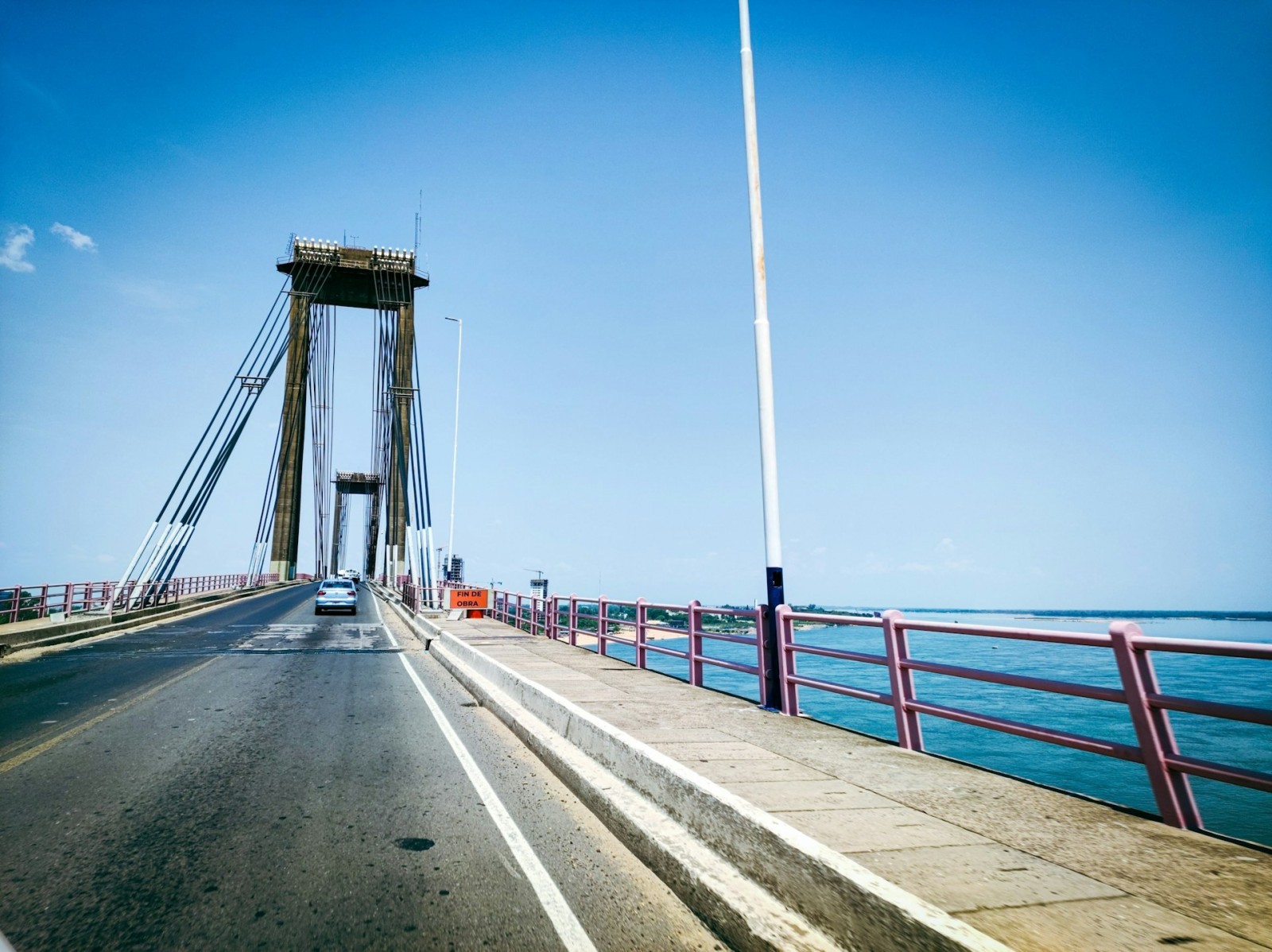
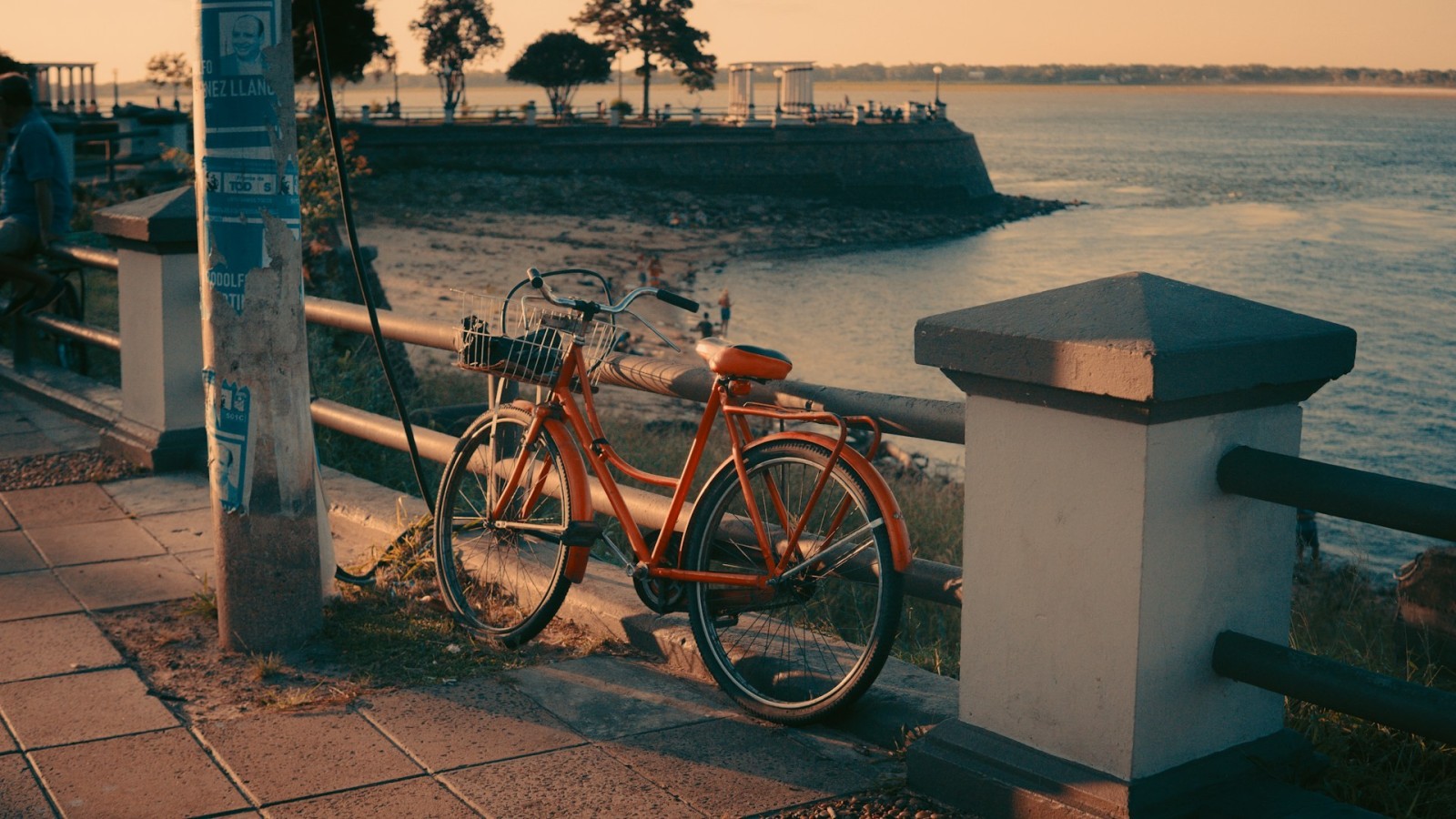
1. River landscapes and beach holidays. The city is located on the banks of the Paraná River. There are landscaped embankments, sandy beaches, walking areas and places to relax by the water. Especially popular are the beaches of Arasati and walks along the Costanera embankment.
2. Music and chamame dancing. Corrientes is considered the birthplace of chamame, a musical movement that combines Guaran and European traditions. Locals are proud of this music, and during the holidays arrange concerts, dances and folk festivals.
3. Famous carnivals. The city is called the national capital of the Argentine Carnival. Festive processions are accompanied by performances of dance groups, colorful costumes, musical performances and samba competitions.
4. Guarani heritage. In Corrientes, the influence of the indigenous population of the region remained. It manifests itself in language, traditional cuisine, crafts, music and folk festivals.
5. Historical architecture. In the city center are ancient churches, squares, public buildings and mansions reflecting colonial, neoclassical and European architectural traditions.
6. A town by the Paraná River. Tourists can go on river walks, do sports fishing, go on a boat or just spend time on the waterfront, watching the passing ships.
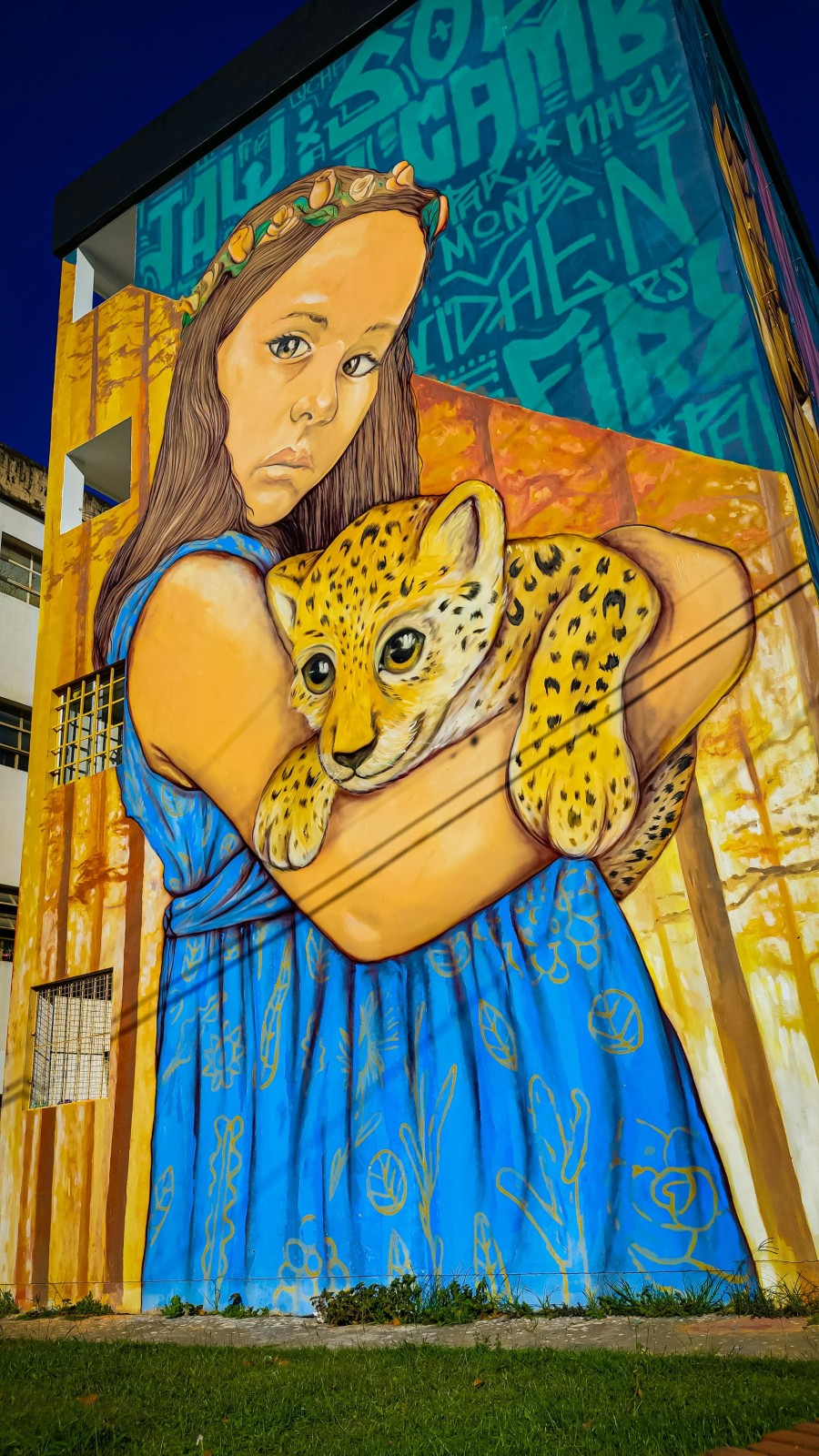
7. Street art. Corrientes is known for numerous wall paintings. Murals are dedicated to the history of the city, Guarani culture, music, nature and famous residents of the region.
8. Natural excursions. Corrientes is a convenient starting point for travel to the swamps of Ibera – a huge system of wetlands with rich flora and fauna. Here you can see capybaras, caimans, deer and many species of birds.
9. Regional gastronomy. The local cuisine combines Argentine, Spanish and Guaranian traditions. Popular dishes from river fish, corn, cassava, meat and cheese, as well as traditional chip baking.
10. Relax and have fun. The city has restaurants, cafes, bars, cultural institutions and nightlife. In the evening, residents and tourists gather on the embankment, attend concerts and dance events.
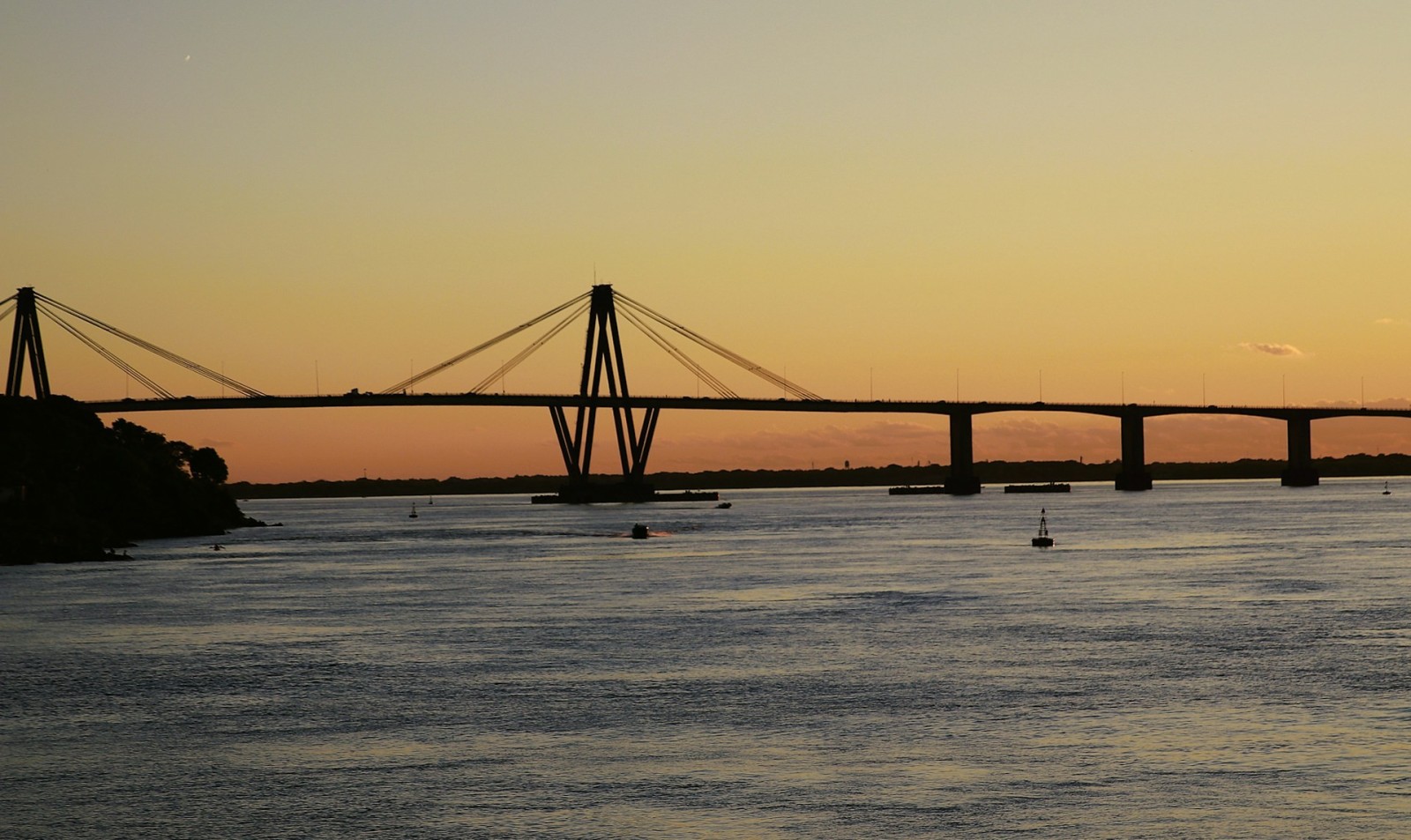
1. Five-star and prestigious hotels
They offer a high level of service, spacious rooms, restaurants, swimming pools, spa centers, gyms, parking and additional services.
Examples:
Turismo Hotel Casino is a well-known seafront hotel complex overlooking the Paraná River, swimming pool, restaurant, casino and wellness services.
La Alondra Casa de Huéspedes is a boutique hotel with original design, cozy rooms, a restaurant and the atmosphere of a country mansion.
Marriott Corrientes is a modern high-class hotel complex with comfortable accommodation, restaurant and business spaces.
2. Four-star hotels
Suitable for travelers who need comfortable living conditions, convenient location and additional services.
Popular options:
Hotel Identidad is a city hotel in the central part of Corrientes, close to shopping streets and attractions.
DonSuites Apart Hotel is an apart-hotel with spacious rooms and amenities for independent living, near the promenade.
La Rozada Suites is an apartment-type hotel with rooms, suitable for families and long holidays.
3. Three-star hotels
This is a common option for tourists who spend most of their time on excursions and walks. Private rooms, air conditioning, Wi-Fi, private bathroom and breakfast are usually offered.
Examples:
Hotel Orly is a city hotel in the central part of the city, near the pedestrian shopping street Junin.
Astro Apart Hotel Corrientes is a small apart-hotel with the possibility of self-cooking.
Corrientes Plaza Hotel is a hotel on the central pedestrian street, next to shops, cafes and Cabral Square.
4. Budget hotels, hostels and guest houses
Suitable for tourists who want to reduce their living costs. You can find small hotels, family boarding houses, rooms in guest houses and hostels with common recreation areas.
5. Apartments and rentals
Apartments with kitchen, washing machine, air conditioning and separate bedrooms are available in the city. This option is convenient for families, independent travelers and those who plan to stay for a few weeks.
6. Off-centre accommodation
You can consider housing in areas closer to the beaches, promenade and green areas. Such options are suitable for a relaxing holiday, but it is necessary to check in advance the availability of public transport and the distance to the center.
1. 25 May Square (Plaza 25 de Mayo) The main historical square of the city. Around it are important administrative and religious buildings. Suitable for exploring the historical center and quiet walks. It is convenient to get to the square on foot from the central hotels.
2. The Costanera Quay (Costanera). One of the most popular walking areas of Corrientes. Here you can relax by the Parana River, play sports, visit a cafe and watch the sunsets. It is most convenient to get on foot, by taxi or city bus.
3. Playa Arazaty Beach. A popular beach holiday destination on the banks of Parana. In the season, you can sunbathe, swim in specially authorized places and relax with your family. The beach can be reached by taxi or bus.
4. The Cathedral of Our Lady of the Rosary (Catedral de Nuestra Señora del Rosario) One of the important religious monuments of the city. The temple is interesting for its architecture and historical significance. It is located in the central part of Corrientes, so it is convenient to walk to it.
5. Theatre named after Juan de Vera (Teatro Oficial Juan de Vera). The main theater of the city. It hosts performances, concerts, musical performances and cultural events. It is located near the historical center.
6. Park Cambá Cuá (Parque Cambá Cuá) A green area for walking, relaxing and exploring city life. In the park you can relax in the shade of trees, spend time with children and visit local events. It is most convenient to get on foot or by taxi.
7. The Musée de Bellas Artes Juan Ramón Vidal. Cultural institution with art collections and exhibitions. Suitable for exploring the art of the region and Argentine artists. Located in the city, available by public transport or taxi.
8. Monument to La Taragüí (Monumento a la Taragüí). One of the recognizable symbols of Corrientes. The monument is associated with the local cultural identity and the image of the women of the region. It is convenient to include in a walk along the central streets and the promenade.
9. Plaza Sargento Cabral (Plaza Sargento Cabral) City square, suitable for rest and walks. Here you can see the daily life of local residents and make a stop while exploring the city.
10. The beach of Islas Malvinas. Another popular recreation area by the river. Suitable for walks and seasonal beach holidays. It can be reached by taxi or public transport.
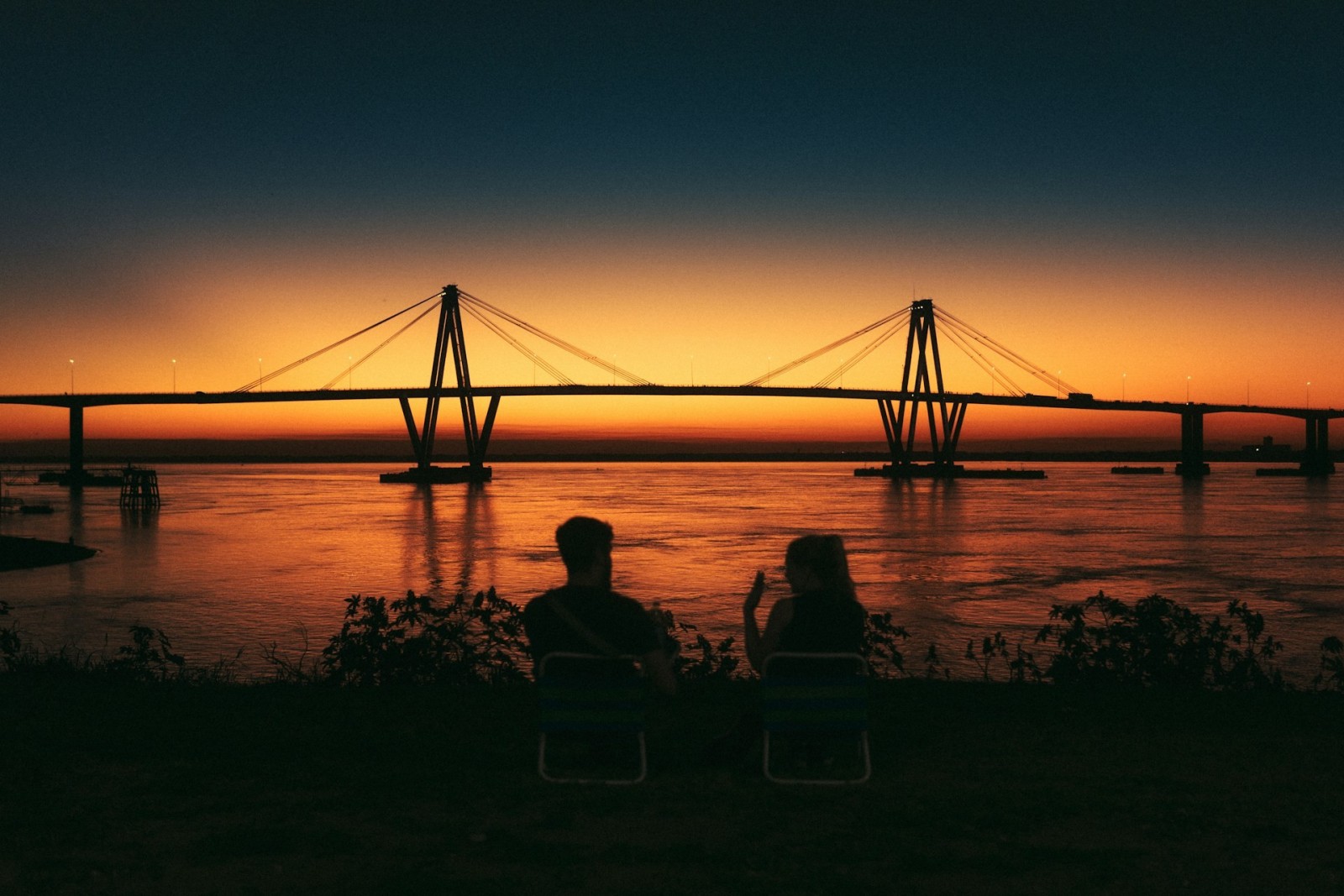
1. The National Festival of Chamame (Fiesta Nacional del Chamamé) A major music event dedicated to the traditional music of northeastern Argentina. Takes place in January at the Mario del Transito Cocomarola Amphitheatre. The program includes performances of musicians, dances, folk songs and traditional performances.
2. Carnival of Corrientes (Carnaval de Corrientes) One of the most famous entertainment events of the city. It is usually held in January and February. Carnival processions are accompanied by performances of dance groups, bright costumes, drums and musical performances.
3. Feast of St. Belshazzar (Fiesta de San Baltasar) Celebrated January 6. The festival is associated with the religious and folk traditions, music, dance and cultural heritage of the African communities of the region.
4. Festival of Authentic Chamamé (Festival del Auténtico Chamamé Tradicional) It is held in the city of Mburukuya, located in the province of Corrientes. It usually takes place in February and is dedicated to preserving the traditional form of chamame.
5. Day of the founding of the city (Aniversario de la Fundación de Corrientes). It is celebrated on April 3. The city hosts cultural events, commemorative ceremonies and programs dedicated to the history of Corrientes.
6. Feast of the Cross of Miracles (Fiesta de la Cruz de los Milagros) It's May 3rd. This is one of the most important religious holidays of the city, associated with local traditions and Catholic traditions.
7. The Feast of St. John (Fiesta de San Juan) Celebrated June 24. In some areas, traditional folk festivals, bonfires, music and family events are organized.
8. Pilgrimage to the Mother of Itatia (Peregrinación a la Virgen de Itatí). The main religious celebrations are held on July 16 in the city of Itati, located about 70-75 km from Corrientes. The pilgrimage attracts believers from different regions of Argentina.
9. Day of Traditions (Día de la Tradición) It is celebrated on November 10. The holiday is dedicated to Argentine culture, folk music, dance, traditional clothing and national cuisine.
10. Christmas and New Year (Navidad y Año Nuevo) In December, the city is decorated with festive illuminations, family events, concerts and religious services are organized. Festival programs are held in restaurants and public spaces.
Corrientes has a humid subtropical climate. Summers are hot, winters are mild, and precipitation falls throughout the year. The most rainy are usually the spring and summer months.
Summer period - December, January and February
Average daily temperature: +30 ... +34 °C.
Night temperature: +21 ... +23 °C.
Water in the Parana River: approximately +25 +29°C.
The weather is hot and humid, heavy rains and thunderstorms are possible.
This is the right time for beach holidays, swimming and visiting carnivals. For walks, it is better to choose the morning and evening hours.
Autumn period - March, April and May
Average daily temperature: +21 ... +30 °C.
Night temperature: +14 ... +20 °C.
Water in the Parana River: approximately +20...+26 °C.
The temperature gradually decreases, but warm days remain.
April and May are suitable for excursions, walks in the historical center and acquaintance with cultural attractions.
Winter period – June, July and August
Average daily temperature: +18 ... +22 °C.
Night temperature: +11 ... +13 °C.
Water in the Parana River: approximately +15 +20°C.
The weather is mostly mild, sometimes there are cool days and short-term cold snaps.
This is a convenient time for city excursions and travel without extreme heat. For a beach holiday season is less suitable.
Spring period – September, October and November
Average daily temperature: +24 ... +30 ° C.
Night temperature: +15... +20°C.
Water in the Parana River: approximately +18...+25 °C.
It gets warmer, the amount of rain and thunderstorms increases.
Spring is suitable for walks, natural excursions and acquaintance with the surroundings of the city.
1. Language of communication. The main language is Spanish. In the region, the features of the Argentine Spanish language are common. Locals often use the form vos instead of tú.
2. Guarani language. In the province of Corrientes, the Guarani language plays an important role. It is preserved in local expressions, names of settlements, dishes and cultural traditions.
3. Welcome. It is customary to greet the words Hola or Buen día. In informal communication, a friendly greeting with a kiss on the cheek is common, especially between familiar people.
4. Hospitality. Locals are usually friendly to tourists. In conversation, politeness, calm tone and respect for the interlocutor are valued.
5. Mathe tradition. Mate is one of the main symbols of Argentine culture. The drink is often drunk in company, transferring the total capacity to each other. If a tourist takes mate, it is customary to thank after he has finished drinking.
6. Tradition terre. In hot weather, terre is common - a cold drink based on mate, which is prepared with cool water or juice. It is especially popular in the northeastern regions of the country.
7. Music and dance. In Corrientes, it is important to respect the chamame tradition. During concerts and folk festivals, interest in local music and respect for the performers are welcomed.
8. Religious traditions. A large part of the population professes Catholicism. When visiting churches, it is recommended to observe silence, choose modest clothes and not interfere with religious services.
9. Meal time. Lunch usually takes place in the middle of the day, and dinner can begin late in the evening. Restaurants often open for dinner later than in many European countries.
10. Rules of conduct in public places. Do not leave garbage on beaches, parks and embankments. During mass events, the instructions of the organizers and security personnel must be followed.
11. Rules on the beaches. Swimming should be done only in permitted places and take into account the warnings of rescuers. It is not recommended to go into the water during a strong current, after rains or with an official ban on swimming.
12. Laws and public order. Tourists must comply with local traffic rules, document requirements, restrictions on smoking in public spaces and rules for drinking alcohol in public places.
In Corrientes, a tourist will need Spanish. Below are common phrases with translation and approximate Russian transcription.
Welcome and introduction
Hola - Hello. Transcription: ola.
Buenos días - Good morning. Transcription: Buenos Dias.
Buenas tardes - Good afternoon. Transcription: Buenas tardes.
Buenas noches - Good evening / good night. Transcription: Buenas nochez.
¿Cómo está? - How are you? Transcription: como esta?
¿Cómo estás? - How are you? Transcription: como estas?
Mucho gusto - Nice to meet you. Transcription: Mucho thick.
Hasta luego - See you soon. Transcription: Asta Luego.
Gracias - Thank you. Transcription: Grasias.
De nada - You're welcome. Transcription: de nada.
General matters
¿Habla inglés? - Do you speak English? Transcription: abla ingles?
No entiendo - I don't understand. Transcription: but entiendo.
¿Puede ayudarme? - Can you help me? Transcription: Puede Ayudarme?
¿Dónde está el centro? - Where's the center? Transcription: Donde esta el centro?
Donde está el baño? - Where's the toilet? Transcription: Donde esta el Baño?
¿Cuánto cuesta? - How much is it? Transcription: Cuanto Cuesta?
Por favor, please. Transcription: Pore favor.
Disculpe - Excuse me. Transcription: Discoupe.
At the hotel.
Tengo una reserva - I have a reservation. Transcription: Tengo una raserva.
Quiero registrarme – I want to register. Transcription: kyero rehistrarme.
¿A qué hora es el desayuno? - What time is breakfast? Transcription: And ke ora es el desiuno?
¿Hay Wi-Fi? - Is there Wi-Fi? Transcription: wi-fi?
¿Puede llamar un taxi? - Can you call a taxi? Transcription: puede yamar un taxi?
At the restaurant.
Una mesa para dos, por favor - Table for two, please. Transcription: una mesa couple dos, pore favor.
¿Qué recomienda? - What do you recommend? Transcription: ke recomienda?
Quiero probar la comida local - I want to try the local cuisine. Transcription: quiero probar la Comida locale.
La cuenta, por favor - bill, please. Transcription: la cuenta, por favor.
Tiene pescado? - Do you have any fish? Transcription: Tiene pescado?
Sin azúcar, por favor - No sugar, please. Transcription: Sin Asukar, por favor.
Local food and drink
1. Chipa. Chipa. A small pastry of starch cassava, cheese, eggs and milk. It is often eaten for breakfast or as a snack.
2. Chipa Mbocá (Chipá Mbocá) Traditional bread made of cassava starch and cheese, which is cooked over an open fire or over coals.
3. Mbaipy. A thick regional dish made of cornmeal, which is prepared with meat, vegetables and other additives.
4. Mbejú. Traditional cassava starch and cheese cake. It has a dense texture and rich taste.
5. Chipa Guazú (Chipa Guazú) Corn casserole with cheese, eggs and milk. It is often served as a side dish or as a separate dish.
6. River fish. In the restaurants of the region, you can try dorado, surubi and paku. The fish is grilled, baked or served with vegetables.
7. Quibebe. A dish of pumpkin and corn flour, sometimes with the addition of cheese. It has a soft consistency and sweet taste.
8. Dulce de Mamon (Dulce de Mamón) Sweet dessert from papaya fruits, which are cooked in syrup. It is often served with cheese or used as a filling.
9. Mate. A traditional Argentine drink made from the leaves of the Paraguayan padua. For cooking use a special container and a metal tube.
10. Tereré. A cold version of mate, which is especially popular in the hot climate of northeastern Argentina.
Souvenirs and gifts
Calebasses for mate are traditional containers of pumpkin, wood or other materials.
Bombillas are metal straws for drinking mate.
Local yerba mate is a popular product of the region.
Ceramic products with motifs of nature and culture of Guarani.
Handmade textiles - bags, tablecloths, napkins and decorative products.
Products made of leather - purses, belts and small accessories.
Local sweets are papaya jam, fruit desserts and traditional candy.
Regional honey and beekeeping products.
Small souvenirs depicting the Parana River, chamame and city attractions.
Musical souvenirs are decorative miniatures of accordions and guitars associated with the Chamame tradition.
Travel documents
To enter Argentina, a tourist must have a valid passport. The requirements for the validity of the passport and the number of free pages depend on the nationality of the traveler, so you should check them at the Consulate of Argentina before traveling.
Depending on nationality, a tourist visa may be required. Visa-free entry is available for some countries.
It is advisable to have a return ticket or confirmation of the further route.
It is recommended to keep the confirmation of the hotel reservation and the address of the place of residence.
It is useful to have copies of your passport, visa, tickets and insurance policy separately from the originals.
Health insurance
For the trip, it is recommended to obtain tourist medical insurance, which covers:
emergency medical care;
hospital treatment;
call an ambulance;
medical transportation;
Accidents during excursions;
help with exacerbation of diseases.
It is especially important to have insurance when traveling to the swamps of Ibera, water sports and other active entertainment.
Emergency services in Argentina
911 is a single emergency number.
100: Fire service.
101 police.
103 Civil Defense.
106 – assistance on water and in case of accidents on water bodies.
107 - SAME medical care; the availability of this service varies by region, so in Corrientes, it is better to check the number of the local ambulance in advance.
Mobile operators
The main mobile operators operate in Argentina:
Claro.
Personal.
Movistar.
Tourists can purchase a local SIM card or use an eSIM if the device supports this feature. A passport may be required to register a local number. In the central part of Corrientes, mobile communication is usually available, but in remote natural areas and in the Ibera swamps, coverage may be limited.
City security
In the central areas and on the embankment, personal belongings should be closely monitored.
It is not recommended to demonstrate large amounts of money, expensive jewelry and expensive equipment.
Documents and spare bank cards are best kept separate from the wallet.
At night, it is preferable to travel by official taxi or checked transport.
When visiting the beaches, you must follow the instructions of rescuers and swim only in permitted places.
During carnivals and festivals, bags, phones and wallets should be monitored due to the large crowd.
When traveling outside the city, it is recommended to use the services of official excursion organizations and inform relatives in advance about the route.
In hot weather, use sunscreen, drink enough water, and avoid prolonged sun exposure in the middle of the day.
Duration of stay in the country
For citizens of a number of countries, a tourist stay in Argentina is allowed for up to 90 days. In some cases, it can be extended for a similar period through the Argentine Migration Service. Conditions depend on citizenship and the reason for entry, so it is necessary to check the current rules before traveling.
Create a query and local guides will offer you the best options

Install the app «PersonalGuide»
www.personalguide.ru
