Independent tourism and recreation in the city of Salta Historical information about the city of Salta 1. Anci...
1. Ancient population and first settlements
Long before the arrival of the Spaniards, the territory of modern Salta was inhabited by indigenous peoples, including Diagita and Kalchaks. Local residents were engaged in agriculture, growing corn, potatoes and pumpkin, bred llamas, made ceramics and fabrics.
In the XV century, the region was influenced by the Inca Empire. The Incas developed trade routes, fortified settlements, and extended their administrative system. Traces of their presence are preserved in the archaeological sites of the province.
2. The foundation of the city in the XVI century
The city of Salta was founded on April 16, 1582 by the Spanish conquistador Hernando de Lerma by order of the Viceroy of Peru. The settlement was originally named San Felipe de Lerma en el Valle de Salta.
The site was chosen for its fertile land, water availability and convenient location on trade routes between Peru, Chile and other Spanish possessions.
The city was built on the Spanish model: with a central square, administrative buildings, churches and residential quarters. It gradually became an important center of colonial administration.
3. The development of Salta in the colonial era
In the XVII-XVIII centuries, Salta became a significant commercial and administrative center. Caravans passed through the city, linking Buenos Aires, Upper Peru and the Potosi silver mines.
Particularly important was the trade in mules used to transport goods across the Andes. Livestock, agriculture, fabrics, leather goods and crafts were developed.
During this period, wealthy merchant families appeared, building spacious houses with courtyards and tiled roofs. The Catholic Church had a great influence on public life.
4. The 1692 earthquake
An important event of regional history was the devastating earthquake of September 13, 1692, which destroyed the city of Esteco and caused severe destruction in the vicinity.
This event is associated with the emergence of the tradition of honoring the Lord of Miracles (Senor del Milagro). According to Catholic tradition, the inhabitants turned to the religious images of Christ and the Virgin Mary with prayers for salvation.
Every year in September, large-scale religious processions gather thousands of believers in Salta.
5. Salta in the XVIII century
In 1776, the city became part of the new Viceroyalty of the Rio de la Plata, created instead of the former administrative system of Peru.
In 1782-1783 there was a reorganization of the colonial administration, as a result of which Salta became the administrative center of the Intendantship of Salta del Tucuman.
This contributed to the development of trade, public institutions, education and urban infrastructure. By the end of the XVIII century, Salta became one of the most important cities in the north-west of South America.
6. Struggle for Argentine Independence
At the beginning of the XIX century, Salta became one of the important centers of struggle against Spanish domination. After the May Revolution of 1810, local residents supported the independence movement.
A particularly significant event was the Battle of Salta on February 20, 1813. The Argentine army under the command of General Manuel Belgrano defeated the Spanish forces.
This battle strengthened the position of the supporters of independence and became an important stage in the liberation of the northern territories.
7. Martin Miguel de Guemez and Gaucho
A special place in the history of the city is Martin Miguel de Guemez, a military and political figure, born in Salta in 1785.
In 1815 he became governor of the province and organized the defense of the northern territories against Spanish troops. The basis of his army was mobile cavalry gauchos, who knew the terrain well and used tactics of surprise attacks.
Guemez played an important role in defending the future of Argentina from the Spanish offensive. In 1821 he died of wounds sustained during the conflict.
Today he is considered a national hero of the country and one of the main historical symbols of the province of Salta.
8. Salta after independence
In 1814, the province of Salta was formed, the administrative center of which was the city of the same name.
The first decades of independence were marked by political instability, economic difficulties and power struggles. Trade, livestock, agriculture and handicraft production were gradually restored.
In the nineteenth century, the city strengthened ties with Bolivia, Chile and other Argentine provinces, retaining the importance of a regional trading center.
9. Development in the second half of the nineteenth century
In the second half of the XIX century, Salta began to develop actively. Educational institutions opened, trade expanded, new public buildings and cultural organizations appeared.
An important event was the development of railway communication, connecting the city with other economic centers of Argentina. This facilitated the transportation of goods and contributed to the expansion of the urban area.
IDPs from European countries and other regions of Argentina came to the city, which gradually changed its cultural and social life.
10. Salta in the twentieth century
In the twentieth century, the city became a modern administrative and economic center of northwestern Argentina. Population increased, roads, hospitals, educational institutions and new residential areas were built.
Agriculture, livestock, oil and gas production, trade and services developed.
At the same time, Salta became a popular tourist destination. Much attention was paid to the preservation of colonial architecture, historical buildings, museums and religious monuments.
11. Salta in the XXI century
Today, Salta is the capital of the province of the same name and one of the most famous tourist centers of Argentina.
Particularly popular were excursions to the valleys of Kalchaki, trips to mountain settlements, visits to the highlands of the Andes and archaeological sites.
An important cultural institution was the Museum of Highland Archaeology, opened in 2004. It features the famous mummies of three Inca children, discovered in 1999 on the volcano Llullaillaco.
Modern Salta combines colonial architecture, indigenous traditions, Gaucho culture and developed tourist infrastructure.
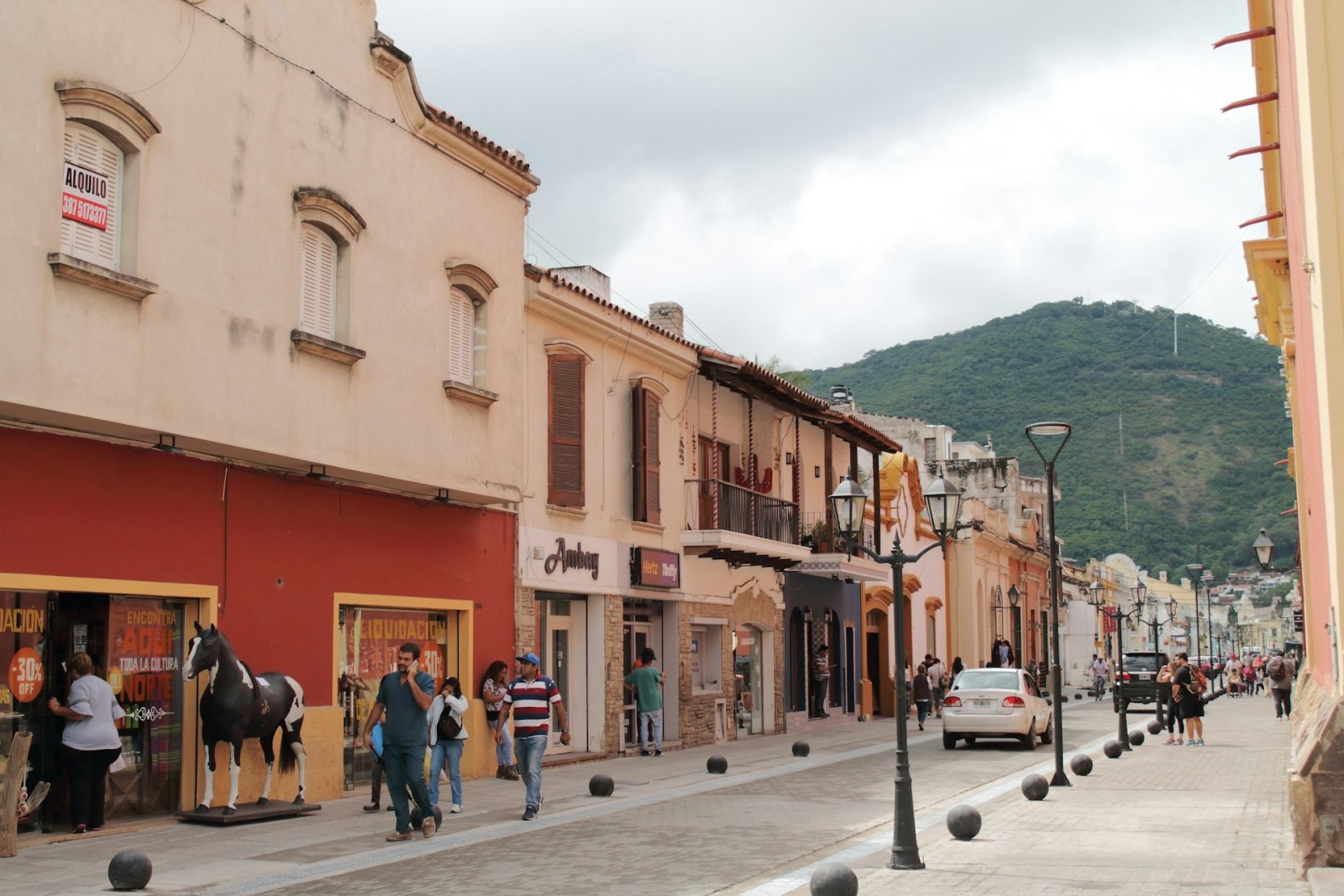
Historical atmosphere. The central part of the city has preserved colonial-era buildings, old churches, mansions with courtyards and beautiful squares. The main place of walks is the square of July 9, surrounded by historical buildings, cafes and restaurants. Particularly interesting are the Cabildo, the cathedral and the monastery of San Bernardo.
Cultural heritage. Salta is considered one of the centers of traditional Argentine culture. There are popular folk music of folklore direction, dances, traditional costumes and gaucho holidays. Local restaurants and music venues can hear live performances of folklore, including famous Salten songs and dance compositions.
Museums and archaeology. Special attention of tourists is attracted by the Museum of Archaeology of the Highlands, which presents unique finds of the Inca civilization, including the mummies of children found on the volcano Llullaillaco. The museum allows you to get acquainted with ancient religious rites and the history of the indigenous population of the Andes.
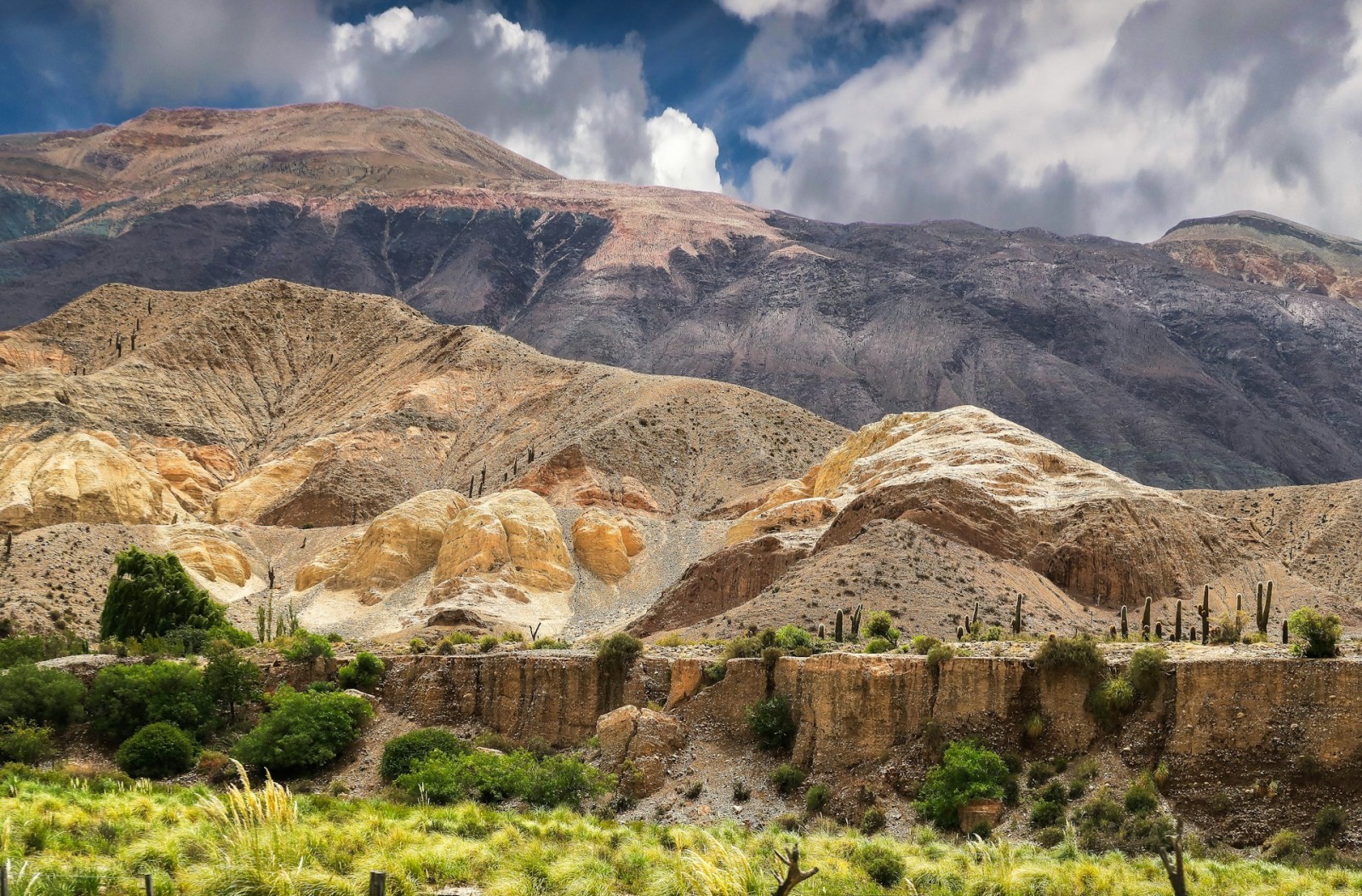
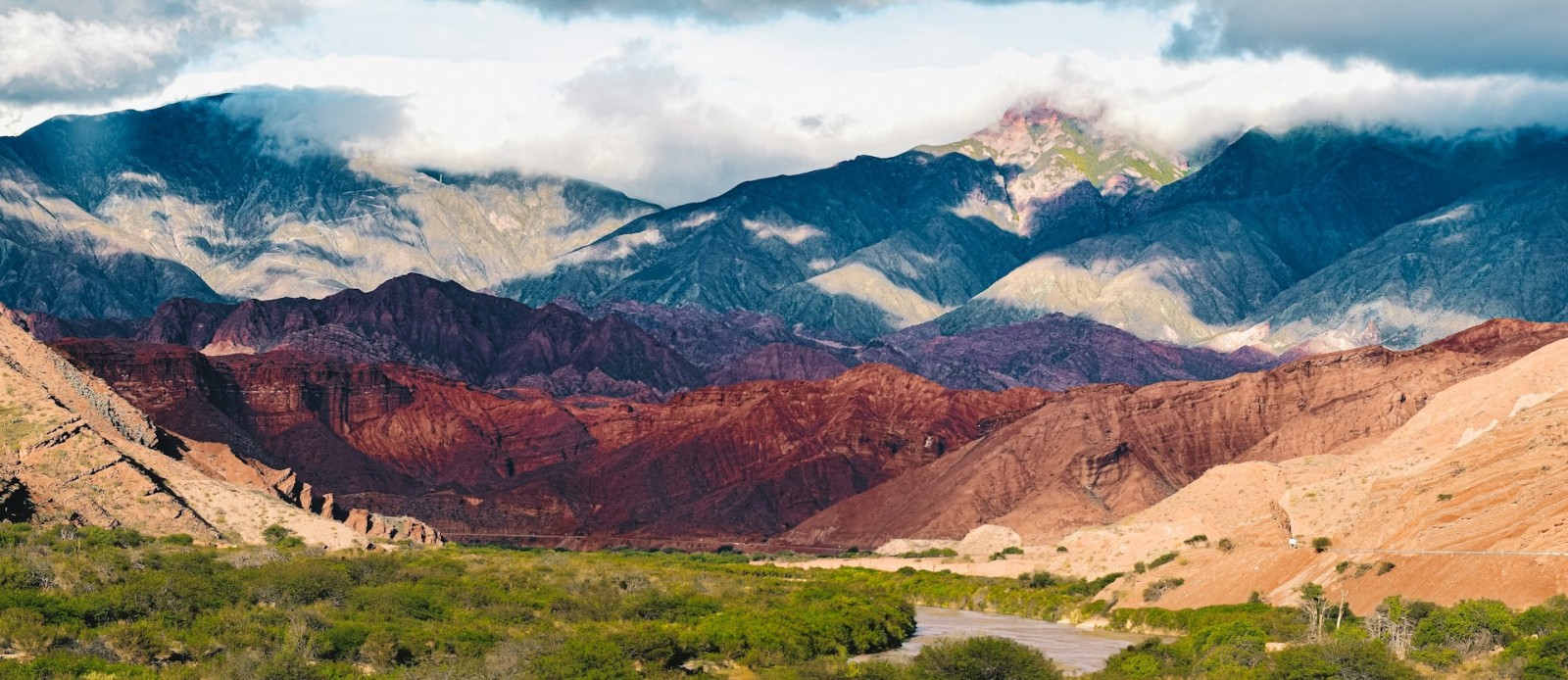
Natural attractions. Due to its location near the Andes, Salta serves as a starting point for trips to colorful mountains, gorges, salt marshes, alpine lakes and traditional Indian settlements. Especially popular are the Kalchaki valleys, the Kabra Corral gorge and the picturesque routes in the direction of Kafayate.
Gastronomic tourism. Regional cuisine is distinguished by a combination of Spanish and Andean traditions. Travelers should try empanadas in Saltenese with meat filling, tamales, locro - a thick traditional stew, as well as dishes from corn and meat. In the vicinity of the city, Argentine wines are produced, especially the famous white wines of the Torrontes variety.
Panoramic views and rest. One of the popular places is Mount San Bernardo, which offers a beautiful view of the city and the surrounding valley. You can climb on a cable car or on foot. The city also has parks, walking areas, souvenir markets and cozy establishments with local cuisine.
Tourist infrastructure. Salta has a wide selection of hotels, guest houses, apartments and restaurants. The city has an airport, bus connections to other Argentine regions and convenient infrastructure for organizing excursions.
1. Five-star and prestigious hotels
They offer a high level of service, spacious rooms, restaurants, swimming pools, spa centers, gyms, parking and excursion services.
Examples:
Sheraton Salta Hotel is a prestigious hotel with panoramic views of the city, swimming pool, restaurant and conference rooms.
Casa Real Hotel - comfortable accommodation with modern rooms, swimming pool and spa services.
Design Suites Salta is a design hotel with modern interiors, a swimming pool and a convenient location in the central part of the city.
2. Four-star hotels
Suitable for travelers who need comfortable conditions without excessive costs. Breakfasts, air conditioning, Wi-Fi, restaurants, swimming pools and additional services are usually provided.
Popular options:
Hotel Solar de la Plaza is an elegant hotel in a building with colonial architectural elements, a courtyard and cozy recreation areas.
Hotel Almería is a hotel with traditional decoration, restaurant, swimming pool and convenient location.
Hotel Salta is a historic hotel right next to the square on July 9, convenient for exploring the sights.
Brizo Salta is a modern city hotel with comfortable rooms and necessary amenities.
3. Three-star hotels
This is a common option for tourists who spend most of their time on excursions and walks. Such hotels offer separate rooms, private bathrooms, Wi-Fi, breakfast and reception services.
Examples:
Hotel Inkai is convenient for travelers interested in railway excursions and evening life of the city.
Hotel de La Linda is a budget hotel in the colonial style near the main attractions.
Hotel Caseros Salta is a small city hotel in central Salta.
Posada La Casona is a family guest option with a cozy atmosphere and convenient location.
1. Square 9 of July (Plaza 9 de Julio)
The main square of the city and the historical center of public life of Salta. It is surrounded by ancient buildings, cafes, restaurants and important architectural monuments. It is pleasant to walk, relax on benches, observe city life and get acquainted with colonial architecture.
Transport accessibility: located in the city center. It is convenient to get to the square on foot from central hotels, by city buses or taxis.
2. Cathedral of Salta (Catedral Basílica de Salta)
One of the most recognizable architectural monuments of the city, located near the square on July 9. The cathedral is known for its pink facade, rich interior decoration, religious sculptures and historical shrines. It is dedicated to the Lord and the Virgin Mary of Miracles, who are considered the patrons of Salta.
Transport accessibility: located in the historic center. It is most convenient to visit on foot along with the square of July 9, Cabildo and museums.
3. Cabildo and the Historical Museum of the North (Cabildo Histórico del Norte)
The former colonial administration building is one of the best preserved structures of this type in Argentina. Today it houses the Historical Museum of the North, dedicated to the history of Salta and the northern regions of the country.
The expositions present ancient furniture, household items, weapons, works of art and documents of the colonial period.
Transport accessibility: located directly on the square on July 9. It's better to walk.
4. Museum of Highland Archaeology (Museo de Arqueologia de Alta Montaña)
One of the most famous museums in Argentina, dedicated to the culture of ancient Andean civilizations.
The main exhibition is associated with the mummies of three Inca children, discovered in 1999 on the volcano Llullaillaco. The museum displays archaeological objects, clothing, jewelry and evidence of the religious life of the Incas.
Transport accessibility: located near the square on July 9. You can easily walk from the historic center.
5. Basilica and Monastery of San Francisco (Basílica y Convento de San Francisco)
One of the most beautiful religious monuments of Salta. The temple stands out with a bright red-golden facade, high bell tower and expressive architecture. Inside you can see religious works of art and historical objects.
Transport accessibility: located on Cordoba Street, near the central square. It's convenient to walk.
6. Museum of Martin Miguel de Guemes (Museo Güemes)
The museum is dedicated to the Argentine general and national hero Martin Miguel de Guemes, who played an important role in the struggle for independence of the country.
It is located in a historic building associated with the life of a military figure. Expositions acquaint with his biography, military events of the early XIX century and the history of the liberation of Argentina.
Transport accessibility: located in the central part of the city, near the square on July 9. Convenient to visit on foot.
7. Mount San Bernardo (Cerro San Bernardo)
One of the main natural attractions of Salta. With a height of about 1,450 meters, panoramic views of the city, the Lerma Valley and the surrounding mountains open up.
At the top are equipped with walking areas, recreation areas, cafes and observation places. You can climb on foot by stairs, by car or cable car.
Transport accessibility: The lower cable car station is near San Martin Park. From the historic center you can walk in about 15-20 minutes or take a taxi or bus.
8. The San Bernardo Cable Car (Teleférico San Bernardo)
A popular tourist attraction connecting San Martin Park with the top of Mount San Bernardo. The trip takes about 10 minutes and allows you to see the city from a height.
At the top station there are observation decks, recreation areas and places for photography.
Transport accessibility: The lower station is located on San Martin Avenue. From the center can be reached on foot, by bus or taxi.
9. Monument to Martin Miguel de Guemes (Monumento a Martín Miguel de Güemes)
The monument is dedicated to one of the main national heroes of Argentina. The monument depicts General Guemes on horseback and is installed at the foot of Mount San Bernardo.
It is a popular place to explore the history of the country, relax and walk among the green slopes.
Transport accessibility: you can walk from the central square in about 20-30 minutes. You can also take a taxi or bus.
10. San Miguel Market (Mercado San Miguel)
Traditional city market, where you can get acquainted with the daily life of locals and gastronomy of northern Argentina.
It sells fresh fruits, vegetables, meat, spices, cheeses, sweets and regional products. Tourists should try local empanadas, tamales and other traditional dishes.
Transport accessibility: located in the central part of Salta. From the square on July 9 you can walk in about 10 minutes.
1. Carnival in Salta (Carnaval Salteño)
It takes place mainly in February. This is one of the brightest periods to visit the region. On the streets there are parades of dance groups, performances of musical groups, processions in colorful costumes, folk festivals and evening dances. The holiday combines Spanish, Indian and local Gaucho traditions.
2. Serenata in Cafayate (Serenata a Cafayate)
One of the most famous folk festivals of the region, usually held in February in the town of Cafayate, about 190 km from Salta. On the big stage are Argentine singers and musical groups performing folklore, traditional songs and dance music. The holiday is accompanied by tastings of local wines, craft fairs and national cuisine.
3. Anniversary of the Battle of Salta (Aniversario de la Batalla de Salta)
It is celebrated on February 20. Dedicated to the victory of troops under the command of Manuel Belgrano over the Spanish royalists in 1813. Official ceremonies, commemorative events, performances of historical and folklore groups, as well as parades with the participation of the military and representatives of the Gaucho communities are held.
4. Day of Gaucho (Día del Gaucho)
During the year, events dedicated to the culture of Argentine Gauchos are held in Salta and neighboring settlements. Horse parades, horse riding competitions, traditional clothing demonstrations, folk dances and musical performances are organized. Especially significant are the events connected with the memory of General Martin Miguel de Guemes.
5. Commemoration of Martin Miguel de Guemes (Conmemoración de Martín Miguel de Güemes)
It is held on June 17. It is dedicated to the national hero of Argentina, who played an important role in the struggle for independence. In Salta, solemn ceremonies, gaucho horse processions, historical reconstructions, performances of folklore ensembles and memorable events are held.
6. Festival of Tamal (Festival del Tamal)
It usually takes place in the second half of July in Chicana, near Salta. The main event is the preparation and tasting of tamale - a traditional dish of corn dough with meat filling, wrapped in corn leaves. Gastronomy competitions, folk festivals and concerts of folk music are held.
7. Feast of Folklore (Día Internacional del Folklore)
Celebrated August 22. In Salta, concerts, performances of dance ensembles, master classes and cultural events are organized. Visitors can experience traditional Argentine dances, including samba and chacarera, as well as folk musical instruments.
8. Feast of the Lord and the Virgin of Miracles (Fiesta del Señor y la Virgen del Milagro)
The main religious event of Salta, held in September. Festive events begin in the early days of the month, and on September 13-15, the main services and the final procession are held. Thousands of pilgrims arrive in the city on foot from different parts of the province. On September 15, solemn processions with religious images are held along the central streets. During this period, the city is particularly crowded.
9. Day of Spring (Día de la Primavera)
Celebrated September 21. In the city and province, youth events, musical concerts, performances of dance groups, fairs and festive meetings are held. In some settlements, parades of decorated platforms and student holidays are organized.
10. Day of Traditions (Día de la Tradición)
It is celebrated on November 10. The festival is dedicated to Argentine folk culture, Gaucho traditions, folk music and national literature. Horse parades, dance performances, craft fairs, tasting of traditional dishes and performances of musicians are held.
1. Summer (December to February)
Daily air temperature: +26 ... +29 °C.
Night temperature: +15 ... +18 °C.
Water temperature in rivers and reservoirs: approximately +22 ... +26 ° C, depending on the reservoir and precipitation.
Precipitation: frequent rains, thunderstorms, high humidity.
Features: January and February are the wettest months. Downpours can make it difficult to travel on mountain roads and excursions to the valleys.
Summer is suitable for exploring local carnivals, folklore festivals and nature, but for long excursions it is worth considering the likelihood of rain.
2. Autumn (March-May)
Daily air temperature: +20...+26 °C in March and April, about +17 °C +21°C in May.
Night temperature: +5 ... +15 °C.
Water temperature: approximately +17... +23 °C at the beginning of the period, gradually decreases.
Precipitation: in March it is still possible to rain, in April it becomes much less, May is usually dry.
Features: comfortable weather is gradually established, humidity decreases, more clear days become.
Autumn is well suited for walking around the historic center, trips to Kafayat, visiting vineyards and exploring the Kalchaki valleys.
3. Winter (June-August)
Daily air temperature: +18 ... +23 ° C.
Night temperature: +2 ... +6 ° C, sometimes frosts are possible.
Water temperature: approximately +12 ... +18 °C.
Precipitation: very rare, dry and sunny weather prevails.
Features: During the day it is usually warm enough for excursions, but in the morning and evening it is cold. In mountainous areas, temperatures can drop well below zero.
Winter is convenient for trips around the region due to dry weather and good visibility. However, for excursions to high mountain areas, you need to take warm clothes.
4. Spring (September-November)
Daily air temperature: +22 ... +28 °C.
Night temperature: +5 ... +15 °C.
Water temperature: approximately +17 ... +23 °C.
Precipitation: in September and October mainly dry, in November gradually increases the amount of rain.
Features: it becomes warmer, nature comes alive, the days are sunny and comfortable for walking.
Spring is suitable for excursions, trips to the mountains, visits to wine-growing areas and acquaintance with the surroundings of the city. In September, the most important religious holiday of Salta – Lord and Virgin of Miracles – is also held.
1. Main language of communication
The official language of Argentina is Spanish. In Salta, the Argentine version of Spanish is used with a characteristic northwestern pronunciation and local expressions.
Features of local speech:
Instead of the standard Spanish tú, vos is often used.
In colloquial speech, the word che is common – friendly treatment like “hey”, “listen”.
There are words and expressions inherited from the indigenous languages of the region, particularly Quechua.
In tourist hotels, restaurants and tour offices, English is sometimes spoken, but outside the tourist center, knowledge of English is limited.
For a traveler, it is advisable to learn basic Spanish phrases. Locals are generally friendly to tourists who try to speak their language.
2. Features of communication and behavior
It is customary to greet the words Hola or Buenos días.
In an informal setting, greetings with one kiss on the cheek are common, including between men and women. It is enough for foreigners to follow the initiative of the interlocutor.
When addressing strangers, it is better to use polite forms of usted, señor and señora.
In shops, cafes and public transport, it is customary to say hello at the entrance and thank for the service.
During the conversation, locals can actively gesture and talk emotionally. This is a common feature of communication, not aggression.
Do not rush the interlocutor: in everyday life, many issues are solved at a calm pace.
3. Traditions and cultural characteristics
Salta is considered one of the centers of traditional culture of Argentina. Spanish, Indian and Gaucho traditions are especially strong here.
Gaucho culture. The locals are proud of the history of Argentine horsemen. During the holidays you can see traditional clothes, horse parades, musical performances and folk dances.
Folk music. Samba (zamba), chacarera and other traditional musical trends are popular in the region. Visiting a folklore stump is considered a good way to get to know the local culture.
Mate. Argentines often drink mate, a traditional drink made from the leaves of the Paraguayan pad. If the drink is offered in a general company, it is customary to take it and transfer it back according to the rules of the owner.
Family feast. Joint lunches and dinners are very important. Popular asado, empanadas, locro and tamales.
Respect for religion. There are strong Catholic traditions in Salta. The Lord and the Virgin of Miracles are especially revered, to whom the annual September celebrations are dedicated.
Indigenous heritage. The traditions of the Quechua, Diagit and other indigenous communities are preserved in the province. Their culture, crafts and religious customs should be respected.
4. Rules of conduct in public places
In churches and monasteries, it is necessary to observe silence, choose discreet clothes and not interfere with worship.
During religious processions, participants cannot block the road, talk loudly or behave defiantly.
It is advisable to ask permission before photographing local people, especially members of indigenous communities and participants in religious ceremonies.
In restaurants, it is customary to leave a tip, usually about 10%, if service is not included in the bill.
In public places should not leave garbage, damage historical buildings and monuments.
In nature reserves and mountainous areas, it is necessary to observe the designated routes and not take away archaeological finds.
5. Basic laws and restrictions for tourists
Documents. Foreigners must carry a passport or other valid identity card. It is recommended to keep a copy of the passport separate from the original.
Alcohol. It is forbidden to drive a car in a state of alcoholic intoxication. In Argentina, there is a zero alcohol limit for drivers.
Smoking. In public areas, including many restaurants, hotels and transport, smoking is prohibited.
Drugs. Illicit drug trafficking is punishable by law. Prohibited substances should not be transported across the border.
Photography. It is impossible to remove objects with restrictions, as well as employees of law enforcement and protected institutions in situations where it is prohibited without permission.
Natural areas. It is forbidden to damage natural objects, make fires in forbidden places and leave waste.
Archaeological treasures. The export of archaeological objects and cultural property may require a special permit.
Road traffic. Drivers and passengers must wear seat belts, motorcyclists must wear helmets. There are fines for violation of the rules.
6. Features of local regulations
Lunch usually runs from about 12:30 to 14:30.
Dinner often starts after 20:00, and many restaurants open for evening service closer to 20:00-21:00.
In small shops, a day break is possible.
On weekends and holidays, some retail establishments can work on a reduced schedule.
In the evening, residents often visit cafes, restaurants, and folklore venues where music programs can continue late into the night.
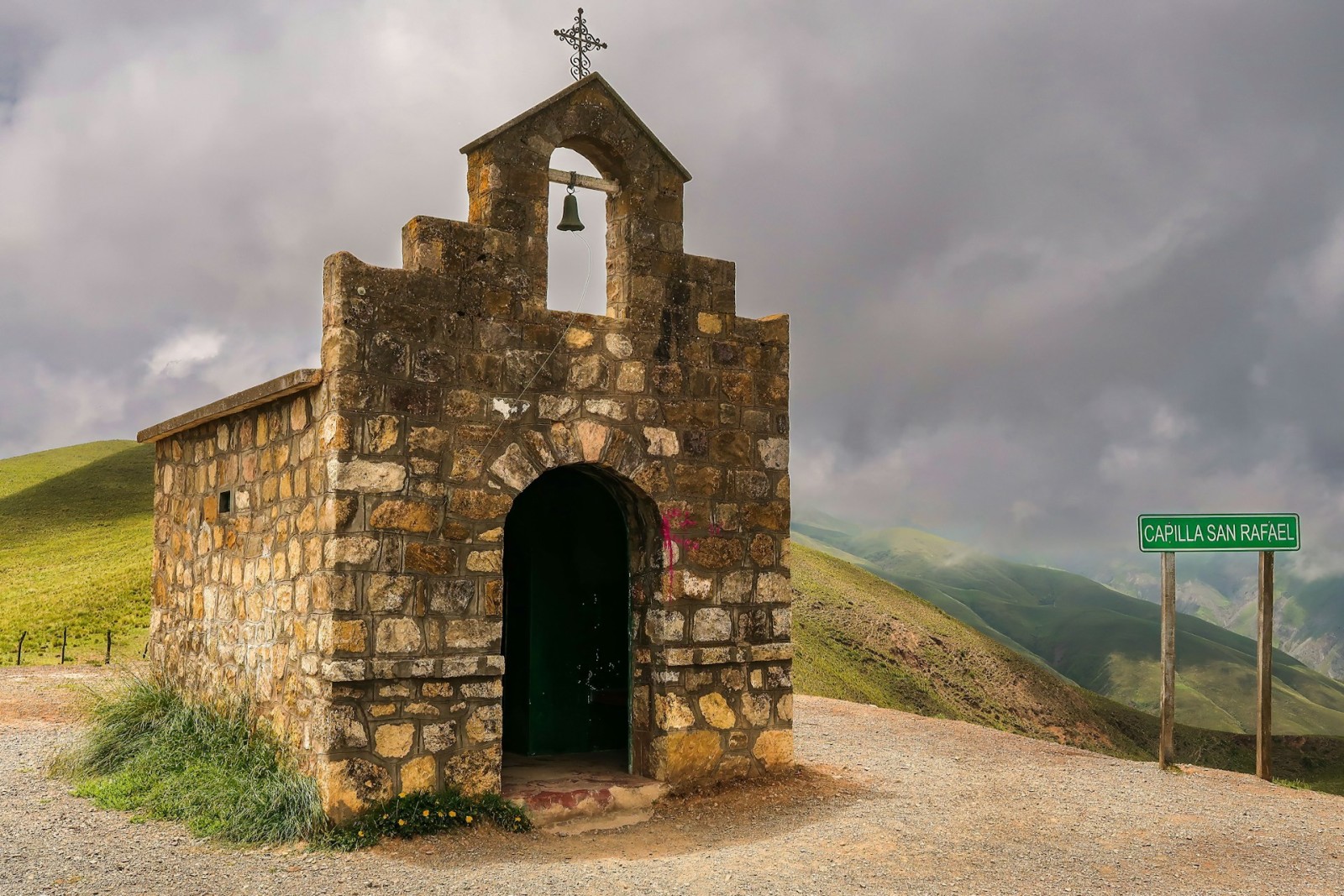
1. Greetings and polite expressions
Hola - Hello. (Ola)
Buenos días - Good morning, good afternoon. (Buenos dias)
Buenas tardes - Good afternoon, good evening. (Buenas tardes)
Buenas noches - Good evening, good night. (Buenas noches)
¿Cómo está? - How are you? (Como Esta)
¿Cómo estás? - How are you? (Como Estas)
Muy bien, gracias - Very good, thank you. (Muy Bien, Gracias)
Por favor, please. (Por Favor)
Gracias - Thank you. (Gracias)
Muchas gracias - Thank you very much. (Mucha Gracias)
De nada - You're welcome. (De nada)
Disculpe - Excuse me. (Disculpe)
- I'm sorry. (Pardon)
- Yes. (Si')
No, no. (No)
Hasta luego - See you soon. (Asta luego)
Hasta mañana - See you tomorrow. (Asta maniac)
Mucho gusto - Nice to meet you. (Mucho thick)
No entiendo - I don't understand. (But entiendo)
¿Habla inglés? - Do you speak English? (Abla Ingles?)
2. Acquaintance and everyday communication
Me llamo... - My name is... (Me yamo...)
Soy de Rusia - I'm from Russia. (Soi de Rusia)
Soy turista - I'm a tourist. (Soy Tourist)
Estoy de vacaciones - I'm on vacation. (Este de vacancyones)
Estoy viajando por Argentina – I am traveling in Argentina. (Esto vyahando pore Archentine)
¿De dónde es usted? Where are you from? (De Donde s Ustaed?)
¿Es de Salta? - Are you from Salta? (Es de Salta?)
Me gusta mucho esta ciudad - I really like this city. (Mae gusta mucho est suudad)
Es muy bonito aquí - It's very beautiful. (Es mui bonito aki)
Estoy aprendiendo español – I am learning Spanish. (East Aprendiendo Espanyol)
3. Phrases if you don't know Spanish well
No hablo bien español - I don't speak Spanish well. (But ablo bien espanyol)
¿Puede hablar más despacio? - Can you speak more slowly? (Puede ablar mas despacio?)
¿Puede repetir, por favor? - Say it again, please. (Puede rapper, por favor?)
No comprendo - I don't understand. (But Comprando)
¿Puede escribirlo? - Can you write that? (Puede escribirlo?)
¿Qué significa esta palabra? - What does that word mean? (Ke Signifika Esta Palabra?)
Necesito ayuda - I need help. (Nesshito Ayuda)
¿Hay alguien que hable ruso? Is there anyone here who speaks Russian? (Ai algyen ke able russo?)
4. Hotel and check-in
Tengo una reserva - I have a reservation. (Tengo una reserva)
Tengo una habitación reservada - I have a reservation. (Tengo una abitasion reservada)
Quisiera una habitación - I would like a number. (Kijera una Abitasion)
¿Cuánto cuesta por noche? - How much is a night? (Quanto Cuesta pore night?)
El desayuno está incluido? - Breakfast included? (El desaiyouno esta incluido?)
¿Hay Wi-Fi? - Is there Wi-Fi? (Wy-fi?)
¿Cuál es la contraseña del Wi-Fi? - What's the Wi-Fi password? (Kual es la contrasenha del wai-fi?)
¿A qué hora es el desayuno? - What time is breakfast? (And what about el desayuno?)
Donde está mi habitación? - Where's my number? (Donde Estha mi Abitasion?)
Necesito una toalla - I need a towel. (Neseshito una toaya)
¿Puedo dejar aquí mi equipaje? - Can I leave my luggage here? (Puedo dehar aki mi ekipahe?)
Quisiera hacer el check-out - I would like to leave the hotel. (Kisiera aser el checkout)
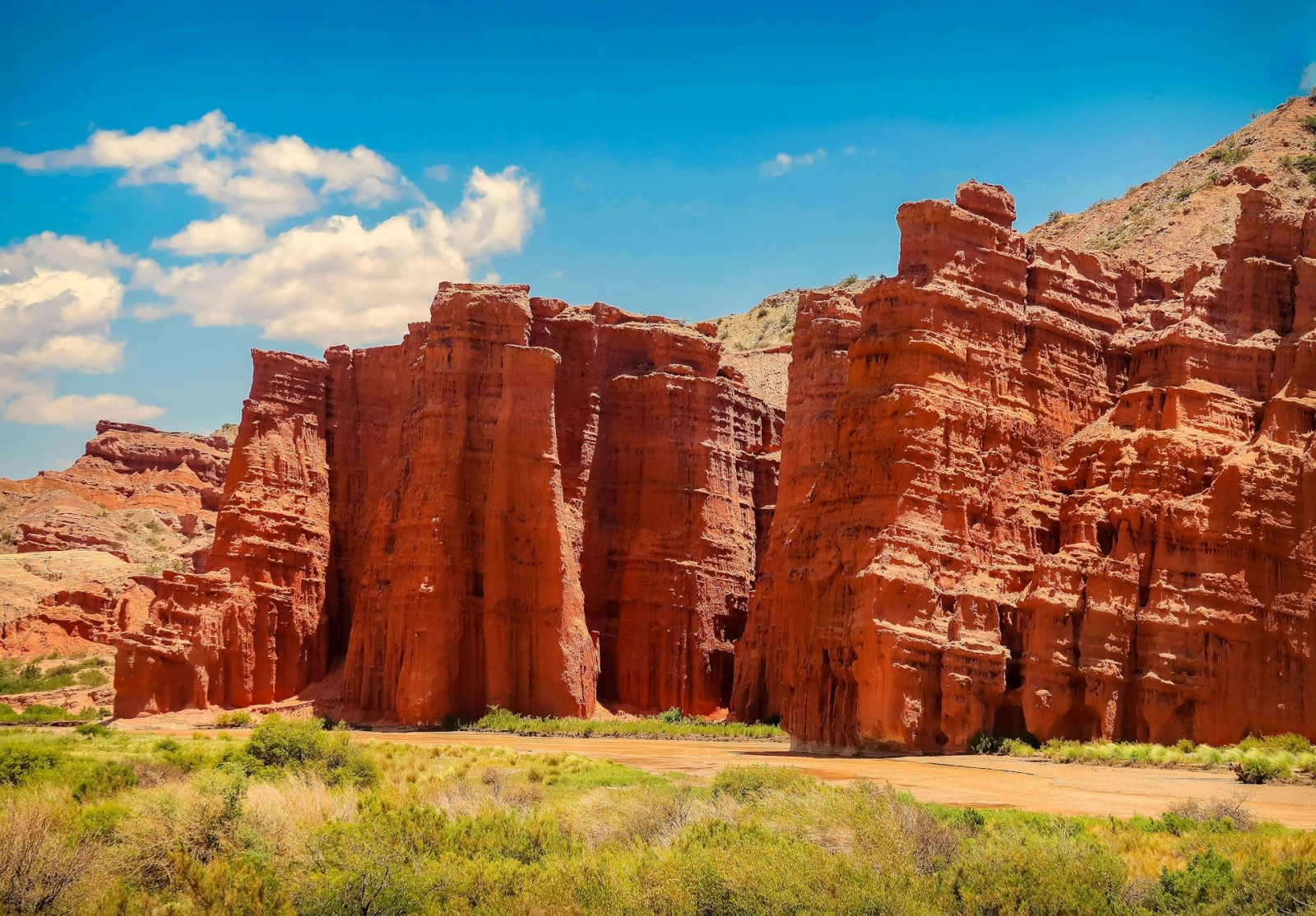
1. Unique local products and food
Salten empanadas (Empanadas salteñas) are traditional cakes with meat, potatoes, eggs and spices. Local condiments can be purchased for the house.
Tamales (Tamales) - a dish of corn dough with meat filling, cooked in corn leaves.
Umita is a traditional dish of corn, cheese and spices.
Locro is a thick dish of corn, beans, pumpkin and meat.
Dulce de cayote is an unusual sweet jam from the local variety of pumpkin.
Alfajores is an Argentine cookie filled with milk caramel.
Dried fruits and nuts - dried figs, quince, walnuts and local sweets.
2. Drinks and spices
Torrontés wine is a famous fragrant white wine from the Kalchaki Valley.
Malbec is a popular Argentine red wine.
Andean quinoa (Quinua) is a nutritious cereal rich in protein and minerals.
Paprika (Pimentón) is a fragrant seasoning used in traditional dishes of the region.
Kumin (Comino) is a spice for meat and vegetable dishes.
Local honey is a natural product from mountain and valley areas.
3. Medicinal and natural remedies
Andean herbal collections - muña-muña, rica-rika and cedrone are used to make fragrant infusions.
Natural honey is traditionally used as a home remedy for colds.
Herbal teas – local fees can be purchased at markets and specialty stores.
Quinoa is a useful food product containing vegetable protein, fiber and minerals.
1. General security
In the central part of the city, near Plaza 9 de Julio, tourist sites and main hotels are usually crowded and relatively safe.
You should beware of pickpocketing, snatching phones and bags on streets, markets and public transport.
It is not recommended to show expensive jewelry, cameras, large amounts of cash and mobile phones.
At night, it is better to use official taxis or Uber and DiDi apps, avoiding walks in sparsely populated suburbs.
Money, bank cards and documents should be kept separately. Passport can be left in the safe of the hotel with a copy.
When traveling on mountain roads, to the Kalchaki valley and to salt marshes, it is necessary to take into account the state of roads, weather conditions and altitude above sea level.
For excursions, it is recommended to choose licensed travel agencies and trusted carriers.
2. Documents required
To travel to Salta, a foreign tourist is recommended to have:
Foreign passport with a valid term.
Confirmation of booking of a hotel or other place of residence.
Return tickets or tickets for further travel.
Health insurance in Argentina.
International driving license or national license with the necessary international registration, if you plan to rent a car.
Copies of passport, insurance policy and other important documents in electronic and paper form.
Bank cards and a small amount of cash Argentine pesos.
Argentinian immigration laws must be complied with. From 2025, the legislation provides for the confirmation of the availability of medical insurance for entering foreigners.
3. Health insurance and health
Health insurance is especially important when traveling alone in northwestern Argentina.
It is recommended to issue a policy that provides for:
Emergency medical care and hospitalization.
Treatment of injuries and infectious diseases.
Medical transportation and evacuation from remote mountainous areas.
Help with food poisoning and allergic reactions.
Coverage of accidents during excursions and outdoor activities.
Particular attention should be paid to altitude above sea level. Some tourist routes of the province of Salta pass at an altitude of more than 3000-4000 meters. Headache, dizziness, nausea and weakness due to altitude sickness are possible. It is necessary to gradually get used to the height, drink enough water and not overload the body.
It is also desirable to have an individual first aid kit with the usual medicines, remedies for digestive disorders, sunscreen and repellent.
4. Emergency services phones
The following numbers apply in Argentina:
911 is a single emergency and police number.
101, police.
107 – ambulance (service depends on the territory).
100 to the fire department.
103 Civil Defense.
In addition, the tourist police (Policia Turística) operates in Salta:
Telephone: +54 387 431 3799.
Mobile phone: +54 9 387 587 1830.
Address: Mitre 23, opposite July 9.
Working hours: from 07:00 to 23:00.
Tourist police help with theft of documents, loss of belongings, conflict situations and other problems of travelers.
5. Mobile operators and communications
The main Argentine mobile operators operate in Salta:
Claro provides good coverage in many cities and regions of the country. Suitable for travel outside of Salta.
Personal – offers prepaid SIM cards and mobile Internet packages.
Movistar – provides mobile communications and Internet, well suited for use in urban areas.
Tourists can purchase a local SIM card or eSIM if they have a compatible smartphone. A local SIM card usually requires a passport.
In the center of Salta, mobile communication is available quite well, but in mountainous areas, on remote roads and in sparsely populated places, there may be interruptions with the Internet and mobile communication.
6. How many tourists can stay in Argentina without leaving the country?
For citizens of most countries that have a visa-free regime with Argentina, the following rules apply:
The initial period of tourist stay is up to 90 days.
An extension of another 90 days is possible through the Argentine National Migration Authority (Dirección Nacional de Migraciones).
To extend, you must apply before the end of the permitted period of stay.
After the end of the permitted period, the tourist is obliged to leave the country or issue an appropriate migration permit.
Delayed stay may result in additional payments and migration restrictions.
Create a query and local guides will offer you the best options

Install the app «PersonalGuide»
www.personalguide.ru
