Independent holiday in Vienna in Austria! History of Vienna Vienna, the capital of Austria, has a rich history...

Vienna is the capital of the Republic of Austria. But it is often called the “Imperial Capital” ... a beautiful city with a modern …

Vienna is known for its romantic narrow streets and luxurious buildings of different times and eras. You are invited to take a wal …

The capital of Austria, majestic, august Vienna is a stunning interweaving and harmony of eras, styles, cultures, tastes and aroma …

08:00-20:00. Sightseeing tour of Vienna with a visit to the Schönbrunn Palace. After visiting the summer residence of the Habsbu …

Your guide to interesting places in Vienna We often hear the question, “What can compare to Vienna?” And as we look for amazing n …

Walking tour of the historic center of Vienna, 2 hoursSightseeing tour of Vienna by car, 3 hoursExcursion to the suburbs …
 Guide license
VIP-Guide / VIP-Tourism in Budapest Hungary Guide to Budapest-Hungary - Individual excursions in Budapest by guide/to …
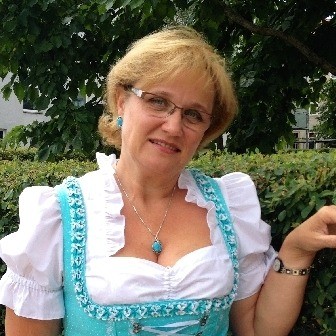
Today, Austria and Vienna in particular are visited annually by millions of visitors. Almost all of them show a desire t …

Guide guide, personal driver, translator Accompany small groups of Mach 4 people. excursionists on trips.
Vienna, the capital of Austria, has a rich history dating back more than two thousand years. The city was founded at the turn of the first millennium BC by the Celts. In Roman times it was called Vindobona and was an important military post.
The medieval history of Vienna is connected with the Habsburg family, which made the city its residence. In the XVI century, Vienna became a center of culture and art, thanks to the reign of Emperor Maximilian II. At the beginning of the XVIII century, Vienna experienced a period of prosperity under the rule of Empress Maria Theresa and her son Joseph II.
In the 19th century, Vienna became the cultural and political center of Europe, becoming the capital of the Austro-Hungarian Empire. The city also played an important role in world history, for example during the Congress of Vienna of 1814-1815.
In the twentieth century, Vienna witnessed various historical events, including the First and Second World Wars. After World War II, the city was divided into four sectors ruled by the Allied powers.
Modern Vienna is known for its architectural beauty, museums, musical heritage and status as an international center of diplomacy. Vienna is also home to many international organizations, including the Organization of the Petroleum Exporting Countries (OPEC) and the International Atomic Energy Agency (IAEA).

Vienna, the capital of Austria, impresses with its rich history, magnificent architecture and cultural heritage. This beautiful city offers tourists a unique combination of ancient charm and modern splendor. Here are a few reasons to visit Vienna:
Imperial palaces and palace complexes: Visit Schönbrunn Palace, a delightful palace with beautiful gardens that was the summer residence of the Habsburgs. Also worth visiting is the Hofburg Imperial Palace, which served as the main residence of the imperial family.
Cultural events: Vienna is famous for its musical heritage. Visit the Vienna Opera, where you can enjoy classical works by great composers. Also worth a visit is the Musicverein Concert Hall, one of the greatest musical structures in the world.
Arts and museums: In Vienna, you can enjoy a rich collection of art in numerous museums. Albertina, Belvedere, Liechtenstein, and the National Gallery offer unique displays from the Renaissance to the present.
Shopping: From the elegant boutiques in the city centre to the fine shops on the Mariachilferstrasse, Vienna is a paradise for shopaholics.
Culinary pleasures: From traditional Austrian dishes to upscale restaurants, Vienna offers a rich variety of flavors. Be sure to try the famous Viennese stripel and coffee with Sacher cake.
Green parks and walks: Vienna is famous for its beautiful parks such as Prater Park and Vienna Forest Park, where you can enjoy nature, cycling and relaxing.
A visit to Vienna promises a fascinating immersion in history, culture and beauty, making it an attractive destination for tourists from all over the world.
Vienna offers a variety of accommodation options, ranging from cost-effective options to luxury hotels. The level of service and prices can vary significantly depending on the category of the hotel and their location in the city. Here is an overview of the different levels of living in Vienna:
Economy class:
Middle class:
Boutique hotels and top-class hotels:
Five-star hotels:
Exclusive historic hotels:
Prices can vary depending on the season, special offers and demand. It is recommended to book accommodation in advance, especially during the high tourist season, to ensure the best choice and accommodation.
Vienna offers many attractions, and many of them are located in the city center or in its close vicinity. Here are some of the main attractions and approximate distance from the center:
Schönbrunn Palace and Park:
Hofburg Imperial Palace:
Vienna Opera:
Art House Museum:
Museum of Art History (Kunsthistorian Museum):
Nature Museum (Naturhistorisches Museum):
St. Stephen's Cathedral (Stefansdom):
Distances are approximately indicated and may vary depending on the route and transport. In the center of Vienna, many attractions are within easy walking distance.

Vienna is rich in various activities, holidays and festivals that attract tourists and locals. Here are some popular events to consider when visiting the city:
The Vienna New Year Concert (Wiener Silvesterpfad)
Opera Ball:
Carnival (Fasching):
Vienna Film Festival (Viennale):
The Vienna Snowflake Ball (Wiener Schneeball)
Christmas Market (Wiener Christkindlmarkt)
The Vienna Art Nouveau Festival (Wiener Festwochen)
May holiday (Maifest):
These events represent only a small part of the various events taking place in Vienna. It is important to clarify the dates and details of specific events before the trip, so as not to miss interesting opportunities.

Vienna has a temperate continental climate with distinct seasons. Each season in the city has its own unique features, making Vienna an attractive place to visit at any time of the year. Here is a brief description of the climate during the year:
Spring (March-May):
Summer (June - August):
Autumn (September to November):
Winter (December to February):
It is important to keep in mind that the climate can vary slightly depending on a particular year. In general, Vienna offers a variety of experiences throughout the year, making it an attractive place to travel at all times.

When traveling to the city of Vienna and visiting Austria, it is useful to observe traditions, customs and laws to respect the local culture and ensure a comfortable stay. Here are a few important points:
Greeting:
Clothes:
Tip:
Silence in public places:
Smoking ban:
Punctuality:
Communication:
Laws on public order:
Photography:
Attention to traditions and customs:
Compliance with these simple rules will help you feel comfortable and respectful of the local culture in Vienna and Austria in general.

Here are some basic words and phrases in German that may come in handy when traveling around Vienna:
These phrases will help you communicate during your trip to Vienna!

In Vienna you will find many unique and interesting things that can become great souvenirs or gifts. Here are some ideas:
Do not forget about Austrian cuisine and you can also try and purchase various local products such as apfelstrudel (apple pie), marzipan sweets or Austrian cheeses.

Vienna, like most cities in Austria, is generally considered a safe place for tourists. However, it is always important to follow general precautions to ensure safety while traveling:
Personal items:
Official documents:
Health and insurance:
Emergency situations:
Public transport:
Night visits:
Checked places of residence:
Passport:
Visa:
Insurance:
Make sure you check the requirements in advance and prepare all the necessary documents to avoid problems when entering the country.

Create a query and local guides will offer you the best options


