Travel and rest in the city of Brussels! History of the appearance of the city of Brussels Brussels is the cap...

Evening tour of Brussels If you don’t have time and are busy during the day or just want to explore the city in the evening – this …

Dear friends! I invite you to take a ride in the southern part of Belgium. This is not the Belgium that is usually promoted on s …

Sightseeing tour of Brussels, where you will see and learn what Brussels lives and breathes. Who built it, with what money and who …

Friends! I offer you a unique opportunity to get acquainted at a comfortable pace and see from different angles the sights of Brus …

Bruges - Ghent one day. Dear guests, I offer you the best excursion in the Kingdom of Belgium. We will see the beautiful cities o …

Being in Brussels for the first time is easy. This not very big city is full of sights, museums and other places that are attracti …

Brussels-Waterloo-Brussels. Sightseeing car and walking tour. We will be on the road for about 25 minutes, moving to the south of …

Individual excursions, meeting at the airport, transfer, booking tickets, hotel reservation, escort at business meetings …
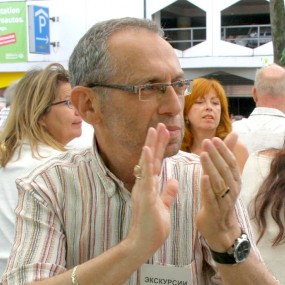
Düsseldorf: City of chic-miki They say there is nothing to see in Düsseldorf. During the tour you will see that this …
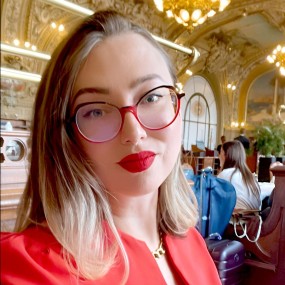
We conduct excursions in two formats: 1) Personally (only for you) from 180 euros. (2) Mini-groups (from 3 to 10 persons …
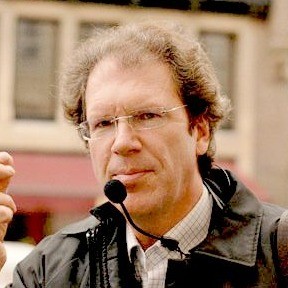 Guide license
Born in Leningrad, he left St. Petersburg. Graduate of the Leningrad Humanitarian University. It is mainly French-speaki …
Brussels is the capital and largest city of Belgium and the administrative and cultural center of the European Union. The history of this city has more than a thousand years.
Early history: The city was founded in the VII century on the Senna River. In the ninth century, Brussels became a fortress and then a county city. In the XIV century it was attached to the Duchy of Burgundy.
The Age of Burgundy and Habsburg: In the XV century, Brussels became the residence of the Burgundy court. Under Habsburg rule, in the XVI century, the city became an important political and cultural center. The Natural Council of the Netherlands often met here.
The Middle Ages and the Protestant Reformation Brussels witnessed the split of the Netherlands into a Catholic southern and a Protestant northern part. This period was accompanied by conflicts and uprisings.
The period of Spanish rule and the Austrian Netherlands: In the XVII century, Brussels fell under Spanish rule and then into the Austrian Netherlands. This period was also marked by the growth of the city in trade and art.
The French Revolution and the period of Dutch rule: In the late eighteenth century, Brussels was affected by the French Revolution and later became part of Napoleon’s French Empire. In 1830, a national revolution began in Belgium and Brussels became the capital of the newly independent country.
Belgium's independence and economic growth: Since Belgium’s independence, Brussels has become the capital of the new kingdom. The city became a center of political and economic activity. At the end of the XIX century and the beginning of the XX century, Brussels underwent large-scale changes and modernization.
World Wars and the Postwar Period: Brussels witnessed both world wars, and in the post-World War II period the city became home to many international organizations, including the headquarters of the European Union and NATO.
Today Brussels is a multicultural city with a rich history and architectural heritage. It represents a combination of ancient buildings, medieval squares and modern structures. The city is also known for its culinary tradition, including Belgian chocolate, beer and waffles.
Brussels continues to be an important political, cultural and economic center of Europe, attracting tourists with its charm and unique character.

Brussels is an amazing and attractive city that attracts tourists from all over the world with its rich history, cultural treasures and unique look. Here are a few aspects that make Brussels attractive to travelers:
History and Architecture: Brussels embodies the grandeur of antiquity and beauty of architectural monuments. Medieval buildings, magnificent palaces, and ancient churches create a unique atmosphere. In the Grand Place, the heart of the city, tourists enjoy the architectural splendor including the Town Hall and the Royal House.
Brussels serves as the capital of the European Union, and its European Quarter offers visitors the opportunity to experience the work of various institutions and organizations. The European Parliament, the European Union Commission and other buildings make the city an important political center.
Museums and Art: Brussels has a rich art scene and many museums. Everyone will find something to their liking, from the Royal Museum of Fine Arts to the Tools Museum and Comics Museum, reflecting the wealth of Belgian heritage.
Gastronomy: Brussels is known for its culinary sophistication. Chocolate, waffles, and Belgian beer are all an integral part of the gastronomic experience. Visitors can enjoy great dishes at traditional restaurants or enjoy street food at local markets.
Festivals and Events: The city comes alive with various festivals and events throughout the year. One of the most famous is the Tulip Blossom in the spring at the Grand Place, which creates a stunning floral carpet.
Belgian Charisma: Brussels is a city with a unique atmosphere and friendly inhabitants. Tourists can immerse themselves in the atmosphere of cozy cafes, walk along the streets of the Old Town and feel the unique spirit of this European metropolis.
Brussels combines ancient features and a modern spirit, offering travelers fascinating adventures, great food and a unique atmosphere that leave indelible impressions.
The city of Brussels is rich in a variety of attractions reflecting its historical, cultural and political significance. Here are some of the main attractions and information about transport accessibility:
The Grand Place is the central square of Brussels, surrounded by magnificent buildings such as the Town Hall and the Royal House. The square is easily accessible on foot from various areas of the city center.
Atomium: This symbol of Brussels is a structure built in the form of an iron unit cell magnified 165 billion times. The Atomium is located in the north of the city and is easily accessible by subway (line 6) or bus.
Manneken Pis: This famous fountain with a figure of a boy urinating in a fountain is located in the center of Brussels and is a short walk from the Grand Place.
Royal Palace and Park: The Royal Palace and Park are located in the centre of Brussels. They can be easily reached on foot from many central areas as well as by public transport.
Belgian Statue of Liberty: The Statue of Liberty, known as the "Monument to Louis" or "Statue of Belgium", stands atop the hill of Parc du Sincan. It is also easily accessible by bus or subway.
Kings Palace: The ruins of Kings Palace, an ancient palace, can be visited underground in central Brussels. They are located near the Grand Place and are accessible on foot.
European Quarter: The Centre for European Politics, with structures such as the European Parliament and the Commission of the European Union, is located in the Leopold district. This area is convenient to get by metro (lines 1 and 5) or walking distances from the center.
Belgian Royal Museum Complex: Includes the Royal Museum of Fine Arts, the Tools Museum, the Fashion Museum and others. Located in the city center and easily accessible by public transport.
Brussels has an efficient public transport system, including metro, buses and trams, making it easier to get around the city. The transport infrastructure is well developed and most attractions are easily accessible by both public transport and walking routes.

Brussels is located in a temperate climatic zone, which provides relatively mild winters and cool summers. Here is a brief description of the climate at different times of the year:
Spring (March-May): In spring, the air temperature in Brussels begins to rise, and the average daily temperature can range from 10 to 20 degrees Celsius. This period is accompanied by the flowering of trees and flowering of tulips. The water also starts to warm up during this period.
Summer (June - August): Summer in Brussels brings with it warm and comfortable temperatures. The average daily temperature ranges from 20 to 25 degrees Celsius. At this time of year, Brussels comes to life with events, festivals and outdoor cafes. Water in rivers and lakes is also heated, making it pleasant to walk through the parks.
Autumn (September to November): In autumn, the temperature gradually decreases, but remains relatively warm. The average daily temperature is about 10 to 20 degrees Celsius. Autumn is characterized by beautiful foliage and tranquility. This is also a good time for those who prefer a quieter environment.
Winter (December to February): Winters in Brussels are relatively mild but cool. The average daily temperature varies from 0 to 10 degrees Celsius. Sometimes small snowfalls are possible. At this time of year, you can enjoy the Christmas atmosphere at the Grand Place and other squares.
Best season to travel: The summer months (June to August) are considered the best time to visit Brussels. Warm temperatures, a rich cultural program and many activities make this period especially attractive for tourists. Spring and autumn are also good seasons with a milder climate and smaller crowds of tourists.

Brussels has a variety of accommodation options, from luxury top-class hotels to more affordable options such as hostels and apartments. Here is an overview of the different levels of hotels and other accommodation options in the city:
1. Luxury hotels:
Hotel Amigo (Rocco Forte): A five-star hotel located in the city center, near the Grand Place. Exquisite service, luxurious rooms and a high-class restaurant.
The Hotel Brussels: Hotel with panoramic views of the city, located in the area of Avenue Louise. It has exclusive rooms, a spa and a rooftop restaurant.
2. Mid-class hotels:
Thon Hotel EU: Located in the European Quarter, this hotel offers modern rooms, proximity to EU institutions and a good level of service.
Hotel Novotel Brussels City Centre: The central location, family rooms and modern amenities make this hotel popular with tourists.
3. Hotel economy:
Ibis Brussels City Centre: The Ibis hotel chain offers affordable rooms in the city centre while providing basic amenities and service.
MEININGER Hotel Brussels City Center: Economical option with comfortable rooms, located a few minutes walk from the Grand Place.
4. Hostels:
Sleep Well Youth Hostel: Located near the central station, this hostel offers affordable prices, many public areas and room for group accommodation.
Brussels 2GO4 Quality Hostel Grand Place: Hostel in the heart of the city, near the Grand Place. Provides spacious common rooms and clean accommodation.
5. Apartments and apartments:
Smartflats Design - Grand-Place: It offers stylish apartments with modern design in the city center, within walking distance from many attractions.
ApartmentsApart Brussels: The company provides apartments in different areas of the city, giving guests more freedom and space.
Regardless of your preferences and budget, you can find a variety of accommodation options in Brussels that meet the needs of different types of travelers.
Brussels offers a rich calendar of events throughout the year. At different times of the year there are various events, festivals and holidays. Here are some popular events to consider when planning a visit to Brussels:
Tulip flowering (Flower Carpet):
Time: August (held once every two years).
Description: This is an amazing event dedicated to the planting of flowers at the Grand Place. A carpet of flowers, usually tulips, adorns the square, creating a spectacular sight.
Belgian Beer Festival (Belgian Beer Weekend)
Time: September.
Description: This beer festival attracts beer lovers from all over the world. In various parts of the city, tastings, master classes and festive events are organized.
Brussels Carnival (Brussels Carnival):
Time: Spring months (depending on Catholic Easter)
Description: One of the oldest and most famous carnivals in Europe. Costume participants, parades, processions and musical performances create a festive atmosphere.
Brussels Night Photography (Brussels Night Photography)
Time: October.
Description: During this event, the city comes to life at night with lighting, and artists and photographers present their work in various locations, creating a unique atmosphere.
Christmas Market at the Grand Place (Winter Wonders)
Time: November - January.
Description: The Christmas market at the Grand Place attracts tourists with its decorations, attractions, ice rink and various festive events.
Brussels Jazz Weekend (Brussels Jazz Weekend)
Time: May.
Description: This weekend, the city is filled with jazz music. Concerts and performances are held in various locations, creating a great atmosphere for jazz lovers.
Fountains Alive (Fountains Alive)
Time: June.
Description: The event brings the city’s fountains to life through light and sound shows, creating an impressive nighttime atmosphere.
These developments are just a small part of what Brussels has to offer. The city is always lively with various events, festivals and holidays, making it an attractive place to visit at any time of the year.
Language of communication:
Belgium is a multilingual country and several languages can be heard in Brussels. The main official languages of the country are Dutch, French and German. Brussels is predominantly bilingual (Dutch and French), and most people in the city speak both. English is also widely used in tourist and business circles.
Traditions and customs:
Greeting:
Greetings in Brussels usually involve shaking hands. When dating, it is often customary to offer a hand.
Courtesy:
Politeness and respect for others are important in Belgian society. The words "please" (s'il vous plaît) and "thank you" (merci) are used everywhere.
Language politeness:
Belgians appreciate it if you try to use their language. If you are not sure what language to speak, start in French.
Lunchtime:
Belgians usually spend a lot of time eating lunch. Lunch can last more than an hour, and this is usually an important social event.
Payments:
Usually, waiters and attendants expect a tip of 10% of the bill.
Laws and regulations:
Tobacco and alcohol:
Smoking is prohibited in public areas, including restaurants and cafes. The age for purchasing alcohol is 18.
Transport:
Follow the rules of public transport and road traffic. Note: the rule of concession to pedestrians at intersections is strictly observed.
Trash:
Belgium is committed to environmental sustainability, so it is important to properly dispose of garbage and sort waste.
Photos:
Before photographing people, especially in public places, it is best to ask their permission.
Shops and establishments:
Most shops and restaurants accept credit cards, but it’s always good to have cash with you, especially in smaller stores or markets.
Compliance with etiquette and laws will help you adapt easily to Belgian society and create a positive impression of your stay in Brussels.
When visiting Brussels, it is useful to know a few basic phrases in French, as it is one of the official languages of Belgium. Here are a few keywords and phrases that may come in handy:
Greetings and general phrases:
Bonjour (bonjour) - Hello
Bonsoir (bonsoir) - Good evening
Merci (Marcy) - Thank you.
S'il vous plaît - Please
Excusez-moi (excuse-moi)
Shopping and restaurants:
Combien ça coûte? (combien sa cout) - How much does it cost?
L'addition, s'il vous plaît. - The bill, please.
Où sont les toilettes? - Where's the toilet?
Orientation and transport:
Où est la gare? - Where's the station?
Où est l'arrêt de bus/de tramway? (at e lare de bue/de tram) - Where is the bus/tram stop?
Combien de temps pour aller à... ? (combien de tan pur a...) - How long is it until...?
At the restaurant:
Une table pour deux, s'il vous plaît. (young table mashed two, siel woo ple) - Table for two, please.
Je voudrais... (as Woodray...) - I'd like to..
L'addition, s'il vous plaît. - The bill, please.
Numbers:
Un - 1
Deux (deux) - 2
Trois (trua) - 3
Quatre (catre) - 4
Cinq (senk) - 5
Useful phrases:
Oui (oui)
Non (non) No
Je ne comprends pas. - I don't understand.
Parlez-vous anglais? - Do you speak English?
Knowing these phrases will help you feel confident and comfortable in Brussels. Remember that many Belgians speak English well, so if you have difficulties, you can always speak English.
Traveling to Brussels, you can find many unique products, souvenirs and remedies. Here are some ideas you can bring from your trip:
Before purchasing products or souvenirs, make sure they comply with local regulations and do not conflict with the laws of importation into your country.

Safety:
1. Criminal record:
Brussels, like any major city, is subject to some level of criminal activity. However, it is basically a safe place for tourists. Try to avoid low-light areas at night and keep an eye on your belongings in the crowd.
2. Terrorist threat:
The situation in the world can change, so it is recommended to follow the warnings and advice regarding terrorist threats. However, Belgium usually has high security measures.
3. Health and safety on the streets:
In general, the streets of Brussels are safe for walking, especially in the city centre. Be careful of your belongings, especially in crowds, and stay in lighted areas at night.
Documents required:
1. Passport:
Tourists require a valid passport. Make sure that it has not expired.
2. Visa:
For citizens of many countries, a visa is not required for short-term travel, but it is worth clarifying the requirements in advance.
Health care:
1. Health insurance:
It is recommended to have health insurance that covers the costs of medical care if necessary.
2. Emergency services:
Police: 101
Fire service: 100
Ambulance: 112
Mobile communications:
1. Mobile operators:
Various mobile operators such as Proximus, Orange, and BASE operate in Brussels. You can purchase a SIM card and use the local network for easy communication.
2. Duration of stay:
Tourists are usually allowed to stay without leaving for up to 90 days during a 180-day period. Check your specific requirements according to your citizenship.
General recommendations:
With basic safety measures and guidelines, Brussels is a safe and welcoming place to relax.
Create a query and local guides will offer you the best options


