
Maracana Stadium is the largest indoor stadium in Rio de Janeiro. This place usually hosts major football competitions between loc …

The João Avelange Olympic Stadium is the largest sports venue in Brazil. Major football matches are held at the stadium and athlet …

Laranjeiras Stadium is a small arena located near Guanabara Palace. Since it is located in the historic Orange district, this is w …

Sao Januario Stadium is one of the oldest and most popular football arenas in Rio de Janeiro. The stadium is located northwest of …

During the tour we will visit the oldest streets and churches. Rio de Janeiro, I will tell you the history of the city, which unt …

Natural complex Sugar Head second must-see in Rio de JaneiroA privileged view of the city and infrastructure for those who want to …
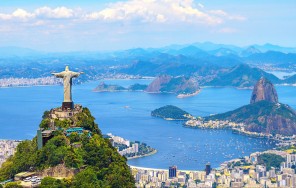
First time in Rio de Janeiro and want to make a complete impression of it in one day? This tour is a good start. In 8 hours I will …

Programme 1. Rio tour ту Morning: Statue of Christ the Redeemer (Corcovado) Start with the symbol of Rio and all of Br …

All the most important things to see in Rio: the statue of Christ, the historical center, local food, culture and street art. …

Acquaintance with the city through the eyes of locals, as well as a view of Rio from a helicopter. Tour to the favela, where you w …
Rio de Janeiro is one of the most expressive cities in the world, where history, colonial architecture and wildlife merge into a vivid picture. The name of the city is associated with Guanabara Bay, and its atmosphere is a mixture of carnival mood, sea breeze and green mountains that surround the cityscape. Here you can feel the dynamics of the metropolis, and the proximity of tropical nature, which makes Rio a unique place to travel.
In the city are concentrated iconic man-made sights: 38-meter statue of Christ on top of Corcovado and cable car to Sugar Head open panoramas that will remain in memory forever. Maracana Stadium, Gustavu Capanema Palace, and former royal residences like Quinta Boa Vista illustrate architectural eras, while historic churches like San Francisco, Candelaria, and San Bento Monastery hold a rich cultural heritage. Modern museums, monuments and city squares complement this multi-layered image.
Natural attractions in the surrounding area are striking in diversity: Tijuca National Park is one of the largest urban forests in the world, the Organ Hills create dramatic silhouettes, and the botanical gardens and the Brazilian Tropical Garden collect collections of rare plants. The beaches – Copacabana, Sao Conrado, Prainha and Abrico – beckon with golden sand and warm ocean, while Guanabara Bay, Pista Claudio Coutinho Reserves and Guapiacu ecological reserves preserve pristine corners of nature and offer excellent routes for walking.
On our site you can see all these places on an interactive map: brief descriptions, photos and practical tips will help you decide what to see first. It is easy to build a route - mark points of interest, calculate time and distance, combine city inspection with natural walks and beach rest. The map helps to navigate in space and plan busy days in the city.
You can travel around Rio on your own, following a pre-prepared route and enjoying the freedom of discovery, or use the services of local guides and book excursions for a deep dive into history, culture and little-known places. Local guides will discover behind-the-scenes stories, suggest convenient routes and help make the trip safe and rich, and independent walks will allow you to feel the rhythm of the city with your own steps.
Rio de Janeiro is waiting for guests: come to see the statue of Christ in the rays of dawn, climb Sugar Head, walk through the botanical gardens and swim on the famous beaches. Discover the city through walks, thoughtful routes and excursions – and let each trip to Rio be the beginning of new experiences and discoveries.


