Independent tourism and recreation in the city of Erfut Historical information about the city of Erfut Foundat...
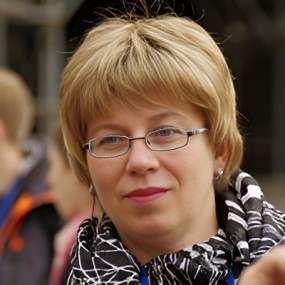
My excursions are fascinating journeys in space and time. I am ready to offer an interesting program of acquaintance wit …
Foundation and early history
Erfurt is one of the oldest cities in Germany and the administrative center of the federal state of Thuringia. Its history dates back more than 1,300 years. Due to its advantageous location at the intersection of ancient trade routes, the city has been an important political, religious and economic center of Central Europe for centuries.
The first settlements on the territory of modern Erfurt existed in prehistoric times. Archaeological finds indicate that people lived here more than five thousand years ago. The fertile valley of the river Gera, the mild climate and convenient routes of communication made this place attractive for farmers and traders.
The first written mention of Erfurt dates back to 742, when the Anglo-Saxon missionary St. Boniface asked Pope Zachary to establish a bishopric here. This document is considered the official date of foundation of the city. Even then, Erfurt was a fairly large settlement that played an important role in the Christianization of German lands.
In the VIII-IX centuries, the city was part of the Frankish state. During his reign, Charlemagne paid great attention to the development of trade and the strengthening of cities, thanks to which Erfurt gradually became an important administrative and religious center of the region.
Medieval heyday
In the XI-XIII centuries, Erfurt became one of the largest cities of the Holy Roman Empire. Through it passed the famous trade road Via Regia, connecting Eastern and Western Europe. It transported fabrics, salt, wine, furs, metal, grain and luxury goods.
Special wealth brought to the city trade in the plant waid dye (Waid) - a culture from which a valuable blue dye was obtained. Before the advent of indigo dye, waida was one of the most sought-after goods in Europe. Erfurt became the largest European center of its production and export.
By the XIII-XIV centuries, the trade in vaida made Erfurt extremely rich. Stone houses, warehouses, churches, monasteries and public buildings were built in the city. Many architectural monuments of this period have survived to our days.
Founding of the university
One of the most important events in the history of the city was the opening of the University of Erfurt in 1392.
It is one of the oldest universities in Germany and one of the first universities in Central Europe. Here they taught philosophy, theology, law and medicine.
The university quickly gained international fame. Students from various German principalities, Poland, Bohemia, Hungary and other European countries came to Erfurt.
Erfurt and Martin Luther
A special place in the history of the city is occupied by the name of Martin Luther.
In 1501 he entered the University of Erfurt, where he studied law, philosophy and the humanities. It was here that his views were formed, which had a huge impact on European history.
In 1505, after the famous thunderstorm episode, Luther decided to become a monk and joined the Augustinian monastery of Erfurt. Here he studied theology, wrote his first works and prepared for spiritual activity.
Today, the monastery and university are important historical sights of the city and attract thousands of tourists every year.
The Age of Reformation
In the sixteenth century, the ideas of the Reformation spread rapidly throughout Erfurt. Most people supported the reform movement.
During this period:
The structure of church life has changed;
Many monasteries were closed;
the influence of the city authorities has increased;
Education and printing were developed.
Despite the religious changes, Erfurt retained its importance as a major cultural center of Germany.
As part of the Mainz Electorate
For several centuries the city was ruled by the Archbishops of Mainz.
Despite constant conflicts between the city authorities and the church, Erfurt maintained considerable independence and economic power.
In the XVI-XVII centuries, powerful urban fortifications were built, many of which have partially survived to the present day.
Thirty Years' War
During the Thirty Years’ War, Erfurt came under the control of various armies.
The city suffered:
epidemics;
hunger;
destruction;
economic crisis.
However, due to its advantageous position, Erfurt was able to quickly restore trade after the war.
Napoleonic era
At the beginning of the XIX century, the city was in the center of the events of the Napoleonic Wars.
After the victories of the French army, Erfurt became part of the possessions of Napoleon Bonaparte.
In 1808, the famous Erfurt Congress was held here, at which Napoleon and Alexander I met. The Congress discussed European politics, alliances and the future of the continent. Erfurt became the political capital of Europe.
After the defeat of Napoleon, the city was ceded to Prussia.
XIX century - industrial development
After joining Prussia, Erfurt began to develop actively.
There are:
railway;
machine-building enterprises;
printing presses;
factories;
New residential areas.
At the same time, the city remained a major center of horticulture and floriculture. Thanks to numerous nurseries, Erfurt gained fame as the “city of flowers”. This tradition continues today.
First and Second World Wars
During the First World War, the city served as an important transport and industrial center.
During World War II, Erfurt was bombed by air, but the historic center suffered much less than many other German cities. Thanks to this, a large amount of medieval architecture has been preserved here today.
After the war, Erfurt was in the Soviet zone of occupation, and then became part of the German Democratic Republic.
Modern Erfurt
After the unification of Germany in 1990, the city became the capital of the federal state of Thuringia.
A large-scale restoration of the historical center began, ancient houses, squares, churches and bridges were restored.
Today, Erfurt is considered one of the best preserved medieval cities in Germany. The historical center has hundreds of half-timbered houses, dozens of churches and architectural monuments. Kramerbrücke is the only fully built-up medieval bridge in Europe, a cathedral, numerous museums and cozy squares.
In addition to its rich historical heritage, Erfurt is a major educational, cultural and administrative center of Thuringia. The city welcomes millions of tourists annually, attracted by its unique atmosphere, well-preserved architecture and an important role in the history of Germany and Europe.

Erfurt is the capital of the federal state of Thuringia, located in the heart of Germany. The city is considered one of the best preserved historical cities in the country and annually attracts millions of tourists due to its unique medieval architecture, rich cultural heritage and cozy atmosphere. Unlike large metropolises, Erfurt has preserved a calm rhythm of life, narrow cobbled streets, ancient squares and numerous monuments that create a sense of time travel.
One of the main features of Erfurt is its historical center, where more than a thousand buildings of architectural value have been preserved. Here you can see beautifully restored half-timbered houses, ancient churches, city gates, monasteries and palaces. Many streets have not changed in the last few centuries, so a walk around the city turns into a real acquaintance with the history of the Middle Ages.
The main attraction of Erfurt is the Kramerbrücke Bridge (Krämerbrücke) - a unique medieval bridge, completely built up with residential buildings. It is the longest bridge in Europe of this type, which still houses craft workshops, art galleries, souvenir shops, cafes and small museums. This bridge became the symbol of the city and one of the most photographed places in Germany.
No less impressive is the architectural ensemble of Cathedral Square (Domplatz), where the majestic Cathedral of St. Mary (Erfurter Dom) and the Church of St. Severikirche are located. These monuments tower over the city and are considered outstanding examples of Gothic architecture. Climbing a wide stone staircase to the cathedral, tourists can enjoy beautiful panoramic views of the historic center of Erfurt.
History lovers will be interested in visiting the Augustine Monastery, where the reformer Martin Luther lived and studied. Today the monastery is an active religious and cultural complex, open to the public. Here you can get acquainted with the history of the Reformation and see the cell in which the future reformer lived.
Erfurt is also known for its numerous museums, art galleries and exhibition centers. Of particular interest are the City Museum, the Museum of Natural History, the Museum of Folk Art and the Museum in the Old Synagogue - one of the oldest preserved synagogues in Europe.
Nature lovers can visit Egapark Erfurt, one of the largest landscape parks in Germany. On its territory there are botanical gardens, flower arrangements, rose gardens, a Japanese garden, greenhouses with exotic plants, recreation areas and playgrounds for children. In spring and summer, the park is especially beautiful due to the thousands of flowering plants.
Erfurt is considered one of the greenest cities in Germany. The city has many parks, walking alleys, embankments along the river Hera and cozy squares, where it is pleasant to relax after sightseeing.
The gastronomic life of Erfurt also deserves attention. Tourists can taste the famous Thuringian fried sausages (Thüringer Rostbratwurst), potato dishes, traditional German soups, local beer and regional wines. In the historical center there are many restaurants, beer, pastry and cozy cafes with open terraces.
Erfurt is an excellent starting point for travel in Thuringia. Thanks to the convenient railway connection, it is easy to reach Weimar, Eisenach, Gotha, Jena and other historical cities of the region. High-speed railway lines run through the city, connecting it with Berlin, Frankfurt am Main, Leipzig, Munich and other major cities in Germany.
Erfurt acquires a special atmosphere during traditional festivals and the Christmas market. Central squares are decorated with festive illuminations, dozens of shopping pavilions are working, concerts, theatrical performances and gastronomic festivals are held, creating a unique atmosphere of an ancient European city.
Erfurt is perfect for various types of recreation. History lovers will be able to get acquainted with the rich architectural heritage, art lovers – visit museums and exhibitions, families with children – spend time in parks and interactive museums, and fans of leisurely walks – enjoy cozy streets, beautiful squares and traditional German atmosphere.

Hotels 4★
Hotels of this category are suitable for those who prefer a high level of comfort and quality service. They are usually located in the city center or near major tourist sites.
Guests are usually offered:
modern and spacious rooms;
restaurants and bars;
fitness rooms;
parking
free Wi-Fi;
Breakfast on the buffet system.
Popular hotels:
Dorint Hotel am Dom Erfurt;
Mercure Hotel Erfurt Altstadt
Léguère Hotel Erfurt;
Best Western Plus Hotel Excelsior.
Hotels 3★ Hotels
This is the most popular accommodation option among tourists. Such hotels combine affordable cost and a good level of service.
The price usually includes:
comfortable rooms;
own bathroom;
free Wi-Fi;
breakfast;
convenient location near the center.
Popular hotels:
Hotel Krämerbrücke Erfurt;
Hotel Am Kaisersaal;
ibis Erfurt Altstadt;
Hotel Brühlerhöhe.
Budget hotels
For those looking to reduce their living costs, Erfurt has many affordable hotels. They offer everything you need for a comfortable holiday at an affordable price.
Guests are most often available:
clean and comfortable rooms;
free internet;
round-the-clock reception;
convenient transport links.
Popular options:
B&B Hotel Erfurt-Hbf
Prize by Radisson, Erfurt City
Good Morning Hotels Erfurt;
Hotel Alt-Erfurt.

1. Kramerbrücke Bridge (Krämerbrücke)
Kramerbrücke is the main attraction of Erfurt and one of the symbols of Germany. It is the longest medieval bridge in Europe, completely built up with residential buildings. On the bridge there are art workshops, souvenir shops, small museums, cafes and galleries.
Transport accessibility:
It is located in the heart of the Old Town;
from the central railway station - about 15 minutes walk;
There are bus and tram stops nearby.
2. St. Mary's Cathedral (Erfurter Dom)
One of the largest Gothic cathedrals in Germany, the construction of which lasted several centuries. Inside you can see beautiful stained glass windows, ancient altars and the famous bell "Gloriosa", considered one of the largest medieval bells in the world.
Transport accessibility:
Located on the Cathedral Square (Domplatz);
There are several tram routes to the square;
From Kramerbrücke you can walk in 10 minutes.
3. Church of St. Severin (Severikirche)
Located next to the Cathedral and together with it forms one of the most famous architectural ensembles in Germany. The church features three tall towers and a beautiful Gothic interior.
Transport accessibility:
It is located on the Cathedral Square;
Easy to walk from any part of the historic centre
There are public transport stops nearby.
4. Cathedral Square (Domplatz)
One of the largest and most beautiful city squares in Germany. It hosts city holidays, festivals, Christmas market and farmers markets. The square is surrounded by historic buildings, cafes and restaurants.
Transport accessibility:
convenient communication by trams;
walking distance from the city center;
There are parking lots nearby.
5. Petersberg Fortress (Zitadelle Petersberg)
One of the largest and best preserved Baroque fortresses in Europe. Here you can walk along the fortress walls, visit underground tunnels, observation decks and museums.
Transport accessibility:
is a few minutes walk from the Cathedral Square;
The fortress can be reached on foot or by bus;
From the city center - about 15 minutes walk.
6. The Augustine Monastery (Augustinerkloster)
The historic monastery where Martin Luther lived and studied. Today, a museum is opened here, excursions and cultural events are held.
Transport accessibility:
located in the Old Town;
from the Kramerbrücke Bridge - about 5 minutes walk;
There are tram stops nearby.
7. The Old Synagogue (Alte Synagoge)
One of the oldest preserved synagogues in Europe, built in the XI-XII centuries. The museum presents valuable archaeological finds and the famous Erfurt treasure.
Transport accessibility:
is located in the historical center;
Most tourists visit it during a walking tour of the city;
The nearest tram stop is about 5 minutes.
8. Egapark (Egapark Erfurt)
One of the largest parks in Germany with botanical gardens, flower arrangements, greenhouses, a Japanese garden and recreation areas. This is a great place for the whole family to walk.
Transport accessibility:
located about 3 km from the city center;
The park can be reached by tram in 10-15 minutes;
There is a large parking lot nearby.
9. Anger Market Square
The main shopping street of Erfurt with numerous shops, restaurants, cafes and historic buildings. It is a popular place for walking and shopping.
Transport accessibility:
Located between the railway station and the Old Town;
the main tram routes pass through the area;
You can walk to the station in 10 minutes.
10. Erfurt Zoo (Thüringer Zoopark Erfurt)
The largest zoo in Thuringia, which contains more than 900 animals from around the world. On the territory there are spacious enclosures, a contact area and children's playgrounds.
Transport accessibility:
located on the outskirts of the city;
You can get there by tram and bus in about 25-30 minutes;
There is parking for motorists.

The Kramerbrücke Bridge Festival (June) is the largest city festival and one of the most famous events in Thuringia. For three days, the historic center turns into a large festive venue with concerts, theater performances, a medieval market, craft workshops, street artists and evening fireworks.
The DomStufen-Festspiele (July, August) is an annual open-air music festival. On the stairs in front of the Cathedral are large-scale productions of operas, musicals and musical performances using modern scenery and light effects.
St. Martinsfest (November) is a traditional German holiday with evening processions of children with lanterns, concerts, theatrical performances and festive services.
Erfurter Weihnachtsmarkt (November, December) is the largest Christmas market in Thuringia and one of the most beautiful in Germany. More than 200 festive pavilions work on the Cathedral Square, concerts are held, products of folk craftsmen, Thuringian delicacies and Christmas souvenirs are sold.
The Festival of Street Music (Fête de la Musique) (June) is an international music festival, during which free concerts of performers of various genres are held in the squares, streets and parks of the city.
Spring City Holiday (Erfurter Altstadtfrühling) (March, April) - opens the tourist season. In the city center there are attractions, fairs, gastronomic pavilions, concerts and entertainment programs for the whole family.
Erfurter Oktoberfest (September, October) is a traditional autumn festival with attractions, concerts, tasting of German beer, national cuisine and entertainment.
The weekly market on the Cathedral Square (Erfurter Wochenmarkt) (year-round) is one of the oldest markets in Germany, where you can buy fresh farm products, flowers, pastries, meat products, cheeses and local delicacies.
Summer concerts in the fortress of Petersberg (Konzerte auf dem Petersberg) (June, July, August) are a series of open-air concerts with the participation of German and foreign performers of various musical trends.
Thüringer Genuss- und Spezialitätenfeste (May, September) - gastronomic events dedicated to the traditional cuisine of the region, where you can taste the famous Turingian sausages, local beer, pastries and other regional dishes.

Spring (March, April, May)
Air temperature:
March: +4...+10 °C;
April: +7...+16 °C;
May: +11...+21 °C.
Water temperature:
+7...+15 °C.
Features:
gradually becomes warm and sunny;
Gardens and parks begin to bloom.
Summer cafes are opened;
There are still few tourists, so you can safely explore the sights.
Summer (June, July, August)
Air temperature:
June: +16...+24 °C;
July: +18 ... +27 °C;
August: +17 ... +26 °C.
Water temperature:
+18...+23 °C.
Features:
the warmest and sunniest period of the year;
long daylight;
major city festivals, concerts and holidays are held;
comfortable weather for excursions and recreation in nature.
Autumn (September, October, November)
Air temperature:
September: +13...+21 °C;
October: +8...+15 °C;
November: +3 ... +9 °C.
Water temperature:
+8 ... +18 °C.
Features:
warm September is suitable for walking;
in the parks appear bright autumn colors;
Many gastronomic festivals are held;
There are fewer tourists.
Winter (December, January, February)
Air temperature:
December: -1...+5 °C;
January: -2...+3 °C;
February: -1...+5 °C.
Water temperature:
+1 ... +4 °C.
Features:
possible snowfall and frost;
streets are decorated with festive illumination;
There is a famous Christmas market;
The city has a particularly cozy atmosphere.

Language of communication
Main language
The official language is German (Deutsch). It is communicated in government institutions, shops, restaurants, transport and hotels.
English
In many tourist places, employees of hotels, museums, restaurants and large shops speak English. Young people also speak English well, so it is usually easy for foreign tourists to get the help they need.
Russian
Russian language is much less common. Sometimes it is known by employees of some hotels, shops or travel companies, but you should not count on it.
Conclusion: English is enough for a comfortable trip, and knowledge of several German phrases will make a good impression on the locals.
Traditions and customs
Politeness
Germans pay great attention to polite communication. When entering a store, cafe or hotel, it is customary to say hello, and when leaving, say goodbye and thank the staff.
Punctuality
People in Germany appreciate accuracy. If a meeting, excursion or trip is scheduled, it is advisable to arrive 5-10 minutes before the appointed time. Being late without warning is considered disrespectful.
Keeping quiet
In Germany, there are hours of rest (Ruhezeit), when it is not customary to make noise. This is especially true for late evening, night, Sundays and public holidays.
Not recommended:
Speak loudly in the yards of residential buildings;
turn on loud music;
Do noisy work.
Respect for personal space
Germans usually observe a certain distance when communicating. It is not accepted to talk loudly, actively gesture or interfere with the conversations of strangers.
Ecological culture
The people of Erfurt are very careful about protecting the environment.
Tourists are advised to:
sort the garbage;
use special containers for processing;
Do not litter in parks and streets;
Consume water and electricity economically.
Tipping
In restaurants and cafes, it is customary to leave a tip in the amount of 5-10% of the bill if you like the service. The taxi can also round the cost of the trip in a big way.
Basic laws and regulations
Documents
When traveling, it is recommended to always carry:
foreign passport;
Visa (if required);
health insurance;
documents confirming the booking of accommodation.
Traffic rules
Pedestrians need:
cross the road only at a pedestrian crossing and at a green traffic light;
Pay attention to the bike lanes, as cyclists in Germany are very intensive.
Public transport
Before the trip, you must purchase a ticket and keep it until the end of the route. Controllers regularly check the availability of tickets, and ticketless travel entails a large fine.
Smoking
Smoking is prohibited:
in public transport;
in most public institutions;
in many cafes and restaurants;
In places where prohibited signs are installed.
Special areas are usually provided for smoking.
Alcohol
Alcohol is allowed to be purchased and consumed only by persons who have reached the legal age. Despite the fact that in some public places the use of alcohol is not prohibited, appearing in a state of heavy intoxication is considered unacceptable.
Photography
Photography of city streets and architecture is free. However, in some museums, churches and exhibition halls, filming may be prohibited or allowed only without a flash. Before photographing people, it is recommended to ask their permission.

1. Greetings and polite words
- Hello, Hallo.
Guten Morgen - Good morning.
Guten Tag - Good afternoon.
Guten Abend - Good evening.
Auf Wiedersehen - Goodbye.
Tschüss - Bye.
Bitte, please.
Vielen Dank - Thank you very much.
Danke schön - Thank you very much.
Entschuldigung - Excuse me.
Kein Problem - No problem.
2. Useful phrases for communication
Sprechen Sie Englisch? - Do you speak English?
Ich spreche nur wenig Deutsch. (their Spreche Nur Vainig Deutsch) - I speak a little German.
Ich verstehe nicht. (their ferstee nits.) - I don't understand.
Können Sie bitte langsamer sprechen? - Could you speak more slowly?
Können Sie mir helfen? - Can you help me?
Wo ist...? (in English...?) - Where is...?
Wie komme ich zum Bahnhof? (in their coma are tsum banhof?) - How do I get to the station?
Wo ist die Touristeninformation? Where is the tourist information center?
3. At the hotel.
Ich habe ein Zimmer reserviert. (their hub ain zimmer reserve.) - I have a reservation.
Ich möchte ein Zimmer buchen. (their mohte ain zimmer buchen.) - I'd like to book a room.
Ist Frühstück inklusive? (Ist Frühstück Inclusive?) - Breakfast included?
Wann ist der Check-in? - What time does the settlement start?
Wann ist der Check-out? - What time do I need to vacate the room?
Haben Sie WLAN? - Do you have Wi-Fi?
4. Restaurant and café
Ich möchte bestellen. (their bestellen.) - I want to order.
Die Speisekarte, bitte. (di spisecard bitte) - Menu, please.
Was empfehlen Sie? (Your empfehlen zi?) - What do you recommend?
Ich nehme das. (their mute das) - I'll take this.
Das schmeckt sehr gut. (Das schmekt zeer gut) - Very good.
Die Rechnung, bitte. (di rehnung bitte) - Check, please.
Kann ich mit Karte bezahlen? (can their mit card bezahlen?) - Can I pay with a credit card?
5. In the store.
Wie viel kostet das? - How much does it cost?
Das ist zu teuer. (Das plaintiff zu toyer.) - It's too expensive.
Haben Sie das in einer anderen Größe? - Is there another size?
Ich möchte das kaufen. (their mehte das kauffen) - I want to buy this.
6. Station and transport
Wo ist der Bahnhof? - Where's the station?
Wo ist die Straßenbahnhaltestelle? - Where is the tram stop?
Eine Fahrkarte nach Erfurt, bitte. (ayne farkarte nah erfurt bitte.) - One ticket to Erfurt, please.
Wann fährt der Zug ab? - When does the train leave?
Von welchem Gleis? - What platform?
7. Emergency situations
Hilfe! (Hilfe!) - Help!
Rufen Sie bitte die Polizei! - Please call the police!
Ich brauche einen Arzt. (their Brauche Ainen Art.) - I need a doctor.
Wo ist das Krankenhaus? - Where's the hospital?
Ich habe meinen Pass verloren. (their hub minen pass ferloren.) - I lost my passport.
8. Useful words.
Bahnhof is a railway station.
Flughafen is an airport.
Hotel is a hotel.
Zimmer is the number.
Restaurant is a restaurant.
Café is a cafe.
Apotheke is a pharmacy.
Krankenhaus is a hospital.
Supermarkt is a supermarket.
The museum is a museum.
Kirche is a church.
Brücke is a bridge.
Marktplatz is a market area.

1. Traditional food and local products
Thuringian fried sausages (Thüringer Rostbratwurst)
It is the main gastronomic symbol of the region. Sausages are cooked according to an old recipe using pork and fragrant spices, after which they are roasted on coals. In stores you can buy sausages in vacuum packaging or semi-finished products for self-cooking.
Thuringian mustard (Thüringer Senf)
Local mustard has a mild taste and a wide variety of varieties. You can buy classic, spicy, honey, with herbs or spices.
German cheeses
In the shops of Erfurt there is a wide selection of cheeses:
soft;
aged;
smoked;
with herbs;
Goats and sheep.
German sausages and meat delicacies
In addition to the famous Turingian sausages, the following are popular:
Cheese-smoked sausages;
ham;
meat pate;
hunting sausages.
Baking and sweets
Sweet lovers should pay attention to:
German gingerbread;
marzipan;
handmade chocolate;
fruit jams;
butter cookies;
Christmas cake (in the winter).
Local beer and drinks
Thuringia is famous for its brewing traditions. As a souvenir often buy:
Light and dark beer;
craft varieties;
herbal liqueurs;
fruit tinctures.
2. Medicines and natural cosmetics
Natural German cosmetics
In Germany, environmentally friendly skin care products are very popular.
It can be purchased:
face and hand creams;
shampoos;
shower gels;
lip balms;
Remedies for sensitive skin.
Medical ointments and creams
In German pharmacies there is a wide range of means for:
joints;
muscles;
removal of fatigue;
recovery after physical exertion.
Herbal teas
Fees from:
daisies
mints
Melissa;
fennel;
Fake color;
Sage.
Such teas are used to strengthen immunity, improve digestion and general well-being.
Vitamins and mineral complexes
German pharmaceutical vitamins enjoy a good reputation due to high quality and strict control of production.
3. Souvenirs
Souvenirs with the Kramerbrücke Bridge
The main symbol of Erfurt is depicted on:
magnets;
circles;
postcards;
calendars;
keychains;
decorative plates.
Products of local artisans
On the Kramerbrücke Bridge and in the Old Town there are craft workshops where you can buy:
pottery
glass products;
handmade jewelry;
wooden souvenirs;
author's toys;
Art postcards.
New Year decorations
During the Christmas season, the following are very popular:
glass Christmas toys;
wooden figures;
Christmas candlesticks;
handmade jewelry.
Wood products
Thuringia is famous for its traditions of artistic woodworking.
As a souvenir, you can purchase:
carved figurines;
boxes;
decorative figures;
kitchen supplies;
handmade toys.
Porcelain and pottery
The region is known for quality ceramics and porcelain.
Popular shopping:
tea pairs;
cups;
Plates;
decorative products;
dishes with traditional German painting.
Rest safety in Erfurt
Erfurt is considered one of the safest cities in Germany. The situation is calm, the infrastructure is well developed, and the crime rate is relatively low. Most tourists feel comfortable both day and evening. However, as in any European city, basic precautions should be observed: keep an eye on personal belongings, do not leave valuable items unattended and be attentive in crowded places, especially at the train station, markets and during mass events.
What documents are necessary for a tourist
To travel to Germany, it is recommended to carry the following documents:
passport, the validity period of which covers the period of travel;
a valid Schengen visa (if required for citizens of your country);
health insurance;
confirmation of booking of a hotel or other place of residence;
return ticket or documents confirming the further travel route;
If necessary, an international driving license (if you plan to rent a car).
It is also recommended to make electronic and paper copies of all important documents and keep them separate from the originals.
Health insurance
For most foreign tourists, medical insurance is a prerequisite for entering Germany.
It is desirable that the insurance policy includes:
covering expenses of at least EUR 30,000;
emergency medical care;
hospitalization;
outpatient treatment;
transportation to a medical institution;
Repatriation if necessary.
If you are planning an active holiday or cycling trip during the trip, it is recommended to apply for extended insurance, including sports risks.
Emergency services
Germany has a unified emergency system.
Main telephone numbers:
112 - a single emergency number (ambulance and fire service);
110: police;
116 117 - Emergency medical service (if the situation does not require an ambulance).
All rooms work around the clock and free of charge from both mobile and landline phones.
Mobile communications
In Erfurt, mobile networks and high-speed Internet are well developed. 4G and 5G networks are available throughout the city.
The main mobile operators in Germany:
Deutsche Telekom is the largest operator with the widest network coverage.
Vodafone Germany is one of the leading operators in the country.
O2 (Telefónica Germany) - offers a wide range of fares;
1&1 Mobilfunk is a popular operator with affordable tariff plans.
The SIM card can be purchased:
in mobile communication salons;
in supermarkets;
at railway stations;
airports.
To issue a SIM card, you will need to present a passport.
Bank cards and money
Almost all international bank cards are accepted in Erfurt:
Visa;
Mastercard;
Maestro;
As well as contactless payment methods (Apple Pay and Google Pay).
However, it is recommended to have a small amount of cash with you, as some small cafes, markets and souvenir shops can only accept cash.
Transport security
Public transport in Erfurt is considered one of the safest and most convenient in Germany.
Tourists should remember:
The ticket must be purchased before the start of the trip;
The ticket must be saved until the end of the route;
Regular inspections are carried out by supervisors;
There is a fine for ticketless travel.
It is also recommended to carefully monitor personal belongings at the station and on public transport.
Useful recommendations
During travel it is recommended:
Always have an identity document with you;
use only official taxi services;
comply with traffic rules;
cross the road only at pedestrian crossings and at the permitting signal of the traffic light;
respect local laws, traditions and public order.
How many tourists can stay in Germany
Germany is part of the Schengen area, so for most foreign tourists there is a rule:
No more than 90 days in any 180-day period.
This means that you can stay in Germany and other Schengen countries for up to 90 days in the last 180 days.
If a longer stay is planned, it is necessary to arrange in advance:
national visa;
residence permit;
study, work or other long-term visa.
Create a query and local guides will offer you the best options


