Independent tourism and recreation in the city of Halle Historical information about the city of Galle 1. The...
 Guide license
Why do tourists trust us with their holidays?1. No templates: You will see Sri Lanka not from the windows of the tour bu …
 Guide license
Tour - Elephant Nursery + Sigiriya + Dambulla + Kandy Day 01 Arrival and Meeting at the airport | Check-in from any be …
1. The Emergence of the City and Salt Fishing
Halle (Saale) is located on the Saale River in the federal state of Saxony-Anhalt, in eastern Germany. The history of the city is closely connected with natural salt springs, which since ancient times provided local residents with a valuable resource. Salt was used for cooking and preserving food, so its extraction and sale gradually became the basis of the local economy.
People lived on the territory of modern Halle in prehistoric times. The river provided water, fish and convenient ways of transportation, and the surrounding land was suitable for agriculture. In written sources, Halle is mentioned in the IX century. Gradually, the settlement turned into a center of salt-making, crafts and trade.
2. Medieval Halle
In the Middle Ages, Halle became an important trading city. Salt was exchanged for grain, fabrics, metal and other goods. Craft workshops developed, markets, churches and residential neighborhoods arose. The city was ruled by the archbishops of Magdeburg, but the wealthy citizens sought independence in government and trade.
In 1280, Halle joined the Hanseatic League, which strengthened its trade ties with other European cities. An important role was played by professional associations of salt cookers known as Halloren. Their traditions have survived to this day and have become part of the cultural heritage of the city.
3. Reformation and Religious Change
At the beginning of the XVI century, Halle was an important church center. Cardinal Albrecht of Brandenburg sought to transform the city into a representative seat of the archbishopric. Under him, religious buildings were built and rebuilt, art workshops were developed.
The spread of the ideas of Martin Luther changed the religious life of the city. In 1541, the Reformation was established in Halle, after which Protestantism began to play a leading role in public life. The city retained its economic importance through trade, crafts and salt fishing.
4. Transition to Prussia and Foundation of the University
The Thirty Years’ War of 1618–1648 damaged the region’s economy. In 1680, Halle became part of Brandenburg, which later became part of the Kingdom of Prussia.
The most important event was the founding of the university in 1694. It attracted students and teachers from different regions, contributed to the development of medicine, law, philosophy and theology. Galle gradually became one of the centers of Enlightenment.
In 1695, the theologian August Hermann Franke began an educational and charitable project, later called the Franke Foundations. The complex included schools, orphanages, a library and other organizations. His work has influenced the development of education and social assistance.
5. Handel's musical legacy
In 1685, Georg Friedrich Handel was born in Halle, the famous Baroque composer. He subsequently worked in various European countries and gained international fame for operas, oratorios and instrumental music. One of his most famous works was the oratorio “Messiah”.
Although Handel spent most of his career outside his hometown, Galle retained a close connection to his name. In the house where the composer was born, today there is a museum. Musical events dedicated to his work have become an important part of the cultural life of the city.
6. Development in the XVIII-XIX centuries
In the eighteenth century, the salt industry continued to generate revenue, although new methods of production gradually developed. Galle strengthened its position as an educational and scientific center. In 1755, Dorothea Christiane Erksleben, educated in Halle, became the first woman in Germany to defend a doctorate in medicine.
At the beginning of the XIX century, the city survived the Napoleonic wars and temporarily became part of the Kingdom of Westphalia. After the defeat of Napoleon, Halle again passed to Prussia. In 1817, the University of Halle was merged with the University of Wittenberg.
In the second half of the nineteenth century, the development of railways accelerated industrial growth. Galle became an important transport hub, machine building, trade and processing of raw materials expanded. New residential areas emerged and the population rapidly increased. In 1878, the headquarters of the Leopoldina Academy of Natural Sciences was located in the city.
7. Halle in the first half of the XX century
In the early XX century, Halle was a major industrial and educational center. World War I and subsequent economic crises caused food shortages, unemployment and social instability.
After the Nazis came to power in 1933, the city’s Jewish community was persecuted, deported and exterminated in the Holocaust. During World War II, Halle had industrial and transport importance. In April 1945, the city was occupied by American troops, and in the summer control passed to the Soviet military administration.
8. Halle in GDR
After the war, Halle became an important administrative and industrial center of East Germany. In 1952 it became the center of the administrative district of the same name.
In the vicinity, the chemical industry, energy and processing of brown coal developed. New residential neighborhoods, schools and public institutions were built. However, industrialization was accompanied by air and water pollution.
On June 17, 1953, protests against the political regime and working conditions took place in Halle, which became part of the German uprising in the GDR. Despite the restrictions, the city continued to maintain university, scientific and cultural traditions.
9. The Unification of Germany and the Modern City
In 1989, demonstrations for political freedom and democratic transformation took place in Halle. After the unification of Germany in 1990, the city became part of the restored state of Saxony-Anhalt.
The transition to a market economy was accompanied by the closure or transformation of a number of industrial enterprises and the reduction of jobs. At the same time, restoration of historical buildings, renewal of transport and reconstruction of former industrial areas began.
Today, Halle is a major university and cultural center. Among its main historical attractions are Market Square, Marktkirche Church, Red Tower, Gibichenstein Castle, Franke Foundations and Handel House Museum.
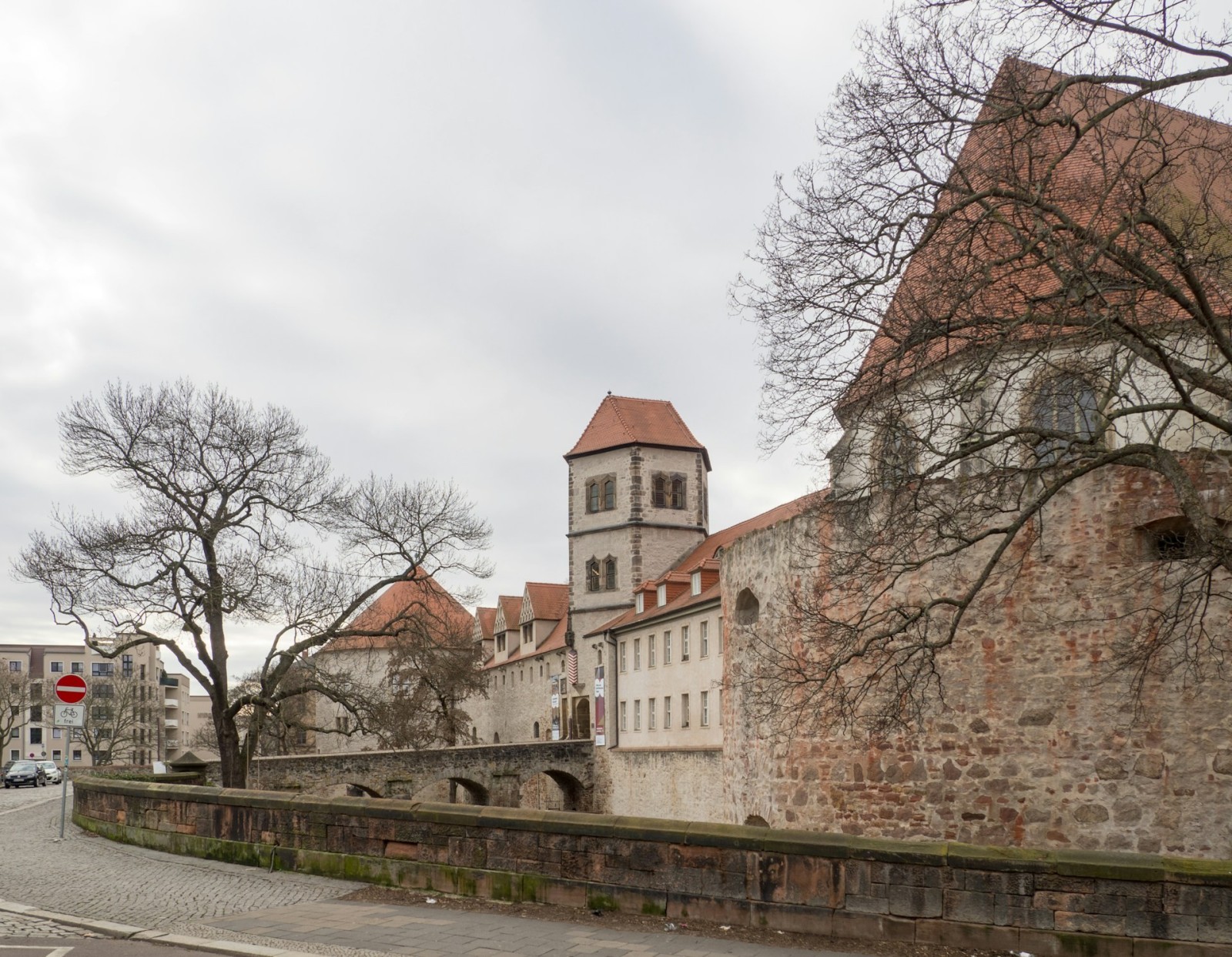
1. Attractiveness of Galle for travelers and tourists
Halle is a historical city of Germany located on the Saale River in the federal state of Saxony-Anhalt. It attracts tourists with ancient architecture, rich musical heritage, university traditions, museums and a cozy atmosphere. Unlike the major tourist centers of Germany, Halle allows you to get acquainted with the history and culture of the country in a more relaxed atmosphere, without excessive crowding of visitors.
2. Historical heritage and architecture
In the city center preserved medieval streets, ancient churches, squares and buildings of different historical eras. Particularly noteworthy are the Market Square with the Red Tower and the Marktkirche Church, as well as the Gibichenstein Castle, towering over Saale. Walking through the historic center allows you to see how Galle developed from a medieval trading settlement to a modern cultural center.
3. Musical culture and art
Halle is known as the birthplace of composer Georg Friedrich Handel. In the city there is a house-museum of the musician, dedicated to his life and work. Music festivals and classical music concerts attract art lovers from Germany and other countries. Halle is also interested in art museums, galleries and cultural venues, where works of different eras and modern authors are presented.
4. Museums and educational attractions
The city has strong scientific and university traditions. Among the interesting places are the Franke Foundations, a historical educational complex with museums and cultural institutions, as well as collections of natural history and archaeology. The university environment gives Galle a lively atmosphere and makes it attractive for travelers interested in science, history and education.
5. Nature and walks in the fresh air
The Zaale River, green parks and landscaped walking areas create conditions for a relaxing holiday. Tourists can walk along the embankments, relax on the islands and in park spaces, make bicycle trips and admire the cityscapes. Especially pleasant walks in the warm season, when there are opportunities to relax by the water and get acquainted with the natural surroundings.
6. Local cuisine and traditions
Galle is interesting gastronomic features of the Saxony-Anhalt region. In local cafes and restaurants you can try traditional German dishes, pastries, seasonal products and regional specialties. The historical feature of the city remains the culture of saltware Halloren, associated with centuries-old salt mining. This tradition is also associated with the famous Halloren chocolate products, which tourists often choose as a sweet souvenir.
7. Festivals and city events
Galle's cultural life includes music festivals, concerts, theatre productions, exhibitions and seasonal fairs. A special place is occupied by events dedicated to Handel, thanks to which the city retains its reputation as an important center of classical music. In the pre-Christmas period, the historical center becomes the venue for a festive fair with traditional treats, souvenirs and decorations.
1. High-level hotels and four-star hotels
Such hotels are suitable for travelers who appreciate spacious rooms, quality service, a restaurant, additional services and a convenient location. Depending on the hotel, guests may have access to health zones, fitness rooms, conference rooms and room service.
Examples of popular hotels:
Dorint Charlottenhof Halle (Saale) is a four-star hotel near the main train station. Suitable for comfortable rest, business trips and acquaintance with the city. It offers a restaurant, bar and health services.
Ankerhof Hotel is a hotel in a historic building near the Saale River and the city center. Suitable for tourists who want to combine walks in historical places with a comfortable stay.
DORMERO Hotel Halle is a hotel with modern design and convenient location relative to the central streets. Suitable for tourists, business travelers and guests who prefer hotels with additional facilities.
2. Mid-range hotels and three-star categories
This is a common choice for travelers who need a separate room, private bathroom, Wi-Fi and convenient transport connection without overpaying for additional high-end services.
Examples:
Hotel Atlas Halle is a city hotel close to the main railway station, convenient for independent travelers and those planning trips to the region.
TRYP by Wyndham Halle is a hotel in Neustadt. It is suitable for tourists who need practical living conditions and the ability to use public transport.
Hotel Marthahaus is a small hotel in the central part of the city, suitable for a quiet stay and exploring the sights.
3. Inexpensive chain hotels
Budget hotels offer standard rooms with basic amenities. They are suitable for short trips, overnight stays before further travel and tourists who spend most of their time outside the hotel.
Examples:
B&B HOTEL Halle (Saale) is a practical option in the central part of the city, from where it is convenient to get to historical sights, shops and transport stops.
Holiday Inn - the niu, Ridge Halle Central Station is a modern hotel near the main train station. Convenient for those coming by train and tourists planning departures to other cities.
Hotel am Steintor is an option for travelers who need a hotel with basic amenities and transport accessibility.
1. Market Square (Marktplatz)
Market Square is the historic center of Halle, surrounded by ancient buildings, shops, cafes and restaurants. Here are the Red Tower and Marktkirche Church. The square is suitable to start exploring the city, walking through pedestrian streets and visiting seasonal fairs.
Transport accessibility: the square is located in the center, so it is convenient to walk from many central hotels and the main train station. Nearby there are tram stops that allow you to get from other parts of the city.
2. The Red Tower (Roter Turm)
The Red Tower is one of the main architectural sights of Halle, built in the XV-XVI centuries. It rises above the Market Square and serves as a recognizable symbol of the city. The tower is interesting for its Gothic architectural details and historical connection with the development of medieval Halle.
Transport accessibility: located directly on the Market Square. It is most convenient to get on foot from the historic center or by tram to stops in the Marktplatz area.
3. Marktkirche Unser Lieben Frauen Church
The Church of Our Lady is an outstanding monument of late Gothic, built in the XVI century. It is known for its four towers, rich interior decoration and historical organs. The church is associated with the events of the Reformation and the musical history of the city. This is one of the most important places to explore the religious and cultural heritage of Galle.
Transport accessibility: located on Market Square, next to the Red Tower. You can walk from central hotels or take the tram to the center.
4. Handel House Museum (Händel-Haus)
The museum is dedicated to Georg Friedrich Handel, a world-famous composer born in Halle in 1685. The exhibition presents materials about his life, musical instruments and objects related to the history of Baroque music. The museum is especially interesting for fans of classical music and the history of European culture.
Transport accessibility: The museum is located in the historic part of the city. From the Market Square you can walk in about 5-10 minutes. From other areas it is convenient to get by tram to the central stops, and then walk.
5. Gibichenstein Castle (Burg Giebichenstein)
Gibichenstein Castle is located on a hill above the Saale River. Its history goes back to the Middle Ages. The complex is interesting with ruins of fortifications, panoramic views of the river and the surrounding area, as well as cultural events. The castle allows you to see the other side of Galle - a greener and calmer, outside the dense historical buildings.
Transport accessibility: from the center you can get by tram in the direction of Gibichenstein, and then walk. The last section of the route may include lifting, so it is worth providing comfortable shoes. Before visiting, it is advisable to check the operating hours of individual parts of the complex.
6. Art Museum of Moritzburg (Kunstmuseum Moritzburg)
The museum is located in the building of the medieval castle Moritzburg. Its collection includes painting, sculpture, graphics and works of decorative art. This is one of the main cultural attractions of Halle, especially interesting for lovers of fine arts and historical architecture.
Transport accessibility: The museum is close to the center. From the Market Square you can walk in about 10 minutes. You can also take the tram and walk the rest of the way.
7. The Frankesche Stiftungen Foundation
The historical educational complex was founded at the end of the XVII century by theologian August Hermann Franke. It includes ancient buildings of educational institutions, museum spaces, a historical library and collections of rare objects. The complex is interesting for those who want to learn about the development of education, science and public life in Germany.
Transport accessibility: the complex is located south of the historic center. The main train station can be reached on foot or by tram to stops in the Franckeplatz area. From the stop to the individual buildings of the complex you need to walk.
8. State Museum of Prehistory (Landesmuseum für Vorgeschichte)
The museum is considered one of the most important archaeological museums in Central Europe. The main exhibit is the Celestial Disc from Nebra, a bronze object about 3,600 years old with images of celestial symbols. The collections tell about the life of ancient societies, archaeological discoveries and the early history of the region.
Transport accessibility: The museum is located north of the historic center, on Richard-Wagner-Straße Street. From the center you can reach by tram or bus, and then walk. Before visiting, you should check the schedule of the museum.
9. Galle Cathedral (Dom zu Halle)
The cathedral is one of the oldest large church buildings in the city. Its architecture reflects several historical periods, and the interior space is interesting with religious art and musical traditions. It is located in the old part of Halle and blends well with visits to other historic buildings.
Transport accessibility: Market Square can be reached on foot in about 10 minutes through historic streets. Nearby are the New Residence and other attractions of the old town.
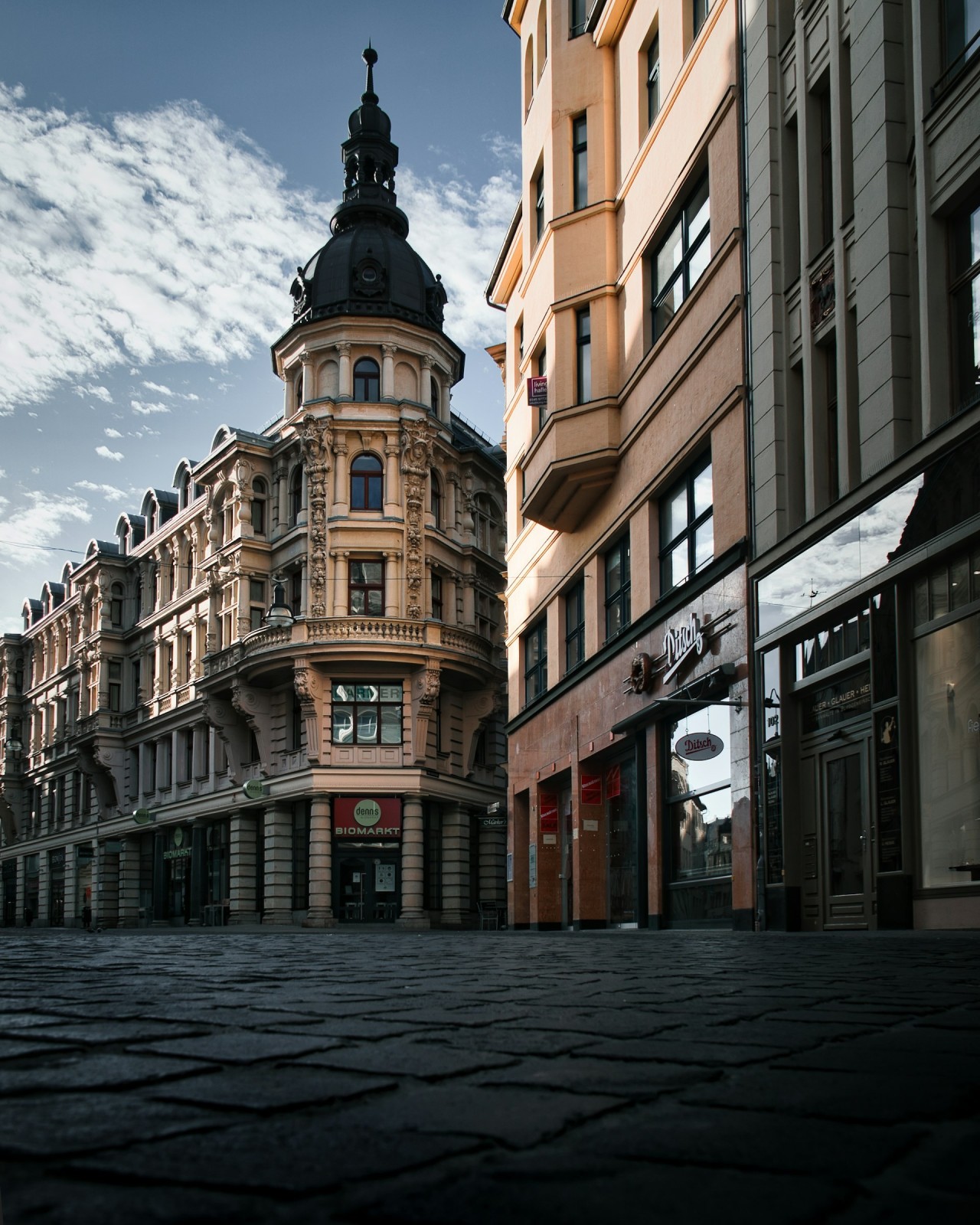
1. Easter is March or April. Festive services, family events, seasonal fairs and traditional treats.
2. Spring concerts and theatrical events – March-May. Concerts of classical music, performances of choirs, theatrical productions and musical programs.
3. May holidays (Maifeiern) - May. City festivities, small fairs, concerts and outdoor activities.
4. Handel International Festival (Händel-Festspiele) – late May or June A major musical event dedicated to Georg Friedrich Handel and Baroque music. The program of opera, orchestral concerts and performances of choirs.
5. The Feast of Flowering Lips (Historisches Lindenblütenfest) - usually June, is held every two years. Historical costumes, music, theatrical performances and craft fairs on the territory of the Franke Foundations.
6. Children's town "Halle an Salle" (Kinderstadt) - usually June-July, is held every two years. Educational project for children with role-playing, work, community management and creative pursuits.
7. The Long Night of Science (Lange Nacht der Wissenschaften) is usually in summer. Universities and scientific institutions organize lectures, experiments, demonstrations and excursions.
8. The summer cultural cycle "After Eight Summers" (Im Sommer nach 8) is usually August. Evening concerts, theater performances and cultural events in the city center.
9. The Night of Churches (Nacht der Kirchen) is usually August. Open churches, excursions, concerts of organ music, exhibitions and thematic meetings.
10. Lantern Festival (Laternenfest) - the last weekend of August. One of the main city holidays with concerts, fairs, events on the Zaal River, decorated with boats and evening light performances.
11. Open Monuments Day (Tag des offenen Denkmals) is the second Sunday in September. Excursions to historical buildings, architectural monuments and cultural sites.
12. Fountain Festival (Fontänefest) is usually September. Family events, music, gastronomic venues and evening lighting of the fountain on the island of Ziegelwise.
13. Salt and Salt Festival (Salzfest und Salinefest) is usually September. Events dedicated to the history of salt-making, the traditions of the Halloren brotherhood, crafts, music and urban culture.
14. Intercultural Week (Interkulturelle Woche) is usually September. Concerts, exhibitions, film screenings, lectures, gastronomic meetings and events dedicated to the cultures of different countries.
15. Pottery market (Töpfermarkt) - usually October. Fair of ceramics, handmade products, dishes and interior items.
16. SILBERSALZ Science & Media Festival is usually October or early November. Scientific films, exhibitions, lectures, meetings with researchers and interactive projects.
17. Filmmusiktage Sachsen-Anhalt is usually autumn. Concerts, screenings and events dedicated to the creation of music for film and television.
18. Lichterfest is usually the end of October or the beginning of November. Light compositions, festive illumination, processions and evening performances.
1. Winter (December, January, February)
Winter in Halle is usually cool, with an alternation of cloudy, rainy and frosty days. During the day, the temperature is more often from 0 to +5 ° C, at night it can fall below zero. Snow falls, but stable snow cover does not happen every winter.
Average air temperature:
December: about +2...+5 °C in the afternoon.
January: about +3 ... +4 °C in the afternoon.
February: about +4 ... +5 °C in the afternoon.
The water temperature in the Zaale River is usually about +2 ... +6 ° C, so swimming during this period is not suitable for ordinary tourist holidays.
Winter is suitable for visiting museums, historical buildings, theaters and concert halls. In December, the Christmas market is of particular interest. For walks, you should take warm clothes, waterproof shoes and an umbrella.
2. Spring (March, April, May)
In spring, the temperature gradually rises, the days become longer, and the city parks and banks of the Saale turn green. In March, frost is still possible, while May is usually warm enough for long walks. The weather can change quickly, so a light jacket and rain protection will come in handy even in late spring.
Average air temperature:
March: about +8...+9 °C in the afternoon.
April: about +13 ... +14 °C in the afternoon.
May: About +18... +19°C in the afternoon.
The water temperature in Saal is gradually increasing: about +4 ... +9 °C in March, +7 ... +13 °C in April and +11 ... +17 °C in May. These are indicative values, depending on the weather and the section of the river.
Spring is suitable for exploring the historical center, visiting Gibichenstein Castle, walking around Paisnitz Island and exploring museums. The Handel International Festival can be held in late May or June.
3. Summer (June, July, August)
Summer is the warmest period of the year. Average daily temperatures are usually within +21. +25 °C, although during heat can exceed +30 °C. Short-term downpours and thunderstorms are possible in the summer, especially in July.
Average air temperature:
June: about +22 °C in the afternoon.
July: about +24°C in the afternoon.
August: about +24°C in the afternoon.
The water temperature in the Saale River in summer can be about +17. +23 °C, but strongly depends on the specific site, current and weather conditions. Saale is a river, and not equipped with a beach pond everywhere, so before swimming it is necessary to take into account the flow, water quality and availability of permitted places.
Summer is best for river walks, cycling, visiting parks and outdoor activities. In August, the famous Lantern Festival takes place. For day excursions, it is useful to have a headdress, sunscreen and water.
4. Autumn (September, October, November)
In autumn, the temperature gradually decreases. September often stays warm enough for walks, October brings cool days, and November gets noticeably colder and cloudier. Possible rain, fog and the first frost.
Average air temperature:
September: around +19... +20°C in the afternoon.
October: around +14... +15°C in the afternoon.
November: around +8°C in the afternoon.
The water temperature in Saal is gradually decreasing: approximately +15 ... +20 °C in September, +11 ... +16 °C in October and +6 ... +11 °C in November.
Autumn is suitable for visiting museums, art exhibitions, concerts and historical sights. In September and October, salt festivals, craft fairs and cultural festivals can be held. Multi-layer clothing and a waterproof jacket are recommended for the trip.
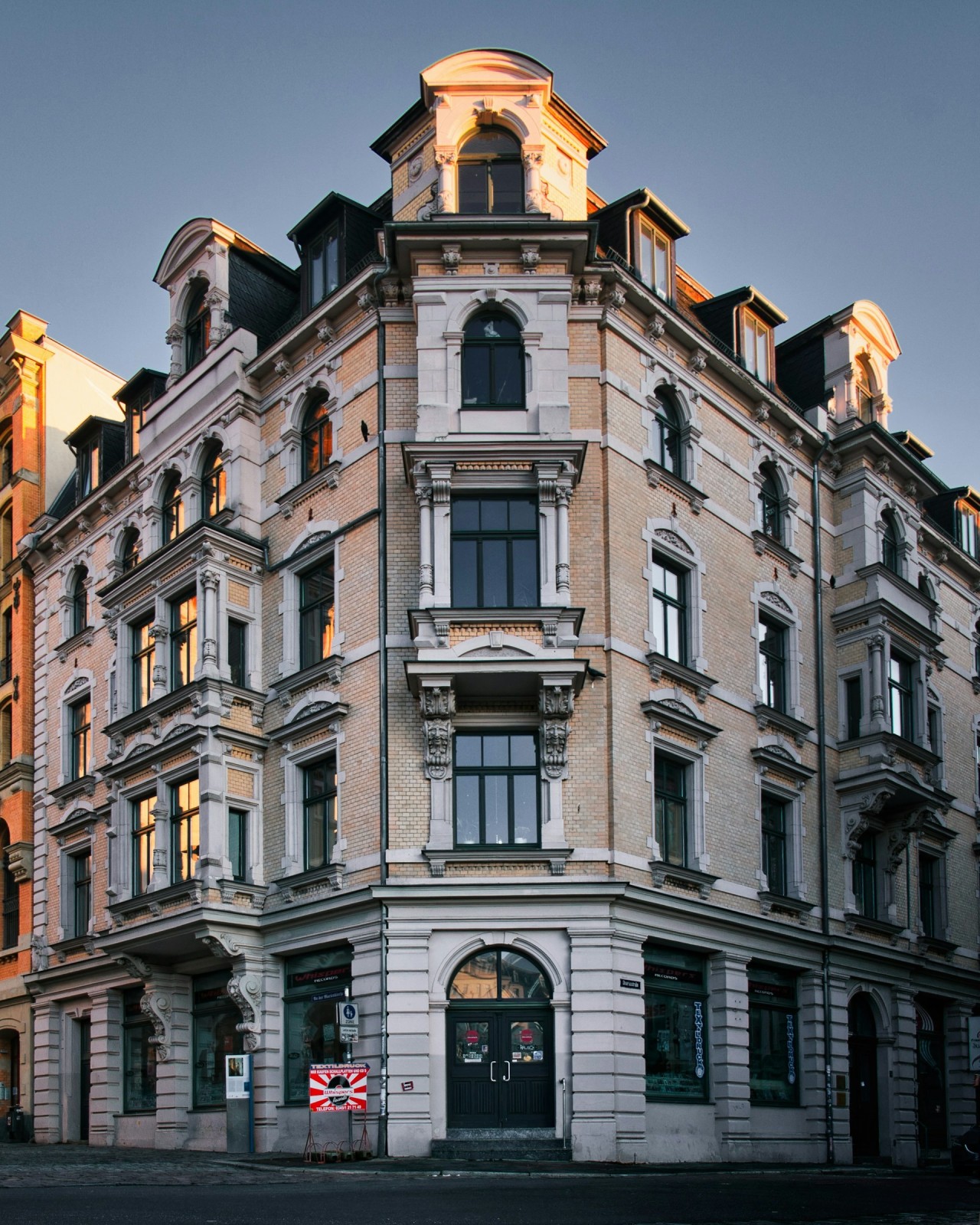
1. The main language of communication in Halle
The official language of Germany and the main language of communication in Halle is German (Deutsch). It is spoken in shops, restaurants, hotels, government offices and public transport. In everyday speech, locals can use regional pronunciations and colloquial expressions, but standard German is usually sufficient for communication.
English is spoken among young people, hotel staff, tourism workers and the university community. In small shops, cafes and establishments outside tourist areas, the level of English proficiency may vary.
To travel, it is recommended to know a few German words and expressions, have the address of the hotel and the name of the desired stop in writing. Polite treatment in German usually helps to establish contact with locals.
2. Traditions of greeting and communication
In Germany, it is customary to say hello when entering small shops, hotels, offices and other institutions. General greetings:
When first meeting strangers, adults usually use the polite treatment Sie (“You”). The treatment du (“you”) is more often used with friends and family. In conversation, politeness, calm tone and respect for personal space are valued.
3. Punctuality and rules of conduct
In Germany, punctuality is considered an important part of everyday culture. For excursions, meetings, concerts and events, it is advisable to arrive on time. If you are late for a booked service, it is better to notify the organizer in advance.
In public places, it is customary to observe order, do not make noise unnecessarily and respect others. In residential buildings, it is especially important not to make a loud noise late at night. Many shops are closed on Sundays, so it is better to buy food in advance.
4. Food and Restaurant Traditions
In the cafes and restaurants of Halle, you can try German cuisine, regional pastries and local sweets. At the table, it is customary to observe a calm manner of communication, and before eating, the company sometimes says Guten Appetit - "Pleasant Appetite".
Tips are usually left for good service. Often the amount is slightly rounded or called the waiter the final amount with a tip when paying. Tipping is not mandatory but is considered a common practice.
In many institutions, you can pay with a bank card, but a small amount of cash is useful. Before ordering, it is necessary to clarify whether the chosen payment method is accepted.
5. Holidays and religious traditions
Halle celebrates Christmas, Easter and other German state and religious holidays. In December, Christmas markets, street decoration and the sale of seasonal treats are popular. During the Easter period, festive services and family events are held.
When visiting churches, it is recommended to observe silence, do not interfere with worship and pay attention to the limitations of photography. During religious events, the personal space of parishioners should be respected and not enter closed rooms for visitors.
6. Rules of conduct in public places
In Galle, it is necessary to observe cleanliness, use urns and not leave garbage in parks, on embankments and near historical monuments. Do not damage buildings, monuments, plants and city property.
In public transport, you should give up seats to passengers who need them more, do not interfere with boarding and disembarkation and follow the rules of the carrier. Bicycle lanes are designed for cyclists, so pedestrians should not walk on them unnecessarily.
7. Laws and restrictions that are important to follow
Documents. Foreign tourists must have valid documents to enter and stay in Germany. It is useful to keep an identity document with you, or be ready to present it at the request of the police. Requirements depend on citizenship and residence status.
Public transportation. Before traveling, you must purchase a valid ticket and check whether composting is required. Travel without a ticket may result in an additional fine.
Crossing streets. It is necessary to observe traffic lights and cross the road in permitted places. Switching to a red signal for pedestrians may result in a fine.
Alcohol and driving. You cannot drive a car while intoxicated. Restrictions should also be observed when riding a bicycle and an electric scooter.
Prohibited substances. German legislation on the circulation of narcotic and other controlled substances must be complied with. Violations can be subject to severe fines and other penalties.
Smoking. Smoking is prohibited in public transport and in many public buildings. Pay attention to the signs and use specially designated places.
Historical symbolism. Public use of Nazi symbols and certain banned slogans in Germany may be a criminal offence.
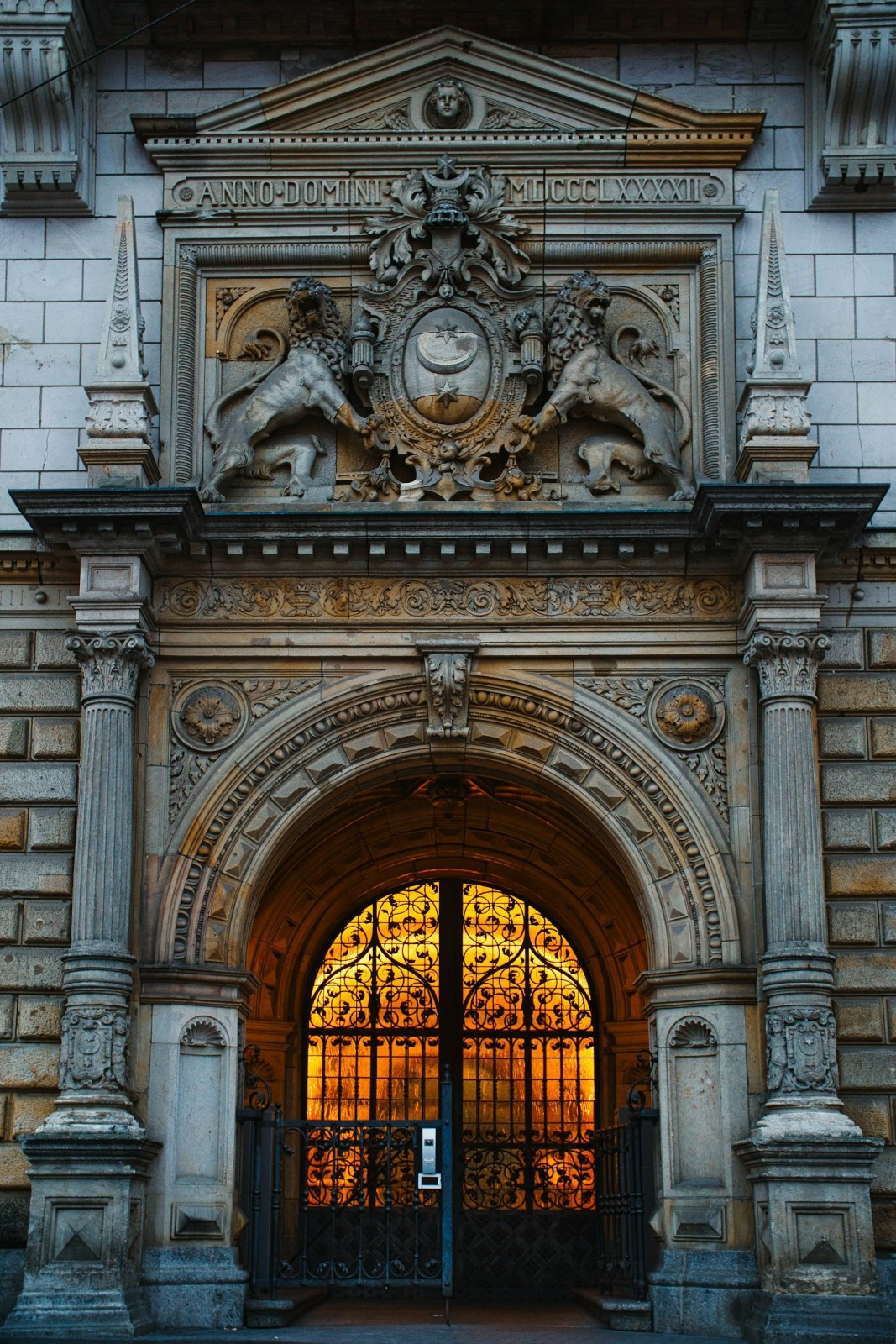
1. Basic words and expressions in German
Hallo, halo, hello.
Guten Morgen - good morning.
Guten Tag — guten so — good day.
Guten Abend - Guten Abent - good evening.
Gute Nacht — gute nacht — good night.
Auf Wiedersehen - Auf Viderzeen - goodbye.
Tschüss - chuss - bye.
Bitte - bite - please, please, you're welcome.
Danke, thank you.
Vielen Dank — Philen Dunk — thank you very much.
Entschuldigung — Entschuldigung — sorry.
Ja, I am.
Nein - nain - No.
Vielleicht, perhaps.
Natürlich, of course.
The Kein Problem is no problem.
Gern Geschehen — Gern Geschehen — you're welcome.
Es tut mir leid - s here mia light - I'm sorry, sorry.
2. Phrases for communicating with locals
Wie geht es Ihnen? - How are you?
Gut, danke. - Gut, danke, good, thank you.
Wie heißen Sie? - What's your name?
Ich heiße ... their haise ... my name is ...
Ich komme aus Lettland. I came from Latvia, I came from Latvia.
Ich bin Tourist. - their bin tourist, I'm a tourist.
Ich bin Touristin. - their bin Turistin, I'm a tourist.
Sprechen Sie Englisch? – Sprechen zi English – do you speak English?
Sprechen Sie langsam, bitte. Speak slowly, please.
Ich verstehe nicht. I don't understand.
Können Sie mir helfen? - Kenen zi mia helfen - can you help me?
Können Sie das wiederholen? - Kenen zi das viderholen - can you repeat?
Wie sagt man das auf Deutsch? - Vi zagt man das auf Deutsch - how do you say that in German?
Ich lerne Deutsch. - their Lerne Deutsch - I'm learning German.
3. Words and phrases for moving around Halle
Wo ist der Bahnhof? - in the East Dea Banhof - where is the railway station?
Wo ist die Straßenbahnhaltestelle? - in the East of Strasenbanhaltestaele - where is the tram stop?
Wo ist die Bushaltestelle? - in the East di Buschaltestaele - where is the bus stop?
Wie komme ich zum Marktplatz? – how to get to the Market Square?
Ist es weit? - Is it far away?
Kann ich zu Fuß gehen? - Can you walk?
Wo muss ich aussteigen? — to their muses austeigen — where should I go out?
Eine Fahrkarte, bitte. One ticket, please.
Eine Fahrkarte nach Leipzig, bitte. One ticket to Leipzig, please.
Wann fährt der nächste Zug? - van fert dea nexte zuk - when does the next train depart?
Hat der Zug Verspätung? - Hat dea zuk ferspetung - is the train delayed?
Wo kann ich ein Taxi nehmen? - where can I get a taxi?
Links - linx - left.
rechts -- rechts -- right.
geradeaus -- garadeaus -- straight.
1. Sweets and food. Galle's main gastronomic souvenir is Halloren Kugeln chocolates, which have been produced since 1952. You can also bring local honey, jams, German sausages, cookies and regional sweets.
2. Local cuisine. It is worth trying the traditional Hallore Schlackwurst sausage, salted Soleier eggs and German regional cuisine. A popular gift for drink lovers is wine from the Zaale-Ustrut wine region.
3. Useful goods. From Halle you can bring salt for baths, salt cosmetics, herbal teas, German pharmacy cosmetics and natural honey. The medicinal properties of such products should not be considered guaranteed.
4. Souvenirs. Popular products with the symbols of the fraternity of saltware Halloren, souvenirs with the image of the composer Georg Friedrich Handel, ceramics, handmade products and books about the history of the city.
1. Required documents. To travel to Halle, Germany, a tourist needs a valid passport or other recognized document to cross the border. Depending on citizenship, a Schengen visa or documents confirming the right to enter and reside may also be required. It is recommended to have copies of the passport, visa, accommodation reservation and return tickets separately from the originals.
2. Health insurance. Travellers applying for a Schengen visa usually need health insurance, valid throughout the Schengen area and covering emergency medical care and repatriation with a minimum coverage of 30,000 euros. Even with visa-free entry, it is recommended to obtain travel insurance, including treatment, hospitalization and transportation to the homeland.
3. Emergency phones. The following numbers apply in Germany:
112 – ambulance and fire service.
110, police.
116 117 - medical care outside working hours in conditions that do not require an ambulance.
When calling, provide the address or landmark, the nature of the incident and the number of victims. Emergency service providers may ask clarifying questions.
4. Mobile phone. The main German mobile operators operate in Halle:
Telekom - mobile communication and the Internet.
Vodafone – calls, mobile internet and prepaid rates.
O2 (Telefónica) – Communications and Mobile Internet.
1&1 is another mobile operator.
Tourists can use their operator’s SIM card when roaming or purchase a local SIM card or eSIM if the device supports it. An ID card is usually required to register a German prepaid SIM card.
5. How long can you stay in the country? EU citizens are subject to free movement rules in accordance with their status. For most non-EU tourists, short-term stays in Germany are limited to 90 days in any 180-day period throughout the Schengen area, not just Germany. Citizens of some countries require a Schengen visa. If you have a visa, you must comply with the dates indicated in it and the number of allowed entries. For stays longer than 90 days, an appropriate national visa or residence permit is usually required.
Create a query and local guides will offer you the best options

Install the app «PersonalGuide»
www.personalguide.ru

