Independent tourism and recreation in the city of Hagen Historical information about the city of Hagen Hagen i...
Hagen is a city in North Rhine-Westphalia, located between the Ruhr region and Sauerland. Despite the relatively young urban status, the territory of modern Hagen has a very ancient history.
1. Ancient history
The first traces of human presence on the territory of Hagen date back to about 40 thousand years ago. Especially famous is the Blätterhöhle Cave, where ancient human remains and archaeological materials have been found. They allow us to study the history of the population of Central Europe for several millennia.
In the Middle Ages, the area was covered with forests and consisted of small settlements. An important role was played by the fortifications of Hohensyburg and Raffenburg, as well as Hohenlimburg Castle.
2. Medieval period
In the XIII-XIV centuries the region was under the rule of various feudal dynasties. After the destruction of Wolmarstein Castle in 1324, the area gradually came under the influence of the Counts von der Mark.
Trade routes passed through the region, and the rivers Volme, Ennepe, Lene and Ruhr contributed to the development of crafts and trade.
In 1666, the territory finally came under the rule of Brandenburg-Prussia.
3. Emergence of the city
An important event was the fire of 1724, which destroyed a significant part of the old settlement. After the restoration, Hagen gradually acquired a more organized urban appearance.
In 1746, Hagen officially became a city. At that time, only a few hundred people lived here, so it was still a long way from a major industrial center.
4. Industrial growth of the nineteenth century
The real development began in the XIX century. Due to the location between the Ruhr and Sauerland, the following were actively developed here:
metallurgy;
production of tools;
metalworking;
wire production;
textile industry;
trade.
Of great importance was the emergence of railways that connected Hagen with other industrial centers of the region.
In 1876, Eilpe and Wehringhausen joined the city, and in 1901, Eckesey, Eppenhausen and Delstern. The population grew rapidly.
5. Hagen becomes a major city
In 1928, the population of Hagen exceeded 100 thousand people, and the city received the status of a large city.
In 1929, the territory was greatly expanded by the addition of Haspe, Boele, Fley, Halden, Vorhalle and other settlements.
At the same time, Hagen became known not only for industry, but also for culture. An important role was played by the entrepreneur and philanthropist Karl Ernst Osthaus, who at the beginning of the XX century turned the city into one of the centers of modern art. His activities are associated with the Folkwang Museum and the famous Villa Hohenhof.
6. World War II
During World War II, industry and railway infrastructure made Hagen an important target of air raids. The city was severely damaged and forced labor was used in factories.
After 1945, the restoration of industry, transport and residential areas began. In the 1950s and 1960s, Hagen again rapidly developed as an industrial center.
7. Hagen in the second half of the twentieth century
By the end of the XX century, the traditional metallurgical industry began to decline. Some major businesses closed and the city began to shift to a more diverse economy.
An important event was in 1975, when the historic city of Hohenlimburg, as well as several other territories, became part of Hagen. Because of this, the city acquired modern borders.
8. Hagen today.
Today, Hagen combines the industrial past, culture and nature. The history of the city can be seen in the open-air Museum of Hagen (LWL-Freilichtmuseum Hagen), the castle of Verdringen (Schloss Werdringen), Hohenhof and historical areas.
About 42% of the city’s territory is covered by green zones, so modern Hagen is markedly different from the typical industrial city of the Ruhr region.
The main feature of Hagen is the combination of ancient archaeological history, medieval castles, industrial heritage of the XIX-XX centuries and modern cultural life.
1. Combination of nature and industrial heritage
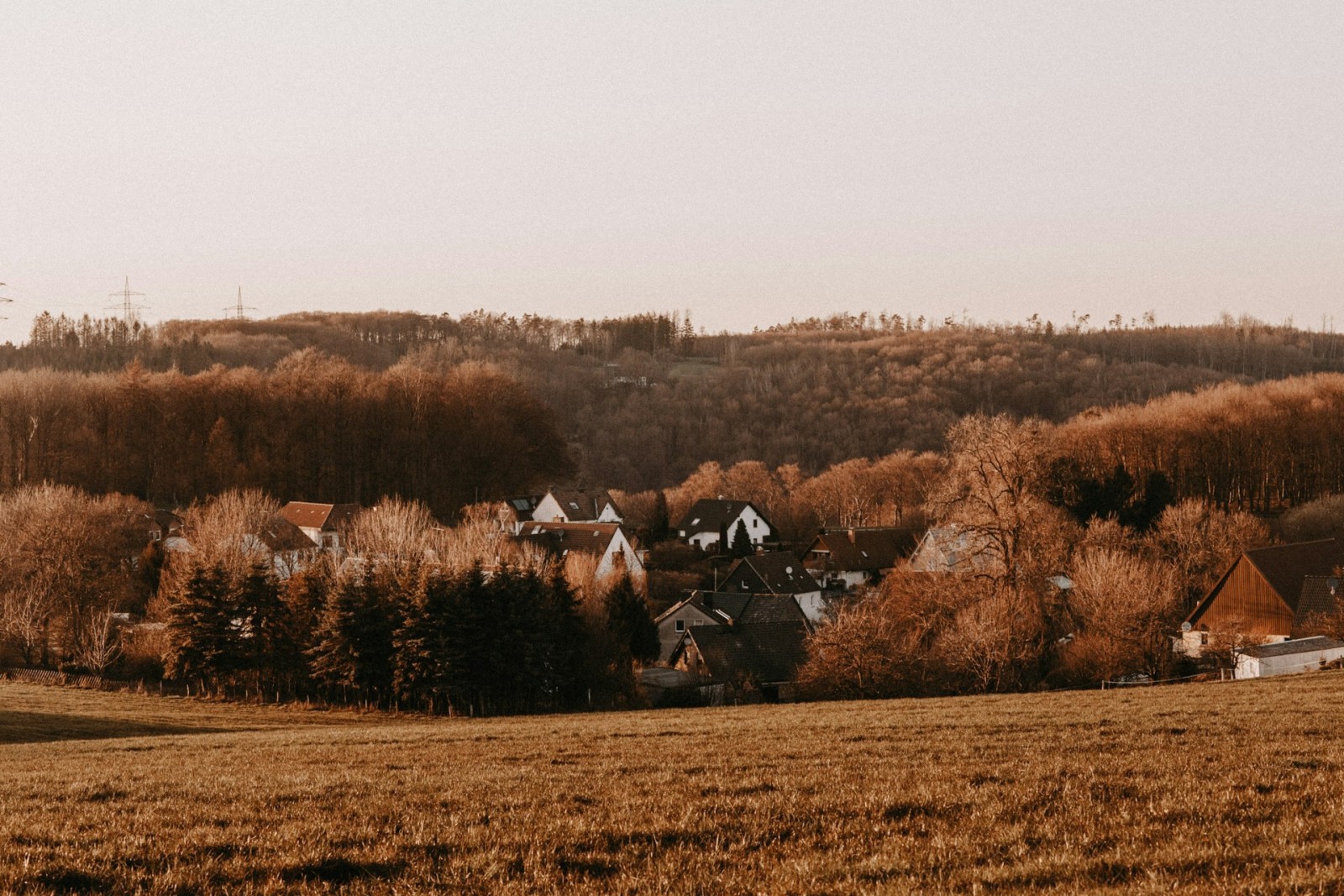
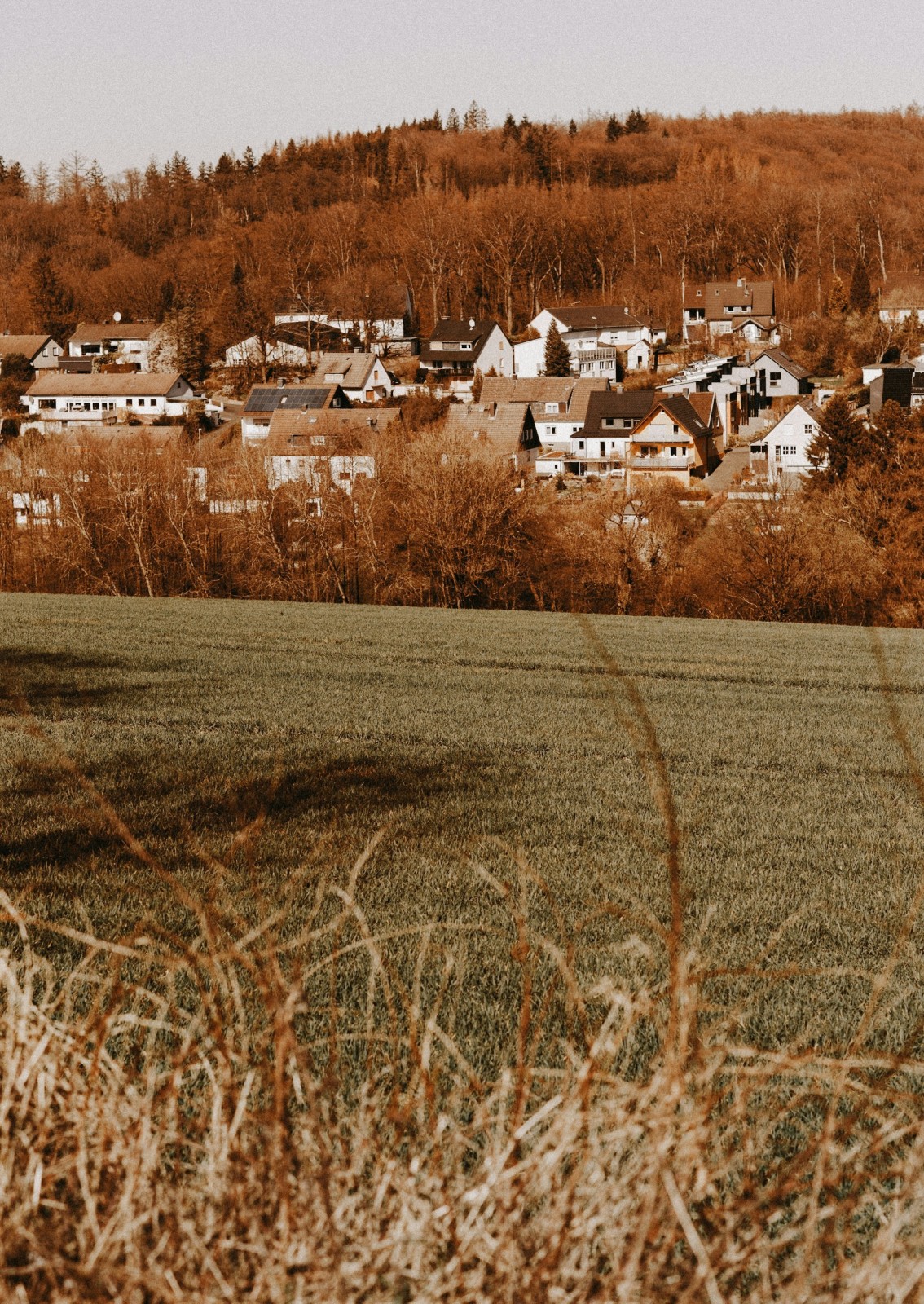
The main feature of Hagen is an unusual combination of a large industrial city and green landscapes. In the city and its surroundings there are forests, river valleys, hills and walking routes.
Tourists can combine tours of industrial sites with walks in nature, so Hagen is especially interesting for those who do not want to spend the entire trip only in the city center.
2. Castles and medieval atmosphere
One of the most attractive historical sites is the Schloss Hohenlimburg Castle. It is located on a hill and has preserved its medieval character. From the territory there are views of the surrounding area.
No less interesting is the castle of Verdringen (Schloss Werdringen), which houses a museum of archaeology and history. Here you can get acquainted with the ancient history of the region, see archaeological finds and learn about the life of people in Westphalia in different eras.
3. Architecture and art
Hagen has a special significance for the history of German modernism and modern art.
The main attraction of this direction is Hohenhof, built by architect Henry van de Velde for Karl Ernst Oosthaus. The building is considered one of the outstanding modern monuments in Germany.
Hagen is also interesting with museums associated with Carl Ernst Oosthaus and artist Emil Schumacher. Therefore, the city can appeal to lovers of art, architecture and design.
4. Industrial tourism
The history of Hagen is closely connected with metallurgy and handicraft production. One of the best places to explore this side of the city is the Hagen Westphalian Open Air Museum (LWL-Freilichtmuseum Hagen).
There are ancient workshops, forges, mills and other production facilities. Many historical technologies are shown directly to visitors.
This format makes the museum especially interesting for families and travelers who want not just to look at the exhibits, but to see how the old productions worked.
5. Natural recreation
Hagen is surrounded by green areas and is located in an area where the more hilly landscapes of Sauerland begin.
Popular:
Hiking;
bicycle routes;
forest trails;
walks along rivers;
Travel to surrounding villages and small towns.
It is especially pleasant to visit Hagen in spring and summer, when you can combine sightseeing with rest in nature.
1. High-level hotels and increased comfort
In Hagen, the choice of five-star hotels is small, so the main segment of comfortable accommodation is represented by good 4-star and designer hotels. They are suitable for tourists who appreciate spacious rooms, a good breakfast, a restaurant, parking and a calm atmosphere.
ARCADEON - Hotel & Haus der Wissenschaft und Weiterbildung Hagen - one of the most famous comfortable options. The hotel is located in the green part of the city, has a modern design and is suitable for both tourist and business trips. ARCADEON also has a nearby QUARTIER82 for families. Separate, double, family rooms and suites are officially presented.
SAXX Hotel "Am Theater Karree" is a modern option in the central part of Hagen, next to the theater and the main train station. Good for tourists who want to live in the center and use public transport.
2. Mid-range hotels
This is the most practical option for most travelers. Usually they offer their own bathroom, Wi-Fi, breakfast for an additional fee or included in the price, as well as the possibility of parking.
Hotel Lex GmbH is a popular city hotel near the central part of Hagen. Suitable for short tourist trips.
City Hotel Celina is an option near the main station. It is convenient to choose for those who come by train and plan to travel a lot around the Ruhr region.
Amical Hotel Hagen – The location right next to the main station makes it convenient for travelers without a car.
Mercure Hotel Hagen is another well-known mid-to-high-end option. It is located relatively centrally and has a convenient exit on the A1/A45. On current booking sites, the hotel has a score of around 8.2/10 based on more than 2,400 reviews.
3. Budget hotels
For an inexpensive trip, you can choose small city hotels or budget hotels. This is a good option for the tourist, who is more important location and price than additional services.
B&B HOTEL Hagen is a simple network option with a basic set of services. Suitable for a short stop for 1-2 nights. Booking services have a rating of about 7.8/10.
The Amical Hotel Hagen is also often seen as a relatively inexpensive option; on current booking sites, it ranks among the city's popular budget hotels.
Hotel Lex GmbH is another option for those who need inexpensive accommodation in the city without a lot of additional services.
4. Hostels and youth hotels
For students, young travelers and solo travelers, consider DJH Jugendherberge Hagen. This is a youth hostel with simpler living conditions than in conventional hotels.
DJH Jugendherberge Hagen is located on Eppenhauser Straße. Here you can find both more affordable accommodation options and individual rooms. At booking sites, it is presented among Hagen's inexpensive options.
Another option for living in a more natural setting is BUND & BUNDjugend Bildungszentrum und Jugendgästehaus Marienhof. It is located in the green part of Hagen and is more suitable for those who prefer a calm atmosphere.
5. Guesthouses and boarding houses
Gästehaus and Pension are suitable for those who want a more homely atmosphere and often a lower price than in larger hotels.
Haus Berlin - Hagen is a guest house in the Haspe district.
Gaestezimmer-Hagen is a small accommodation option with guest rooms.
In Hohenlimburg you can consider Gästehaus Lemberger - Hagen-Hohenlimburg - a convenient option for those who want to stay in the historical part of Hagen and at the same time be closer to nature.
6. Apartments and apartments
The apartments are especially advantageous for families, companies of friends and long stays. There is usually a kitchen or kitchenette, refrigerator, washing machine and more space than a standard hotel room.
NUIT Apartment - Zentral, Familien, Terrasse, Nähe Messe Dortmund - an option for families and independent travelers who care about the kitchen and more homely conditions.
City Apartment Hagen is an urban variant of apartment accommodation.
Apartments such as Apartmenthaus Bella Casa Hagen and Ferienwohnung Raiser are also found. On current reservation sites, they are among the inexpensive options for living in the city.
1. The Hagen Open Air Museum (LWL-Freilichtmuseum Hagen)
One of the most interesting museums in Hagen, dedicated to the history of crafts, technology and industrial development of the region. On a large territory there are historical workshops, forges, mills, bakeries and other buildings where you can see traditional methods of production. Many workshops work as demonstration, so the visit is not only informative, but also interactive.
Transport: From the main station Hagen can be reached by bus to the stop Freilichtmuseum. It is convenient to drive by car towards the southern part of the city; parking is provided near the museum.
Time to visit: 3-5 hours.
2. Hohenlimburg Castle (Schloss Hohenlimburg)
A medieval castle towering over the valley of the Lenne River. It is one of the most impressive historical sites of Hagen. The castle offers beautiful views of the surrounding forests and Hohenlimburg district. Especially interesting is the combination of preserved fortifications, towers, interior rooms and medieval atmosphere.
Transport: Hohenlimburg can be reached by regional train or bus. From the center of the district you will need to walk to the castle. The car is more convenient.
Time to visit: 1.5-2 hours.
3. Castle of Verdringen (Schloss Werdringen)
Picturesque castle with a water moat, located in the green part of Hagen. Inside is a museum dedicated to the archaeology and history of the region. Expositions tell about the life of people from prehistoric times to later historical epochs.
Transport: The Verdringen area can be reached by bus from Hagen and then walk a short distance on foot. It is easier to get by car, especially if you plan to visit other attractions in this part of the city.
Time to visit: 1-2 hours.
4. Carl Ernst Osthouse Museum (Osthaus Museum)
One of the main art museums of the city. Its history is connected with Carl Ernst Oosthaus, who sought to make Hagen an important center of modern art. The collection presents works of various artistic trends, including painting, graphics and sculpture.
Transport: The museum is located in the central part of Hagen. From the main station, you can take a city bus to the Stadtmitte area, after which you can walk for a few minutes.
Time to visit: 1-2 hours.
5. Emil Schumacher Museum (Emil Schumacher Museum)
The museum is dedicated to the famous German artist Emil Schumacher, who was born in Hagen. Here you can get acquainted with his abstract paintings, graphics and other works. This is a particularly interesting place for tourists who want to learn the cultural history of the city through the work of its famous native.
Transport: Located next to the Osthouse Museum, so both sites are convenient to visit together. From the central station, the road takes a little time by bus and on foot.
Time to visit: 1-1.5 hours.
6. Hohenhof (Hohenhof)
One of Hagen's architectural gems. The villa was built for Carl Ernst Oosthaus by Belgian architect Henry van de Velde. The building is an outstanding example of modern architecture of the early XX century. Interesting not only facade, but also interiors, furniture and decorative elements created as a single artistic ensemble.
Transport: From the city center, you can take a bus to the Eppenhausen area, after which you can walk.
Time to visit: about 1 hour.
7. The Hagen City Museum (Stadtmuseum Hagen)
The museum tells the story of Hagen and its surroundings. Expositions allow you to trace the development of the city from the early settlements to the industrial center and modern Hagen. It is especially useful for the first acquaintance with the history of the city before visiting castles and industrial sites.
Transport: The museum is located near the central part of the city. The main station can be reached on foot or by city bus.
Time to visit: 1-1.5 hours.
8. The Hagen Bunker (Bunker Hagen)
Historical bunker of the Second World War, reminiscent of the military history of the city. Hagen was an important industrial center, so during the war was subjected to air raids. Visiting such sites allows you to see a less touristic, but important side of the history of the city.
Transport: Located in the urban part of Hagen and accessible on foot or by public transport from the center.
Time to visit: about 1 hour.
9. Lake Hengsteysee
A large reservoir on the northeastern outskirts of Hagen, a popular place for walking and relaxing in nature. There are walking and cycling routes around the lake. Here you can combine sightseeing with rest by the water and a walk among the greenery.
Transport: The lake area can be reached by train or bus, and then continue on foot. The car entrance is also convenient.
Time to visit: 1.5-3 hours.
10. Central Hagen
The city center is suitable for an independent walk between museums, shops, cafes and city squares. Of particular interest are the central streets, modern buildings and individual historical structures preserved after military destruction and post-war reconstruction.
Transport: Hagen Main Station is a convenient starting point. Most central sites can be viewed on foot.
Time to visit: 1-2 hours.
11. Bismarck Tower (Bismarckturm)
A historic observation tower located among the green hills of Hagen. It is part of a network of similar towers built in Germany in honor of Otto von Bismarck. The place is especially interesting due to the surrounding nature and the ability to combine a walk with a tour of the historic building.
Transport: It is most convenient to get by car or bus with a subsequent walk.
Time to visit: 1-1.5 hours.
12. The Ruins of Berchum (Ruine Berchum)
The remains of a medieval fortification in the Berkum area. Some fragments have been preserved from the structure, but the historical atmosphere and location among wooded areas are of interest.
Transport: It is best to get by car or public transport with a subsequent walk.
Time to visit: about 1 hour.
13. Hunenpforte (Hünenpforte)
A natural monument near Hagen, which is an unusual rock formation. This place will especially appeal to lovers of hiking, nature and geological attractions.
Transport: Public transport can be reached with transfers, so a car is more convenient for an independent trip. The last section of the route is on foot.
Time to visit: 1-2 hours.
14. Historic District of Lange Riege
One of the most unusual historical corners of Hagen. There are a number of old houses associated with traditional blacksmithing and craft production. The area shows how crafts influenced the formation of Hagen as an industrial city.
Transport: The Eilpe district can be reached by city bus, after which you can continue walking.
Time to visit: 30-60 minutes.
15. Friedrich-Ebert-Platz
One of the central squares of Hagen and a convenient starting point for exploring the city. From here you can continue walking along the central streets, go to museums and other city attractions.
Transport: The square is located in the central part of the city and is well connected to the main station by bus routes.
Time to visit: 30-60 minutes.
Easter events and spring fairs (March-April)
The city hosts small family holidays, fairs, exhibitions and cultural events.
Feierabendmarkt Hagen - Evening Market (May)
Seasonal series of meetings on the square near the museum quarter. Here you can taste the dishes and products of the region, listen to music and spend the evening in a relaxed atmosphere. In 2026, events are also held on May 28, July 2 and September 3.
Opening of Museums and Parks Season (May)
With the onset of warm weather, there are significantly more excursions, walks, outdoor activities and programs in historical places.
Muschelsalat – Hagen Cultural Festival (July-August)
One of the main summer events of the city. Concerts, street theater, acrobatics, circus and musical performances are held in the open air in different areas of Hagen. In 2026, the festival celebrates its 40th anniversary and runs from July 22 to August 26.
Vielfalt tut gut - Festival of Cultural Diversity (July)
A big summer holiday with music, dance, gastronomy and a cultural program. In 2026, it takes place on July 11 and is for the first time united with one of the Muschelsalat events.
Summer open-air concerts (July-August)
Free concerts are held in city parks and outdoor venues. Especially characteristic are evening performances at Konzertmuschel, Stadtgarten, Fritz-Steinhoff-Park, Ennepe-Park and other venues.
Concerts and Theatre Performances (June-August)
In summer, urban cultural venues, theaters and independent cultural centers are actively working. In addition to music, there are cabaret, comedy shows, street performances and other performances.
Bites & Beats (September)
A modern city event combining food, music, art and evening entertainment. In 2026, it is scheduled for September 19: various restaurants, bars, cafes and cultural venues of the Hagen center participate in the general program.
Afro Vibe Festival (September)
Music and cultural festival with concerts, DJ program, dances, shows and African cuisine. 2026 takes place on September 5 at Volkspark.
Kreativmarkt Wehringhausen (September)
Creative market with handmade products, art, music and performances. A good option for buying unusual souvenirs from local craftsmen.
Mord am Hellweg - Crime Literary Festival (September-November)
A major festival of detective literature, within which meetings with writers, readings and thematic evenings are held. In Hagen in 2026, events take place from September to November.
Open Monuments Day (September)
In September, you can get on special excursions to historical buildings and monuments, which are limited in the usual time.
Hagen Christmas Market (November-December)
The main winter event of the city. In the center there are festive pavilions, jewelry, food, hot drinks, souvenirs and a concert program. There are special children's days, performances of musicians, parades and other events.
Christmas concerts (December)
Concerts, choral performances and musical evenings are held at the Christmas market and cultural institutions. One of the events is called Hagen singt, where visitors perform Christmas songs together with the choir.
Nikolaus (December)
For families with children, special programs are organized with Nikolaus, characters, contests and entertainment.
New Year concerts and performances (December-January)
After Christmas, the cultural program continues: concerts, theatrical performances and festive events are held.
Winter - December - February
Winter in Hagen is mild but rather damp and overcast. Snow is possible, but sustained snow cover is rare.
Air temperature:
December: approximately +3...+7 °C
January: about 0...+5 °C
February: around 0...+5 °C
At night, the temperature can drop below 0 ° C. For walks, it is better to have warm waterproof shoes and a jacket.
Water temperature: natural bodies of water in winter are usually about 2-5 ° C, so swimming is practically not suitable.
Winter is good for museums, historical sites, theaters and Christmas events. Especially interesting is the period of late November – December, when the Christmas market takes place.
Spring - March-May
Spring is gradually becoming warm, but the weather remains changeable. In March it is still cool, and in May it is comfortable enough for long walks.
Air temperature:
March: +4... +10 °C
April: +7 ... +14 °C
May: +11... +19 °C
In May, nature is especially attractive: the forests become greener, it becomes comfortable to walk near lakes, castles and open-air museums.
Water temperature: approximately 5–13 °C depending on the month. It's still cold for swimming.
April and May are suitable for a quiet excursion trip, especially if you want to combine city sights with nature.
Summer - June - August
Summer is the most comfortable time to travel to Hagen. The average temperature in July and August is about 18-19 °C, and in the afternoon during warm periods the temperature can rise above 25 °C.
Air temperature:
June: +14 ... +22 °C
July: +16...+24 °C
August: +16...+24 °C
Short-term heavy downpours and thunderstorms are possible in summer, so a raincoat or compact umbrella will be useful.
Water temperature: in lakes and other bodies of water in summer, the water usually warms up to about 16-20 ° C, the warmest is in July-August. Hagen is not a classic beach resort.
Summer is best for visiting the LWL-Freilichtmuseum, castles, walks near Hengstaise and other natural sites. In addition, in the summer there are many concerts and festivals.
Autumn - September - November
In September, the weather is usually quite comfortable, and from October it becomes noticeably cooler. Autumn in Hagen is pretty wet.
Air temperature:
September: +13... +20 °C
October: +9 ... +15 °C
November: +4 ... +9 °C
Water temperature: approximately 15–17 °C in September, about 10–13 °C in October and 7–9 °C in November.
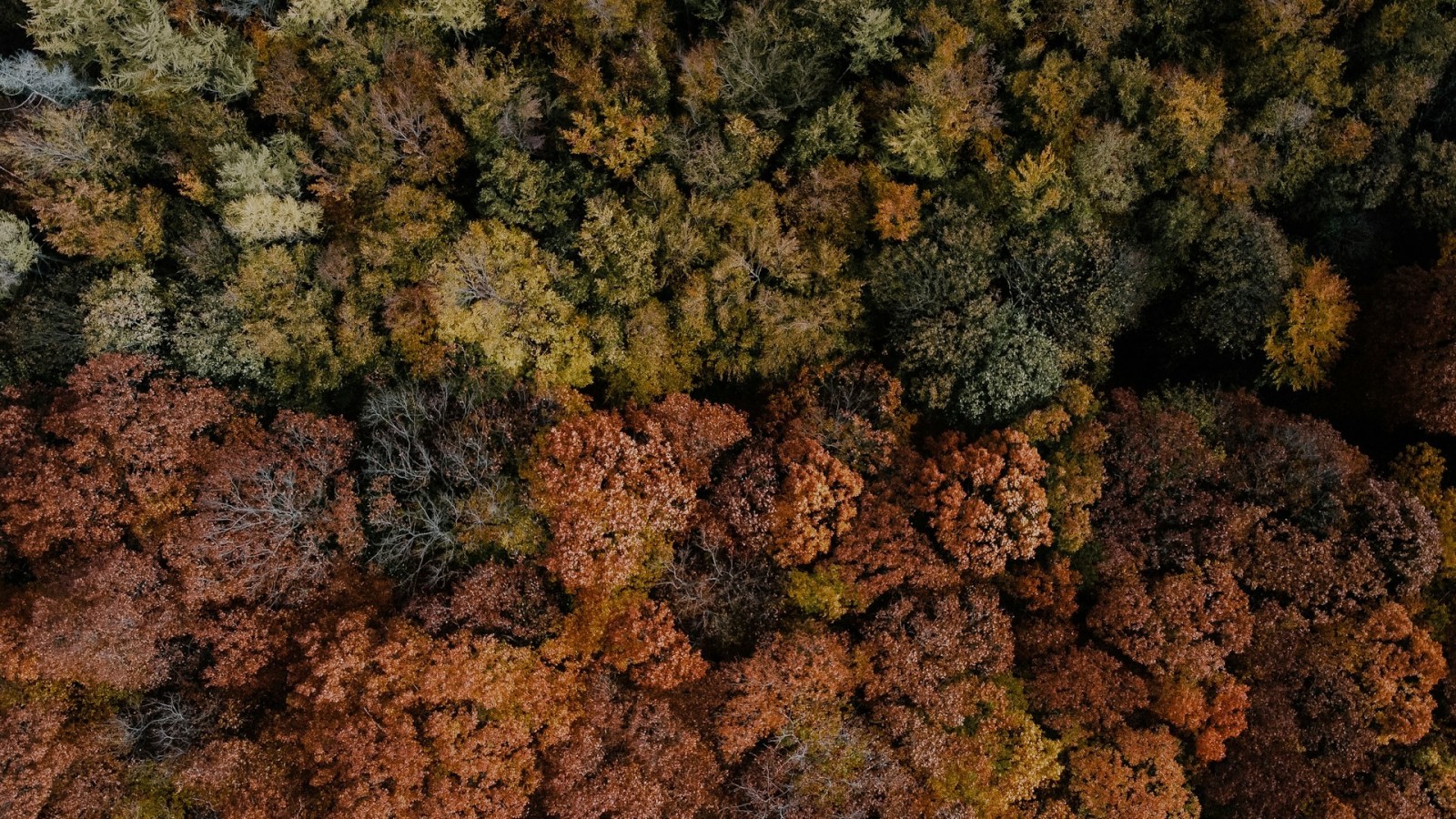
September is one of the best months for walking and cultural tourism. October is particularly beautiful in the forests around Hagen, but the weather becomes less predictable.
Language of communication
The main language of communication is German. Standard German is used in everyday life, shops, restaurants, hotels, public transport and government offices. Local variants of West German dialects can be heard in the region, but standard German is enough for tourists.
In touristic places, hotels and large restaurants, it is often possible to explain in English, especially with young people. Russian is not a widely used language of service, so you should not count on it.
Main traditions and customs
Punctuality. In Germany, time is very important. If you have agreed on a meeting, excursion or check-in, it is advisable to arrive on time. Being 10 to 15 minutes late without warning can be considered impolite.
Welcome. In a formal setting, it is customary to say hello to the words Guten Tag or Hallo. When meeting, a handshake is usually enough. Do not be too familiar to address strangers.
Addressing "you." With strangers usually use Sie - polite form of treatment. The transition to du occurs when the interlocutors themselves offer to address each other to “you”.
Lines. In shops, cash desks, institutions and other public places, the queue should be observed. Don’t try to get ahead of other people.
Silence. In residential areas of Germany, peace of mind is appreciated. It is especially important not to make noise late in the evening and at night. Loud music, shouting and noisy parties can cause complaints from neighbors.
Respect for personal space. Germans usually maintain some physical distance when talking. It is not recommended without the need to touch strangers.
Restaurants and cafes. Restaurants usually wait for the waiter to offer or indicate a place, if the establishment operates on a service system at tables. Tipping is not always mandatory, but with good service usually leave about 5-10% or round the amount.
Photos of people. Do not take close-up photos of strangers without their consent, especially children and participants in private events.
Important laws and regulations
Documents. The tourist is advised to carry an identity document, and for foreign citizens - the necessary documents for legal stay in Germany. The original passport is best stored securely, and a copy or electronic copy should be kept separately.
Drug prohibition. Germany has special regulations on cannabis, but that doesn't mean any drugs are allowed. It is safer for tourists not to purchase, transport or use prohibited substances.
Prohibition of dangerous objects. The carrying of certain weapons and other dangerous items is regulated by German law. Tourists should not bring items that may be subject to restrictions.
Protection of public order. Insults, threats, fights, damage to property and public order can result in fines or criminal liability.
Personal data and privacy. In Germany, the right to privacy is taken very seriously. Do not post photos of other people on the Internet without their consent, if they are the main objects of the picture.
Basic words
Hallo - hello, hello - Hallo
Guten Morgen - Good Morning - Guten Morgen
Guten Tag - Good afternoon - Guten Tag
Guten Abend - Good evening - Guten Abent
Tschüss - bye-bye, bye-bye - huss
Auf Wiedersehen - Goodbye to Auf Vúderzeen
Bitte - please - bitte
Danke - thank you - danke
Vielen Dank - thank you very much - Filen Dank
Entschuldigung - sorry - Entschuldigung
Ja - yes - I
Nein - no - nain
Vielleicht - possibly - Philleicht
Natürlich - of course - naturlich
Gut - good - gut
Schlecht - bad - schlecht
Hilfe - help - hulfe
Eingang - entrance - áingang
Ausgang - exit - ausgang
Heute -- today -- Hyte.
Morgen - tomorrow - morgen
Jetzt - now - yetst
Acquaintance and polite communication
Wie geht es Ihnen? - How are you?
Gut, danke. - All right, thanks. - Gut, danke.
Wie heißen Sie? - What's your name?
Ich heiße ... - My name is ... - their heiße ...
Freut mich, Sie kennenzulernen. - Nice to meet you. - Fruit mich, zi kenentsularnan.
Sprechen Sie Englisch? - Do you speak English?
Ich spreche nur ein bisschen Deutsch. - I speak a little German. - Their Spreche noor ain bischen deutsch.
Ich verstehe nicht. - I don't understand. - They're good.
Können Sie das bitte wiederholen? - Can you say it again? - Kenen zi das batte vúderholen?
Bitte sprechen Sie langsamer. - Please speak more slowly. - Bitte Sprehen zi Langzamer.
If you need to ask the way
Entschuldigung, wo ist der Bahnhof? - Excuse me, where's the train station?
Wo ist die Bushaltestelle? - Where's the bus stop? - In the east di boshaltestelle?
Wie komme ich ins Stadtzentrum? How do I get to the city center?
Ist es weit? - Is that far?
Kann ich zu Fuß gehen? - Can you walk there? - Can you walk there?
Links - left - linx
Rechts - right - Rachts
Geradeaus - straight - Garadeaus
Hier - here is a chir
Dort - there - dort
At the hotel.
Ich habe eine Reservierung. - I have a reservation. - their habe áine reservirung.
Ich möchte einchecken. - I want to register. - Their mehte áincheken.
Um wie viel Uhr ist der Check-out? - What time is the eviction?
Ist das Frühstück inklusive? Is breakfast included?
Wo ist mein Zimmer? - Where's my number?
Können Sie mir helfen? Can you help me?
Das WLAN funktioniert nicht. - Wi-Fi's not working. - It's a function.
Ich brauche ein Handtuch. - I need a towel. - their brauhe ain handtuch.
Cafe and restaurant
Einen Tisch für zwei Personen, bitte. - Table for two, please. - Weinen tish für zwei parzonen, bitte.
Die Speisekarte, bitte. - Menu, please. - Spaisakarte, bitte.
Was empfehlen Sie? - What do you recommend?
Ich möchte das bestellen. - I'd like to order this. - their mehte das bashtellen.
Ohne Fleisch, bitte. - No meat, please. - You're fluish, bitte.
Ohne Alkohol, bitte. - No alcohol, please. - Ne alcohol, bitte.
Die Rechnung, bitte. - Check, please. - Di Rehnung, Bitte.
Kann ich mit Karte bezahlen? - Can I pay with a card? - Can I pay with a card?
Das war sehr lecker. - It was delicious. - Das var zea leker.
1. Local and regional food
Rye and mixed German bread. In bakeries you can buy dense rye bread, whole grain varieties and traditional buns. Such bread is well suited as a gastronomic gift, although it is better to buy fresh pastries immediately before leaving.
German sausages and delicacies. In the North Rhine-Westphalia region, various types of sausages, smoked meats and meat products are popular. For transportation, it is better to choose products in vacuum packaging with a long shelf life.
Westphalian ham (Westfälischer Schinken) A traditional regional product with a characteristic smoked-salted taste. This is one of the most interesting gastronomic souvenirs from Westphalia.
Pumpernickel. Dark dense rye bread, characteristic of Westphalia. It is well stored and therefore much more convenient for transportation than regular fresh bread.
Local apiary honey. In the vicinity of Hagen, there are many forest and green areas, so you can find locally produced honey. A good option for a small edible gift.
Regional jams and jams. In small shops and seasonal markets you can find products from berries, apples and other local fruits.
Chocolate and sweets. German chocolate, praline, marzipan, biscuits and waffles are a versatile gift option that is easy to transport.
2. Drinks.
Regional beer. North Rhine-Westphalia is known for its beer culture. In the shops you can look for varieties of small regional breweries.
Locally produced soft drinks. If alcohol is not suitable for transportation, fruit drinks, lemonades and other regional products are a good alternative.
Coffee. Good quality German coffee can be purchased in specialty stores and small roasting workshops. For a gift, it is more convenient to take grain or ground coffee in a sealed package.
3. Useful products and tools
Herbal teas. In German pharmacies and shops, a large number of herbal teas are sold: chamomile, mint, melissa, sage and various mixtures.
Natural makeup. A good option for a practical gift is German creams, balms, skin care products and natural cosmetics.
Herbal balms. You can find remedies with plant extracts for massage and skin care. It is important to distinguish cosmetics from medicines.
Bath salt and home care products. An inexpensive and compact gift option, especially if you want to bring something from German pharmacy or cosmetic products.
Important: do not buy medicines as a souvenir “just in case”. If the drug is a medicine, you should check its composition, purpose and rules of importation into the country where you are returning.
Hagen is generally suitable for independent tourist travel. The main risks for tourists are not associated with crime, but with ordinary urban situations: pickpocketing in crowded places, attentiveness at the station and in public transport, compliance with traffic rules and caution during walks in forest and hilly areas.
Documents required
To travel to Hagen, you must have documents allowing you to enter and stay in Germany:
A passport must be valid; for a short trip, the document must usually be issued no more than 10 years ago and valid for at least 3 months after the intended departure from the Schengen area.
A visa if required by a citizen of your country.
Confirmation of residence - hotel reservation, apartment or invitation.
Confirmation of the purpose of the trip – for example, a tourist route or reservation.
Confirmation of funds for the trip and return trip may be asked to present at the entrance.
It is advisable to have copies of passport, visa and insurance separately from the originals.
If the trip is carried out on a Schengen visa, you must comply with the period specified in the visa.
Health insurance
For a tourist trip to Germany, health insurance is highly recommended, and for a Schengen visa, insurance valid throughout the Schengen area and for the entire period of the trip is required, with a minimum coverage of 30,000 euros.
It is desirable that the insurance includes:
emergency medical care;
hospitalization;
treatment after an accident;
medical transportation;
Repatriation if necessary.
It is also recommended to check in advance whether the policy covers outdoor activities if cycling, hiking or other similar activities are planned.
Emergency services phones
112 - Ambulance and Fire Service. The room works around the clock and for free. It is used for life-threatening, serious injuries, fire, serious diseases and other emergencies.
110, police. It is used in crimes, security threats, assaults, serious disturbances of public order and other situations requiring police intervention.
116 117 - on-duty medical service. Suitable for urgent but non-life-threatening health problems when conventional doctor's offices are closed.
115 - Reference service of state institutions of Germany. It may be useful for administrative information.
When calling 112, it is advisable to report the exact scene of the incident, what happened and how many people need help. After that, you should wait for additional questions of the dispatcher and do not put the phone down yourself.
Mobile communications
There are four main mobile networks in Germany:
Telekom Deutschland;
Vodafone;
Telefónica Germany (o2);
1&1.
Germany’s Federal Network Agency (FNMA) indicates that various operators use one of these four mobile networks. The quality of coverage may vary depending on the specific area.
In Hagen itself, mobile communication is usually convenient for tourist purposes. When traveling outside the center, especially in forest and hilly areas, it is advisable to download the route map in advance and have a charged phone.
City security
In the center of Hagen and near the main station, you should observe the usual precautions:
Do not leave your phone and wallet unattended.
monitor the bag on public transport;
Do not store all money and bank cards in one place.
Avoid poorly lit streets late at night.
Do not leave valuables in the car;
When withdrawing cash, cover the ATM keyboard.
Particular attention should be paid to things at the station and in places of large crowds of people.
Safety in nature
Hagen is surrounded by forests, hills and reservoirs, so tourists often combine a city tour with hiking routes.
When walking, it is recommended:
use the designated routes;
have comfortable shoes;
take into account rainy weather;
Do not come close to the edges of steep slopes;
comply with the rules of natural territories;
have a charged telephone;
Check the weather forecast before a long route.
After heavy rain, some forest trails can become slippery.
How many tourists can stay in Germany
For citizens of countries that do not require a short-term Schengen visa, the standard rule is no more than 90 days in any 180-day period. These 90 days are counted collectively throughout the Schengen area, not separately for Germany.
You can’t spend 90 days in Germany, then travel to France or the Netherlands for a few days and get another 90 days.
For citizens of countries requiring a Schengen visa, the duration is determined by the conditions of the visa issued, but short-term stay also applies to the 90/180 rule, unless otherwise provided by the document.
If you plan to stay for more than 90 days, an appropriate basis is required – for example, a national long-term visa or a residence permit. The rules for such trips are different from the usual tourist stay.
Create a query and local guides will offer you the best options

